Saint-Gaudens National Historical Park is one of the most unusual national parks in the country. Instead of dramatic wilderness, visitors will find the preserved home, studios, and gardens of Augustus Saint-Gaudens, the sculptor behind some of America’s most famous public monuments and coins.
Bronze sculptures, historic buildings, and landscaped grounds make the park feel more like an outdoor art museum than a traditional national park. Add in free house tours and working artist studios, and it is easy to see why so many visitors consider this one of New Hampshire’s hidden gems.
Where the Park Begins: Address, Location, and First Impressions
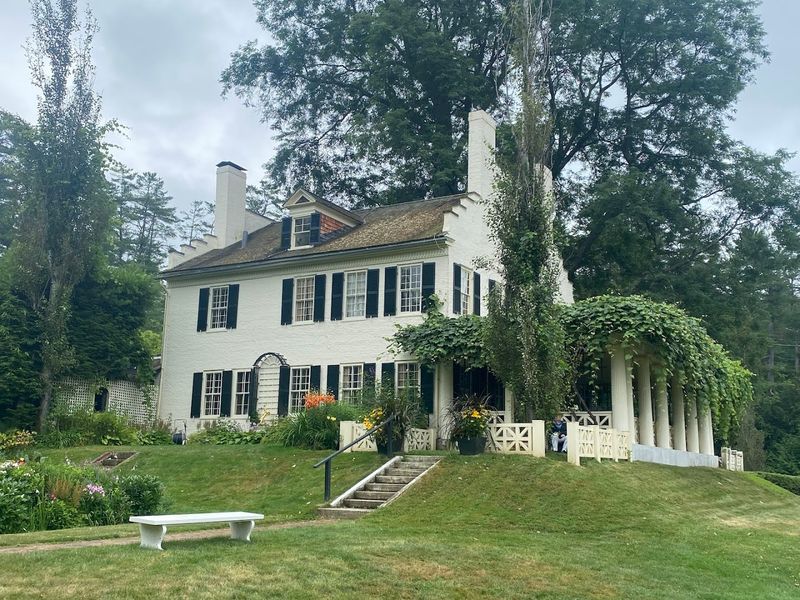
The address is 139 St Gaudens Rd, Cornish, NH 03745, and the drive there is already half the experience. The winding roads through the Connecticut River Valley, with Vermont’s hills visible across the water, set a peaceful tone before you even park the car.
The parking lot sits across the street from the main grounds, with a short trail leading visitors over to the estate. You can also cross directly where you drive in, which brings you straight up to Aspet, the main house.
The park is open Thursday through Monday from 9 AM to 4:30 PM, and it is closed on Tuesdays and Wednesdays. Admission is $10, and America the Beautiful pass holders get in free.
The phone number is +1 603-675-2175, and more details are available at nps.gov/saga. Even arriving a few minutes early gives you time to explore the grounds before the buildings open, which is a surprisingly lovely way to start the visit.
The Man Behind the Park: Augustus Saint-Gaudens and His Legacy
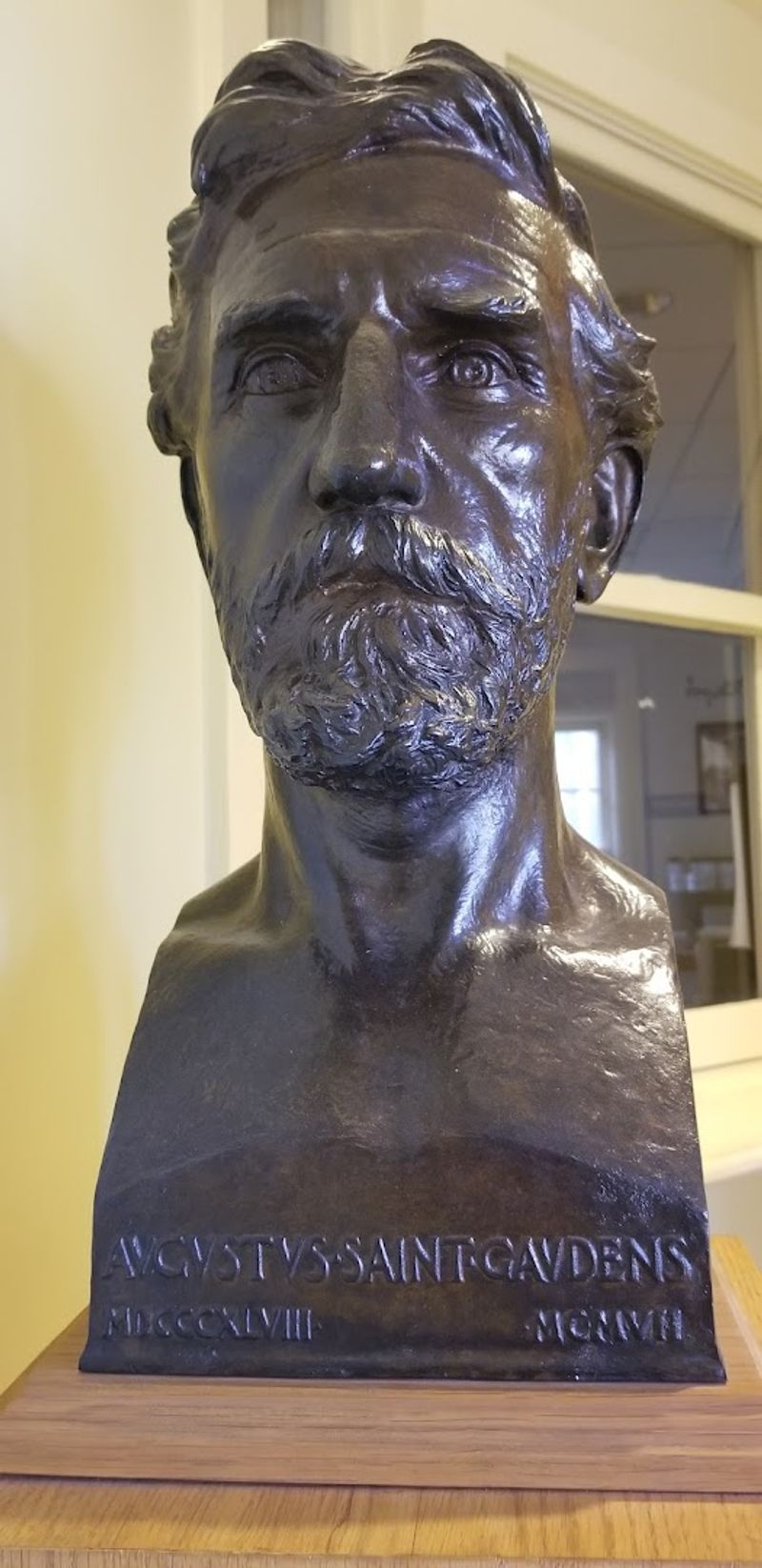
Augustus Saint-Gaudens is not exactly a household name today, but his work shaped how Americans see their own history. He created some of the most recognizable public monuments in the United States, including the Robert Gould Shaw and 54th Massachusetts Regiment Memorial in Boston and the Standing Lincoln in Chicago’s Grant Park.
Born in Dublin in 1848 and raised in New York City, Saint-Gaudens became the most celebrated American sculptor of the late 19th century. His eye for detail and his ability to bring emotion into bronze set him apart from his peers.
He first rented the Cornish property in 1885, fell in love with the landscape, and eventually purchased it in 1892. From 1900 until his passing in 1907, it served as his permanent home and creative center.
The park that preserves his legacy today is one of only a handful of national parks dedicated entirely to a single American artist, which makes it a genuinely rare find.
Aspet: The Historic Home That Still Feels Lived In
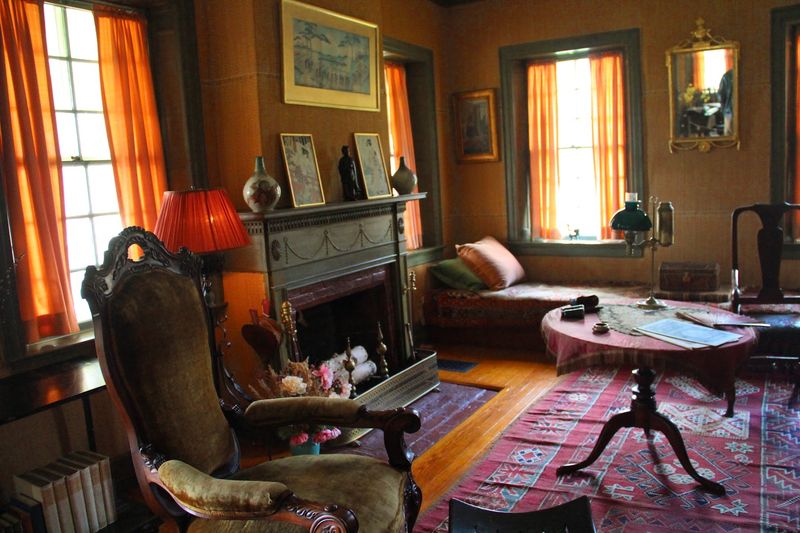
There is something quietly remarkable about walking into a house and feeling like the family just stepped out for the afternoon. Aspet, the main residence at the park, carries that feeling throughout every room on the first floor.
The house was originally built between 1816 and 1817 in the Federal style, making it older than many U.S. states. Saint-Gaudens first rented it in 1885 and later purchased it, transforming it gradually into a comfortable family home with a distinctive piazza that overlooks the gardens and Mount Ascutney beyond.
Most of the original furnishings, personal belongings, and artwork remain exactly where the family left them, which gives the tour an intimacy that museum settings rarely achieve. A park ranger leads free guided tours of the first floor, usually starting at 10 AM.
The kitchen, the parlor, and the decorative details throughout tell the story of a working artist who also valued a warm and welcoming home life.
The Little Studio: A Private World of Bronze and Creativity
Tucked away on the far side of the property, the Little Studio feels like a private creative sanctuary that somehow survived intact. Designed by architect George Fletcher Babb and constructed in 1903 and 1904, it replaced an earlier hay barn that Saint-Gaudens had converted into a workspace before fire and time took their toll.
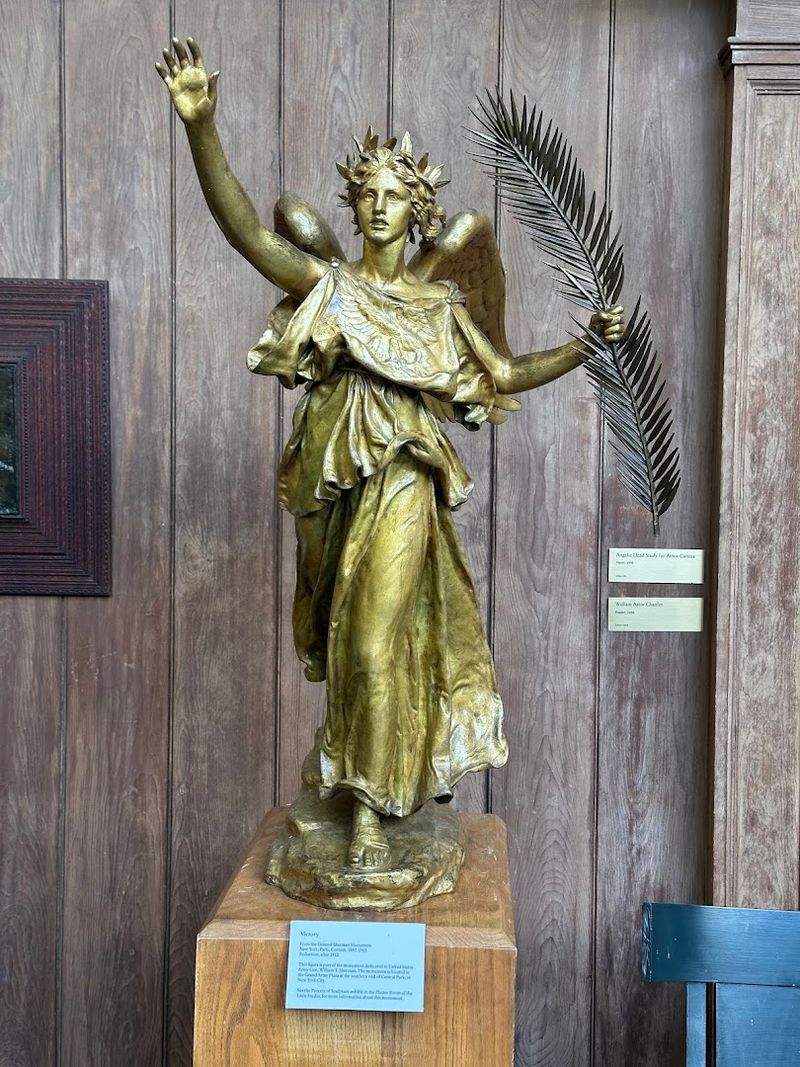
Inside, the studio functions like a compact art museum, displaying a focused collection of the sculptor’s works. The centerpiece is a six-foot reduction of his famous “Diana” sculpture, elegant and commanding even at a fraction of its original scale.
Portrait reliefs, sketches, and smaller bronze pieces line the walls and surfaces, offering a close-up view of the artist’s process and range. A pretty fountain sits just outside the entrance, adding a calm, reflective quality to the visit.
Many visitors find this building to be the most personally moving part of the park, because it is where the work feels most connected to the hands that made it.
Over 100 Works on Display: The Sculptures That Made a Nation Look Twice
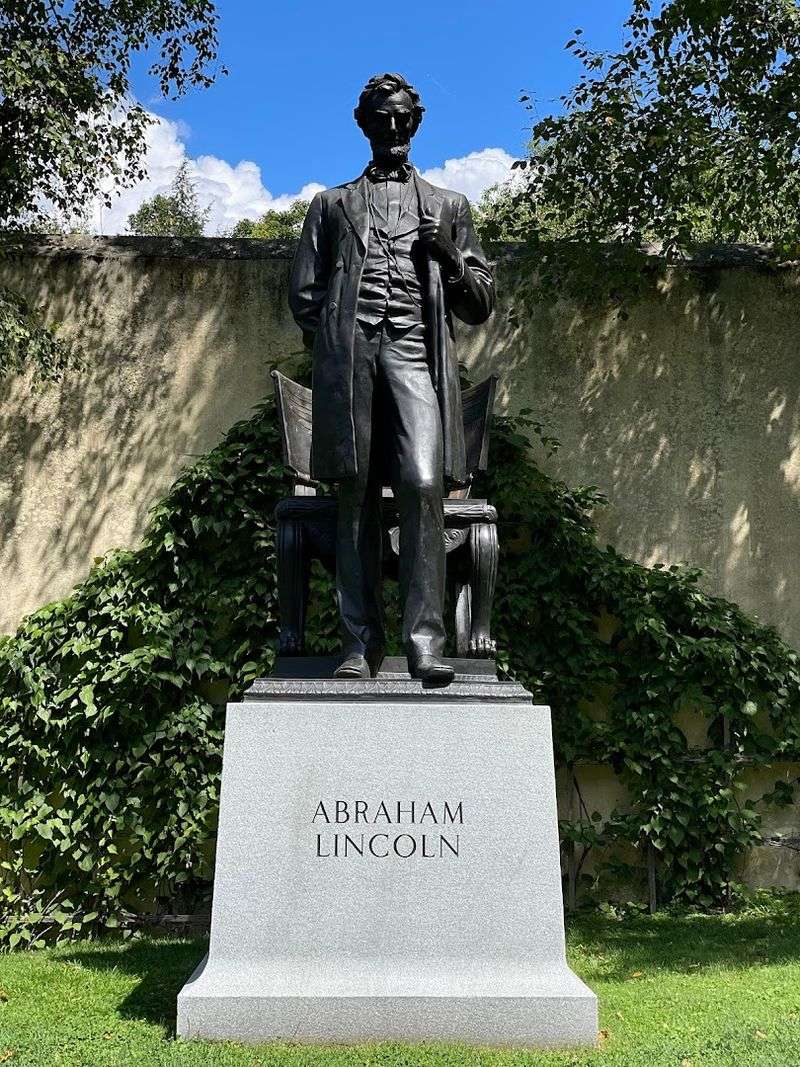
Few national parks can claim to display more than 100 original or recast artworks across their grounds and galleries, but this one does it naturally and without any sense of overcrowding. The sculptures are distributed across the landscape so that each one has room to breathe and be appreciated on its own terms.
Among the most significant pieces on display are recastings of the Adams Memorial, the Farragut Monument, and the Standing Lincoln. Visitors who have already seen the Shaw Memorial in Boston are often surprised to encounter it again here, rendered in a different scale and context that invites a fresh look.
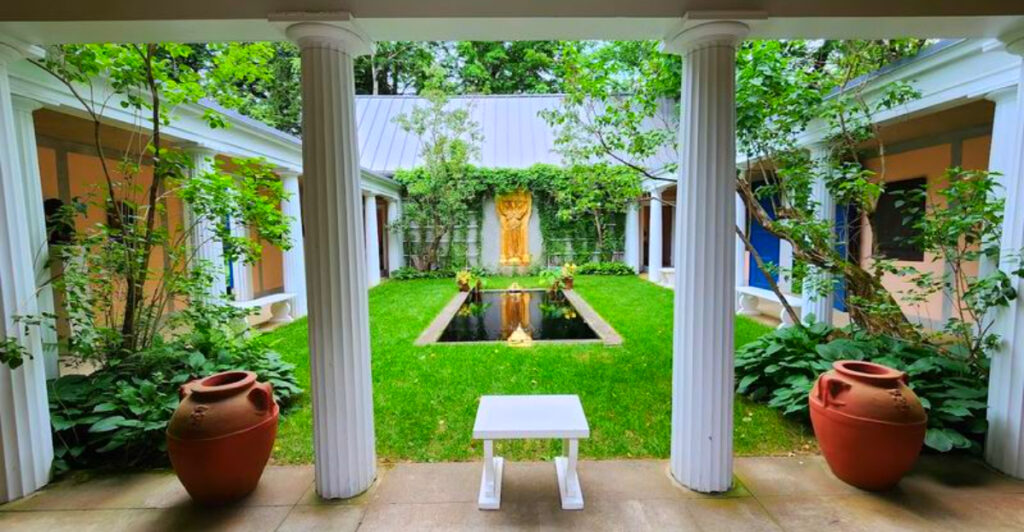
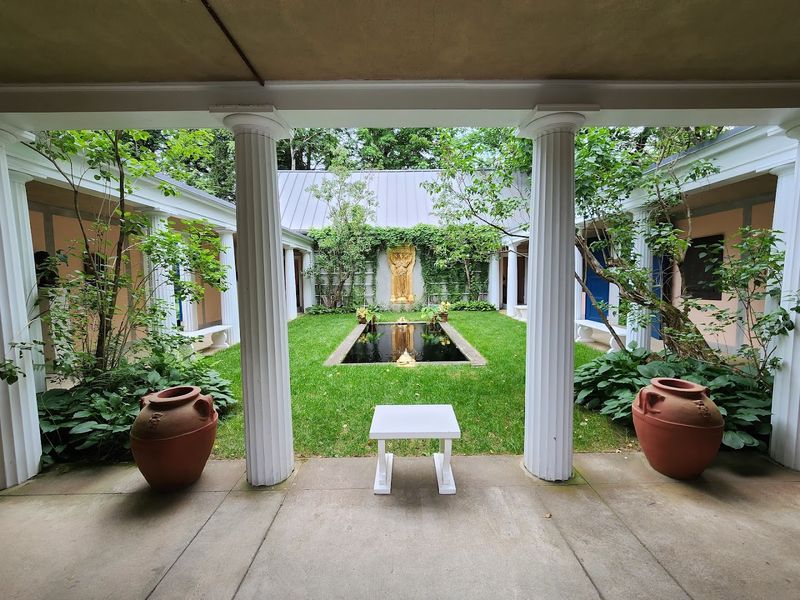
The Picture Gallery and Atrium area, remodeled in 1948 with a Roman-style atrium and reflecting pool added by architect John Ames, provides an indoor setting for additional works. The combination of outdoor bronzes and gallery displays gives the park a layered quality that rewards slow, attentive exploration rather than a quick walk-through, and the next stop on the grounds adds another layer entirely.
The Formal Gardens: Where Landscape Design Meets Fine Art
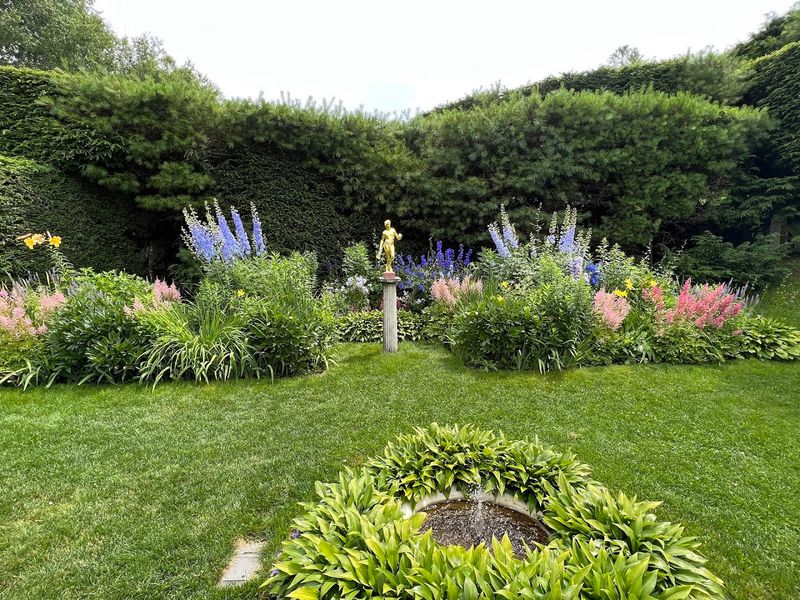
North of the main house, the formal gardens unfold across four terraced parterres that Saint-Gaudens helped design himself, in collaboration with landscape architect Ellen Shipman. The result is a garden that feels intentional and artful without being stiff or overly manicured.
Copies of antique statues stand at measured intervals, a bubbling fountain anchors the central space, and seasonal plantings of annuals and perennials bring fresh color throughout the warmer months. The garden changes character as the season progresses, which is one reason so many visitors return more than once.
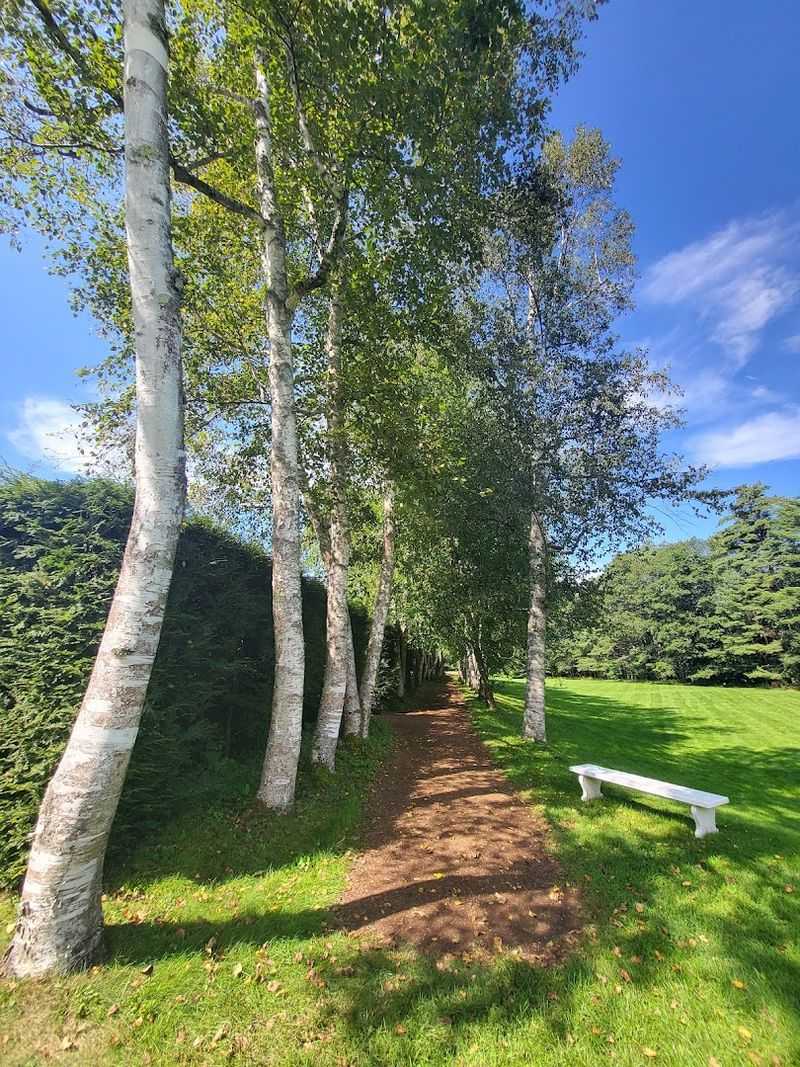
Rows of white paper birches, mature pines, and a shaded grassy lane give the wider grounds a softer, more naturalistic feel that contrasts pleasantly with the formal structure closer to the house. A vegetable garden and an orchard add a domestic, working quality to the landscape.
The views of Mount Ascutney visible from the piazza and garden paths are the kind of backdrop that makes even a casual stroll feel genuinely memorable.
The Sculptor-in-Residence Program: Living Art in a Historic Setting
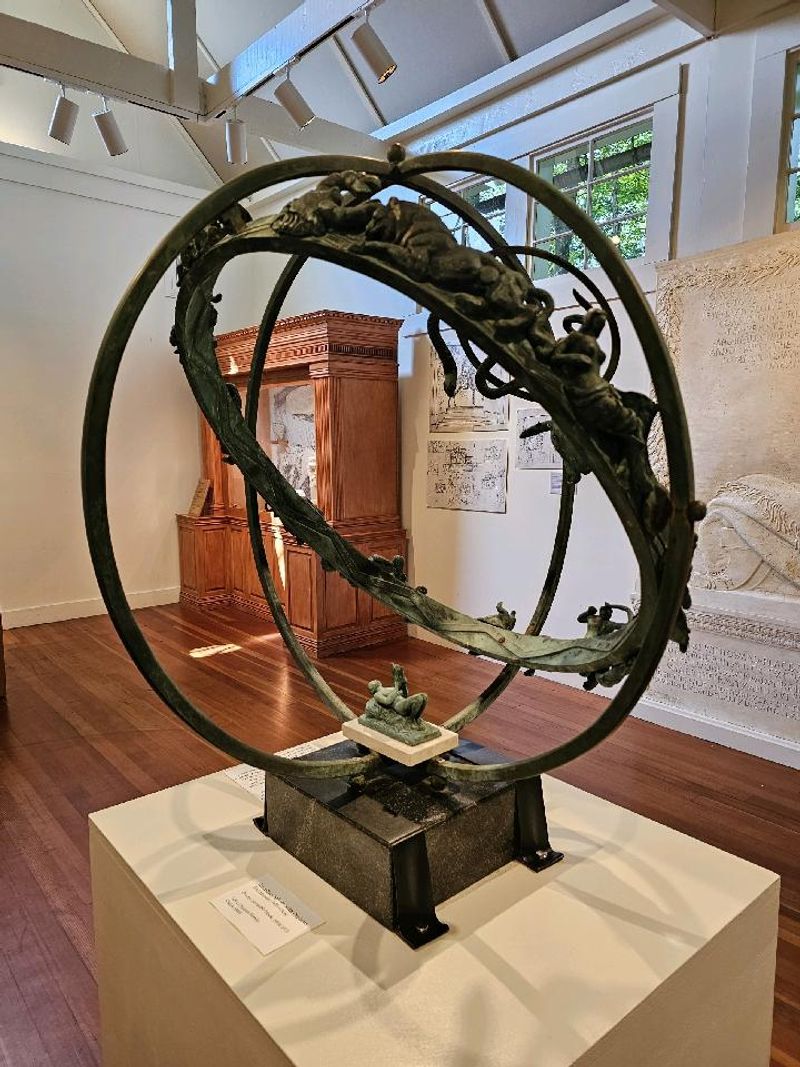
Most national parks host wildlife. This one hosts working sculptors.
The Ravine Studio at Saint-Gaudens serves as the home of the longest-running artist residency program within the entire National Park Service, a detail that tends to genuinely surprise first-time visitors.
A sculptor-in-residence works on-site during the season, giving the park a living, creative energy that goes beyond preservation. Visitors sometimes catch glimpses of the work in progress or have the chance to learn about the resident’s practice during their time at the park.
The program connects the park’s historic mission to a forward-looking commitment to American art, ensuring that the creative spirit that defined Saint-Gaudens’ time here continues into the present. It also reinforces the park’s identity as what the National Park Service calls a “National Park for the Arts.” This ongoing artistic tradition is one of the elements that sets this site apart from any other historical landmark you are likely to visit in New England.
Sculptural Visions and Summer Events: The Park Comes Alive Seasonally
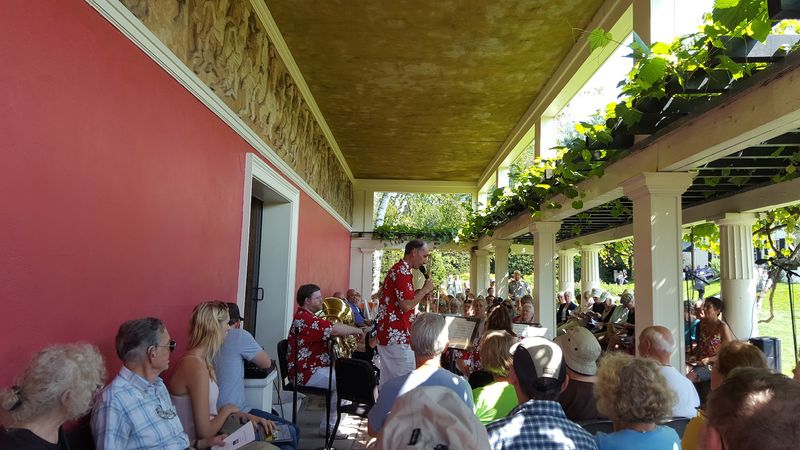
The park is not just a place to look at things quietly, though it does that beautifully. Throughout the warmer months, Saint-Gaudens National Historical Park hosts a range of events and programs that bring the grounds to life in unexpected ways.
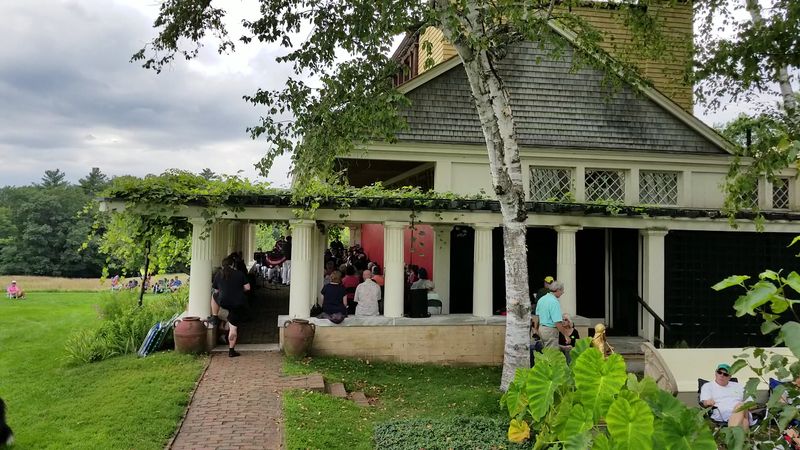
The annual fall festival called “Sculptural Visions” draws visitors interested in contemporary art and hands-on workshops. Sunday programs during the summer often feature entertaining artists and demonstrations that make the estate feel like a vibrant cultural hub rather than a preserved relic.
Contemporary art exhibits rotate through the season, adding fresh perspectives alongside the permanent collection. Families with children can pick up junior ranger booklets at the visitor center, turning the visit into an interactive learning experience that keeps younger visitors genuinely engaged.
The visitor center also screens a short park film, which provides excellent context before exploring the grounds. Opera North holds seasonal productions at the adjacent Blow-Me-Down Farm, adding yet another creative dimension to the broader site.
The Ravine Trail and Outdoor Exploration Beyond the Sculpture Garden
Not everyone expects a national park focused on art to also offer a satisfying hike, but the Ravine Trail at Saint-Gaudens delivers exactly that. The trail winds through shaded forest and leads to a waterfall, giving visitors a genuine taste of New Hampshire’s natural landscape without straying far from the cultural heart of the park.
The trail is marked with signs, making it easy to follow even for those who are not regular hikers. Bug spray is worth bringing along, especially during the warmer months, since the wooded sections can get lively with insects.
For those who prefer a gentler outdoor experience, the broader grounds offer plenty of walking across manicured lawns, shaded lanes, and garden paths. The park is largely walkable and accessible, though some areas are not fully wheelchair-friendly on uneven terrain.
Bringing a picnic and spending a few hours spread across the lawn is something many visitors mention as a highlight, and the park’s relatively quiet atmosphere makes it easy to find a peaceful spot.
The 1907 Gold Coins: When a Sculptor Redesigned American Currency
Here is a fact that tends to stop people mid-sentence: Augustus Saint-Gaudens designed the artwork for two U.S. gold coins, the $10 Indian Head Eagle and the $20 Double Eagle, both issued in 1907. President Theodore Roosevelt personally commissioned him to redesign American coinage, believing it had become artistically embarrassing compared to the coins of ancient Greece.
The Double Eagle is widely considered one of the most beautiful coins ever produced by the United States Mint. Its image of a striding Liberty against a sunburst background carries the same confident energy as Saint-Gaudens’ monumental sculptures.
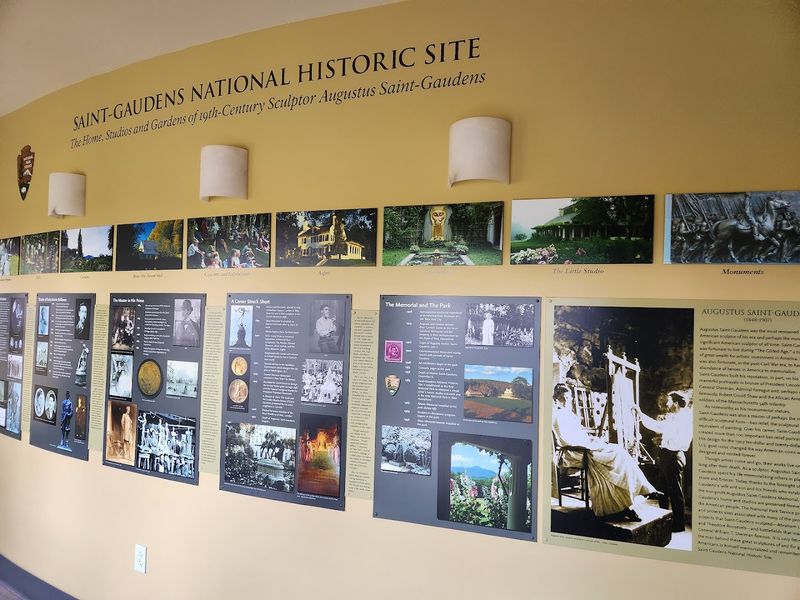
The park’s exhibits include information about this chapter of his career, connecting his fine art practice to a surprisingly practical and lasting contribution to everyday American life. It is a reminder that great art does not always live in galleries or on pedestals.
Sometimes it passes through millions of hands, largely unnoticed, for generations at a time.
Practical Tips for Planning Your Visit to Cornish
A few logistical details can make the difference between a smooth visit and a frustrating one, so it is worth knowing them in advance. The park is open Thursday through Monday from 9 AM to 4:30 PM, and it is completely closed on Tuesdays and Wednesdays.
Arriving before opening time still allows access to the outdoor grounds, which is a pleasant bonus.
Admission is $10 per person, and the America the Beautiful annual pass covers entry. One important note: the park does not accept cash, so bring a card.
The parking lot across the street has just over a dozen spots, which fills up quickly on busy weekend days, so arriving early is genuinely smart.
The visitor center has restrooms, water fountains, a small museum shop, and NPS passport cancellation stamps available at a table just inside the entrance. Thursday mornings tend to be particularly quiet, while summer Sundays bring more activity.
Plan for at least two to three hours to do the grounds and a house tour proper justice.
Why This Park Stays With You Long After You Leave
There are places you visit once and forget, and there are places that quietly rearrange something in your thinking. Saint-Gaudens National Historical Park tends to fall into the second category, which explains why so many visitors mention returning across different seasons.
The combination of world-class art, thoughtfully preserved architecture, and genuinely beautiful natural surroundings creates an experience that is harder to categorize than a typical museum or a typical park. The grounds feel personal rather than institutional, which is rare for a federally managed site.
The sweeping view of Mount Ascutney from the house piazza and formal gardens, the quiet of a Thursday morning with almost no one else around, the surprise of a six-foot Diana sculpture inside a small historic studio, all of these details add up to something that is more than the sum of its parts. Whether you arrive as an art lover, a history reader, or simply someone looking for a beautiful afternoon in New Hampshire, this park has a way of exceeding every expectation you bring through the gate.
Share this story