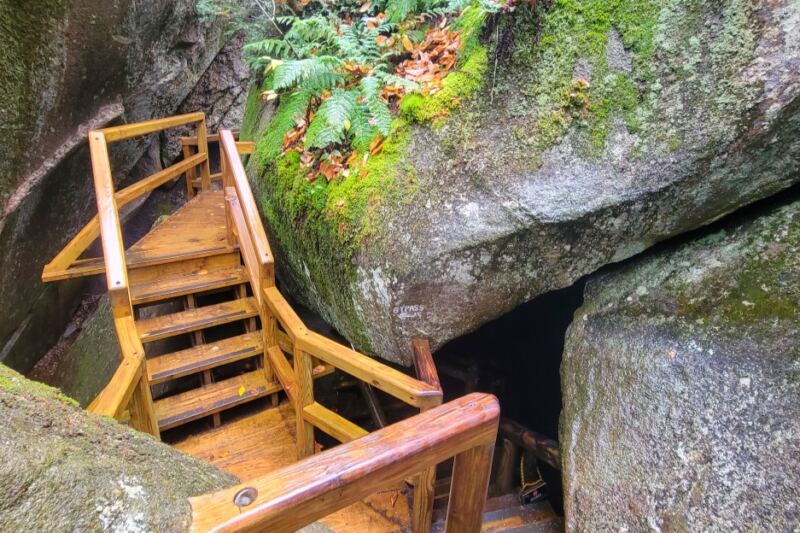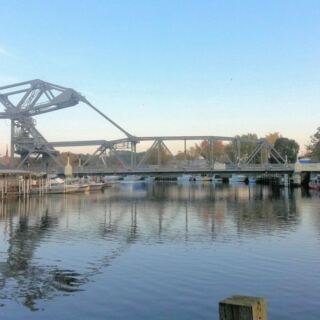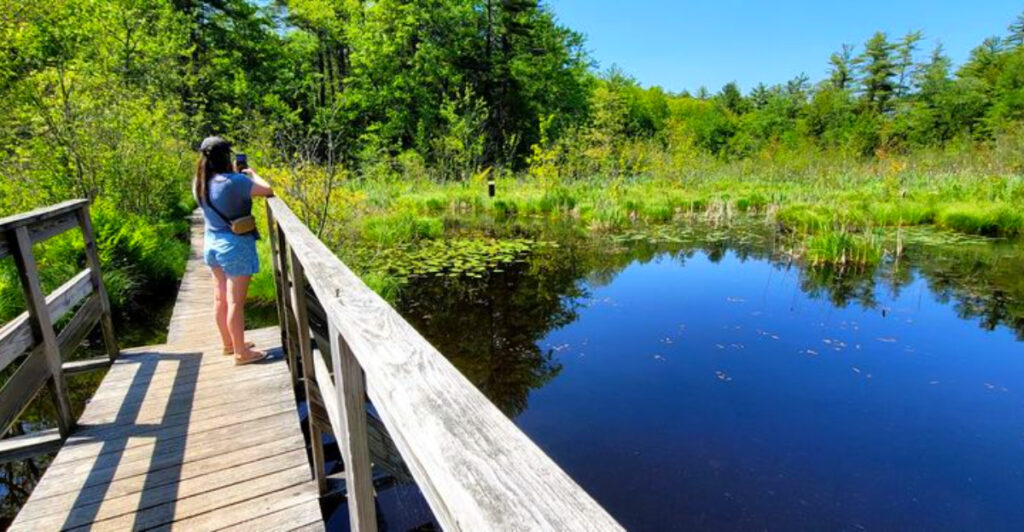
A conservation area in southern New Hampshire offers more than 35 miles of trails through forests, wetlands, ponds, and open fields, all completely free to explore year-round. Despite being close to the Massachusetts border, the preserve feels surprisingly removed from busy roads and everyday noise, making it a favorite for hikers, birdwatchers, and anyone looking for a quieter pace.
What makes the property stand out is its variety. Visitors can walk wooded trails, stop by a working farm, explore themed gardens, or watch wildlife around the ponds and streams scattered throughout the preserve.
Whether you come for a long hike or a short afternoon walk, it is the kind of place that encourages people to slow down and stay longer than they planned.
Where the Preserve Begins: Address, Location, and First Impressions
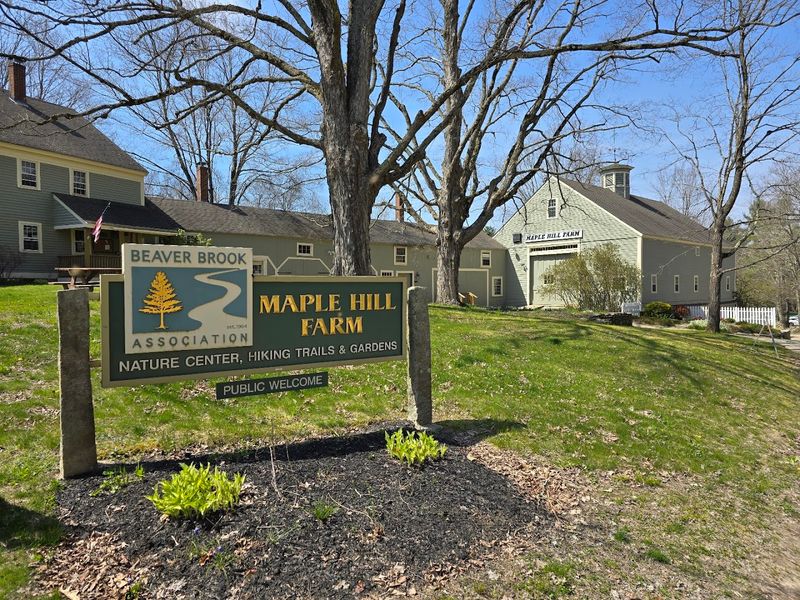
The moment you pull into the parking area at 117 Ridge Rd, Hollis, NH 03049, something shifts. The noise of everyday life fades, and a canopy of mature trees closes in around you in the best possible way.
Beaver Brook Association sits in Hollis, New Hampshire, a small town in the southern part of the state, not far from the Massachusetts border. The preserve spans roughly over 2,500 acres across Hollis, Brookline, and Milford, making it one of the largest conservation areas in the region.
The main entrance near Maple Hill Farm gives you immediate access to trail maps, clean restroom facilities, and a welcoming atmosphere that sets the tone for everything ahead. Parking is easy, and the layout is clear enough that even first-time visitors feel oriented quickly.
The whole place earns its near-perfect 4.9-star rating almost before you even lace up your boots.
A History Worth Knowing: How This Conservation Land Came to Be
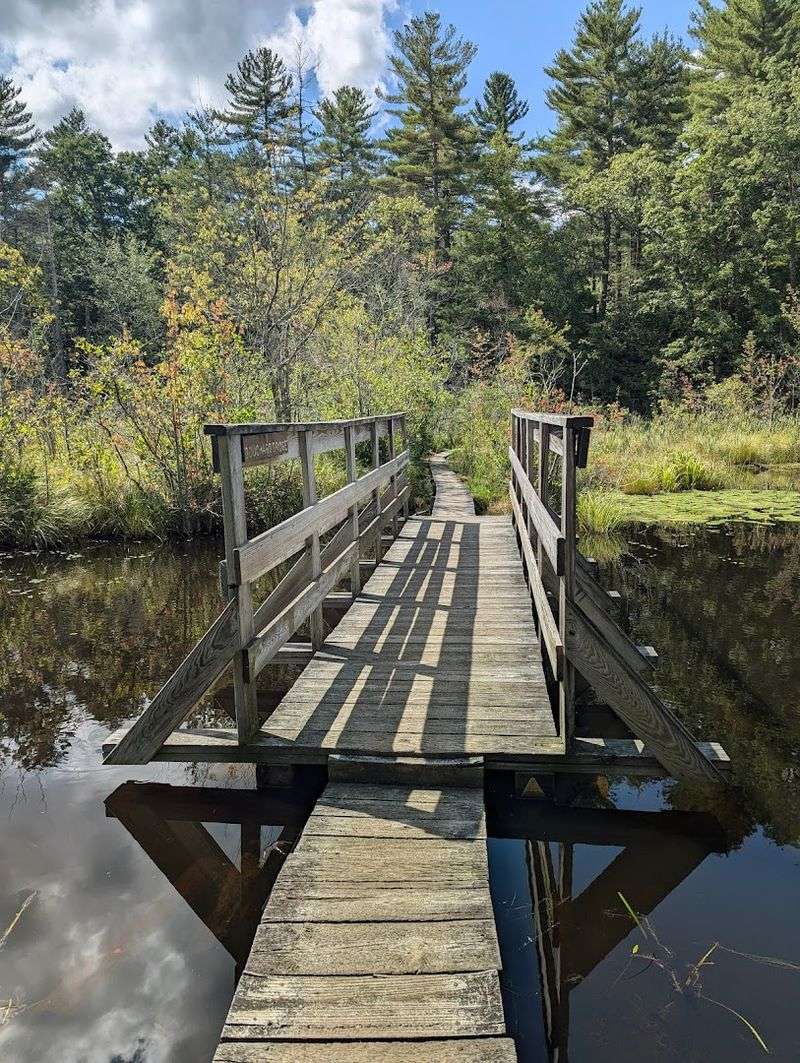
Back in 1964, two Hollis residents named Hollis P. Nichols and Jeffrey P.
Smith decided that the forests and wetlands around them were worth protecting for future generations. That decision became the founding of Beaver Brook Association, a non-profit organization built on a mission of land stewardship, conservation, and environmental education.
What started as a local effort to preserve open space has grown into a beloved regional institution. The organization now manages thousands of acres of land, maintains over 35 miles of trails, and runs year-round programs for children and adults alike.
There is something quietly remarkable about the fact that one community-level decision made over sixty years ago shaped the landscape that hikers, families, and wildlife enthusiasts enjoy today. The founding vision has held steady, and the land reflects that commitment in every well-blazed trail and carefully tended garden.
History here is not a plaque on a wall; it is the ground beneath your feet.
The Trail Network That Keeps Hikers Coming Back for More
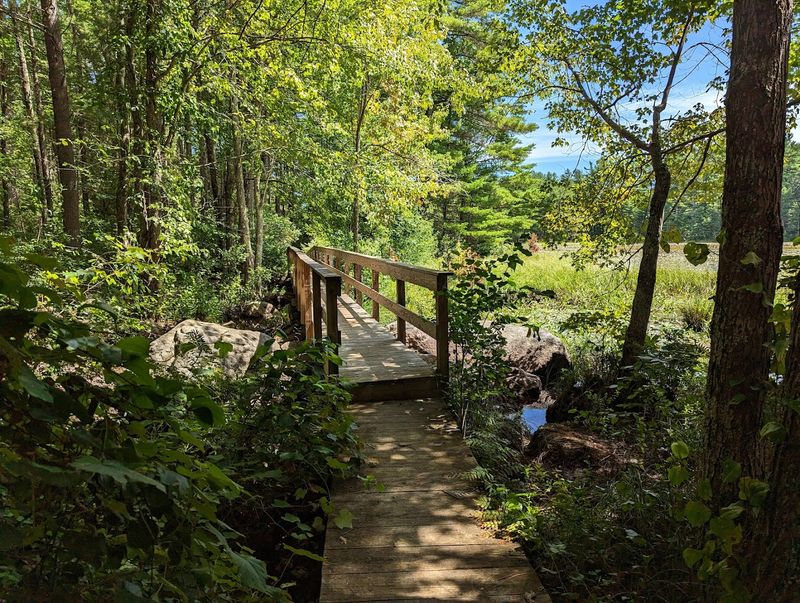
Over 35 miles of trails spread across this preserve, and that number alone is enough to make any hiker do a double take. The network covers forests, open fields, and wetland edges, and it sits right where southern transitional forest meets northern hardwood forest, which means the tree variety alone is worth the trip.
Trail blazes keep things organized: blue markers indicate multi-use trails open to hikers, mountain bikers, and horseback riders, while yellow blazes guide those on foot, snowshoes, or cross-country skis. The system works well once you get familiar with it, though carrying a map is genuinely recommended.
Standout routes include the Wildlife Pond Loop, Rocky Ridge Trail, Tupelo Trail, Dam Road, and Old City Trail, which passes small waterfalls and historic mill sites. Accessible trails are also available for visitors who need flatter terrain.
The variety here means you could visit a dozen times and still find a new stretch of woods to explore.
Wildlife Ponds and the Creatures That Call Them Home
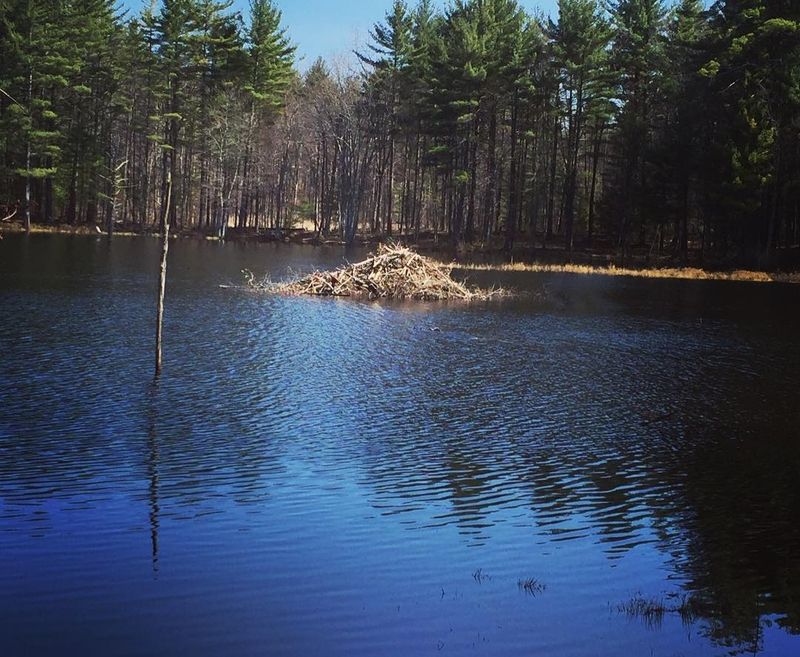
Few things are as satisfying as watching a beaver go about its business while you stand quietly at the edge of a pond. At Beaver Brook Association, that experience is entirely possible, and it happens more often than you might expect.
The preserve features several named ponds, including Wildlife Pond, Spatterdock Pond, and Otter Pond, each surrounded by different habitat types that attract different species. Muskrat, otter, deer, and a wide variety of waterfowl are regularly spotted around these water bodies.
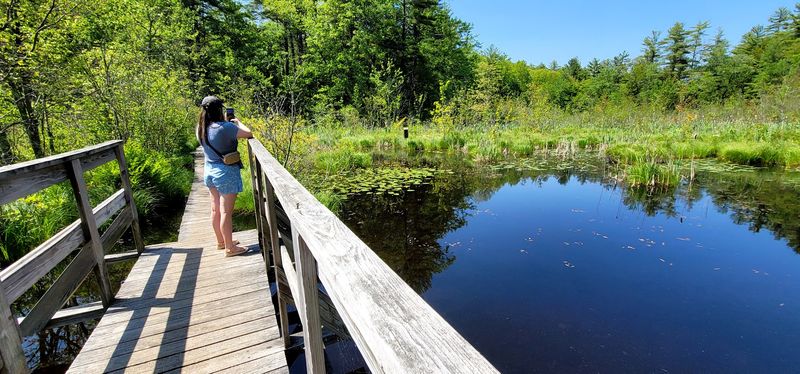
The ponds are not just scenic backdrops; they are functioning ecosystems that the association actively manages to protect native species and biodiversity. The still water on a calm morning reflects the tree line with almost mirror-like clarity, and the sounds of frogs, birds, and rustling reeds fill the air in a way that feels completely removed from modern life.
Getting here early on a weekday gives you the best chance of seeing wildlife undisturbed.
Maple Hill Farm: The Heart of the Educational Side
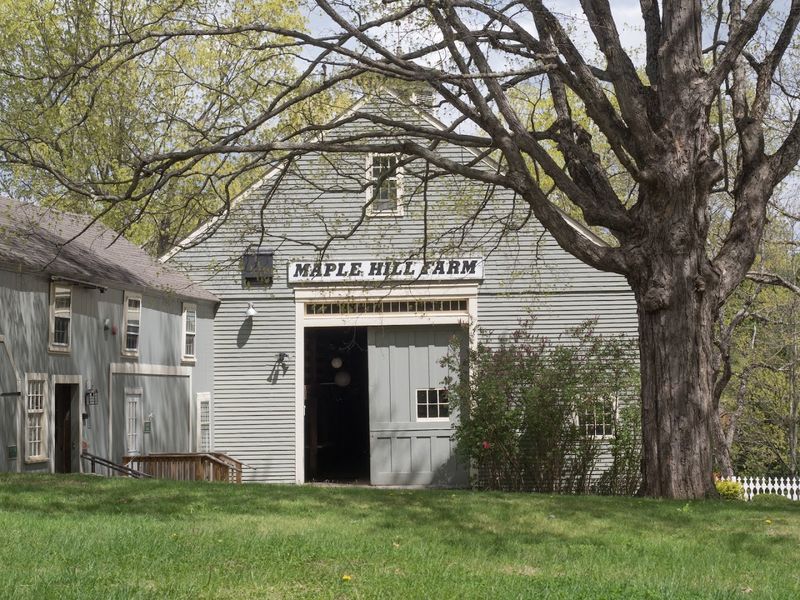
Maple Hill Farm is where the educational mission of Beaver Brook Association becomes most visible, and it is genuinely one of the more interesting spots on the property. The farm features 13 themed gardens, pollinator plots, a compost demonstration area, and a round building filled with educational objects that kids and adults both find fascinating.
The compost area deserves a special mention because it does something clever: it shows you exactly how long common materials take to break down in nature. It sounds simple, but standing there reading those timelines has a way of making environmental responsibility feel real rather than abstract.
The gardens are carefully maintained and designed to showcase native plants, beneficial insects, and sustainable growing practices. School groups visit regularly, and the farm area tends to have a lively, curious energy on weekday mornings.
The southern entrance to the trail network connects directly to this area, making it easy to combine a farm visit with a longer hike through the back woods.
Four Seasons, One Preserve: What Each Time of Year Offers
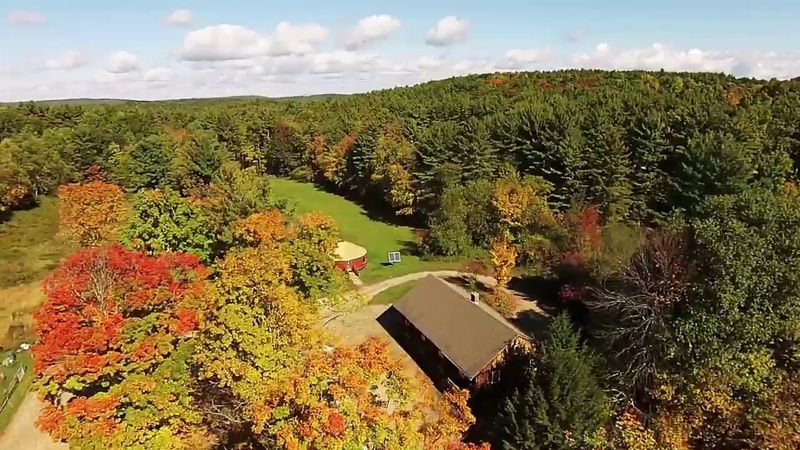
One of the things that sets this preserve apart from many other natural areas is that it genuinely rewards a visit in any season, not just the obvious leaf-peeping weeks of October. The trails are open from dawn to dusk, 365 days a year, free of charge, which removes just about every excuse not to show up.
Spring brings wildflowers and the first signs of animal activity after winter. Summer fills the canopy with dense green cover and the ponds with active wildlife.
Autumn turns the hardwood forest into something that looks almost too colorful to be real, and the fairy castles that appear along certain trails in fall add a whimsical touch that families love.
Winter transforms the whole landscape into a quieter, starker version of itself that has its own particular appeal. Cross-country skiing and snowshoeing are both supported on designated trails, and guided evening snowshoe programs under clear winter skies have become a beloved seasonal tradition at the preserve.
Animal Tracking, Guided Hikes, and Programs That Teach You to See
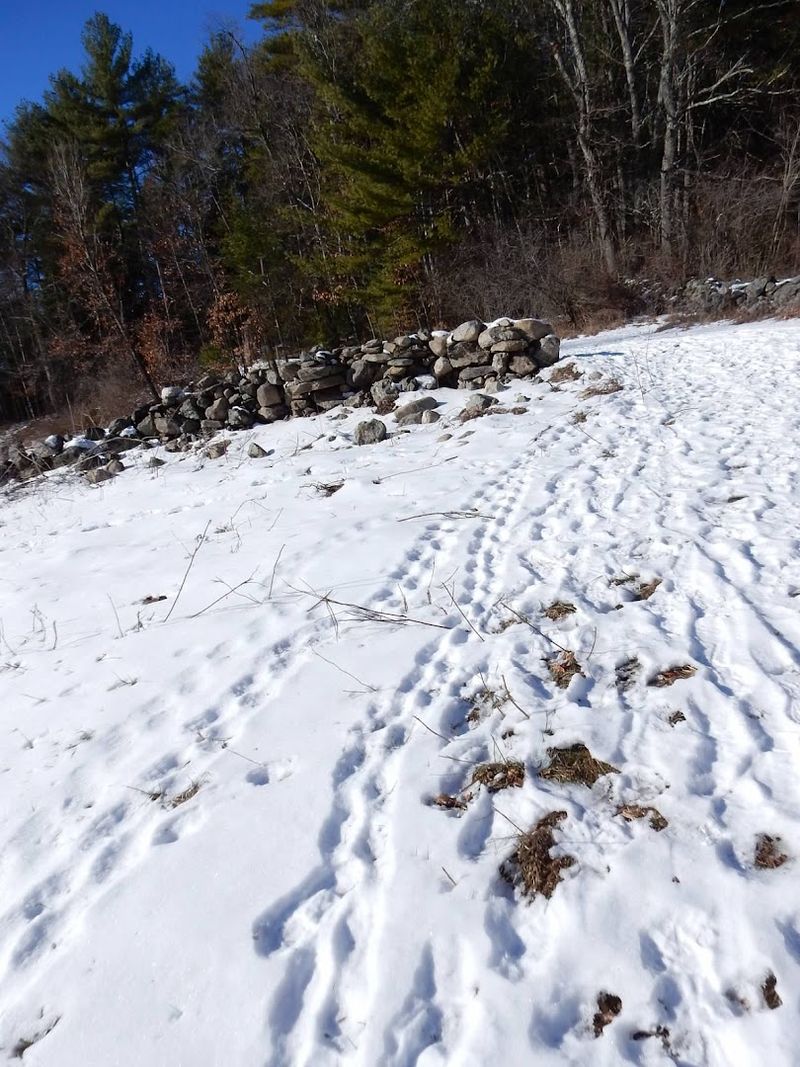
There is a real difference between walking through a forest and actually reading it, and the guided programs at Beaver Brook Association exist to help visitors make that leap. Animal tracking sessions, guided hikes, and snowshoeing programs are offered throughout the year, led by naturalists who know how to point out what most people walk right past.
A fresh set of tracks in the snow tells a surprisingly detailed story once someone teaches you how to interpret it. Beaver slides, deer trails, and the delicate prints of smaller mammals become visible in a whole new way after even one guided outing.
Adult workshops cover topics ranging from plant identification to conservation practices, and the range of programs available means repeat visitors rarely run out of new things to learn. The association also runs summer camps for children, which have built a loyal following among local families over the years.
Booking ahead for popular programs is a smart move, especially during peak seasons.
Mountain Biking and Horseback Riding: The Trails Go Beyond Hiking
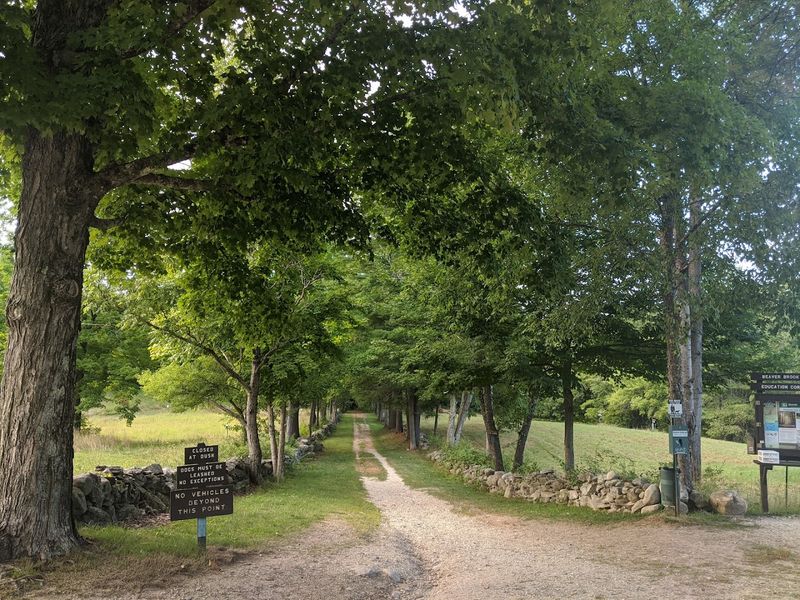
Not everyone who visits Beaver Brook Association arrives on foot, and the trail system is built with that in mind. Designated multi-use trails, marked with blue blazes, are open to mountain bikers and horseback riders in addition to hikers, making this one of the more versatile natural areas in southern New Hampshire.
The terrain includes everything from relatively flat stretches near the farm to hillier sections on the north side of the preserve, which get particularly fun in winter when the snow sets in. Mountain bikers tend to favor the north side for its varied elevation and the way the trail network connects without too many dead ends.
Horseback riding through a mature hardwood forest is a genuinely different experience from hiking the same ground, and the trails here are wide enough to accommodate it comfortably. Leashed dogs are also welcome throughout the preserve, so the whole family, four-legged members included, can make a day of it without anyone feeling left out.
The Story Walk, Fairy Village, and Nature Playground That Delight Kids
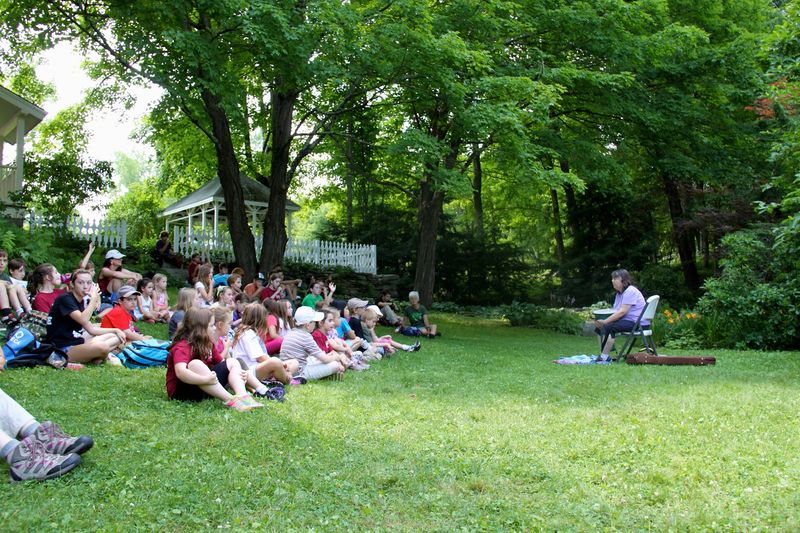
Some nature preserves are beautiful but quietly intimidating for young children who need more than just trees to stay engaged. Beaver Brook Association has clearly thought about this, and the result is a collection of features that make kids genuinely excited to be outside.
The Story Walk scatters pages from a picture book along a forest path, so children follow the trail to read the story one panel at a time. It is a simple idea that works remarkably well, and watching a small child sprint ahead to find the next page is a particular kind of joy.
The fairy village, which appears along certain trails especially in autumn, adds an element of magic and mystery that sparks imagination in ways that are hard to manufacture artificially. The nature playground features climbing installations, educational objects in a round building, and plenty of open space to run.
For families looking for a place where kids can be curious and active simultaneously, this preserve delivers on both counts.
The Rock Labyrinth, Exercise Trail, and Quiet Corners Worth Finding
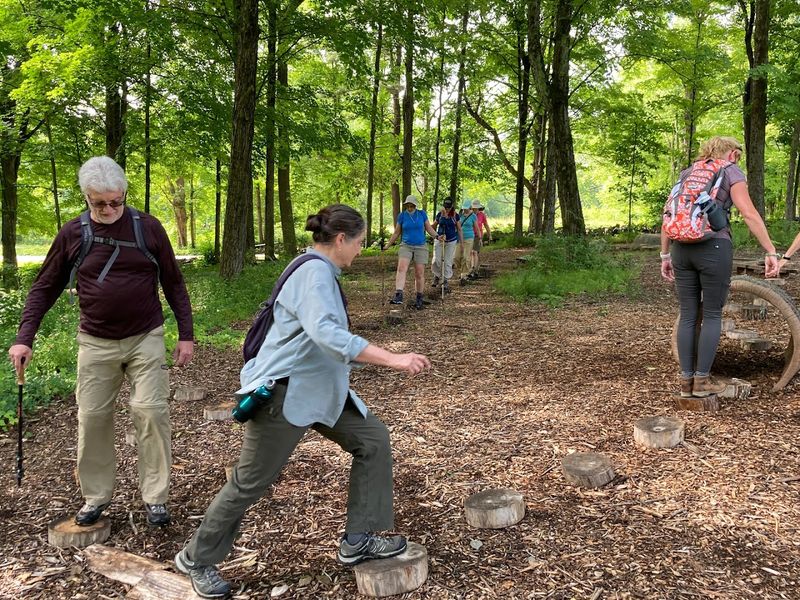
Beyond the main trails and the farm, Beaver Brook Association holds a few quieter surprises that reward visitors who wander a little further or pay closer attention. The rock labyrinth is one of those features that stops you mid-stride the first time you encounter it, a carefully arranged circular stone path set into a clearing that invites a slow, thoughtful walk.
An exercise trail adds a more active option for visitors who want to combine a walk with a light workout, and the benches scattered along various brooks and pond edges offer rest spots that feel genuinely restorative rather than just functional.
These smaller details are part of what gives the preserve its personality. It does not feel like a place that was designed purely for efficiency; it feels like a place that was built by people who actually spend time here and wanted every corner to offer something worthwhile.
The rock labyrinth alone is worth seeking out on a quiet weekday afternoon when the trails are nearly empty.
Practical Tips for Getting the Most Out of Your Visit
A few practical notes can make a real difference between a good visit and a great one here. The trails are open dawn to dusk every day of the year at no cost, but the office at Maple Hill Farm operates Monday through Friday, 9 AM to 3 PM, which is when you can reach staff by phone at 603-465-7787 or check the website at beaverbrook.org for program schedules.
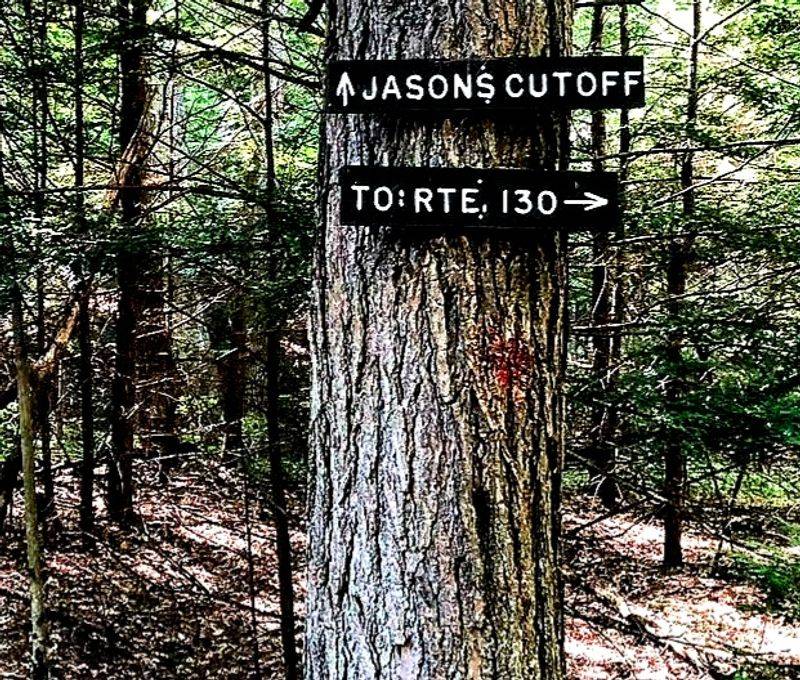
Always pick up a trail map before heading out, either from the kiosk or downloaded in advance. The trail network is extensive, and it is genuinely easy to add unexpected miles if you miss a blaze or take a wrong turn at a junction like the French Meadow Cutoff area, which has tripped up more than a few confident navigators.
Dogs are welcome but must remain on leash throughout the preserve, especially near the farmstead. Hiking boots are recommended for the hillier sections, though the flatter accessible trails are manageable in comfortable walking shoes.
Leave No Trace principles apply across the entire property.
Why This Preserve Keeps Drawing People Back Year After Year
There are nature areas that you visit once, check off a mental list, and move on from. Beaver Brook Association is not that kind of place.
The combination of trail variety, seasonal programming, wildlife activity, and genuine community investment creates something that keeps pulling people back across years and even decades.
Once you are deep enough into the preserve, the outside world disappears almost completely. No traffic noise, no construction sounds, just forest, water, and whatever birds happen to be passing through.
That kind of quiet is harder to find in southern New Hampshire than it used to be, which makes it more valuable.
The preserve also carries real emotional weight for people who grew up in Hollis and now bring their own children to walk the same trails they explored as kids. That generational continuity says something meaningful about what Hollis P.
Nichols and Jeffrey P. Smith set in motion back in 1964.
Some decisions really do echo forward through time in the best possible way.
Share this story