More than 10,000 acres of forest, four ponds, over 40 miles of trails, and year-round outdoor recreation make Bear Brook State Park one of New Hampshire’s biggest and most versatile parks. Visitors can hike, mountain bike, swim, fish, camp, explore historic museums, or stay overnight in cabins without ever running out of new places to discover.
What sets Bear Brook apart is the variety packed into a single destination. From an archery range and family-friendly beaches to quiet woodland trails and scenic ponds, it offers enough activities to fill an entire weekend and still leave plenty to come back for.
A Park So Big It Has Its Own Zip Code of Adventures
Bear Brook State Park sits at 157 Deerfield Rd, Allenstown, NH 03275, and the moment you pull up to the entrance, the scale of the place hits you immediately. This is not a weekend stroll kind of park. At over 10,000 acres, it ranks among the largest developed state parks in all of New Hampshire.
The park is open 24 hours a day, every day of the week, which means early risers and night owls both get a turn. You can reach the welcome center by calling 603-485-9874, and the staff there are genuinely helpful and friendly.
The park contains four main ponds, multiple campground areas, museums, an archery range, and trail systems that accommodate hikers, mountain bikers, and equestrians. First-time visitors are often surprised by how remote it feels despite being close to Allenstown. That contrast between accessibility and wild forest atmosphere is exactly what keeps people coming back year after year.
What 40-Plus Miles of Trail Actually Feels Like on Your Boots
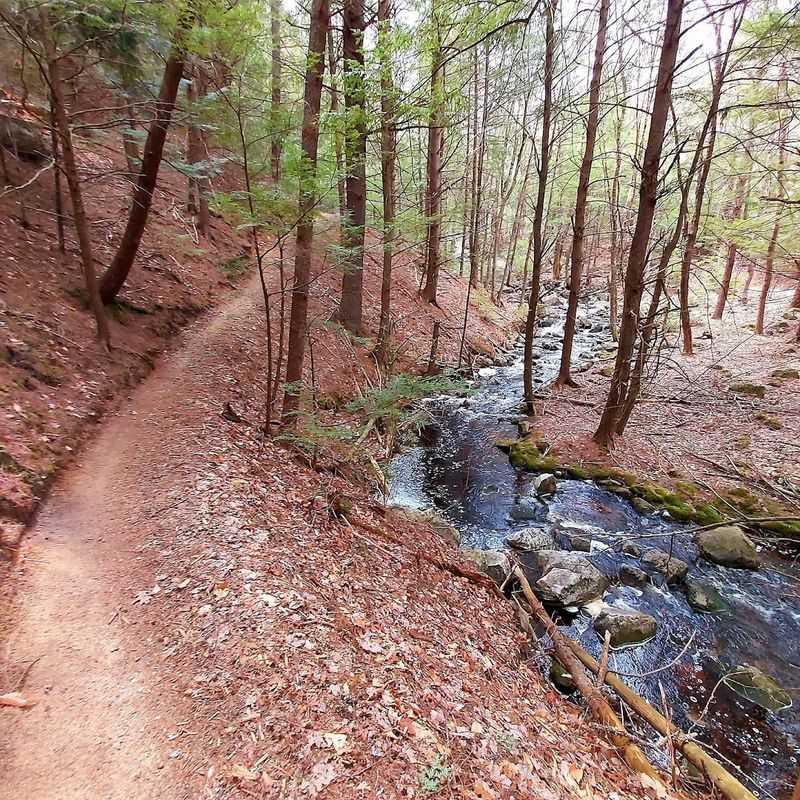
The trail network here is genuinely impressive. With over 40 miles of marked paths cutting through the forest, and some sources counting closer to 60 miles total, you could visit every weekend for a full season and still find new ground to cover.
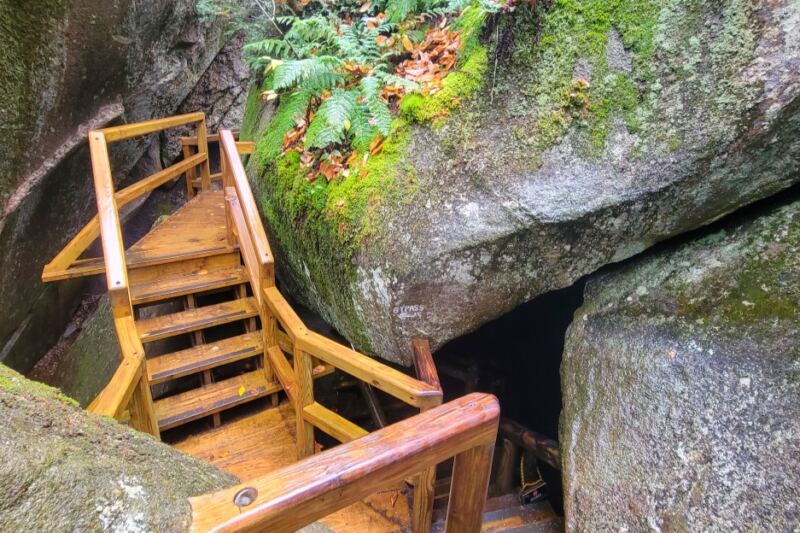
The terrain shifts constantly. One stretch follows a brook that breaks into small natural waterfalls and swirling pools of foam. Another section opens into marshy lowlands where the birdlife gets surprisingly active. Blue jays dart across the path, and if you move quietly enough near the water, you might catch a great blue heron standing perfectly still.
Trail difficulty ranges from flat, easy loops to more demanding routes that climb toward wooded ridgelines. Bringing a map is a smart move because several trails run close to parallel and intersect at confusing angles. The park does provide maps at the welcome center, and getting one before you head out will save you at least one moment of genuine uncertainty deep in the trees.
Beaver Pond and the Campground That Keeps Filling Up Every Summer
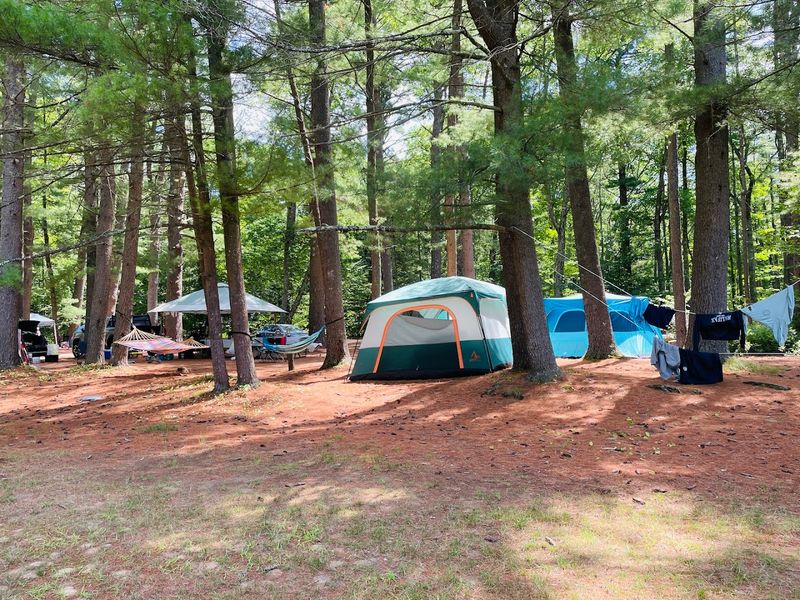
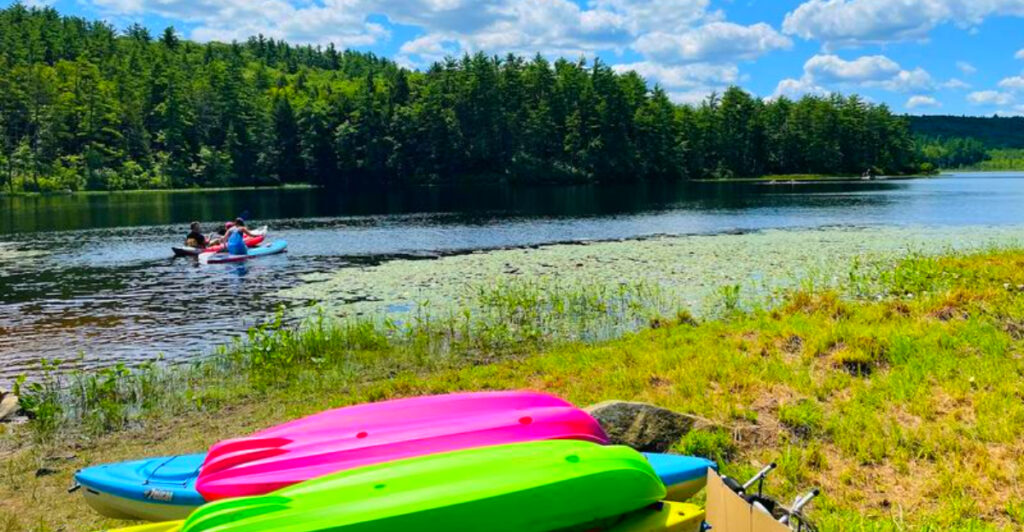
Beaver Pond is the social heart of Bear Brook. The 101-site campground wrapped around it fills up fast during summer weekends, and once you see the setup, the popularity makes complete sense. The pond itself is calm, clear, and ringed by trees that turn gold and red in the fall.
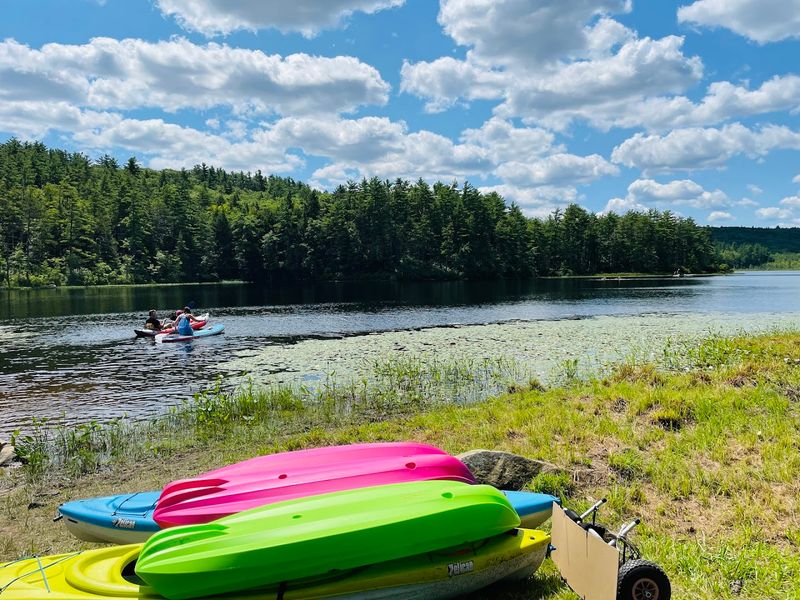
A sandy swimming beach sits at the water’s edge, and boat rentals are available right there, so you do not need to haul your own kayak or canoe from home. Rental rates run around fifteen dollars per hour, which feels fair when the pond is glassy and the weather cooperates.
Campsites are well maintained and many are nestled privately among the pines, giving each site a sense of its own space. The camp store near the welcome building stocks firewood, ice, and a solid range of supplies for anything you forgot to pack. Quiet hours run from 10 p.m. to 7 a.m., keeping the atmosphere relaxed even on busy nights.
Catamount Hill and the Summit View That Earns Its Reward
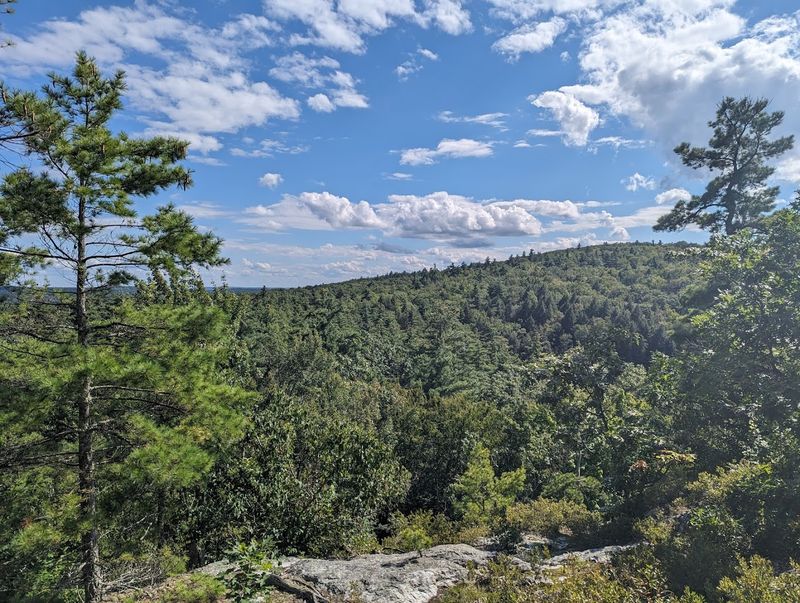
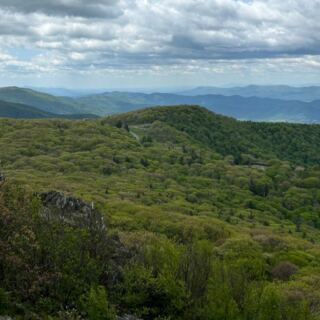
Not every trail at Bear Brook stays flat. Catamount Hill offers the park’s most rewarding elevated perspective, and the climb to the top is manageable enough that it does not require technical gear or a full day of preparation.
From the summit, the forest canopy spreads out in every direction with no major development breaking the view. On a clear day, the sense of scale is genuinely striking. You realize just how much unbroken woodland surrounds you, and the quiet up there feels different from the quiet at ground level.
Catamount Pond sits below the hill and adds another layer to the experience. The pond has its own swimming area and picnic spots, plus boat rentals for those who prefer to explore by water rather than by foot. The combination of a summit hike followed by a lakeside picnic makes for a full and satisfying day without needing to leave the park at all. That kind of variety in one location is genuinely hard to beat.
Bear Hill Pond and the Cabins That Are Cleaner Than You Expect
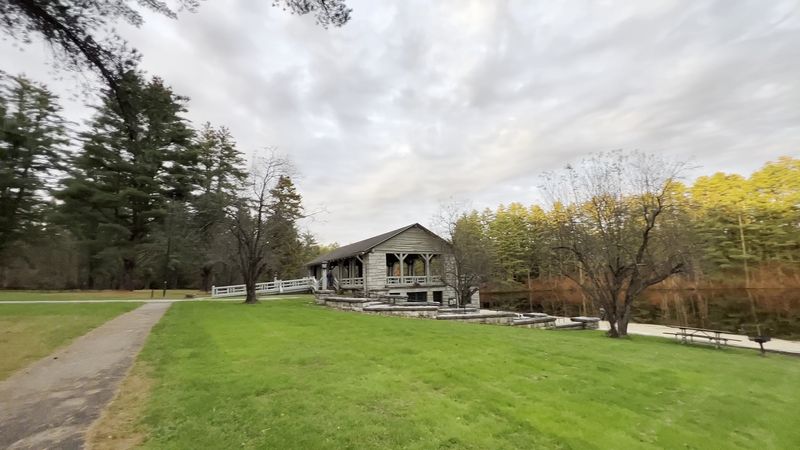
Bear Hill Pond sits about five miles from the main campground, and that distance gives the cabin area a quieter, more tucked-away character. The cabins sleep up to six people, come with beds and table chairs, and are consistently clean upon arrival. That last detail matters more than it sounds after a long drive.
A small camp store opened at Bear Hill in recent years, stocking basics on weekends. The pond itself is available for non-motorized boating and fishing, and the view from the cabin area across the water is the kind of thing that makes you put your phone down and just sit for a while.
Recent upgrades added a community room with games and a ping pong table, which turns rainy afternoons from a problem into an opportunity. Pit toilets are available near the cabins, though showers require a trip to the main campground. For families or small groups who want a cabin experience without roughing it completely, Bear Hill delivers a comfortable and genuinely pretty retreat.
Mountain Biking Trails That Keep Two-Wheeled Visitors Coming Back
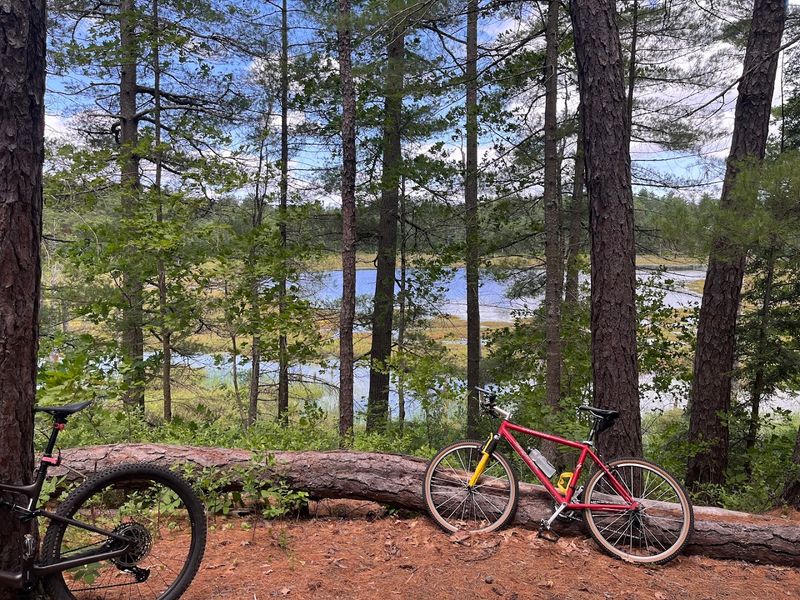
Bear Brook has built a real reputation among mountain bikers in New England. The trail system is extensive enough to keep experienced riders busy for multiple visits, and the mix of terrain means you can dial up or down the difficulty depending on what your legs feel like that day.
Wooded singletrack winds through the forest with enough variation in surface and grade to stay interesting. The park allows bikes on most of its trail network, which is a significant advantage compared to parks that restrict cycling to a handful of designated paths.
Riders who have done events like the Mammoth March through the park describe the experience as physically demanding but visually rewarding the whole way through. The forest provides shade on hot days, and the trail surface stays reasonably firm in dry conditions. Bringing a printed or downloaded map is strongly recommended because the trail intersections can be tricky to read without one. The biking community here is friendly, and sharing the trails with hikers and equestrians generally works without conflict.
Archery Pond and the Fly-Fishing Spot That Rewards Patience
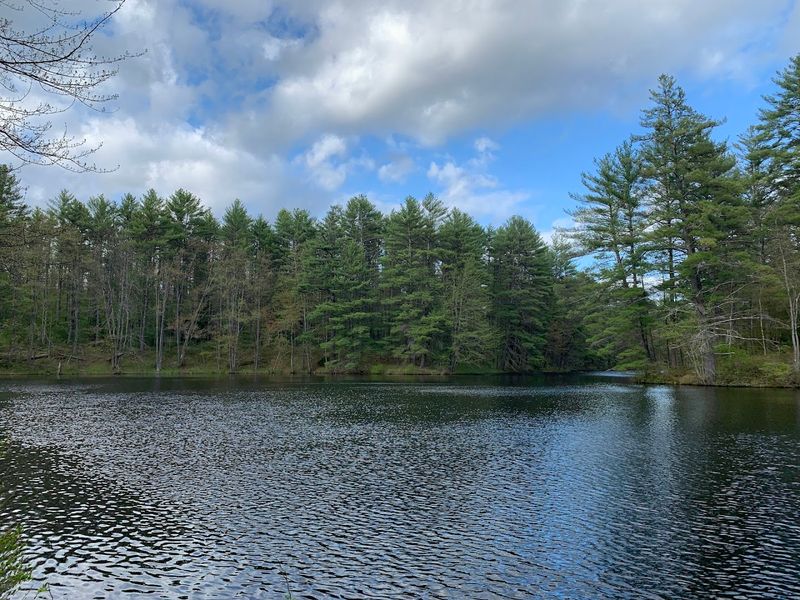
Archery Pond is one of the more specialized spots in the park. Designated exclusively for fly-fishing, it draws anglers who want a quieter, more focused experience away from the main swimming and boating areas. The pond is small and calm, surrounded by trees that keep the atmosphere peaceful even on busy park days.
The archery range is separate from the pond and set up so that shooting happens away from the water and away from foot traffic. It is a well-organized setup that works for both beginners learning the basics and more experienced archers looking for consistent practice.
Fishing elsewhere in the park requires a boat or access to one of the few shoreline paths that lead to the water’s edge. Beaver Pond and Spruce Pond are both fishable but more accessible by watercraft. For anyone who wants to teach a younger family member to fish without the complications of boat logistics, Archery Pond provides a calm and approachable starting point. The stillness there has a way of making an hour disappear.
The Beaver Pond Trail Loop and Why Sunset Looks Different From Here
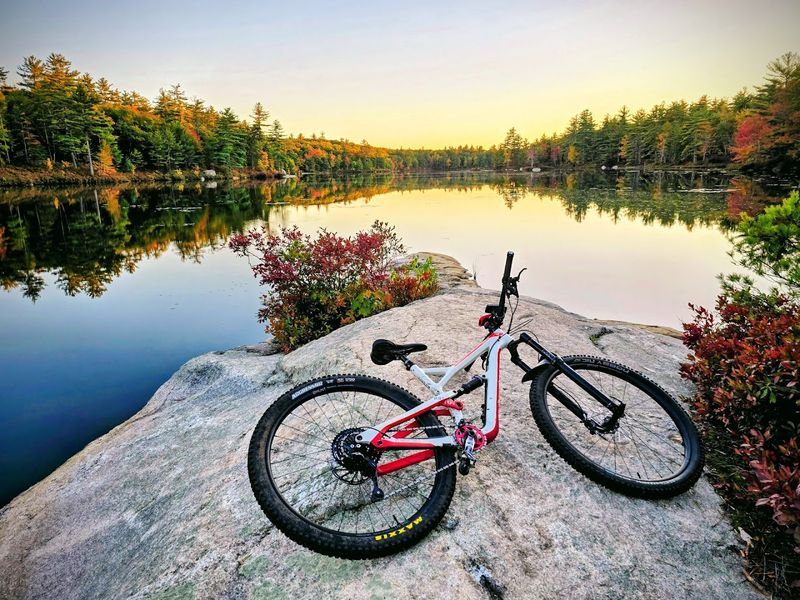
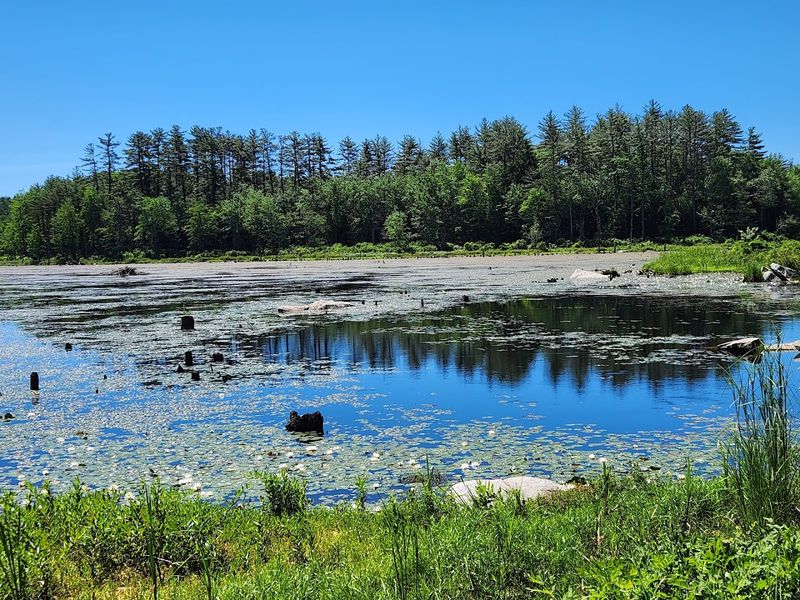
The Beaver Pond Trail is a 1.5-mile loop that circles the water at a relaxed pace. Most people complete it in under an hour, but the trail rewards those who slow down and pay attention to what is happening around the edges of the pond.
Birdwatching along this loop is surprisingly productive. The marshy areas near the water attract a range of species, and the open views across the pond create natural observation points where patience pays off. Early morning and late afternoon are the most active times for wildlife along the shoreline.
The real highlight, though, is the sunset. The western exposure over the pond turns the water into a mirror for the sky, and the colors that come through on a clear evening are the kind that make you wish you had brought a better camera. The trail is flat and easy enough for all fitness levels, which makes it a natural choice for a first visit or a wind-down walk at the end of a longer hiking day. The quiet here is hard to replicate.
Camping at Bear Brook and the Nighttime Visitors Nobody Warned You About
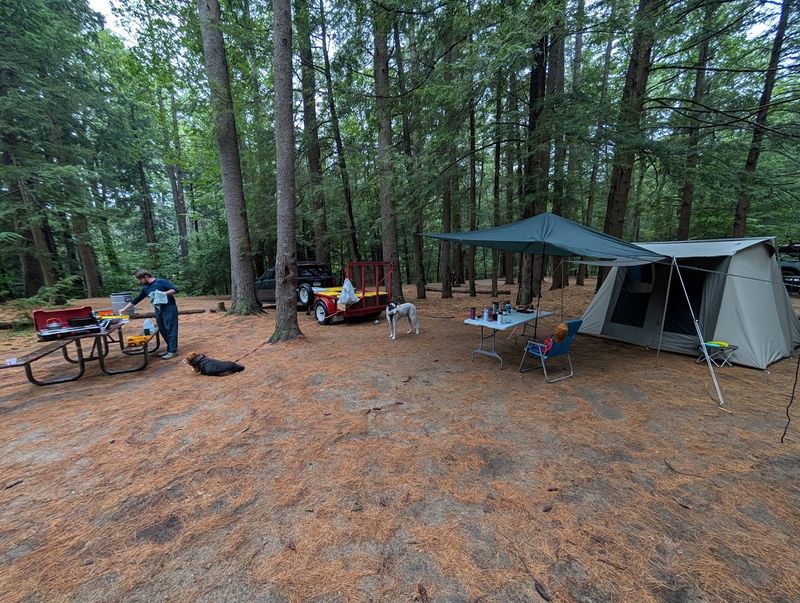
Camping at Bear Brook is a full experience. The 101-site campground at Beaver Pond offers a range of site types, many of them nicely separated by trees so you get genuine privacy rather than the feeling of sleeping in a parking lot with other people nearby.
The bathhouses are clean and functional, with coin-operated showers where a quarter buys three minutes of hot water. It is a detail that feels charmingly old-school and also keeps the lines moving. The camp store stocks firewood, ice, and enough forgotten essentials to prevent most camping disasters.
Nighttime at Bear Brook brings its own entertainment. Porcupines are known to wander through campsites after dark, sniffing around with zero urgency and even less concern for human schedules. They are harmless and oddly entertaining to watch by flashlight. Fires must be out by 11:30 p.m., and quiet hours start at 10 p.m.
The combination of those rules and the deep forest surroundings means the nights here are genuinely dark, quiet, and restorative in a way that is hard to find close to a city.
Playgrounds, Picnic Areas, and the Family-Friendly Side of the Park
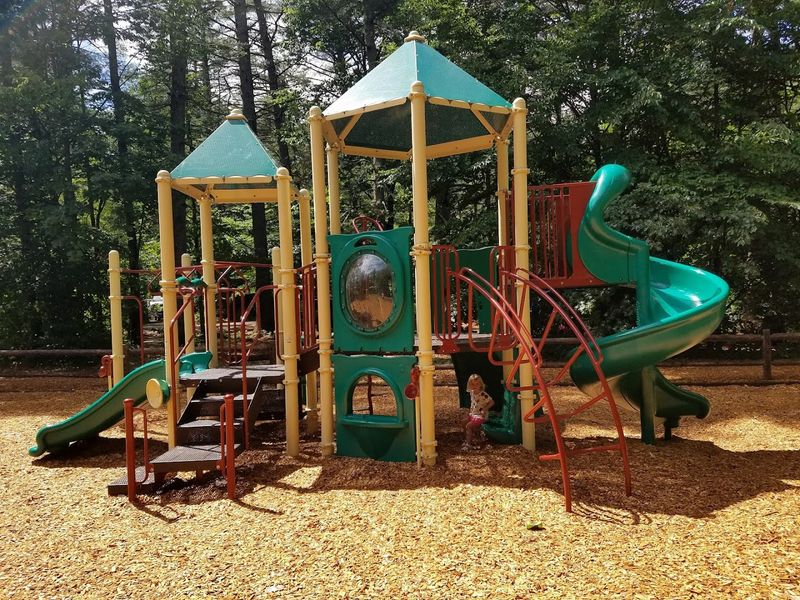
Bear Brook is genuinely set up for families with young children, not just serious hikers and cyclists. The playground near the main campground area is well maintained and gives kids a place to burn energy between trail walks and swimming sessions.
Large open fields are available for soccer, badminton, and general running around. The picnic area near Bear Brook Park Pond includes at least two dozen picnic tables, public grills, and a covered bathhouse structure that can be rented for group events. It is the kind of setup that makes birthday parties and family reunions easy to organize without a lot of extra logistics.
Shorter, flatter trails within the park are well suited for young hikers who are not ready for longer distances. Renting a canoe or kayak for a family paddle on Beaver Pond is a highlight that tends to be a hit with kids of almost any age. The park’s combination of structured amenities and open natural space gives families the flexibility to plan a day that works for everyone, regardless of age or energy level.
Tips for Getting the Most Out of Your Visit to Bear Brook
A few practical things make a real difference at Bear Brook. Booking campsites or cabins well in advance is essential for summer weekends because the park fills up fast and showing up without a reservation on a Friday afternoon in July is a gamble you will likely lose.
Always grab a trail map from the welcome center before heading out. The trail network is extensive and some intersections are genuinely easy to misread, especially when multiple paths converge in the same area. Downloading an offline version on your phone as a backup is also a smart move since cell service can be inconsistent deep in the park.
Bug spray is worth packing, particularly after rain when standing water collects near low-lying sections of trail. Mosquitoes are a real presence in those conditions. The park is open year-round, and visiting in the fall offers a dramatically different experience with foliage color that transforms the entire forest. Winter brings cross-country skiing and snowshoeing opportunities that most summer visitors never think to consider.
Bear Brook genuinely rewards every season.
Share this story