 Unearth The Voyage
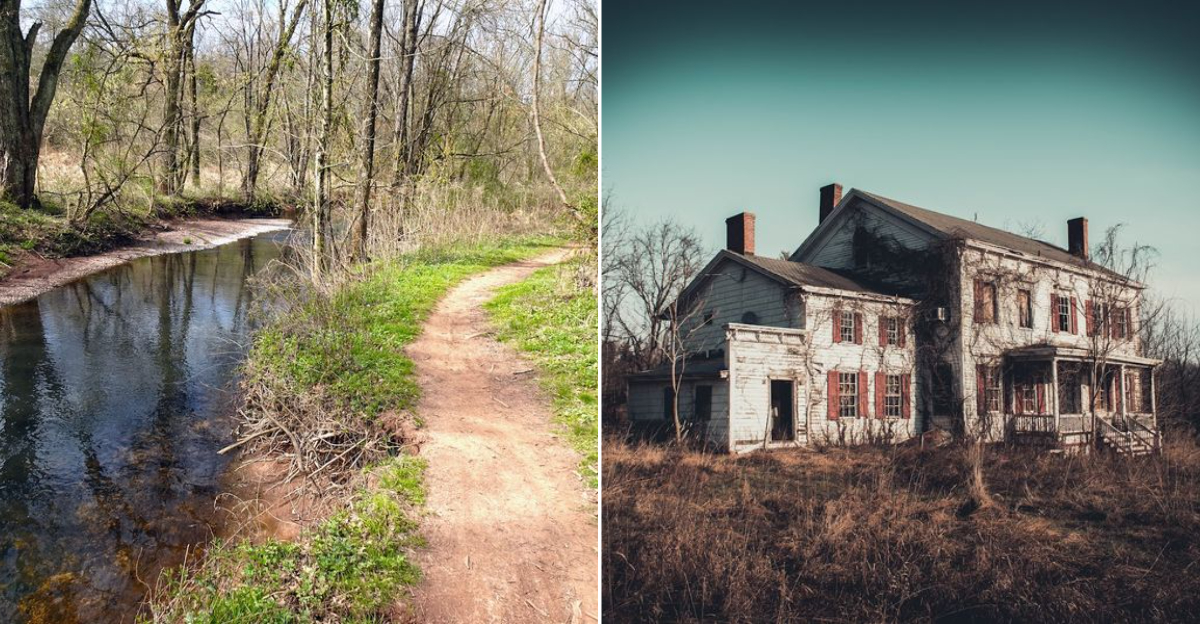
There is a stretch of land in central New Jersey where the trees grow thick, the trails twist without warning, and abandoned farmhouses stand quietly in the middle of the woods. Most people who know about this place will happily explore it during the day, but ask them about going after dark and the conversation takes a very different turn.
This park in Somerset County has built a reputation that goes beyond its well-maintained trails and popular mountain biking routes. The park holds history, mystery, and more than a few stories that tend to stick with you long after you have left.
Whether you are a curious hiker, a thrill-seeking biker, or someone who just wants to understand why locals keep glancing over their shoulders when this place comes up, read on because this park has a lot more going on than most people realize.
Where Exactly This Park Sits
Six Mile Run State Park is located at 427 S Middlebush Rd, Somerset, NJ 08873, tucked into the Franklin Township area of Somerset County in central New Jersey.
The park sits on more than 3,000 acres of preserved land, making it one of the larger natural areas in this part of the state.
It is close enough to major highways that getting there is straightforward, yet once you step past the parking area, the surrounding roads and neighborhoods feel very far away.
The park is managed by the New Jersey Department of Environmental Protection and operates Monday through Saturday from 8:30 AM to 4 PM, remaining closed on Sundays.
That closing time matters more than most people think. When daylight starts to fade inside those woods, the atmosphere changes noticeably, and the trails that seemed friendly just an hour before begin to feel like a completely different place altogether.
The Abandoned Farmhouses Nobody Talks About
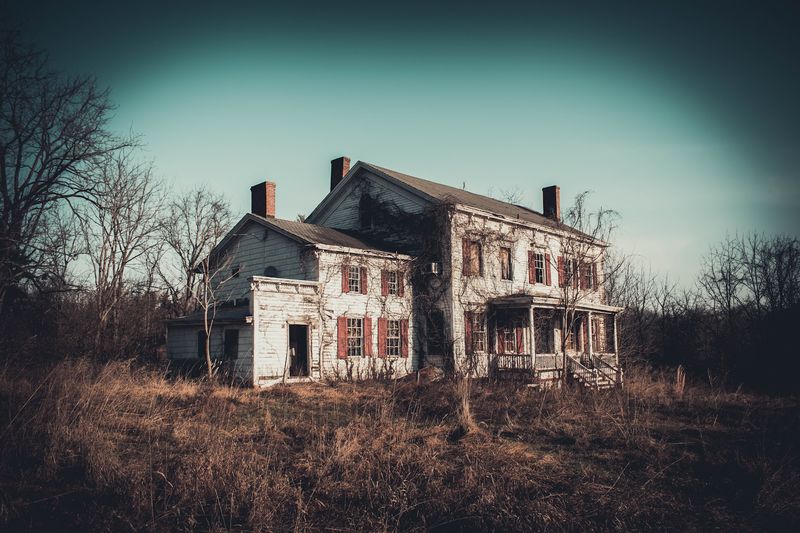
Of all the things that make Six Mile Run unusual, the abandoned farmhouses scattered throughout the trail system are the detail that tends to catch first-time visitors completely off guard.
These structures were once part of working farms that operated on this land before the state acquired the property for preservation purposes.
Today they stand in various states of collapse, with walls partially standing, roofs caved in, and vegetation slowly reclaiming everything around them.
Coming across one of these buildings while hiking a wooded trail is a genuinely striking experience, especially when you round a bend and suddenly find yourself face to face with a structure that clearly has not been occupied in decades.
At sunset, the light hits the old stone and timber in a way that makes even the most level-headed hiker pause and reconsider how much further they want to go before turning back toward the parking lot.
A Trail System Built for Thrills
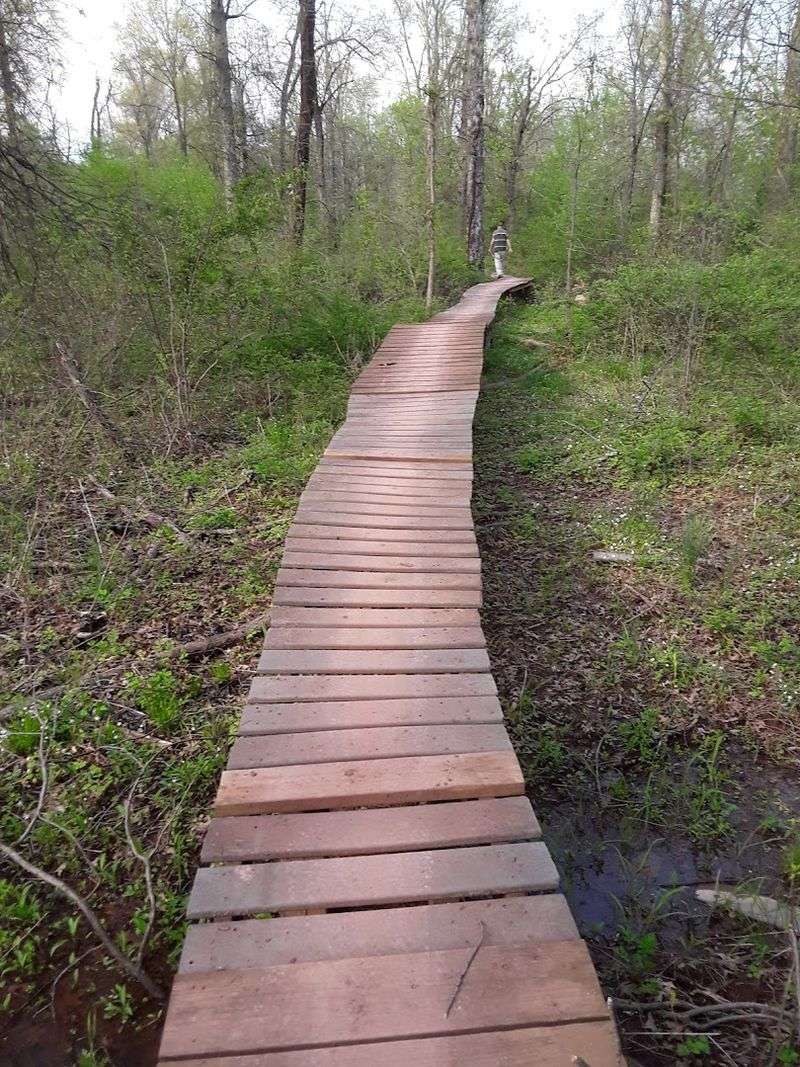
The trail network at Six Mile Run is color-coded and covers a range of difficulty levels, which is part of why the park draws such a consistent crowd of mountain bikers from across the region.
The Red Trail is well known for being fast, with enough flow and open sections to keep experienced riders coming back repeatedly.
The Blue Trail offers a different kind of challenge, with tighter corners and more technical features that reward riders who know how to handle varied terrain.
Then there is the Orange Trail, which has earned a reputation for being unpredictable, full of sharp turns and sudden changes in elevation that keep riders fully focused.
Hikers share these same trails, which means the path can feel narrow when a fast-moving biker comes through, so staying alert and giving way quickly is simply part of the Six Mile Run experience on any given afternoon.
What Happens When the Sun Goes Down
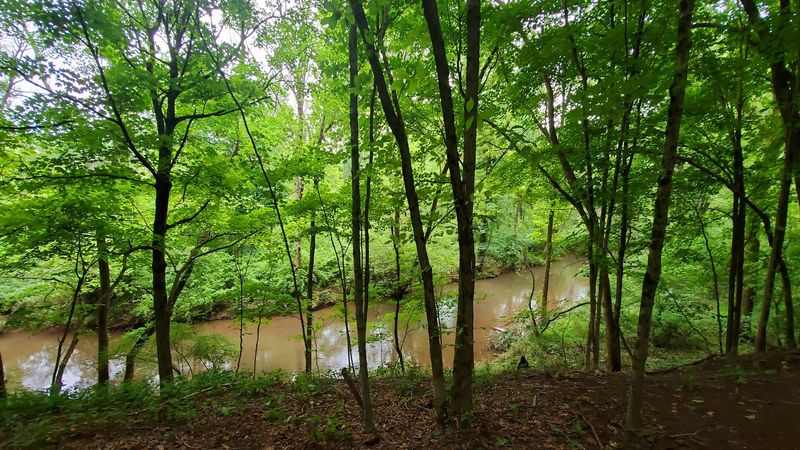
Night riding at Six Mile Run is a thing that actually happens, with groups of mountain bikers heading out as late as 11 PM and finishing well past midnight on certain evenings.
The Blue Trail reportedly holds up reasonably well at night for riders with good lighting, while the Orange Trail becomes a different kind of challenge entirely once visibility drops.
Twists and turns that are manageable during daylight become genuinely disorienting in the dark, and the sounds of the woods at night add an extra layer of unease to the whole experience.
For non-bikers, the park closes at 4 PM, so being on foot after hours is not permitted, which is probably wise given how quickly the atmosphere shifts once the light fades.
The park has a way of making you feel like you are very much alone out there, which is either thrilling or deeply uncomfortable depending entirely on your personality and who you came with.
The Creeks and Streams That Wind Through
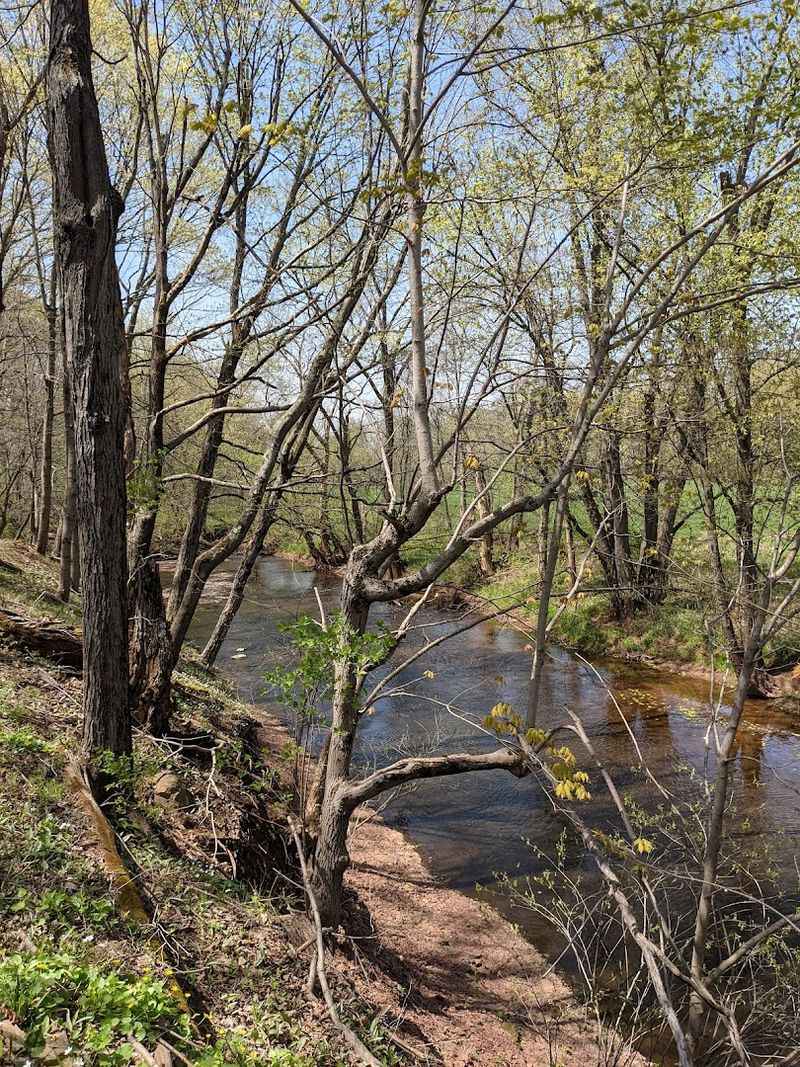
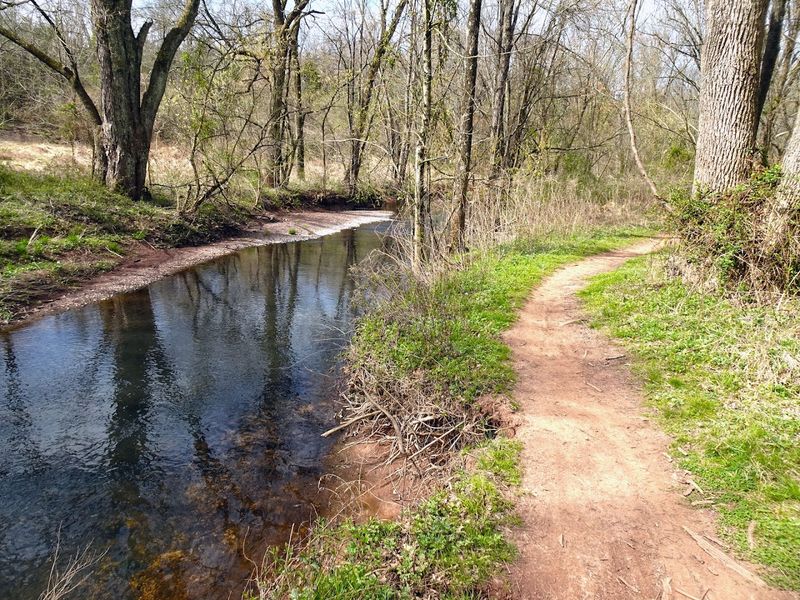
Water is a constant presence throughout Six Mile Run, with multiple creeks and streams crossing the trail system at various points along the routes.
These water features add to the natural character of the park and are part of what makes the landscape feel genuinely wild rather than groomed or managed like a typical suburban trail.
After heavy rain, some of these crossings can become surprisingly deep and fast-moving, which changes the difficulty of certain trail sections considerably.
Tree roots are exposed along many of the creek banks, creating technical challenges for bikers and tricky footing for hikers who are not paying close attention to where they step.
The combination of running water, dense canopy overhead, and the general remoteness of certain trail sections gives Six Mile Run a character that feels more like deep backcountry than a day-use park sitting just off a state highway in central New Jersey.
Poison Ivy, Ticks, and the Things That Bite Back
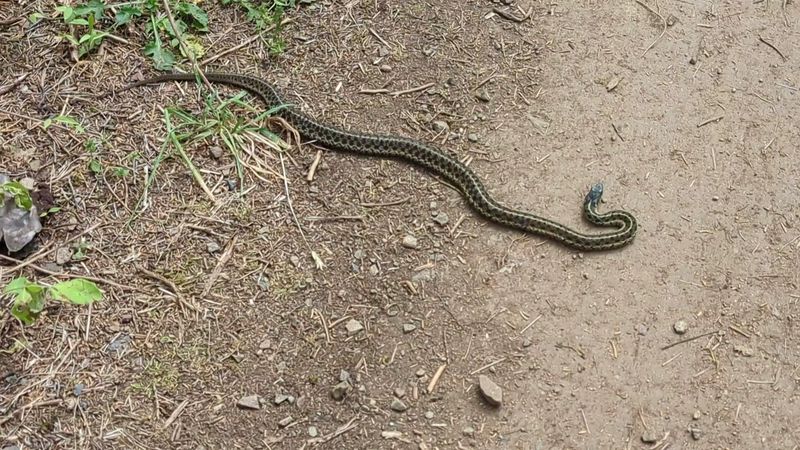
Six Mile Run is not a park that lets you forget you are in nature, and the plant and insect life here makes that point clearly from the moment you step onto the trail.
Poison ivy lines both sides of many paths throughout the park, growing thick enough in some areas that staying centered on the trail is genuinely important rather than just a suggestion.
Ticks are also a real concern, particularly during warmer months when the vegetation is dense and brushing against trailside plants is nearly unavoidable.
Wearing long pants and closed-toe boots is strongly recommended, and doing a thorough check after any visit is not optional if you want to avoid bringing unwanted passengers home.
Bug spray is another essential item to pack before heading out, as the wooded and creek-adjacent sections of the park create ideal conditions for insects that are eager to make your acquaintance from the first step to the last.
Hunting Season and the Orange Rule
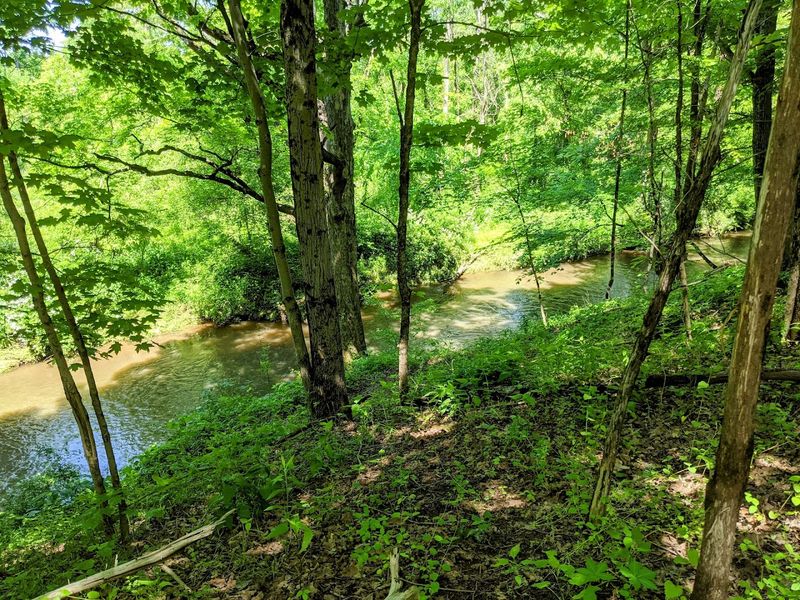
Six Mile Run allows hunting during designated seasons, which is a detail that casual visitors sometimes overlook until they are already on the trail.
Bow hunting is permitted in the park, and during hunting season the dynamic of being in these woods changes in a way that requires some basic awareness from anyone using the trails.
Wearing something bright orange is strongly recommended during hunting season so that you are clearly visible and easily distinguishable from wildlife moving through the same area.
One specific tip worth knowing is to avoid carrying white tissue or anything that resembles the white tail of a deer, since an inexperienced hunter at a distance might misjudge what they are seeing.
It sounds like a strange thing to have to think about on a recreational hike, but Six Mile Run is a working natural area with multiple permitted uses, and knowing the seasonal rules before you go makes the whole experience considerably safer and more comfortable.
Trail Markings and Getting Lost
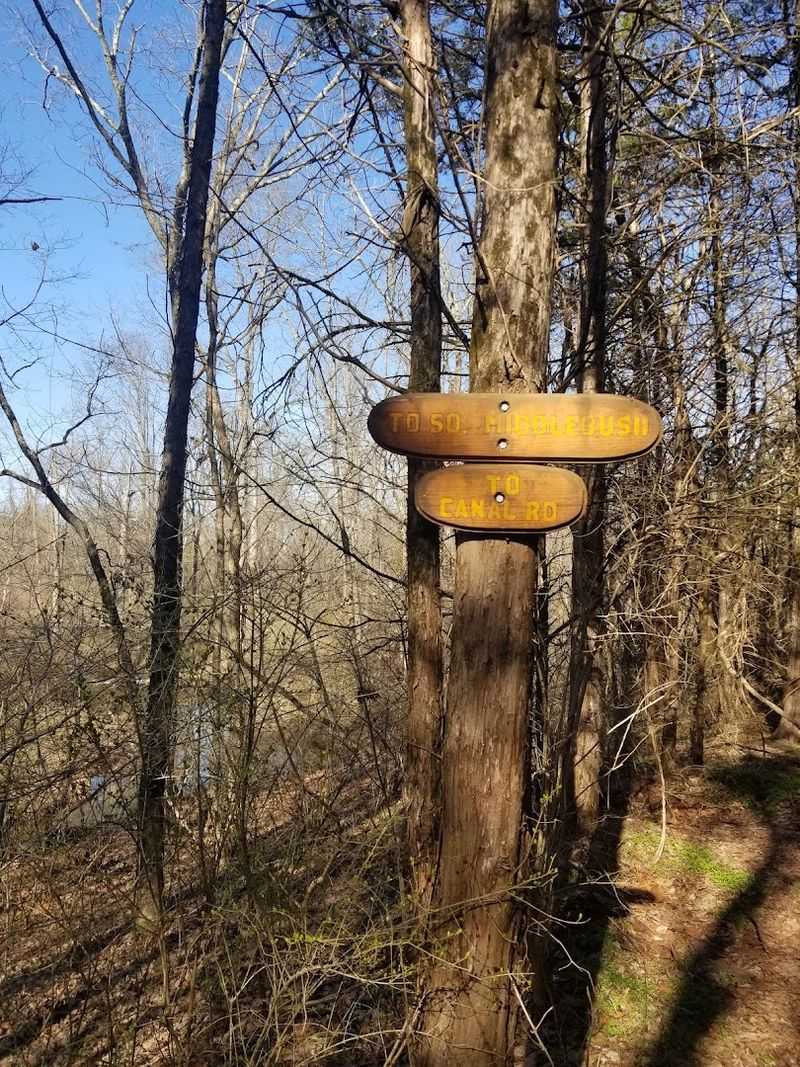
The trail system at Six Mile Run covers a lot of ground, and the color-coded marking system works well in most sections, but there are stretches where the blazes become harder to follow.
Some trail junctions are not clearly signed, and in areas where the path splits or fades into the surrounding vegetation, making a wrong turn is genuinely easy to do.
Getting turned around in a park this size is a real possibility, particularly for first-time visitors who are not carrying a map or relying on a reliable navigation app.
Downloading a trail map before heading out is one of the most practical things any visitor can do, especially because cell service in certain parts of the park can be inconsistent.
The park covers enough acreage that wandering off course by even a short distance can add significant time and distance to your outing, which becomes a much bigger issue as the afternoon light starts to fade.
The History Buried Beneath the Trails
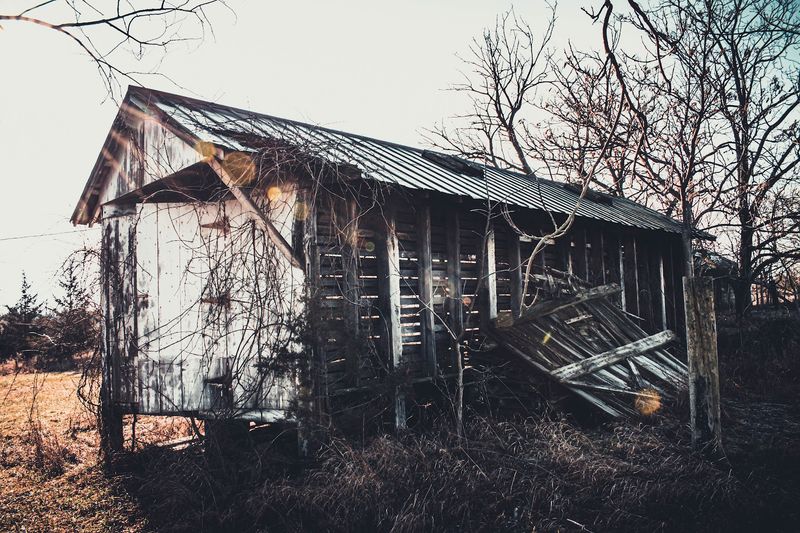
The land that makes up Six Mile Run State Park was not always a recreational area, and the history layered into this landscape goes back centuries to when this part of central New Jersey was actively farmed and settled.
The abandoned structures still standing throughout the park are physical evidence of that earlier era, remnants of a working agricultural community that gradually disappeared as land use in the region changed over time.
The state began acquiring parcels here as part of a broader conservation effort, and the transition from farmland to preserved natural area happened in stages rather than all at once.
What makes this history particularly interesting is that it left behind visible traces rather than just records in an archive.
Walking the trails here means moving through a landscape that was shaped by human activity for generations before it was handed back to the trees, and those old foundations and collapsed walls are quiet reminders of everything that came before.
Mountain Biking Culture at Six Mile Run
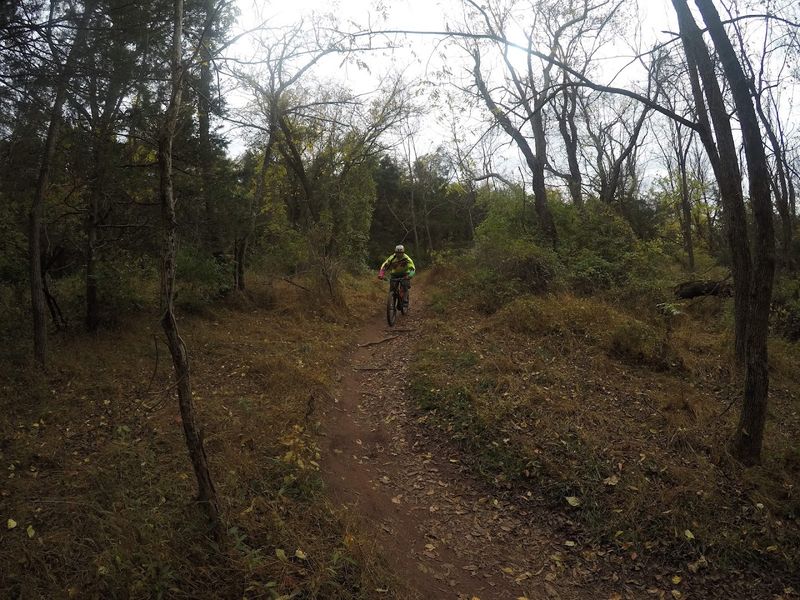
The mountain biking community at Six Mile Run is active, organized, and genuinely passionate about maintaining the trail system in good condition for everyone who uses it.
The trails here have been updated and improved over the years by volunteer organizations who put in consistent work to add new features, reroute problem sections, and keep the overall network in strong shape.
That kind of community investment shows in the quality of the riding experience, which is why Six Mile Run regularly comes up in conversations about the best mountain biking destinations in New Jersey.
The park draws riders of varying skill levels, from beginners getting comfortable on natural terrain to experienced riders who come specifically for the faster, more technical sections.
For anyone new to off-road cycling, Six Mile Run is considered a solid entry point into the discipline, offering enough variety to build skills without throwing a beginner into terrain that is beyond their current ability right from the start.
What to Wear and Bring
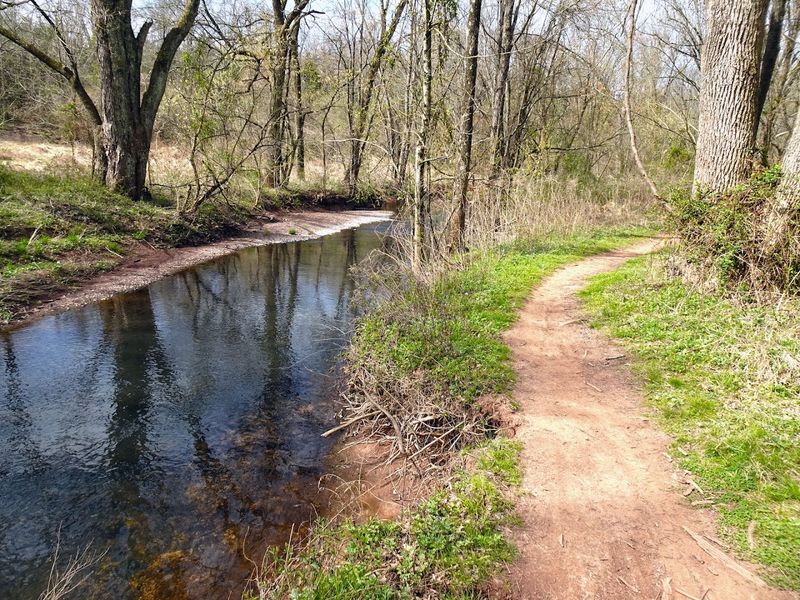
Preparation matters at Six Mile Run more than it might at a shorter or more manicured trail, and the right gear makes a noticeable difference in how comfortable the experience turns out to be.
Sturdy boots with good ankle support are the right choice over sneakers, especially after rain when the soil near creek crossings becomes slippery and unpredictable.
Long pants help with both poison ivy and ticks, and tucking them into your socks adds an extra layer of protection that sounds fussy but is genuinely worth doing.
Bug spray should be applied before you start walking rather than after you notice the first bite, and bringing extra is never a bad idea for longer outings.
A downloaded trail map, a fully charged phone, and enough water for the full length of your planned route round out the basics, and anyone planning to stay for several hours should also bring a snack and a small first aid kit just in case.
Why the Orange Trail Gets All the Attention at Night
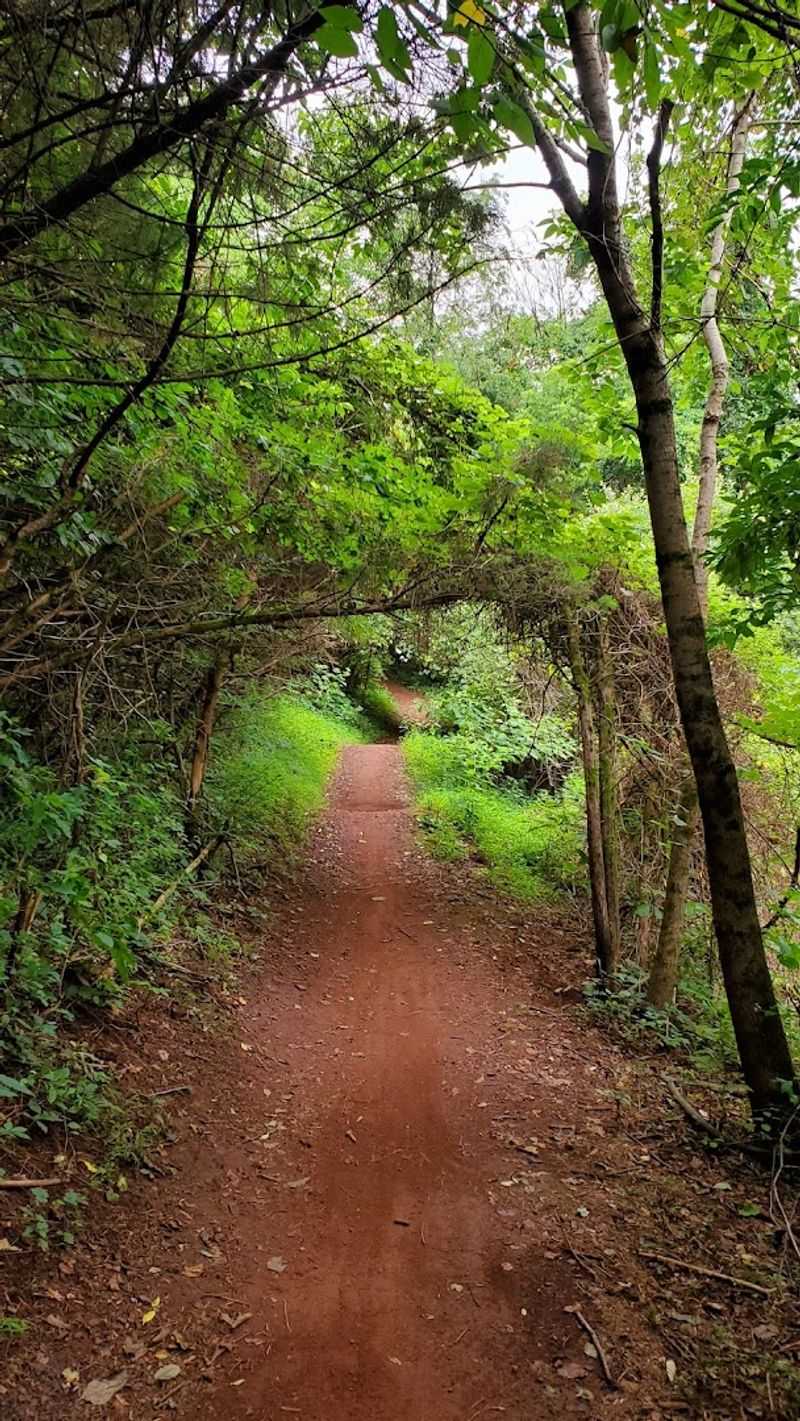
Among the color-coded trails at Six Mile Run, the Orange Trail has developed a particular reputation among night riders for being the most disorienting route once the light disappears.
During the day it presents a solid challenge with its tight corners and unexpected changes in direction, but after dark those same features become a very different kind of test.
The density of the tree cover on certain sections of the Orange Trail means that even a strong bike light does not always reveal what is coming until you are already in it.
Riders who have completed the Orange Trail at night describe it as a route that demands full concentration at every moment, with no section that allows you to relax or coast on autopilot.
For anyone who has only ridden Six Mile Run during daylight hours, the Orange Trail at night represents a genuinely different version of a trail they thought they already knew well.
The Park at Its Best in Different Seasons
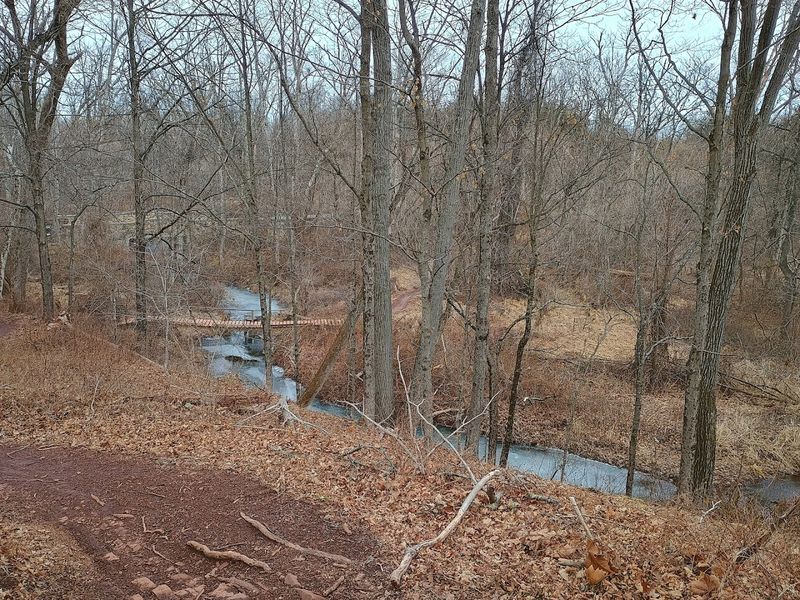
Six Mile Run changes character noticeably across the seasons, and each time of year brings a different set of conditions that affect how the trails feel and perform.
Spring brings new growth and running water in the creeks, but it also means muddy sections and the beginning of tick season, so visitors need to plan accordingly.
Summer is when the canopy is fullest and the shade on the trails is most appreciated, though the heat and humidity of a central New Jersey summer can make longer outings more demanding than expected.
Fall is widely considered the most rewarding time to visit, with the deciduous trees turning and the trail surface becoming firmer as temperatures drop and the vegetation thins out.
Winter visits are quieter and less crowded, offering a completely different version of the park for those who do not mind the cold and want to experience the trail network without sharing it with large groups of weekend riders.
The Final Word on Six Mile Run After Dark
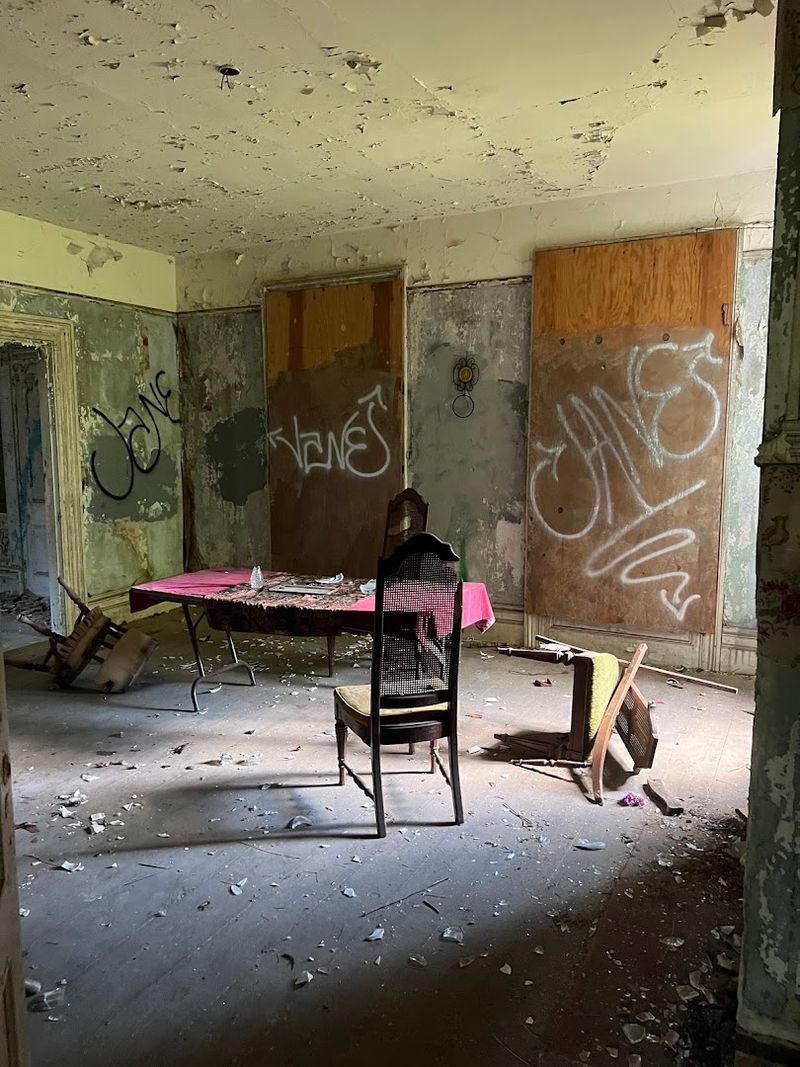
Six Mile Run State Park earns its eerie reputation not through any single dramatic feature but through the accumulation of details that make it feel unlike most other parks in the region.
The abandoned farmhouses, the dense tree cover, the trails that shift character without warning, and the general sense of isolation all contribute to an atmosphere that is hard to shake once you have experienced it.
During daylight hours it is a genuinely excellent destination for hiking and mountain biking, with well-maintained trails and enough variety to keep regular visitors coming back throughout the year.
After dark, the park becomes something else entirely, which is precisely why the people who know it best tend to keep their night visits short and their headlights charged.
Somerset County has no shortage of green space, but Six Mile Run occupies a specific place in the local imagination, the kind of park that rewards the curious and quietly unsettles everyone else.



