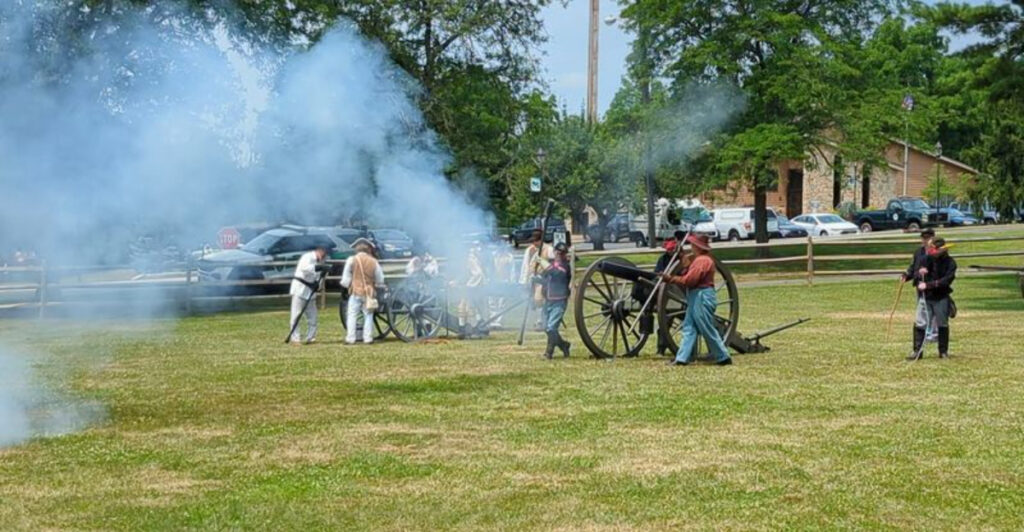
There is a place in New Jersey where the 18th century is not just a chapter in a textbook but a real, walkable world you can explore for free. Tucked along the Raritan River in Piscataway, this re-created colonial village brings together original buildings, period artifacts, and knowledgeable guides dressed in authentic clothing.
Kids and adults alike leave with a genuine understanding of what daily life looked like during the Revolutionary War era. Whether you have an hour to spare or an entire afternoon, this village rewards curiosity at every turn, and the fact that admission costs nothing makes it one of the most underrated historical spots in the entire state.
A Village That Was Built to Be Remembered
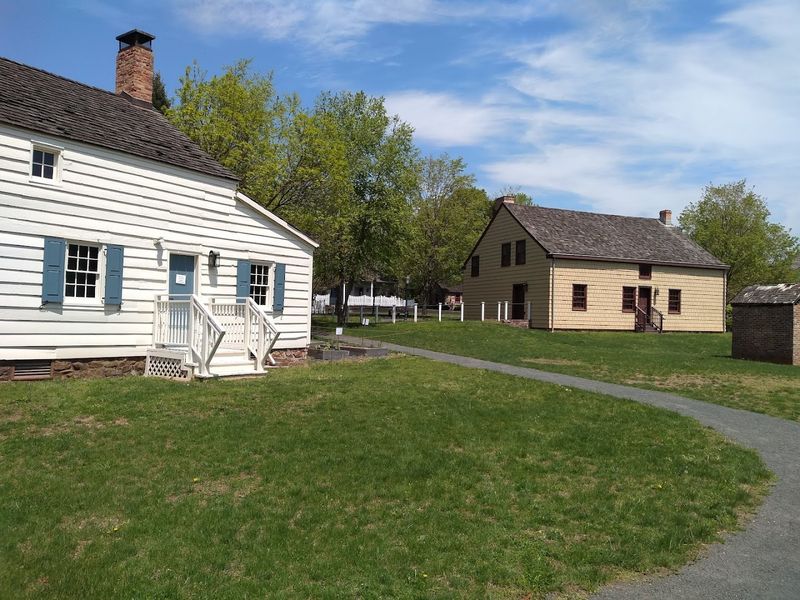
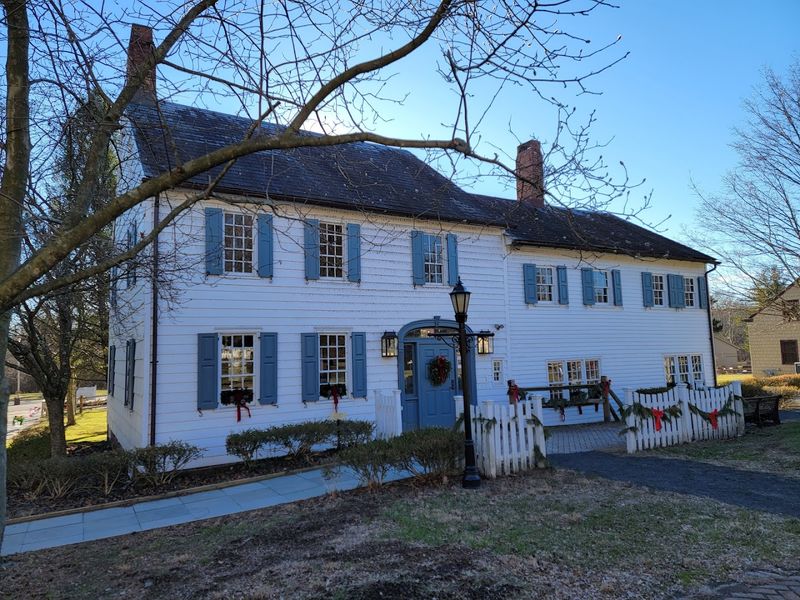
East Jersey Old Town Village is not a theme park or a movie set. It is a carefully assembled collection of restored and replica buildings that represent life in colonial New Jersey from the 1700s through the early 1800s.
The village was developed by Middlesex County as an outdoor living history museum, bringing together structures from the region to create a cohesive portrait of early American life. Some buildings are original, moved from their original locations and painstakingly preserved.
Others are historically accurate replicas built to complete the village’s layout. Together, they form a community that reflects the trades, homes, and daily routines of people who lived here centuries ago.
With approximately 18 colonial structures spread across the grounds, the village offers an unusually detailed look at how ordinary people, not just wealthy landowners, built their lives in early New Jersey. That grounded, everyday focus is what makes it stand out from more traditional museums.
What the Buildings Actually Tell You
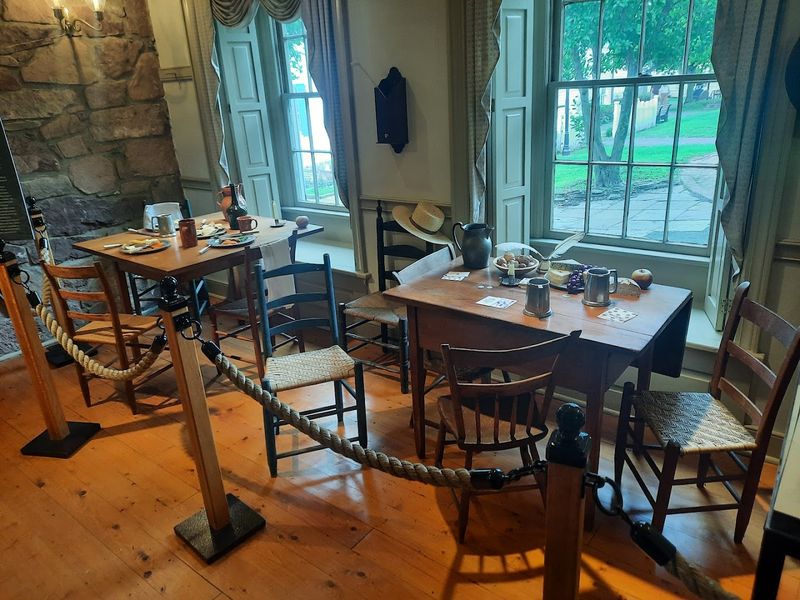
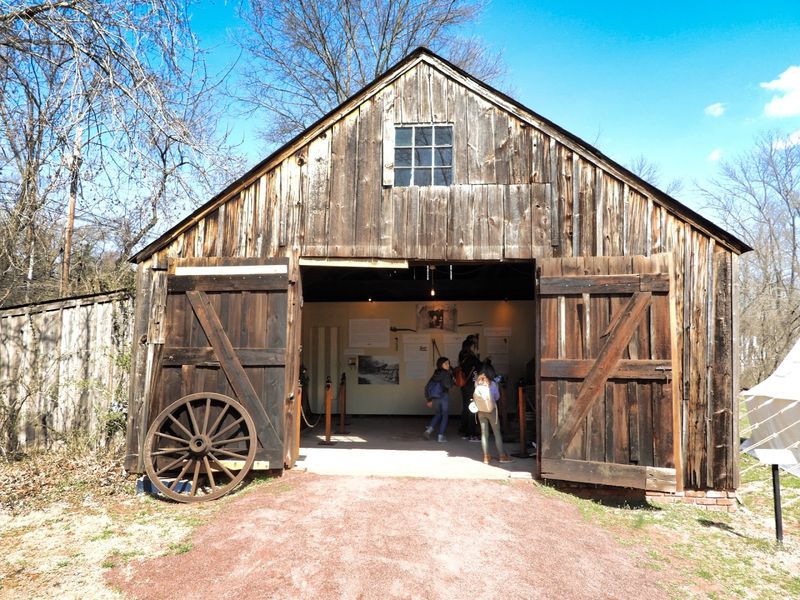
Each structure in the village serves as its own chapter in a much larger story. There are homes, workshops, and service buildings, and each one is furnished with period-appropriate artifacts that reflect the specific trade or lifestyle associated with it.
A printer’s shop, a blacksmith’s forge, a stone mason’s workspace, and a seamstress’s quarters are among the settings that bring specific crafts and occupations to life. The details inside each building are not decorative afterthoughts.
They are educational tools placed with intention.
Volunteers and historical interpreters are stationed throughout the village and are ready to explain what each object was used for, how a particular trade worked, and what the daily rhythm of colonial life actually looked like.
Most buildings can be entered or at least viewed up close, and on days when the village is fully staffed, the experience shifts from a quiet self-guided tour into something far more dynamic and informative than most history museums offer.
The People Who Bring the Past to Life
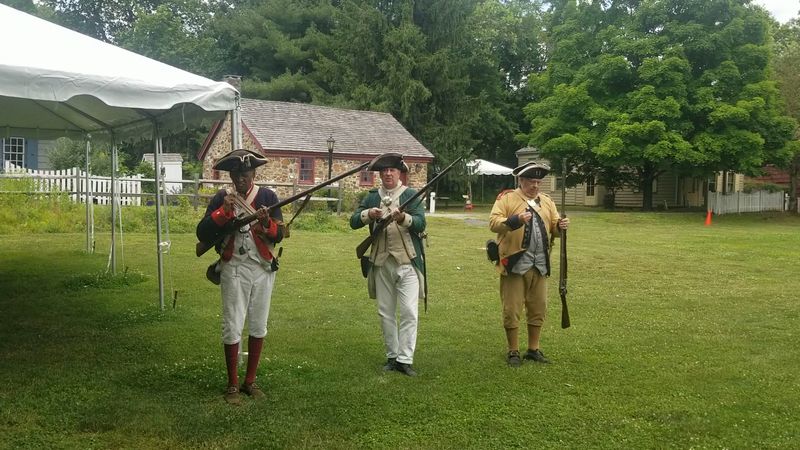
The volunteers and historical interpreters at East Jersey Old Town Village are one of its most talked-about features. Dressed in period-accurate clothing, they take on the roles of colonial-era tradespeople and residents with a level of commitment that genuinely enhances the visit.
A blacksmith might be mid-task at the forge, explaining the mechanics of ironwork as they go. A stone mason could be demonstrating how bricks were shaped from clay, a craft that has not changed dramatically in centuries.
A rifle sharpshooter in colonial dress might walk you through the difference between flintlock and rifle mechanics.
These are not actors reading from scripts. Many of the volunteers have deep personal knowledge of the period and are eager to answer questions, share context, and go off-topic in the best possible way.
Plan to spend at least three hours at the village if you want to fully engage with every interpreter and building on the grounds.
Revolutionary War Connections You Can Actually Touch
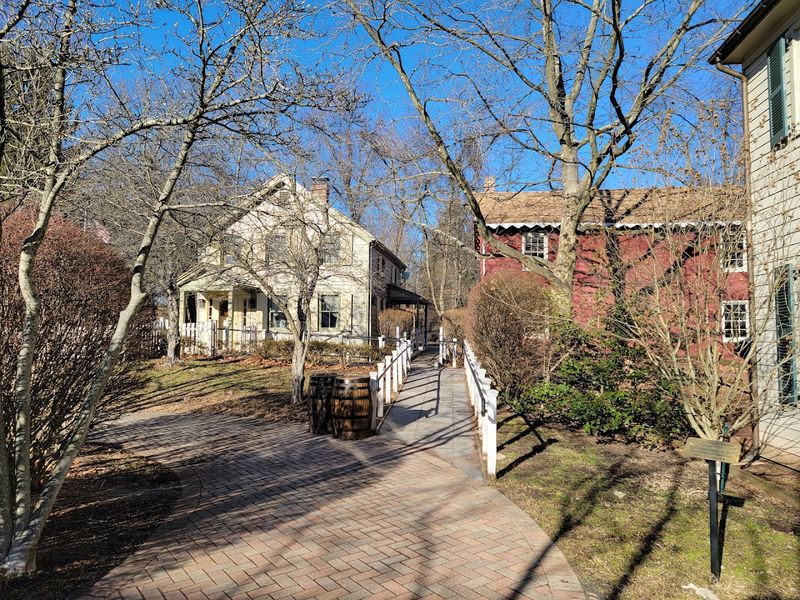
The grounds around East Jersey Old Town Village carry a specific Revolutionary War significance that goes beyond the buildings themselves. Johnson Park, where the village is located, includes the parade grounds where George Washington reportedly marched the Continental Army.
That is not a casual historical footnote. Standing on that same stretch of land while surrounded by 18th-century structures creates a connection to the Revolutionary War that no classroom can replicate.
The park is also noted as the location where the first Fourth of July fireworks were launched in 1778, two years after independence was declared and in the middle of an active war. That detail alone reframes what this green, peaceful park represents.
For anyone interested in American history at a ground level, rather than from behind glass in a traditional museum, this combination of outdoor space and preserved village makes East Jersey Old Town Village one of the most layered historical sites in the state.
The Fourth of July Celebration Worth Planning Around
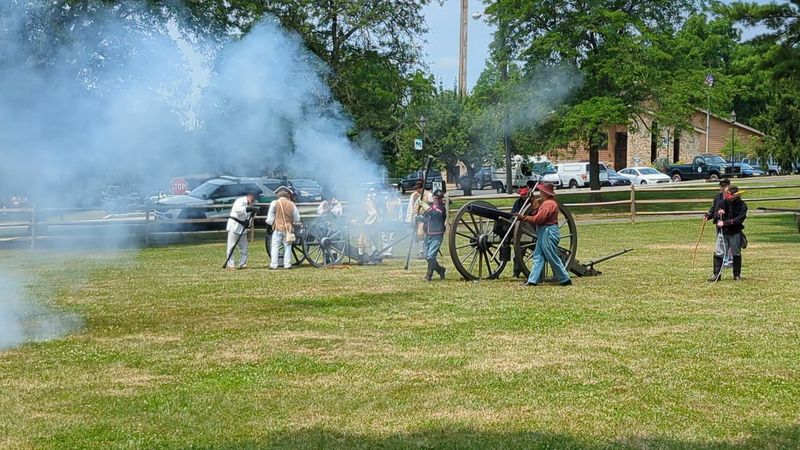
The annual Fourth of July celebration at East Jersey Old Town Village is one of the most detailed and engaging events on the village calendar. The reenactment transforms the entire grounds into an active Revolutionary War-era scene.
A George Washington reenactor delivers a speech, giving the day a theatrical quality that younger visitors especially find memorable. Revolutionary folk songs are performed live, and demonstrations throughout the village show how colonial kitchens operated and how bricks were made by hand from raw clay.
The event is not just a performance. Attendees are encouraged to participate, ask questions, and even try their hand at some of the crafts being demonstrated.
The combination of entertainment and education is handled with care, so neither one overshadows the other.
For families looking for a meaningful way to mark Independence Day, this celebration offers something genuinely different from fireworks and barbecues. It connects the holiday back to its actual historical context in a way that sticks with people long after the day ends.
Special Events That Change the Village Entirely
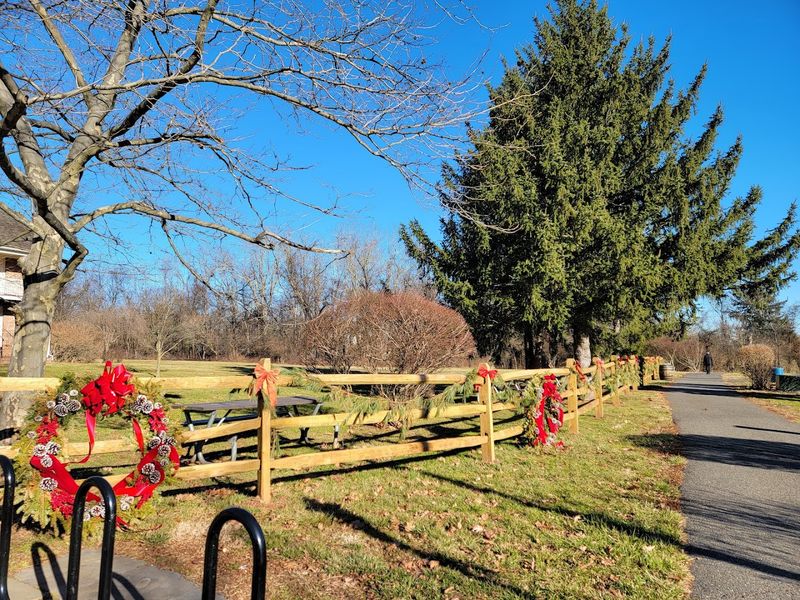
Beyond the Fourth of July, East Jersey Old Town Village hosts a rotating calendar of special events that give regulars a reason to return throughout the year. Each event uses the village’s unique setting to create an experience that would be impossible to replicate elsewhere.
One notable offering is the Wolf of Washington Forge presentation, a guided evening program that takes participants on a walk through the entire village with a knowledgeable and entertaining guide. The format turns the grounds into a storytelling space after hours.
The Seasonal Traditions event in December brings holiday crafts, caroling, and community programming to the village, with local groups such as the Piscataway Girl Scouts participating alongside the regular staff. These events are family-friendly and consistently well-organized.
Chamber music concerts have also been held on the grounds, using the outdoor colonial setting as a backdrop for live performances. The variety of programming ensures that no two visits to the village feel exactly the same, even for those who come back repeatedly.
Spring at the Village Has a Bonus Worth Knowing
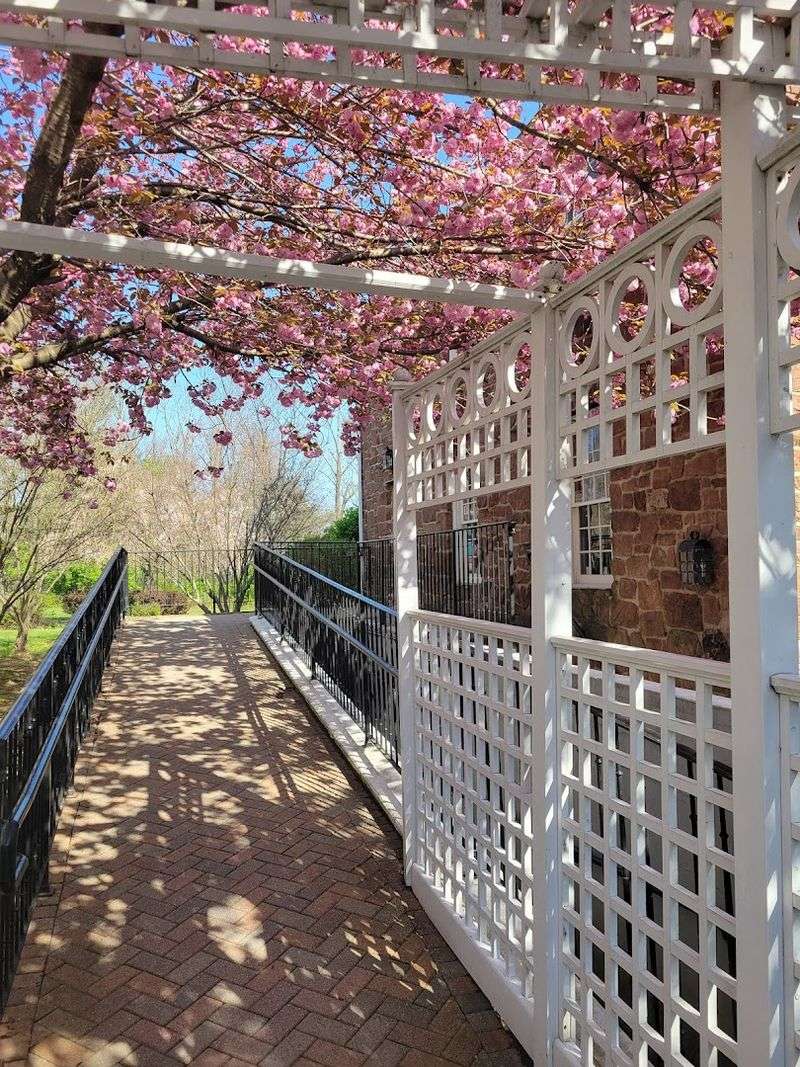
Timing a visit to East Jersey Old Town Village in the spring adds a visual layer that has nothing to do with colonial history but everything to do with making the trip memorable. Cherry blossoms bloom across the grounds during spring, and the contrast between the flowering trees and the weathered colonial structures is genuinely striking.
The village sits within Johnson Park, which benefits from mature landscaping and riverside greenery that changes character with the seasons. Spring is widely considered the most photogenic time to visit, and the blossoms draw an additional crowd beyond the usual history-minded audience.
Fall also has its appeal, with changing foliage providing a warm backdrop for the village’s wooden buildings and open pathways. Winter visits during the Seasonal Traditions event offer a completely different atmosphere, with the grounds taking on a quieter, more intimate quality.
Each season offers a genuinely different version of the same place, which is part of why so many people who visit once tend to come back more than they expected to.
Completely Free and Worth Every Hour
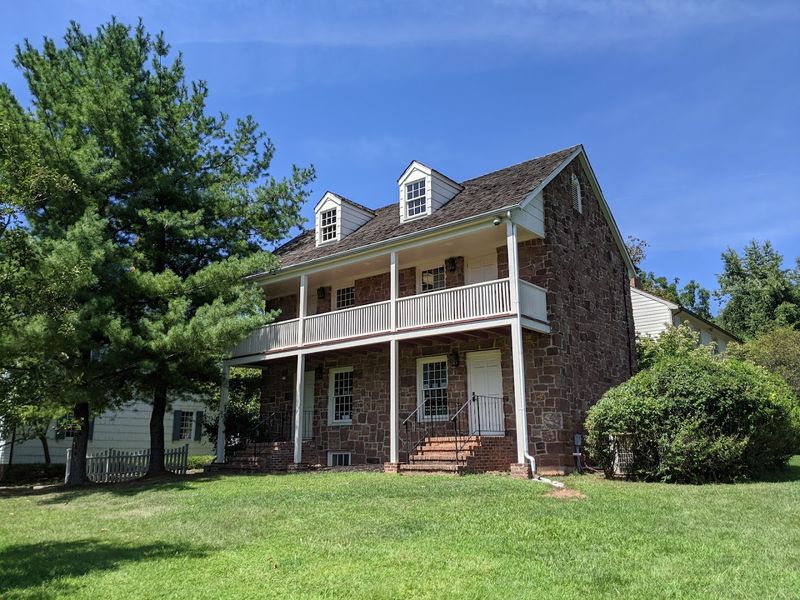
There is no admission fee to visit East Jersey Old Town Village. Middlesex County operates the site as a public resource, which means that everything from the self-guided tour to the interpreter demonstrations is available at no cost.
That is a remarkable offer given the depth of what the village provides. Most living history museums of comparable quality charge significant entry fees, and the free access here is consistently mentioned as one of the most appreciated aspects of the experience.
Parking within Johnson Park is also free, removing one of the last financial barriers that often comes with a day trip. The village is genuinely accessible to families, school groups, and solo visitors who want a high-quality historical experience without planning a budget around it.
The county’s commitment to maintaining and programming this site reflects a broader investment in public education and historical preservation. For visitors, the practical result is a destination that delivers well above what its price tag suggests, which happens to be nothing at all.
How to Make the Most of Your Visit
A few practical details can make the difference between a good visit and a great one at East Jersey Old Town Village. Plan for at least two to three hours, especially on days when the full village is open and all interpreters are on site.
Weekday visits from Wednesday through Friday starting at 10 AM tend to offer more interaction with staff and fewer crowds. Weekend hours begin at noon, which suits families who prefer a slower morning start.
The village closes at 4 PM every operating day, so arriving early gives the most time.
Comfortable walking shoes are a good idea, as the grounds include uneven terrain, gravel paths, and open outdoor areas. The site is adjacent to Johnson Park, so combining the visit with a riverside walk is an easy and rewarding option.
Checking the Middlesex County website at middlesexcountynj.gov/history before visiting is recommended, as special event schedules and seasonal programming updates are posted there regularly.
Why This Village Deserves a Spot on Your List
East Jersey Old Town Village is not the kind of place that needs a marketing campaign to justify a visit. The combination of original and replica colonial buildings, free admission, knowledgeable interpreters, and a historically significant location does that work on its own.
It sits in a part of New Jersey that shaped early American history, and the village preserves that legacy in a format that is genuinely accessible to people of all ages and backgrounds. Not everyone has the time or resources to visit major national historical sites, and this village fills that gap with quiet confidence.
School groups, history enthusiasts, curious families, and people simply looking for a meaningful afternoon outdoors all find something worth their time here. The programming continues to grow, the grounds are well maintained, and the volunteers bring consistent energy and knowledge to every open day.
For a free afternoon in New Jersey, few places offer this much history, this much space, and this much genuine connection to the American story.
Where History Has a Street Address
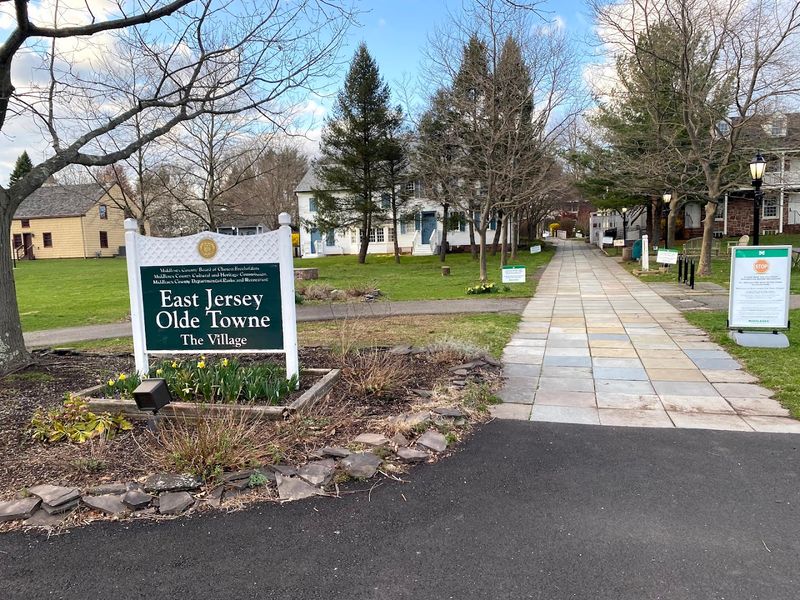
East Jersey Old Town Village sits at 1050 River Rd, Piscataway, NJ 08854, nestled within Johnson Park along the southern bank of the Raritan River in Middlesex County.
The village is operated by Middlesex County and is open Wednesday through Friday from 10 AM to 4 PM, with weekend hours running from noon to 4 PM on Saturdays and Sundays. It is closed on Mondays and Tuesdays.
Parking is free and easy to find, and the grounds connect directly to the wider park, which is great for combining a history visit with a walk along the river.
The location itself carries historical weight, as this stretch of New Jersey was deeply tied to the Revolutionary War. The surrounding park is reportedly the very spot where the first Fourth of July fireworks were fired in 1778, two years after the Declaration of Independence was signed.
Share this story