Trenton, New Jersey holds a surprise that most people drive right past without knowing what they are missing. A massive state museum sits right in the heart of the city, and it costs nothing to walk through the front door.
With more than 2 million objects spread across four floors, this place covers everything from dinosaur fossils and Native American artifacts to fine art and natural history. There is even a working planetarium inside, which makes it one of the most complete cultural destinations in the entire region.
Families, history fans, and curious minds of all ages keep coming back because there is always something new to explore. Close by, a beloved local spot adds the perfect ending to a full day of discovery.
Keep reading to find out exactly what makes this free destination so worth the trip.
The Price Tag That Turns Heads: Completely Free Admission
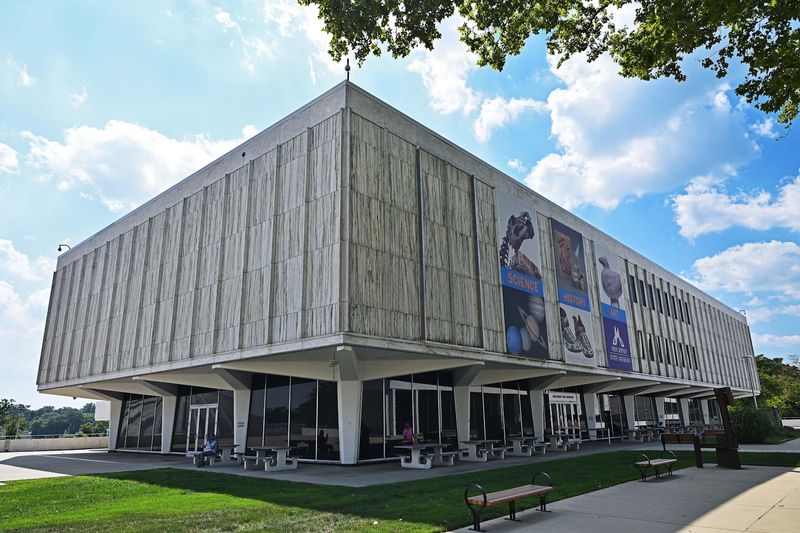
Free museum admission is not something people expect from a facility this size, yet the New Jersey State Museum delivers exactly that. Walking through the doors costs nothing, which makes it one of the best no-cost cultural experiences in the entire state.
The only area that carries a fee is the planetarium, where tickets run about $10 for adults and $5 for children. That pricing is still well below what most entertainment options cost in the region.
The free entry policy means that families can visit without the pressure of making every minute count against a ticket price. Kids can linger over a fossil display, and adults can spend extra time in the fine arts gallery without anyone watching the clock.
A small donation box sits near the entrance, and the museum encourages guests to contribute if they can. That voluntary support helps keep the collections maintained and accessible for everyone who walks through.
Two Million Objects and Counting: The Scale of the Collection
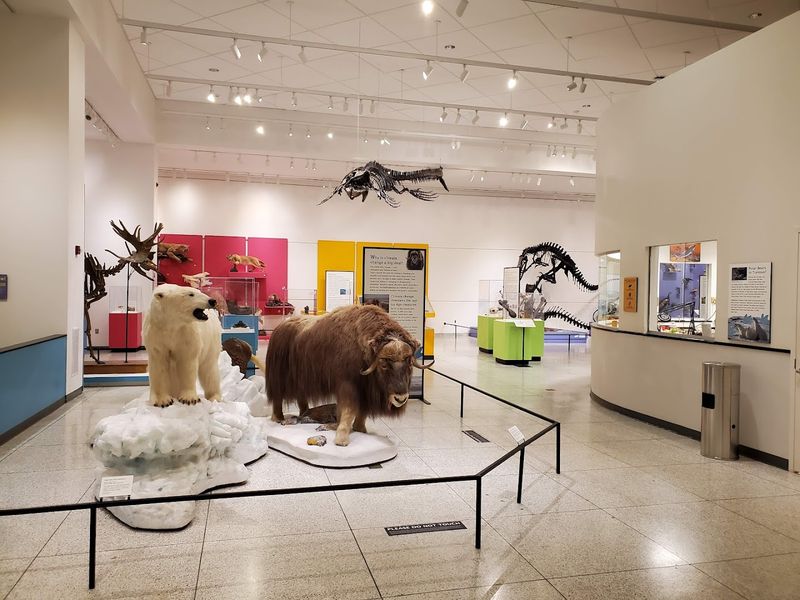
The number 2 million is hard to wrap your mind around, but that is how many objects the New Jersey State Museum holds in its permanent collection. That figure includes everything from prehistoric fossils and ancient artifacts to paintings, decorative arts, and cultural objects from across New Jersey and beyond.
The collection spans four full floors, which means a single visit rarely covers everything. Most guests find that two hours gives a solid overview, but returning for a second or third visit always turns up something new.
The museum regularly refreshes certain exhibits and occasionally introduces new displays, so the experience does not stay static. That rotating approach keeps even repeat guests engaged.
Natural history, fine arts, archaeology, and cultural history all have dedicated spaces within the building. The breadth of the collection is genuinely impressive for a state-funded institution, and the fact that it is all accessible without an admission fee makes the scale even more remarkable.
Fossils Up Close: The Natural History Wing
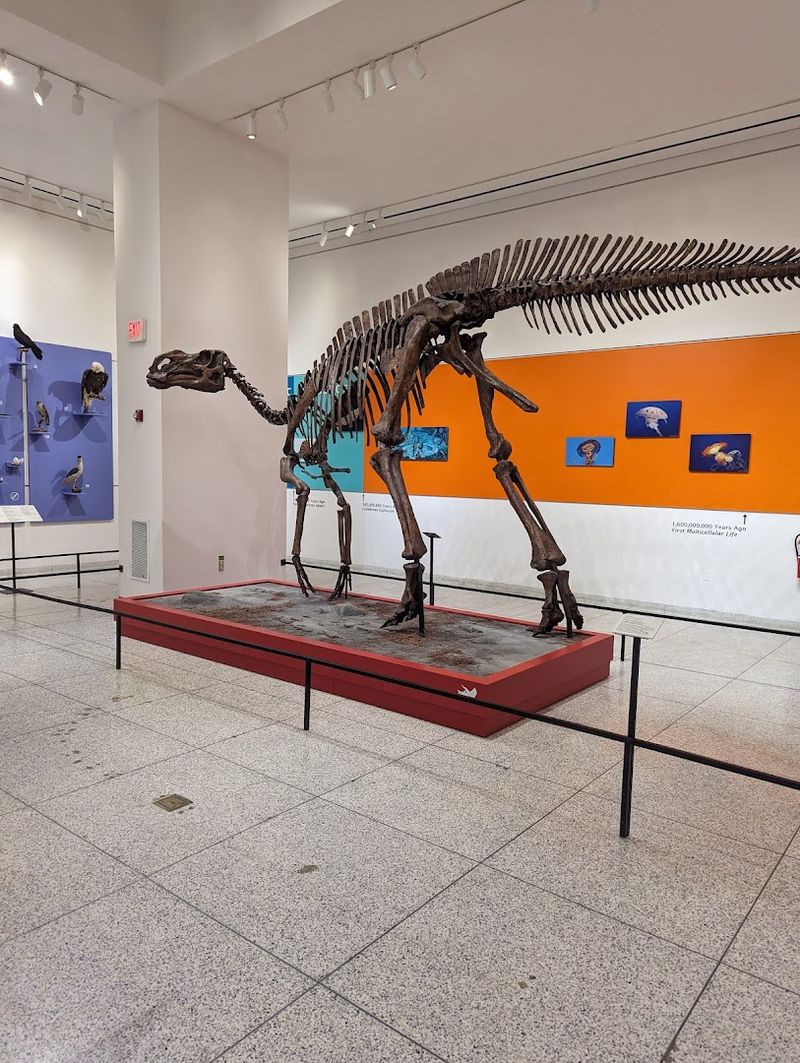
The natural history wing consistently ranks as a highlight for families visiting the New Jersey State Museum. The fossil displays include specimens that visitors can get genuinely close to, which makes the experience feel more connected than staring through thick glass from a distance.
New Jersey has a surprisingly rich fossil record, and the exhibits lean into that local angle. Paleolithic fossils, prehistoric animal remains, and detailed displays about the region’s ancient ecosystems fill the space with content that is both educational and visually striking.
Real paleontologists have been involved in the museum’s work, which adds credibility to the displays and ensures that the science behind each exhibit is accurate and current. There is even a halogen light display with diffraction grating that makes certain specimens look completely different depending on the angle.
For kids who are obsessed with dinosaurs, this section alone is worth the trip to Trenton. Adults tend to linger longer than they planned, too.
Stories in Stone: Native American and Archaeological Exhibits
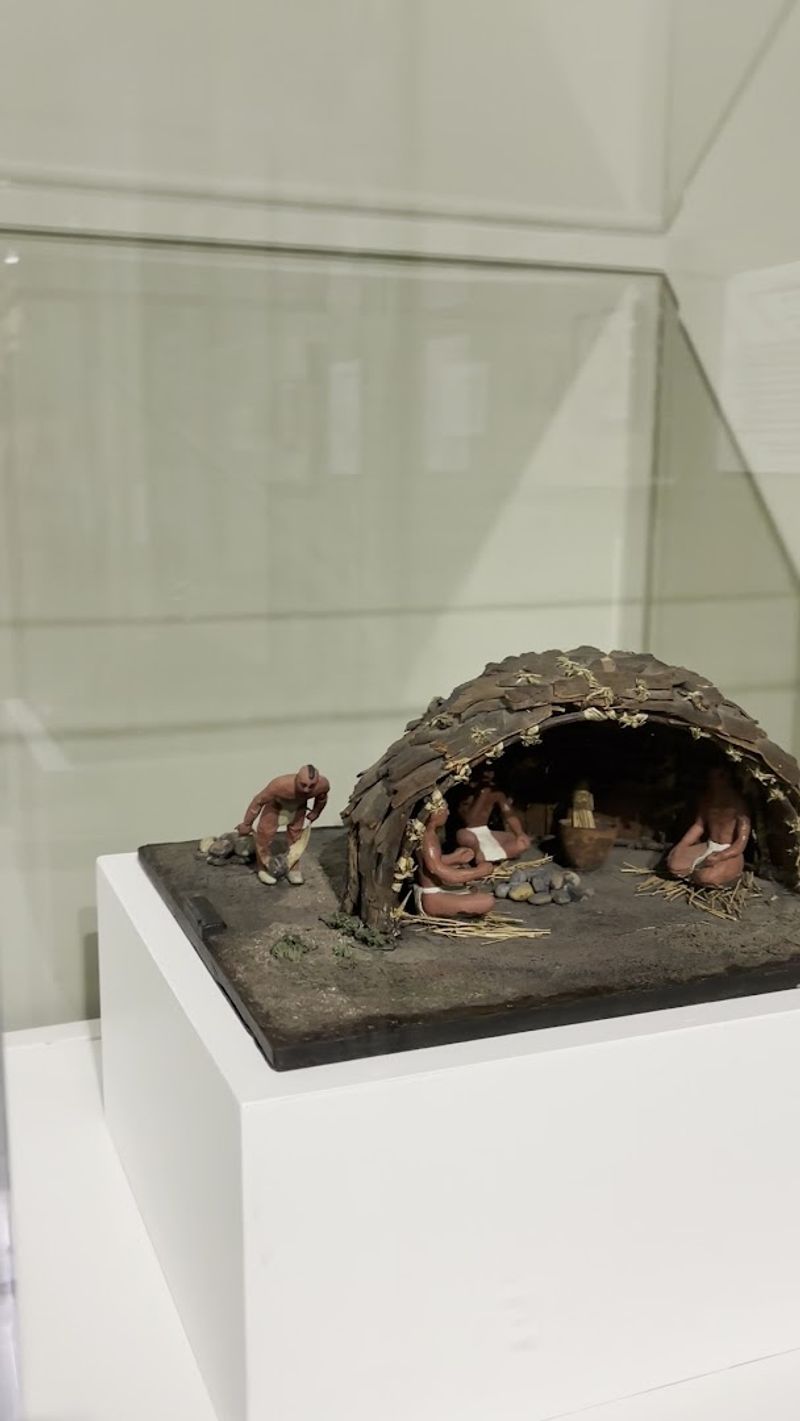
The archaeological section of the New Jersey State Museum covers some of the most layered history in the building. Exhibits dedicated to the Lenape people and other Indigenous communities of the region tell stories that stretch back thousands of years before European contact.
Artifacts on display include tools, pottery, and cultural objects that document everyday life in ways that textbooks rarely capture. The reading material throughout this section is written clearly and thoughtfully, making it accessible to younger guests without oversimplifying the history for adults.
A section specifically focused on the Delaware Indian experience gives context to the land that became New Jersey, tracing the cultural shifts that took place over centuries. That kind of regional specificity is what sets this museum apart from more generalized history collections.
The basement level holds some of the oldest and most compelling artifacts in the building, and guests who skip it on the way to the upper floors often come back down with more time than they expected to spend.
Art on Every Wall: The Fine Arts Collection
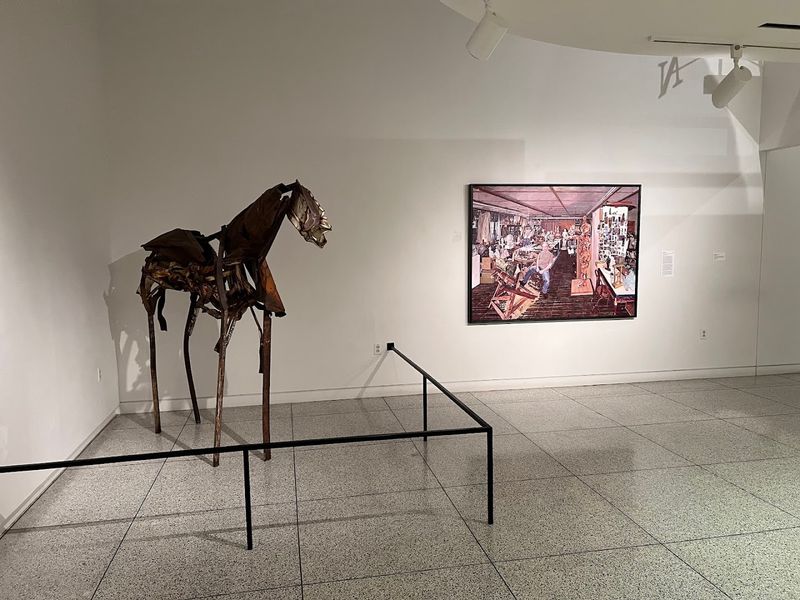
The fine arts floor at the New Jersey State Museum holds a collection that surprises most first-time guests. The gallery is thoughtfully curated, mixing different periods and styles in a way that feels cohesive rather than random.
Paintings, sculptures, and decorative arts fill the space across multiple rooms, with a particular strength in works connected to New Jersey’s artistic history. Some pieces are striking enough that guests stop mid-stride to take a closer look.
The second floor also features rotating exhibits that bring in photography and other contemporary formats. A photographer exhibit on the ground floor has drawn strong interest from guests who appreciate documentary and artistic photography side by side.
Smaller exhibits, such as one focused on how certain cultures use tree bark, add unexpected depth to the overall arts and culture experience. These kinds of niche displays are exactly the type of content that makes a return visit feel worthwhile and never repetitive.
Under the Stars: The Planetarium Experience
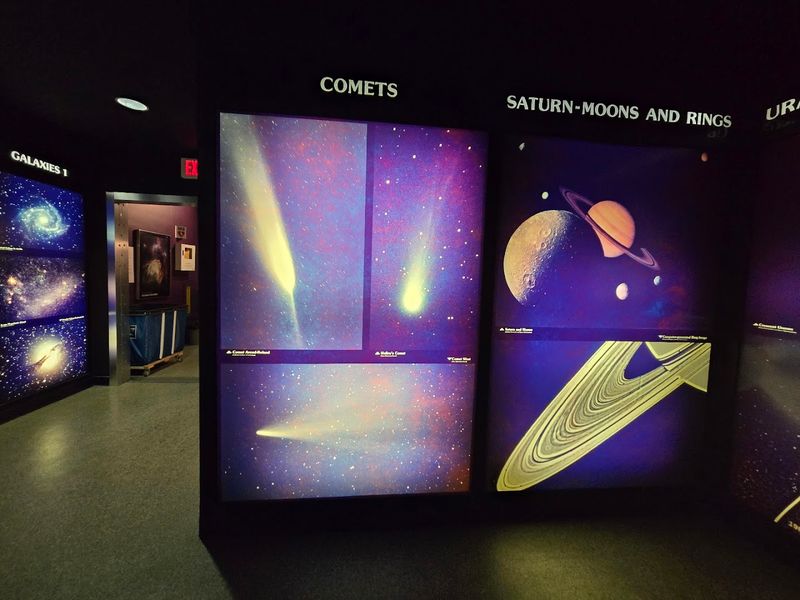
The planetarium at the New Jersey State Museum is one of the most talked-about features of the entire facility. Shows run multiple times a day and cover a range of topics, from the solar system and deep space to the northern lights and constellations visible from the mid-Atlantic region.
Each show runs approximately 30 to 45 minutes, making it easy to fit into a broader museum visit without taking up the whole afternoon. Tickets cost around $10 for adults and $5 for children, which is a reasonable ask for a dedicated planetarium presentation.
Before the main show begins, guests often receive a live guided tour of the current night sky, projected onto the dome above them. That bonus segment alone adds significant value to the experience.
Staff members running the planetarium are known for their depth of knowledge and genuine enthusiasm for the subject. Their willingness to answer questions before and after shows turns a short presentation into a much richer educational exchange.
Built for Families: Kid-Friendly Features Throughout
The New Jersey State Museum has put real thought into making the building work for families with young children. A dedicated play area keeps younger kids engaged when their attention starts to drift from the main exhibits.
A treasure hunt activity is available for children, turning the entire museum into an interactive scavenger experience that encourages exploration across all four floors. That kind of structured engagement helps kids stay curious and motivated throughout the visit.
The gift shop skews toward younger guests, with reasonably priced items that make for a satisfying end to the day without requiring a big budget. Parents consistently appreciate that the gift shop does not pressure kids into expensive purchases.
Staff members greet families at the entrance and offer maps along with additional guidance without waiting to be asked. That proactive approach to hospitality sets a welcoming tone from the moment anyone walks through the front door of the building.
New Jersey History, Floor by Floor
New Jersey’s history runs deeper than most people realize, and the state museum does a thorough job of laying it all out across its four floors. Exhibits cover war histories, prominent New Jersey figures, and the evolution of the state from its earliest settlements through more recent decades.
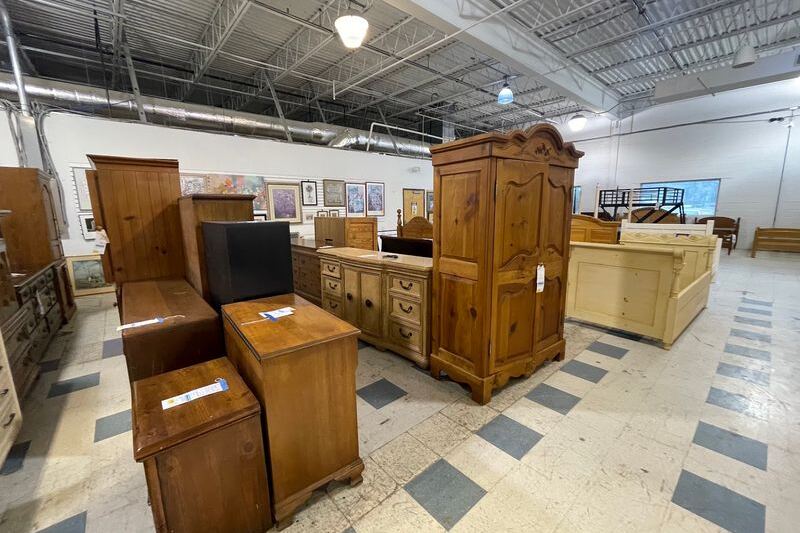
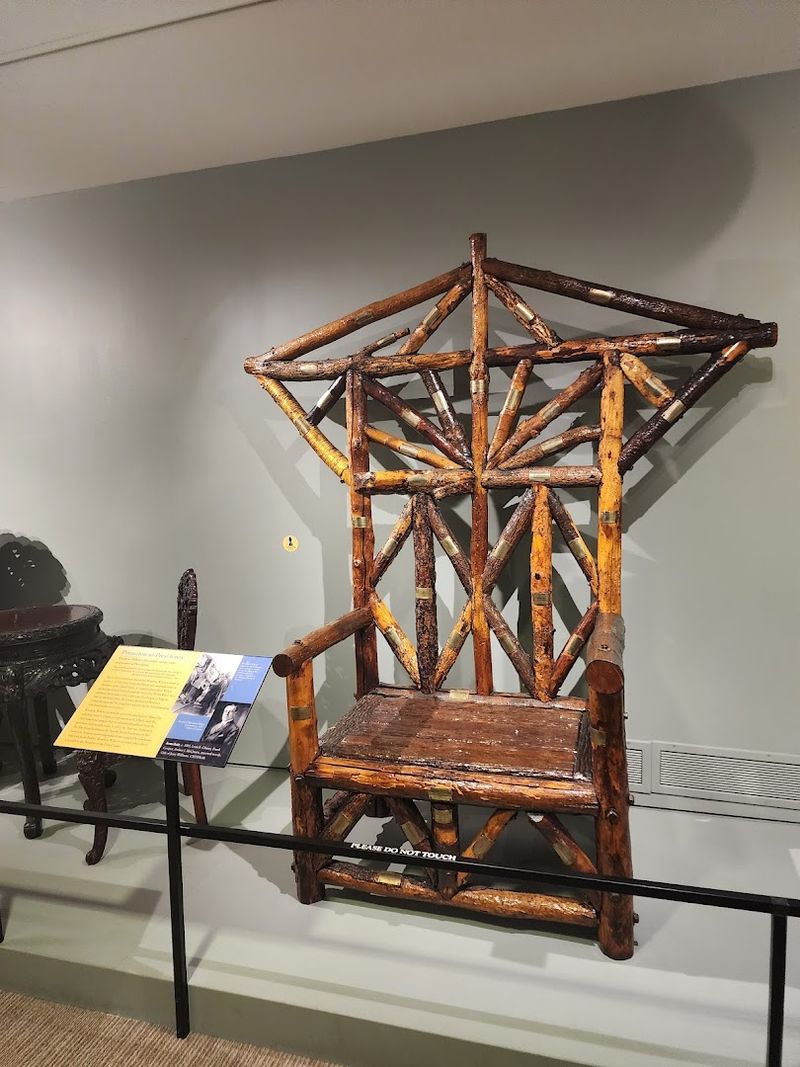
An old furniture section offers a window into domestic life from earlier centuries, with pieces that reflect the craftsmanship and daily routines of New Jersey households long before modern manufacturing. That kind of material culture exhibit connects history to everyday human experience in a tangible way.
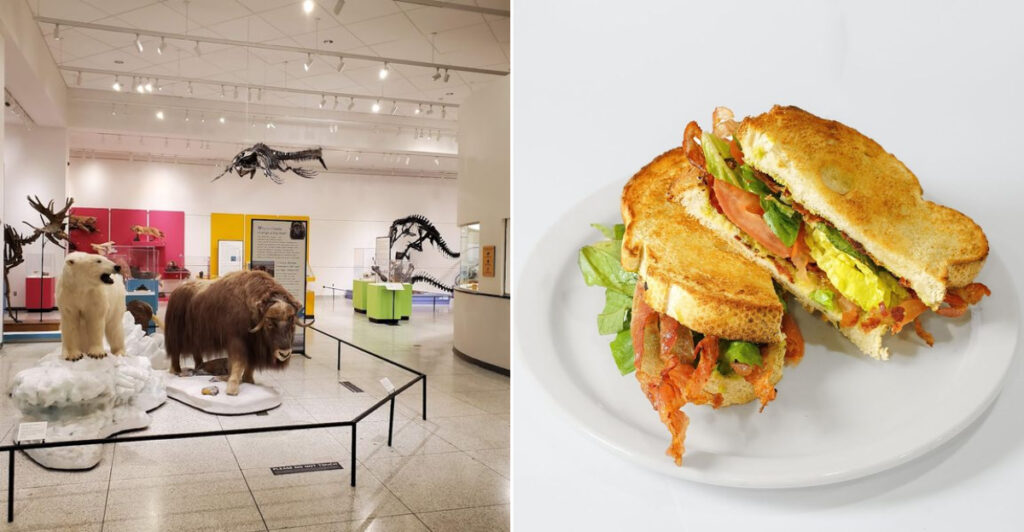
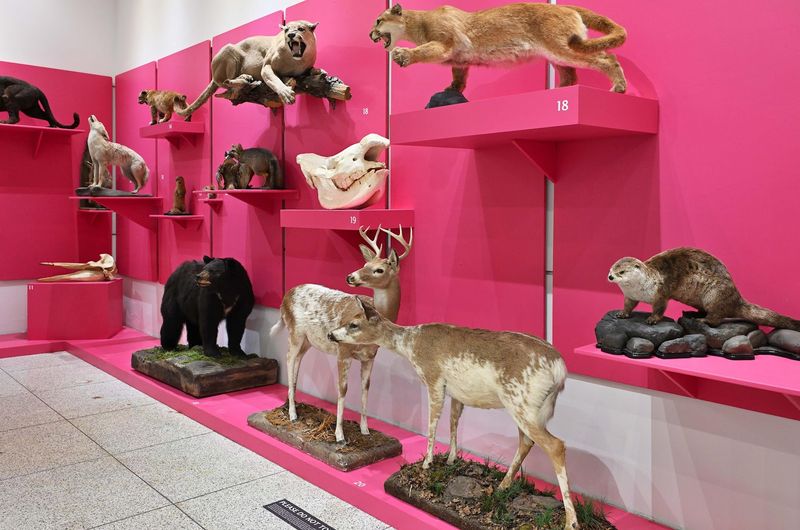
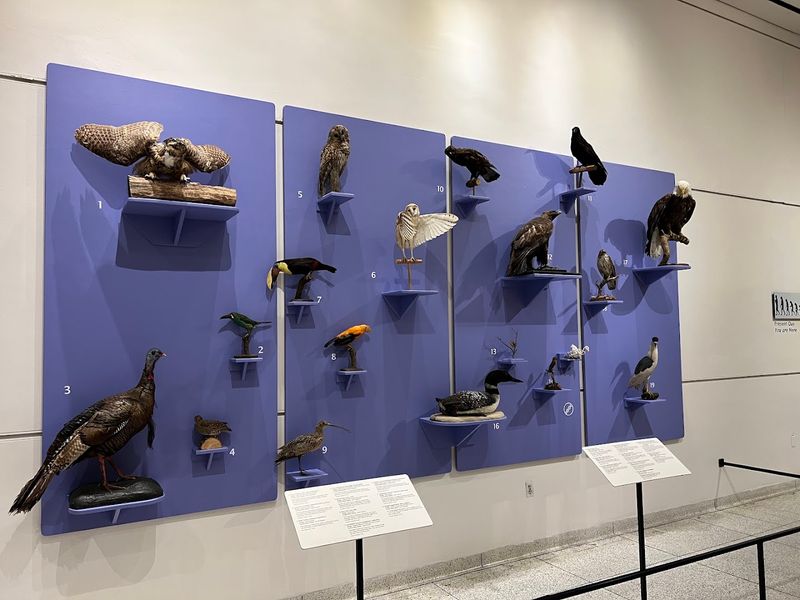
Wildlife taxidermy showcases round out the natural history angle, featuring animals native to New Jersey in displays that document both present-day species and those from the prehistoric past. The combination of biology and regional identity gives the museum a character that feels distinctly tied to the state it represents.
History lovers who visit often find themselves wishing they had budgeted more time, especially on floors where the reading material is detailed and well-written.
What to Expect on a Typical Visit
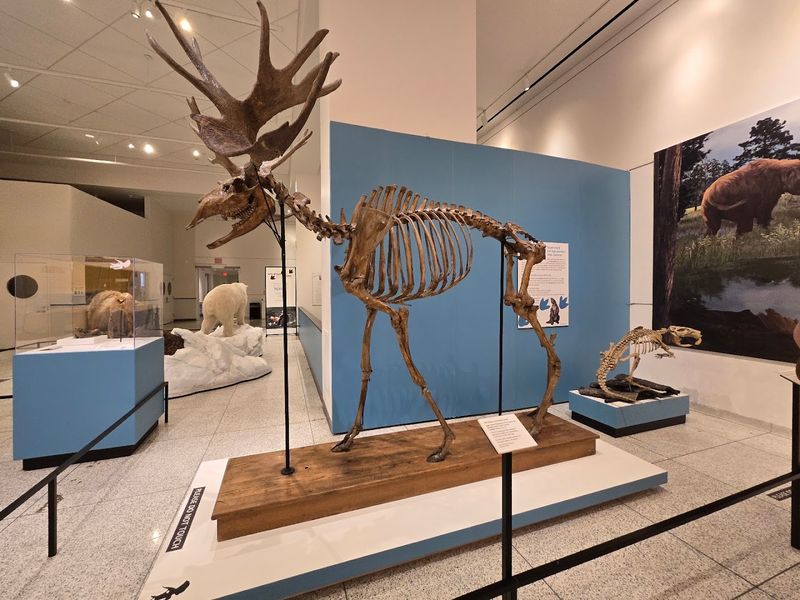
A typical visit to the New Jersey State Museum runs between one and two hours for most guests, though those who take their time on each floor easily stretch that to three hours. The building is clean, well-maintained, and easy to navigate with the map provided at the entrance.
The atmosphere inside is noticeably calm compared to larger urban museums. Crowds tend to stay light even on Saturday afternoons, which means guests can move through exhibits at their own pace without waiting in lines or jostling for a view.
Staff members are consistently described as friendly and knowledgeable, quick to offer information and happy to answer questions throughout the building. That kind of attentive but unobtrusive presence makes the visit feel comfortable for first-timers and regulars alike.
One practical note worth keeping in mind: the vending machines inside do not always accept all payment types, so eating and hydrating before arriving is a sensible habit that saves frustration mid-visit.
The Delaware River Backdrop: A Setting That Adds to Everything
The New Jersey State Museum sits near the banks of the Delaware River, one of the most historically significant waterways in the eastern United States. That setting gives the museum a geographic context that connects the exhibits inside to the landscape just outside the building.
The Delaware River played a central role in New Jersey’s development as a state, from early Indigenous trade routes to Revolutionary War crossings that changed the course of American history. Knowing that history while standing near the riverbank adds a layer of meaning that a museum visit alone cannot fully provide.
The area around the museum rewards a short walk, with the state capitol and other government buildings adding to the sense of civic history that defines this part of Trenton. It is the kind of setting where the outdoor environment and the indoor collection reinforce each other naturally.
That combination of river, history, and free cultural access makes the New Jersey State Museum one of the more complete day-trip destinations in the state.
A Legendary Local Favorite Nearby: Trenton’s Famous Sandwich Shops
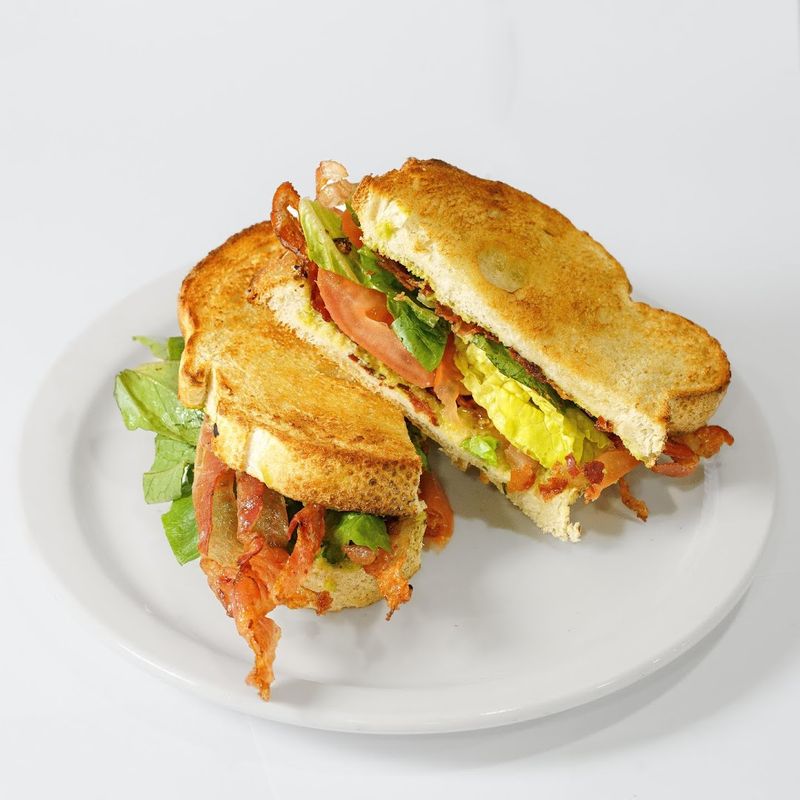
Trenton has a long-standing reputation for one very specific local food tradition, and the area around the New Jersey State Museum puts visitors within easy reach of it. The city is known for its Italian-American sandwich culture, with a handful of shops that have been serving the same loyal crowd for generations.
These spots are the kind of places where regulars know the menu by heart and newcomers tend to over-order because everything looks too good to pass up. The sandwiches are generous, straightforward, and deeply connected to the working-class roots of the neighborhoods that surround them.
Many museum guests make a point of stopping at one of these local favorites before or after their visit, turning a cultural outing into a full afternoon with a satisfying ending. The combination of free museum admission and an affordable local meal makes for an extremely budget-friendly day out.
Trenton does not always get credit for what it offers, but the pairing of the museum and its legendary local food culture tells a story the city deserves more recognition for.
Why This Museum Deserves a Spot on Your List
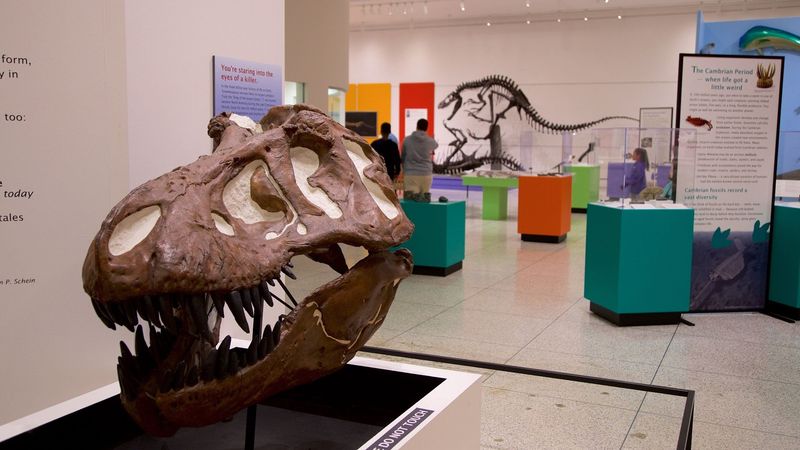
The New Jersey State Museum manages to do something that larger, more expensive institutions often struggle with: it makes every type of visitor feel like the collection was built with them in mind. History enthusiasts, art lovers, science fans, and families with young children all find something that holds their attention.
The combination of free admission, a working planetarium, 2 million objects, and a location next to the Delaware River is genuinely hard to beat in the mid-Atlantic region. Very few places offer that range of experiences without charging for the privilege.
The museum also benefits from staff who clearly care about the institution and the people who visit it. That human element makes a real difference in how the whole experience lands.
Trenton may not be the first city that comes to mind when planning a day trip, but the New Jersey State Museum is the kind of place that changes that assumption quickly and permanently for anyone who makes the drive.
Where It All Starts: Address and Location
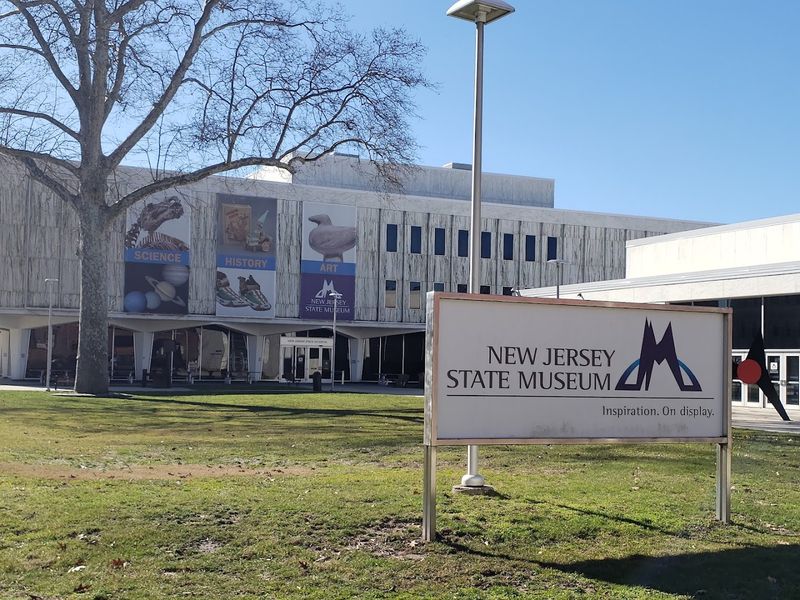
The New Jersey State Museum sits at 205 W State St, Trenton, NJ 08608, right in the heart of the state capital. The building is easy to find, positioned along a stretch of West State Street that also runs past the New Jersey State House.
The museum is open Tuesday through Sunday from 9 AM to 4:45 PM, and it is closed on Mondays. That schedule gives most families and travelers plenty of flexibility to plan a visit around their week.
Parking is available in the rear of the building, and on weekends, it is free. There is also a Capitol Parking Garage nearby for days when the rear lot fills up quickly, which can happen on busier weekend afternoons.
The museum stands just steps from the Delaware River, placing it in a historically rich part of Trenton that rewards anyone willing to spend a few hours exploring the area on foot.
Share this story