Tucked away in Monmouth County, New Jersey, there is a park that manages to pack trails, history, wildlife, and hands-on learning all into one surprisingly large green space. Most people drive past this part of the Jersey Shore thinking it is all boardwalks and beach towns, but this particular spot tells a completely different story.
With over 360 acres of rolling hills, forested paths, and a historic estate at its center, it draws hikers, families, cyclists, and curious kids looking for something more than a typical afternoon outing. The park stays open seven days a week, welcoming everyone from early-morning joggers to weekend explorers ready to spend a full day outdoors.
By the end of this article, you will know exactly why this underrated corner of New Jersey deserves a spot on your must-visit list.
Where Exactly Huber Woods Park Is Located
Not every park comes with its own sense of arrival, but pulling up to this address changes the mood immediately. Huber Woods Park is located at 25 Browns Dock Rd, Locust, NJ 07760, nestled in the quiet community of Locust in Monmouth County, New Jersey.
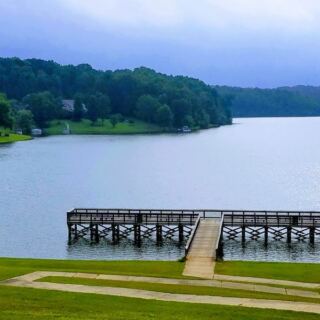
The park sits on the eastern edge of the county, not far from the Navesink River, which gives the surrounding landscape a distinctly lush, wooded character. Locust itself is a small, peaceful community, and the park fits right into that calm atmosphere.
Parking is straightforward, with a well-maintained lot right off the main entrance road. Restrooms are conveniently located near the parking area inside the information center, so arriving with kids or after a long drive is never stressful.
The park opens at 7 AM every day of the week and closes at 8:30 PM, giving plenty of daylight hours for exploration no matter the season.
A Park With More Than 360 Acres to Explore
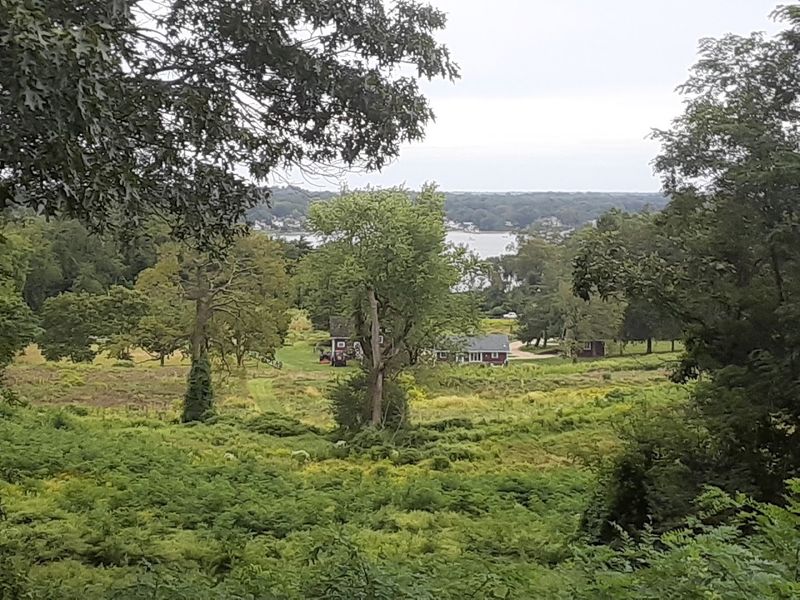
Three hundred and sixty acres sounds like a number on a brochure, but walking through Huber Woods makes that figure feel very real. The terrain shifts constantly as you move through the park, transitioning from open meadows to dense woodland paths within just a few minutes of walking.
That variety keeps things interesting for people of all ages and fitness levels. A casual stroller can stick to the flatter, open sections near the main buildings, while more experienced hikers can push into the hillier back trails that wind through thick tree cover.
The park is large enough that it rarely feels crowded, even on busy weekends. There is always another trail to turn down, another clearing to find, or another stretch of quiet woods to walk through.
For a county park in a densely populated state like New Jersey, that amount of open space is genuinely hard to find elsewhere.
The Trail System That Keeps Everyone Moving
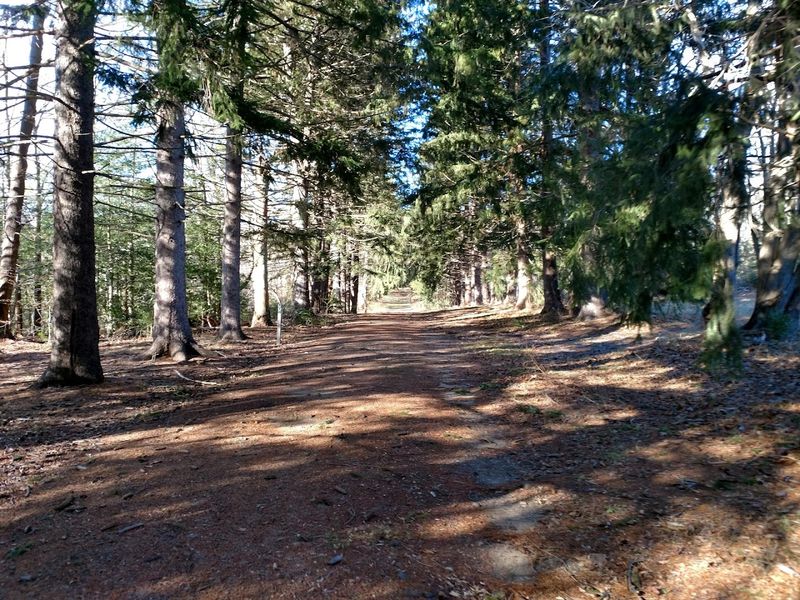
The trail network at Huber Woods is one of its strongest features, and it is thoughtfully organized for different ability levels. Trails are marked using a color-coded system borrowed from cross-country skiing: green for easier routes, blue for moderate ones, and black for more challenging terrain.
That system makes it easy to plan a walk that matches your energy for the day. Families with young children tend to gravitate toward the green-marked paths, while those looking for a longer workout head toward the blue and black routes that cover more ground and elevation.
One practical tip worth knowing: the trail markers on trees are the primary navigation tool inside the park, so taking a photo of the map at the trailhead before heading out is a smart move. The trails themselves are well-maintained and wide enough in most sections for comfortable two-way foot traffic, bikes, and even horses on designated paths.
The Historic Huber Family Estate at the Heart of It All
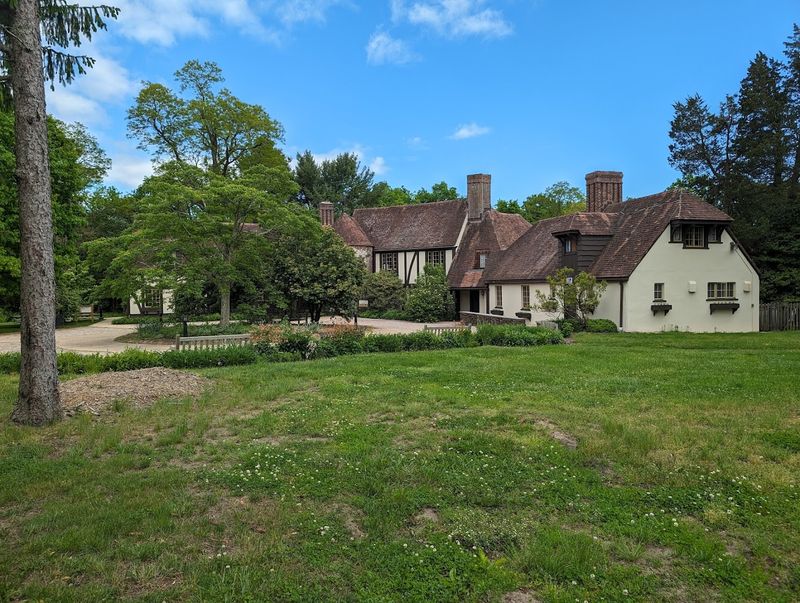
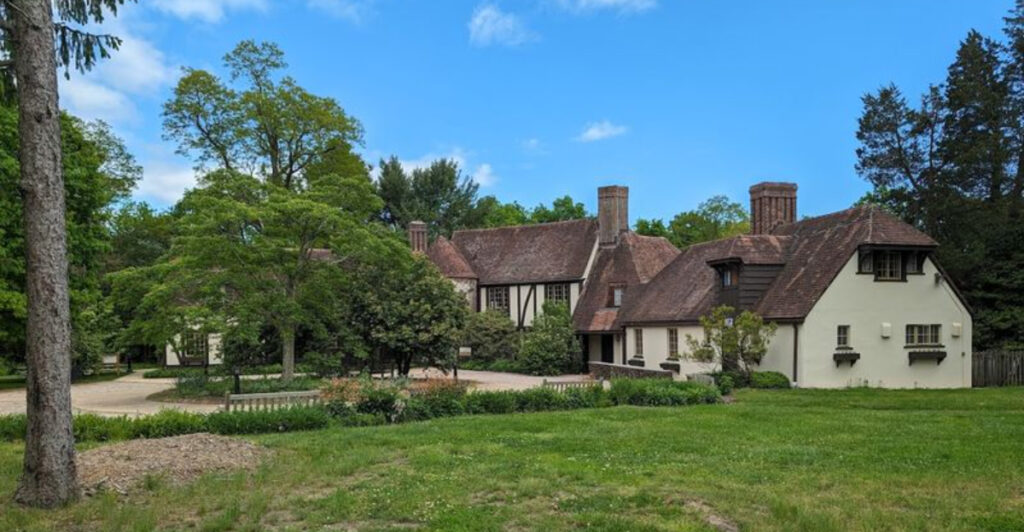
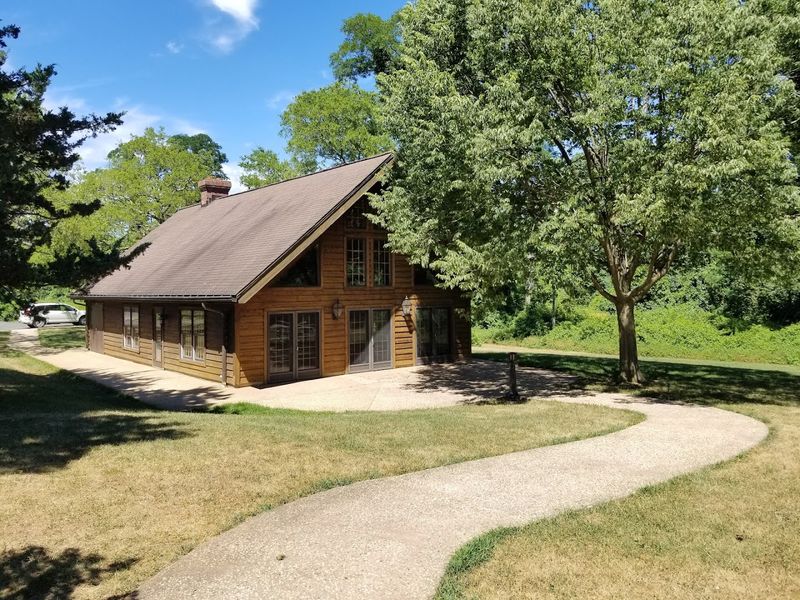
The park takes its name from the Huber family, who once owned and managed this sprawling hilltop property. Their historic home still stands on the grounds and has been converted into an environmental education center that doubles as a fascinating piece of local history.
Walking through the house, you get a real sense of what life looked like on this property decades ago. Exhibits inside cover both the natural history of the land and the story of the Huber family themselves, offering context that makes the park feel like more than just a collection of trails.
The building is well-preserved and clearly cared for by the Monmouth County Park System. Guests are greeted when they enter, and the interior has a welcoming, organized layout that works well for curious adults and energetic kids alike.
The history of the home tends to catch people off guard in the best way, turning what starts as a nature walk into a genuine historical experience.
The Environmental Center and Its Exhibits
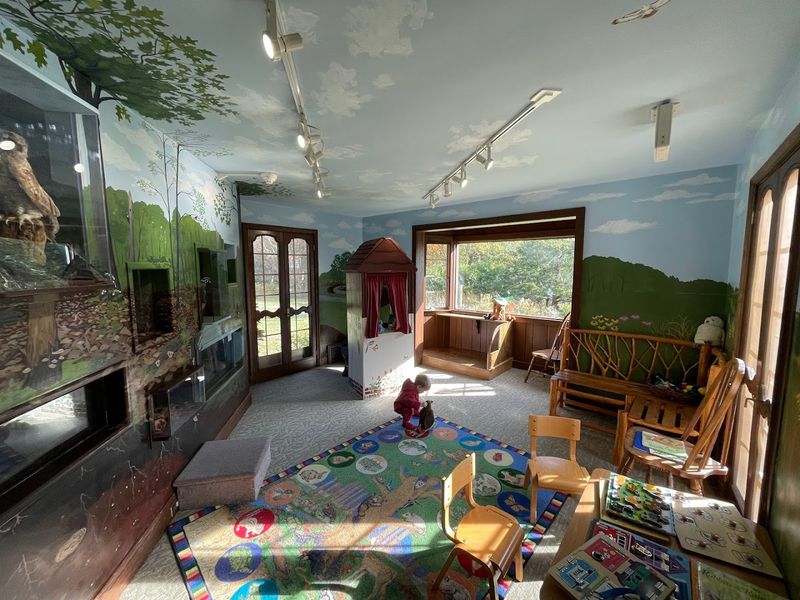
The environmental center inside the historic house is one of those places that works for every age group, which is not easy to pull off. Exhibits cover local ecosystems, native plants and trees, wildlife habitats, and the natural history of the Monmouth County region.
The displays are educational without being dry, using a mix of hands-on elements and visual materials that hold attention well. Children can engage with games and interactive features set up throughout the rooms, while adults find plenty of depth in the written content and specimen collections.
Programs run regularly through the center, including preschool sessions and guided activities for young learners. The staff are knowledgeable and approachable, which adds to the overall experience.
Whether someone stops in for ten minutes before hitting the trails or spends a full hour working through every exhibit, the environmental center consistently delivers more than people expect from a county park facility.
The Reptile House That Steals the Show
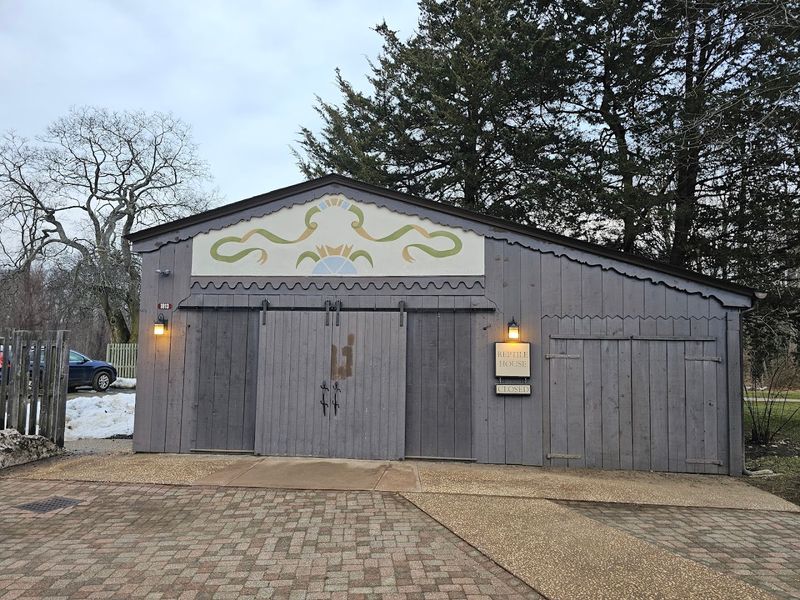
Tucked near the main buildings, the reptile house at Huber Woods has a way of becoming the highlight of the visit for a lot of people, especially kids. It is a compact space, but what it lacks in size it makes up for in personality.
Inside, you will find live snakes and turtles housed in well-maintained terrariums. The animals are clearly cared for, and the setup gives kids a close-up look at reptiles they might otherwise only see in books or on screens.
For families with young children, this stop tends to generate the most excitement of the entire outing.
The reptile house sits close enough to the main parking area that it is easy to visit even if you are short on time. It pairs well with a quick walk through the environmental center next door, making the two buildings a natural first stop before heading out onto the trails.
Small but genuinely charming, it earns its reputation.
Bird Watching and Wildlife Around the Grounds
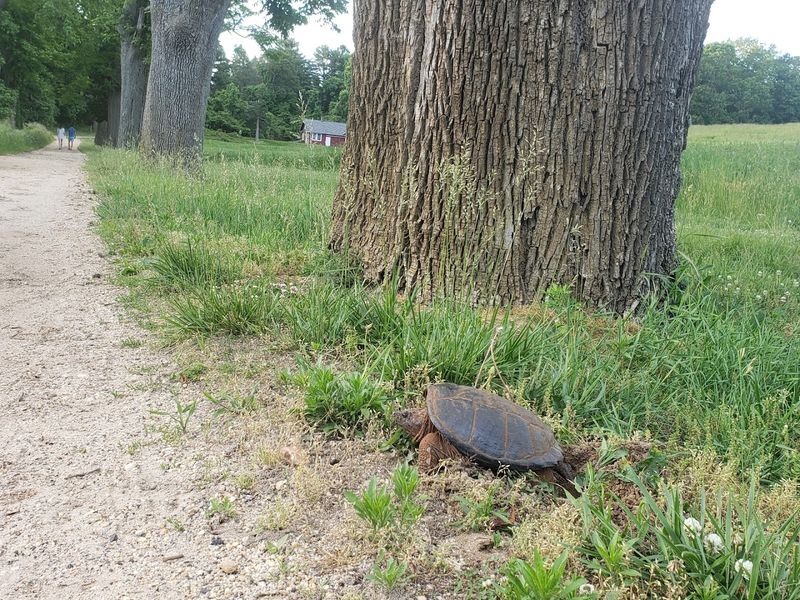
Beyond the organized exhibits and trails, Huber Woods offers consistent wildlife activity throughout its grounds. Bird feeders positioned near the environmental center attract a steady stream of local species, making the area around the buildings a natural spot for casual bird watching.
The variety of habitat across the park, ranging from open fields to dense forest to wooded hillsides, supports a wide range of bird and animal life. Regular walkers report seeing deer, foxes, and various songbirds depending on the season and time of day.
Spring and fall tend to be the most active periods for wildlife observation, as migrating birds pass through and resident animals are more visible before and after the summer crowds arrive. The park does not require any special equipment or prior knowledge to enjoy its wildlife.
Simply slowing down on a trail and paying attention to the trees and brush around you is often enough to make the experience feel genuinely rewarding.
Horseback Riding Trails and Equestrian Access
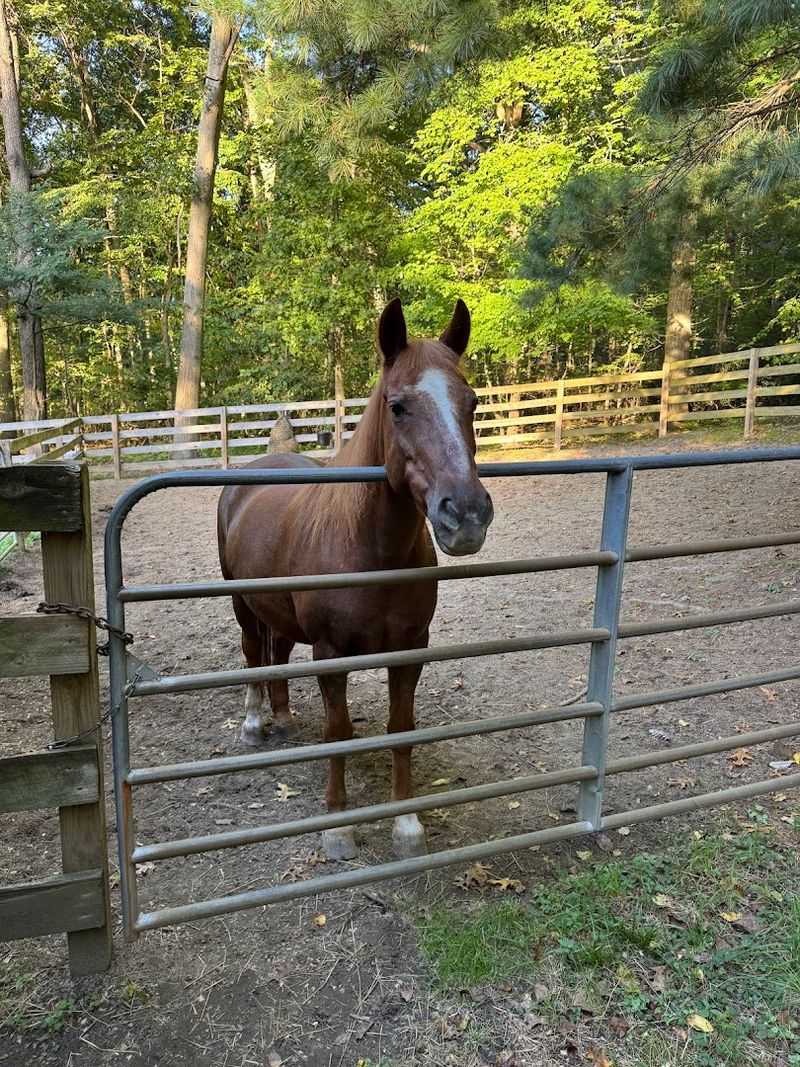
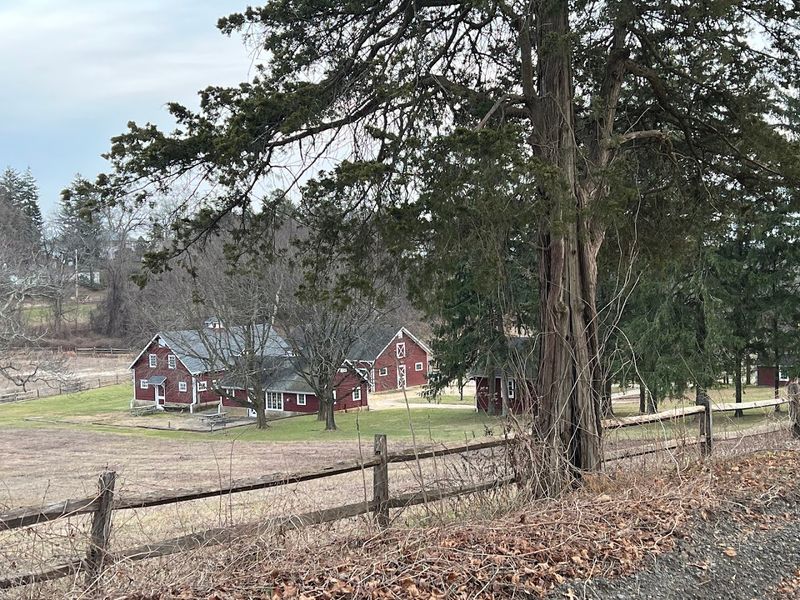
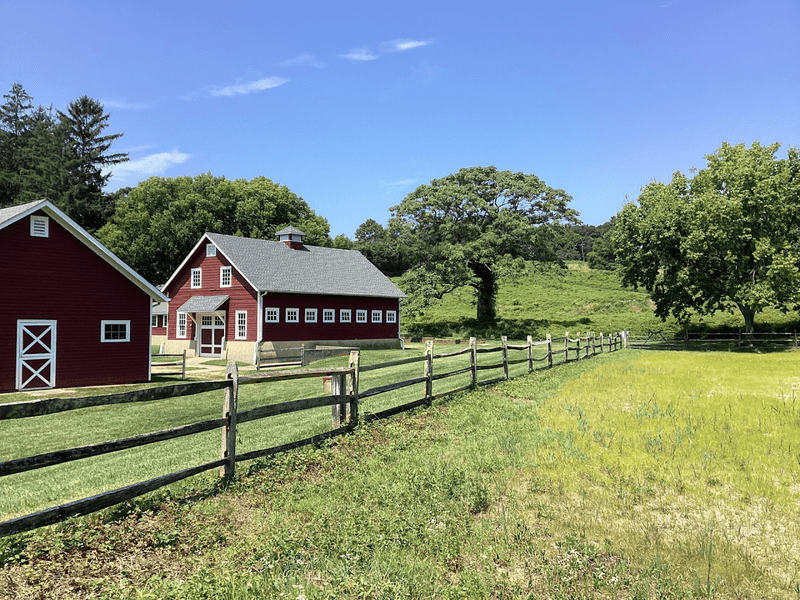
Huber Woods has a long-standing connection to equestrian use that sets it apart from most county parks in New Jersey. The park maintains designated horse trails that wind through its forested and open sections, and trailer parking is available near the red barns on the property.
Riders have been using these trails for decades, and the paths are well-suited for horses, with enough width and varied terrain to make for an interesting ride. The sand arena on the grounds gives riders a dedicated space to work their horses outside of the main trail network.
The equestrian community around Monmouth County has long treated Huber Woods as a go-to destination, and that history shows in how the park is maintained. Horse droppings on shared paths are an occasional reality for other trail users, but the overall condition of the park remains consistently clean.
For anyone who rides, having a county park this well-equipped for horses is a genuinely rare find.
Cycling Through the Park’s Multi-Use Trails
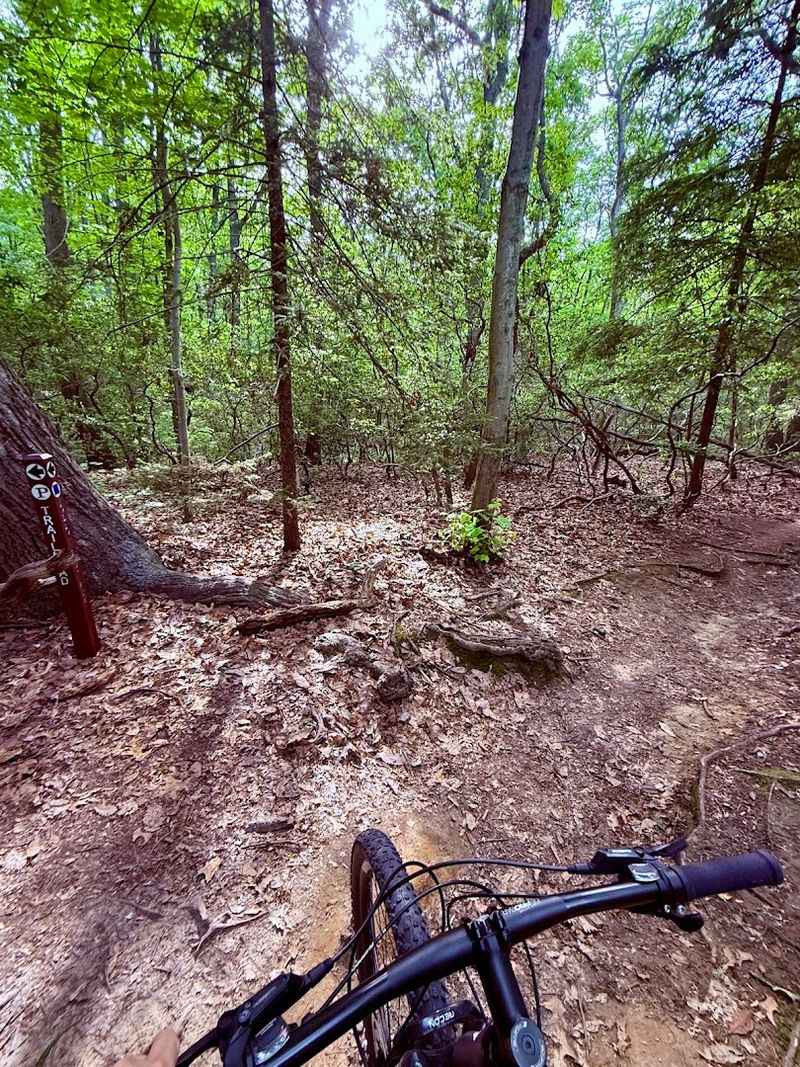
Cyclists have a legitimate reason to love Huber Woods, and it comes down to one key factor: the elevation changes are present but not punishing. The trails offer enough rolling terrain to make a bike ride engaging without demanding the kind of technical skill that would exclude casual riders.
The multi-use designation means that bikes share the trails with hikers and equestrians, so awareness and courtesy on the trail are part of the deal. Most of the main paths are wide enough to accommodate this mix without conflict, and the color-coded system helps cyclists choose routes that match their comfort level.
Fall is a particularly popular time to ride here, when the tree canopy changes color and the cooler temperatures make the climbs more manageable. The park does not have dedicated bike lanes or bike-specific infrastructure, but the natural trail surface holds up well in dry conditions.
For a no-cost, low-barrier cycling outing in Monmouth County, Huber Woods consistently delivers.
Seasonal Changes That Transform the Park
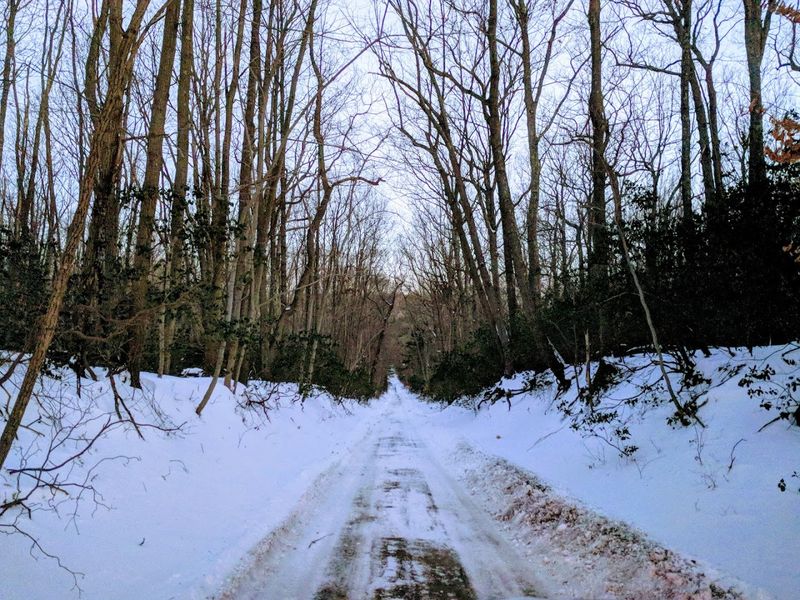
One of the quieter strengths of Huber Woods is how dramatically it shifts with the seasons. Spring brings daffodils blooming across parts of the property, a detail that surprises first-time visitors who show up expecting only woods and dirt paths.
Summer fills the trails with shade from the tree canopy, making midday walks more comfortable than in open parks. Fall is widely considered the park’s most photogenic season, when the mixed forest turns gold, orange, and red across the hillsides.
Winter brings a different kind of quiet, and the trail markers that double as cross-country ski indicators become relevant on the rare days when snow covers the ground.
Each season gives the park a different character without changing what makes it fundamentally appealing. Regular visitors often describe coming back multiple times a year specifically because the experience feels fresh each time.
That kind of seasonal range is something most parks in the region simply cannot match.
Dogs Welcome on the Trails
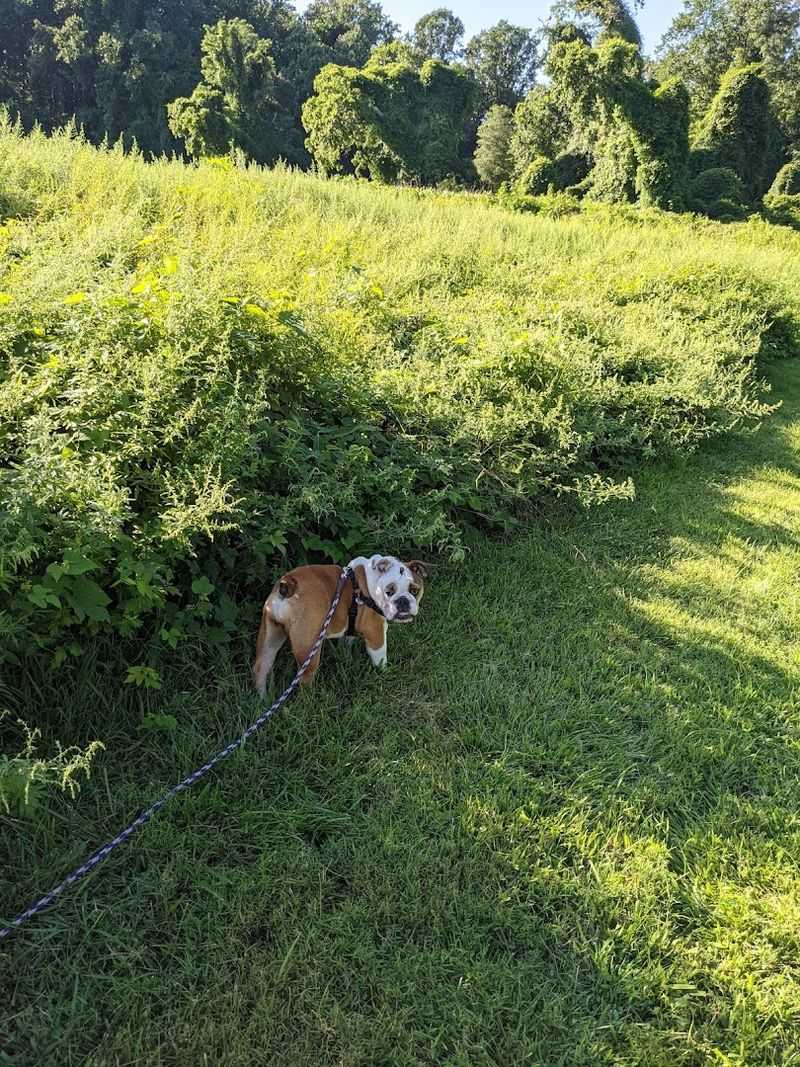
Dog owners in Monmouth County have a reliable ally in Huber Woods. The park welcomes leashed dogs on its trails, and the variety of terrain makes for a genuinely engaging walk for both owner and animal.
The wooded sections, open fields, and hillside paths give dogs plenty of environmental variety to explore, which tends to keep them more engaged than a flat, repetitive route. The trails are wide enough in most sections to pass other dogs and people without tension, which matters a lot on busy weekend mornings.
A few practical notes for dog owners: bring water, especially in warmer months, as the trails do not have water stations along the way. Also, staying alert to horse traffic on shared paths is important, since the equestrian use of the park is active and horses can react unpredictably to dogs.
With those basics handled, Huber Woods offers one of the more enjoyable dog-walking experiences available in the county.
The Monmouth County Park System Behind It All
Huber Woods does not operate in isolation. It is part of the broader Monmouth County Park System, which manages a network of parks, trails, and recreational facilities across the county.
That institutional backing is a big reason why Huber Woods stays as well-maintained as it does.
The park system handles everything from trail upkeep and facility maintenance to the educational programming inside the environmental center. Clean restrooms, organized parking, and well-marked trails are not accidents at Huber Woods; they reflect consistent investment by the county in its public green spaces.
For anyone who lives in Monmouth County or visits regularly, the park system as a whole represents a remarkable public resource. Huber Woods is often cited as one of its standout properties, and the combination of natural variety, historical interest, and educational programming makes it easy to understand why.
The county’s commitment to maintaining spaces like this one keeps them genuinely usable and enjoyable year after year.
Practical Tips for Planning Your Visit
A few straightforward tips can make a visit to Huber Woods significantly smoother. First, photograph the trail map at the entrance before heading out, since there is no signage along the trails themselves once you leave the main area.
The color-coded markers on trees are reliable, but having the full map as a reference prevents confusion at intersections.
Parking is easy and free, with the lot sitting right off the main entrance road. Restrooms are available in the information center near the parking area, so use them before heading out on a longer trail.
The environmental center and reptile house are worth checking first to set the context for the walk that follows.
The park is open daily from 7 AM to 8:30 PM, which gives a wide window for visits at almost any time of day. Weekday mornings tend to be quieter if avoiding crowds is a priority.
Bringing water and wearing trail-appropriate footwear rounds out the preparation for a genuinely enjoyable outing.
Share this story