 Unearth The Voyage
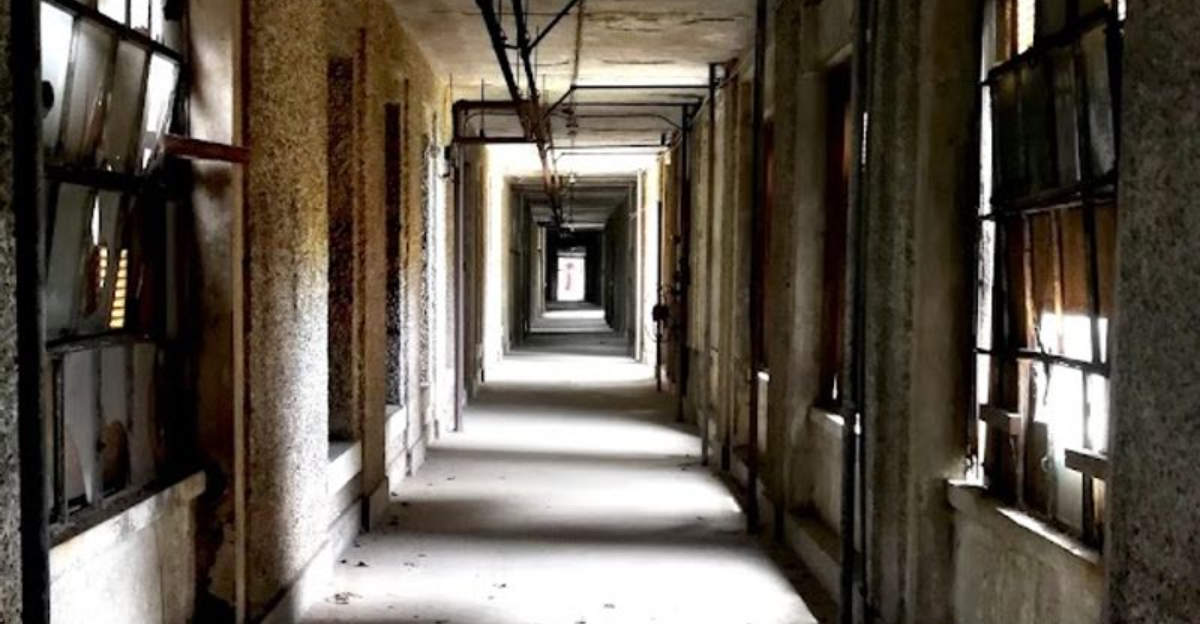
New Jersey has plenty of stories, but one place across the water from Manhattan grabs attention like few others. I booked the guided access and found a site that balances preservation with stark history, revealing a complex that shaped countless arrivals.
Curiosity grows fast when you realize this is not a casual stroll, it is a structured visit with rules, context, and a guide who brings hard facts. Keep reading and you will get the address, logistics, the tour setup, the backstory, and practical tips for getting the most out of a rare look behind the scenes.
Exact Location and First Look
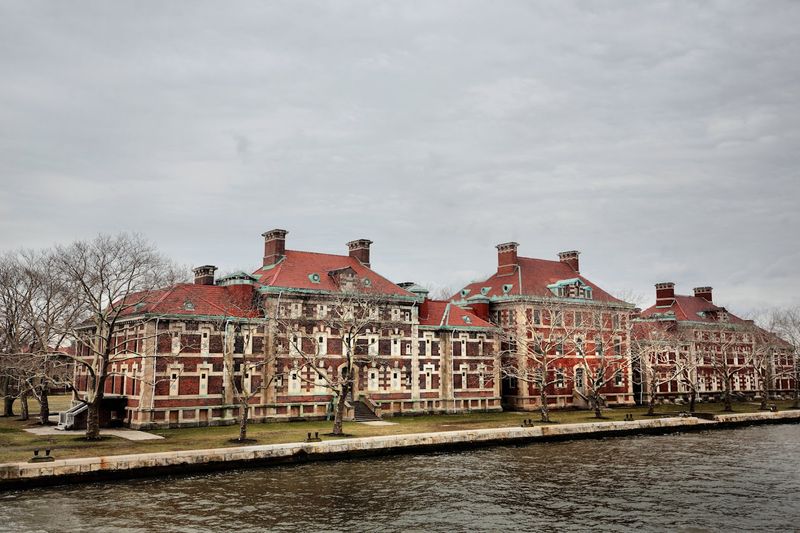
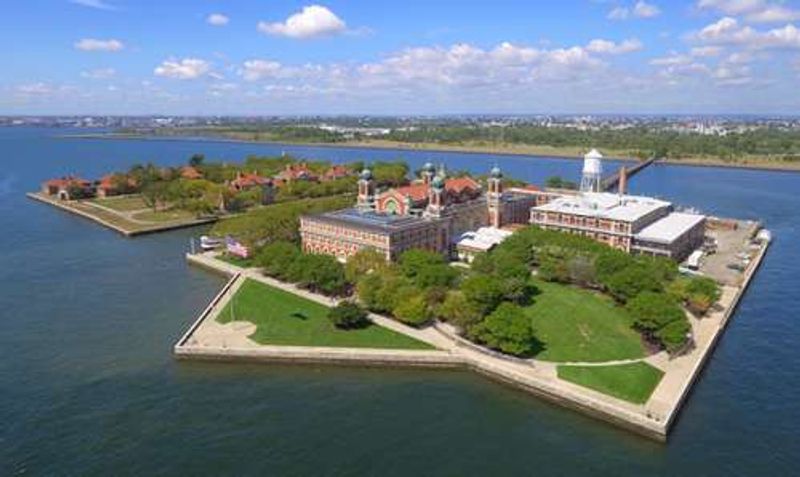
Ellis Island Hospital sits at Liberty Island – Ellis Island, Jersey City, NJ 07305, on the south side of Ellis Island within the Statue of Liberty National Monument. The hospital complex is reached by Statue City Cruises ferries, and access is through National Park Service guided tours presented in partnership with Save Ellis Island.
This is not a free roam destination, so you secure a tour slot and follow a ranger or trained guide.
The first view shows a cluster of brick pavilions linked by corridors, a design that once supported treatment and isolation. Signage clarifies boundaries, photography rules, and the focus on preservation, not restoration.
Tours commonly run about 90 minutes and require closed toe shoes and attention to instructions.
I arrived early and used the Ellis Island main museum as a staging point before joining the hard hat group. The guide framed the hospital within immigration history and public health policy.
That structure helped every hallway and courtyard make clearer sense.
How the Hard Hat Tour Works
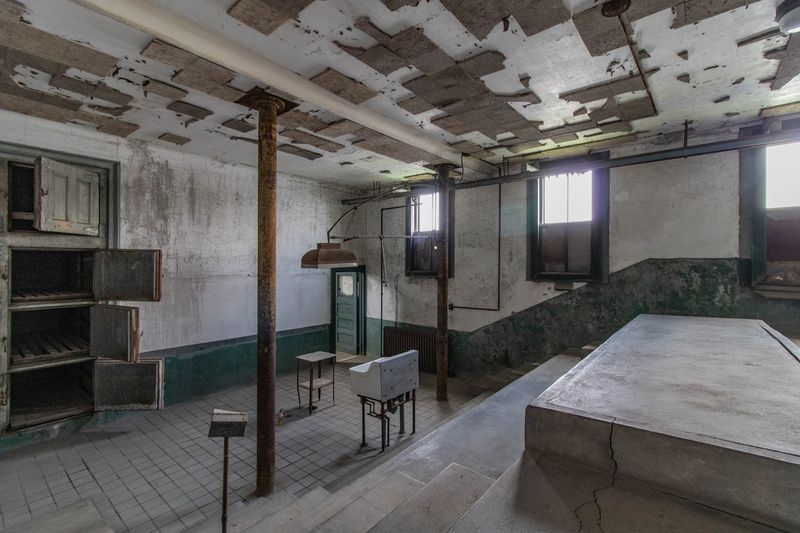
The hard hat tour is a set route through stabilized but unrestored spaces, led by trained guides who manage timing, safety, and interpretation. You wear a provided helmet and stay with the group while hearing context on medical screening, quarantine practice, and treatment facilities.
Ticket revenue supports ongoing preservation through Save Ellis Island.
Tour guides speak clearly about what is original and what has been stabilized, pointing out circulation patterns and design choices that separated wards. Expect measured pacing that allows photos yet respects the schedule.
I appreciated the clarity around what areas remain closed due to structural limits.
Group size stays intimate, which helps with sightlines and questions. The guide I met knew policy details, including how public health protocols shaped movement from ferry to inspection to hospital.
That framework keeps your attention on process instead of only architecture.
A Short, Accurate Timeline
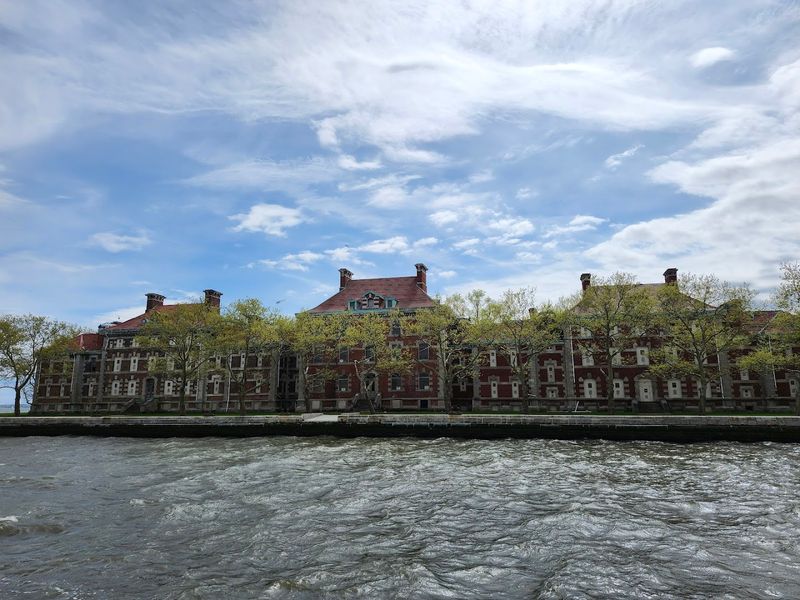
Operations at the Ellis Island Immigrant Hospital began in the early 1900s, with major functions active by 1902 and continuing through midcentury. The complex served immigrants flagged during inspection for further evaluation or treatment.
Federal public health operations tapered as immigration policies and facilities evolved, and the site later closed to regular use.
Today the hospital is part of the Statue of Liberty National Monument, while preservation of the south side is advanced by Save Ellis Island in collaboration with the National Park Service. Guided access resumed after stabilization work, opening a window onto procedures used during the busiest years of immigration.
The result balances public access with stewardship.
That timeline is explained during the tour with concise stops that anchor each building. The context matters because it turns brick and tile into a policy story.
You start to see how medical infrastructure intersected with law, transport, and inspection.
Campus Layout and Design
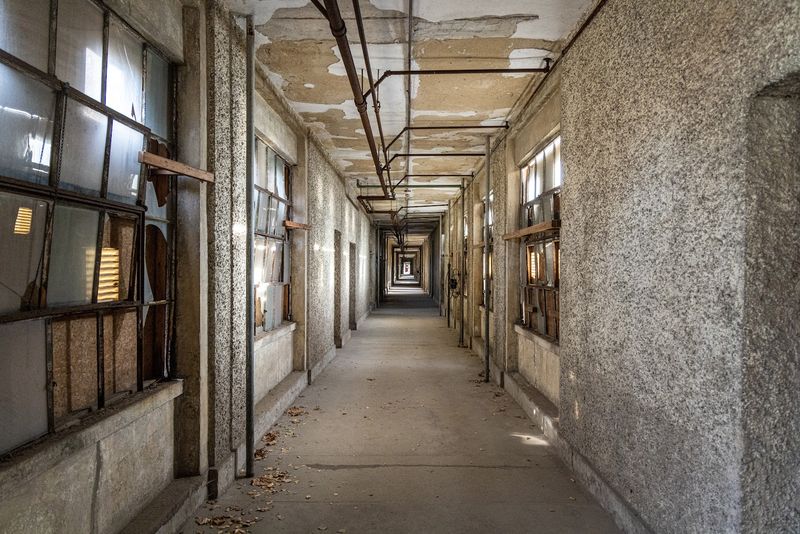
The hospital follows a campus plan with multiple pavilions connected by corridors, a layout intended to separate functions and manage disease control. You move between administration areas, infectious disease wards, and service buildings that supported laundry, kitchens, and staff flow.
Courtyards break up the massing and improve circulation between blocks.
Guides point out how corridors worked as both connectors and buffers. Architecture supported screening thresholds where decisions were made about movement and care.
I noticed how each junction reinforced a process step in the patient journey.
The campus faces water on several sides, which shaped logistics, deliveries, and environmental exposure. Preserved surfaces show patterns of use rather than decorative intent.
The design reads as procedural infrastructure, and touring it in sequence clarifies the whole plan.
Medical Screening and Public Health
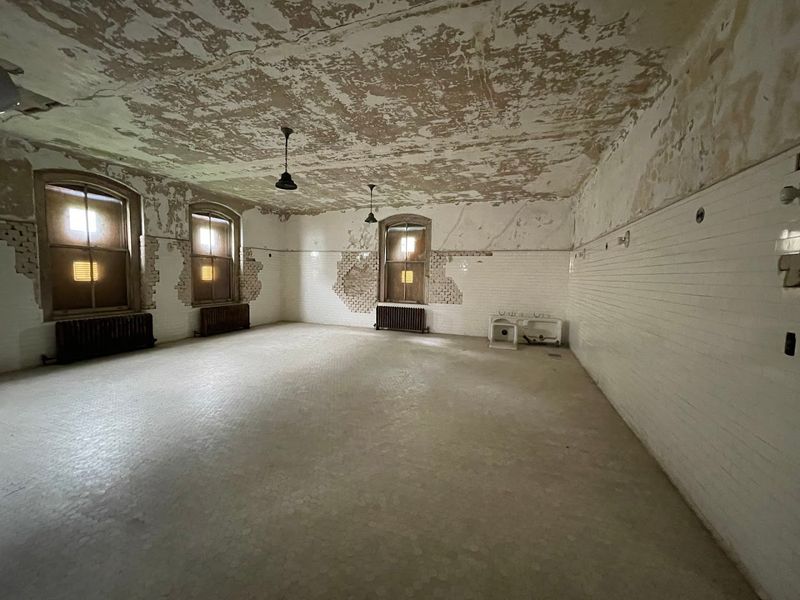
Screening began before hospital entry, with arrivals flagged during main inspections then routed for additional evaluation. The hospital handled suspected contagion, chronic conditions that required observation, and cases needing short term treatment before a final decision.
Public health priorities guided traffic through wards and isolation rooms.
On tour, you hear how protocols evolved with changing medical knowledge and immigration policy. Terminology is presented with care to avoid stigma while conveying historical practice.
I valued the guide’s straight talk about decision making under resource and policy constraints.
Diagrams and photo displays add clarity, connecting the floorplan to typical patient pathways. Processes were designed to protect the broader population and support individuals who could return to the general immigration stream.
That dual mission sits at the center of the hospital’s story.
Preservation, Not Restoration
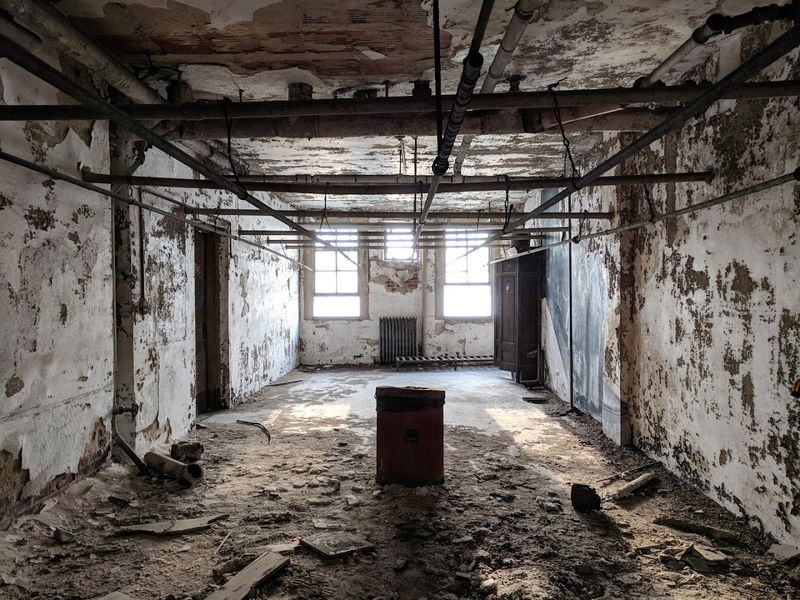
The interiors you see are stabilized and monitored, not rebuilt to look new. Preservation teams prioritize structural integrity, safe access, and interpretive clarity while allowing original finishes to remain visible.
Guides describe interventions like roof work and selective bracing that prevent further deterioration.
This approach respects the building’s documentary value as a record of institutional use. It also highlights the partnership model that funds careful work while keeping the site open to learning.
I prefer this honesty, because restored gloss would blur the operational story.
Signage reminds visitors to stay within marked zones to protect fragile materials. Your photos will capture timeworn detail because that is the point.
The result is an educational environment that trusts visitors to handle history with care.
Guides, Stories, and Research
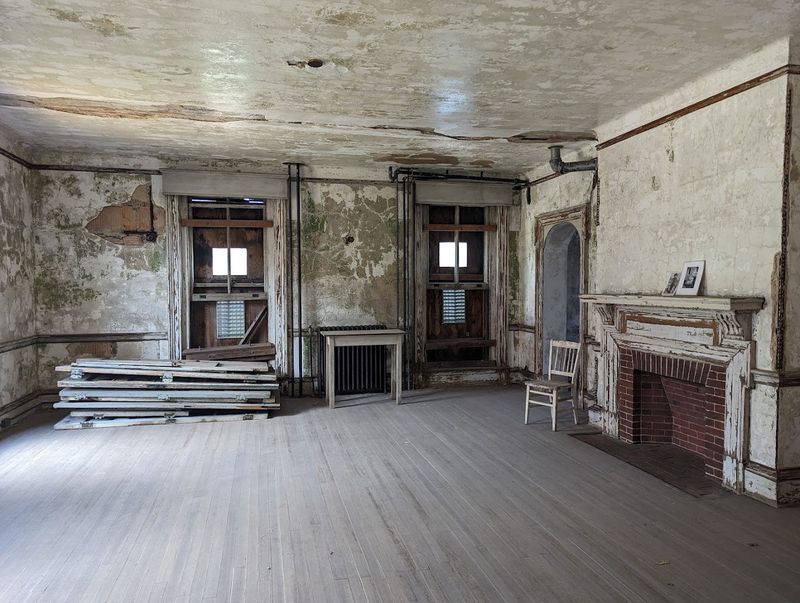
Guides bring training, primary source knowledge, and a steady pace that keeps questions flowing. Many weave in accounts from public health archives and immigration records to ground the narrative.
The style is conversational, but the content holds up to scrutiny.
On my visit, the guide asked the group to connect spaces with policies discussed in the museum exhibits. That back and forth made the hospital feel like part of a whole campus story rather than a side show.
Your curiosity gets rewarded with details you can confirm later.
Expect references to Save Ellis Island projects, conservation reports, and interpretive plans. The goal is to make the site legible without speculation.
I left with a reading list and a better map of how the south side fits national history.
Planning Your Ferry and Timing
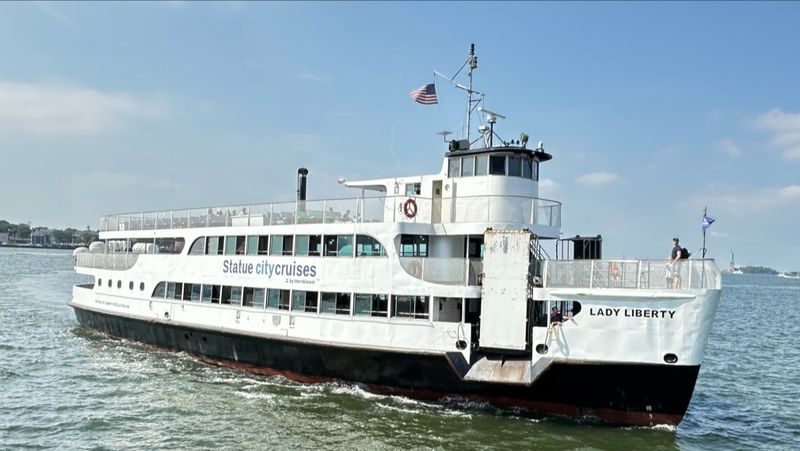
Reaching the hospital requires the same ferry system used for Statue of Liberty and Ellis Island museum visits. I booked an early departure to avoid peak queues, then slotted the hard hat tour after time in the main museum.
You need extra padding in your schedule in case earlier legs run long.
Tickets are sold through authorized channels, and the hospital portion is an add on with limited capacity. Bring ID, arrive early, and confirm the meeting point for the south side tour when stepping onto Ellis Island.
Staff on site help direct you to the right check in area.
Weather can affect pacing, though tours run in varying conditions thanks to stabilization work. Comfortable, closed toe shoes matter due to uneven historic floors.
A backup return ferry time keeps the day relaxed.
Photography Tips Within the Rules
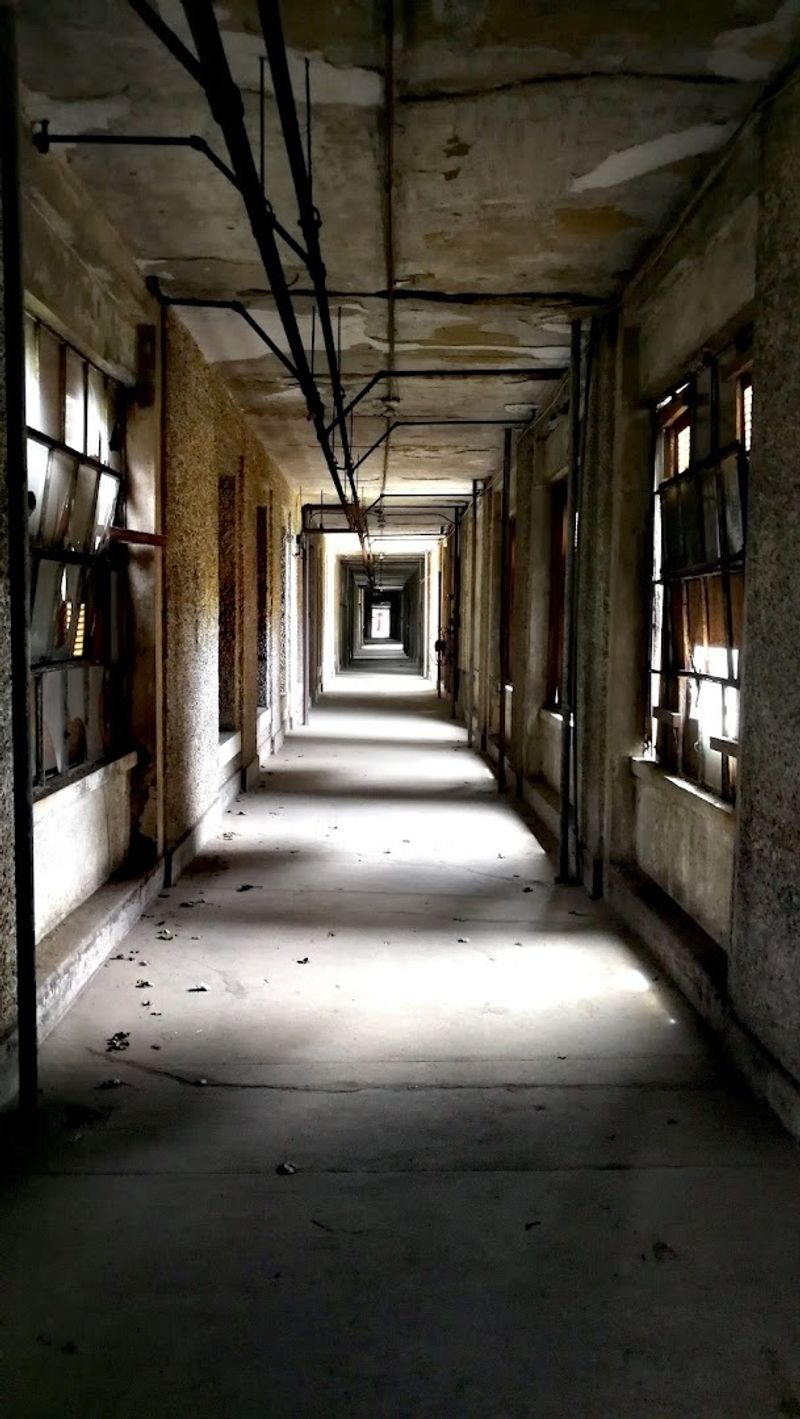
Photography is encouraged within guidelines set by the National Park Service and Save Ellis Island. Stay with the group, avoid blocked zones, and follow any instructions about where tripods or flashes are not permitted.
Your best results come from patient framing and respect for others in the group.
I looked for storytelling angles that connect corridors, junctions, and signage. Details like numbering systems and directional arrows help convey process.
A short lens handles tight spaces without crowding the route.
Ask your guide about pauses that will not slow the group. Most tours plan brief stops for context, which also serve photographers well.
The goal is documentation of place and policy, not staged scenes.
Accessibility and Safety Notes
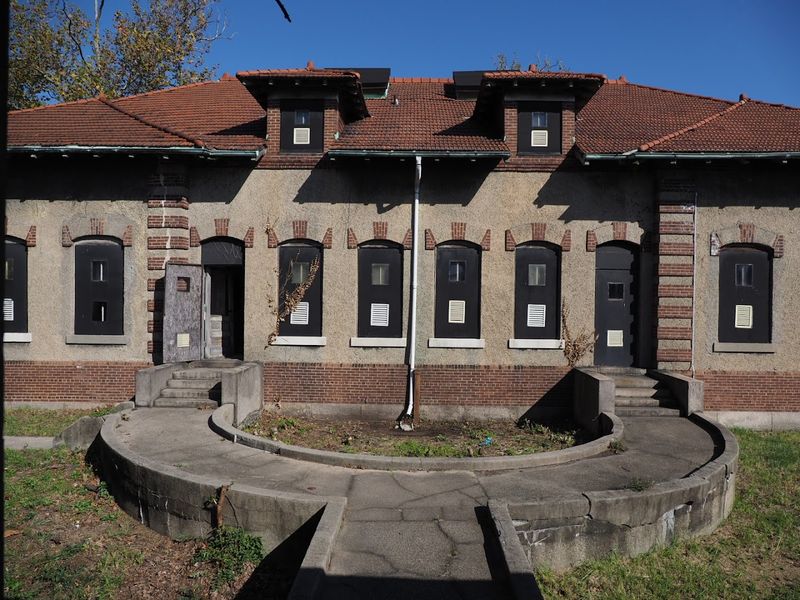
Access to historic areas includes stairs, narrow corridors, and uneven surfaces that may limit mobility. The National Park Service provides accessibility information for the islands and ferries, but the south side tour has constraints due to preservation.
I recommend reviewing official guidance and contacting the operator for current details.
Guides set a safe pace and keep the group within stabilized zones. Closed toe shoes are required, and helmets are provided.
Clear instructions on handrails, step heights, and route transitions appear before each section.
Hydration and restrooms are managed outside the tour route, so plan breaks before your time slot. Staff are helpful if you need adjustments within reasonable limits.
Everyone benefits when the group stays coordinated.
Why This Place Matters
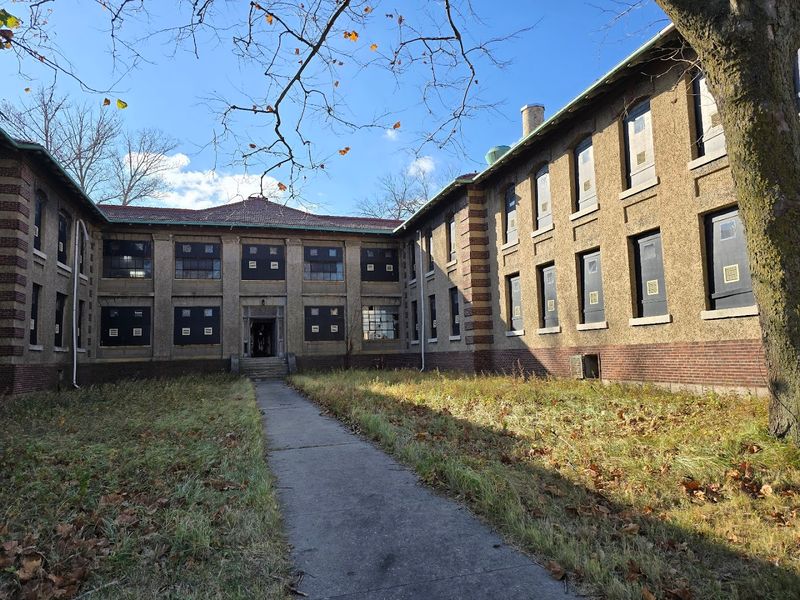
Meaning resides in systems as much as buildings, and this complex shows how public health interfaced with immigration policy at scale. The hospital housed processes meant to protect communities while evaluating new arrivals for onward travel.
That dual role shaped millions of personal outcomes.
On tour, the ethical questions surface through architecture rather than lectures. Spaces show how decisions were made, recorded, and routed to next steps.
I found the clarity useful because it places policy within a walkable map.
The site matters because it documents a national threshold where administration met aspiration. Preservation lets you study the implementation details instead of a polished re-creation.
That honesty gives the south side enduring relevance.
Booking Strategies and Peak Seasons
Peak season increases ferry lines and tour demand, so earlier departures and weekday bookings help. I checked availability several weeks ahead and still saw limited slots for prime hours.
Flexibility around morning or late afternoon windows gave better options.
Reserve through official links listed by the National Park Service and Save Ellis Island to avoid confusion. Pair the tour with time at the main museum to build context without rushing.
Holding a backup date can relieve pressure if weather or schedules shift.
Group travelers should align ferry times and gather at the check in zone early. Solo travelers benefit from light gear and a small daypack.
The smoother the logistics, the more attention you can give the narrative.
Final Thoughts and Takeaways
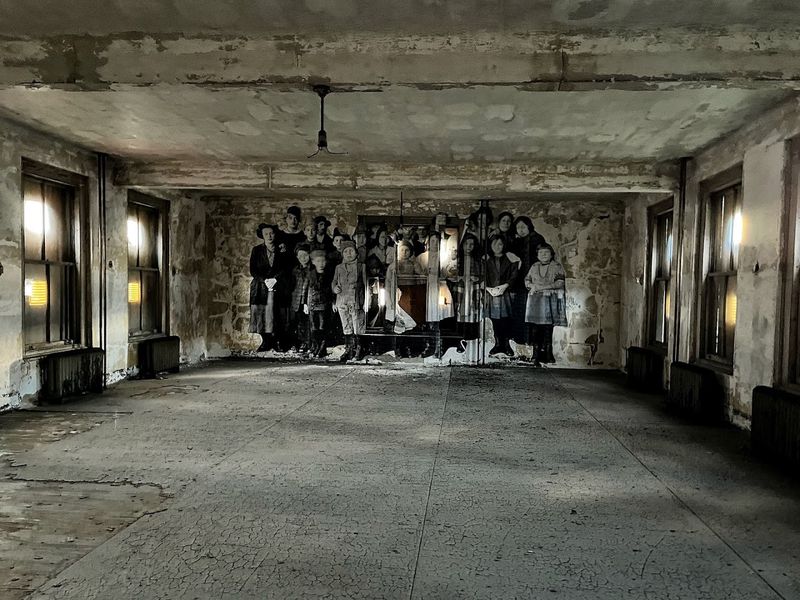
Some places reward patience more than quick thrills, and this is one of them. The Ellis Island Hospital tour is structured, detailed, and anchored by facts that stick with you.
I left with a keener sense of how infrastructure shapes lives.
New Jersey and New York share this harbor, but the south side carries a focused chapter that belongs to both. Set aside the time, follow the rules, and let the guides lead the way.
The story turns clearer with every corridor.
For official details, the National Park Service page for touring the hospital complex is the best starting point. The address once again is Liberty Island – Ellis Island, Jersey City, NJ 07305.
That line on a map opens a layered education.



