 Unearth The Voyage
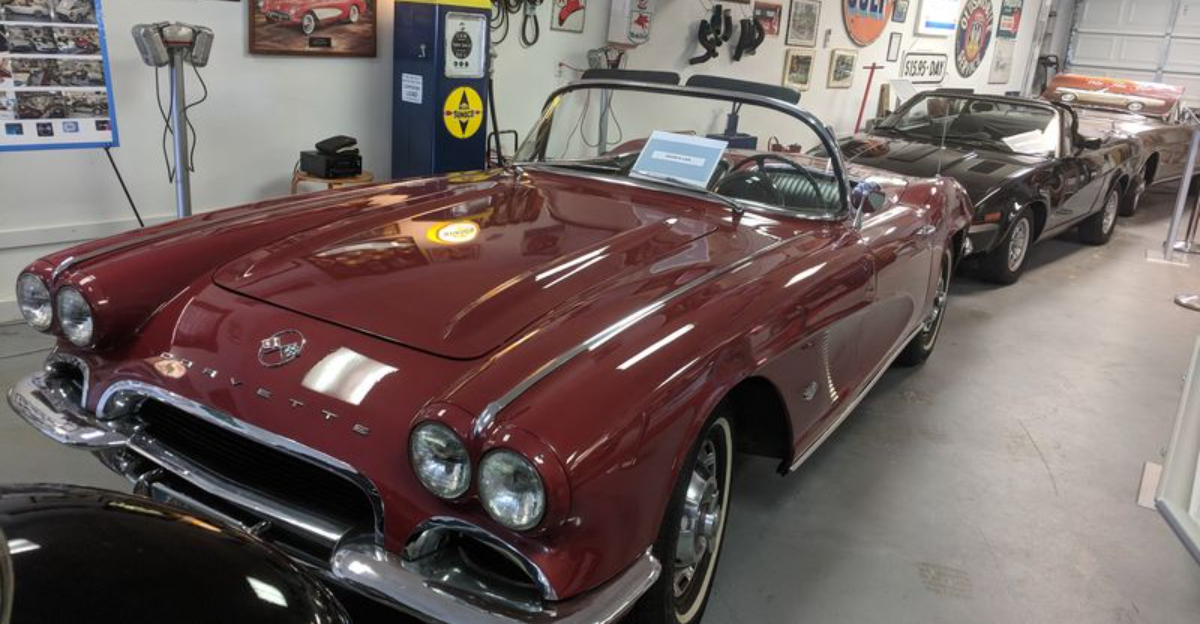
There is a small building tucked along the waterfront in Point Pleasant, New Jersey, that has been quietly winning over car lovers, curious families, and casual visitors for years. It does not advertise aggressively, it does not charge admission, and it does not try to be anything other than exactly what it is: a genuine, community-run celebration of vintage automobiles.
The volunteers who staff it know more about classic cars than most people will ever learn from a book, and they are happy to prove it. The rotating collection means that no two visits are quite the same, which is a rare quality for a free attraction.
Whether you are a lifelong gearhead or someone who just wandered in out of curiosity, this little corner of the Jersey Shore has a way of leaving a lasting impression that is hard to explain until you have experienced it yourself.
Where to Find It: Address and Location Details
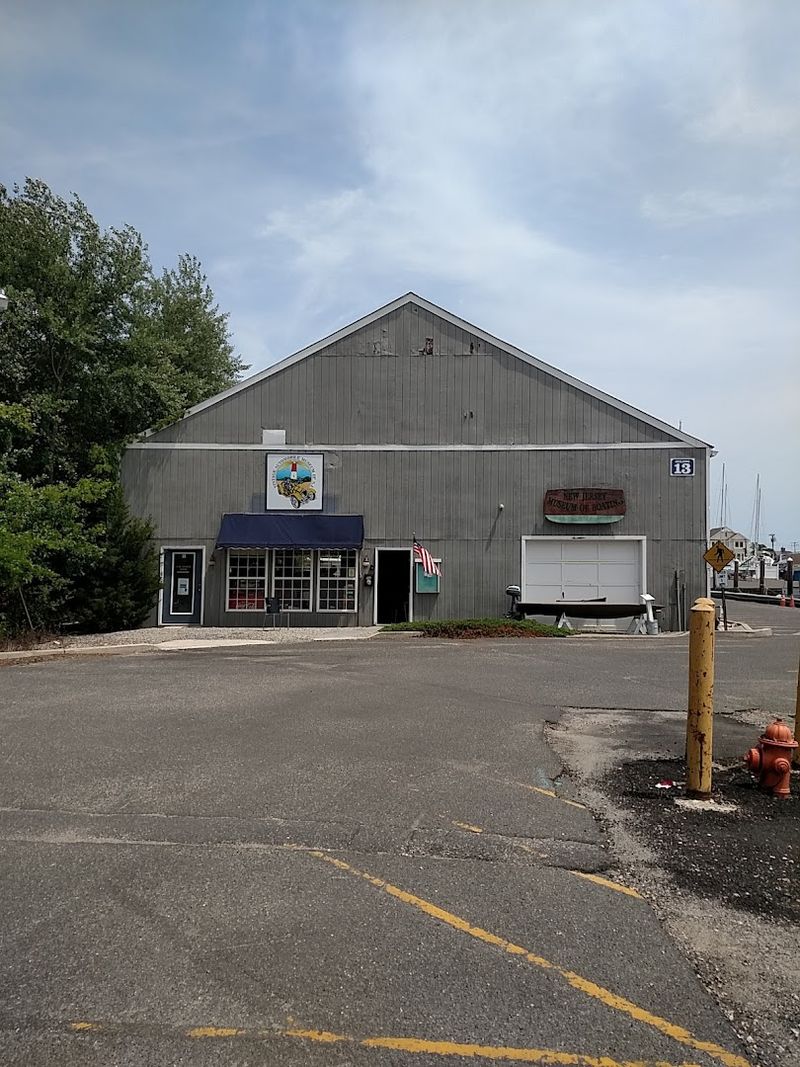
The Vintage Automobile Museum of New Jersey sits at 1800 Bay Ave, Building 13, Point Pleasant, NJ 08742, right along the waterfront near the marina. To get there, you turn left on Meadow Ave from Bay Ave, and the building is part of a larger complex that also houses the New Jersey Boating Museum.
The address is straightforward enough, but the setting is what makes arrival feel like a small reward in itself. You are right next to the water, with boats visible nearby, and the whole area has a relaxed, unhurried atmosphere that fits a weekend afternoon perfectly.
Parking is available on-site, though the lot is small, which honestly matches the scale of the museum. The museum is open Friday through Sunday, from 12 PM to 4 PM, and is closed Monday through Thursday.
Checking the website at vamnj.org before you go is always a smart move.
A Free Museum That Runs on Passion, Not Profit
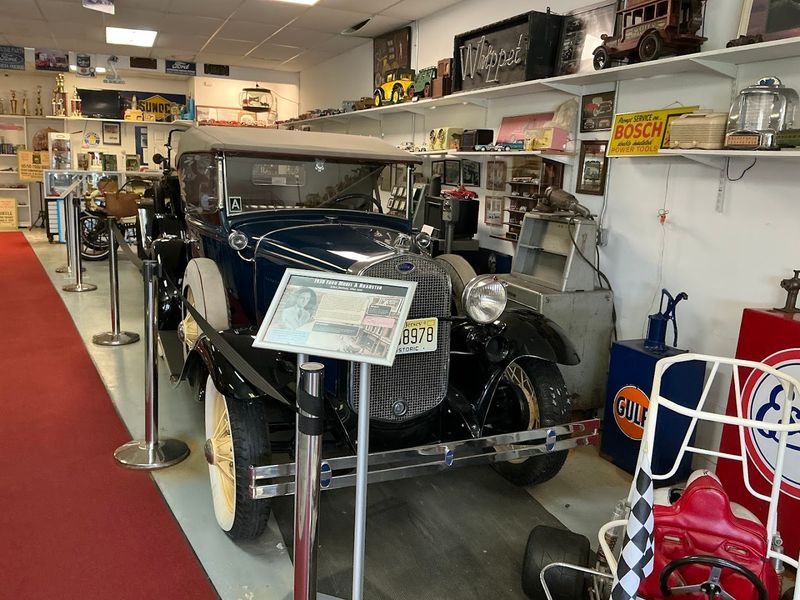
Free admission is not something most museums can offer, and the fact that the Vintage Automobile Museum of New Jersey pulls it off is a direct result of the dedication of its volunteer staff. Every person working there is a member of a local car club, and none of them are doing it for a paycheck.
That community-driven model shows in the energy of the place. The volunteers are not reciting memorized scripts.
They are sharing real enthusiasm for vehicles they genuinely love, and that makes a noticeable difference in how a visit feels compared to a typical museum experience.
Donations are welcome, and there are raffle tickets and merchandise available for purchase. Buying a t-shirt or tossing a few dollars in the donation box is a simple way to help keep the museum running.
These small contributions are what allow a place like this to stay open and continue growing its collection.
The Rotating Collection That Keeps Visitors Coming Back
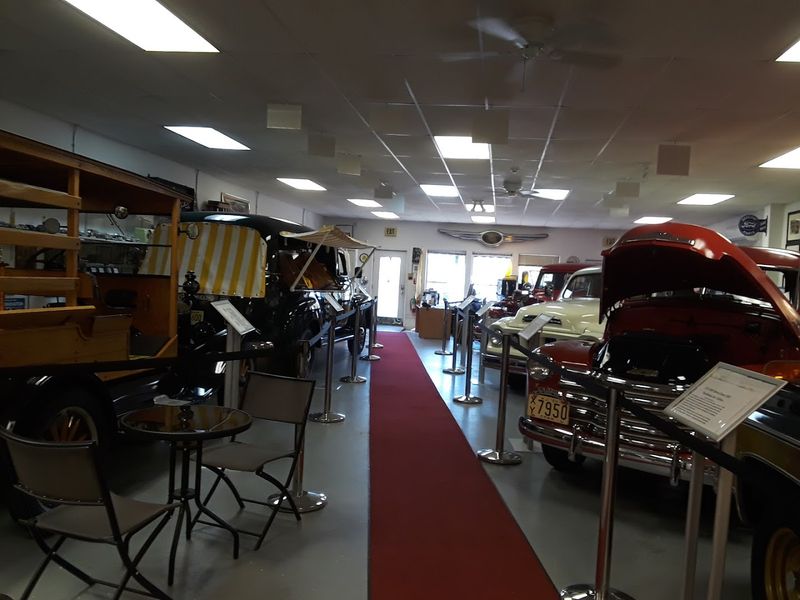
One of the most talked-about features of this museum is its rotating vehicle display. The cars on show change approximately every two to three months, which means a visit in spring looks very different from a visit in fall.
That built-in variety is a clever way to keep the experience fresh for repeat visitors.
The rotation is managed by the volunteer team, who curate each new theme with care. Some displays focus on a particular era, while others highlight a specific type of vehicle.
The result is a museum that feels dynamic rather than static, which is unusual for such a compact space.
Regulars have noted that they return multiple times a year specifically because of this feature. The museum typically displays around eight cars at a time, each with detailed written descriptions that add context without overwhelming a casual visitor.
It is the kind of setup that rewards both the deeply curious and the casually interested.
The Volunteers Who Make Every Visit Worth It
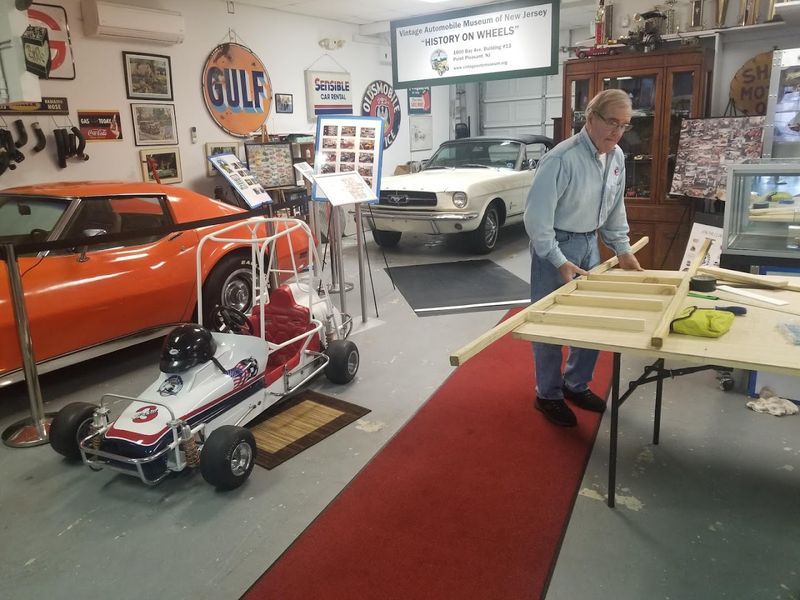
Ask anyone who has visited the Vintage Automobile Museum of New Jersey what they remember most, and the answer is almost always the same: the volunteers. These are not hired guides reading from a pamphlet.
They are passionate car enthusiasts who have deep knowledge of every vehicle in the building and are genuinely excited to share it.
The staff have been described as engaging, kind, and full of personality. They welcome visitors of all ages with equal warmth, from young children who want to sit in the cars to older adults who can match them detail for detail on engine specifications.
The conversations that happen in this museum are part of what makes it special. You might walk in expecting a quick look around and end up spending far more time than planned because a volunteer pulled you into a story about a 1950s roadster that is simply too interesting to cut short.
That kind of unexpected connection is genuinely rare.
Up Close and Personal with Classic Cars
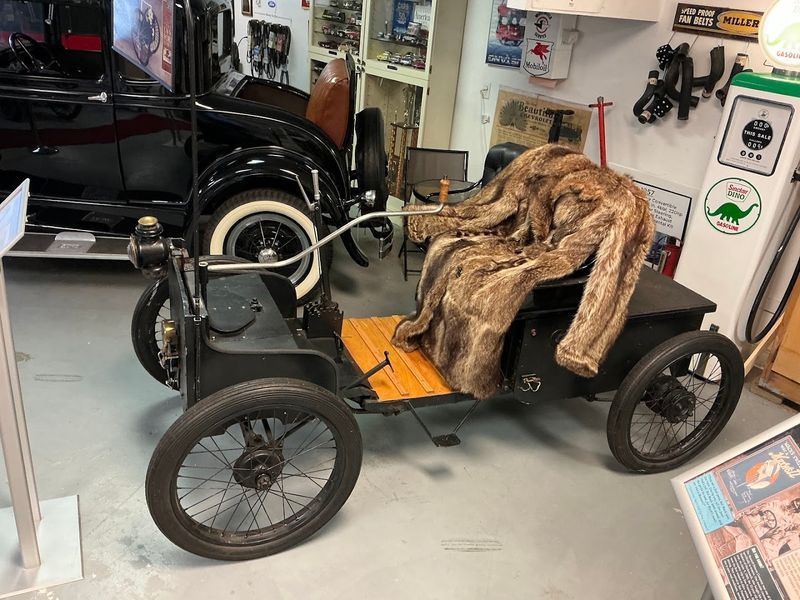
One thing that sets this museum apart from larger institutions is how close you can actually get to the vehicles. There are no ropes keeping you at a distance, no glass barriers blocking your view of the chrome trim or the dashboard details.
You can walk right up to the cars and take in every detail.
That kind of access is rare at bigger museums where preservation concerns mean keeping visitors at arm’s length. Here, the intimate scale of the space actually works in your favor.
You can crouch down to check the undercarriage, lean in to read the interior gauges, or simply stand back and appreciate the full silhouette of a beautifully restored vehicle.
For photography enthusiasts, this close-up access is a genuine bonus. The lighting inside the museum is reasonable, and without crowds blocking the shot, capturing a clean image of a classic car is much more achievable here than at a larger, busier venue.
Die-Cast Models and Memorabilia Worth Exploring
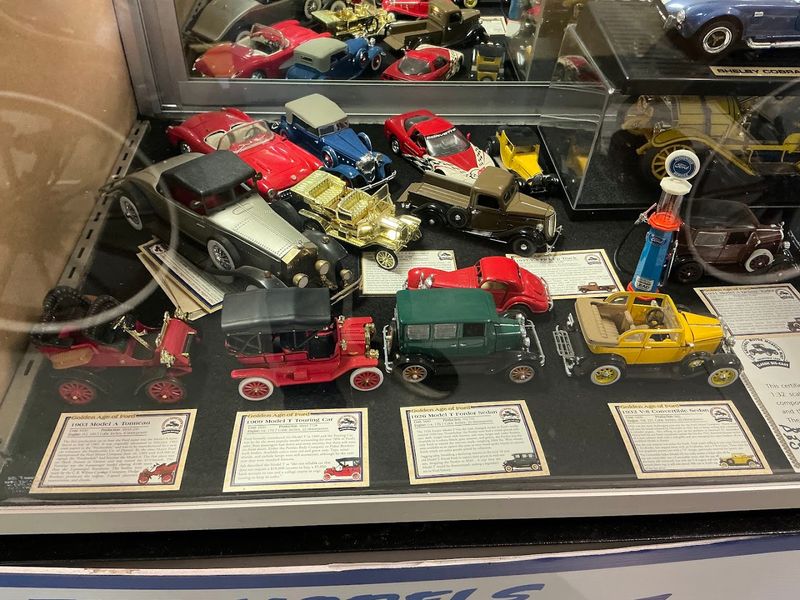
The full-sized vehicles get most of the attention, but the museum also features a solid collection of smaller items that deserve their own moment. Die-cast car models and hand-crafted wooden models are displayed throughout the space, offering a different scale at which to appreciate automotive history.
Auto memorabilia fills the walls and shelving, adding layers of context to the vehicle displays. Vintage signage, old advertisements, and collectible items from different eras of American car culture turn the museum into something closer to a time capsule than a simple showroom.
For visitors who appreciate the broader world of car collecting, this side of the museum is a genuine highlight. It also gives younger visitors something interactive and visually engaging to focus on while the adults spend time with the full-sized cars.
The combination of large vehicles and smaller collectibles makes the space feel fuller and more curated than its compact square footage might suggest at first glance.
The Quarter-Midget That Kids Absolutely Love
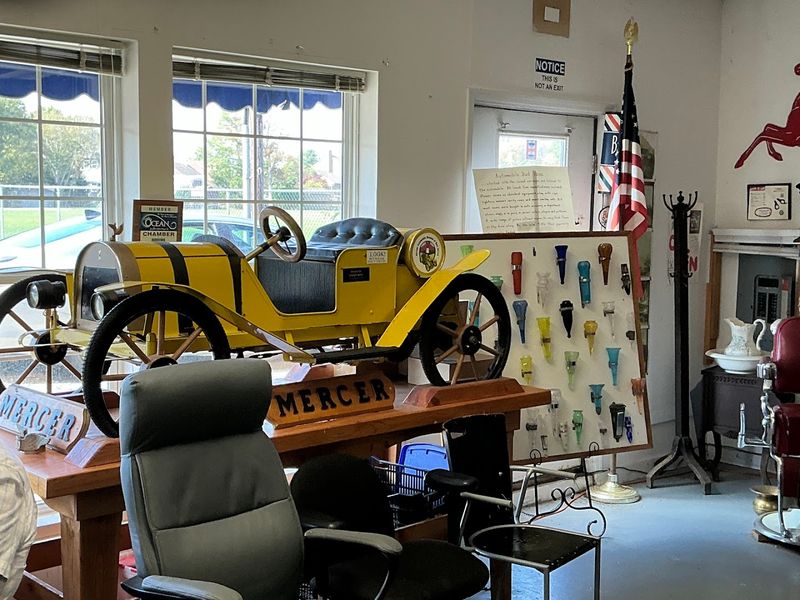
Not every exhibit at this museum is purely for looking. One standout feature that younger visitors consistently respond to is the quarter-midget on display, a small-scale racing vehicle that children are actually allowed to sit in.
That kind of hands-on interaction is a big deal for kids who might otherwise lose interest in a room full of cars they cannot touch.
Quarter-midgets are miniature race cars built specifically for young drivers, and they have a long history in American motorsport as a way of introducing children to racing. Having one on the floor at the museum adds both an educational angle and a genuine fun factor for families.
Parents have noted that their children, even those who came in with little interest in cars, lit up at the chance to climb into the quarter-midget. It is a small detail that the museum gets exactly right, and it speaks to the thoughtfulness of the people who put the collection together.
A Perfect Stop for Families Visiting the Jersey Shore
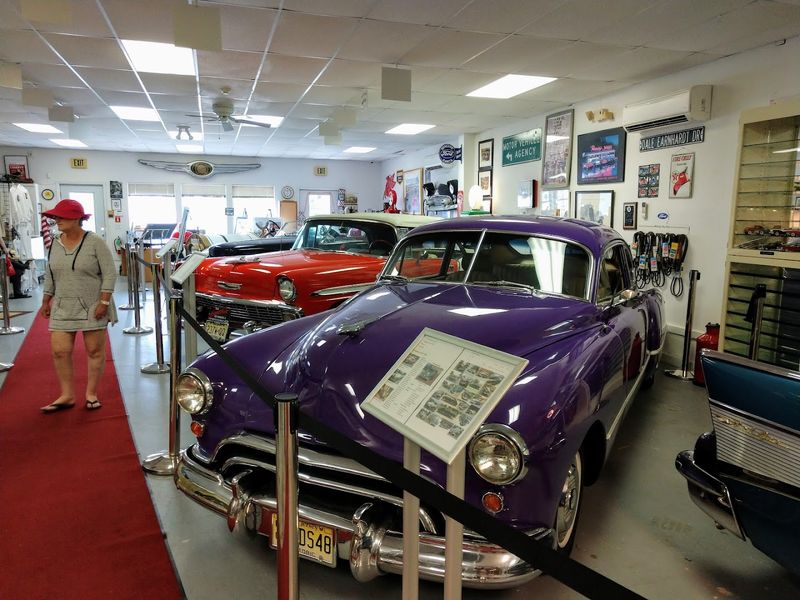
Point Pleasant is already a popular destination for families heading to the Jersey Shore, and the Vintage Automobile Museum of New Jersey fits naturally into a day that might also include the beach, the boardwalk, or a boat ride. The museum is not a full-day commitment, which actually works in its favor for families with packed itineraries.
A visit typically takes around fifteen to thirty minutes, depending on how much time you spend talking with the volunteers or reading the exhibit descriptions. That makes it an easy addition to a larger day out rather than the kind of attraction that requires its own dedicated trip.
Children between roughly eight and twelve years old tend to be particularly engaged by the combination of full-sized cars, small models, and the quarter-midget. The museum manages to be genuinely interesting for adults while giving kids enough to interact with that they leave happy rather than restless.
What to Expect on a Rainy Day Visit
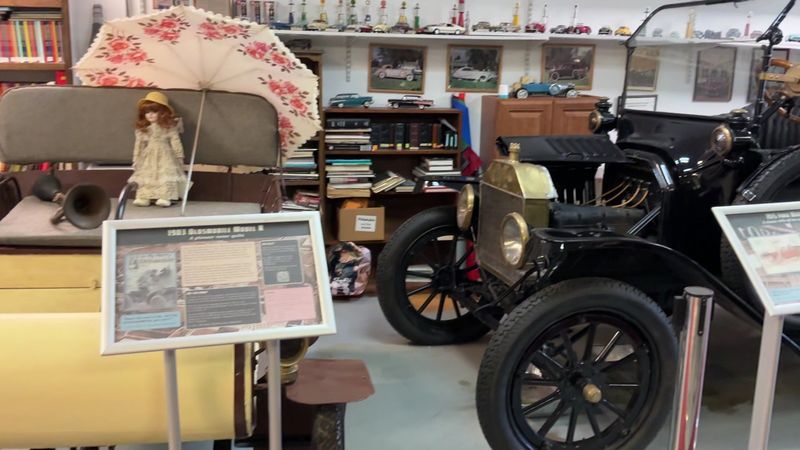
Rainy days along the Jersey Shore can derail outdoor plans fast, and that is exactly when the Vintage Automobile Museum of New Jersey earns its keep. The museum is fully indoors, which means the weather outside is completely irrelevant once you step through the door.
On quieter days with fewer visitors, the experience actually gets better in some ways. With fewer people in the building, you have more time with the volunteers, more room to move around the vehicles, and a more relaxed atmosphere overall.
The close-up access to the cars becomes even more enjoyable when you are not navigating around other visitors.
A rainy afternoon visit is also a good reminder that the museum does not need sunshine to deliver a worthwhile experience. The collection stands on its own regardless of conditions outside, and the volunteers are just as enthusiastic on a grey Tuesday as they are on a bright Saturday.
Rain or shine, this place delivers.
The Boating Museum Next Door: A Two-for-One Visit
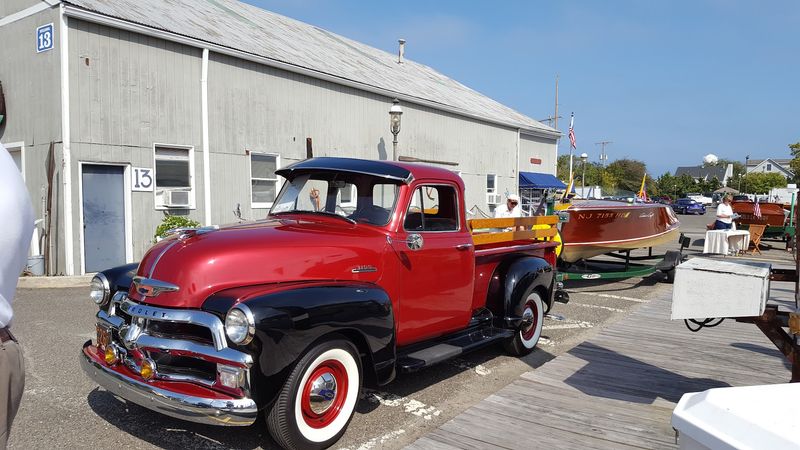
The Vintage Automobile Museum of New Jersey shares its building complex with the New Jersey Boating Museum, which means a single trip to the location can cover two very different areas of transportation history. Both museums operate on a donation basis, and both are staffed by volunteers who bring genuine expertise to their subject matter.
The boating museum offers a nautical complement to the automotive focus next door, covering the history of New Jersey’s relationship with watercraft. Given the waterfront setting, it fits the location perfectly and adds a layer of context to the broader maritime character of Point Pleasant.
Families with varied interests tend to find this pairing especially useful. One person in the group might gravitate toward the cars while another heads for the boats, and both end up equally well served.
Visiting both museums in a single afternoon is entirely manageable and makes the trip feel more substantial without requiring any additional travel or planning.
How the Museum Handles Admission and Donations
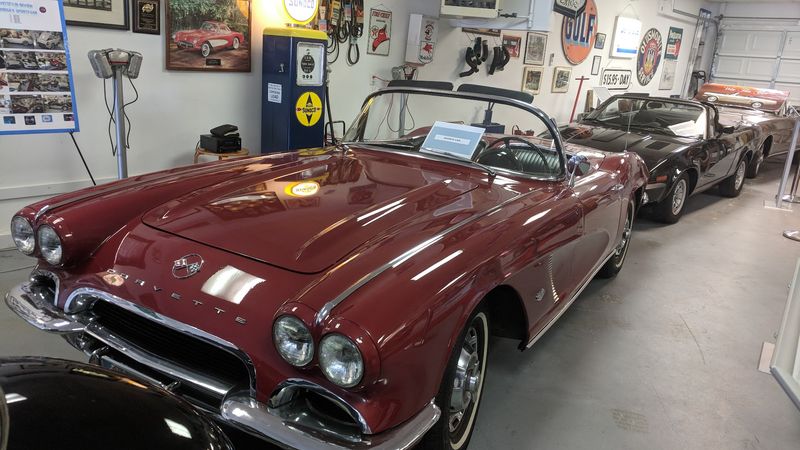
There is no ticket window at the Vintage Automobile Museum of New Jersey and no entry fee to worry about. The museum operates entirely on a donation model, which means visitors decide what their experience was worth and contribute accordingly.
That approach reflects the community spirit that drives the whole operation.
Bringing cash is a good idea, not because it is required, but because it gives you options. The museum sells merchandise including t-shirts and caps, and there are raffle tickets available for purchase as well.
These are the kinds of small purchases that directly support the volunteers and help keep the collection running and growing.
The absence of a ticket price also removes any pressure from the visit. You can stay for fifteen minutes or an hour, and you will not feel like you have wasted money either way.
That low-stakes setup encourages people to stop in on a whim, which is exactly the kind of casual discovery that small museums like this one thrive on.
The Cars Themselves: Gorgeous, Detailed, and Well-Presented
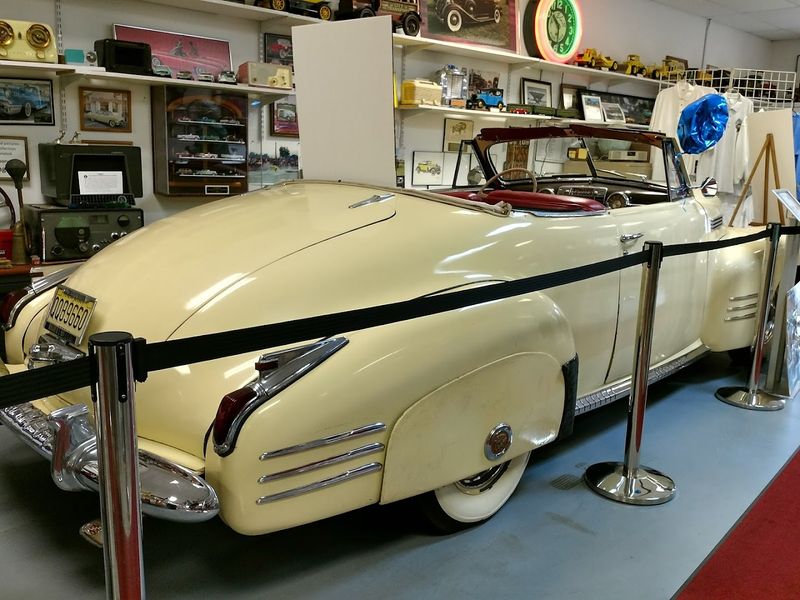
At the center of everything, of course, are the cars. The museum typically displays around eight vehicles at a time, and each one comes with detailed written descriptions that explain its history, specifications, and significance.
The presentation is clear and informative without being dry or overly technical.
The vehicles on display have ranged from classic American muscle cars to vintage trucks, with the specific lineup changing every two to three months. Past collections have included race cars, beautifully restored sedans, and specialty vehicles that represent specific chapters in automotive history.
Each car is maintained in impressive condition, and the care that goes into the presentation is evident. These are not dusty relics pushed into a corner.
They are treated as the centerpieces they are, positioned and lit in ways that let visitors appreciate both the overall design and the finer details. For anyone who has ever had a soft spot for the craftsmanship of an earlier era of automobile design, this collection consistently delivers.
What Makes This Museum Different from Bigger Attractions
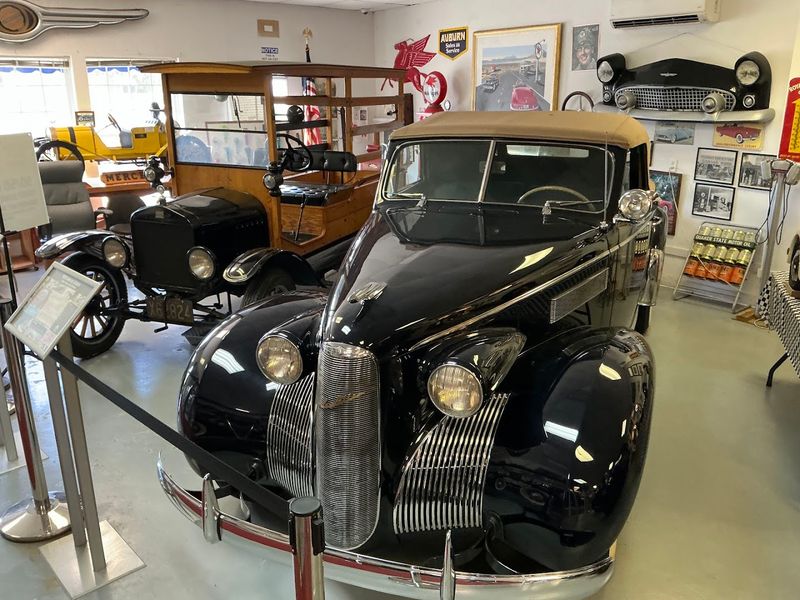
Bigger is not always better, and the Vintage Automobile Museum of New Jersey makes a compelling case for the value of staying small. Large automotive museums can be impressive in scale, but they can also feel impersonal.
Here, the compact size creates a very different dynamic between visitors and the collection.
Because the space is small, every car gets attention. There is no back corner where a vehicle sits largely unnoticed.
The volunteers can keep an eye on the whole room and engage with every visitor who walks through the door. That level of personal attention is simply not possible at a larger institution.
The rotating collection also means the museum never feels like it has said everything it has to say. There is always a reason to return, always a new vehicle or theme to discover.
For a free, community-run operation in a small building near a marina, that combination of intimacy and variety is genuinely hard to beat.
Why Car Lovers Keep Spreading the Word About This Place
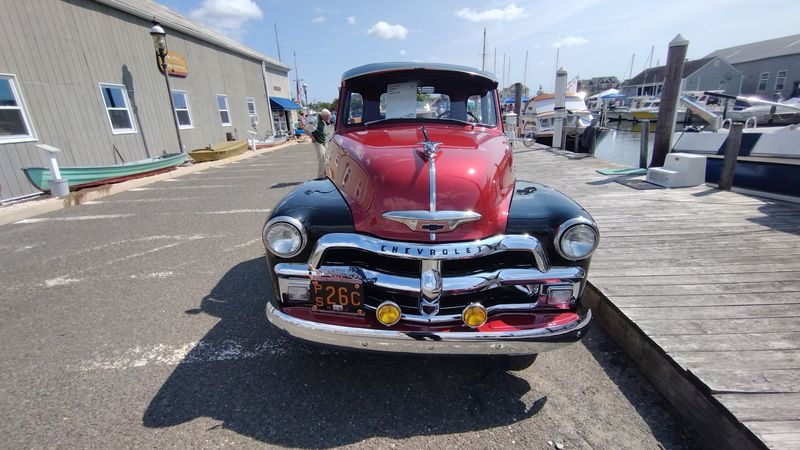
Word of mouth is the most powerful marketing tool a small museum can have, and the Vintage Automobile Museum of New Jersey has earned plenty of it. Visitors consistently leave with something to talk about, whether it is a fascinating detail shared by a volunteer, a particular car they had never seen up close before, or simply the pleasant surprise of finding a place this good without paying a cent.
The feedback points repeatedly to the same strengths: knowledgeable staff, well-presented vehicles, a welcoming atmosphere, and the rotating collection that keeps things interesting.
For car lovers specifically, this museum hits a sweet spot between accessible and substantive. It is not so casual that it feels like a footnote, and not so overwhelming that it requires hours of commitment.
It is, in the best possible way, exactly the right size for what it is trying to do.



