 Unearth The Voyage
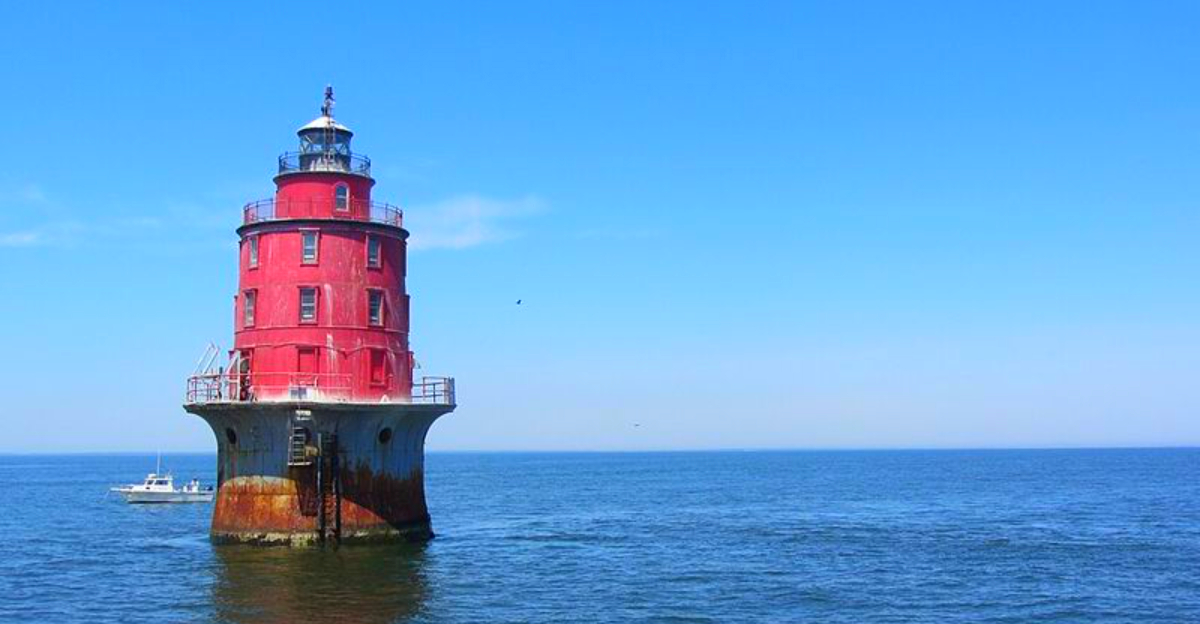
Out in Delaware Bay, a rust red sentinel rises from tricky waters where legends and lost hulls linger. Miah Maull Shoal Light still blinks its warning, guiding boats past hidden danger and stories that refuse to sink.
You can almost feel the past breathing here, from keepers to wrecked schooners turned reef. Dive into 12 essential insights that will change how you see this lighthouse and its ghostly graveyard.
How the shoal got its name
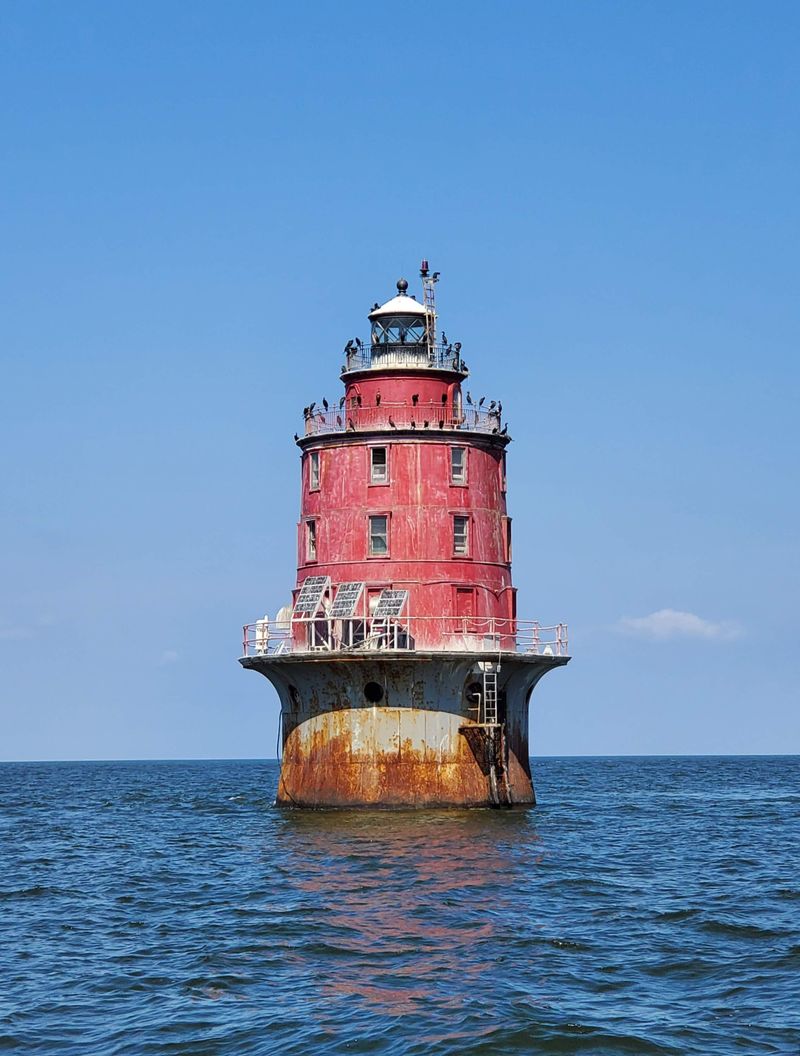
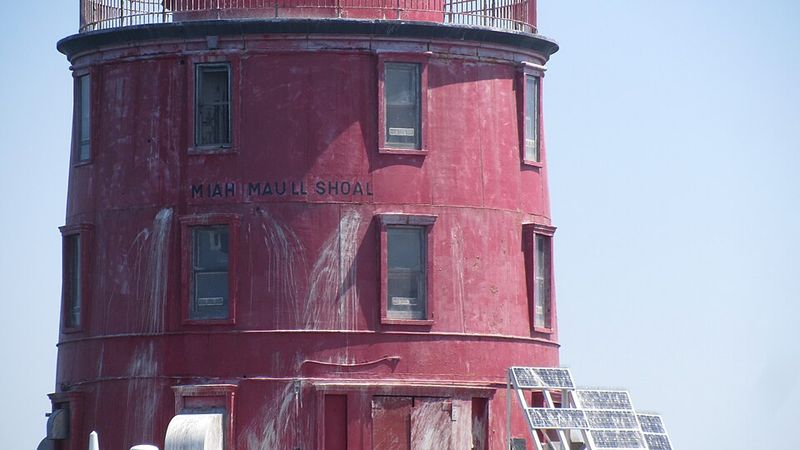
The shoal carries the memory of Nehemiah Maull, a Delaware River pilot lost in 1780 when his vessel wrecked on this unnamed hazard. Locals shortened his name to Miah Maull, a human story attached to a brutal geography.
Say it aloud and you hear tide and fate entwined.
Stand on a passing boat and you feel why names matter. They mark loss, teach caution, and anchor community memory.
Here, history is not in a museum case. It is under your keel, whispered by currents.
A 1913 solution to a deadly problem
By 1913, the answer to countless groundings became iron and brick fixed in the bay. The lighthouse rose from a caisson like a stubborn promise, telling mariners where not to go.
You can picture the first flash testing the darkness, a heartbeat for safe passage.
That first night must have felt like flipping on a porch light during a storm. Relief, direction, a little courage.
A century later, the concept still works. Mark the danger clearly, and fewer families wait up worrying.
Cast iron, brick, and a conical profile
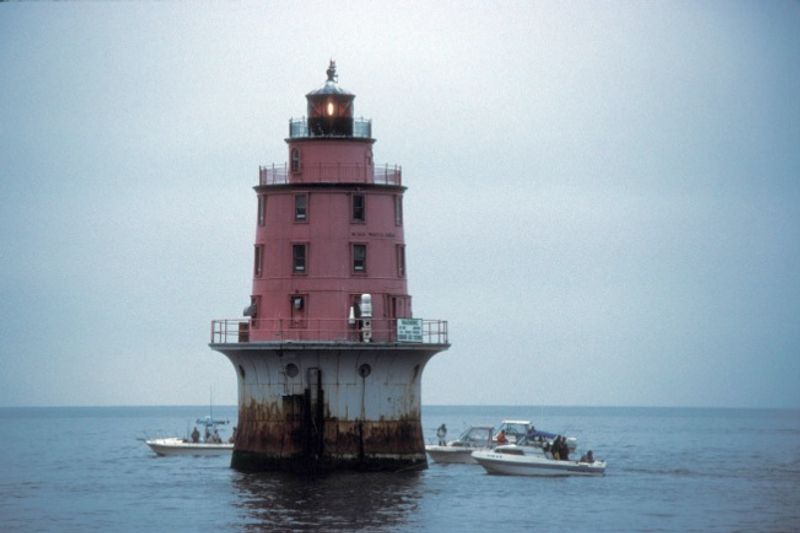
The tower is conical, cast iron over a brick lining, tough as a boiler and just as purposeful. Rivets march in rows like disciplined soldiers.
Salt chews the paint, but the form holds, shedding waves and wind with simple geometry.
Look closely and you will see function dictating every curve. Lighthouses were industrial art, engineered to endure.
This one stands 45 feet tall, stance wider at the base for stability. That profile is not fashion.
It is survival, expressed in iron and brick.
From Fresnel elegance to modern optics
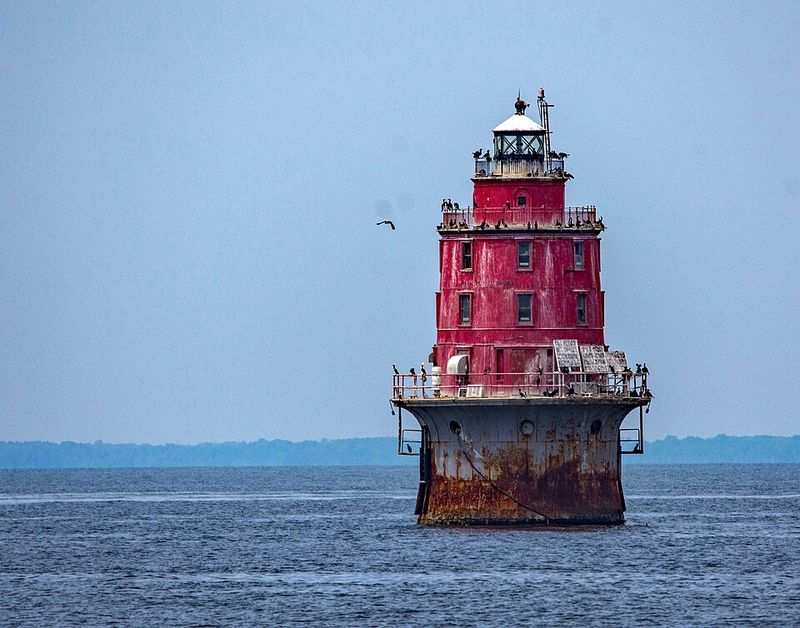
Originally, the lantern held a fourth order Fresnel lens, glass prisms coaxing brilliance from modest flame. It was French ingenuity harnessed for American water.
Light became sculpture, bending into a precise, far reaching beam.
Today, a compact 500 mm optic does the job with fewer moving parts. You may miss the romance, but not the reliability.
Out here, performance is compassion for anyone caught late or fogbound. Old or new, the rule remains simple.
Be seen, save lives.
Automation changed everything in 1974
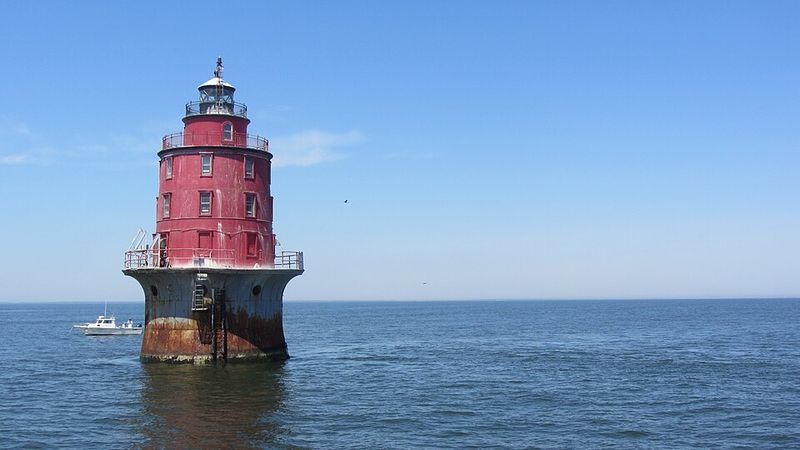
In 1974, the light went fully automated and the keeper’s footsteps faded. No more daily wick tending, no logbooks by lamplight, no coffee cooling on the watch desk.
Silence took over, except for wind and gulls.
For mariners, automation meant consistency without human fatigue. For romantics, it felt like losing a heartbeat.
You can still sense the routines embedded in metal stairs and worn thresholds. Machines run the beacon now, but human care built the system that allows it.
On the National Register since 1991
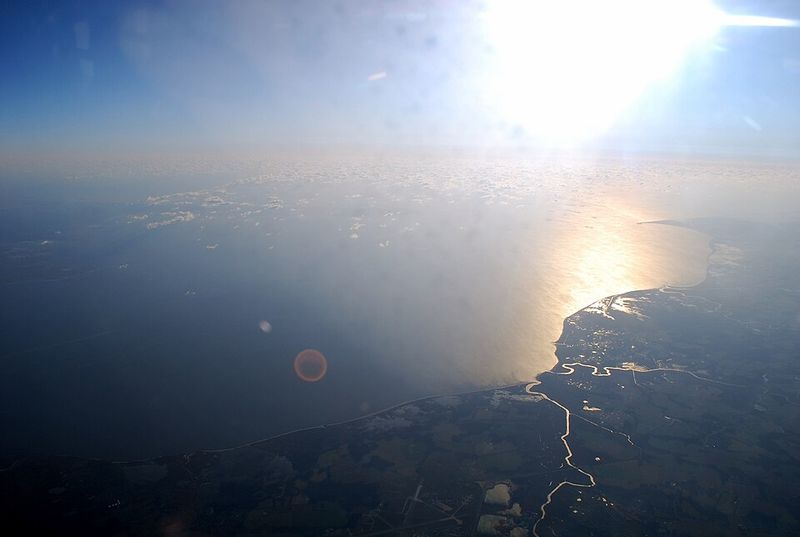
Recognition came in 1991 when the lighthouse joined the National Register of Historic Places. It is not just a navigational gadget.
It is architecture, labor, and community memory in one weatherbeaten silhouette.
That designation helps protect the structure and rally resources. You do not need a plaque to feel its importance, but the paperwork matters.
It brings attention when budgets tighten. If you have ever relied on a light in bad weather, you know why preservation is not optional.
A ghost ship graveyard below
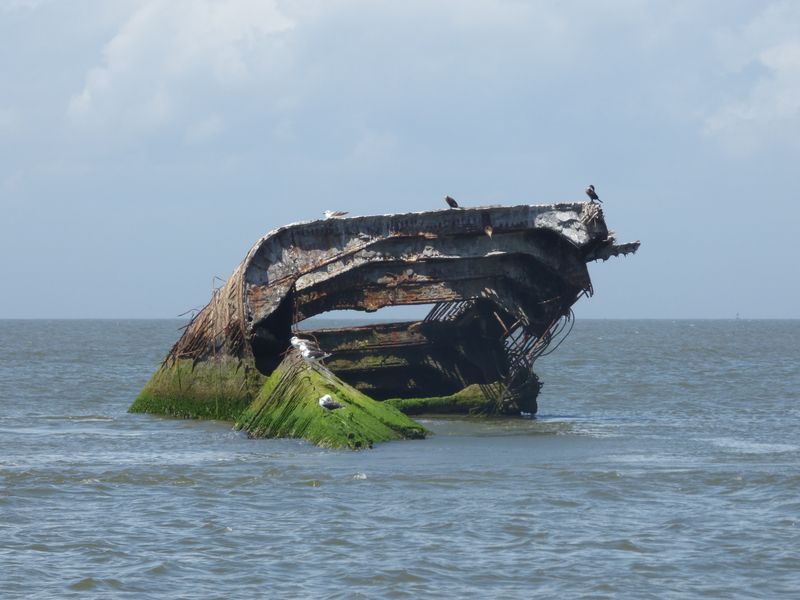
Wrecks dot the bottom around the shoal, some remembered, many anonymous. Currents shuffle timbers like playing cards, and sediment hides the rest.
Sailors whispered about ghosts because loss needs a language.
For you, it means respect these waters. A chart shows the hazard, but history shows the cost.
Think of anchors snagged on bones of schooners, think of fog that erased horizons. The lighthouse marks the line between story and statistic.
Cross wisely, and you get home.
Shipwreck database and local memory
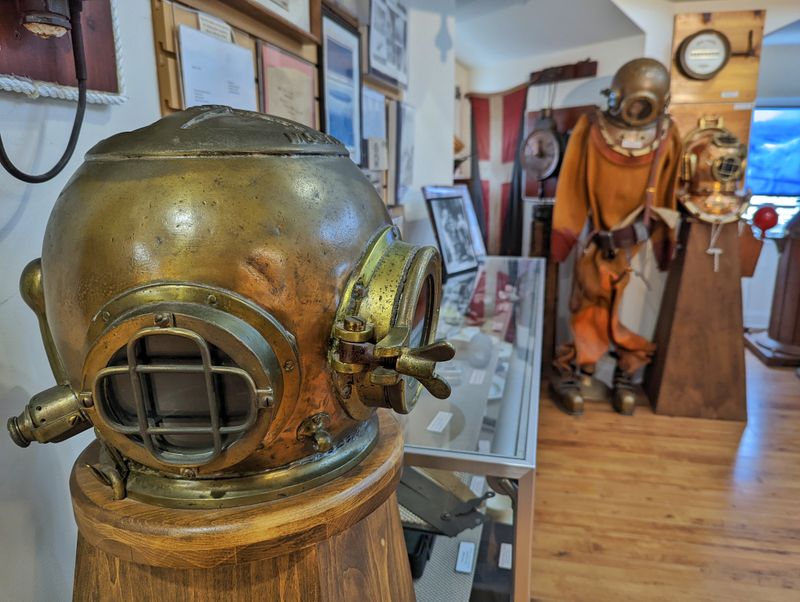
The New Jersey Maritime Museum tracks thousands of wrecks, including Delaware Bay losses near this light. It feels like a ledger of hard lessons.
Dates, names, cargoes, storms, and mistakes line up quietly.
Use that database like a second compass. You will learn which seasons punish, where shoals shift, and how small errors snowball.
Local captains carry the same data in their heads, backed by salt and scars. When knowledge accumulates like this, you get fewer surprises and better odds.
Tours that glide past the light
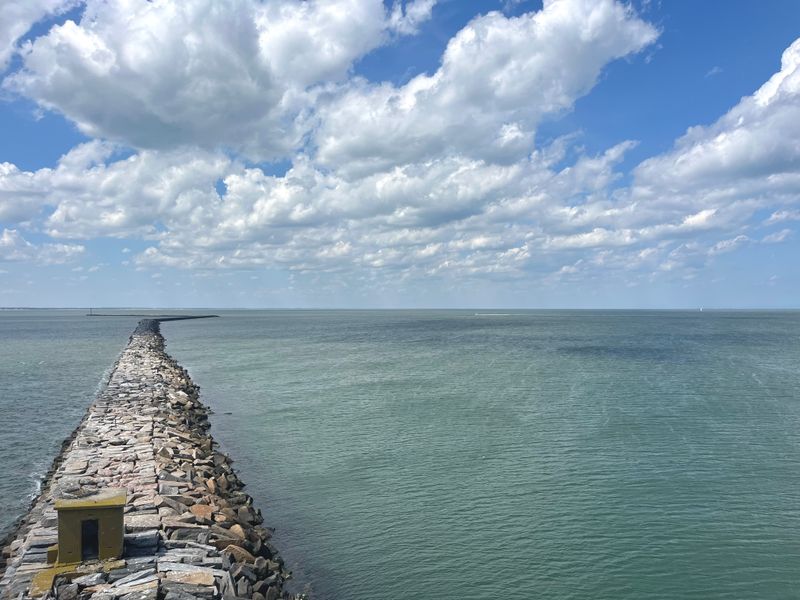
You cannot climb inside, but you can ride a tour that slips close enough to feel its presence. Cameras come out, yet the best shot might be the way the light aligns with your own trip’s story.
Guides point to currents tugging harder than they look.
If you go, bring layers and a steady grip. The bay changes moods fast.
You will leave with photos, yes, but also a deeper idea of why lighthouses endure after romance fades.
Preservation offers and ownership twists
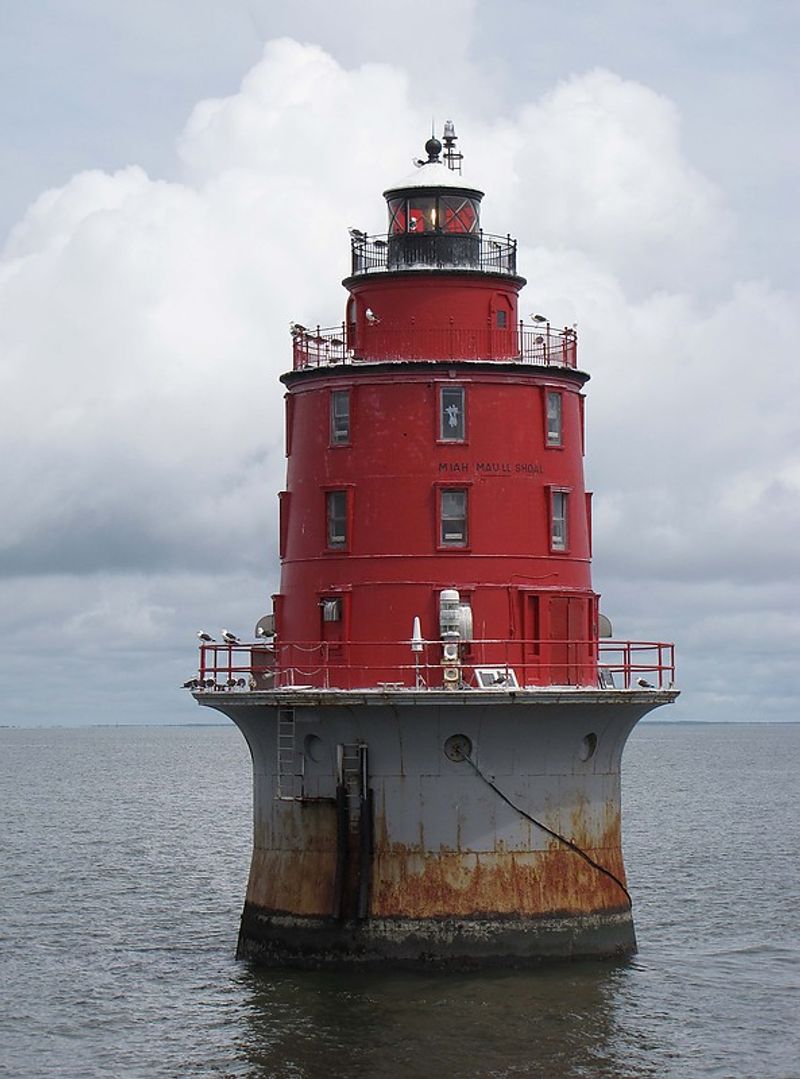
In 2011, the government invited nonprofits and public groups to take stewardship under the lighthouse preservation act. Paperwork traveled while gulls circled.
Ownership on water is complicated, but intent was simple: protect a working landmark.
These programs let communities adopt history without losing function. If you care about places like this, watch for volunteer calls and public comment windows.
Preservation is not only money. It is attention, stories, and hands ready to scrape rust when needed.
Still shining as an active aid
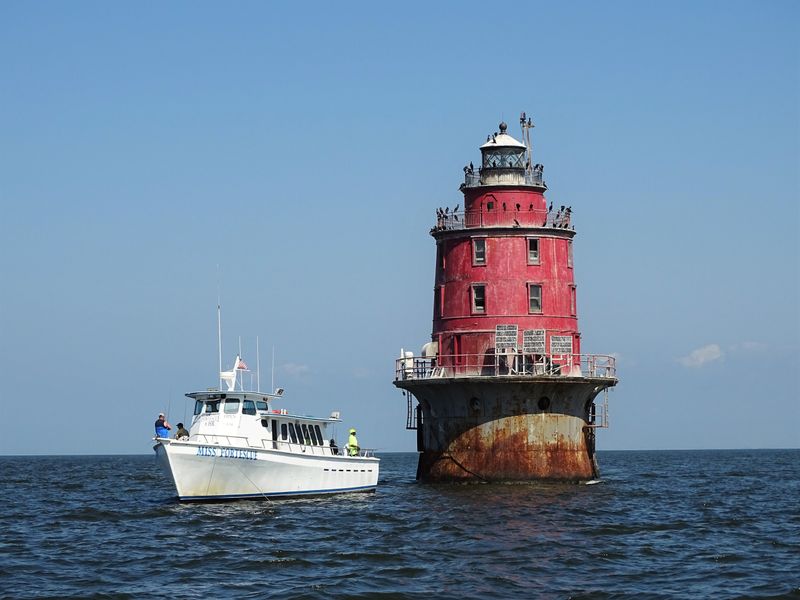
Despite age and scars, the beacon still counts as an active aid to navigation. The U.S.
Coast Guard keeps the flash honest. Mariners set bearings, glance at the light, and confirm what the GPS says.
Redundancy is not old fashioned. It is survival.
When electronics glitch or fog plays tricks, that steady pulse matters. If you travel Delaware Bay, you will feel calmer when it cuts the dark.
Some technologies become timeless because they refuse to fail.
How to see it safely and respectfully
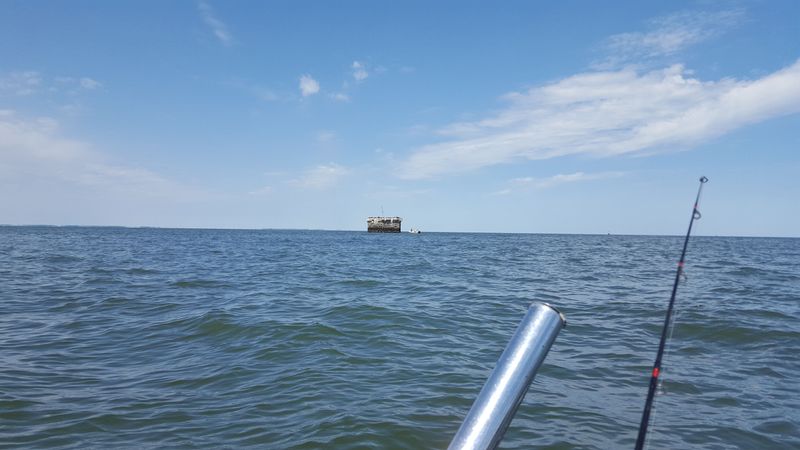
Bring charts, a reliable GPS, a VHF radio, and a healthy respect for shifting shoals. Do not crowd the structure or anchor on wrecks.
Give yourself room for wind against tide moments that feel like slow motion wrestling.
From shore, pick a tour. From your own boat, watch depths like a hawk.
Keep hands off private equipment. Take photos, pack out trash, and let the light do its job.
You get the story, and everyone gets home.



