 Unearth The Voyage
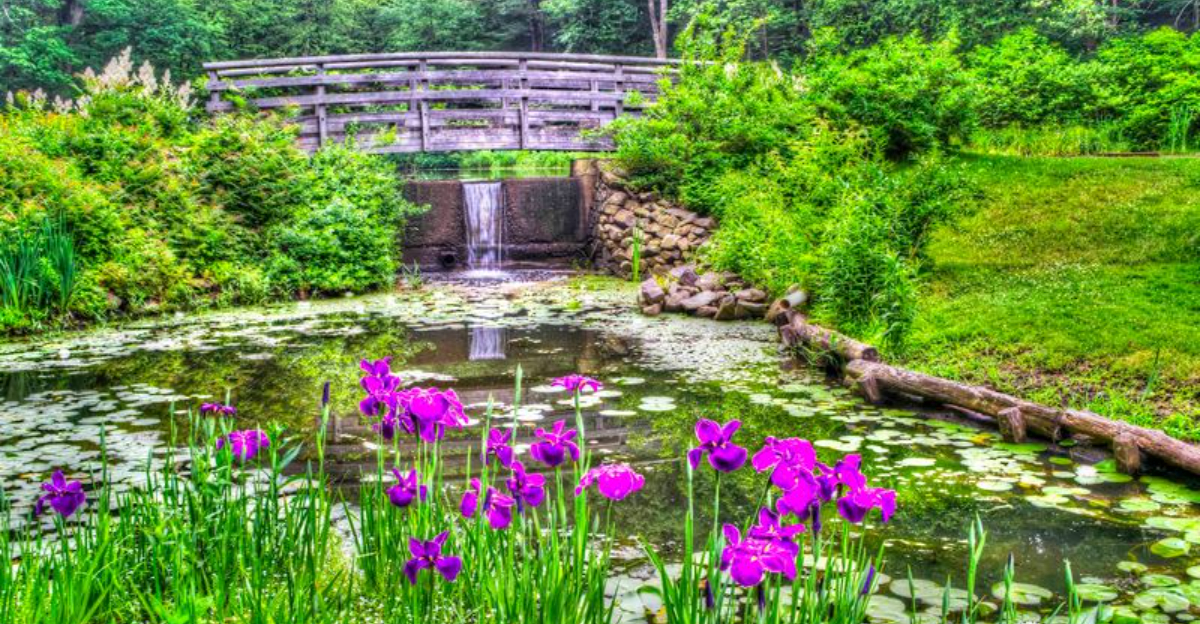
Tucked away in Somerset County, New Jersey, there is a 33-acre rock gorge garden that most people drive right past without ever knowing it exists. Far Hills is not exactly a household name, but this small borough is hiding one of the most quietly spectacular public gardens in the entire state.
The garden sits along a natural rocky stream valley, and when spring arrives, the whole place transforms into a living canvas of color. It was started in the 1930s by a man who loved rocks and wildflowers more than most people love anything, and what he built has outlasted every trend in landscape design.
No admission fee, well-kept gravel paths, a helpful visitor center, and a setting that feels genuinely wild in all the right ways make this one of those rare places worth clearing your schedule for.
Where to Find This Hidden Rock Garden
The full address is 11 Layton Rd, Far Hills, NJ 07931, and the garden sits conveniently close to Route 202, making it an easy detour if you are passing through Somerset County.
Leonard J Buck Garden is a Somerset County park, managed under the county parks system and accessible through its official website at somersetcountyparks.org.
The garden is open Monday through Friday from 10 AM to 4 PM, and it is closed on weekends, which is something worth double-checking before you make the trip.
Two parking lots are available on the property, and roadside parking along Layton Road is an option when both lots fill up, which does happen during peak spring bloom season.
The visitor center is the first stop once you arrive, where staff hand out free trail maps and a plant list so you can actually identify what you are looking at as you walk the grounds.
The Man Behind the Garden
Leonard J Buck was a mining engineer and businessman who purchased the Far Hills property in the 1930s, drawn to the dramatic natural rock outcroppings that cut through the land like a spine of ancient stone.
He was not a trained horticulturist, but he had a clear vision: to work with the natural landscape rather than against it, planting species that suited the rocky, shaded gorge environment.
Buck collaborated with landscape designer Zenon Schreiber, who helped shape the planting plan across the rugged terrain, turning raw geology into something that felt both wild and intentional at the same time.
When highway planners proposed routing a road directly through the property, Buck personally invited officials to come and tour the garden before any decision was made.
That visit reportedly changed minds, and the highway was routed around the garden instead, preserving what Buck had spent years carefully building on that rocky Somerset County hillside.
The Geology That Makes This Place Unique
Most gardens are built on flat, manicured ground, but this one was built around a natural rock gorge carved by a stream that still runs through the property today.
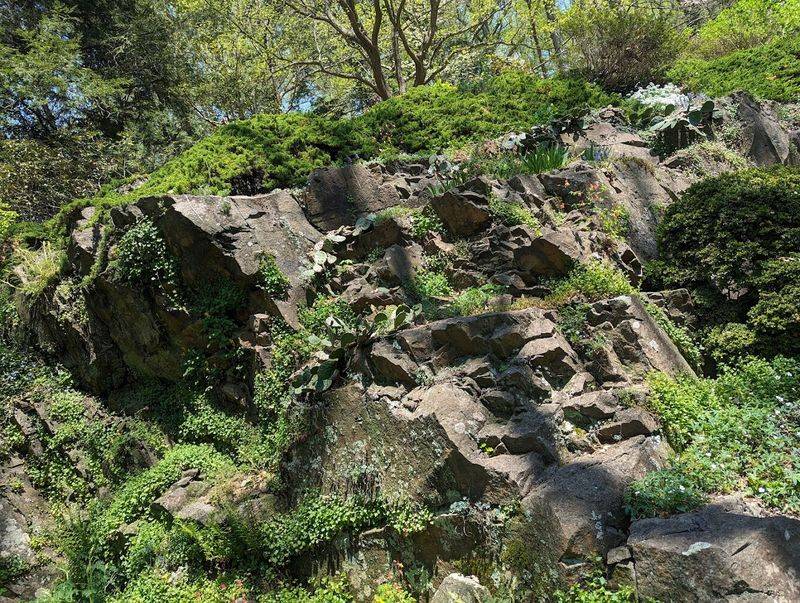
The exposed rock formations here are Precambrian gneiss, some of the oldest rock types found in New Jersey, and they give the garden a rugged, ancient character that no amount of landscaping could manufacture.
These outcroppings create natural planting pockets and ledges where ferns, mosses, and woodland wildflowers grow in ways that look completely unplanned, even though a great deal of thought went into placing them.
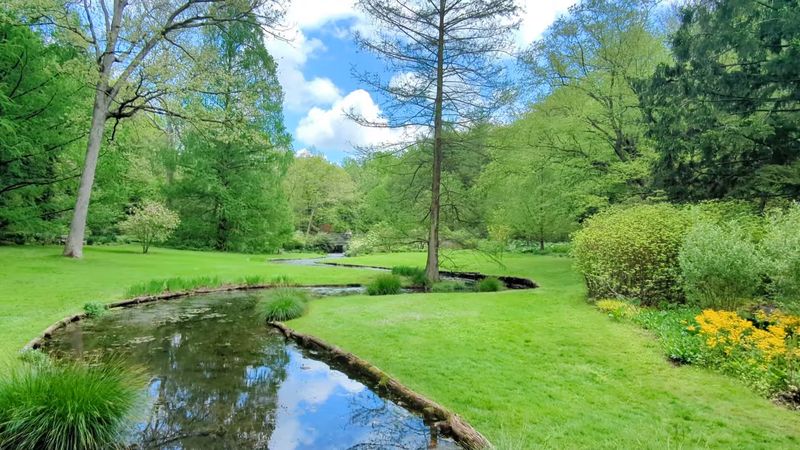
The gorge itself channels a small stream that feeds into ponds lower on the property, creating a layered water system that supports a wide range of plant communities across the 33 acres.
The rock is not just a backdrop here; it is the foundation of the entire garden design, and that is what sets this place apart from any conventional botanical garden you might visit elsewhere in the state.
Spring Bloom Season: When the Garden Peaks
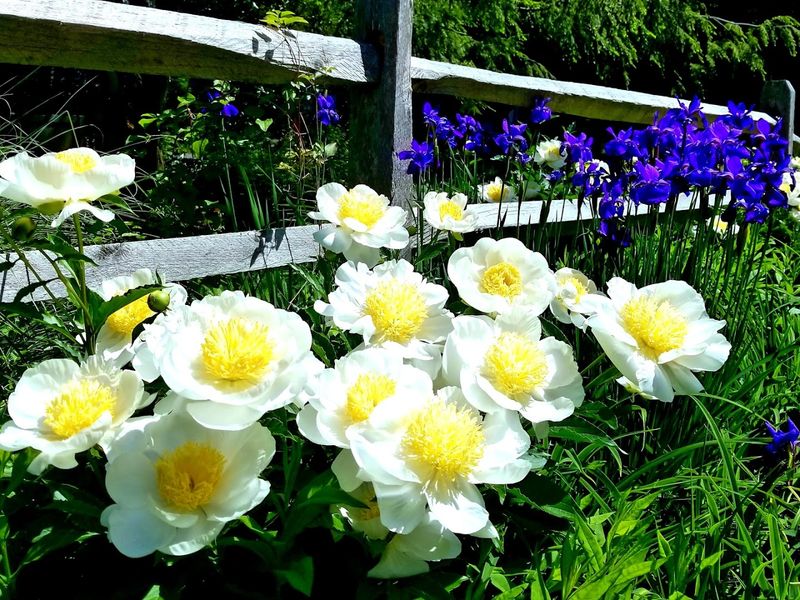
Spring is the season that turns this garden into something people talk about for weeks afterward, with a succession of blooms that starts in late March and carries through into early June.
Daffodils and Virginia bluebells open early in the season, followed closely by trilliums, bloodroot, and wild ginger that carpet the shaded floor of the gorge in waves of white and pink.
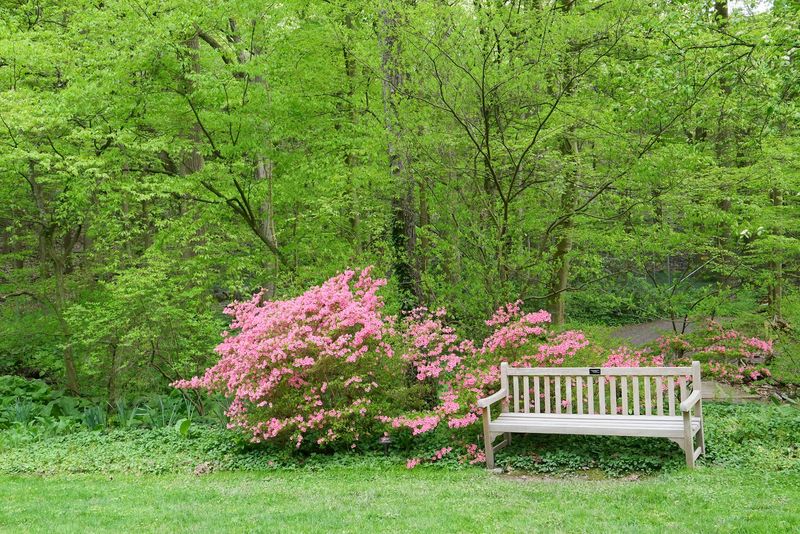
Rhododendrons and azaleas come into their full color as May progresses, and the combination of flowering shrubs against the dark grey rock creates a contrast that photographs extremely well.
The peak of the bloom season typically falls around late April through mid-May, which is when the garden receives the most visitors and when the parking lots are most likely to fill up quickly.
Getting there right when the garden opens at 10 AM on a weekday gives you the best chance of having the gravel paths mostly to yourself during that prime spring window.
The Trail System and How to Navigate It
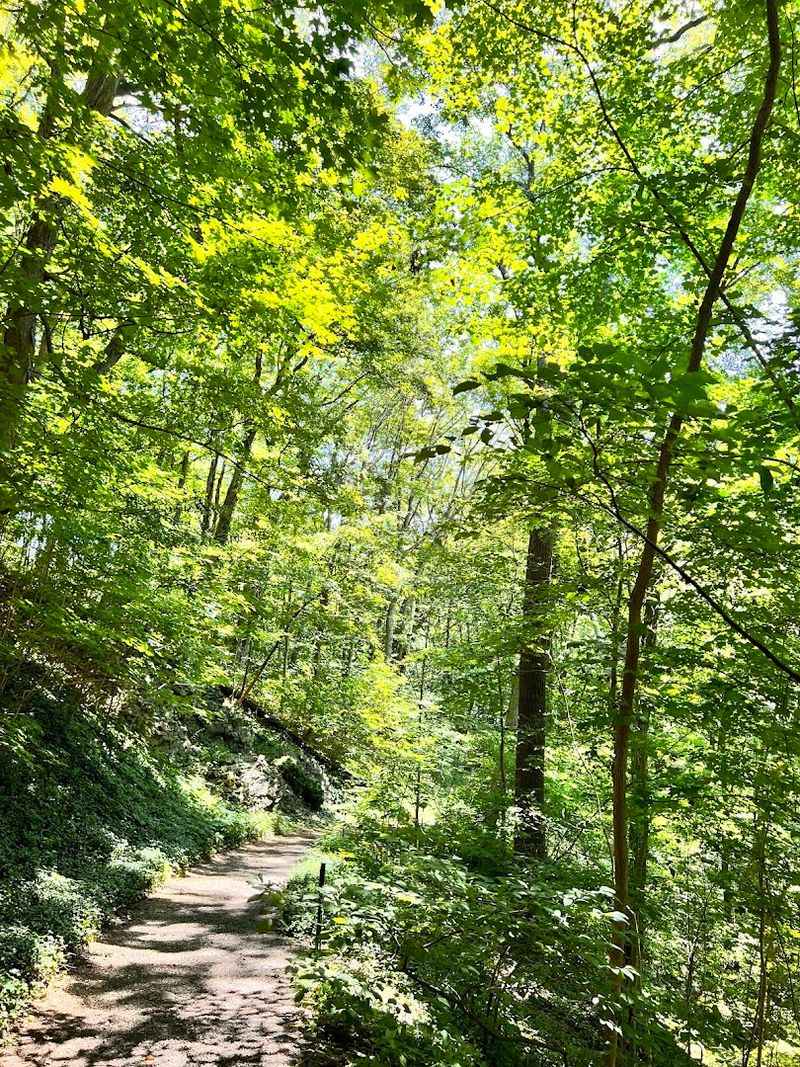
The trail network at this garden is compact but genuinely varied, with gravel paths that wind through the gorge, climb rocky ridges, and loop around the lower pond area in a way that never feels repetitive.
A trail map from the visitor center shows the main routes clearly, and most visitors can cover the entire property in about an hour, though taking your time easily stretches that to two hours or more.
Some sections of the path involve stone steps and steeper grades where the terrain rises along the gorge walls, so comfortable walking shoes with some grip are a practical choice over sandals or dress shoes.
The lower paths near the ponds are more level and accessible, making them a good option for visitors who prefer a flatter route without the elevation changes of the upper gorge trails.
Small wooden bridges cross the stream at several points along the route, and those bridge spots tend to be where people naturally pause to take photos or just stand quietly for a moment.
The Lily Pad Pond and Lower Garden
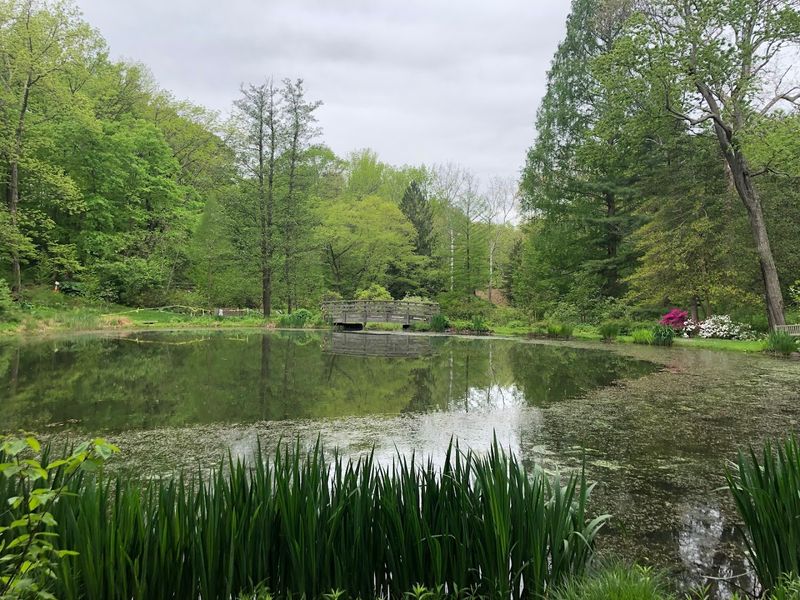
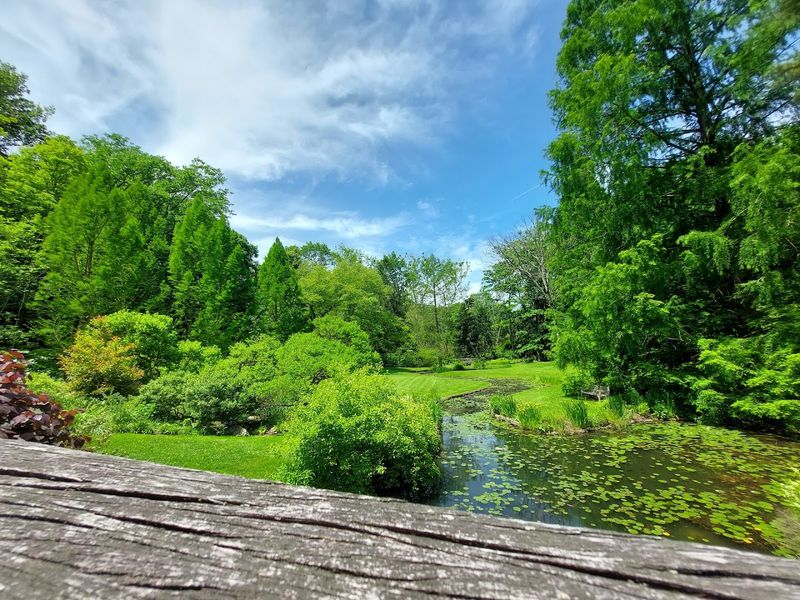
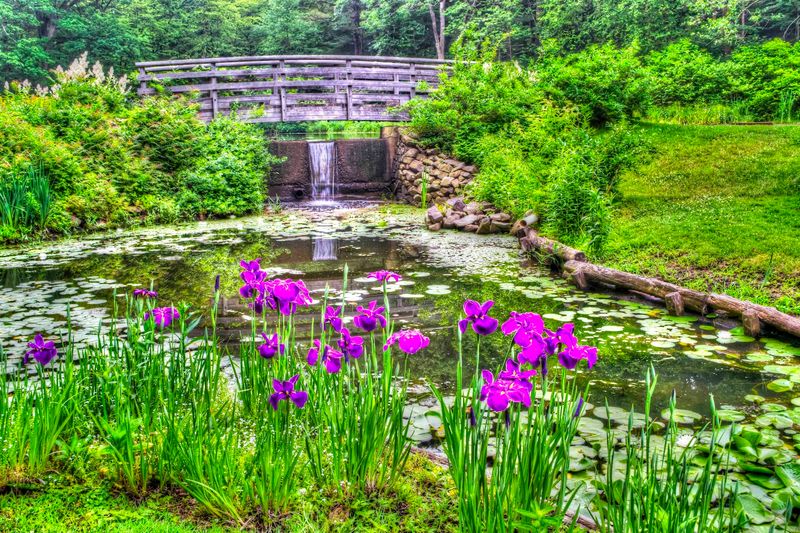
Down at the lower section of the garden, a wide pond covered in lily pads stretches out in a way that feels completely out of proportion with the modest size of the surrounding landscape, in the best possible way.
The pond supports frogs, turtles, and fish that are visible from the bank, and watching a turtle surface near a cluster of lily pads is the kind of small, unhurried moment this garden specializes in delivering.
A low water fountain sits in the center of the lower pond, and while it adds a bit of movement to the water surface, it is subtle rather than dramatic, keeping the focus on the plants and wildlife around it.
A gazebo near the lower pond provides a shaded spot to sit, and several benches along the bank offer places to settle in without feeling like you need to keep moving.
The lily pad pond is at its most photogenic in summer, but even in late spring the water plants are already well established and the wildlife around the bank is active throughout the day.
Native Plants and Rare Species Worth Spotting
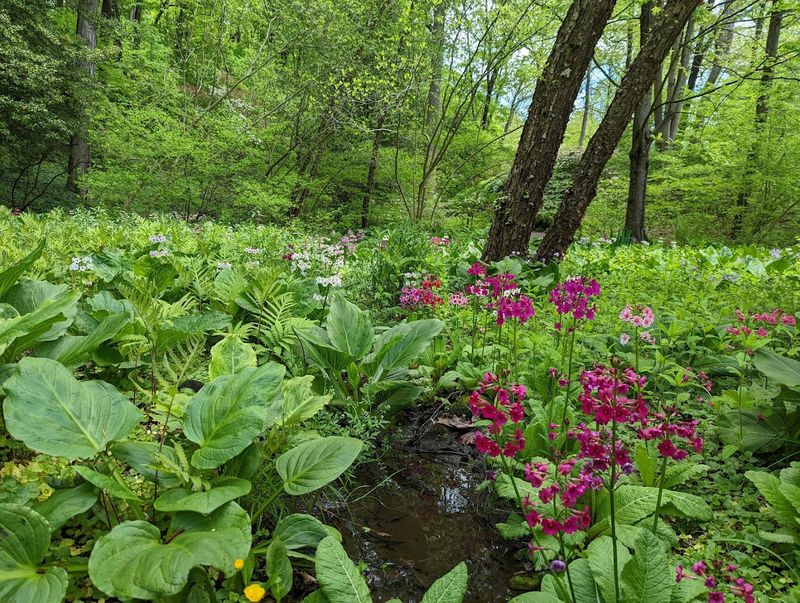
One of the things that separates this garden from a typical public park is the deliberate focus on native and naturalized plants that are suited to the rocky, woodland environment of the New Jersey Highlands region.
The plant list available at the visitor center runs long, covering ferns, native perennials, flowering shrubs, and specimen trees that have been introduced to the garden over its decades of development.
A notable redwood tree near the lower lot path stands out as one of the more unexpected specimens on the property, and it has grown to a size that makes it hard to miss once you know to look for it.
Trilliums are among the most sought-after spring wildflowers in the northeastern United States, and this garden has healthy populations of them growing naturally in the shaded gorge sections during April and early May.
The plant list from the visitor center is genuinely useful for anyone interested in identifying specific species, and the staff are knowledgeable enough to point you toward whatever is currently in peak bloom on any given visit.
The Visitor Center: Small but Mighty
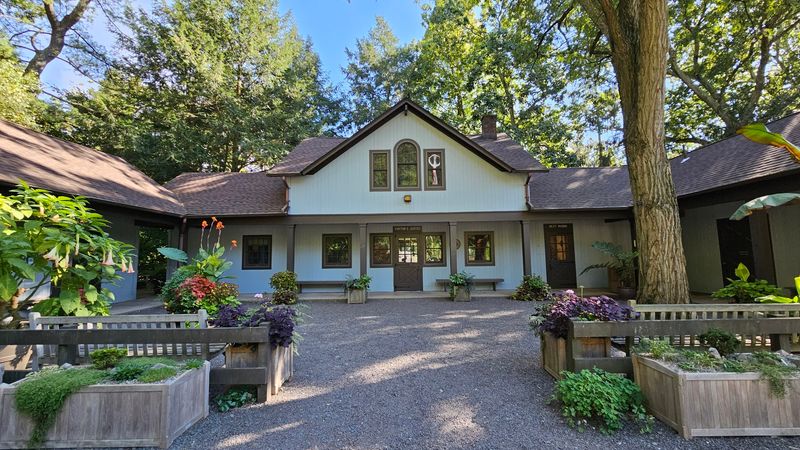
The visitor center at Leonard J Buck Garden is not large, but it covers everything a first-time visitor actually needs, including trail maps, a plant species list, background history on Leonard Buck himself, and clean restroom facilities.
The restrooms at this garden have become a minor point of conversation among visitors because they use an environmentally efficient composting toilet system rather than standard plumbing, which keeps the facility sustainable and well-maintained without a traditional sewage hookup.
A water bottle refill station is available at the visitor center, which is a practical detail worth knowing before you head out on the trails, especially on warmer spring and summer days.
Staff at the center are friendly and genuinely helpful, and they can tell you which areas of the garden are currently blooming most actively, saving you from wandering the whole property before finding the best color.
The visitor center also has air conditioning inside, making it a comfortable place to pause and orient yourself before heading out onto the gravel paths for your walk.
Admission, Donations, and What It Costs
Admission to Leonard J Buck Garden is free, which makes it one of the better-value public gardens in the entire state of New Jersey, particularly given the quality of the plantings and the maintenance level of the trails.
A suggested donation of six dollars per adult and three dollars per senior or student is posted at the garden, and contributing that amount is a straightforward way to support the ongoing maintenance of the property.
Somerset County manages the garden as part of its parks system, so the funding model depends on a combination of county budget support and visitor contributions to keep things running at the standard visitors currently enjoy.
There are no food vendors or concession stands on the property, so bringing your own water and a packed lunch is the practical approach if you plan to spend more than an hour on the grounds.
A partly shaded picnic area with a small number of tables is available near the parking area, giving visitors a designated spot to eat without needing to carry everything back to their cars.
Photography Opportunities Throughout the Garden
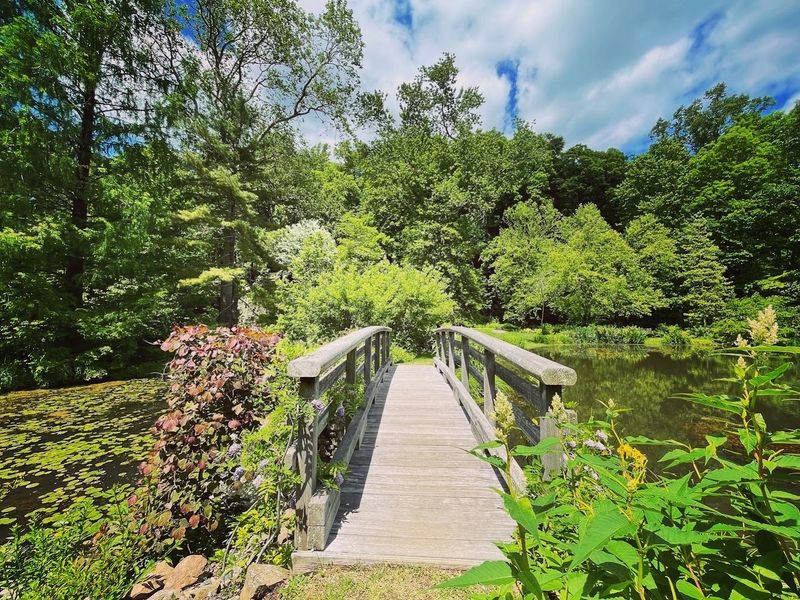
This garden has quietly developed a reputation among landscape and nature photographers in the New Jersey area, and it is not hard to understand why once you start walking the paths with a camera in hand.
The combination of textured rock surfaces, moving water, wooden bridges, and seasonal flowers creates a range of compositions that work across different lighting conditions and seasons throughout the year.
Morning light on weekdays is particularly good for photography because the garden opens at 10 AM and the lower angle of spring sunlight filters through the tree canopy in ways that add depth to shots of the gorge and stream.
The bridge near the lily pond is one of the most photographed spots on the property, and the redwood tree near the lower lot path is another location that tends to stop photographers in their tracks.
Macro photography of native wildflowers during peak spring bloom is especially rewarding here, since species like trillium and bloodroot present clean, detailed subjects against the natural backdrop of mossy rock and leaf litter.
Wildlife You Might Encounter on the Trails
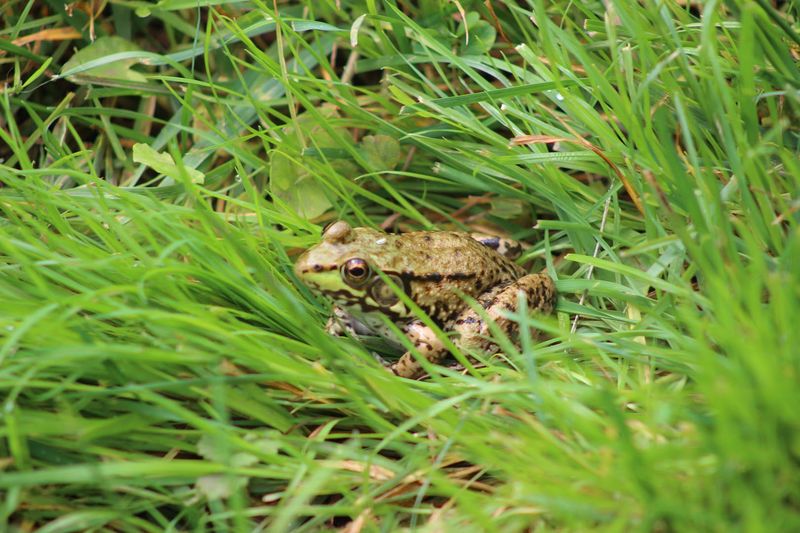
Beyond the plants, this garden supports a quiet but active community of wildlife that makes itself visible to patient visitors who are not in a rush to cover the entire trail network in one pass.
Turtles are a consistent presence along the pond edges, often found basking on rocks or logs near the water, and frogs are audible and visible throughout the warmer months from spring through early fall.
Fish move through the clear water of the lower pond and are visible from the bank without any special effort, which makes the pond a natural stopping point for kids and adults alike during any visit.
Birds are active throughout the garden, particularly in the wooded sections of the gorge where the tree canopy provides cover for a variety of woodland species during spring migration season in April and May.
Bringing insect repellent is a practical recommendation for summer visits when the vegetation is dense and the stream corridor creates conditions that favor mosquitoes during the warmer and more humid months.
Visiting in Other Seasons Beyond Spring
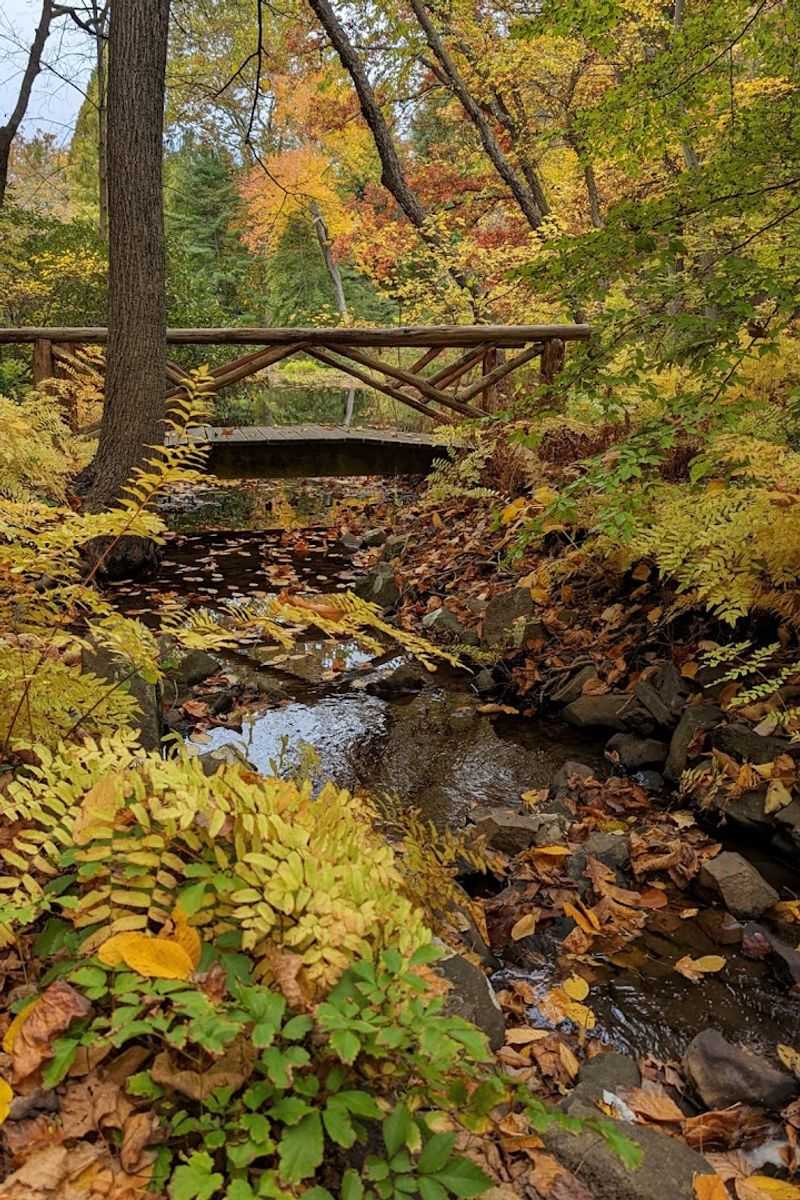
Spring gets most of the attention at this garden, and rightly so, but the property has genuine appeal across other seasons that make repeat visits worthwhile at different points in the year.
Summer brings the lily pads to their fullest spread across the lower pond, and the dense tree canopy over the gorge trails provides shade that makes a midday walk far more comfortable than it would be in an open park.
Fall color in the gorge is quiet rather than dramatic, with the deciduous trees and shrubs shifting through yellows and oranges against the permanent grey of the rock outcroppings in October and into November.
Winter visits are possible during open hours and offer a completely different perspective on the garden structure, with the rock formations and stream becoming the main visual elements once the foliage has dropped.
One longtime visitor noted that the garden reaches its absolute peak just around the start of summer, but that it holds something worth seeing at any point in the calendar year.
Practical Tips for Planning Your Visit
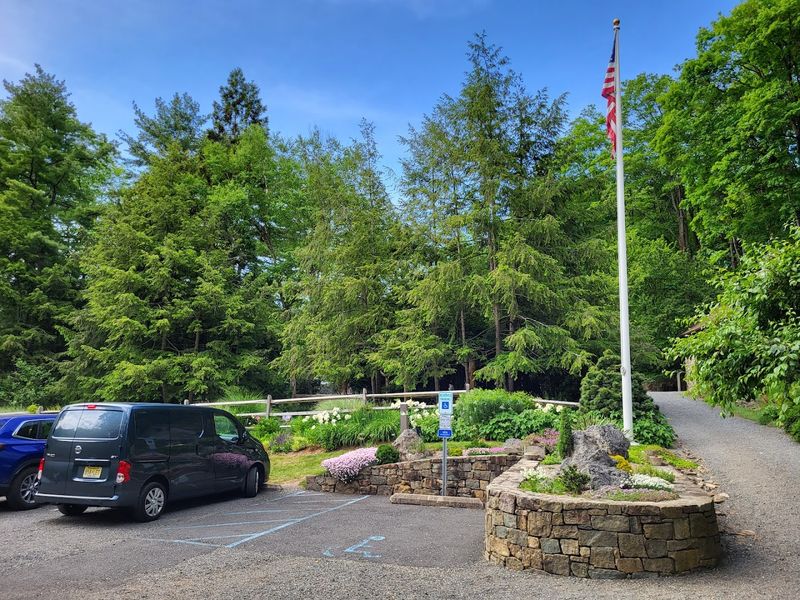
Checking the hours before you go is genuinely important here because the garden is open Monday through Friday from 10 AM to 4 PM and is closed on both Saturday and Sunday, which catches a lot of potential visitors off guard.
Parking fills up faster than the lot size suggests it should, especially during the spring bloom season from late April through May, so arriving close to the 10 AM opening time gives you the best chance at a spot in the main or overflow lot.
Street parking along Layton Road is a workable backup option, and the walk from the road to the entrance is not far, though crossing the road requires attention since traffic moves through at a reasonable pace.
Comfortable walking shoes with some grip are the right call for the gravel and stone paths, particularly in the sections of the gorge where the trail climbs and the surface becomes less even underfoot.
The garden does not have garbage cans on the grounds, so packing out any food wrappers or trash is part of the visitor code here, and the grounds stay clean because people actually follow it.
Why This Garden Deserves a Spot on Your List
After spending time at Leonard J Buck Garden, it becomes clear why this place holds a 4.7-star rating across more than 500 reviews from people who found it and came back to tell others about it.
The combination of free admission, well-maintained trails, a genuinely helpful visitor center, and a natural rock gorge setting that no amount of landscaping budget could replicate from scratch makes this a rare public park in every sense.
It works equally well as a solo afternoon outing, a quiet walk with a partner, a family trip with curious kids who want to spot frogs and turtles, or a photography excursion with no particular agenda beyond seeing what is currently in bloom.
The garden rewards visitors who slow down, pick up a plant list at the visitor center, and actually pay attention to the details that Buck and his collaborators built into the landscape over decades of careful work.
Far Hills, New Jersey may sound like a place you pass through on the way to somewhere else, but this garden gives you a very good reason to make it the destination itself.



