 Unearth The Voyage
The latest Henley Passport Index reshapes the global travel landscape with surprising shifts and a few dominant standouts. Record visa-free access numbers reveal how diplomacy, stability, and smart policy translate into real-world mobility. These rankings matter for business, study, and spontaneous trips alike, spotlighting where travel friction keeps shrinking.
Dive in to see which passports open the most doors in 2026 and why the balance of power is changing.
Singapore: The Unrivaled Global Passport
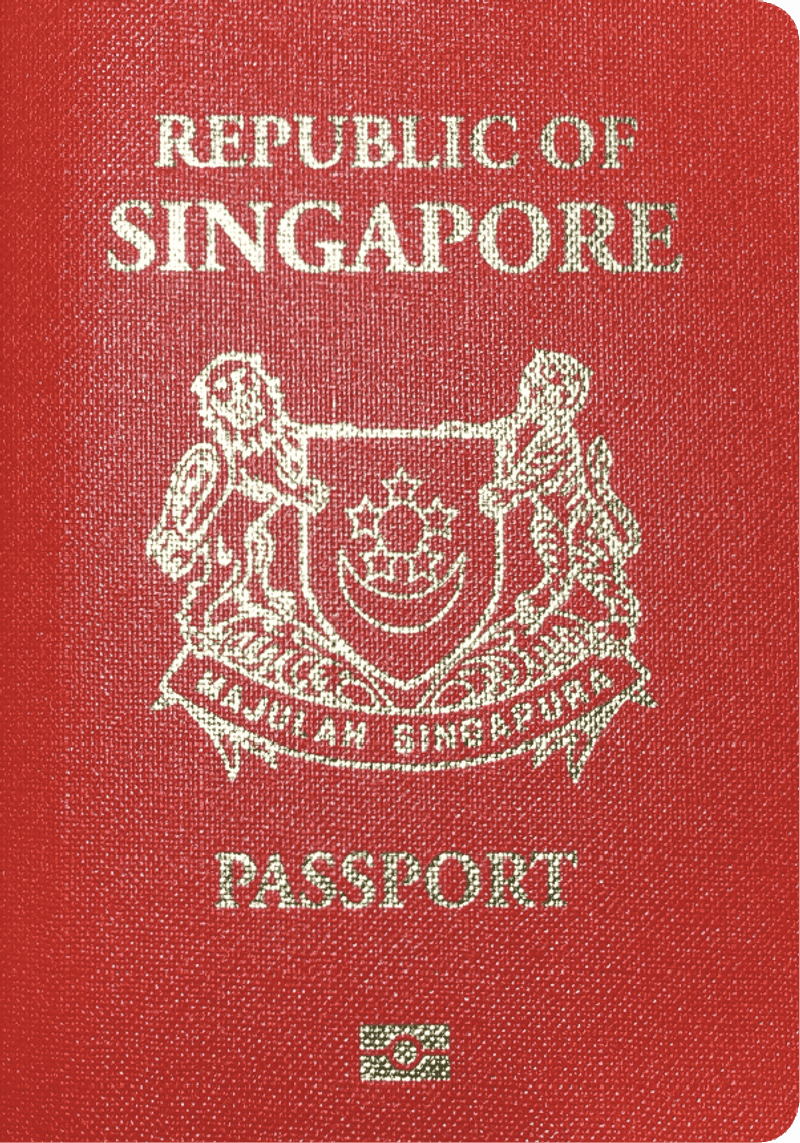
Singapore leads the 2026 charts with extraordinary reach, enabling smooth entry across continents without advance paperwork. The Henley Passport Index credits around 192 destinations with visa-free or visa-on-arrival access, underscoring deep diplomatic trust. Major hubs across the EU, the U.K., Japan, and Southeast Asia are typically accessible, reducing planning friction and delays.
This dominance springs from consistent economic stability, security standards, and cooperative agreements that signal low risk to host countries. Business travelers gain rapid access to markets, conferences, and dealmaking sites with minimal administrative drag. Students and researchers benefit from simpler admission to academic centers, exchange programs, and internships worldwide.
Tourists see equally tangible advantages, from last-minute city breaks to extended multi-country itineraries. The passport’s convenience compounds when connecting through Schengen or East Asian corridors, where entry rules are straightforward. In a volatile world, reliable mobility translates into opportunity, agility, and resilience.
Singapore’s model showcases how diplomacy and performance metrics align with real benefits at the border. As competitors chase parity, policy nuance and bilateral alignment remain decisive. For 2026, the city-state sets the gold standard for freedom of movement.
Japan: Asia’s Mobility Powerhouse
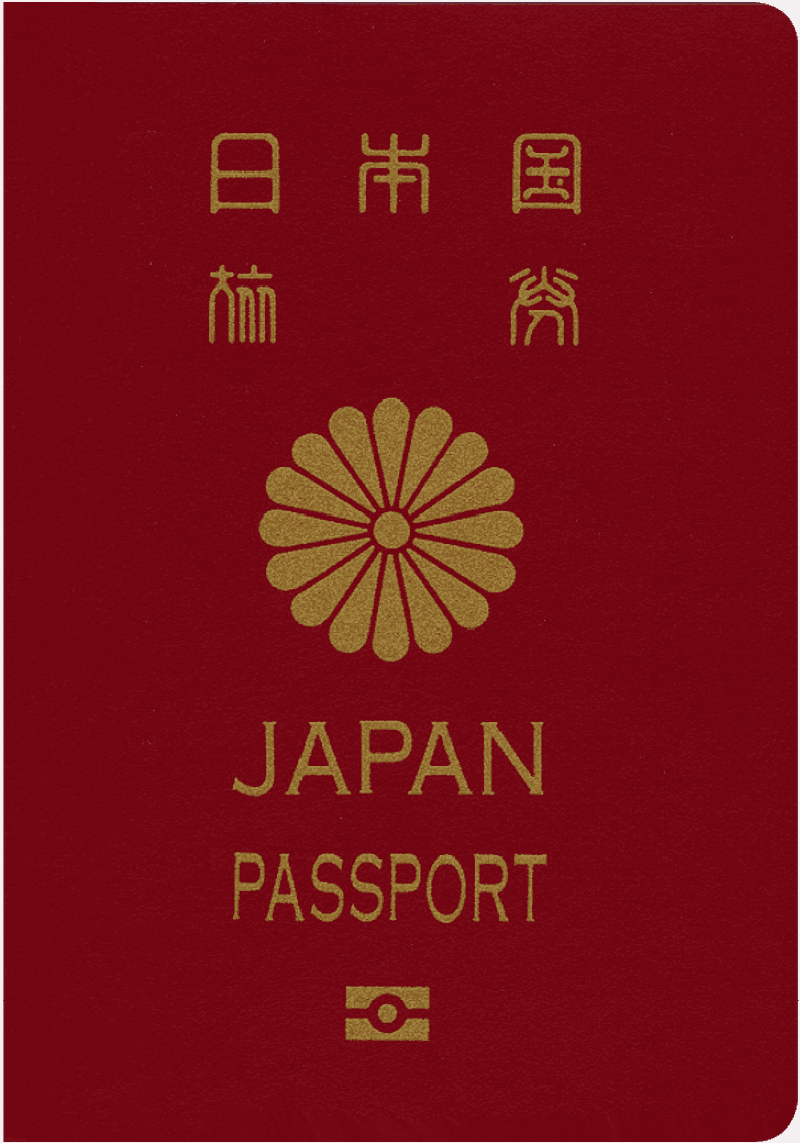
Japan maintains a near-top position in 2026, reflecting decades of dependable diplomacy and security cooperation. With visa-free or visa-on-arrival access to roughly 188 destinations, this travel document signals low risk and high trust. Access across Europe, the Americas, and Asia typically involves straightforward border procedures.
Practical benefits stack up quickly. Executives can confirm meetings and fly within days, not weeks. Students and cultural professionals encounter smoother entry for residencies, festivals, and research collaborations, accelerating timelines and broadening choices.
Tourism plans become more flexible, supporting multi-city loops and spontaneous stopovers. Reliable reciprocity arrangements help avoid unexpected policy whiplash, even as global rules evolve. Japan’s strong consular network further reduces uncertainty during emergencies or route changes.
The ranking is not only a badge of prestige but also a productivity engine. When borders open easily, opportunities scale faster and risk declines. In 2026, Japan’s passport illustrates how stability, legal rigor, and partnership agreements translate into frictionless movement.
South Korea: Rising to the Top
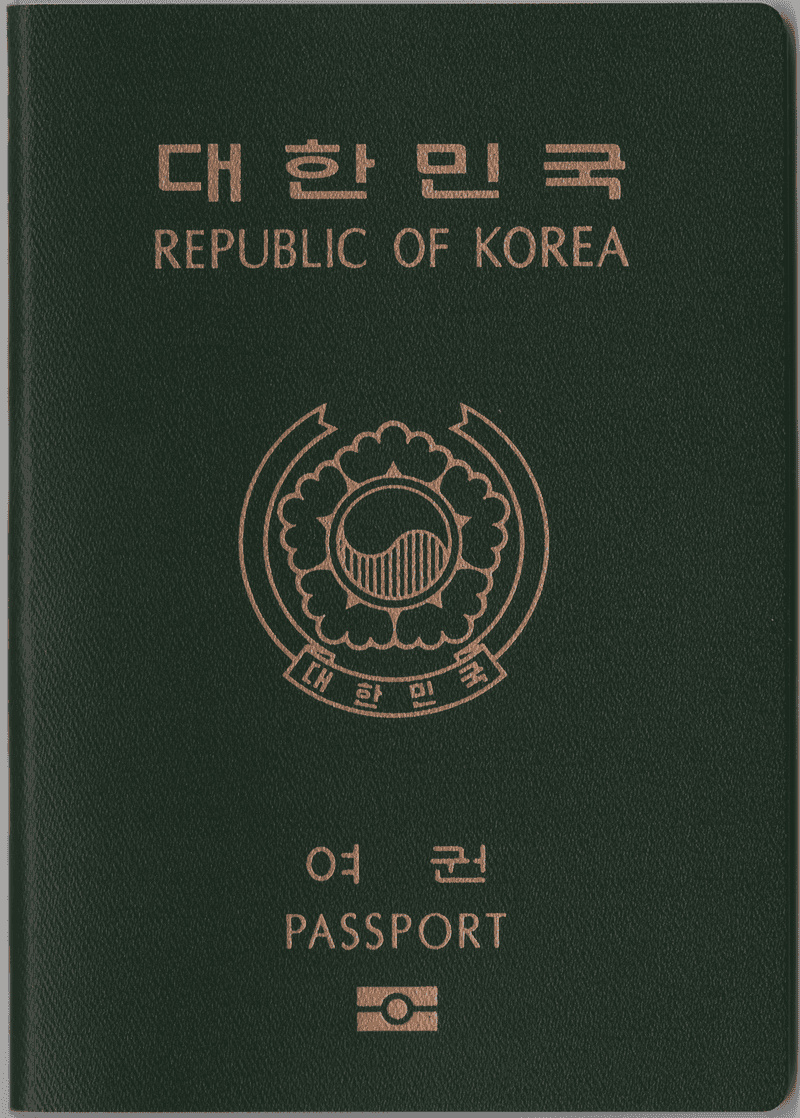
South Korea advances as a premier mobility credential in 2026, aligning closely with Asia’s strongest performers. Visa-free or visa-on-arrival access spans approximately 188 destinations, placing it alongside long-established leaders. The surge reflects targeted diplomacy, trade agreements, and trusted security standards.
Practical outcomes are substantial. Frequent travelers enjoy faster market entry, from Silicon Valley to Frankfurt, with fewer pre-departure hurdles. Students and creatives tap into scholarships, residencies, and festivals with timelines that match modern career pacing.
Tourist itineraries can be built with flexible routes, enabling efficient multi-country circuits across Europe and Asia. Consistent policies reduce last-minute scramble for documents or interviews. Strong consular support adds a safety net for disrupted itineraries and unforeseen events.
South Korea’s climb illustrates how strategic alignment with global systems can equalize mobility with Western stalwarts. As bilateral visa waivers deepen, travel friction continues to drop. In 2026, the Korean passport stands as proof that focused policy can transform international access within a generation.
Denmark, Luxembourg, Spain, Sweden & Switzerland: Elite European Cluster
Five European states share a coveted 2026 tier, each granting around 186 visa-free or visa-on-arrival destinations. Denmark, Luxembourg, Spain, Sweden, and Switzerland combine robust domestic institutions with broad international trust. Schengen membership or alignment amplifies intra-European fluidity and onward connections.
For travelers, this cluster delivers convenience across North America, Asia, Oceania, and significant parts of Africa. Business trips align more easily with market cycles and conference seasons. Academic and professional exchanges find fertile ground with predictable timelines and standardized procedures.
Tourism benefits include seamless rail-to-flight transitions and multi-country itineraries without repetitive checks. Border processes frequently prioritize efficiency and data integrity, expediting arrival formalities. Consular networks maintain strong crisis response capacity when disruptions occur.
These passports illustrate how regional alliances extend reach beyond national borders. Shared standards, information agreements, and mutual recognition yield compounding returns. In 2026, the elite European cluster remains a benchmark for practical mobility with strategic depth.
European All-Stars: Austria, Belgium, Finland, France, Germany, Greece, Ireland, Italy, Netherlands, Norway
Ten European nations share the fourth spot in 2026 with access to approximately 185 destinations. Austria, Belgium, Finland, France, Germany, Greece, Ireland, Italy, Netherlands, and Norway showcase the compounding power of European integration. Mutual trust frameworks and standardized security underpin this broad acceptance.
Real-world effects are immediate. Corporations can mobilize teams quickly for tenders, due diligence, and trade fairs. Students and professionals secure placements with fewer administrative detours, widening the pipeline for talent and collaboration.
Tourists gain flexibility for cross-border routes from Iberia to the Nordics and onward to transatlantic gateways. Predictable entry rules reduce uncertainty around documentation and interviews. Consular infrastructure helps mitigate disruption, from airline cancellations to health emergencies.
These passports balance quality of life with global access, making them desirable and resilient. Their strength underscores how diplomacy, data sharing, and legal harmonization unlock practical freedom. In 2026, the European All-Stars remain a durable foundation for global mobility.
UAE with Portugal, Hungary, Slovakia, Slovenia: Five-Country Fifth Place
The United Arab Emirates achieves a standout ranking in 2026 alongside Portugal, Hungary, Slovakia, and Slovenia, with access near 149 destinations. For a young nation, the UAE’s ascent reflects deliberate outreach and targeted visa-waiver diplomacy. Strategic economic links across logistics, energy, and tourism have translated into trusted mobility.
Travelers benefit from stronger access across the Middle East, South and East Asia, and an expanding European footprint. Streamlined procedures reduce lead times for meetings, exhibitions, and investment scouting. Educational and cultural exchanges increasingly operate on predictable schedules.
For the European partners in this tier, Schengen connectivity pairs with broad bilateral networks. Together, the five-country group demonstrates how policy coordination and reputation can accelerate passport power. Consular institutions have scaled to support higher travel volumes responsibly.
This shared fifth place signals a more multipolar mobility map. As agreements deepen, the gap with traditional leaders may narrow further. In 2026, agile diplomacy proves that access can be built quickly through credible commitments and reciprocal trust.
Australia, United Kingdom, Latvia & Liechtenstein: Shared Sixth Tier
Australia, the United Kingdom, Latvia, and Liechtenstein share a strong sixth tier with about 182 visa-free or visa-on-arrival destinations. Mobility spans Europe, North America, and major Asian gateways, supporting frequent travel without heavy paperwork. Historic ties and steady diplomacy keep doors open even amid shifting rules.
Australia’s network reflects consistent policy and alignment with key economies. The UK retains extensive reach, though slightly lower than past peaks, sustained by deep cultural and trade links. Latvia and Liechtenstein benefit from European integration and high governance standards.
Tourism plans become easier to assemble, enabling efficient multi-leg trips. Business travelers can adapt to unpredictable schedules with less lead time for permissions. Consular services across this group maintain robust crisis readiness and traveler support.
Context matters in 2026. The United States sits at 11th with roughly 180 destinations, marking a notable slip outside the top 10. The shared sixth tier shows traditional Western passports remain formidable, even as new contenders rise.



