 Unearth The Voyage
Starting the new year right means more than just resolutions and celebrations. Around the world, people follow age-old traditions about which foods to eat and which ones to avoid on January 1st. Many cultures believe that what you consume on New Year’s Day can shape your luck, health, and fortune for the entire year ahead. These superstitions have been passed down through generations, each with fascinating stories and symbolic meanings worth exploring.
1. Chicken
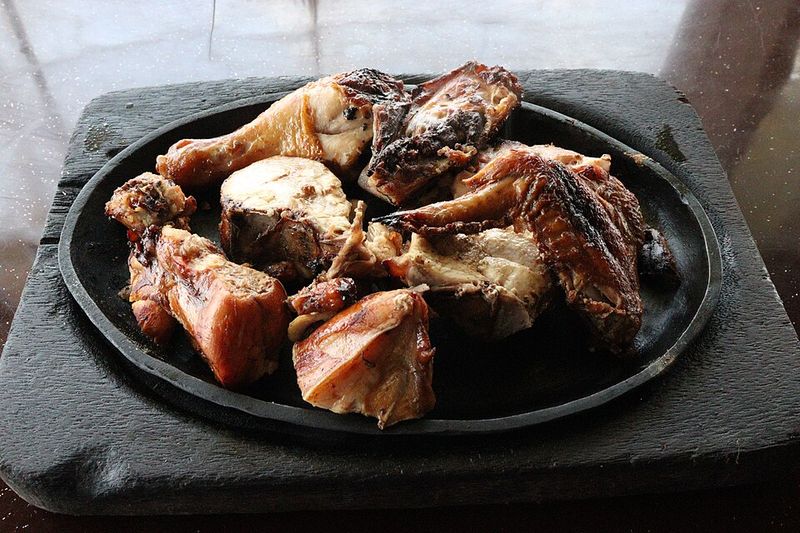
Scratching through dirt and pecking at the ground might seem like normal chicken behavior, but this backward movement carries heavy symbolism in many cultures. When chickens search for food, they scratch backward with their feet, which some believe represents moving backward in life rather than forward.
This superstition is especially strong in Southern United States traditions and various Asian cultures. Families worry that eating chicken on January 1st might cause them to lose progress or face setbacks throughout the year.
The fear isn’t about the taste or nutrition of chicken itself. Instead, people want to start their year moving forward toward success and prosperity. They choose other meats like pork or beef, which don’t carry the same negative associations.
Some families take this tradition so seriously that they won’t even allow chicken broth or chicken-flavored foods in their New Year’s meals.
2. Lobster
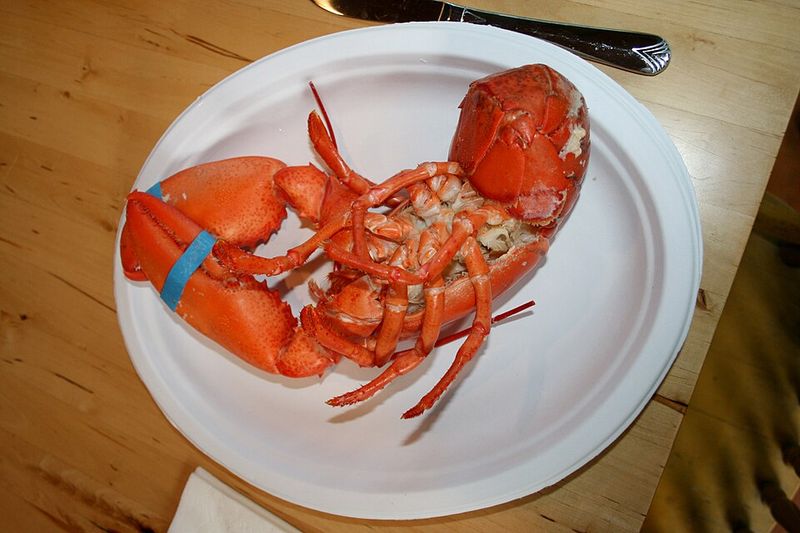
Lobsters possess an unusual ability to swim backward rapidly when they sense danger, propelling themselves through water in reverse. This natural defense mechanism has made them unwelcome guests at New Year’s celebrations in coastal communities and beyond.
The symbolism is clear: eating an animal that moves backward might cause your own life to go backward. People want to avoid any hint of regression, financial loss, or missed opportunities in the coming year.
Despite being considered a luxury food item, lobster gets skipped on January 1st by superstitious families. The tradition is particularly strong in New England and parts of Canada where lobster fishing is common.
Some people extend this belief to the entire first week of January, just to be extra cautious. They save their lobster dinners for later in the month when the symbolic risk has passed.
3. Crab
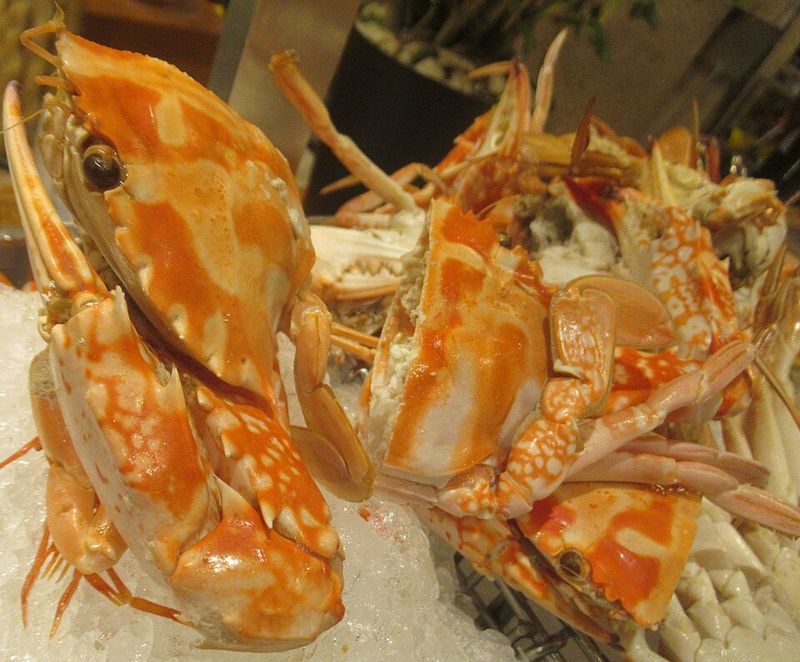
Watch a crab scuttle across the beach and you’ll notice something peculiar about its movement. Crabs walk sideways rather than forward, creating a symbol of going nowhere fast or staying stuck in one place.
This sideways shuffle makes crabs another seafood casualty of New Year’s Day superstitions. Many cultures associate forward movement with progress, growth, and success, while sideways motion suggests stagnation or lack of advancement.
Families hoping for promotions, better finances, or personal growth in the new year choose to avoid crab dishes entirely. The tradition appears in Asian communities, coastal regions, and among families who take food symbolism seriously.
Interestingly, some people believe that even crab-flavored snacks or imitation crab should be avoided. The symbolic meaning matters more than whether you’re eating actual crab meat or not, according to these traditions.
4. White Foods
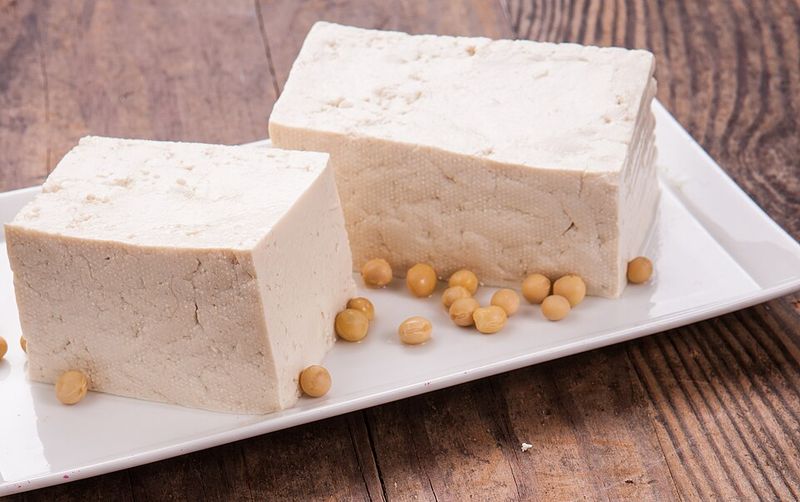
Color symbolism plays a powerful role in many East Asian cultures, and white carries particularly somber associations. White clothing, white flowers, and white foods are traditionally connected to funerals, death, and mourning periods.
Starting the new year with white foods like white rice, tofu, cauliflower, or white bread could invite sadness or loss into your home. Families prefer colorful, vibrant foods that represent joy, prosperity, and life instead.
This tradition is especially strong in Chinese, Korean, and Japanese communities. During celebrations, people choose red, gold, and green foods that symbolize good fortune and happiness.
Some families make exceptions for certain white foods if they’re mixed with colorful ingredients or sauces. The key is avoiding purely white dishes that could be mistaken for funeral food and bring unfortunate energy into the new year.
5. Leftovers
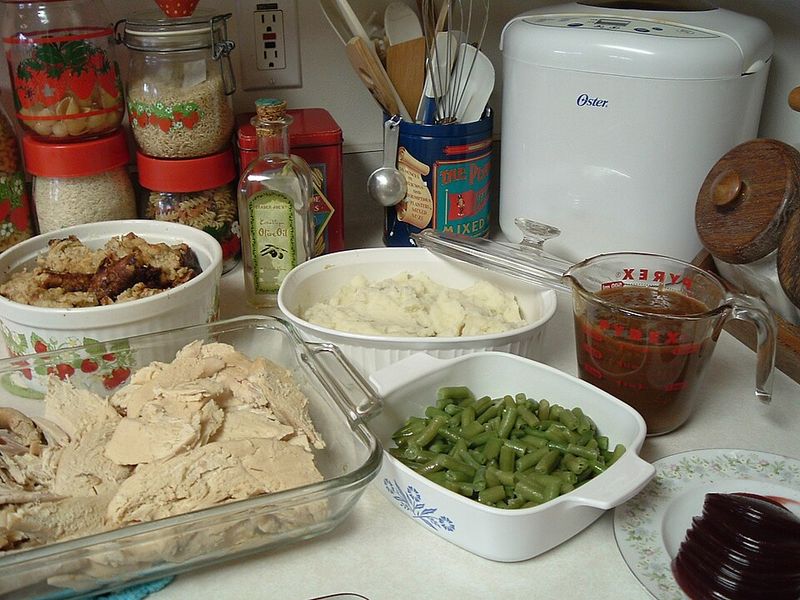
Fresh starts deserve fresh food, according to this widespread New Year’s superstition. Eating yesterday’s reheated meals on January 1st suggests you’ll be stuck with old, used things throughout the year rather than enjoying new opportunities and abundance.
The belief connects directly to concerns about poverty and scarcity. If you can’t afford fresh food on the year’s most important day, some worry this pattern might continue for twelve months.
Many families prepare exactly enough food for New Year’s Day or purposely cook elaborate fresh meals to demonstrate abundance. In some cultures, having abundant fresh food shows respect for the new year and invites prosperity.
This superstition doesn’t mean wasting food from December 31st celebrations. Smart families either finish everything before midnight or save leftovers for January 2nd when the symbolic danger has passed and normal eating patterns can resume safely.
6. Bread with Holes (Bagels, Donuts)
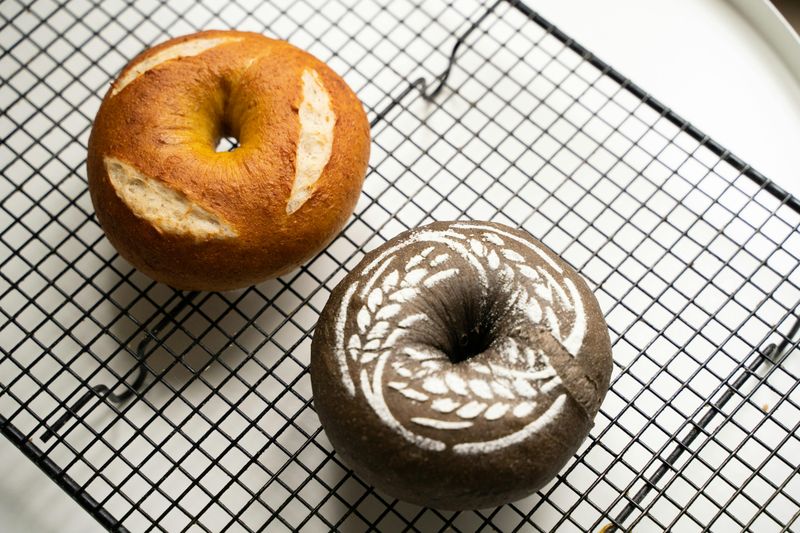
Holes represent emptiness, loss, and things slipping through your fingers in many cultural traditions. Bagels, donuts, and other bread products with holes in the middle become symbols of money escaping or luck disappearing into nothing.
The circular hole acts like a drain where your fortune might flow away throughout the year. Superstitious families choose solid bread like rolls, biscuits, or sliced bread without any gaps or openings.
This belief appears across multiple cultures, from Jewish communities to various European traditions. The reasoning is simple: why start the year eating something that literally has nothing in the middle?
Some bakeries even report lower sales of bagels and donuts around New Year’s Day in neighborhoods where this superstition remains strong. People would rather skip their favorite breakfast treat for one day than risk twelve months of financial difficulties or vanishing opportunities.
7. Scaleless Fish
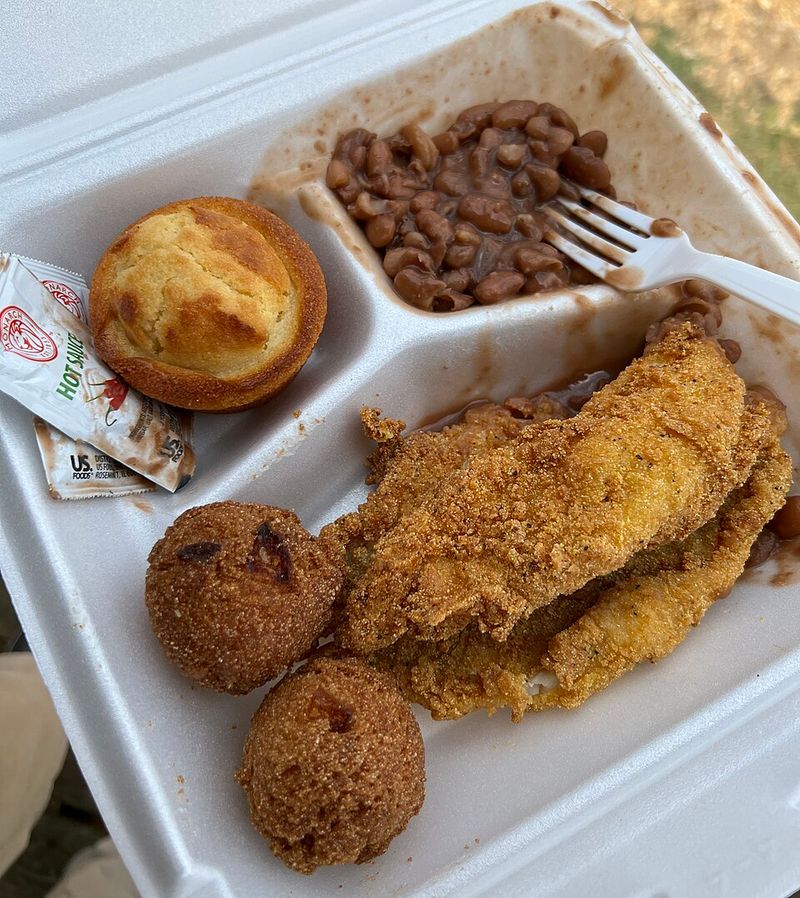
Scales provide fish with protection and stability in water, making them important symbols in Jewish dietary laws and various Asian traditions. Fish without scales, like catfish, eels, or sharks, lack this protective armor and are seen as vulnerable or unstable.
Eating scaleless fish on New Year’s Day might invite instability, lack of protection, or misfortune into your life. The smooth, slippery skin of these fish also suggests things sliding away or being unable to hold onto success.
Jewish traditions consider scaleless fish non-kosher for religious reasons, but the New Year’s superstition extends beyond religious law into cultural practice. Asian communities also avoid these fish, associating scales with prosperity coins or protective dragon armor.
Families stick to scaled fish like salmon, trout, or sea bass for their New Year’s meals. These fish represent stability, protection, and the ability to navigate life’s challenges successfully throughout the coming year.
8. Pears
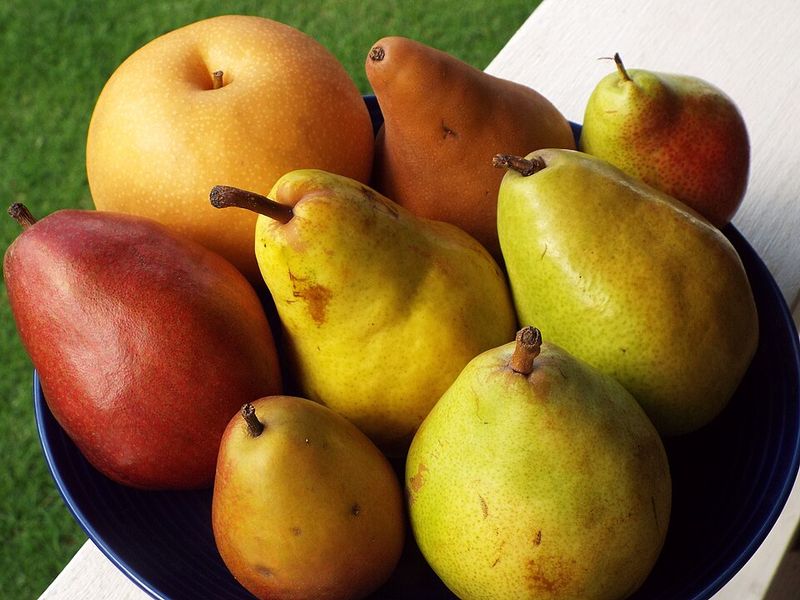
Language and pronunciation create powerful superstitions in Chinese culture, and pears fall victim to an unfortunate homophone. The Chinese word for pear sounds nearly identical to the word for separation or parting ways.
Serving pears during celebrations risks symbolically splitting up families, friendships, or romantic relationships. New Year’s Day focuses on unity and togetherness, making pears particularly unwelcome at the table.
This superstition extends beyond just eating pears. Some people won’t give pears as gifts or even display them as decorations during important celebrations and holidays throughout the year.
The tradition remains strong among Chinese communities worldwide, with families carefully selecting other fruits like oranges, apples, or pomegranates instead. These alternatives carry positive meanings like prosperity, peace, and fertility without any risk of accidentally inviting separation into relationships during the year ahead.
9. Short or Cut Noodles
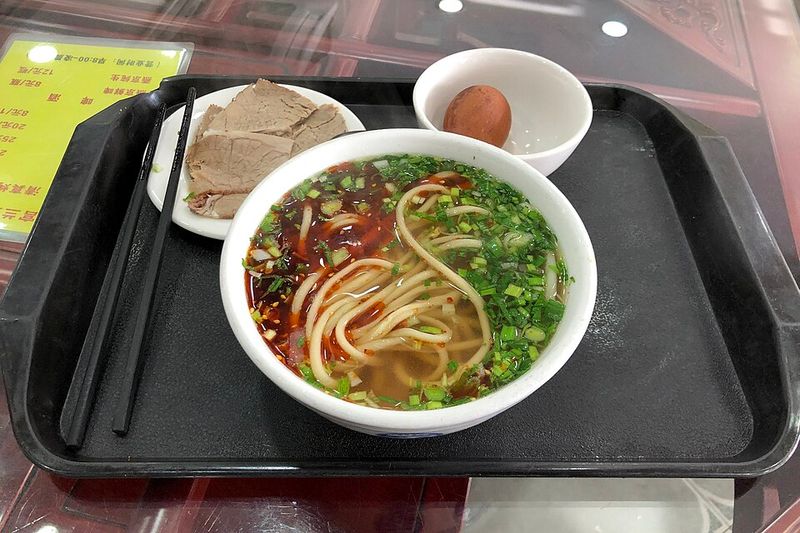
Long, unbroken noodles symbolize long life and extended good fortune in many Asian cultures. Cutting these noodles before or while eating them represents cutting your life short or severing your connection to luck and prosperity.
New Year’s noodle dishes are served with extra-long noodles that diners must carefully eat without breaking. Some noodles stretch several feet long, requiring skillful chopstick work to consume properly without snapping them.
The challenge becomes part of the celebration, with family members laughing and encouraging each other to slurp up impossibly long noodles. Breaking a noodle isn’t just bad table manners; it’s considered genuinely unlucky for the coming year.
This tradition appears in Chinese, Japanese, Korean, and Vietnamese New Year celebrations. Families serve special longevity noodles and remind children to be careful, treating the meal as both delicious food and an important ritual for ensuring long, healthy lives ahead.
10. Bitter Foods
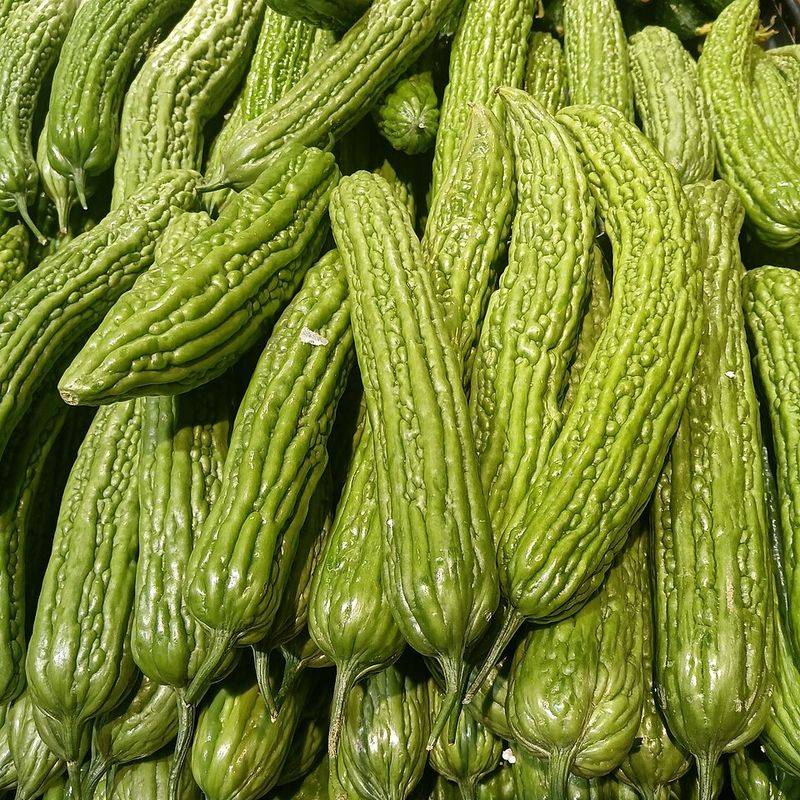
Taste carries meaning in food superstitions, and bitterness represents hardship, difficulty, and sorrow across many cultures. Starting the year with bitter flavors might curse you to experience bitter experiences throughout the following months.
Foods like bitter melon, extremely dark chocolate, bitter greens, or overly strong coffee get avoided on January 1st. People prefer sweet, savory, or mild flavors that represent pleasant experiences and happy times ahead.
The symbolism is straightforward and appeals to common sense: why would you want to taste bitterness on a day meant to set the tone for your entire year? Families choose foods that bring joy and satisfaction instead.
Some cultures make exceptions for foods that combine bitter with sweet, believing the sweetness can overcome the negative symbolism. However, purely bitter foods remain unwelcome at most New Year’s celebrations where people take food traditions seriously and want every advantage for good fortune.
11. Salty Foods
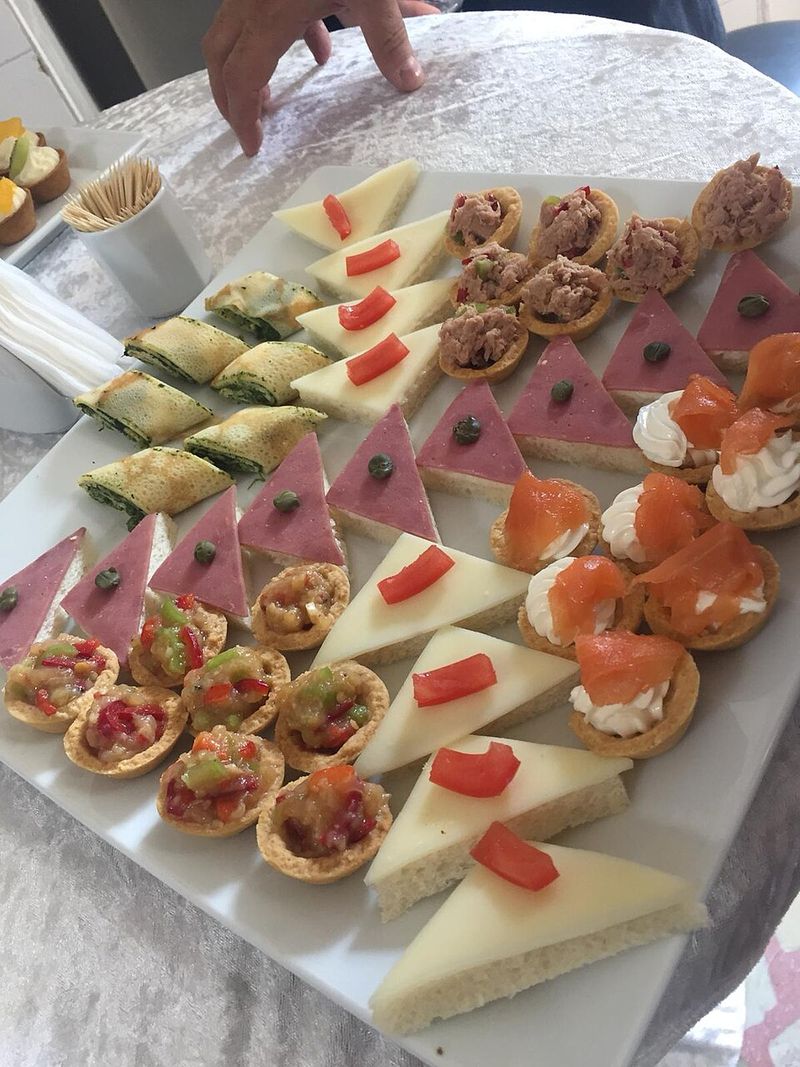
Salt crystals resemble tears when you look closely, creating an unfortunate association between excessively salty foods and crying or sadness. Eating very salty dishes on New Year’s Day might invite tears, emotional difficulty, or sorrowful events into your life.
This doesn’t mean avoiding all salt in cooking, but rather steering clear of extremely salty foods like heavily salted fish, oversalted snacks, or dishes where salt dominates the flavor profile. Moderate seasoning remains acceptable in most traditions.
The superstition connects to the idea that your first meal of the year sets the emotional tone for months to come. People want to feel happy, satisfied, and content rather than crying or experiencing the puckered, uncomfortable sensation of too much salt.
Families balance their New Year’s meals carefully, ensuring flavors lean toward sweet, savory, or umami rather than aggressively salty. This tradition appears across various cultures that value food symbolism and want to start their year on a positive note.
12. Black or Dark-Colored Foods (in some cultures)
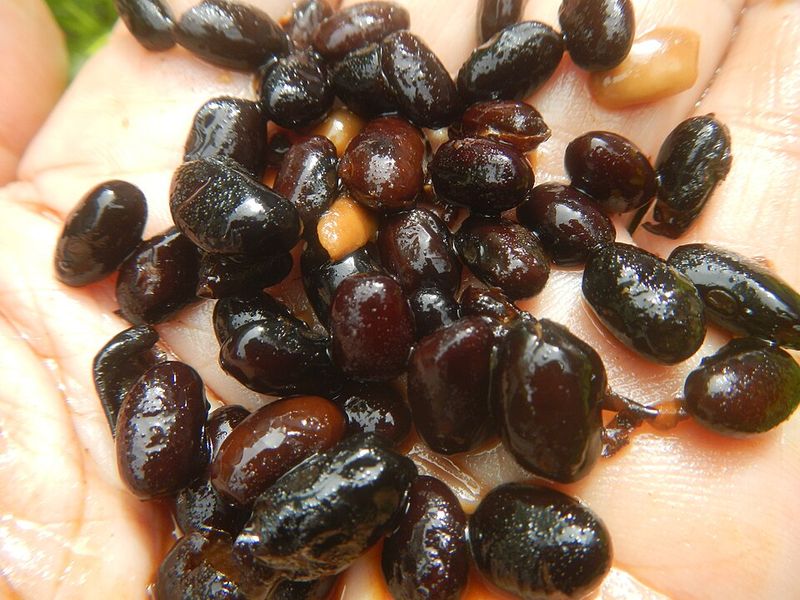
Color symbolism varies across cultures, and in parts of Asia, black represents mourning, death, and misfortune. Foods with naturally dark or black colors might carry negative energy into the new year, according to these traditions.
Black beans, black sesame, dark seaweed, or very dark mushrooms get avoided by superstitious families on January 1st. They prefer brightly colored foods that represent life, energy, and positive fortune instead.
Interestingly, this superstition doesn’t exist in all cultures. Some traditions actually consider black foods lucky or neutral, showing how food symbolism changes depending on cultural background and regional beliefs.
Where the superstition does exist, families carefully plan colorful New Year’s menus featuring red, gold, green, and orange foods. They save their black bean soup or seaweed salad for later in January when the symbolic concerns about color have passed and normal eating patterns can safely resume.
13. Sardines (in some Mediterranean traditions)
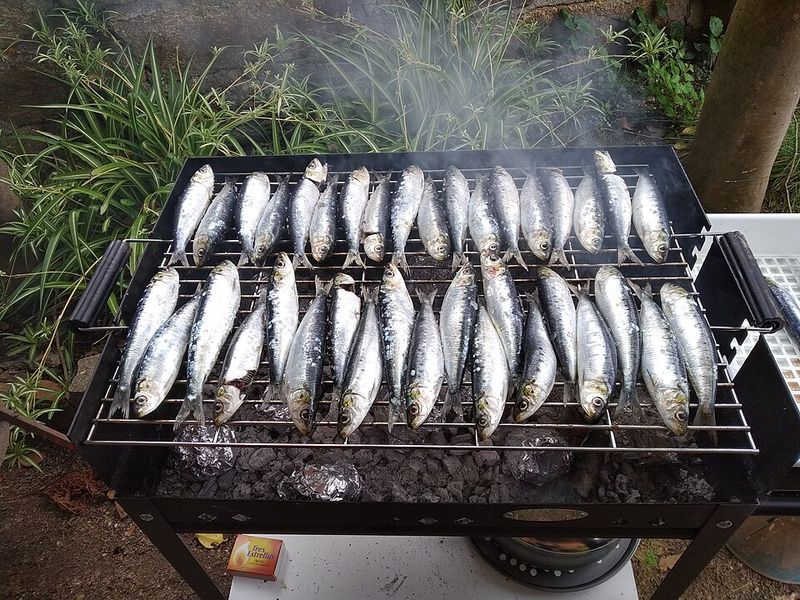
Open a can of sardines and you’ll notice something interesting: the fish are packed facing different directions, with some heads pointing left and others pointing right. This arrangement has created superstitions about conflict, disagreement, and division in some Mediterranean communities.
Eating sardines on New Year’s Day might invite arguments, family conflicts, or divisiveness into your household throughout the year. The opposing directions of the fish symbolize people working against each other rather than together in harmony.
This tradition is less widespread than some other food superstitions but remains important in certain Italian, Spanish, and Portuguese families. They choose other fish that are served whole and pointing the same direction, representing unity and cooperation.
Fresh sardines served all facing the same way might escape this superstition in some families, but others avoid sardines entirely on January 1st. They prefer fish like sea bass or trout that don’t carry any symbolic risk of bringing conflict into their homes.
14. Eggs
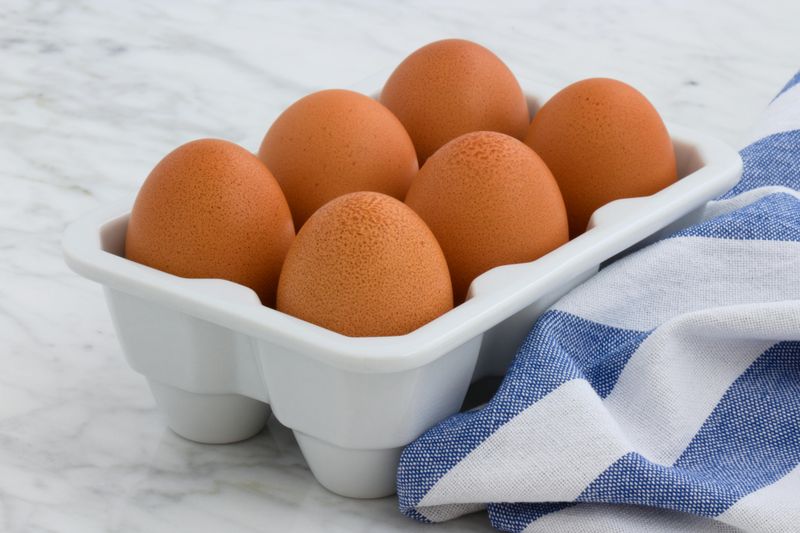
Fragile and easily broken, eggs symbolize delicate luck that could crack or shatter in certain European traditions. Starting the year by eating eggs might mean your good fortune will be fragile, easily damaged, or break apart when you need it most.
The smooth, breakable shell represents how quickly things can go wrong if you’re not careful. Superstitious families avoid eggs entirely on January 1st, choosing more substantial proteins that suggest strength and durability instead.
This belief appears in various forms across different European countries, though it’s not universal. Some cultures actually consider eggs lucky symbols of new beginnings and rebirth, showing how the same food can carry opposite meanings in different traditions.
Where eggs are avoided, families stick to meats, fish, or legumes for their New Year’s protein. They want their luck to be solid and unbreakable rather than as delicate as an eggshell that might crack at any moment throughout the coming year.
15. Fish That Swim Downward (e.g., flounder)
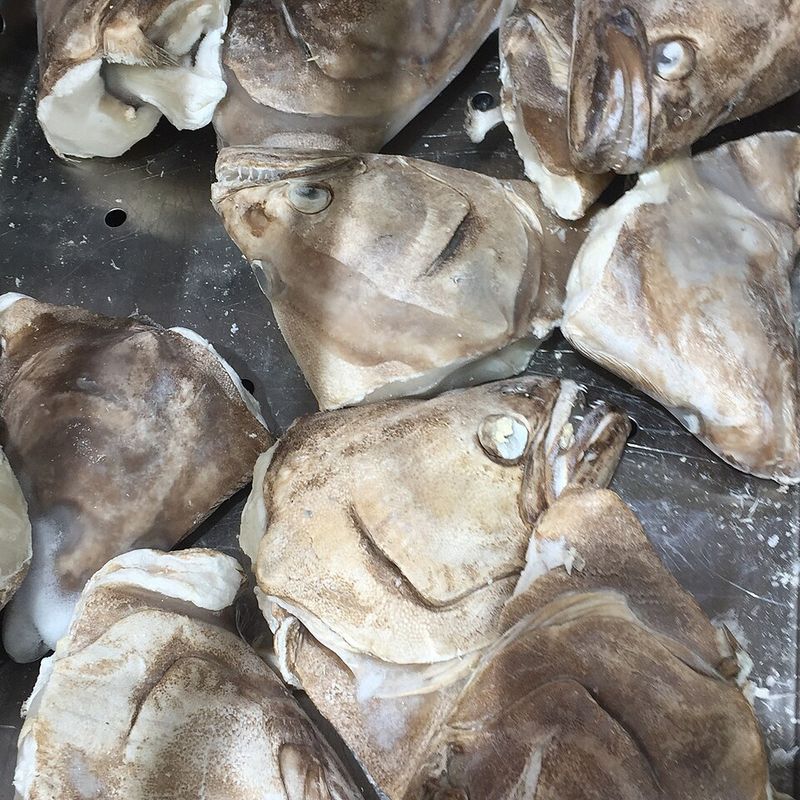
Bottom-dwelling fish like flounder spend their lives swimming near the ocean floor, facing downward rather than swimming upward or forward. This downward orientation creates negative symbolism about decline, falling fortunes, or sinking prospects in the year ahead.
People want to rise up, move forward, and reach higher levels of success in the new year. Eating fish that literally live at the bottom seems to contradict these aspirations and might invite downward movement in life.
The superstition prefers fish that swim actively in mid-water or near the surface, like salmon swimming upstream or trout leaping through water. These fish represent ambition, upward mobility, and the energy to overcome obstacles.
Flounder and similar bottom-feeders get saved for other times of the year when their symbolic meaning won’t affect annual fortune. On New Year’s Day, families choose fish that swim proudly through water, representing the upward trajectory they hope to follow throughout the coming twelve months.



