 Unearth The Voyage
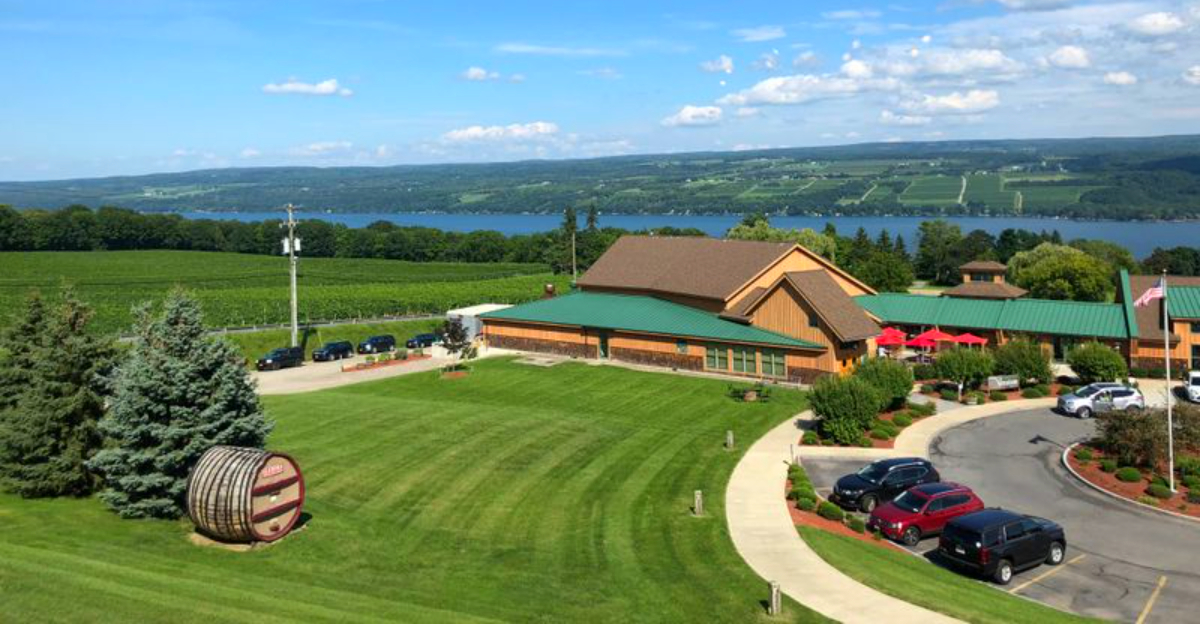
Wine Enthusiast just named the Finger Lakes in upstate New York as the 2025 American Wine Region of the Year, putting this stunning area on every wine lover’s map. Nestled among glacier-carved lakes and rolling hills, this region has quietly become one of the country’s most exciting wine destinations.
With over 140 wineries producing everything from world-class Riesling to sparkling wines that rival Champagne, the Finger Lakes offers both natural beauty and exceptional wines that deserve your attention.
Award-Winning Wine Region of the Year
Receiving Wine Enthusiast’s 2025 American Wine Region of the Year Award marks a historic moment for the Finger Lakes. This prestigious honor recognizes decades of hard work, innovation, and dedication from winemakers across the region.
The award celebrates not just the quality of wines produced here, but also the community’s commitment to sustainable practices and preserving the area’s natural beauty.
What makes this recognition particularly meaningful is how it acknowledges the region’s complete transformation over the past several decades. Once known primarily for sweet native grape wines, the Finger Lakes has evolved into a sophisticated wine destination producing internationally acclaimed bottles.
The award considers factors like wine quality, tourism appeal, environmental stewardship, and the region’s contribution to American wine culture as a whole.
This achievement puts the Finger Lakes alongside other celebrated American wine regions like Napa Valley and Willamette Valley. For local winemakers and grape growers, the recognition validates years of experimentation, risk-taking, and belief in their unique terroir.
Visitors now have even more reason to explore this beautiful corner of New York State, where every glass tells a story of passion and perseverance.
140+ Wineries Across the Region
The Finger Lakes boasts an impressive collection of more than 140 wineries, each offering its own personality and approach to winemaking. These establishments range from small family-run operations crafting just a few hundred cases annually to larger producers with international distribution.
Whether you prefer intimate tastings with the winemaker or exploring grand estate properties, you’ll find options that match your style perfectly.
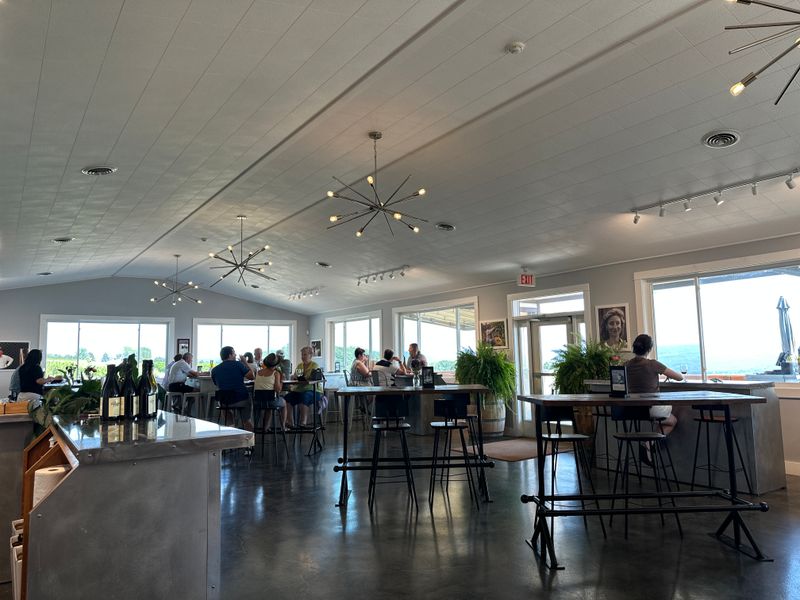
Many wineries occupy converted barns and historic buildings that add character to your tasting experience. Others feature modern architectural designs with floor-to-ceiling windows showcasing breathtaking lake views.
Most welcome visitors year-round, though summer and fall bring the most vibrant atmosphere with live music, food trucks, and special events happening throughout the region.
What makes exploring these wineries special is their accessibility and welcoming nature. Unlike some wine regions where reservations are required months in advance, most Finger Lakes wineries happily accommodate walk-in visitors.
The winemakers and staff genuinely enjoy sharing their stories and passion for their craft. Plan to visit several wineries in a day by following one of the organized wine trails, where you can compare styles and discover new favorites along the way.
Over 10,000 Vineyard Acres
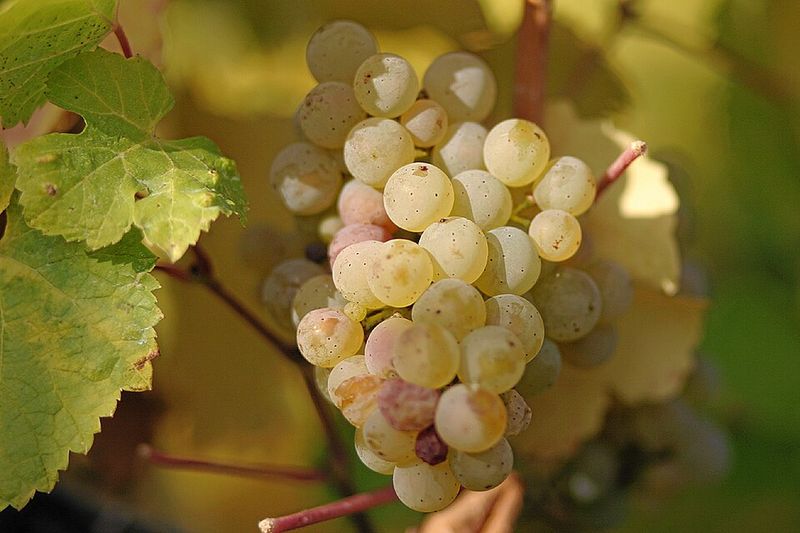
Stretching across more than 10,000 acres, the Finger Lakes vineyards create a patchwork of green that transforms with each season. During spring, tiny buds emerge on bare vines, promising the harvest to come.
Summer brings lush canopies of leaves protecting developing grape clusters, while autumn paints the vineyard landscape in brilliant yellows and reds as grapes reach peak ripeness and leaves prepare for winter.
These acres aren’t randomly distributed but carefully planted based on slope, soil type, and proximity to the lakes. Vineyard managers consider factors like drainage, sun exposure, and air circulation when deciding which grape varieties to plant where.
The result is a diverse agricultural landscape where Riesling thrives on one hillside while Cabernet Franc flourishes on another, each variety finding its ideal home within the region’s varied terrain.
Walking through these vineyards offers a peaceful escape from everyday life. Many wineries encourage visitors to stroll among the vines, especially during harvest season when you can watch workers carefully selecting ripe clusters.
The sheer scale of vineyard acreage demonstrates the region’s serious commitment to wine production. From these 10,000+ acres come millions of bottles annually, each one carrying the essence of this special place in every sip.
Cool-Climate Wine Paradise
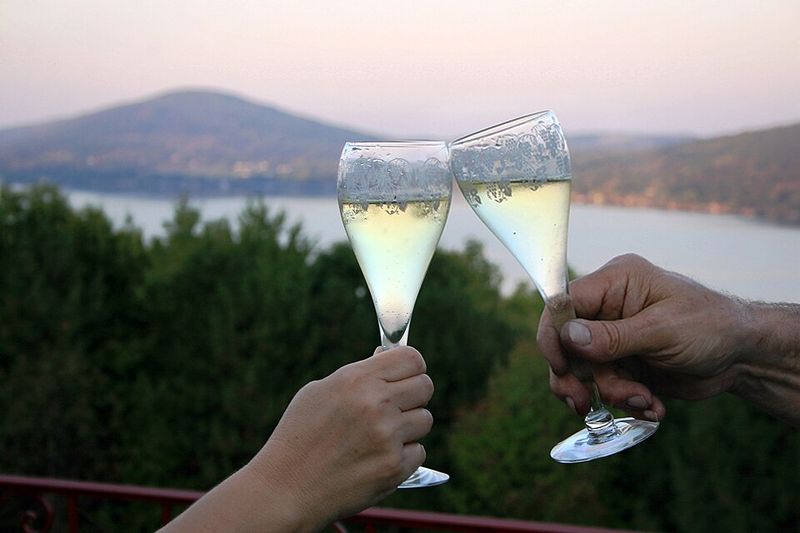
Forget everything you know about warm California wine country because the Finger Lakes operates under completely different rules. The cool continental climate here creates growing conditions that would make Napa winemakers nervous but results in wines with incredible freshness and complexity.
Cold winters force vines into dormancy, while moderate summers allow grapes to ripen slowly, developing intense flavors without excessive sugar.
This cooler environment proves perfect for aromatic white varieties and elegant red wines. Grapes grown in hot climates often produce wines that taste heavy and alcoholic, but Finger Lakes wines maintain bright acidity and lower alcohol levels that make them food-friendly and refreshing.
The temperature difference between day and night during the growing season helps grapes retain natural acids while still achieving flavor ripeness, a balance that defines great cool-climate wines.
Climate challenges certainly exist here, including occasional spring frosts and the threat of early freezes before harvest. However, these same challenges force winemakers to be innovative and attentive.
They’ve learned to work with nature rather than against it, producing wines that express their environment honestly. The result is a distinctive regional style that stands apart from warmer American wine regions, offering something truly unique for wine enthusiasts seeking freshness and finesse in their glass.
Carved by Glaciers
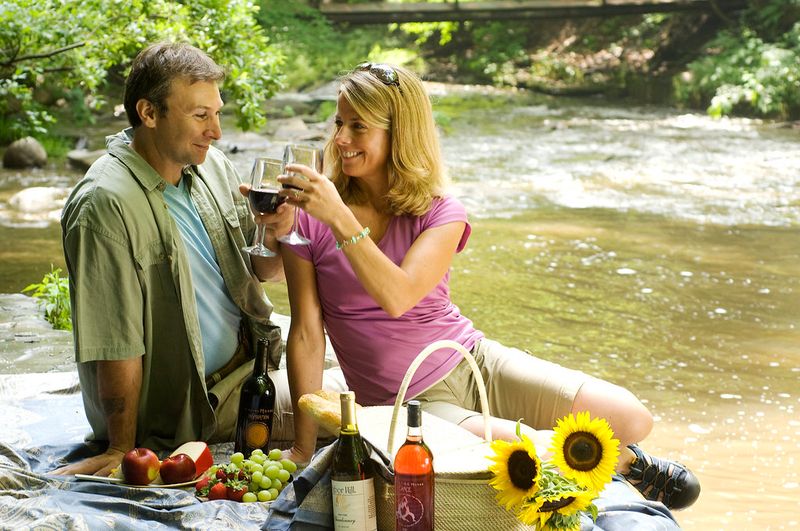
Thousands of years ago, massive glaciers crept across this landscape, carving deep trenches that would eventually become the Finger Lakes. As these ice sheets advanced and retreated, they scraped away softer rock and deposited mineral-rich soils that now nourish grapevines.
The steep slopes left behind provide excellent drainage, preventing vine roots from sitting in water, while different soil layers offer varied growing conditions for different grape varieties.
These ancient geological forces created the perfect natural infrastructure for wine production, though nobody could have predicted that outcome millennia ago. The north-south orientation of the lakes allows maximum sun exposure on the slopes, while the depth of the water bodies creates temperature-moderating effects that protect vines from extreme cold.
The hills surrounding each lake create natural amphitheaters that trap warmth and create unique microclimates within the larger region.
Understanding this glacial history helps explain why the Finger Lakes produces such distinctive wines. The terroir here isn’t just about climate and soil but about the entire geological package created by those ancient ice movements.
Winemakers often talk about their specific hillside or lakeside location with reverence, knowing that the ground beneath their vines has a story millions of years in the making, now expressed in every bottle they produce.
Four Major Wine Trails
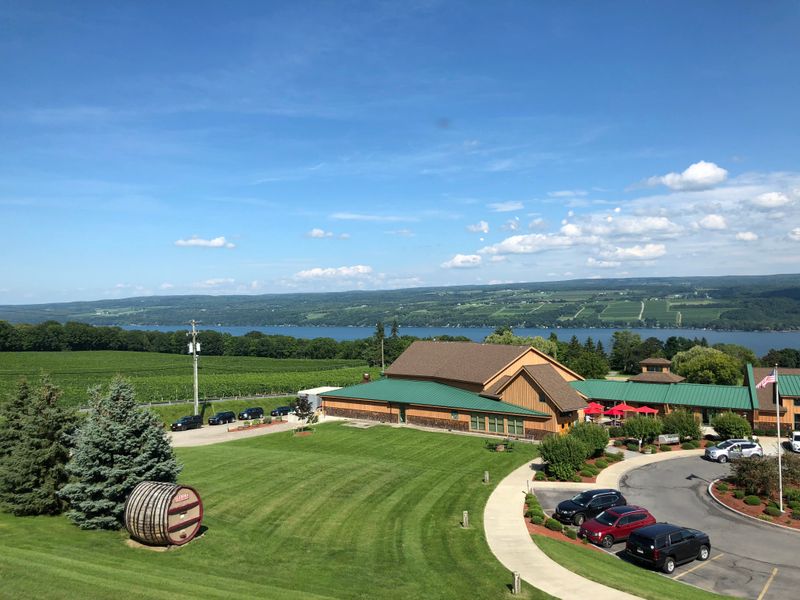
Exploring the Finger Lakes becomes easy thanks to four well-established wine trails organized around the major lakes. The Seneca Lake Wine Trail features the highest concentration of wineries, while the Cayuga Lake Wine Trail offers a more relaxed pace with beautiful pastoral scenery.
Keuka Lake’s Y-shaped geography creates a unique trail experience, and the Canandaigua Lake Wine Trail provides a quieter alternative with equally impressive wines and stunning views.
Each trail has its own personality and advantages for visitors. Some people prefer tackling one trail completely over a long weekend, really getting to know that specific lake and its wineries.
Others enjoy hopping between trails to experience the diversity of the entire region. Most trails provide maps, suggested itineraries, and information about special events like barrel tastings or harvest celebrations that happen throughout the year.
Smart visitors pace themselves and plan for non-wine activities too, like hiking, boating, or visiting the region’s beautiful state parks and waterfalls. Many wineries along these trails offer food service or allow picnics on their grounds, making it easy to spend an entire day exploring without leaving the trail.
Designated drivers are essential, though many visitors opt for guided tours or hire drivers so everyone can enjoy the tastings safely and fully appreciate the beautiful scenery along the way.
Seneca Lake: Deepest and Most Winery-Dense
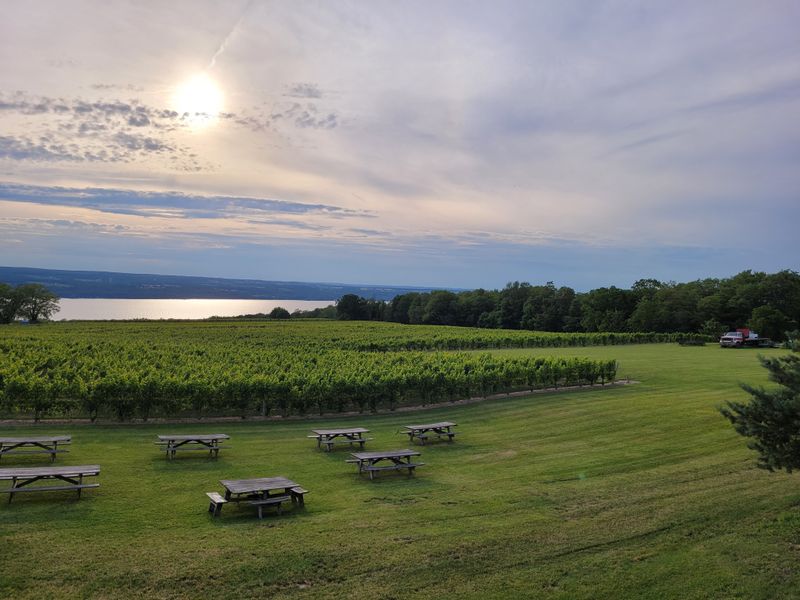
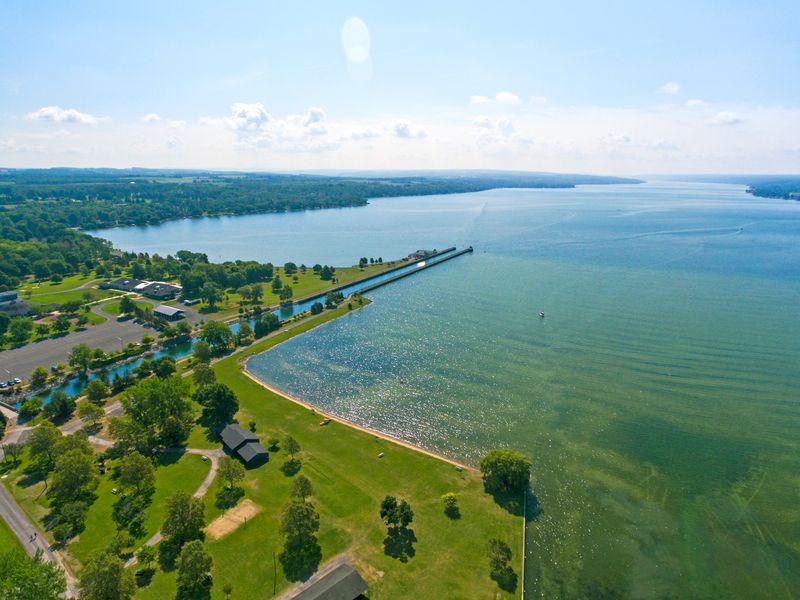
Seneca Lake claims the title of both the largest and deepest Finger Lake, plunging over 600 feet at its deepest point. This tremendous depth means the lake rarely freezes completely, even during harsh winters, creating a massive temperature regulator for surrounding vineyards.
The stored warmth in all that water extends the growing season by several weeks compared to areas further from the lake, giving grapes more time to develop complexity and flavor.
More than 50 wineries line the shores of Seneca Lake, making it the most winery-dense area in the entire region. This concentration creates a vibrant wine tourism scene with everything from rustic tasting rooms to elegant estates with restaurants and accommodations.
The western shore receives particularly favorable sun exposure, with steep slopes providing excellent drainage and varied elevations offering different mesoclimates within just a few miles.
Visiting Seneca Lake wineries often means encountering passionate winemakers experimenting with unusual varieties alongside the region’s classic Riesling. You might taste Blaufränkisch, Grüner Veltliner, or Teroldego at one stop, then move to traditional Chardonnay and Pinot Noir at the next.
The lake’s moderating influence gives producers confidence to try grapes that might struggle elsewhere in the region. This spirit of experimentation and innovation, combined with proven success with classic varieties, makes the Seneca Lake wine trail an essential stop for serious wine enthusiasts.
Sparkling Wines That Rival Old World
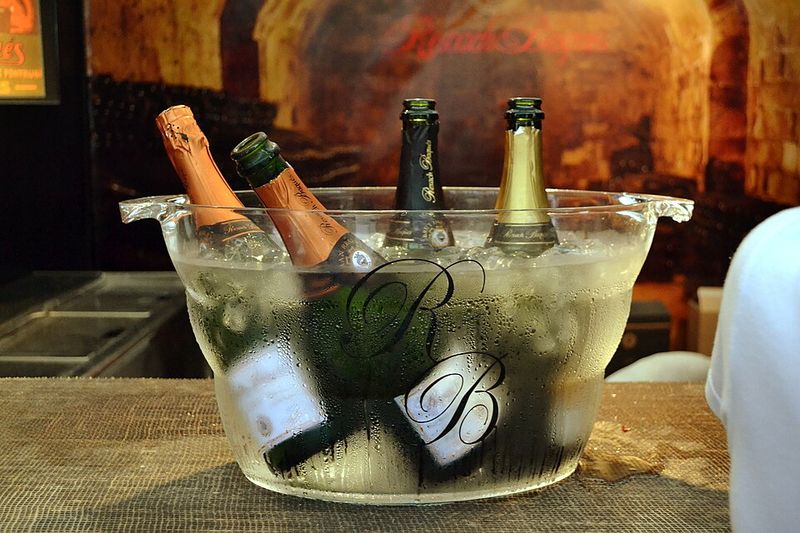
Bubbles are having a moment in the Finger Lakes, with several producers crafting sparkling wines using traditional Champagne methods that impress even French wine experts. The cool climate proves ideal for growing grapes with the high acidity and moderate ripeness levels required for quality sparkling wine production.
Chardonnay and Pinot Noir, the classic Champagne varieties, thrive here alongside Riesling-based sparklers that offer a distinctly regional twist on the category.
Traditional method sparkling wine production requires patience and skill, with bottles aging on their yeast sediment for months or years before final processing. Several Finger Lakes producers have invested in the specialized equipment and training necessary for this labor-intensive process.
The results speak for themselves, with elegant, complex sparkling wines featuring tiny bubbles, creamy textures, and flavors ranging from crisp apple and citrus to toasty brioche and almond notes.
These sparkling wines cost significantly less than comparable Champagnes while delivering similar quality and sophistication. They’re perfect for celebrations but versatile enough for casual sipping too.
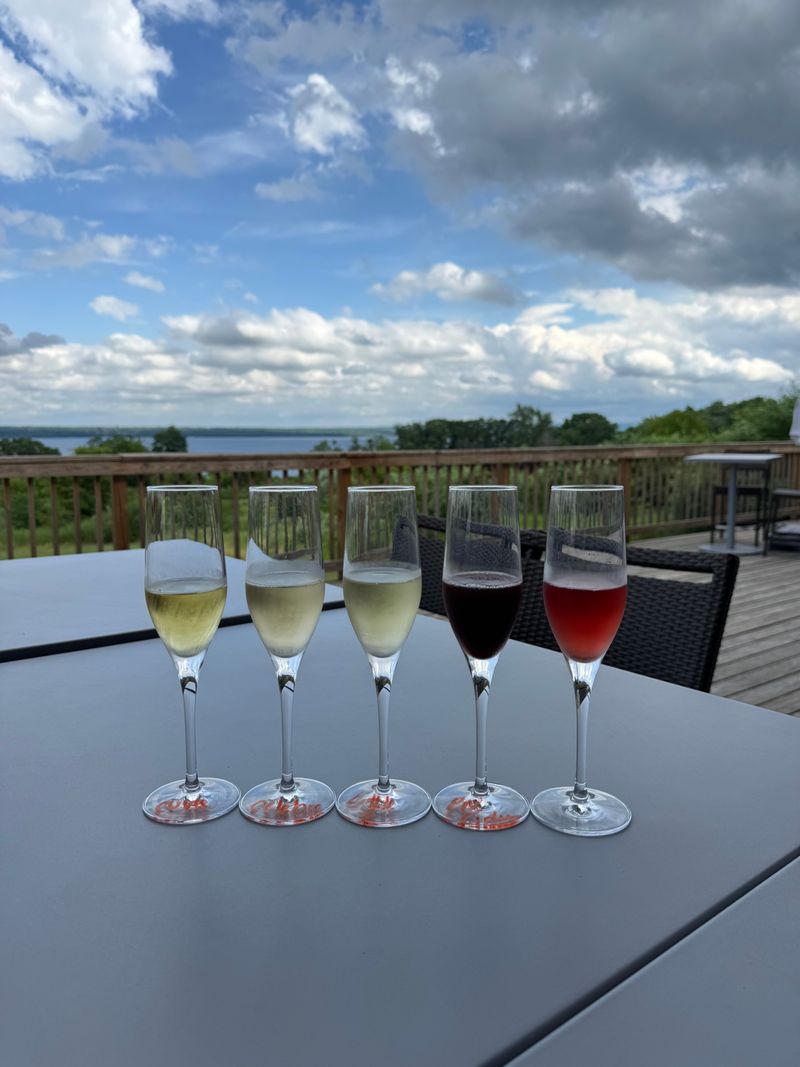
Many Finger Lakes wineries offer sparkling wine tastings where you can compare different styles and learn about the production process. Some even allow visitors to tour their cellars and see thousands of bottles aging quietly in underground caves, waiting for their moment to shine at your next special occasion.
Birthplace of Vinifera Success in the North
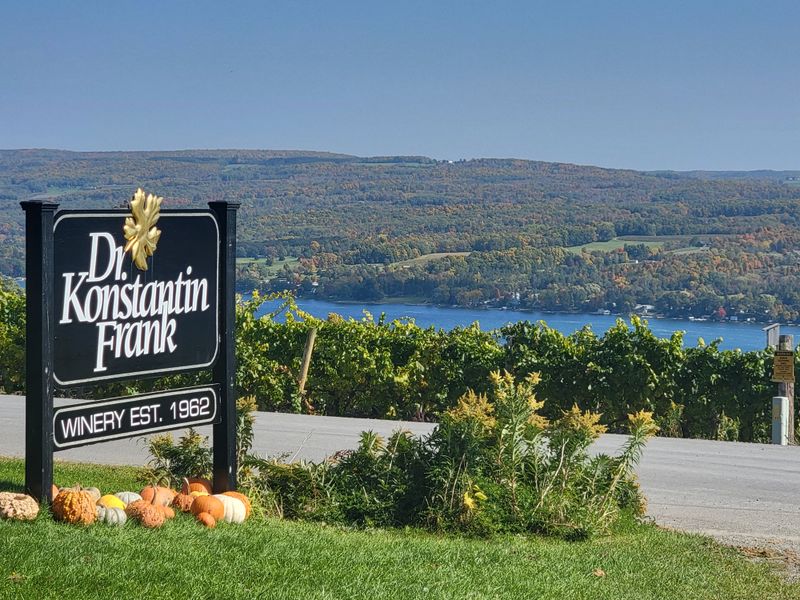
Dr. Konstantin Frank changed everything for American cool-climate wine production when he successfully grew European vinifera grapes in the Finger Lakes during the 1950s and 1960s. Before his groundbreaking work, most experts believed these premium grape varieties couldn’t survive harsh northeastern winters.
Native American grape varieties and French-American hybrids dominated the region, producing wines that lacked the complexity and refinement of European examples.
Frank, a Ukrainian immigrant with a doctorate in viticulture, refused to accept conventional wisdom. He experimented with rootstocks, cold-hardy clones, and vineyard management techniques that protected vines from winter damage.
His success with Riesling, Chardonnay, and other vinifera varieties proved that location matters more than latitude, inspiring a generation of winemakers to plant European grapes throughout the Finger Lakes and other northern regions.
Today, Dr. Frank’s winery continues operating as a family business, still producing exceptional wines that honor his pioneering legacy. His breakthrough created the foundation for the modern Finger Lakes wine industry and influenced cool-climate viticulture across North America.
Every bottle of Finger Lakes Riesling or Pinot Noir owes something to his determination and scientific approach. His story reminds us that innovation often requires challenging established beliefs and trusting in careful observation and experimentation over accepted dogma.
Accessible Wine Tourism Destination
Geography favors the Finger Lakes when it comes to accessibility, positioning the region within a comfortable drive from multiple major metropolitan areas. New York City residents can reach the southern lakes in about four hours, while Buffalo, Rochester, and Syracuse all sit within an hour or two.
Canadian wine lovers from Toronto find the border crossing worthwhile for weekend getaways, and Pittsburgh and Montreal visitors regularly make the trip for extended wine country vacations.
This accessibility means the region attracts diverse visitors year-round rather than relying solely on summer tourism. Spring brings wine enthusiasts eager to see vineyards awakening from winter dormancy, while fall harvest season draws crowds wanting to experience crush and see autumn foliage at peak color.
Even winter has its charm, with cozy tasting rooms offering respite from cold weather and special events like ice wine harvests attracting adventurous visitors.
The region’s tourism infrastructure has grown to accommodate this steady visitor flow, with options ranging from budget-friendly motels to luxury lakeside resorts. Many wineries offer accommodations on their properties, letting guests wake up surrounded by vines.
The combination of accessibility, natural beauty, excellent wines, and welcoming hospitality makes the Finger Lakes an easy choice for wine country getaways. You don’t need to fly across the country or book months in advance to experience world-class wine tourism here.
A Collaborative Wine Community
Competition exists everywhere, but the Finger Lakes wine community has built something special through cooperation and shared knowledge. Winemakers regularly consult with each other about challenges, share equipment when needed, and collectively promote the region rather than just their individual brands.
This collaborative spirit extends to grape growers, tourism operators, and regional organizations all working toward common goals of quality improvement and sustainable growth.
Several organizations coordinate these collaborative efforts, including the Finger Lakes Wine Alliance and various growers’ associations. These groups fund research into best practices for cool-climate viticulture, organize joint marketing campaigns, and advocate for policies that support the wine industry.
They also facilitate knowledge sharing through workshops, conferences, and informal gatherings where veterans mentor newcomers and everyone benefits from collective experience.
Sustainable farming practices have become a regional priority thanks to this collaborative approach, with many producers adopting organic or biodynamic methods and sharing their results with neighbors. The community recognizes that protecting the environment ensures the region’s long-term viability and maintains the pristine beauty that attracts visitors.
This cooperative mindset creates a rising tide that lifts all boats, helping the entire region succeed rather than individual wineries competing in isolation. It’s a model other wine regions might study and emulate.



