 Unearth The Voyage
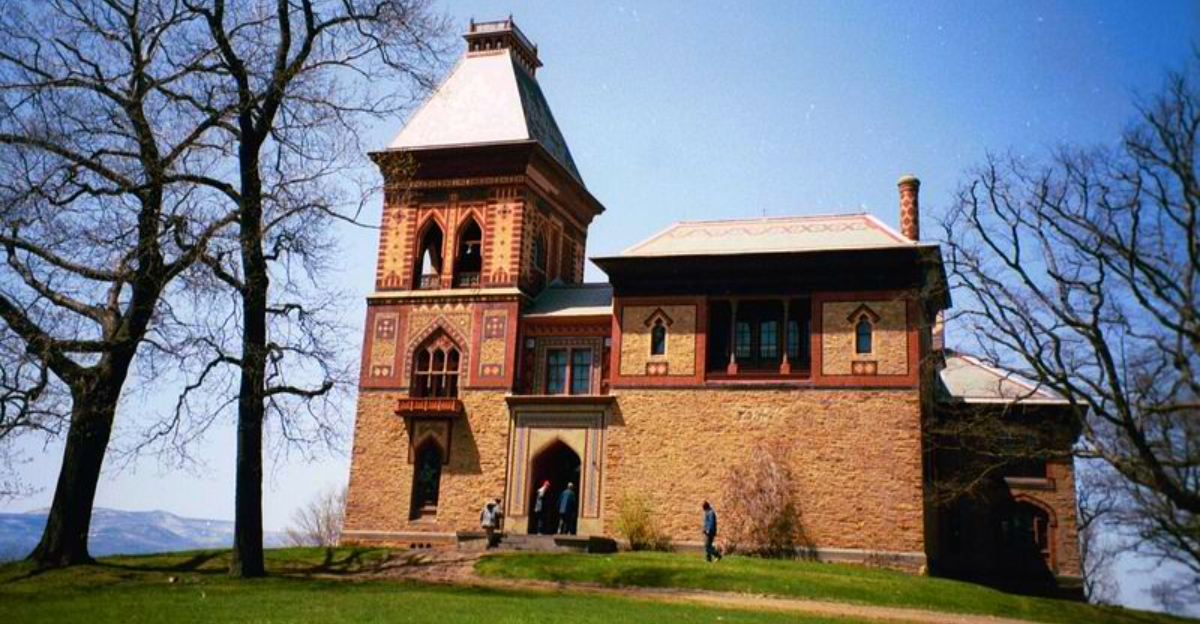
Hudson looks small on a map, but the moment you step onto Warren Street, the energy snaps like a taut guitar string. Storefronts glow, espresso machines hiss, and you start clocking details you did not plan to notice: hand-lettered signs, ironwork stoops, and the faint brine of the river when the wind shifts.
In a year when remote workers and weekenders are chasing texture over hype, Hudson has quietly built a scene that hooks you faster than any skyline view. Curious why a place of 5,894 residents keeps trending like a city ten times its size?
Keep reading and let your senses do the math.
Warren Street After 8 p.m.
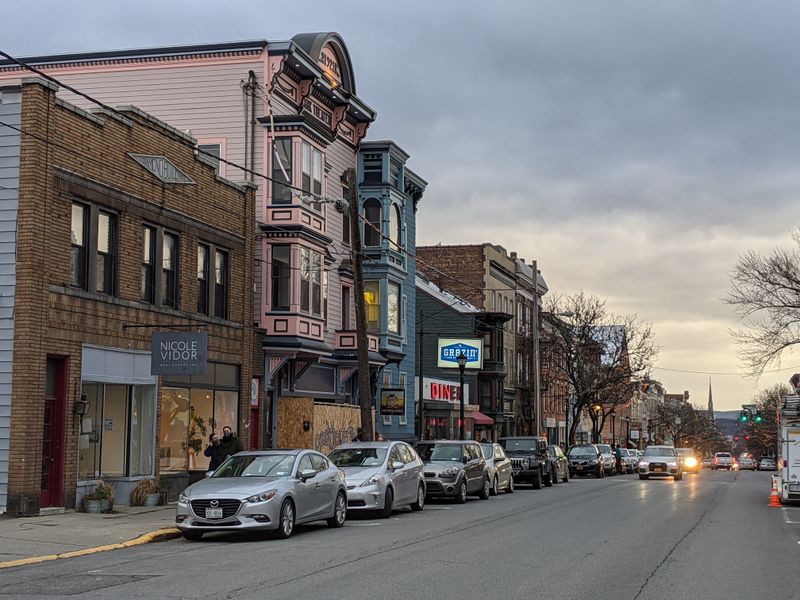
Walk Warren Street after dark and the storefronts behave like theater sets. Neon scripts flicker over pressed-tin cornices, and a bar door opens to release a burst of saxophone and orange light.
You catch the peppery smell of seared scallops from a bistro, then a drift of beeswax from a gallery candle, then roasted espresso ricocheting from a corner cafe.
Do not rush. The show here is in reflections: rain-slicked pavement doubling the marquee bulbs, a faint mirror of your face in an antique-glass pane.
A couple argues softly about a ceramic vase, then laughs, then vanishes into the night with paper-wrapped treasures.
Hudson’s pace shifts after 8, when day-trippers yield to locals and overnight guests. Conversations unspool across sidewalks like ribbon, tying bar stools to stoops.
If you listen, you can hear a bartender call last orders for oysters while a gallery assistant writes prices by hand. The city energy you expect from bigger places?
It is here, compressed and more focused, humming like a well-tuned amp.
Morning Rituals: Coffee, Paper, River Air
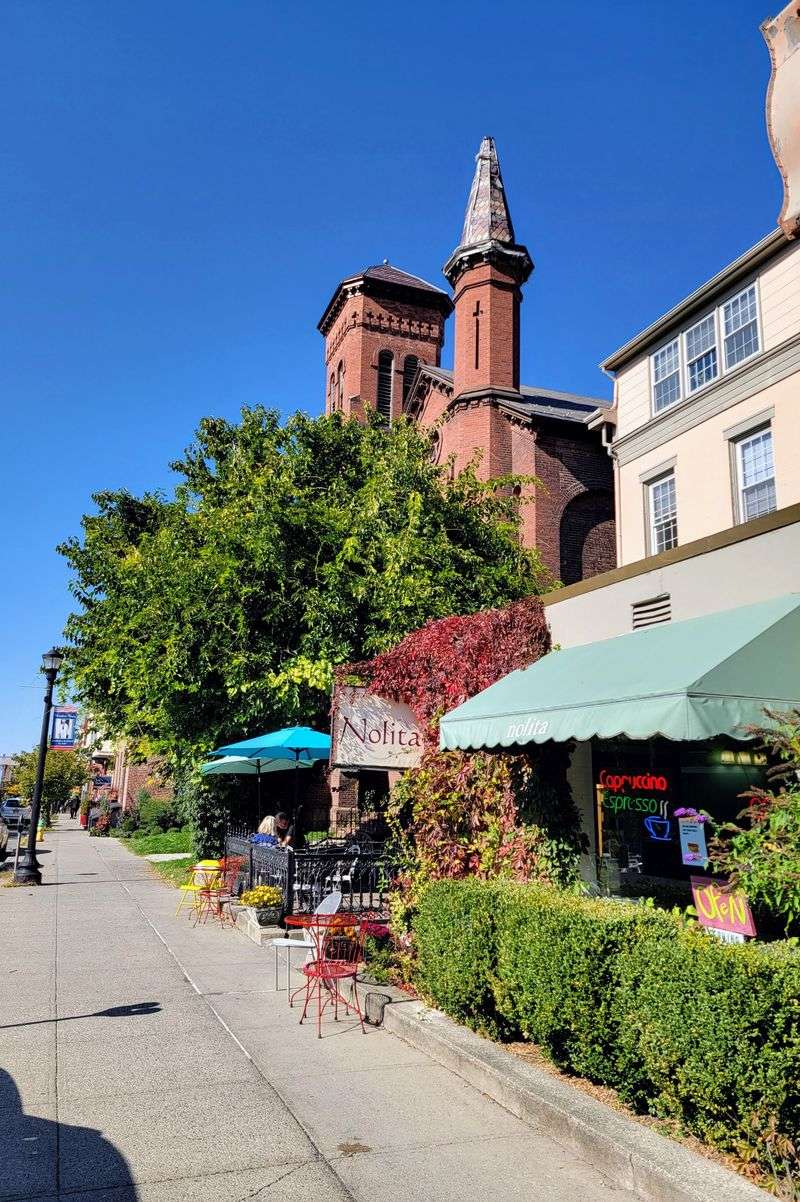
Mornings in Hudson begin with the hiss of milk wands and the soft thud of newspapers on cafe counters. You step outside with a hot cup and the cup warms your fingers while the air stays crisp.
Somewhere a train horns low and long, a baritone note under the chatter of strollers and the rattle of delivery trucks.
Walk west until the breeze shifts and you catch the mineral edge of the river. The city wakes in layers: dogs tugging leashes, shopkeepers chalking specials, a cyclist coasting downhill in a wool cap.
Sunlight hits brick and the whole block brightens a notch, windows throwing rectangles onto the sidewalk.
Take the long way back. The coffee is a metronome, sips marking blocks as you scan for details you missed yesterday.
A stoop cat blinks like an alderman. A kid counts hopscotch squares between tree grates.
Bigger cities stretch mornings thin; Hudson keeps them dense, like a short poem read twice.
Antiques With Patina And Nerve
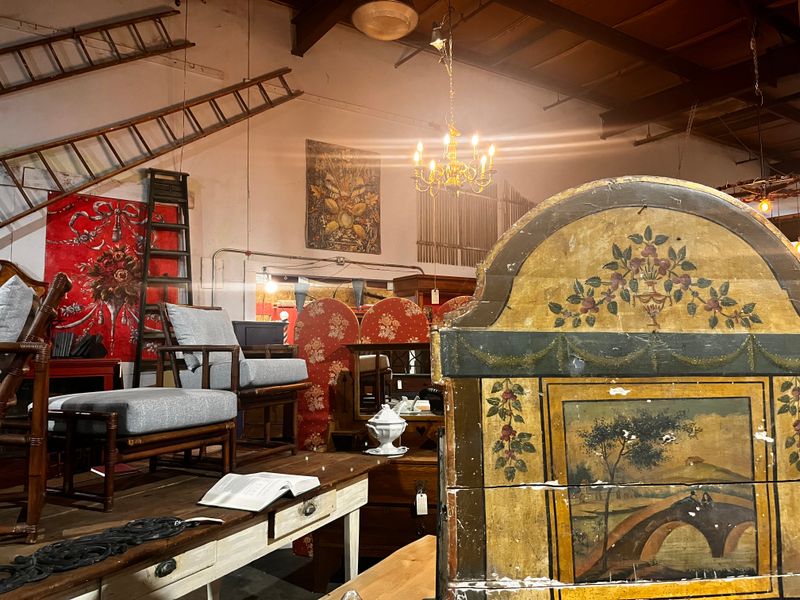
In Hudson, antique shops do not whisper. They talk in textures.
Your palm meets the cool lip of a brass bowl and the metal smells faintly like pennies and lemon oil. A dealer slides open a flat file and the leather straps sigh.
Every drawer suggests a previous life, sometimes two.
Here a primitive bench scabbed with old paint. There a mid century lamp that throws a clean oval of light.
You start imagining dinner conversations around a tiger-maple table, imagining your jacket on a Shaker peg rail, imagining which past hands turned this wooden bowl smooth.
Prices span yard-sale steal to museum-considerate. The dealers are generous with provenance and opinion, which is half the fun.
Ask about repairs; the best pieces bear scars that read like honesty. You leave with a small tin of beeswax polish and a resolve to return with a bigger car, because the thing you did not buy is already haunting you on the walk to lunch.
Art That Feels Lived In
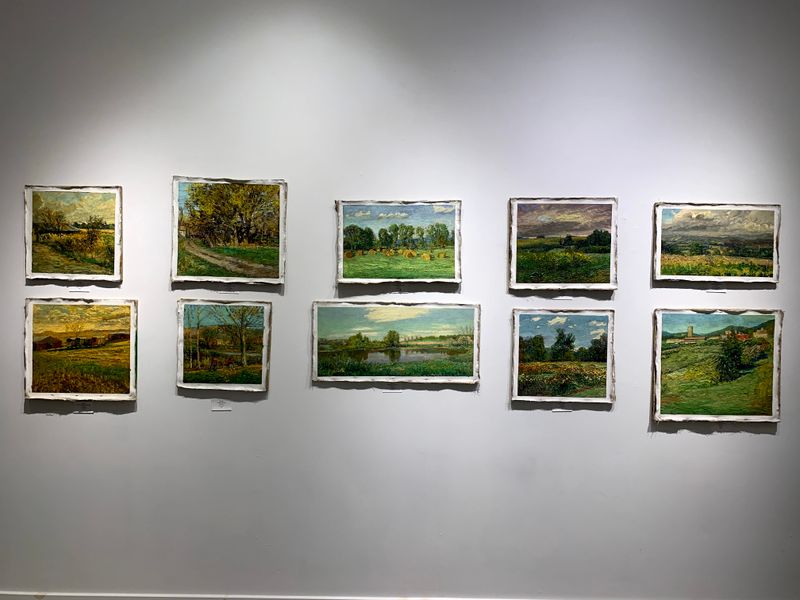
Gallery nights in Hudson feel neighborly, not staged. You slide in on a Friday and find someone pouring a local pét nat into paper cups.
The work on the walls carries fingerprints of the region: river-gray palettes, salvaged materials, a patience with process that reads as rural intelligence rather than trend.
Openings pivot from introductions to conversations you want to finish. An artist shrugs at a question about influence and points to the Catskills horizon instead.
A child counts brushstrokes and then stops counting because the strokes have turned into trees.
Prices may surprise you in both directions. You can walk out with a drawing for less than dinner or linger beneath a canvas that could buy a used car.
If you are new to collecting, ask for studio visits. People say yes here.
The art does not need your approval to exist, which is exactly why it earns it.
Lunch Moves: From Market To Plate
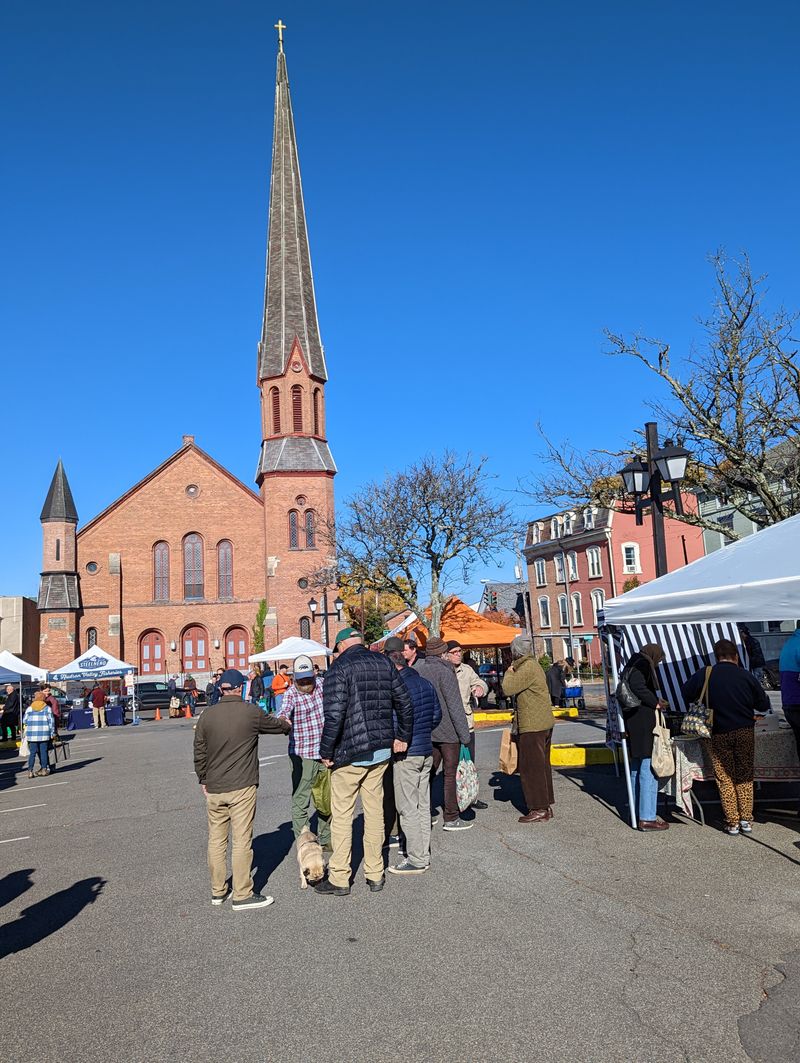
Lunch in Hudson plays to the seasons with a confidence that feels earned. The menu reads like a farm stand roll call: Roxbury carrots blistered and sweet, soft goat cheese from just over the river, bread that cracks like thin ice.
You hear the snap of a pea pod from the prep counter and everything else fades for a second.
Order simply and let ingredients speak. A salad arrives wearing only lemon and grassy oil, leaves stacked like roof shingles.
Someone at the next table negotiates for the last piece of anchovy toast and you feel immediate kinship.
Service is brisk but never rushed. Plates come on warm ceramics with thumb marks in the glaze, the kind that make you trust the potter.
If you can, sit near the window and watch people filter in: contractors, writers, a couple splitting a bottle at noon. It feels like a democracy of appetite, practical and celebratory at once.
The River, Low And Wide

Down at the waterfront, the Hudson River spreads out like a held breath. The air carries salt and metal, and a freight train writes its slow sentence along the far bank.
You sit on a bench and feel the boards give a little, warmed by late sun.
There is no rush to perform here. Kids chase gulls.
A man in work boots eats a sandwich and stares at a fixed point no one else can see. The water has a conversation with the pilings, a slap and hush that repeats until your shoulders drop.
Imagine finishing a day of errands and ending here with takeout and a jacket. You will count boats the way some people count stars.
The city is named for this river, but on quiet evenings the river seems to name the city back, syllable by syllable, as if reminding it to breathe.
A Brief, Useful History You Can Feel
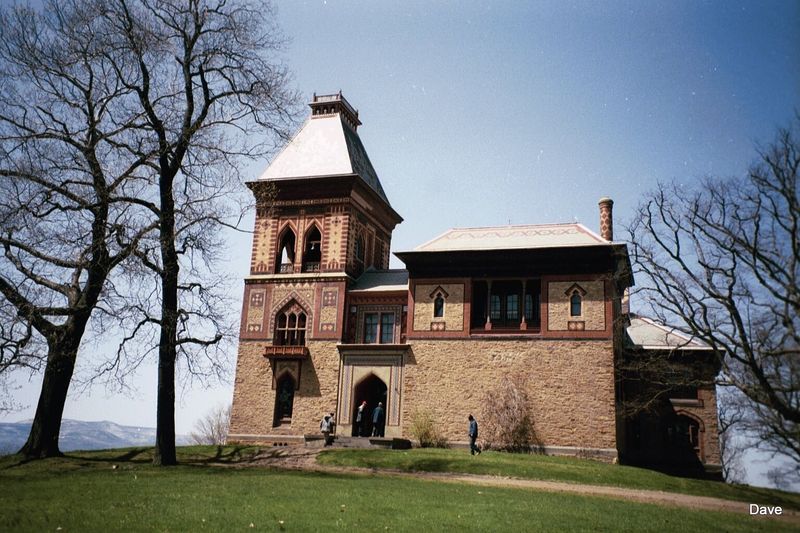
Hudson’s buildings are not props. Stand close and the brick gives off a baked-clay warmth, mortar lines fat with lime.
Federal doorways square their shoulders beside Italianate brackets, a block-by-block lesson in how towns grow sideways through time.
Founded as a whaling port, later a manufacturing node, Hudson rode booms and recessions like a stubborn skiff. The 2020 census lists 5,894 residents, a scale you can hold in your head.
Over the last decade, new arrivals have layered on capital and attention, but the grid still fits in two good walks.
Context matters because you feel it while ordering a sandwich or turning a doorknob. The past here is not a dusted plaque; it is weight in the hinges, ripple in old glass.
When people call the place revitalized, they mean it sounds different now when the wind moves down Warren, carrying both stories and receipts.
Shopping With Intent, Not Volume
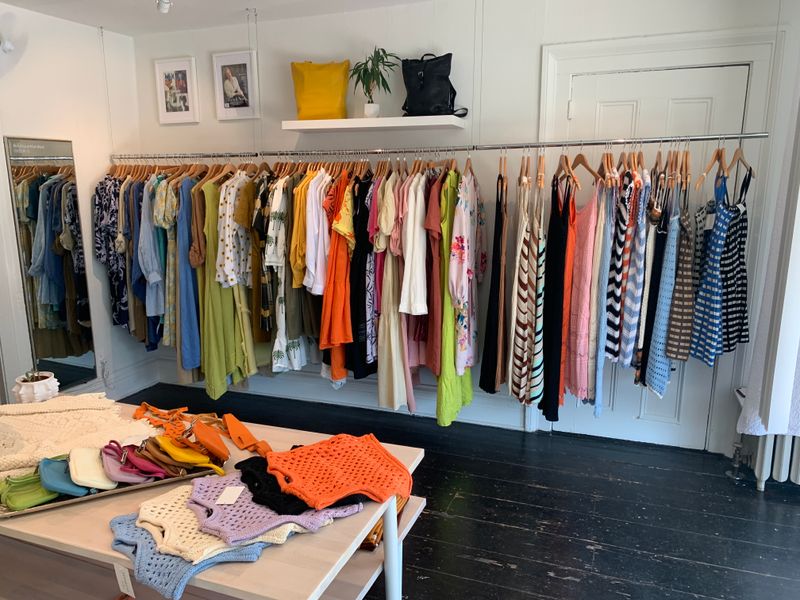
Shopping in Hudson rewards focus. Stores are edited like good sentences, with nothing extra to trip over.
You run your fingers across linen napkins that feel like cool paper and read labels with ingredients you can pronounce. The air smells faintly of cedar and clean soap, not perfume.
Here is the trick: buy one thing you will use weekly. A stoneware mug with a thumb rest.
A shirt you will repair instead of replace. The shopkeepers remember faces and will tell you who made what, where, and why it costs what it costs.
You exit with a single small bag that feels heavier than it looks, because intention carries weight. Out on the sidewalk, a stranger compliments your choice and means it.
This is not spree territory; it is calibration for your home life, a quiet correction you will notice every morning when you reach for that same mug.
Nightcaps And Conversations You Keep Thinking About
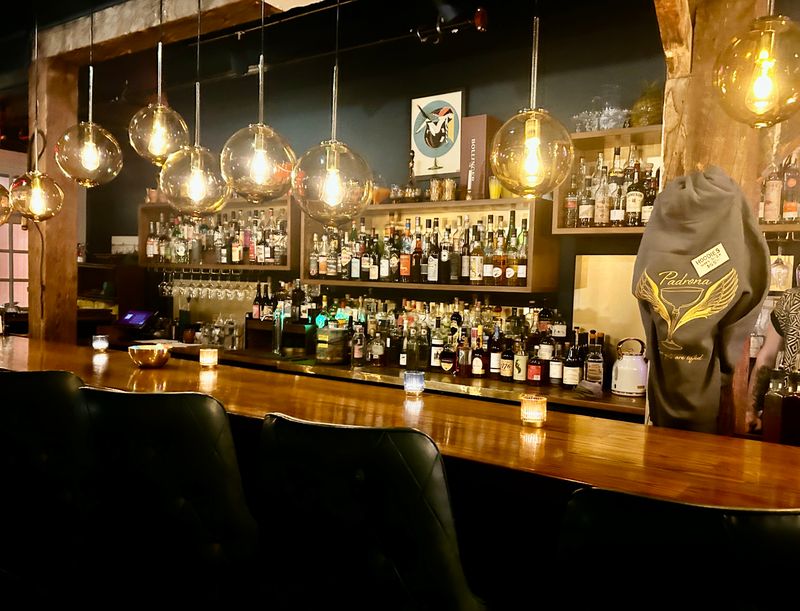
Late in Hudson, small bars become soft-lit confessionals. A bartender stirs something bitter and bright, and the glass fogs like a window in winter.
You settle into a stool that remembers other nights, and the couple beside you drifts into your orbit without forcing it.
People here talk about work they actually do with their hands: chefs, contractors, painters, a florist who knows every name for pink. The soundtrack leans vinyl and low.
The lemon twist oils the air and the bar top shines with a clean, well-kept glow.
Order a nightcap you will not forget by Wednesday. Ask about amaro and watch someone light up.
When the check lands, you feel looked after instead of processed. Step outside and the street sounds softer than when you walked in, as if the buildings have taken a breath with you and will keep your secret.
Sleep Where The Floors Creak Kindly
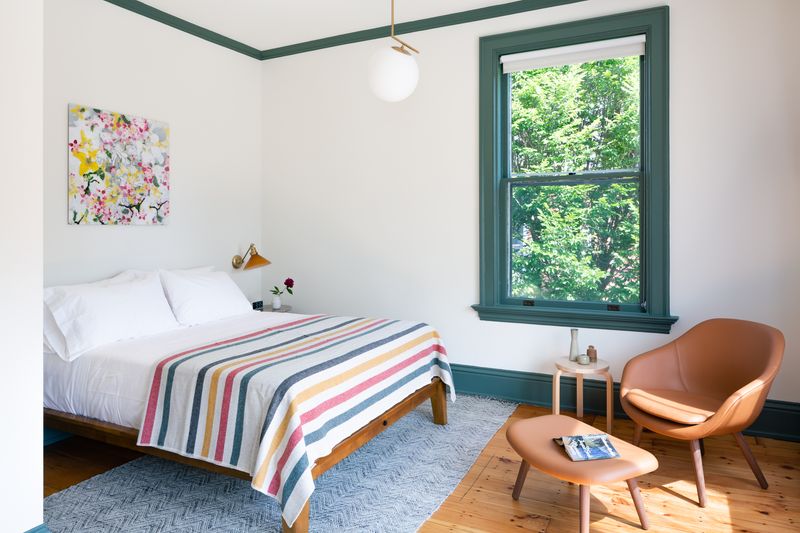
Hudson’s best stays have floors that talk. Wide planks creak with a kindness that says you are safe here, you are held.
Rooms mix antique frames with clean-lined chairs, a handshake between eras that never feels forced. The bedding crisp, the lamps warm, the window sash slightly stubborn in a lovable way.
Check in and you will want to ditch your plans and read. A kettle clicks and the cup warms both hands.
Out the window, a neighbor waters herbs in a wooden box, and for a minute you borrow their rhythm.
Good hospitality in Hudson is not performative. It is a handwritten note, a tiny jar of local jam, a map drawn with arrows that actually help.
Sleep comes fast because the night is quiet enough to hear the river thinking. In the morning, the creak meets you again like an old friend.



