 Unearth The Voyage
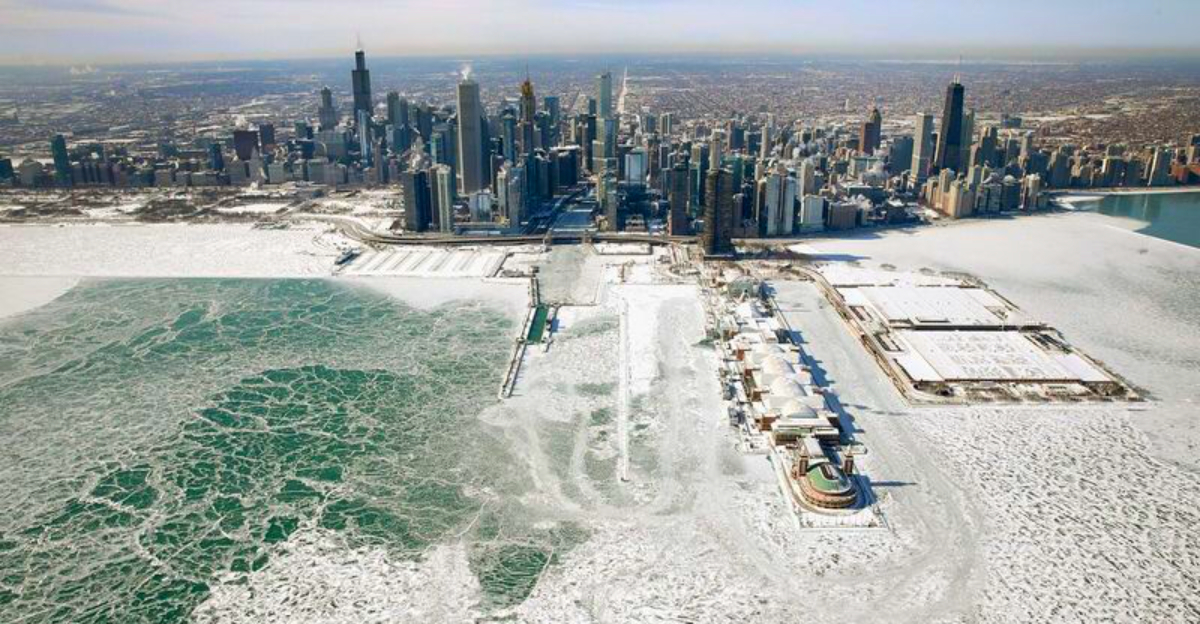
Bundle up, because winter is arriving early and coming in waves. A disrupted polar vortex is sending three shots of Arctic air straight into New York, each one colder than the last. Expect teeth-chattering mornings, biting wind chills, and chances for snow as the pattern deepens through mid-December. Here is what to watch, how to prepare, and why this cold might stick around.
1. Wave One: The Opening Shot
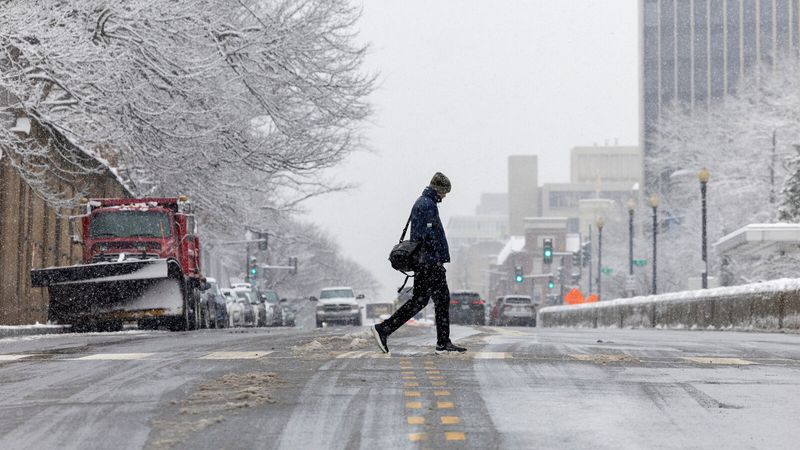
The first wave drops temperatures quickly, and you will feel it the moment you step outside. Highs struggle, nights bite, and wind chills cut through thin layers. Side streets glaze over, especially near sunrise, so give yourself extra time.
Expect patchy flurries north and west of the city as the air dries and chills. Sidewalk salt helps, but black ice still sneaks in near intersections. If you commute, keep gloves handy, cover your ears, and stash a spare scarf in your bag.
2. Wave Two: Colder And Sharper
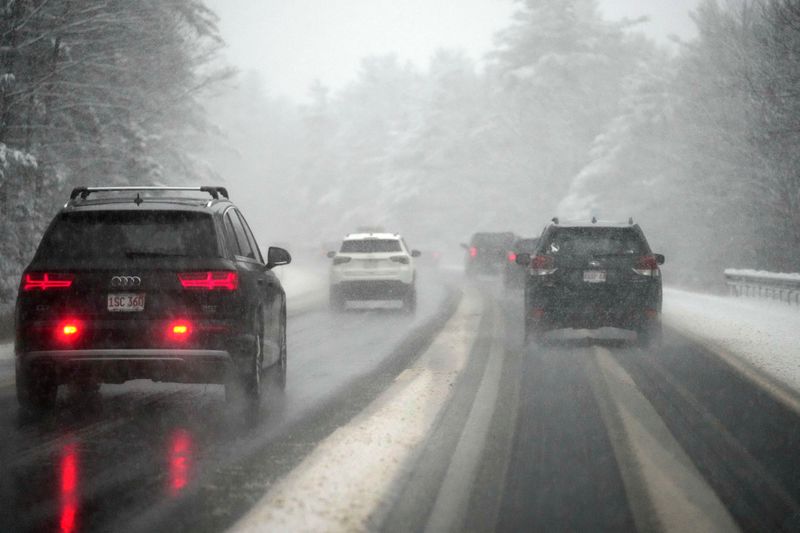
The second surge feels sharper, with wind-driven cold that gets under your jacket. Daytime temps hover near freezing, then tumble after sunset. You will notice drier air that cracks skin, so moisturizer and lip balm help.
Snow showers may streak across the Hudson Valley and interior Northeast, while the city sees icy spots during the morning rush. Transit delays become more likely as switches and rails freeze. Keep plans flexible, check alerts before heading out, and charge your phone overnight in case service disruptions stack up.
3. Wave Three: Mid-December Deep Freeze
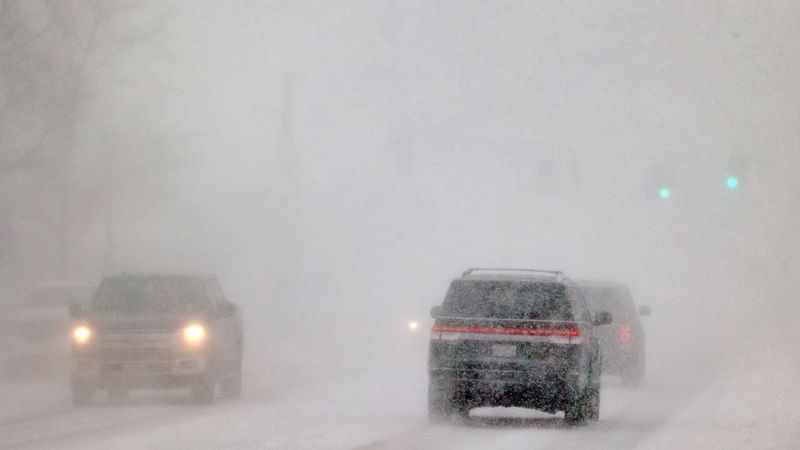
The third wave packs the deepest chill, pushing morning lows into the teens and single digits upstate. Wind chills flirt with zero at times, especially on bridges and open avenues. You will want layers upon layers and warm, waterproof footwear.
Short bursts of snow can reduce visibility in minutes, so watch for squalls on radar. Schools could delay or go remote if commutes turn slick. Keep an emergency kit at home and in the car. Think extra blankets, batteries, snacks, water, and a flashlight.
4. Snow, Ice, And Squalls: Travel Hazards
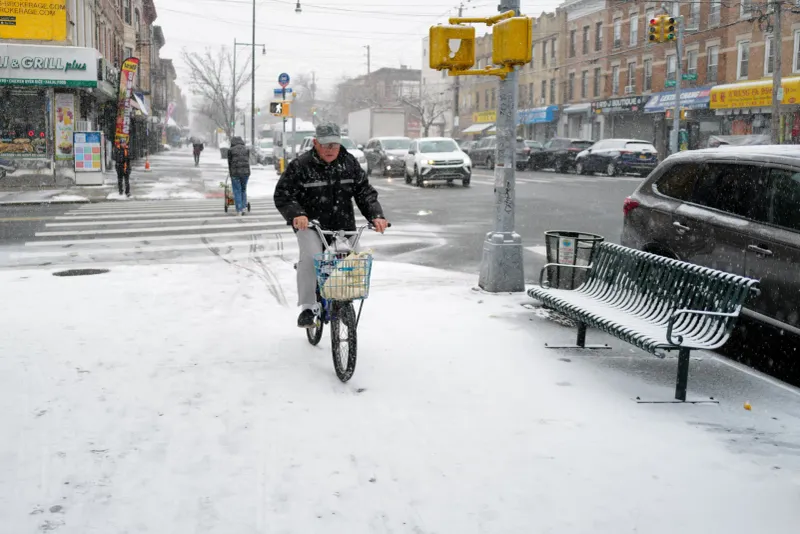
Light snow plus deep cold can be worse than big storms. Thin coatings hide black ice, ramps glaze, and crosswalks turn treacherous. You will want to shorten braking distances, slow down early, and avoid sudden lane changes.
Lake-effect bands threaten upstate, while the city sees quick-hit squalls that create whiteouts. Keep scraper and brush ready, and top off washer fluid. If you ride transit, watch for service alerts and slick platforms. A sturdy boot with tread beats fashion every time in this pattern.
5. Daily Life Disruptions And Energy Strain
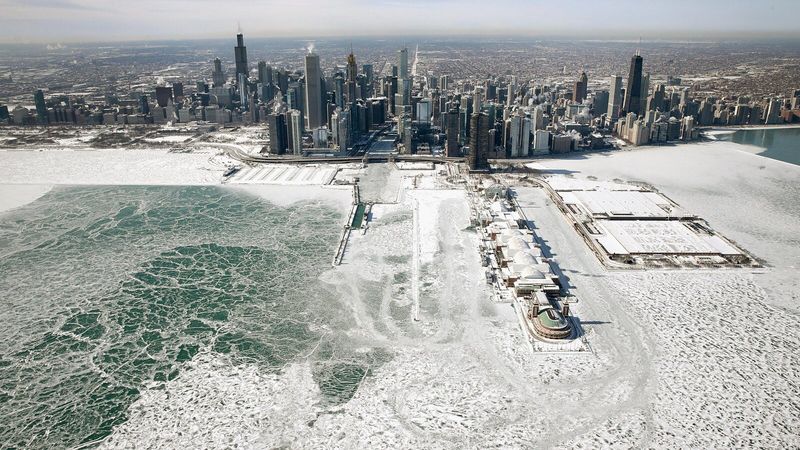
Cold like this strains furnaces, heat pumps, and wallets. You will hear radiators hiss and feel drafts sneaking under doors. Seal gaps with weatherstripping and use heavy curtains at night to trap warmth.
Utilities may ask for conservation during peak hours. Stagger laundry and dish cycles, lower thermostats a tick, and use space heaters safely. Schools and offices might delay openings when roads glaze. Warming centers open for neighbors who need a safe place. Check on seniors, new parents, and anyone with limited mobility.
6. Health Risks: Frostbite And Hypothermia
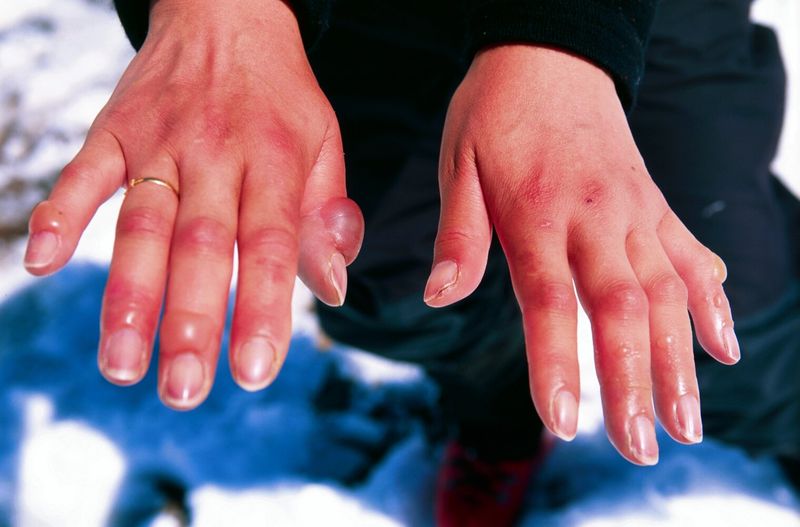
When wind chills dive, exposed skin can freeze in under thirty minutes. You will want hats, insulated gloves, and face coverings on the coldest mornings. Dress in breathable layers that trap heat and wick sweat.
Watch for numbness, pale skin, shivering that will not stop, and confusion. Move indoors, warm gradually, and seek help if symptoms persist. Pets feel the cold too, so short walks and dry paws matter. Keep medications stocked, hydrate, and avoid risky shoveling if you have heart issues.
7. How To Prepare: Home, Car, And Plans
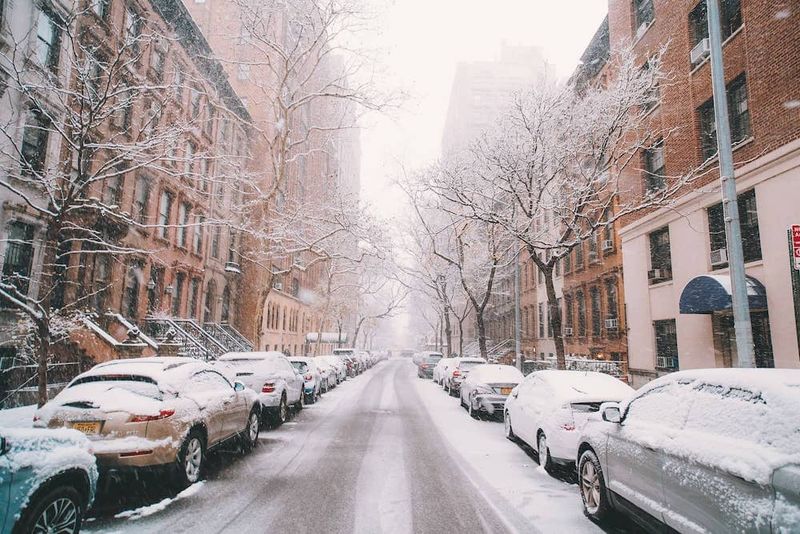
Preparation now saves headaches later. Test your heat, replace filters, and insulate pipes along exterior walls. You will want to locate shutoff valves before a freeze. Stock shelf-stable meals, rotate water, and keep a manual can opener nearby.
In the car, carry a scraper, small shovel, sand or kitty litter, and an emergency blanket. Top off antifreeze and washer fluid. Follow trusted forecasts daily, and give yourself wiggle room for travel. If power blips, layered clothing and candles used safely help bridge the gap.
8. What This Signals For Winter Ahead
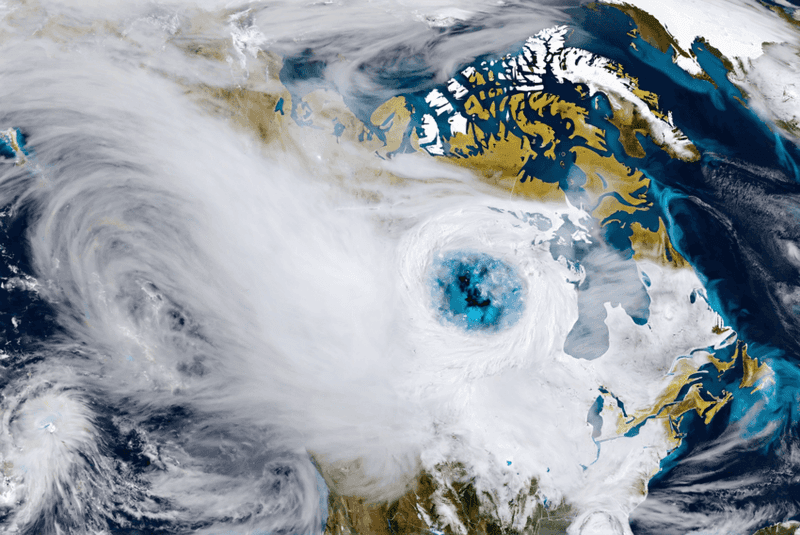
Early polar vortex disruptions often hint at a colder season. You will notice a wavier jet stream that favors more frequent cold shots and storm chances. That does not guarantee constant snow, but odds tilt toward below normal temperatures.
Stay nimble with plans and keep your winter kit topped off. If the vortex stays displaced, more intrusions can follow into January. Keep tabs on reputable outlets for updates as patterns evolve. Preparedness now pays off later.



