 Unearth The Voyage
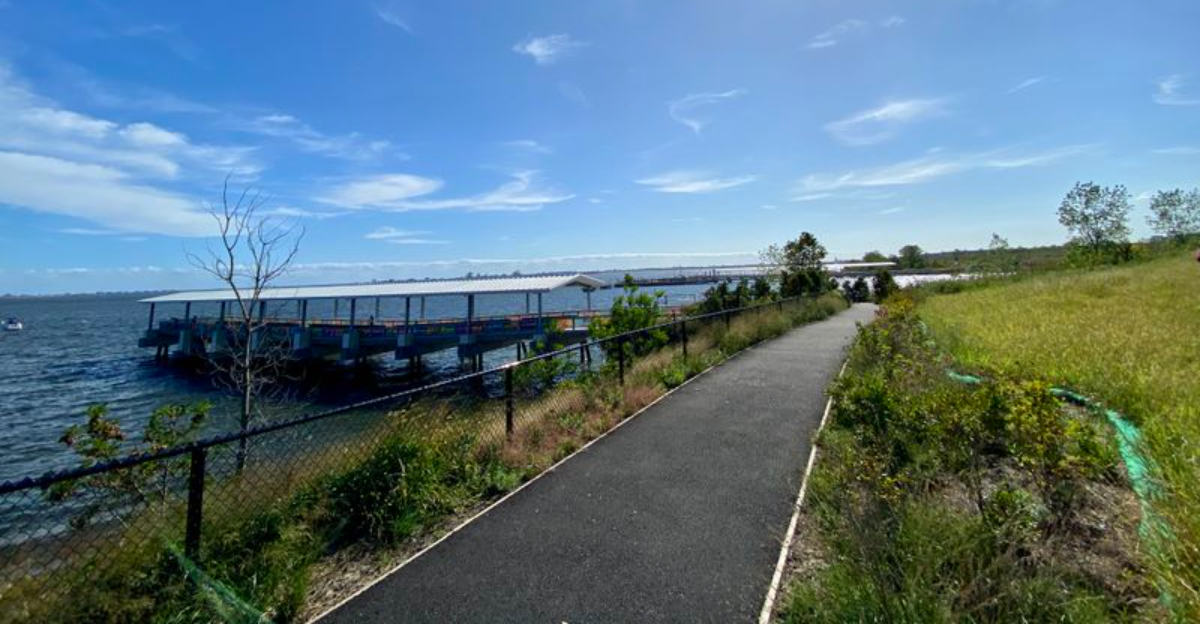
If you are craving big sky views, breezy waterfront trails, and a story that honors a trailblazing New Yorker, this park delivers. Shirley Chisholm State Park turns a reclaimed Brooklyn landfill into a green sanctuary overlooking Jamaica Bay and the Manhattan skyline. You get miles of car-free paths, bird song, and picnic lawns that feel worlds away from city noise. Come ready to explore, reflect, and leave with fresh appreciation for nature and history.

Start your visit at the Pennsylvania Avenue entrance, where wide paths and wayfinding signs make it easy to get oriented. You will spot seasonal flowers, native grasses, and a gentle rise that hints at the park’s landfill past. Pause to look back at the city streets you left behind and feel the air open up.
Grab a trail map from the kiosk, check the hours, and note restrooms nearby. This is a good spot to meet friends or adjust your bike helmet before climbing to higher vistas. If you arrive early, the light is soft and the wind is calm.
You will hear birds almost immediately, even though traffic hums not far away. That contrast is the park’s magic. Follow the main spine uphill and watch the skyline begin to float above marsh and water.

The Fountain Avenue side feels wilder, with long meadows and sweeping curves that pull you forward. As you hike, the crush of the city fades and the bay sparkles at your shoulder. You will pass interpretive signs that explain how landfill became habitat and how careful design protects nesting birds.
Most trails are wide, compacted gravel, easy for families and relaxed walkers. Bring water and sun protection because shade is limited on the ridgelines. Benches dot the route so you can snack and watch osprey hunt.
The climb is gentle but steady, so pace yourself. You will be rewarded with views that layer marsh, runway shimmer, and the distant skyline. On breezy days, wildflowers lean like tiny flags and gulls skate along the wind.

At the top loops, the city arranges itself like a postcard, and you cannot help pulling out your phone. The skyline stacks behind the blue rim of Jamaica Bay, a reminder that wild and urban can coexist. You will find railings, benches, and map plaques that help identify landmarks.
Photograph during golden hour when the grasses glow like wheat and shadows add depth. If you shoot wide, include the trail curve for a leading line toward the towers. For portraits, step into open shade to avoid harsh contrast.
Wind can be strong, so stabilize your camera on a railing or sit while shooting. If fog rolls in, embrace mood instead of distance. Either way, the overlook invites you to linger and quietly celebrate the park’s improbable beauty.
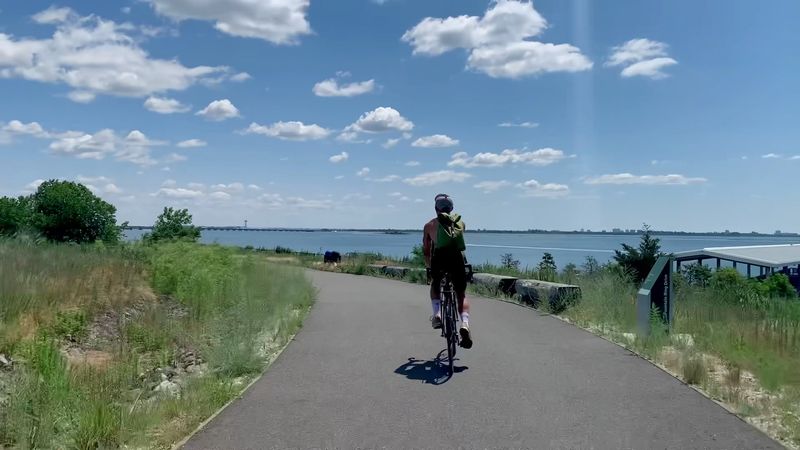
Bring a bike and cruise miles of flowing, car free paths that feel purpose built for easy joy. The grades are friendly, the curves are gentle, and sightlines stay open for safety. You will share the trail with walkers, so ring a bell and glide past with a wave.
Fat tires or hybrids handle the gravel best, but city bikes do fine at steady speeds. Pack water since there are long stretches without fountains. On windy days, expect headwinds on the ridges and a playful tailwind home.
Families love rolling together between overlooks and picnic lawns. Experienced riders can link loops for a longer workout without traffic stress. Every lap brings a slightly different view as clouds march and the bay flashes light.
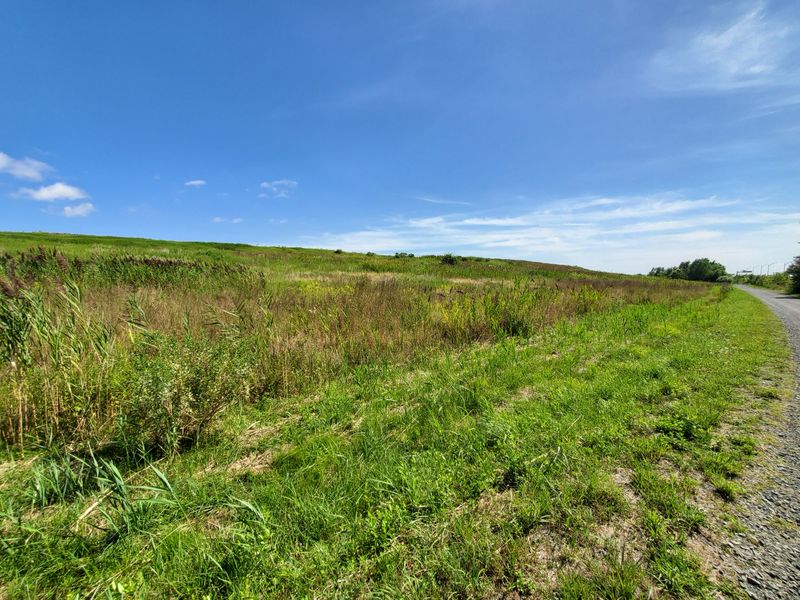
Bring binoculars because this park is a front row seat to Jamaica Bay’s migrating bird drama. Osprey patrol the air, egrets stalk the shallows, and red winged blackbirds whistle from reeds. You will spot interpretive panels that explain habitat restoration and seasonal movements.
Arrive early when the bay is calm and light is low, or visit at dusk when silhouettes cross the sky. Stay on paths to protect nesting areas and keep voices soft near the marsh. A compact field guide or birding app helps identify quick flashes of color.
Even casual observers will enjoy the spectacle. Watch the tide peel back to expose feeding flats, then surge to erase footprints. You leave feeling tuned to small motions and respectful of the park’s careful stewardship.
Pack a simple picnic and claim a patch of lawn that lifts your gaze toward water and sky. The breeze keeps things fresh, and gulls trace lazy loops above. You will find trash cans, but carry out anything light enough to blow away.
Bring a blanket or low chairs since tables are limited in some areas. A sun hat helps, and a kite turns the lawn into a small celebration. Keep food sealed because opportunistic birds have excellent manners until they do not.
After eating, stretch your legs along the nearest loop and return for dessert. The rhythm of walking, resting, and watching boats pass gives the day a calm tempo. You finish feeling full and unhurried, exactly as a park day should.
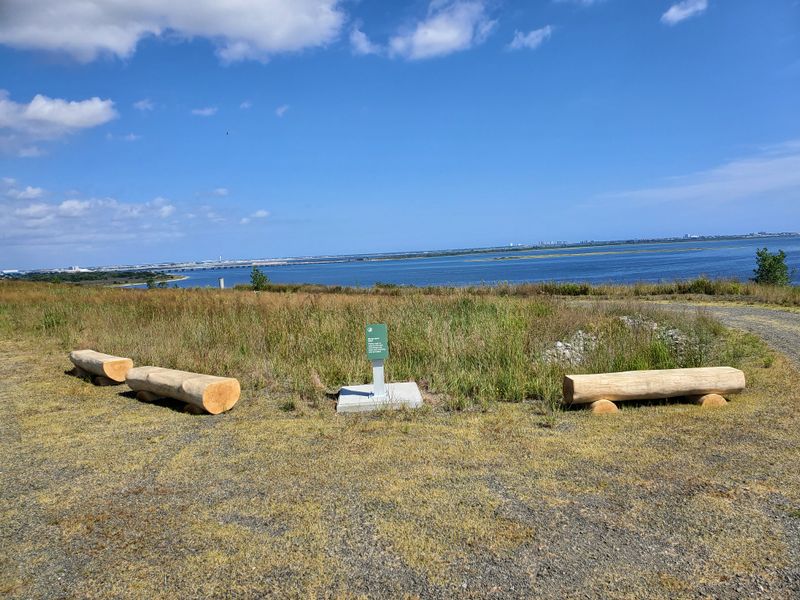
Sunrise washes the meadows with soft color, and the city sits like a quiet silhouette. If you arrive near opening, the paths feel private and birds are most active. You will hear wingbeats, grass rustle, and distant water laps.
Sunset brings warm hues and long shadows that sculpt the ridges. Golden hour is perfect for photos, contemplation, or one last loop before dinner. Check closing times because the park gates are firm and evenings come fast in winter.
Carry a light jacket since wind chills on high ground. A small thermos adds comfort while waiting for color to peak. Either bookend turns an ordinary day into something memorable and restorative.

The park honors Shirley Chisholm, the first Black woman elected to Congress and a 1972 presidential candidate. Interpretive signs share her unbought and unbossed spirit and connect civic courage to public space. You will feel that conviction in the park’s openness and accessibility.
Read the panels and let the landscape stand as a living tribute to persistence. The reclaimed land echoes her drive to transform limits into possibilities. It is a lesson kids can feel under their feet while adults find renewed purpose.
Bring a friend who needs inspiration and trade favorite Chisholm quotes while walking. You leave reminded that representation matters and change can be practical, local, and green. The park makes history tangible without any lecture hall.
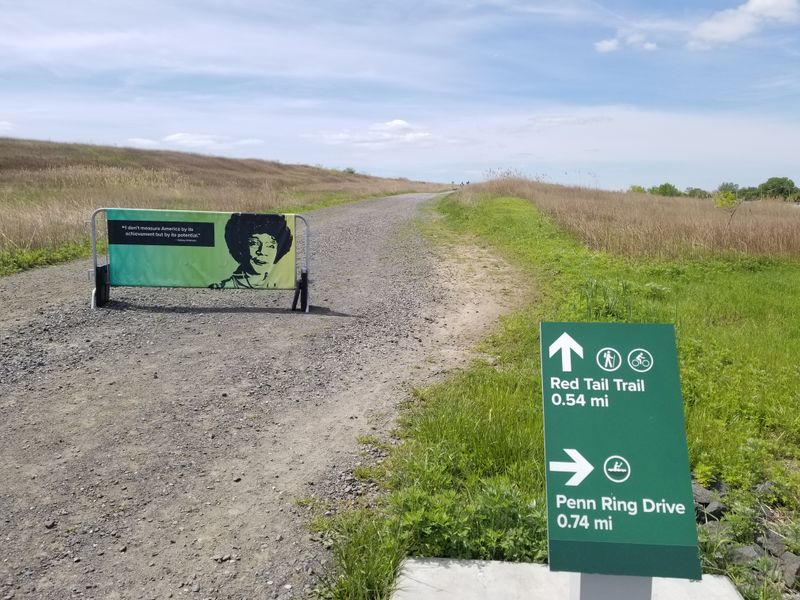
Accessibility feels thoughtfully baked into the park, not tacked on. Wide, compacted gravel and gentle grades make many routes workable for mobility devices and strollers. You will notice clear signage, resting benches, and open turns that avoid sudden obstacles.
Before visiting, check the park website for current conditions and accessible restroom notes. Bring a friend and choose loops that keep elevation reasonable while still offering views. The openness reduces crowding pressure, which helps everyone move comfortably.
Communication is key on shared paths, so call out when passing and keep speeds moderate. Shade can be sparse, so plan for sun and wind. With a little prep, the experience feels welcoming, dignified, and genuinely shared.
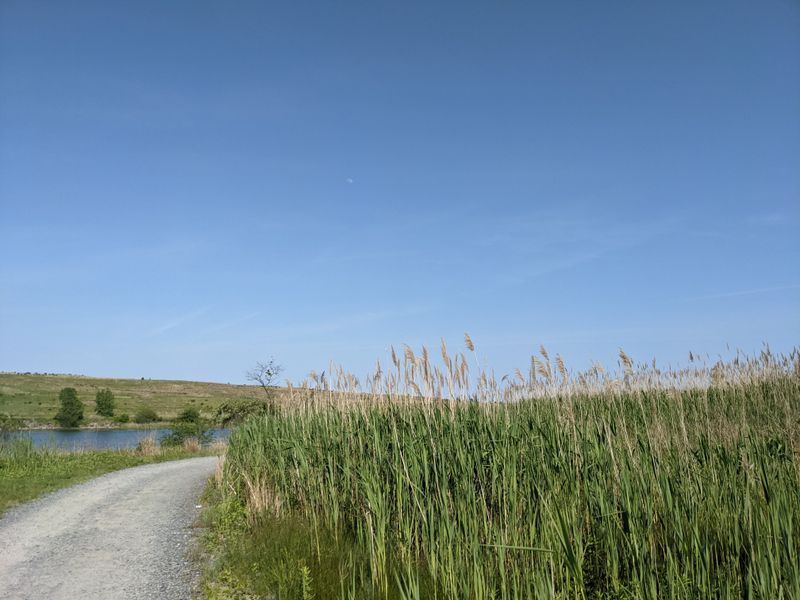
Bring a simple diamond or delta kite and let the park’s steady breezes do the rest. The open lawns and ridgelines deliver consistent lift without tricky turbulence. You will spend more time smiling than untangling string.
Choose lightweight line and a reel that locks, especially for younger flyers. Step back from paths so cyclists can pass easily. Keep an eye on gusts that can yank suddenly and pull your kite toward the bay.
Between flights, stretch out and cloud watch while gulls sketch white arcs. The whole activity turns into a shared rhythm of launch, drift, and cheer. It is screen free fun that pairs perfectly with a snack break.
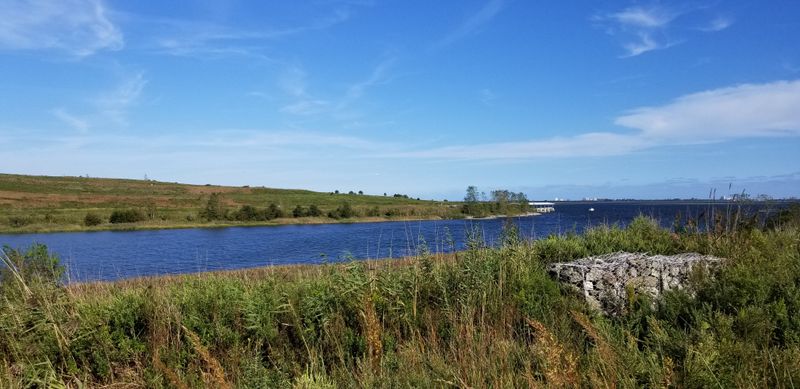
In spring and summer, native flowers lace the trail edges with color and motion. Bees work the blooms, and seed heads nod like small metronomes in the wind. You will notice how plantings hold soil on these former landfill slopes.
Photograph close with soft backlight to catch translucent petals and tiny visitors. Stay on paths to protect roots and avoid hidden holes. Carry a pocket magnifier and you will discover surprising textures in leaves and stems.
By fall, grasses bronze and sway like a slow tide across the hills. Winter pares everything back to structure and shadow, still beautiful. Each season turns the same loops into new chapters, inviting repeat visits.
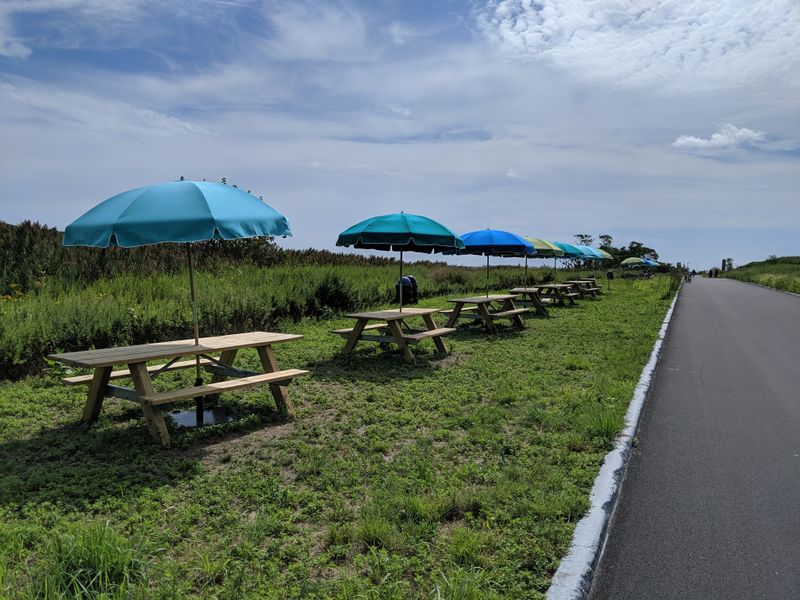
Pick a one to two mile loop that keeps excitement high without tiring small legs. Start near a restroom, promise a viewpoint reward, and stash snacks for strategic stops. You will find plenty of benches and photo moments to celebrate progress.
Make it a scavenger hunt for colors, birds, or skyline shapes. Encourage kids to lead at intersections and check maps like junior rangers. Keep an eye on bikes and remind everyone to stay right.
Wrap up with a picnic or a few kite launches to burn last energy. The day will feel adventurous yet manageable, exactly what family outings need. You head home with sandy shoes, wind flushed cheeks, and happy chatter.
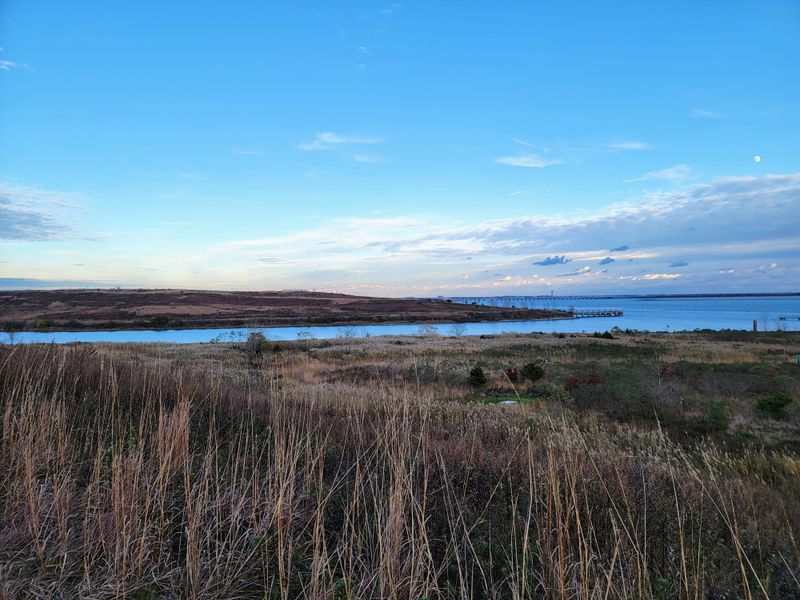
Start at opening with a slow climb to catch low angle light brushing the grasses. Work wide shots that place tiny figures against big sky for scale. You will grab a few frames of the skyline before haze builds.
Mid loop, switch to details: seed heads, footprints, and wind patterns in water. Use a polarizer to tame glare and deepen blues. Keep shutter speeds high on ridges where gusts can wobble your stance.
Finish at an overlook bench and wait for birds to enter the composition. If clouds stack up, shoot timelapses on a small tripod. You leave with a set that tells the park’s story from grand to intimate.
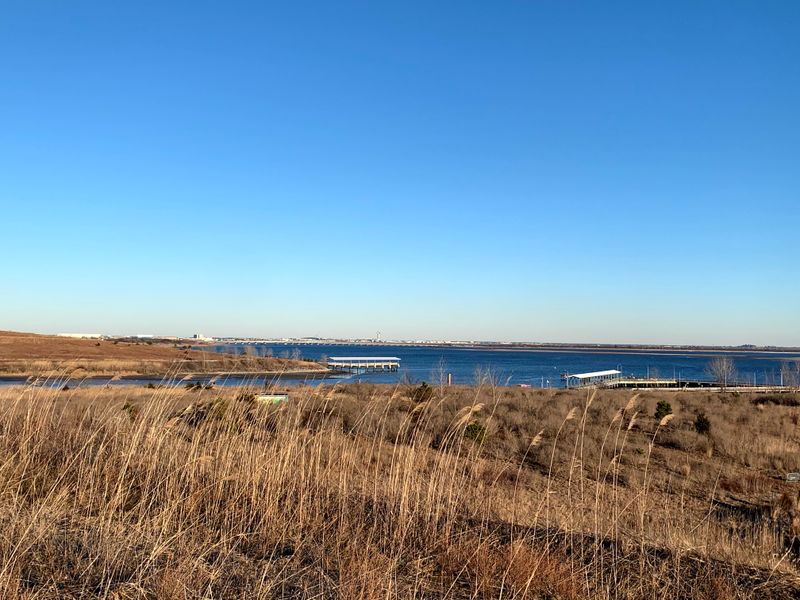
Wildlife thrives here because visitors choose care over convenience. Stay on trails, give animals space, and keep dogs at home because this state park restricts them. You will protect nests, grasses, and the quiet many come to find.
Pack out all trash and secure lightweight items that wind can steal. Skip feeding birds, which can harm their health and behavior. If something drops into the marsh, resist the urge to trample plants retrieving it.
Model good behavior for kids and fellow visitors. The calm you preserve becomes part of the shared experience. You will leave with lighter pockets and a clearer conscience, which feels pretty great.
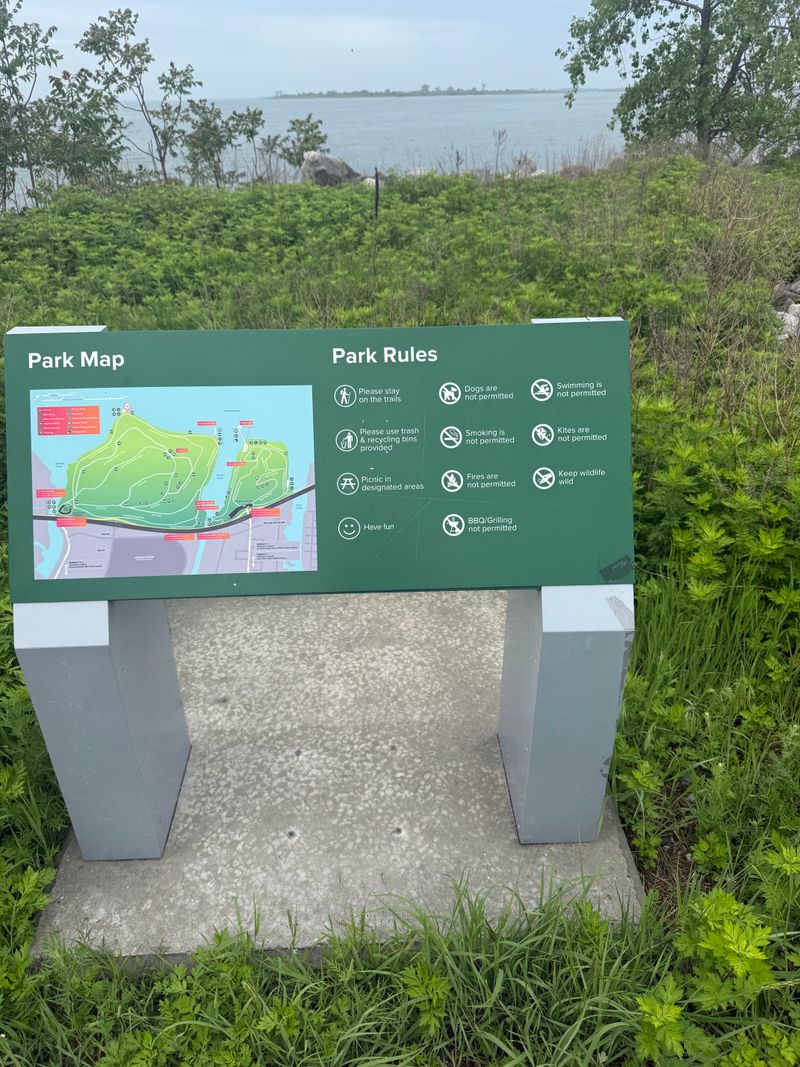
Check hours before you go since the park opens at 8 AM and closes in the late afternoon. Scan the official website for alerts, event days, and any seasonal changes. You will want water, sunscreen, a hat, and a light layer for wind.
There is no entrance fee, and parking fills on nice weekends, so arrive early. If you are using transit, plan extra time from the station to the gate. Restrooms are available at key nodes, but not on every loop.
Save the map to your phone and mark viewpoints to avoid backtracking. A small snack stash can rescue morale on windy ridges. With basics sorted, the day unfolds smoothly and you can focus on joy.

Shirley Chisholm State Park sits on reclaimed land that now breathes with grass, birds, and hope. The transformation feels personal, like evidence that cities can heal and serve people better. You will sense pride in every overlook and breezy ridge.
It is not manicured perfection, and that is the point. The wind writes the soundtrack, and the views write perspective. History, ecology, and recreation braid together without shouting for attention.
Walk here when you need space to think or celebrate small wins. Bring someone who believes change is impossible and let the horizon answer. You will leave taller, with your stride a bit lighter and your curiosity renewed.



