There is a corner in Syracuse, New York, where history has refused to be quiet. A church built by Ukrainian immigrants over a century ago still stands on Tompkins Street, telling a story that most people in the city have never fully heard.
St. John the Baptist Ukrainian Catholic Church is not just a place of worship. It is a living record of a community that crossed an ocean, planted roots in Central New York, and built something that has lasted generations.
The church sits in the Tipperary Hill neighborhood, a part of Syracuse already known for its strong immigrant heritage. What makes this particular landmark worth knowing about goes far beyond its walls.
From its Byzantine architecture to its annual cultural festival, every detail of this place carries the weight of real history and the pride of a people who never forgot where they came from.
The Community That Built Something to Last
Ukrainian immigrants began arriving in the United States in significant numbers during the late 1800s and early 1900s, driven by economic hardship and political instability in their homeland. Many of those who settled in Central New York were working-class families who took jobs in local industries while holding tightly to their cultural identity.
Building a church was one of the first priorities for these early settlers. A church was not simply a place for Sunday services.
It was a community center, a school, a gathering space, and a symbol of permanence in a new country.
St. John the Baptist Ukrainian Catholic Church grew directly from that impulse. The founding congregation was made up of people who understood that preserving their faith and their culture required a dedicated physical space.
More than 100 years later, the church still stands as proof that their effort was not in vain, and that what they built was meant to endure.
Byzantine Architecture in an Unexpected Place
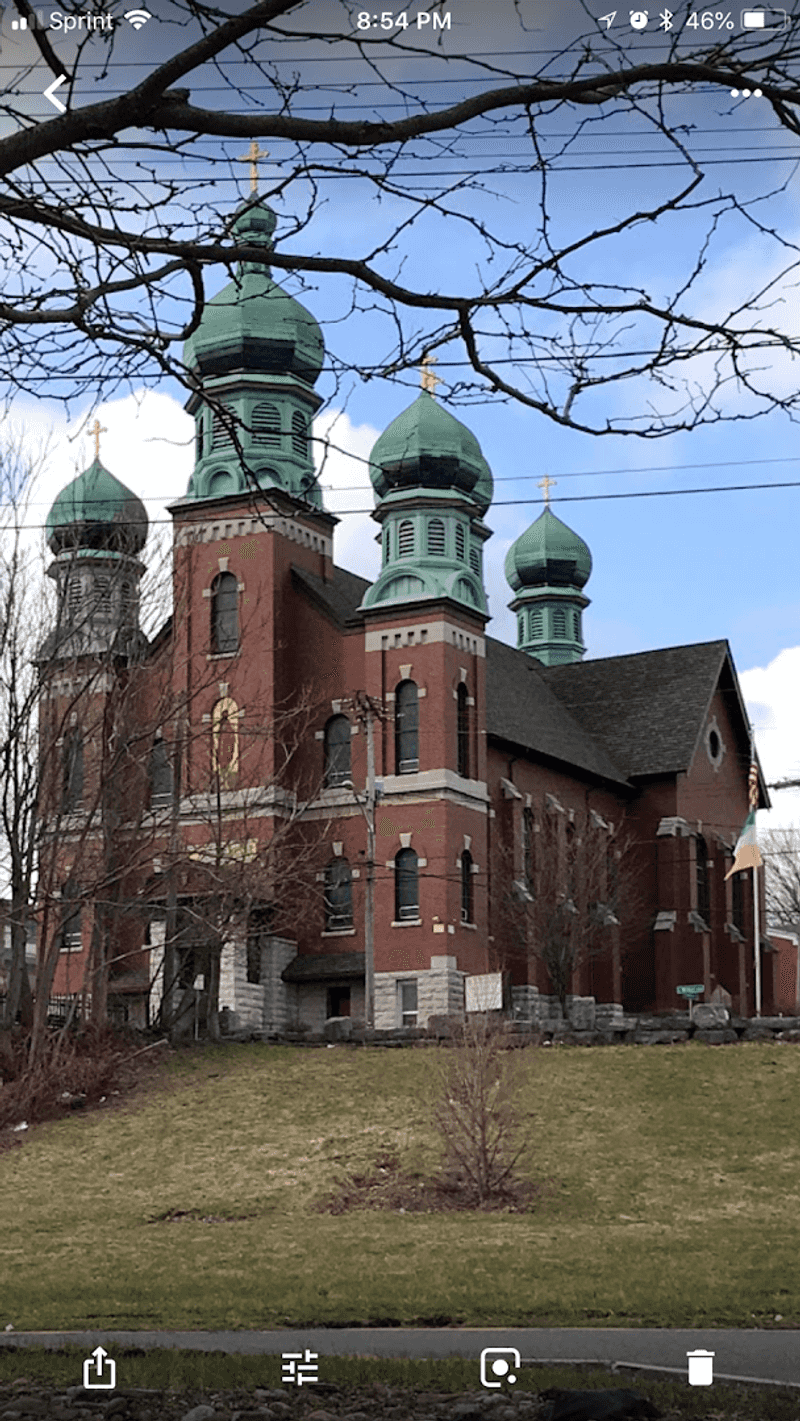
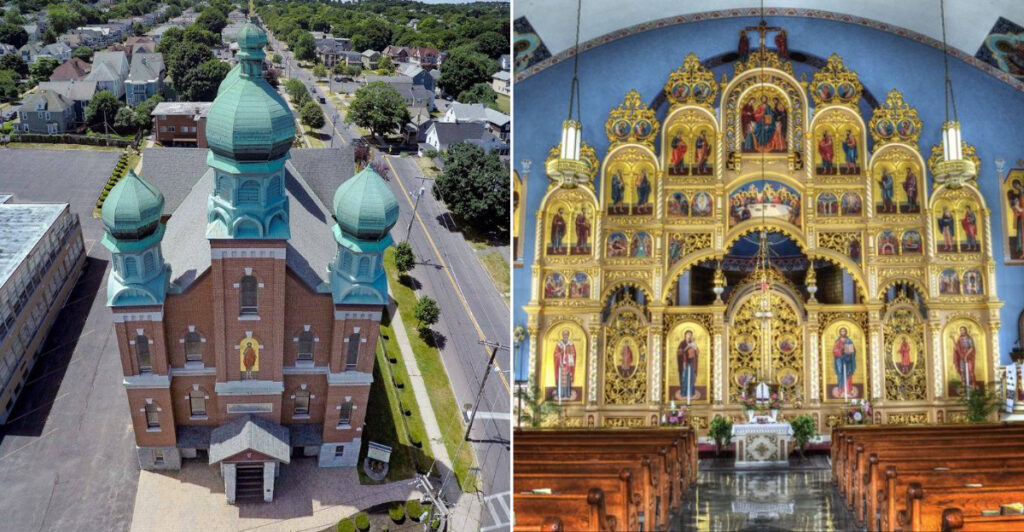
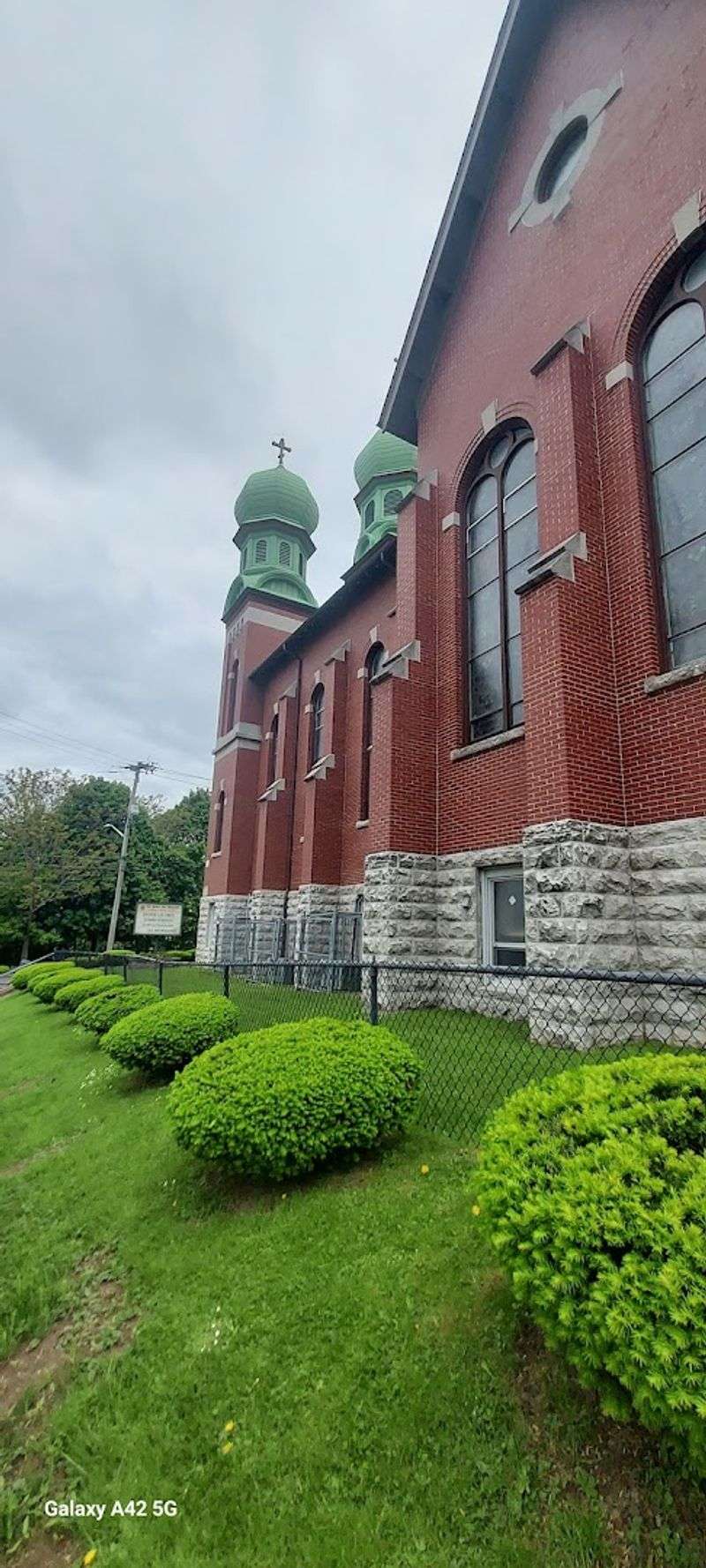
Byzantine architecture is not something most people expect to encounter in a residential neighborhood in upstate New York. Yet that is exactly what St. John the Baptist Ukrainian Catholic Church delivers.
The building draws from the long tradition of Eastern Christian church design, which favors rounded forms, richly decorated interiors, and a visual language rooted in the ancient churches of Eastern Europe.
This style is not decorative for its own sake. In the Byzantine Catholic tradition, the architecture itself is considered a form of worship.
The layout of the church, the placement of icons, and the design of the sanctuary all reflect specific theological meanings that have been passed down through centuries of tradition.
For anyone walking through Tipperary Hill who has not encountered this style before, the church can feel genuinely surprising. It is a reminder that American cities are full of architectural stories that most people walk past without ever stopping to read them properly.
The Ukrainian Catholic Rite and What Makes It Distinct
The Ukrainian Catholic Church belongs to a group known as Eastern Catholic churches. These are churches that use Eastern liturgical traditions but are in full communion with the Pope in Rome.
For people unfamiliar with this branch of Christianity, it can be surprising to learn how different the Ukrainian Catholic mass is from the Roman Catholic mass most Americans know.
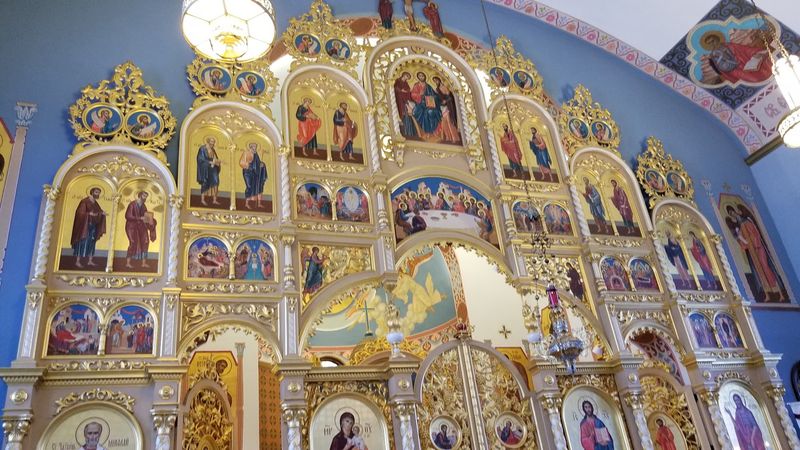
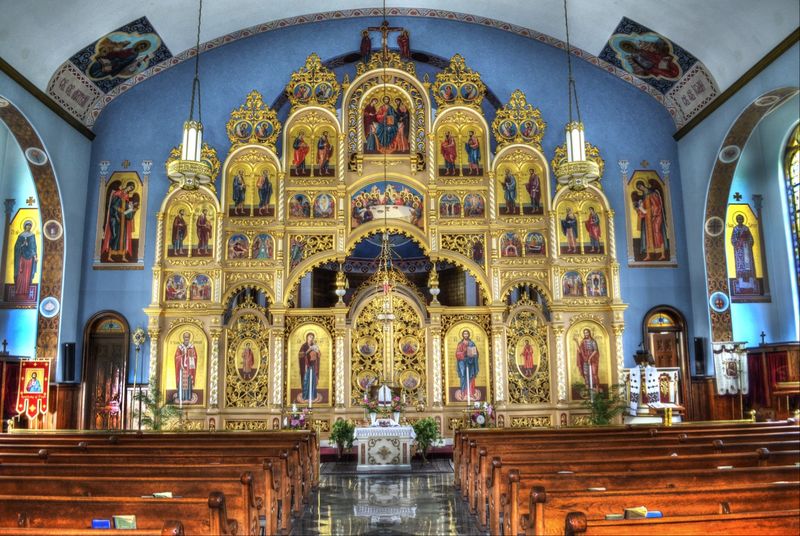
The Divine Liturgy, as the Ukrainian Catholic service is called, is conducted in a style rooted in the Byzantine tradition. It features choral singing, specific ritual movements, and the use of an iconostasis, which is a screen of icons that separates the nave from the sanctuary.
These elements connect the congregation to a form of Christian worship that predates many of the divisions in Western Christianity.
St. John the Baptist Ukrainian Catholic Church has maintained these traditions throughout its history, making each service a continuation of a practice that stretches back many centuries and across many generations of faithful communities.
Tipperary Hill: A Neighborhood Built on Immigrant Pride
Tipperary Hill is one of the most distinctive neighborhoods in all of Syracuse, and not just because of its famous upside-down traffic light. The area has long been associated with immigrant communities, particularly Irish settlers who gave the neighborhood its name.
Over time, other groups, including Ukrainians, Italians, and others, added their own chapters to the neighborhood’s layered history.
The presence of St. John the Baptist Ukrainian Catholic Church on Tompkins Street fits perfectly into this larger story. Tipperary Hill has always been a place where people from other countries came to build new lives without abandoning the ones they left behind.
That combination of adaptation and preservation is visible in the neighborhood’s architecture, its community organizations, and its annual celebrations.
Understanding the church means understanding the neighborhood it belongs to. Tipperary Hill did not just happen to have a Ukrainian Catholic church.
The community actively chose to plant its roots there, and that choice shaped both the neighborhood and the congregation in lasting ways.
The Taras Shevchenko Statue and Its Cultural Weight
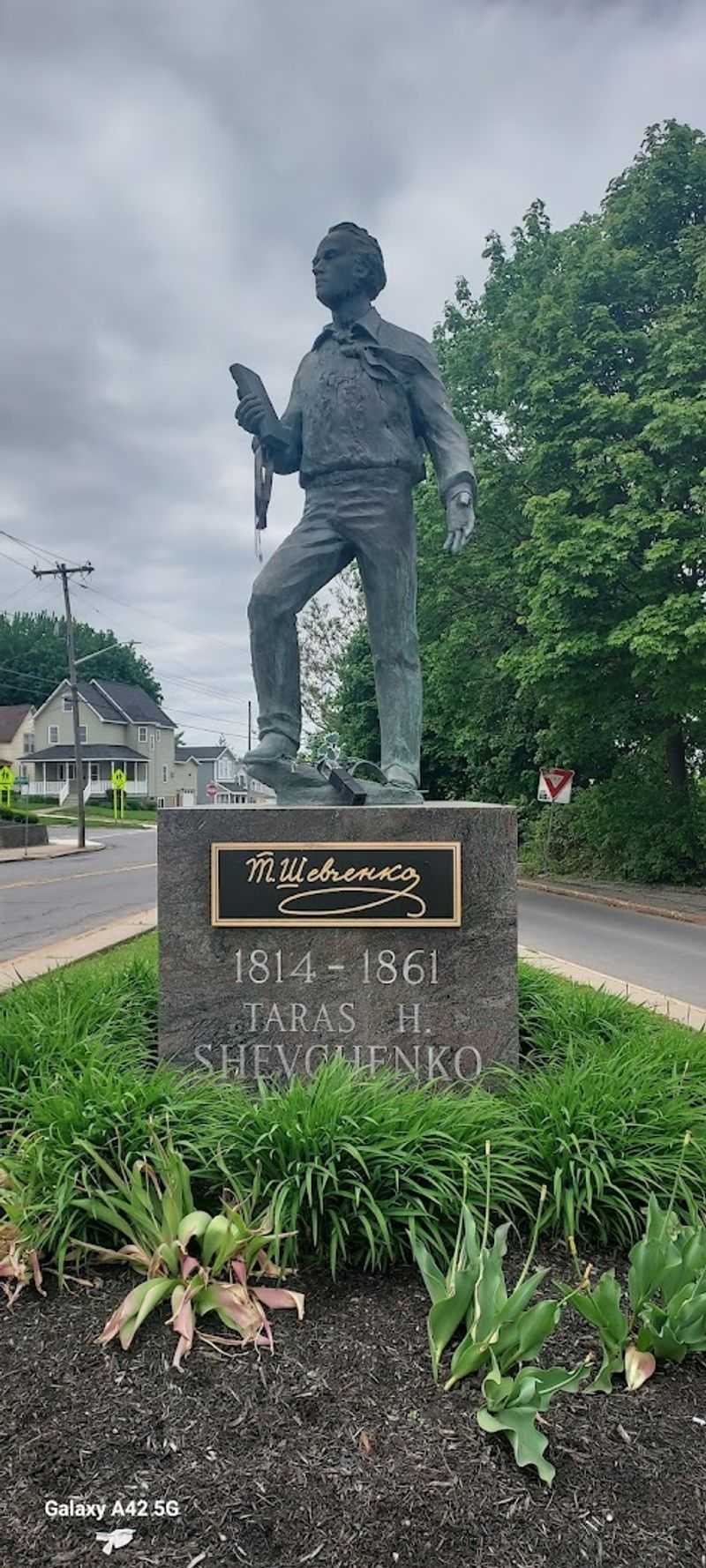
One of the most notable features associated with St. John the Baptist Ukrainian Catholic Church is the cultural statue of Taras Shevchenko on the grounds. Shevchenko is not just a historical figure in Ukraine.
He is considered the father of modern Ukrainian literature and one of the most important symbols of Ukrainian national identity.
Born in 1814, Shevchenko was a poet, artist, and activist whose work gave voice to the Ukrainian people during a period of intense political suppression. His writings in the Ukrainian language were a form of cultural resistance, and his legacy has only grown more significant over time, particularly in the context of Ukraine’s ongoing struggle for independence and sovereignty.
Having a statue of Shevchenko outside a church in Syracuse is a powerful statement. It tells anyone who passes by that the Ukrainian community here has not forgotten its roots, its language, or the figures who fought to preserve them.
The statue is a landmark within a landmark.
The Annual Ukrainian Festival That Draws the Whole City
Once a year, the grounds of St. John the Baptist Ukrainian Catholic Church transform into a celebration that reaches well beyond the Ukrainian Catholic community. The annual Ukrainian festival is one of those events that manages to be deeply rooted in a specific culture while remaining genuinely welcoming to everyone who shows up.
The festival features traditional Ukrainian dancers performing choreography that has been passed down through generations. Live music fills the air with folk melodies that carry the character of a culture that values its artistic heritage as much as its religious one.
Craftspeople set up displays of traditional Ukrainian art, giving attendees a chance to see skills that are increasingly rare outside of dedicated cultural communities.
The event happens only once per year, which gives it a quality that more frequent events rarely achieve. People who have attended describe it as one of the more genuinely educational and entertaining community gatherings in the Syracuse area, and the tradition shows no sign of stopping anytime soon.
More Than a Century of Continuous Worship
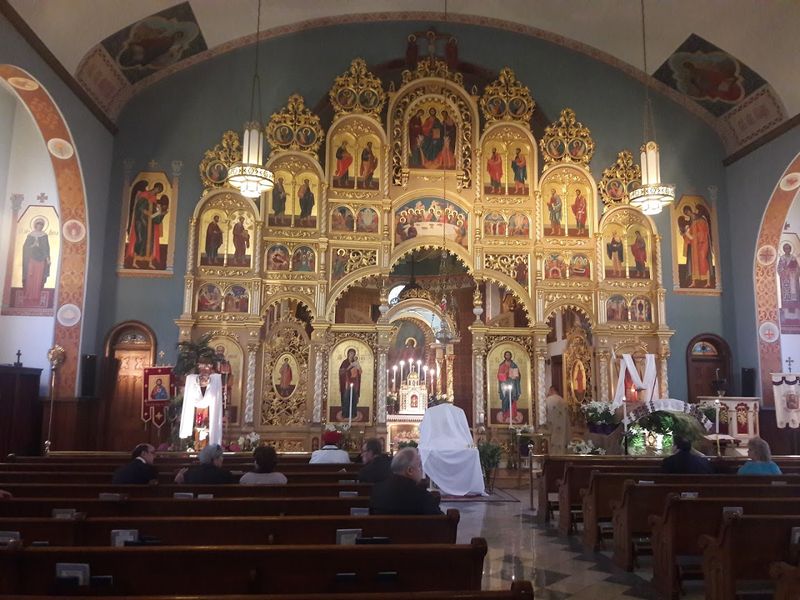
Longevity is not something that happens by accident in a religious community. Maintaining a congregation, a building, and a set of traditions for more than 100 years requires consistent effort, financial commitment, and a genuine sense of shared purpose among the people involved.
St. John the Baptist Ukrainian Catholic Church has managed all of that across multiple generations.
The church has served as the spiritual home for Ukrainian Catholic families in Syracuse through periods of enormous change, including two world wars, waves of immigration, economic shifts, and the dramatic political events that have shaped Ukraine itself in recent decades. Through all of it, the congregation has continued to gather, pray, and maintain the traditions that define their community.
That kind of continuity is rare, and it deserves recognition. The church is not preserved as a museum piece.
It is an active place of worship where the same liturgical traditions practiced by the founding congregation are still observed today, connecting the present community to its earliest roots in a direct and meaningful way.
Icons, Art, and the Visual Language of Faith
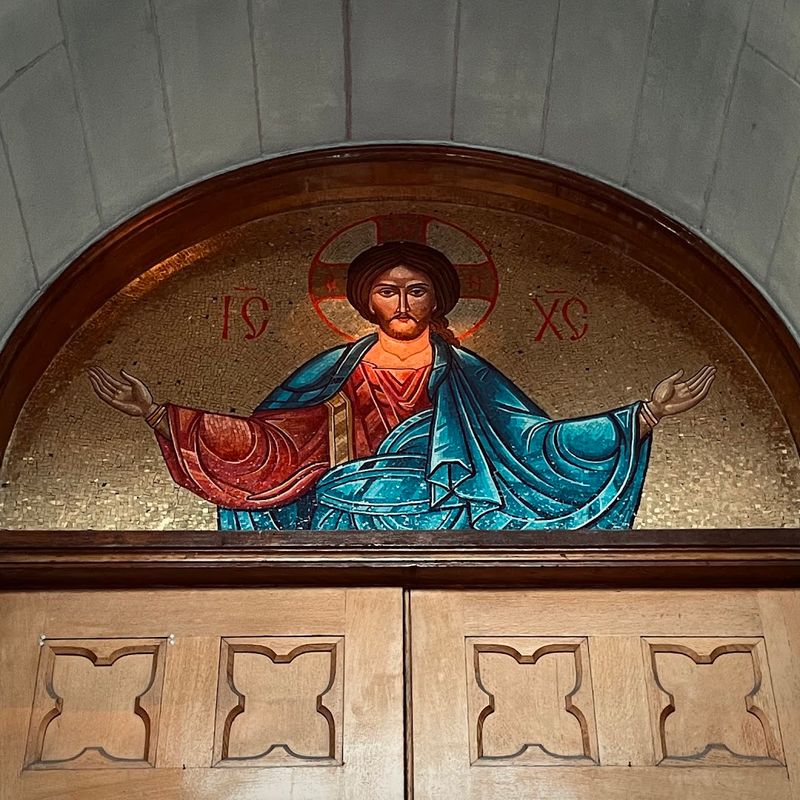
Inside a Ukrainian Catholic church, the walls and iconostasis are covered with icons, which are sacred images of Christ, the Virgin Mary, and the saints. These are not simply decorations.
In the Byzantine tradition, icons are considered windows into the divine, and their creation follows strict artistic and theological rules that have been developed over many centuries.
The iconographic tradition in Ukrainian Catholic churches reflects a blend of Byzantine and specifically Ukrainian artistic styles. Colors, poses, and symbolic details all carry specific meanings that trained worshippers can read like a visual text.
For those unfamiliar with the tradition, encountering a fully decorated Byzantine interior for the first time can be a genuinely striking experience.
St. John the Baptist Ukrainian Catholic Church preserves this visual tradition as part of its broader commitment to maintaining the full liturgical and cultural heritage of Ukrainian Catholicism. The art inside the church is as much a part of the community’s identity as the language of the liturgy or the food at the festival.
A Church That Serves as a Cultural Anchor
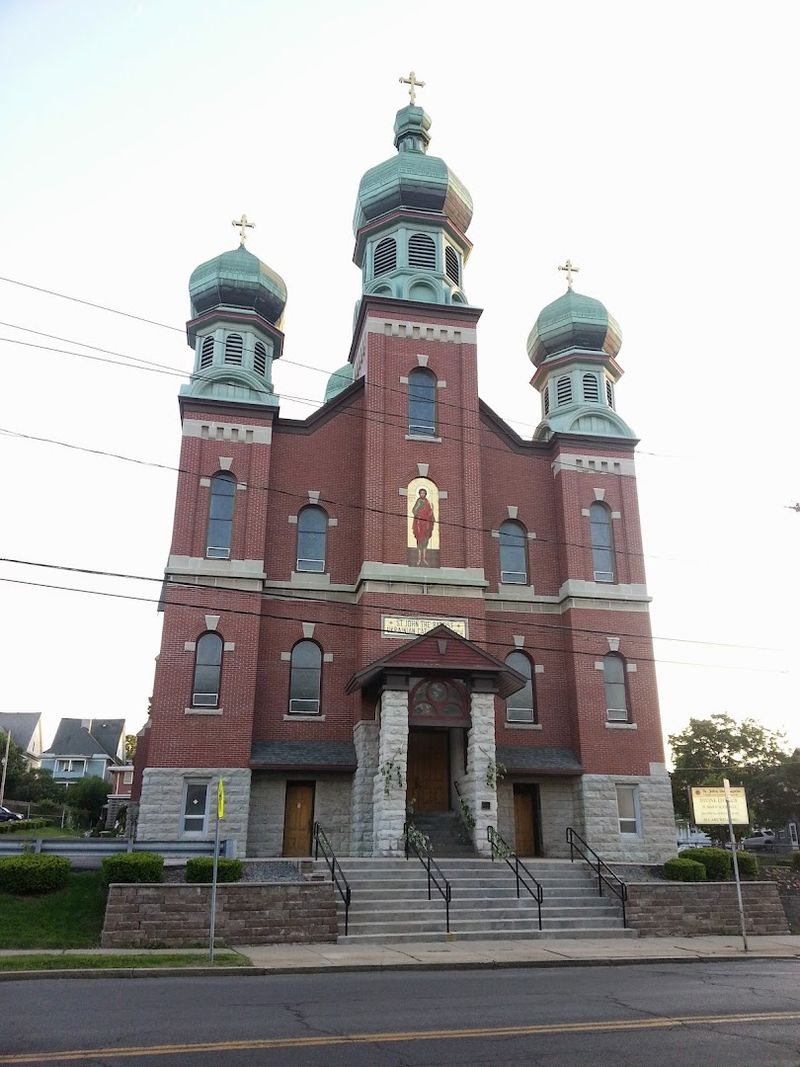
For immigrant communities, a church often serves a purpose that goes well beyond Sunday services. It becomes the place where the community’s language is preserved, where children learn about their heritage, where cultural events are organized, and where people find a sense of belonging that the wider city does not always provide.
St. John the Baptist Ukrainian Catholic Church has played exactly that role for the Ukrainian community in Syracuse for over a century. The church has been a center for Ukrainian language education, cultural programming, and community organizing throughout its history.
When events in Ukraine have drawn international attention, the Syracuse Ukrainian community has gathered at the church to respond, reflect, and support.
That function as a cultural anchor is especially significant today, as the Ukrainian community worldwide has faced renewed attention due to ongoing geopolitical events. The church in Syracuse stands as a local expression of a global community, and its role as a gathering place has never felt more relevant or more necessary than it does right now.
Why This Landmark Deserves More Attention
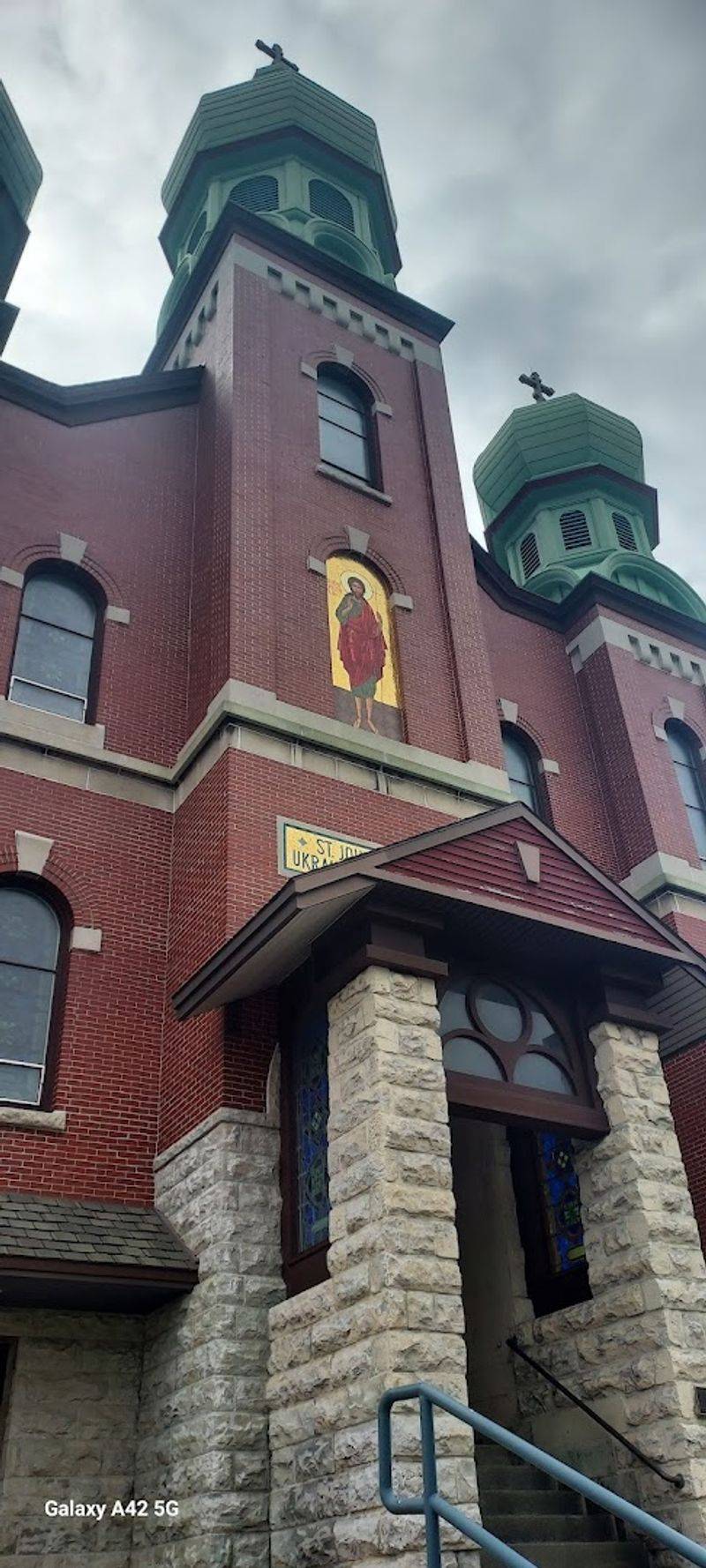
Syracuse has no shortage of historical landmarks, but not all of them carry the same combination of religious, cultural, and community significance that St. John the Baptist Ukrainian Catholic Church brings to Tompkins Street. The church represents a story that is specific to Ukrainian settlers but universal in what it says about immigrant communities and their determination to preserve identity across generations.
The building itself is architecturally distinctive in a city where Byzantine design is not common. The annual festival brings Ukrainian culture to a broader Syracuse audience in a way that is both accessible and authentic.
The Taras Shevchenko statue connects the local community to a figure of international cultural importance. Each element reinforces the others, making the church more than the sum of its parts.
For anyone interested in the real, layered history of Syracuse, a visit to this church, whether during the festival or on a quiet afternoon, offers something that cannot be found in a textbook. History here is still breathing, still practiced, and still very much alive on Tompkins Street.
Where History Has a Street Address
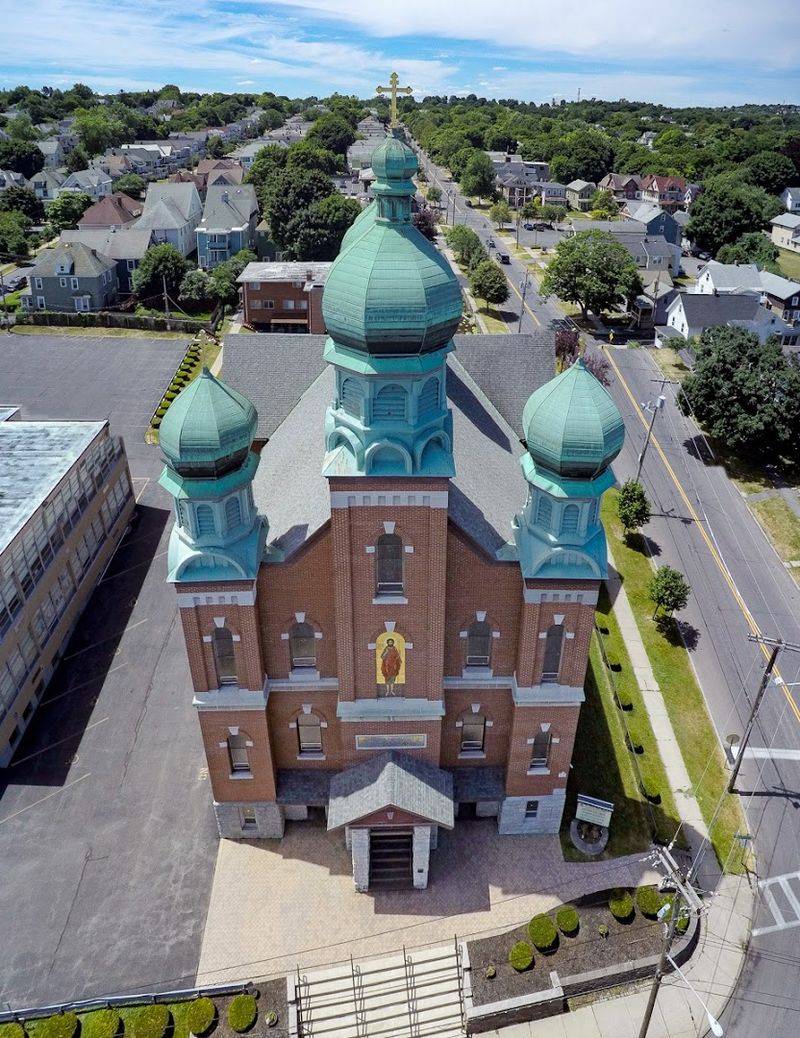
At 207 Tompkins St, Syracuse, NY 13204, St. John the Baptist Ukrainian Catholic Church occupies a spot in the Tipperary Hill neighborhood that feels both grounded and purposeful. The address is easy to find on a map, but what it represents takes much longer to fully understand.
Tipperary Hill has long been a neighborhood shaped by immigrant communities, and the Ukrainian Catholic church fits naturally into that history. The building itself signals something different from the standard church architecture found elsewhere in the city.
Its Byzantine design sets it apart visually and culturally from the moment you notice it.
The church serves the Ukrainian Catholic community, a branch of Catholicism that follows the Byzantine rite while remaining in full communion with Rome. That distinction matters, because it reflects the specific religious and cultural traditions that Ukrainian settlers brought with them when they arrived in Central New York more than a century ago.
Share this story