 Unearth The Voyage
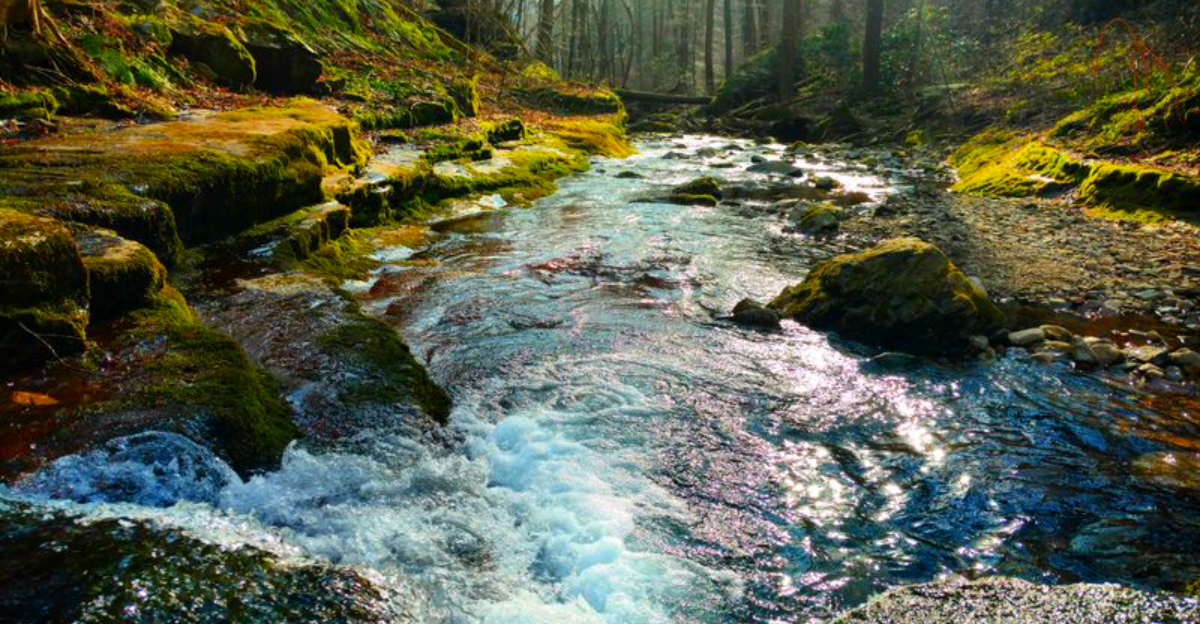
There is a trail in the Delaware Water Gap that feels like a secret handshake, the kind that rewards curiosity with cold, glassy water and hushed hemlock groves. Follow the rush of a creek, the hush of mossy boulders, and the steady pull of switchbacks, and you will find a highland lake that looks like it has been filtered by the sky.
I went to chase waterfalls and ended up staying for the rhythm of the crossings, the surprise of trout nosing through clear pools, and a horizon that sits patiently over the Gap. Keep reading, because this route ties together hidden cascades, rugged climbs, and a blue green pond that makes New Jersey feel wild in the best possible way.
Getting There and Key Details
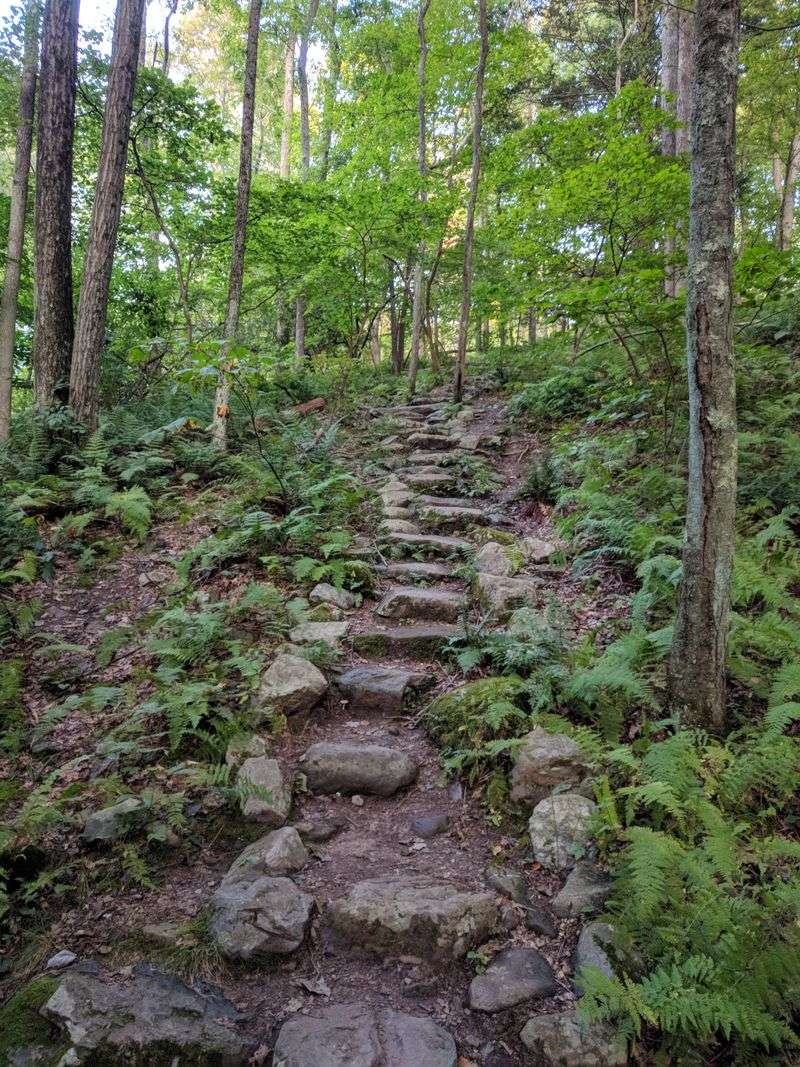
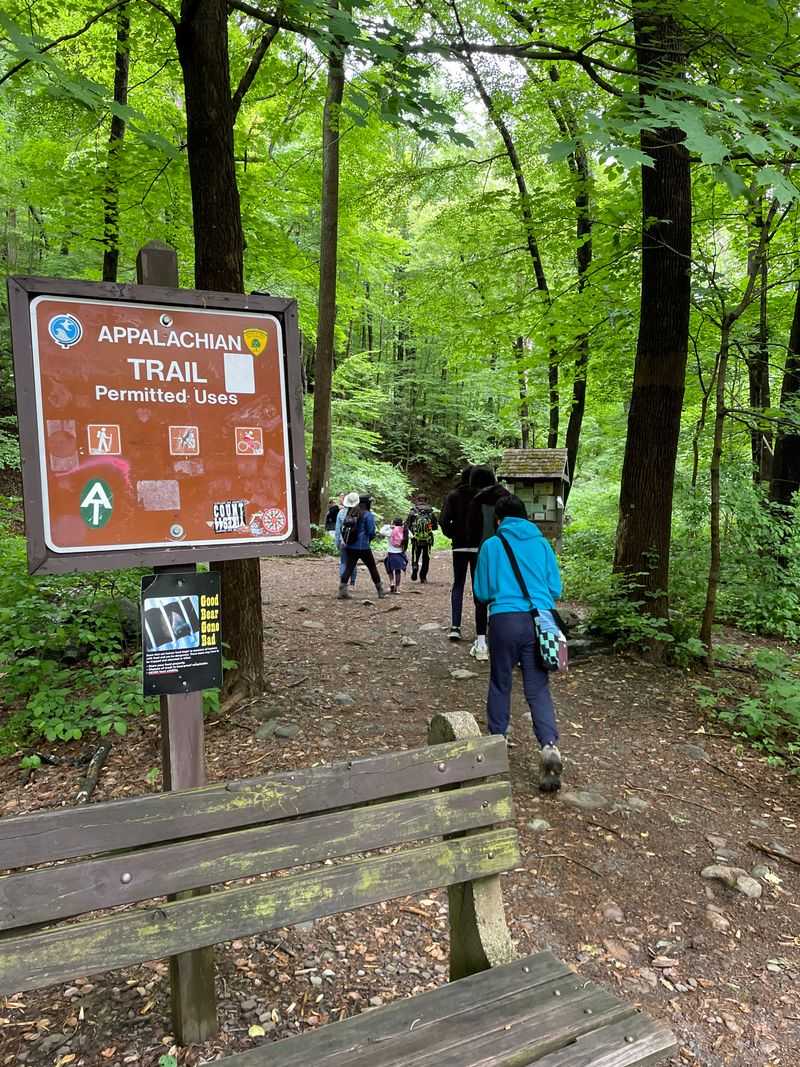
The first breadcrumb is precise. Dunnfield Creek Natural Area sits right off I-80, Columbia, NJ 07832, inside the Delaware Water Gap National Recreation Area in New Jersey, and the trailhead is a quick turn from the highway with a compact lot, portable restrooms, and clear blazes for the Appalachian Trail, Red Dot, Blue Dot, and the green Dunnfield Creek Trail.
Hours are simple, with open 24 hours posted, though I time arrivals around dawn to beat parking shortages and settle into the woods before traffic hum intrudes. Cell signal can be patchy, so I snap photos of maps and note the NPS page for trail updates.
Water flows fast after rain, and crossings can be slick, which makes trekking poles helpful. I like sturdy boots, a dry bag for socks, and a small towel tucked in the pack.
The first waterfall sits surprisingly close to the lot, giving early motivation. From there, the forest narrows into a cool corridor, and every step feels like a quieter New Jersey unveiling itself.
Waterfalls Right Out Of The Gate
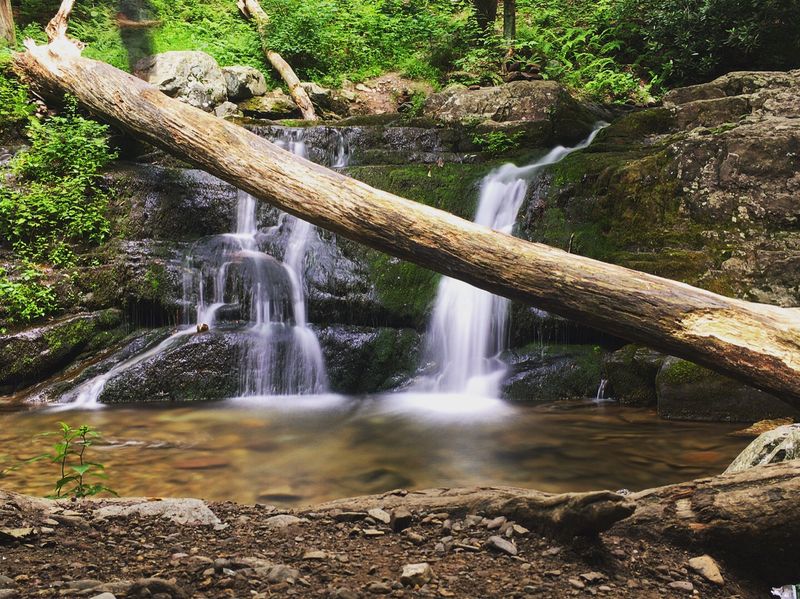
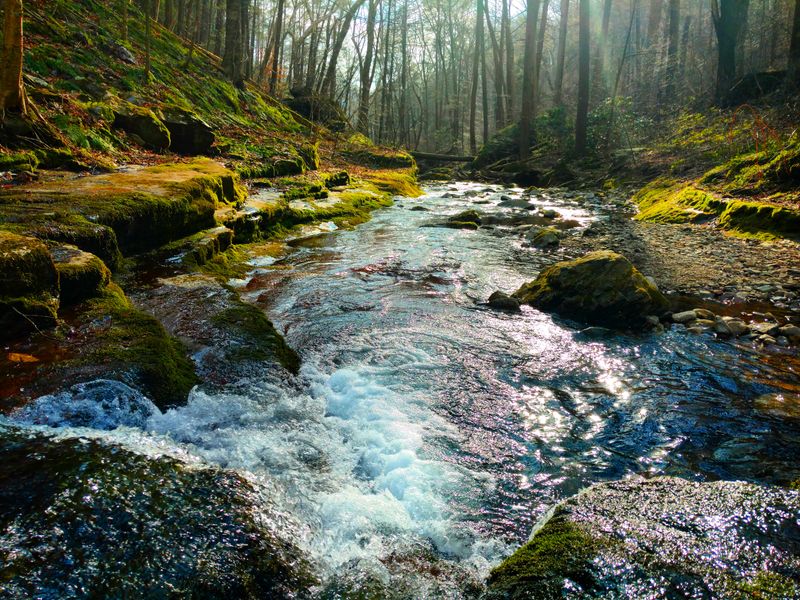
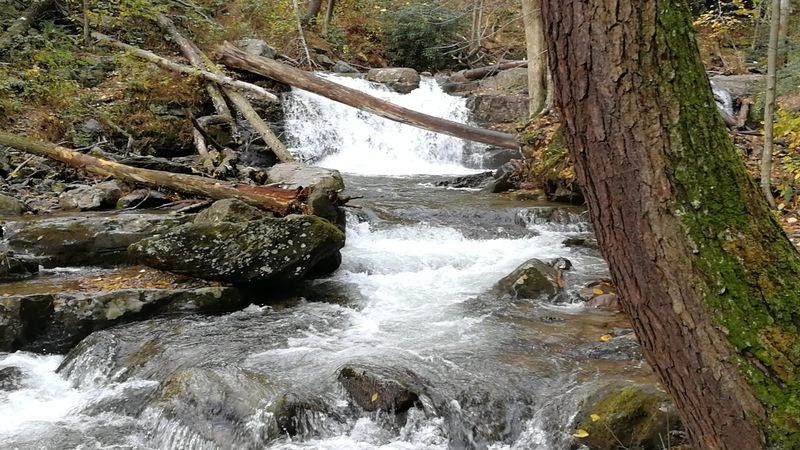
Sound arrives first as a low, steady hush. Within a few hundred feet of the trailhead, the creek gathers itself into short tiers that pour over mossy rock, a friendly preview of what the day will become if you keep following the green blazes deeper into the ravine.
I pause on flat stones next to the spray and watch the water slide around pockets of foam. Photos work best from knee level, framed by hemlock trunks and fern fronds that catch the light.
After rain, the flow gets louder and the color deepens into that slate blue green that looks almost polished. On drier weeks, delicate veils hang over ledges and expose the sculpted bedrock like ribs.
It is easy to linger too long here, but the real fun lives upstream. I promise myself another minute, then tuck the camera and push on, because each crossing hints at a new angle, and that is how this place hooks you.
Creek Crossings And Trail Rhythm
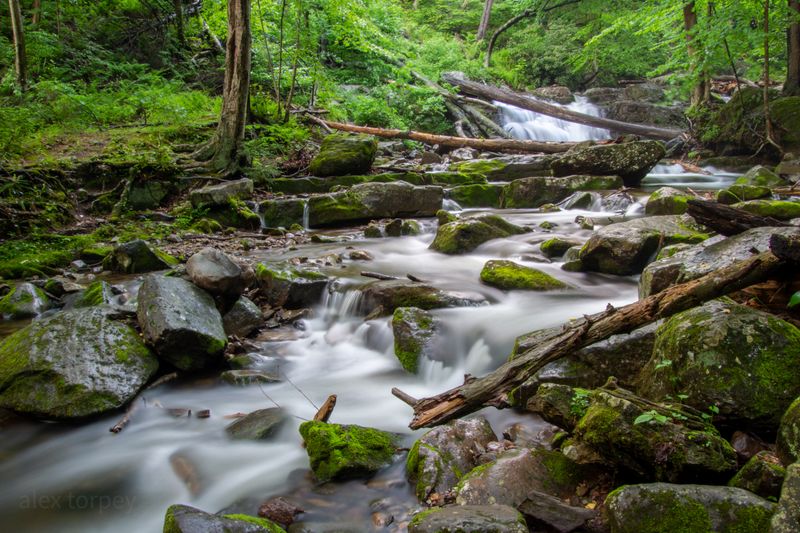
The Dunnfield Creek Trail teaches timing. Stones sit like a dotted line across the current, and you learn to breathe with the water, step to step, watching bubbles trace the channels you are about to trust with your boots.
On a normal day, I count several crossings, some quick hops and others slow and deliberate. Poles add balance, but patience does most of the work.
Early season runoff can nudge you toward a wet foot, which is why dry socks in a zip bag feel like magic later. The green blazes sometimes hide behind bending rhododendron, so I scan both tree and rock for paint and keep the creek within earshot.
Every time the trail climbs away, it returns with a better angle and cooler air.
The cadence becomes addictive. Step, glance, breathe, cross.
I start to hear less highway, more water, and realize the riffles have tuned the day to a calmer key.
Forest Atmosphere In All Seasons
Shade feels curated here. Hemlocks lean over the corridor while mountain laurel and rhododendron weave a living tunnel, and in summer the understory breathes cool air that rides off the creek like a soft fan.
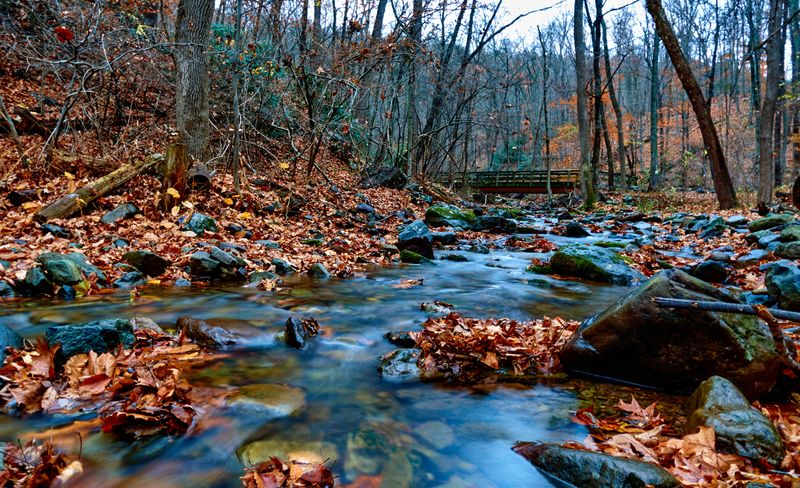
Spring paints the banks with fiddleheads and foamflower, and you can smell damp bark after small showers. Autumn calls the plays with copper beech leaves, ember red maples, and a crisp bite in the breeze that shakes out the last insects.
Winter pares things down to sculpture, leaving green laurel and dark water against pale stone. I like stormy days because the crowd thins and the creek turns more talkative.
Mud shows up, but that is part of the story, and rock steps solve most of it without drama.
Light travels in bands along this ravine. One turn feels like evening, the next like noon, and that flicker keeps the walk interesting even on familiar miles.
Climbing Toward Views On The Red Dot
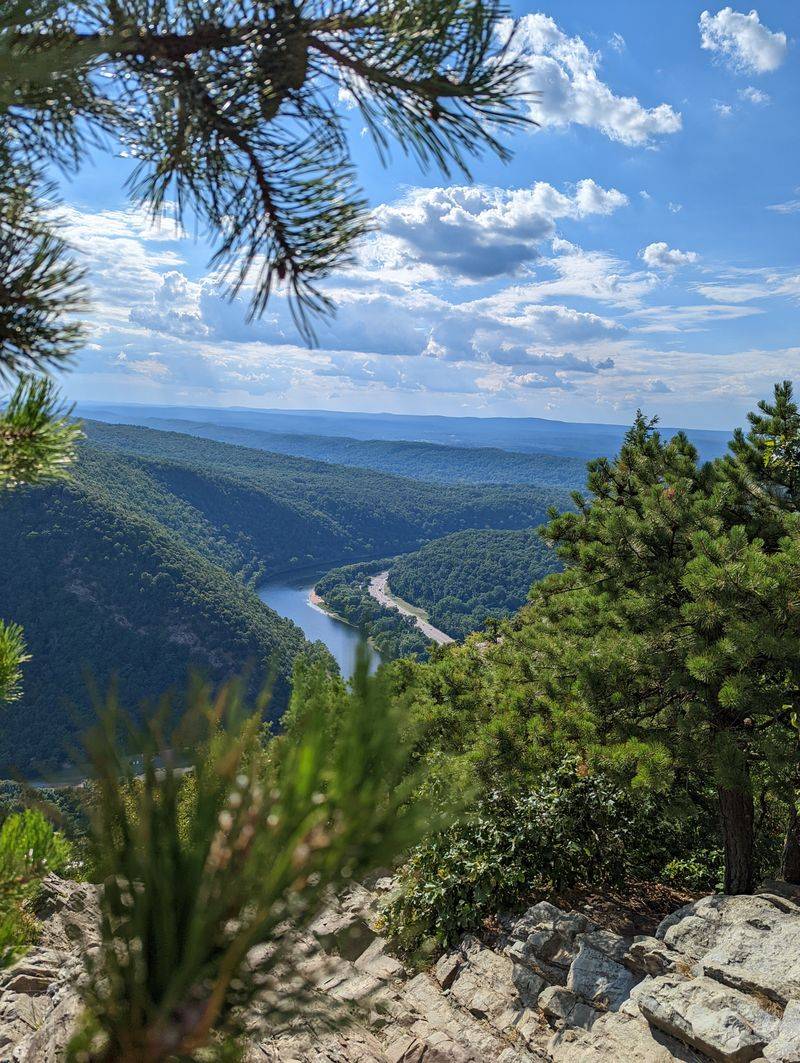
When legs want a challenge, the Red Dot answers quickly. The grade kicks up hard, rising roughly 1200 feet per mile and forcing short, steady bursts over boulder steps that warm the lungs and make the creek below sound like a metronome.
I keep eyes on the red blazes and take micro breaks next to pitch pines that twist into the wind. Traction matters on slabby sections, so dry soles and deliberate foot placements beat speed every time.
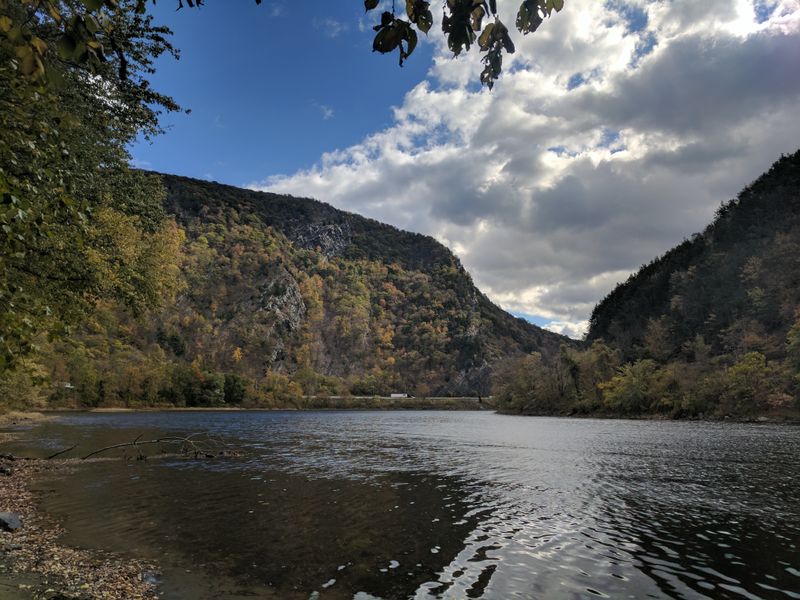
Views begin to leak through the trees, teasing the Delaware Water Gap as the highway thins into a silver thread. On clear days, the overlook stretches far, and you can trace the river bending between New Jersey and Pennsylvania while vultures ride quiet circles.
The descent often pairs with the Blue Dot, kinder on knees yet still rocky. Every summit snack tastes better here, and the creek waits below to cool the pulse.
Blue Dot Descent And Gentle Grades
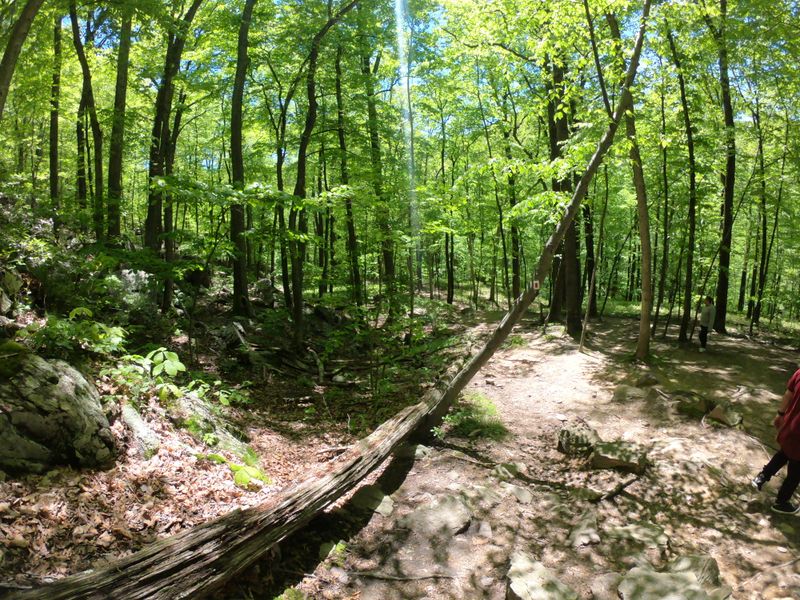
After the push, the Blue Dot feels like a handshake. Grades relax just enough to settle the stride, and hardwoods frame glimpses of the Gap that flicker between trunks like quick postcards.
The tread stays rocky, so ankles appreciate focus, but the rhythm switches from climb to cruise. Trail markers come often, and side breezes carry a piney note that never gets old.
I like to pause at small ledges, catch the river view, then roll on until the sound of Dunnfield returns with that familiar white noise. Blue Dot lands you back into the creek corridor without drama, which makes it an ideal loop partner with the Red Dot ascent.
On quiet weekdays, I count the steps between hawk calls and keep a soft pace.
By the time the water greets the path again, knees have cooled and curiosity wakes up. Another crossing, another chance to reset the day.
Appalachian Trail Link To Sunfish Pond
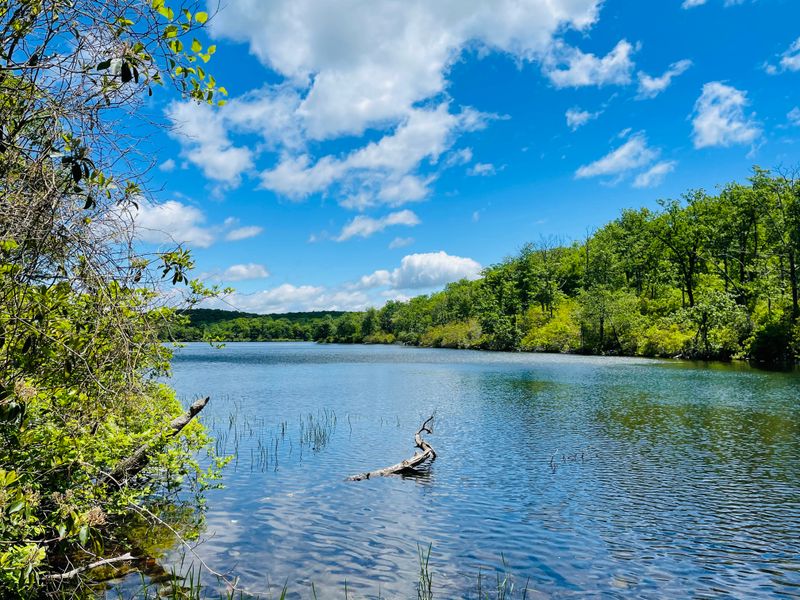
The white blazes promise a prize at the top. Follow the Appalachian Trail from the creek and the grade tilts up through mixed forest before it eases toward a stony shoreline where Sunfish Pond spreads like a bowl of clear glass.
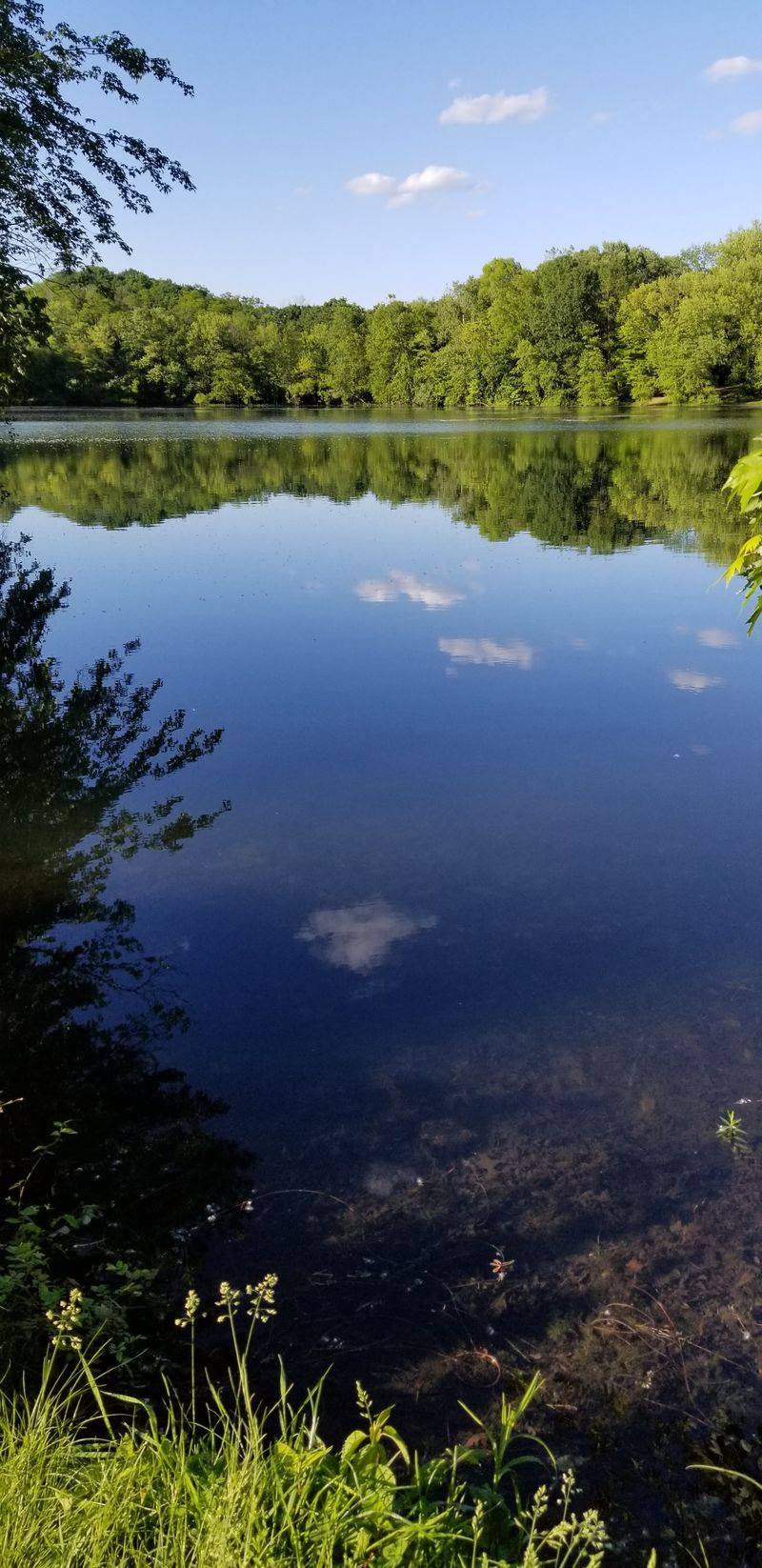
This glacial lake feels timeless and quiet, with rocks that warm in the sun and water so transparent you can count pebbles below the surface. Swimming is not permitted, so I lean into stillness, eat a snack, and listen to the wind comb the pines.
The loop many hikers love clocks around nine miles, pairing the AT up and Dunnfield Creek Trail down. That mix delivers viewpoints, cool shade, and that pond finale that settles the whole outing.
I plan extra time here because leaving always takes negotiation. One last look, one last breath, then the white blazes pull me back toward the green corridor.
Wildlife, Trout, And Quiet Moments
Patience turns the creek into a gallery. In clear pools, brook trout hover like little commas, and if I stand still long enough the riffle forgets me and resumes its routine.
Birdlife works the canopy with chickadees, thrush calls, and the sudden shadow of a hawk folding into the ridge. Squirrels stage their usual acrobatics over boulders, and once in a while a shy garter snake slides from sun to shade along the edge.
I keep respectful space, store snacks securely, and leave no trace so the next walker reads the same story. Early or late hours pull the volume down and reveal more movement in the water.
You can hear the creek distinguish between gravel, cobble, and ledge as it braids around fallen branches.
Silence here has texture. It is not empty, just well arranged, and that is the best soundtrack a long day can have.
Trail Etiquette And Safety Notes
Good habits make this place feel bigger. I yield to uphill hikers, keep voices soft near crowded crossings, and step off carefully on durable surfaces when faster groups float past.
Leashes matter for dogs, both for wildlife and footwork on slick rocks. After storms, I watch for blowdowns and give roots the respect they demand on wet grades.
Portable restrooms near the lot help at the start, but I still carry a small kit and follow NPS guidance with distance from water for any emergency needs. Parking fills early on weekends, especially in fall, so dawn arrivals earn calmer miles.
I pack layers, headlamp, map image backups, and extra water, which converts small hiccups into footnotes.
The biggest safety tool might be unhurried choices. Slow down, read the creek, and the day stretches in the best possible way.
Best Seasons And Timing The Crowds
Timing shapes the mood as much as terrain. Spring unwraps ferns and sends the creek humming while blackflies mind their calendar, and early mornings dodge both bugs and crowds.
Summer grants deep shade and cool water sounds that soften the heat, though thunderstorms can raise flows and turn crossings spicy for a few hours. Autumn delivers the color parade that makes New Jersey flash its brightest self, which explains the parking frenzy on blue sky Saturdays.
Winter brings crisp air and glassy calm, with microspikes handy after freeze-thaw cycles. Weekdays reward patience across all seasons, and late afternoons can feel surprisingly open once day hikers peel away.
I keep a flexible plan and choose loops based on daylight and energy, which turns even short visits into miniature vacations.
Catch the creek in shoulder light and it glows like a polished stone. That is when the camera earns its ride and the boots feel brand new.
Parking Logistics And Alternatives
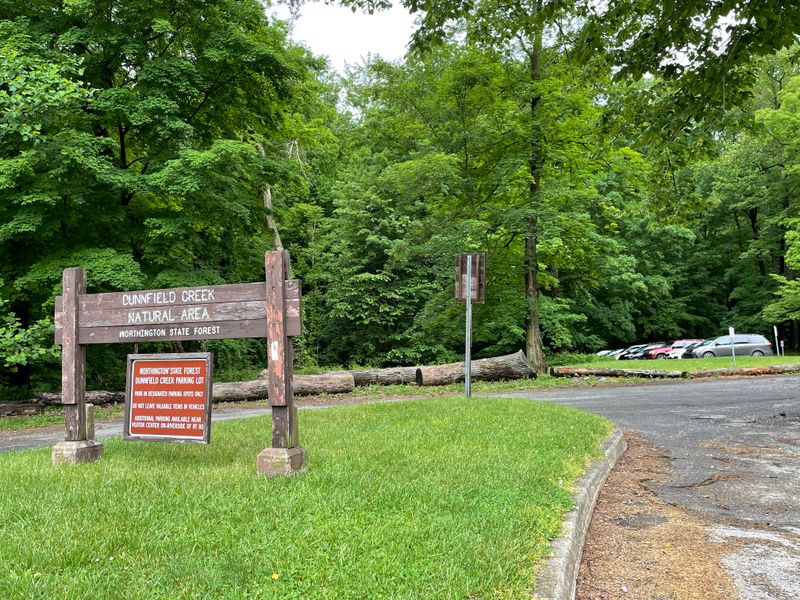
The lot near I-80 is compact and popular. I shoot for sunrise arrivals on weekends and aim for off peak windows on weekdays, which turns the approach from stressful to easygoing.
When spaces vanish, I check nearby alternatives within the Delaware Water Gap corridor, watching for posted rules and walking only on designated connectors. Rangers do monitor shoulder parking, so playing by the book matters.
Restrooms at the main lot simplify the start, but there are no services after you step onto the trail, so water and snacks must ride along. I keep a small trash bag for wrappers and leave the place cleaner than I found it.
A clear exit plan helps too, because late day traffic around the interstate can stack up.
Beat the rush, carry patience, and the creek will handle the rest. Crowds fade quickly once boots find the green corridor.
Trail Surfaces And Footwear
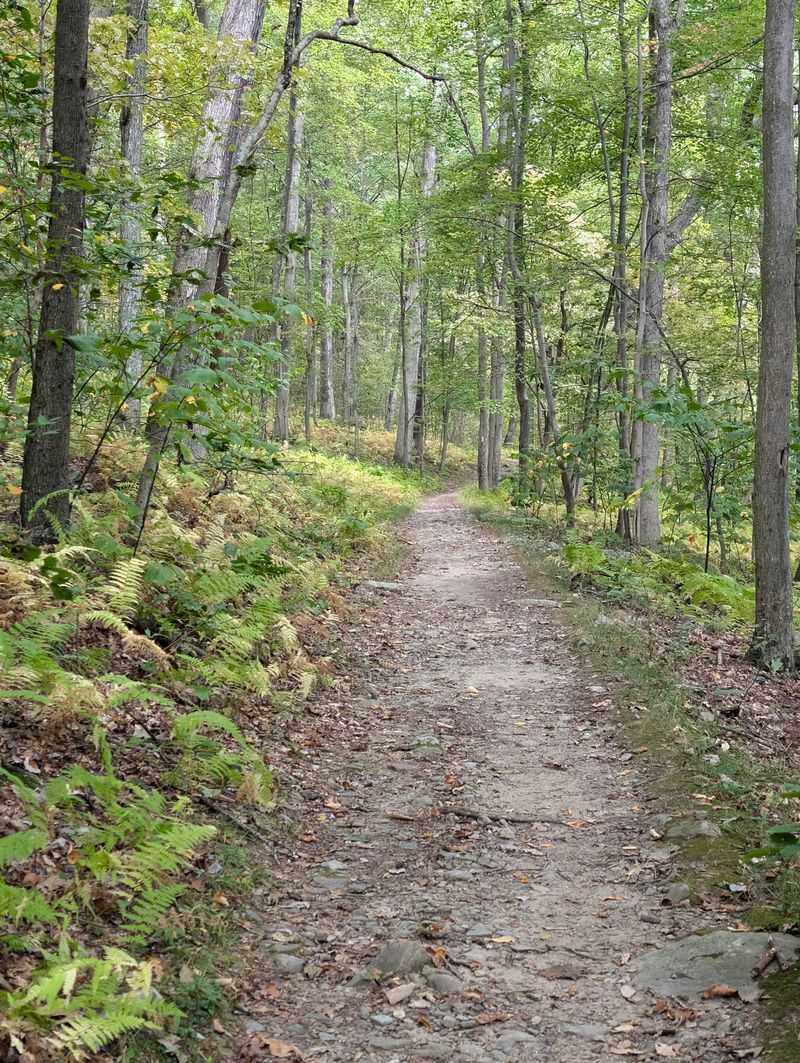
Variety underfoot keeps the brain awake. Expect roots, angled slab, loose cobble, and damp moss near the water, with occasional mud seams after storms that ask for careful foot placement.
Sturdy hiking boots with real tread feel right at home here, and I like mids for ankle support during the off camber bits along the green trail. Trail runners work for confident feet on dry days, but wet crossings reward grip and a slow pace.
Poles add balance without stealing hands from quick scrambles on the Red Dot. Gaiters help in spring when mud flicks at calves, and extra socks turn a surprise dunk into a minor laugh.
The miles are not the longest, but the texture makes them pleasantly deliberate.
Every surface has its sound. Once you hear the difference between leaf, root, and rock, you will move like you have been here for years.
Leave No Trace In A Busy Corridor
Popularity is a compliment that needs care. I pack snacks in reusable bags, stash orange peels and nut shells with the rest, and keep shoes clean at home so I am not importing seeds to places that did not ask for them.
Cairns stay untouched because rangers and high water move them anyway, and shortcut trails earn a firm pass to protect roots and soil. Noise carries in ravines, so soft conversations let others find their own quiet.
Dogs on leashes keep wildlife calm and crossings orderly. If a small cleanup moment appears, I grab it and move on, because small actions multiply fastest in busy places.
The creek reflects every choice we make along it, and that is reason enough to model good ones.
Leave no trace turns into leave a little better. That is the kind of souvenir New Jersey deserves.
A Satisfying Finish By The Water
Every loop writes its last sentence near the water. I find a sun warmed rock, loosen the laces, and listen to the creek sum up the day in a language that feels both familiar and earned.
Sunfish Pond lingers in the mind like a held breath, and the early waterfalls bookend the memory with that clean, cold shine. The highway hum returns as a distant reminder that the real world sits close, but the woods still have the last word.
I take one more sip, fold the map, and promise to bring a friend next time who swears New Jersey is all turnpikes and tolls. A clear pond and a talkative creek make the best counterargument.
The walk ends, the story keeps going. That is how Dunnfield turns a day into something that lasts.



