 Unearth The Voyage

There is a crumbling stone shell tucked into a Hudson River hillside where the air smells like damp leaves and old stories. I followed a quiet trail in New Jersey and found stairways to nowhere, mossy walls, and the kind of silence that makes you lean in.
This spot feels secret but not off limits, rugged but surprisingly welcoming, and it rewards anyone willing to wander a little farther than the crowds. Keep reading and I will show you how to find it, what to notice, and why this ruin deserves a slow visit instead of a quick photo stop.
Exact Location and First Impressions
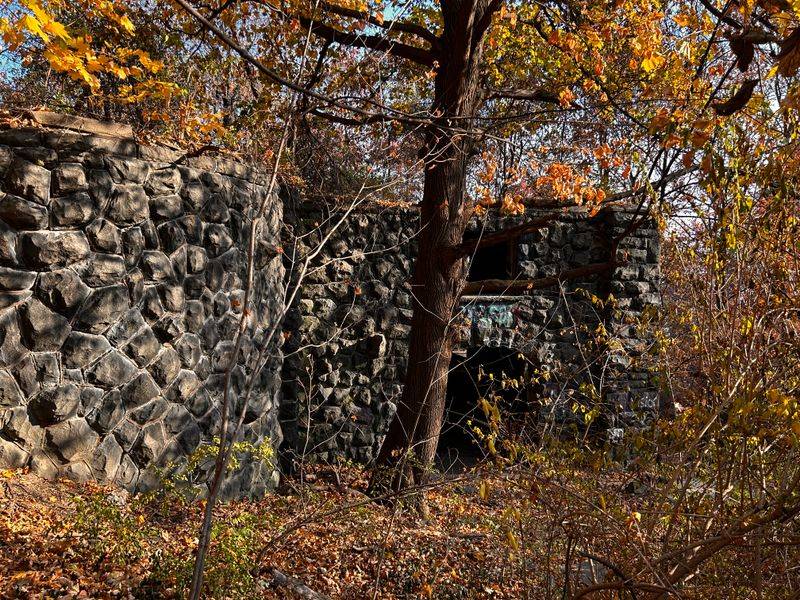
The ruins of Zabriskie’s 1911 “Cliff Dale” sit at W3QG+PJ, Alpine, NJ 07620, inside the Palisades along the Hudson River in the United States. I arrived to a quiet pull off and followed a modest path until stone walls rose like a stage set, sturdy yet softened by vines.
Blocks of rough cut stone outline rooms, steps, and a square basement where cool air lingers. Sunlight filters through empty window frames, and the river flashes between tree trunks like a slow metronome.
There is no ticket booth or grand sign, just the hum of wind and a few songbirds. You can explore respectfully, letting your eyes map foundations that still speak in straight lines.
The first impression blends curiosity with calm. Here is a New Jersey place that feels both hidden and surprisingly accessible, a castle like memory rooted above the cliffs.
A Brief History of Cliff Dale
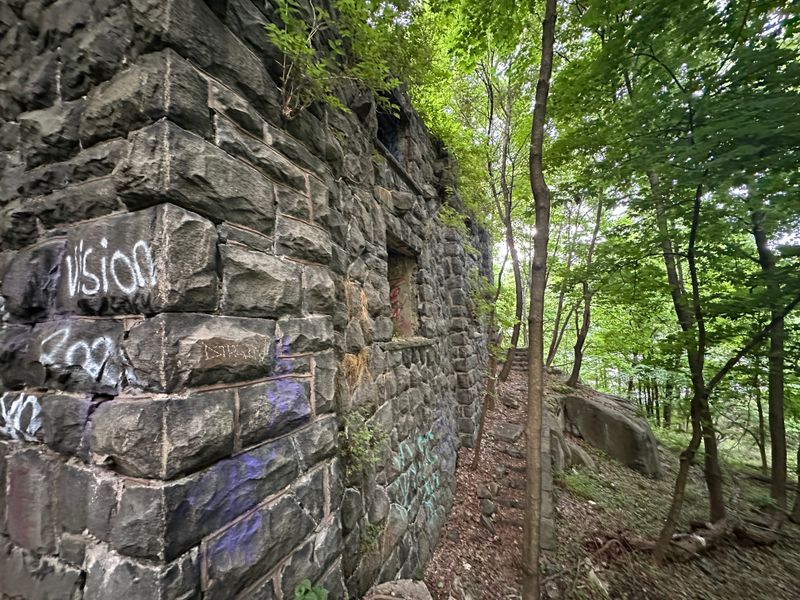
Cliff Dale dates to 1911, built by George Zabriskie as a grand residence perched above the Hudson. Time reduced it to foundations and stairways, but the footprint still hints at a serious statement house.
Standing inside the basement frame, I picture formal rooms, tall windows, and a terrace aimed squarely at the river. The Palisades have a knack for holding past lives quietly, and these walls lean into that role.
The structure is not restored or interpreted with heavy signage. Instead, the history arrives through materials, mortar seams, and right angles that refuse to fade.
I like ruins that invite imagination without making things up. Here in New Jersey, the story reads in stone, and you get to turn the pages at your own pace.
Trail Access and Navigation
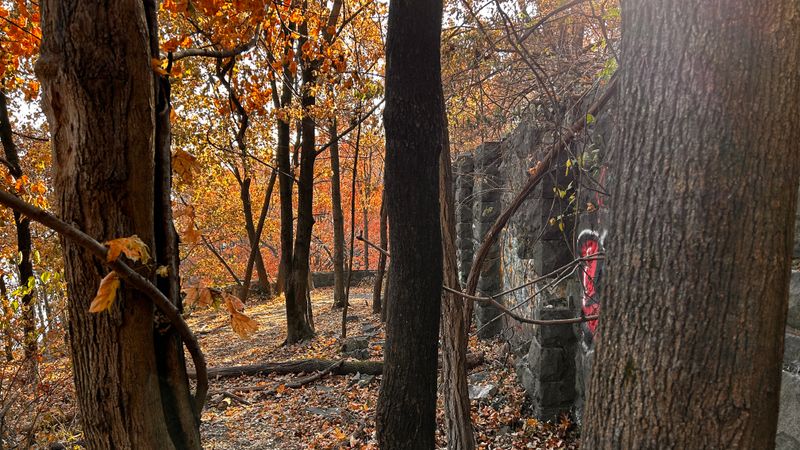
The approach uses informal park paths that branch from the Palisades trail network near Alpine. I checked a map beforehand and marked the coordinates so the last few turns felt confident rather than guessy.
Once the walls appear, navigation gets easy because the ruins become the landmark. I move clockwise around the footprint, then duck into the basement space using the broad stair opening.
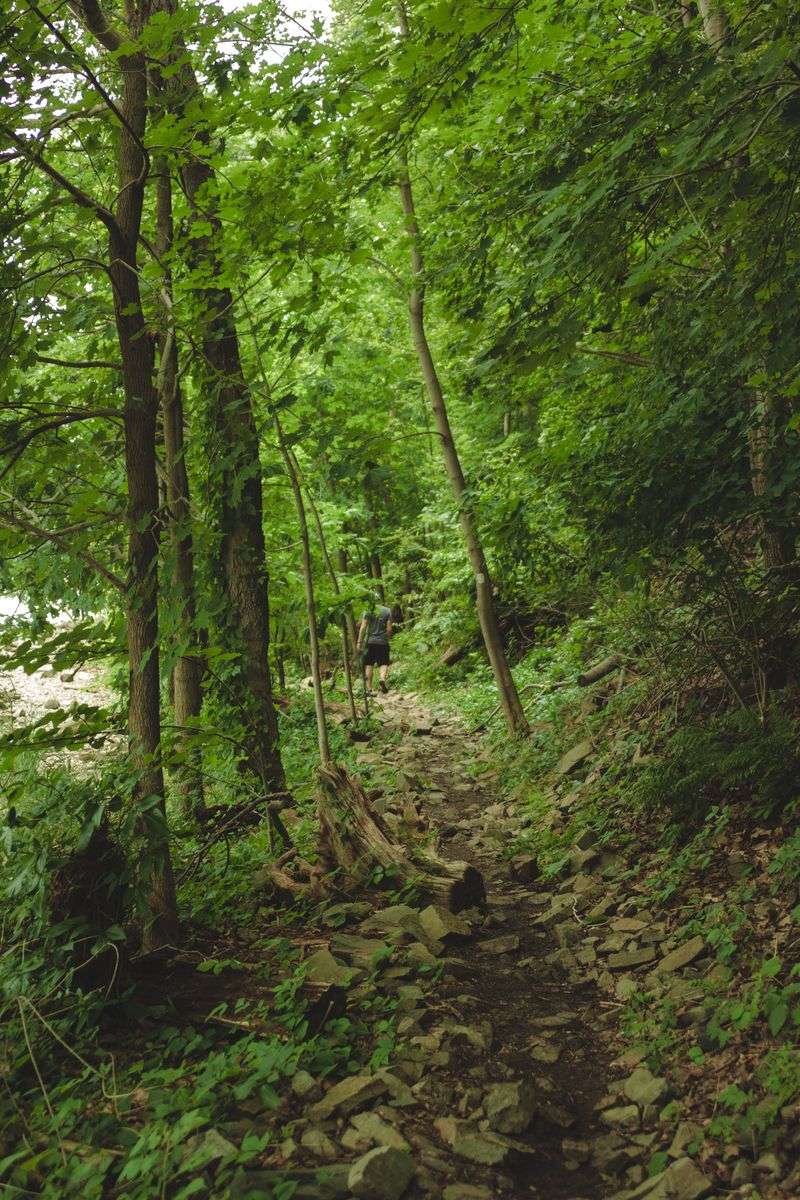
Trails are dirt and rock with occasional roots, so stable footwear helps. Cell signal flickers along the cliff, which makes downloaded maps a smart backup.
Wayfinding here is less about blazes and more about reading terrain and keeping the river to one side. That simple rule keeps you oriented while curiosity pulls you toward each surviving doorway.
Atmosphere Among the Stones
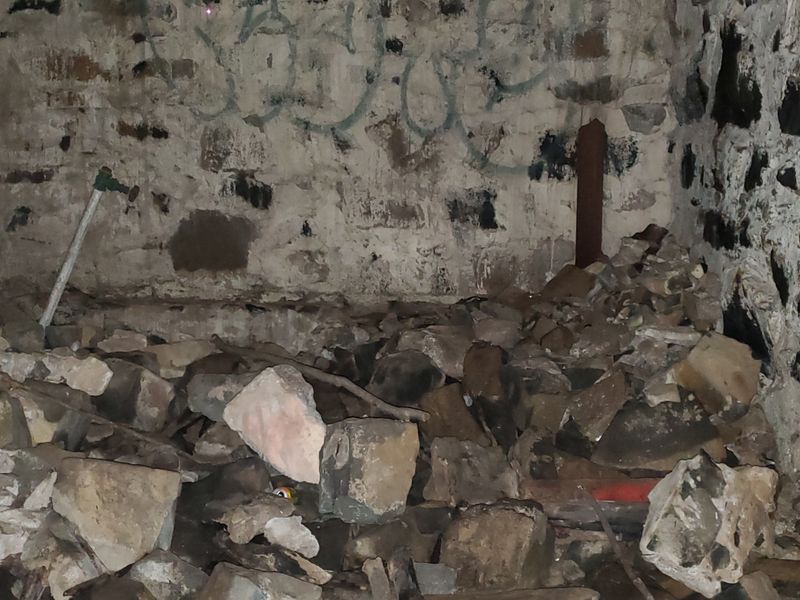
The air holds a cool hush inside these walls, even on warm afternoons. Every footstep answers with a crisp leaf crackle, then the sound trails off toward the river.
Moss has claimed ledges and corners, giving the stonework velvet edges. Spider silk lines the window gaps and trembles when a breeze slips through.
It feels contemplative without trying too hard. The place asks for slower breathing and longer looks rather than quick laps and checklists.
I like pausing at the stairwell because the light changes there in real time. New Jersey forests can be busy, but this pocket answers back with gentle quiet.
Best Times to Visit
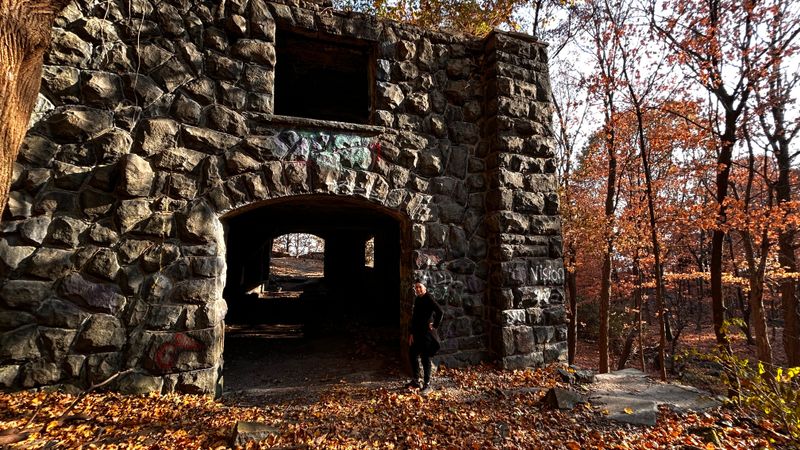
Autumn paints the slopes in copper and crimson, and the ruins frame those colors beautifully. Winter strips the trees, opening the best river views and turning the stonework crisp.
Spring brings tender greens that contrast with gray blocks, while summer offers cool shade and a steady chorus of insects. I time visits for early morning or late afternoon to catch slanted light.
After rain, stones glisten and the basement smells richly earthy. On icy days, steps become slick, so traction devices earn their space in a pack.
New Jersey weather turns on a dime, so a flexible plan helps. The ruins reward each season differently, and that variety keeps me coming back.
Safety and Respectful Exploring
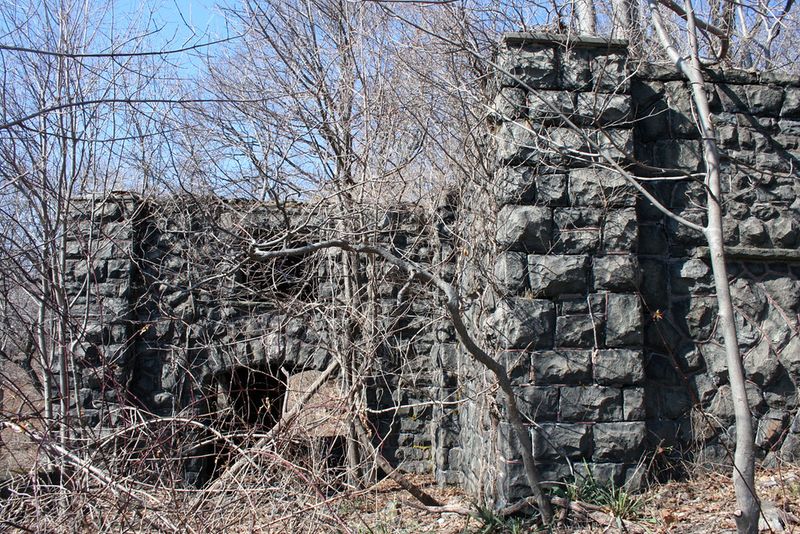
These walls are remnants, not gym equipment. I keep hands off loose stones, avoid the edges, and treat the stairwell like a museum threshold.
Closed toe shoes make a big difference on gravel and hidden nails. A small flashlight helps check footing in shaded corners without turning the mood harsh.
Leave no trace really matters at a site like this. Pack out snack wrappers, skip graffiti, and brush dirt from boots away from fragile mortar seams.
Respect turns a quick visit into stewardship. New Jersey has few places like this, and each courteous step helps it last longer for everyone.
Reading the Architecture
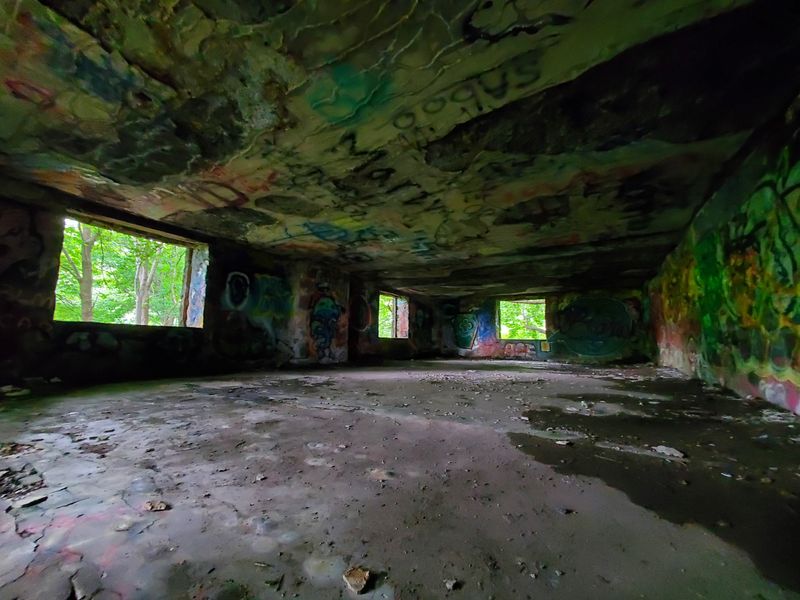
Foundation lines reveal proportion and intent even without roofs and trim. Thick perimeter walls suggest a house designed to anchor against wind and cliffside weather.
The basement stair is broad, more gracious than utilitarian, which hints at finished lower rooms. Window openings cluster toward the river side, prioritizing light and long views.
Door thresholds still shoulder small stones where frames once sat. I trace those edges with my eyes and imagine hardware gleaming against dark wood.
Architecture becomes a puzzle you solve slowly while walking. New Jersey history feels tangible here, measured in courses of stone rather than plaques.
Sounds, Scents, and Small Details
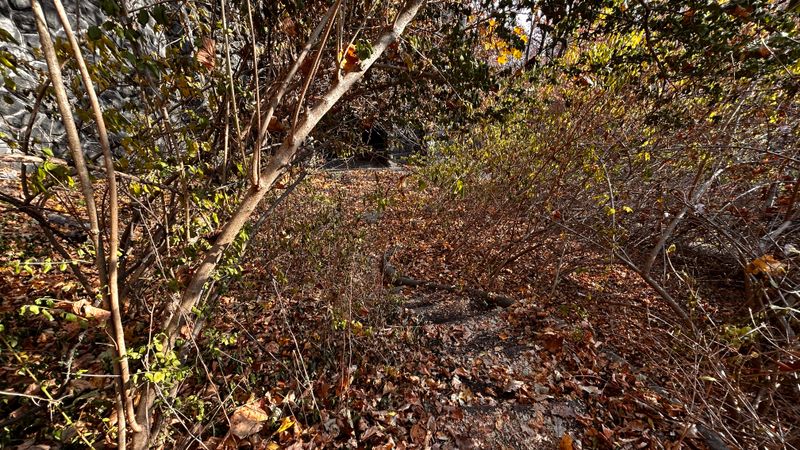
Birdsong threads through the arches of empty windows. Leaves slide across stone with a dry whisper that sets the tempo for the visit.
There is the mineral scent of wet rock after drizzle, plus faint sweetness when wildflowers bloom nearby. My favorite details are lichen constellations marking cooler, shadier spots.
Rusty fragments occasionally surface in the dirt, so eyes down between glances up at the view. I do not pocket them, because the site tells a better story intact.
These small moments sharpen the big experience. New Jersey hikes can be loud with traffic and chatter, but this corner tunes everything to a softer key.
Hudson River Views and Palisades Context
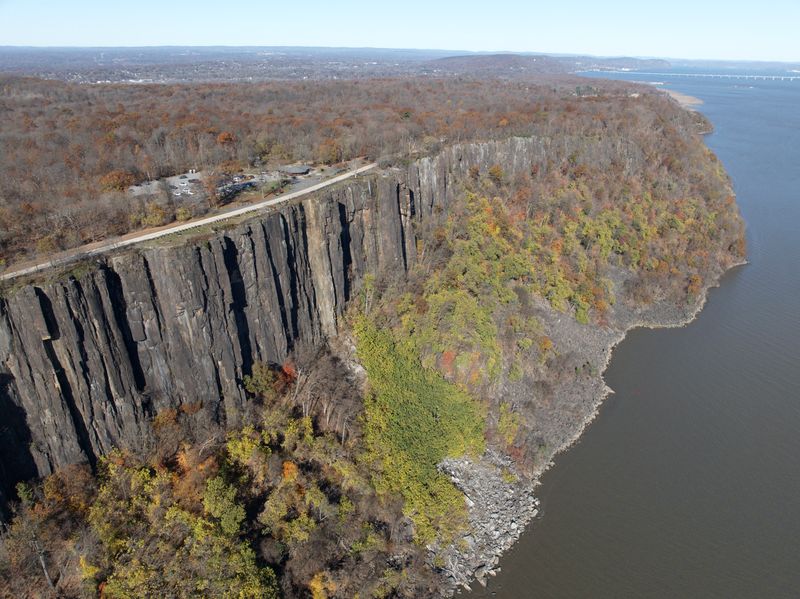
The Palisades rise like a basalt curtain, and the river slides by with patient confidence. From the ruins, glimpses of water appear between trunks, strongest in leaf off months.
Knowing the house faced this view adds emotional geometry to the site. Rooms would have borrowed light from the river, and evenings probably glowed in that direction.
Today, barges move quietly and gulls angle on the wind. The cliffs echo a bit, soft but present, especially when fog lingers low.
Context matters because the landscape shaped the house and its afterlife. New Jersey does drama without shouting here, and the ruins listen closely.
Understanding Trail Etiquette Here
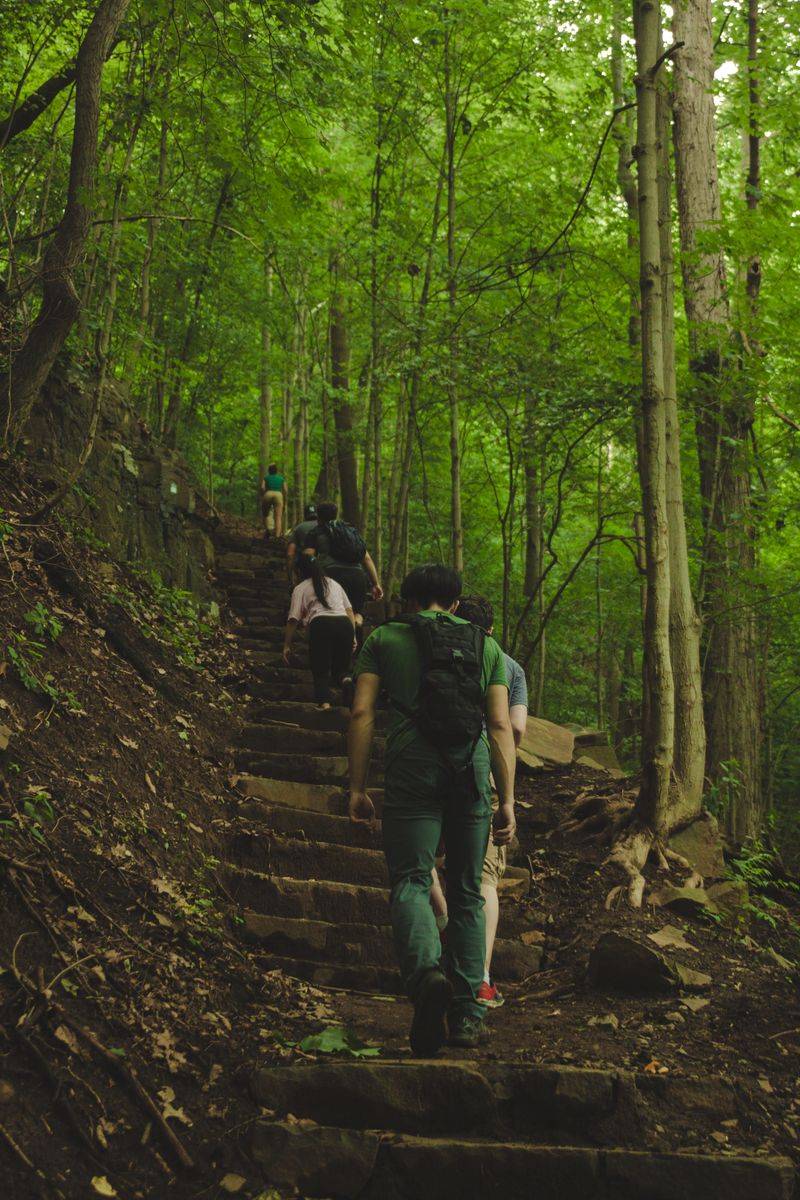
Yield with a smile when singletrack narrows near the site. Groups should gather off to the side so others can pass without skirting sensitive edges.
Staying on established tread protects roots and keeps new social trails from nibbling at the foundation. Voices carry on the cliffs, so a softer tone keeps the mood intact.
Photography pauses are great, but tripods belong where they will not block stairs or pinch points. Dogs do well on leash and away from crumbling ledges.
Etiquette makes the visit smoother for everyone. New Jersey hospitality can show up as quiet consideration on a shady path.
Seasonal Wildlife and Plants
Ferns skirt the base of walls where moisture lingers. Oaks and maples cast layered shade that shifts patterns across the stonework.
I see thrushes and woodpeckers often, plus squirrels that treat the ruins like a playground. In spring, small wildflowers sneak into cracks like they got an exclusive invite.
Summer adds cicada rhythm, and by fall, migrating birds pause in the canopy. I watch without baiting or crowding so routines stay natural.
Plants help tell the microclimate story here. New Jersey forests hold many scenes, and this one favors species that like cool stone and filtered light.
Pairing the Ruins With Nearby Walks
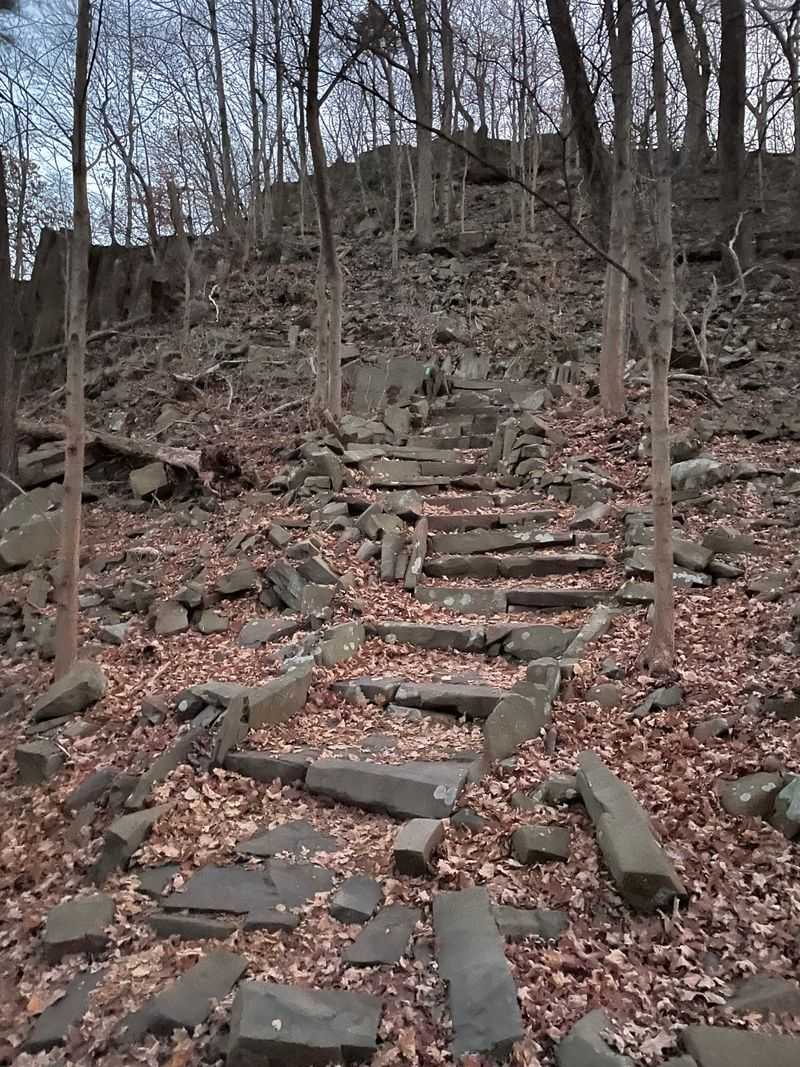
After exploring the footprint, I link the visit with nearby stretches of the Long Path or riverside routes. Short loops create variety without turning the day into a slog.
Overlooks pop up quickly along the cliffs, giving clear sightlines to the Hudson. I plan the ruins first, then add viewpoints like a tasting flight of scenery.
Waypoints keep the day flexible in changing light or weather. If clouds open, I pivot back to the stonework for that damp, saturated look.
Combining routes keeps the narrative moving. New Jersey hikes reward curiosity most when you stitch pieces together with intention.
Closing Thoughts at Cliff Edge
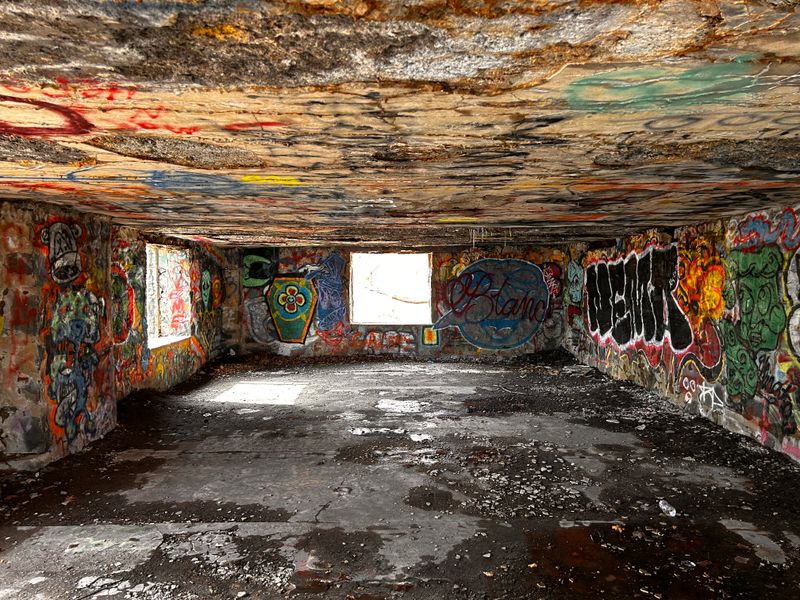
Some places teach by keeping quiet, and this foundation does that beautifully. I leave with shoes dusty, mind clear, and a few new questions.
The house is gone but the intent remains, set like a compass toward the river. I like that a New Jersey hillside can hold grandeur and humility in the same footprint.
Return visits feel different each time because light edits the script. If you come ready to linger, the stones will share more than you expect.
That is the promise tucked inside these walls. Take it slowly and the cliff will answer in its own steady voice.



