 Unearth The Voyage
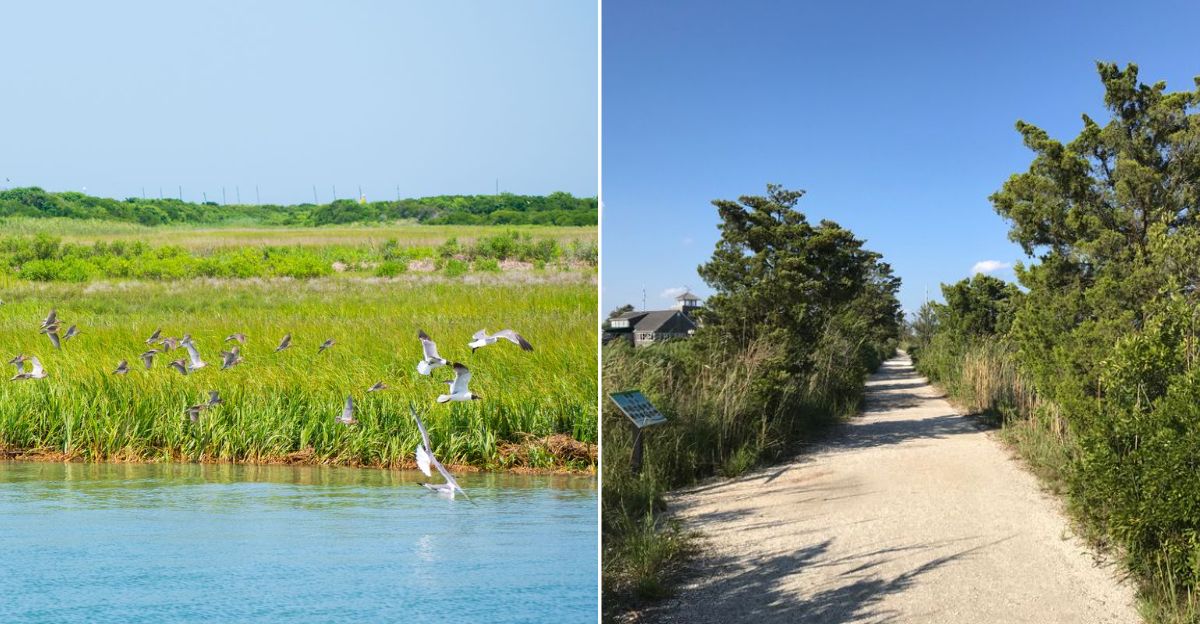
Salt marsh grass hummed like a soft chorus, and suddenly a snowy egret darted through the shallows with ballerina focus. That moment sold me on spending a full day tracing boardwalks and boat wakes around a coastal lab where science meets simple joy.
If you crave real wildlife encounters, clear guidance, and a trail that turns small steps into big discoveries, keep reading. You will leave with muddy shoes, sharper eyes, and a story that keeps getting retold.
Where You Find It
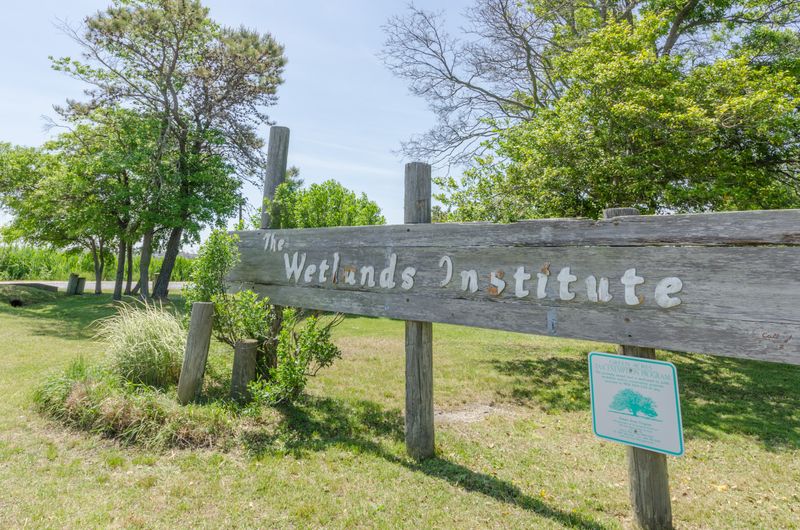
Street names matter when you are chasing a specific shoreline. The Wetlands Institute sits at 1075 Stone Harbor Blvd, Stone Harbor, NJ 08247, a low sliver of road that seems to float between bay and barrier beach in New Jersey, United States.
I parked, stepped out, and felt salt air rush across the lot like a friendly usher.
The entrance lists hours and programs near the door, and staff inside share maps for the salt marsh trail and elevated walkway. I grabbed a brochure, asked about tide timing, and learned that mid tide shows the most life along the creeks.
Details like that turn a stroll into a watch.
Outside, the boardwalk unfurls over cordgrass and mudflats with modest grace. Osprey platforms rise like lighthouses for fish hawks, and interpretive signs connect each view to a living process.
The address is easy to remember, but the scene lodges deeper than numbers.
First Steps On The Boardwalk
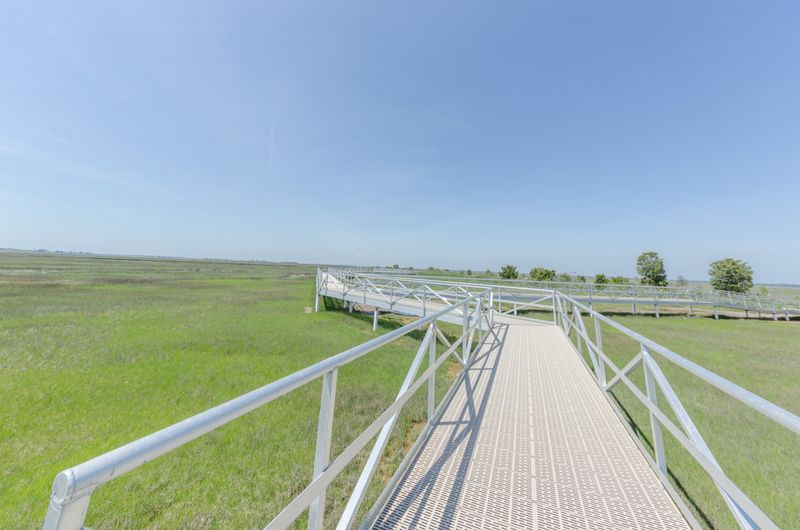
Planks underfoot creaked just enough to feel nautical, and the first view opened like a quiet stage. Cordgrass waved, fiddler crabs flickered between burrows, and a black skimmer sliced the air like a blade over silk.
The boardwalk keeps shoes dry but places your gaze precisely where the marsh breathes.
Handrails feel solid, and the path is broad enough for strollers without training-wheel anxiety. Signs explain how tides pump saltwater through creeks, and how that motion powers food webs supporting egrets, herons, and terrapins.
You can pause, lean, and watch rafts of mullet twitch like living static.
I liked the rhythm of walking twenty steps, then stopping for a minute. A guide suggested scanning shadowed edges instead of bright centers, and life suddenly doubled.
Simple advice can feel like a secret handshake with the marsh.
The Elevated Walkway Experience
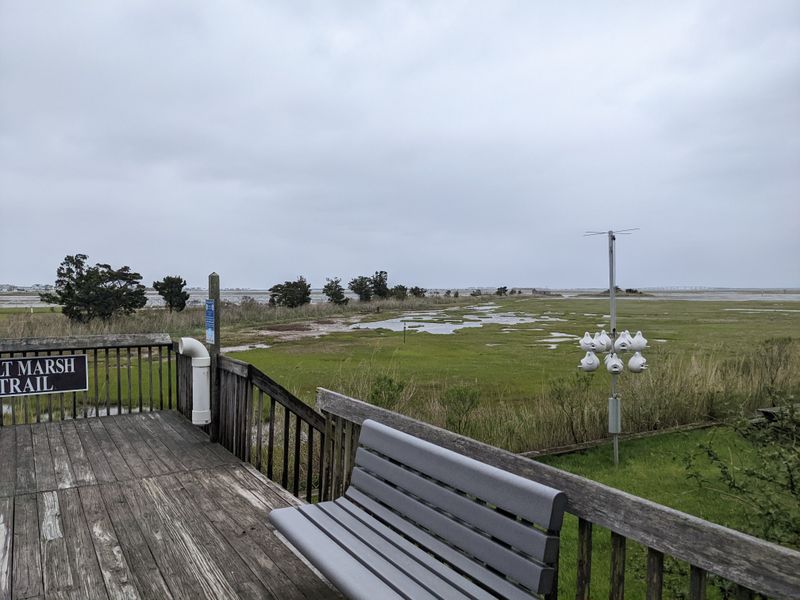
Height changes everything here. An elevated walkway lifts your eyes above the cordgrass so the channels stitch together like a quilt, and the pattern reveals where birds feed.
From above, tiny ripples betray blue crabs cruising the shallows.
Benches appear like smart commas, giving you space to sit and let the scene finish its sentence. I watched an osprey circle, hesitate, then plunge with comic bravado, surfacing with a fish held headfirst.
That grip reduces drag, and the bird knows more aerodynamics than most posters in a classroom.
Binoculars help but are not essential when the air is this clear. Staff often lend a pair during programs, and that small kindness opens a larger field.
The walkway feels safe, sturdy, and oddly intimate with wind and water at eye level.
Seagull Platforms And Nesting Season
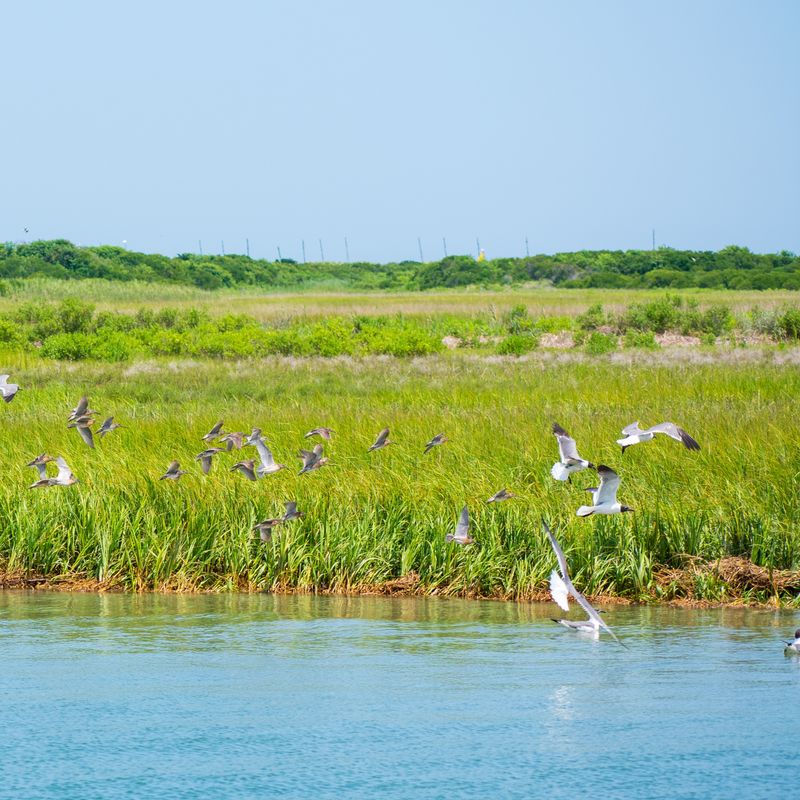
Seagull set the day’s tempo with whistles that carry over the marsh. The platforms dotting the landscape are intentional architecture, giving seagull a sturdy base safe from flooding.
Watching a pair exchange duties at the nest feels like witnessing a well-rehearsed relay.
Bring a camera with a modest zoom, then wait for the hover, the plunge, the climb.
Light mornings and windless evenings reward patience. I timed a visit near slack tide and saw hunting made easy across mirrors of water.
When the adult finally drifted past the platform, fish aligned headfirst, the whole moment clicked into place.
Diamondback Terrapins Up Close
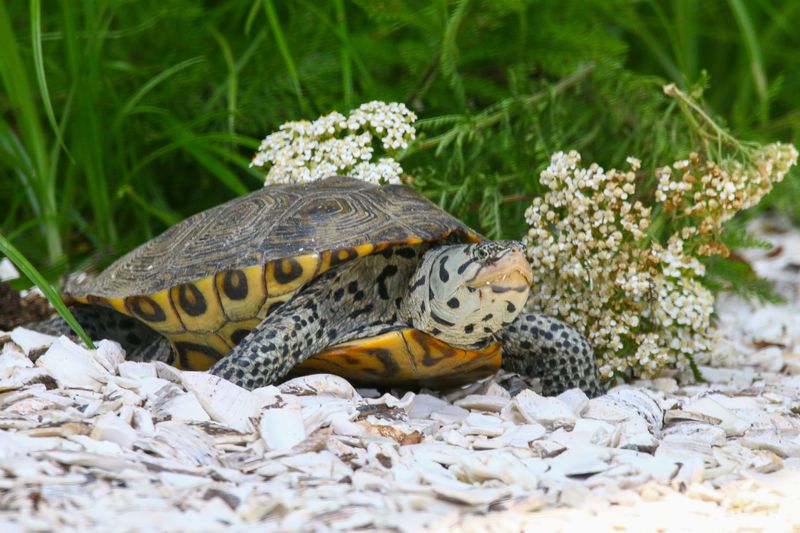
Shell patterns here look like weather maps, and diamondback terrapins wear the forecast. Staff share how these turtles nest in sandy edges, sometimes perilously close to roads, and how volunteers protect crossings each summer in New Jersey.
The institute’s exhibits connect those dots with clarity and care.
Inside, a small tank offers a gentle meet-and-greet with a rehab terrapin. Out on the trail, a patient scan of grassy margins can reveal a head peeking like a periscope.
Give space, lower your voice, and marvel at how perfectly that mottled skin blends with creek reflections.
Programs highlight nesting season timing, predator challenges, and the value of signage for drivers. I left appreciating how a simple turtle crossing can be a community project.
The marsh makes advocates by letting you see the stakes.
Salt Marsh Safari By Boat
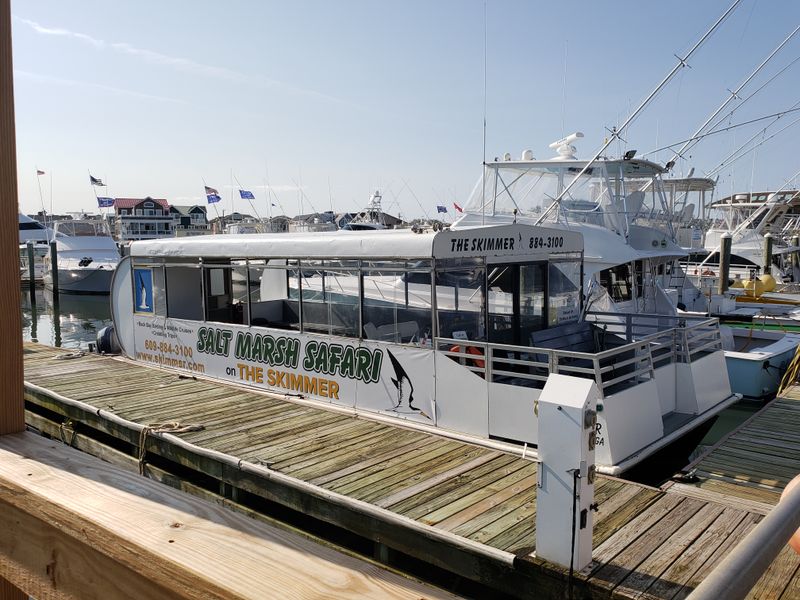
Boats and binoculars feel like a winning combo, and the Salt Marsh Safari doubles down on both. A naturalist narrates the waterways while gulls trace cursive above the wake, and suddenly every mudflat holds a character.
The pace is gentle, the turns wide, and the stories specific.
We learned how cordgrass tolerates salt, why ribbed mussels matter, and which channels osprey treat as their pantry aisles. The guide pointed to a clump of wrack where sandpipers stitched the edge with fast steps.
It felt like reading a field guide that kept flipping to the good pages.
Photography works best when the boat drifts, so hands quiet and lenses steady. The crew encourages questions without hurrying answers, a small luxury on the water.
Back at the dock, the marsh seemed larger, as if the map had unfolded one more panel.
Kayak Tours At Sunset
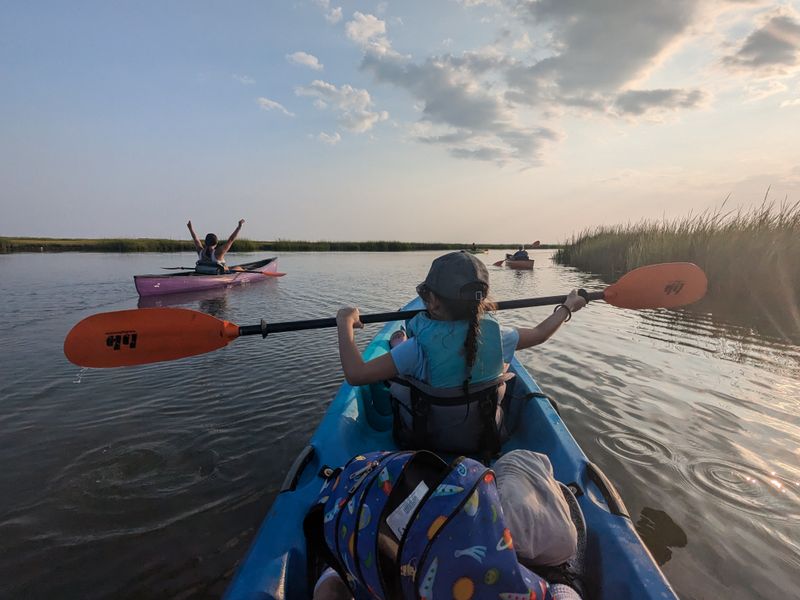
Golden hour paints the creeks with patient light that flatters every ripple. I joined a guided kayak tour where confidence grew with each stroke, and the guide kept our small flotilla tidy.
Egrets stood like careful punctuation at the bends.
Safety talk came first, followed by a route that threaded through quiet channels safe from heavy traffic. The rhythm of paddle, drip, and distant gull chatter turned the group into a loose choir.
We paused near an osprey platform and let the sun slide behind flats like a curtain call.
Bug spray matters, and a hat helps when the breeze drops. Photographers should stash a dry bag and favor wider lenses for context in tight creeks.
Back on shore, legs felt pleasantly wobbly, and the evening air carried the cleanest kind of tired.
Inside The Exhibit Halls
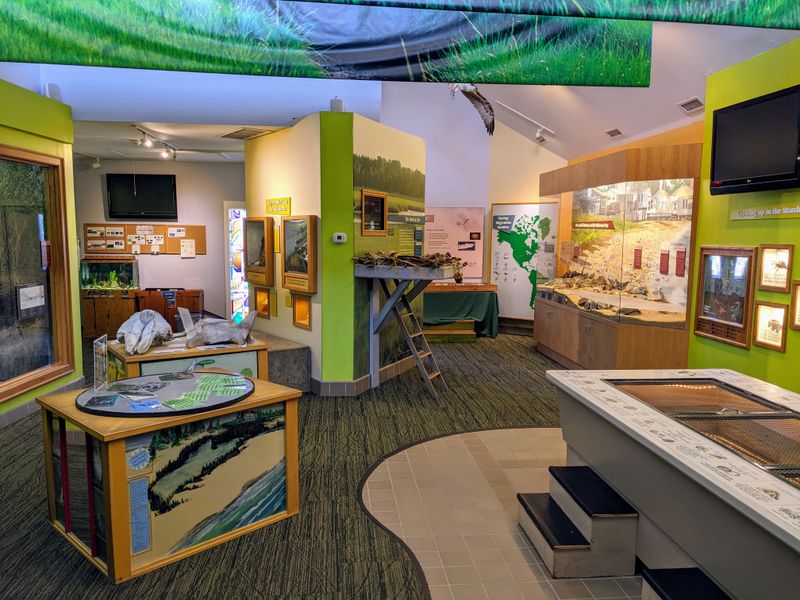
Glass and water line the walls like tidy windows into local lives. Aquariums hold seahorses, crabs, and seasonal species that match what the marsh offers outside, so learning feels consistent.
A touch tank introduces textures with staff guiding gentle hands.
Short talks cover horseshoe crabs, migrations, and food webs, always landing on why these details matter in New Jersey’s coastal system. A lecture space screens a friendly primer before some tours, and hearing the basics makes every later sight more meaningful.
Kids lean in, adults nod, and everyone leaves with fresh vocabulary.
Gift shop shelves mix field guides with small souvenirs that can survive a beach bag. I grabbed a bird checklist and used it before finishing the parking lot.
Exhibits rarely stick this well, and these did.
Observation Deck On The Roof
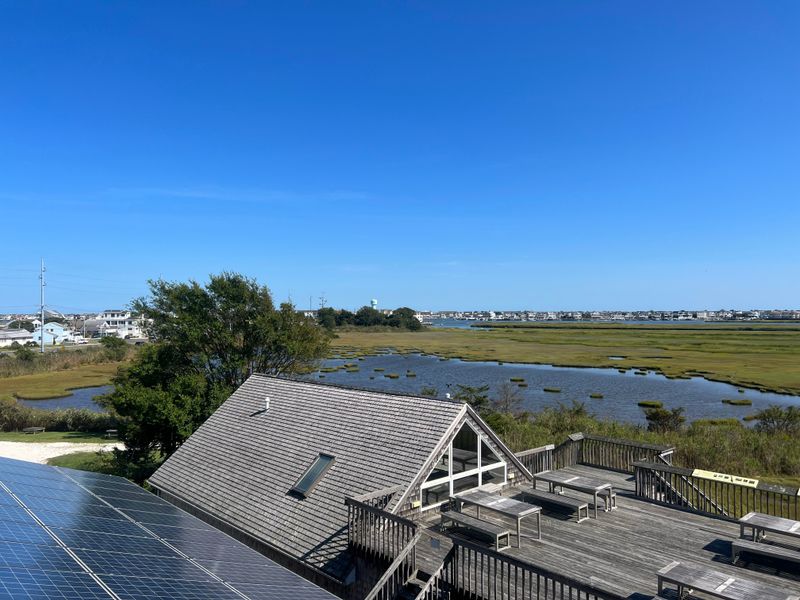
Up top, the horizon runs unbroken, and the marsh becomes a single living diagram. The observation deck crowns the building with a simple platform and a sweeping view that rewards a slow scan.
Tides pool silver in creeks, then slide back like a careful breath.
A spiral staircase adds a small sense of adventure without drama. I timed a visit after lunch and spotted two great egrets hunting parallel tracks.
The alignment felt choreographed by the tide table and a quiet agreement between neighbors.
Wind can be brisk, so a light layer earns its keep. I like to bring a pocket notebook and sketch channel shapes to memorize patterns for later walks.
The deck makes a perfect reset between indoor exhibits and the trail outside.
Accessibility And Family Friendliness
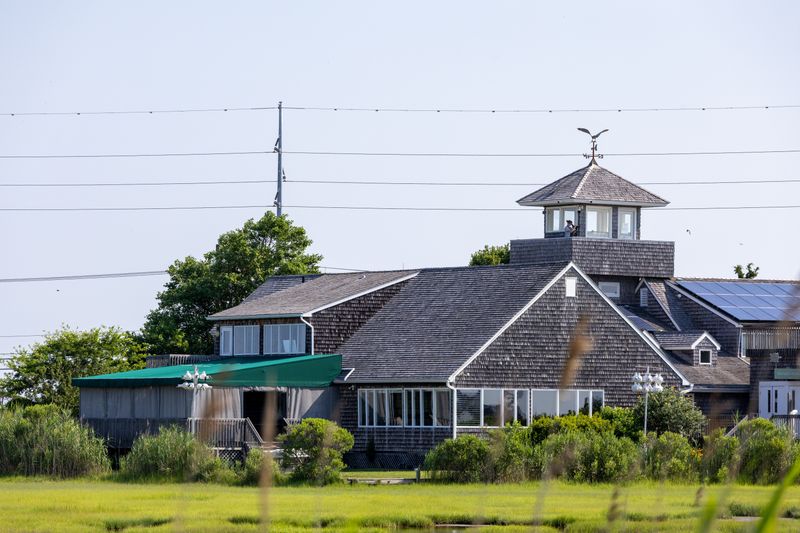
Ramps turn the promise of nature into practical time outside. The boardwalks are broad, railings reliable, and grades gentle enough for strollers and wheelchairs, which keeps groups together instead of split by logistics.
That design detail changes conversations and photos.
Restrooms, water fountains, and shaded spots round out the basics. Staff members stay present without hovering, ready with binoculars or quick directions.
Kids engage through hands-on moments while adults collect context, and both groups share discoveries aloud.
When a fiddler crab waved at ankle level, we crouched as a team and watched neighborhoods of burrows animate the mud. The best family memories often start low to the ground and then climb to a roof view.
Accessibility here feels like hospitality, not compromise.
Best Seasons And Timing
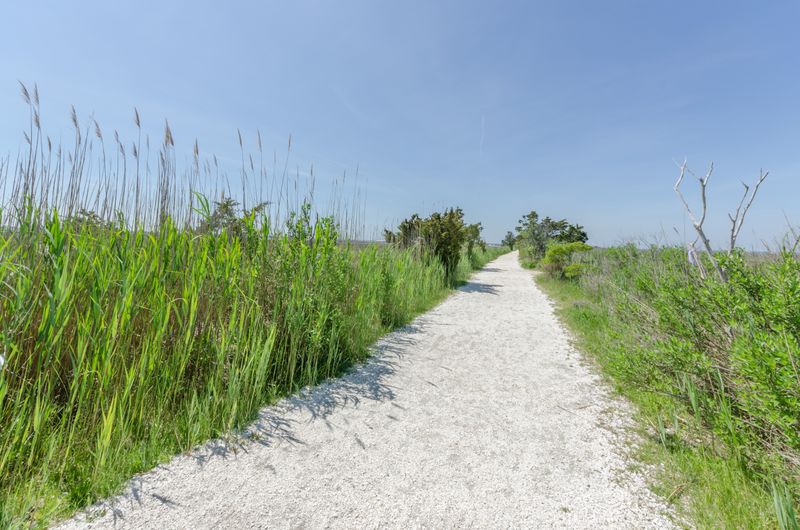
Morning and early evening reward patience with tame winds and polite light. Spring migration stuffs the air with travelers, summer turns the grass electric green, and fall lays down gold across every flat.
Winter brings quieter days and a wider sky.
Tide timing shapes sightings more than the clock. Mid tide exposes edges where crabs skitter and shorebirds stitch, while full low can feel dramatic but less busy.
Staff post program schedules that align with conditions, and those choices reveal local wisdom.
I plan visits like small experiments, changing one variable at a time. The best pattern so far has been cool mornings with a rising tide and a snack tucked in the bag.
Predictable magic follows when water moves and the sun behaves.
Education Programs And Talks
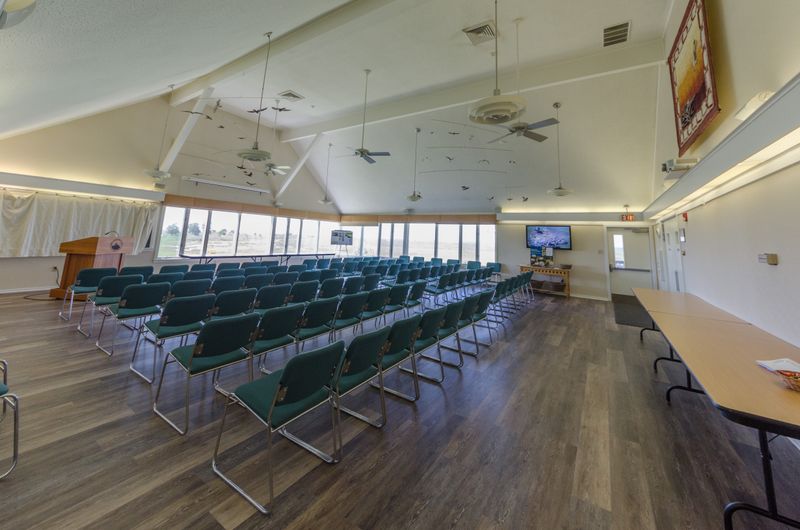
Short talks pack a surprising punch here. A fifteen minute primer can unlock an hour of sharper looking, and the educators keep jargon on a leash.
Shells pass hand to hand with context that sticks.
Schedules rotate through topics like horseshoe crabs, terrapins, plankton, and bird identification basics. I appreciate how each talk points back outside, inviting a follow up walk where new terms meet real feathers and fins.
It feels like a loop between brain and boardwalk.
Families, couples, and solo wanderers share rows comfortably. Questions land, laughter surfaces, and the room relaxes without losing focus.
Education here feels like conversation with purpose.
Practical Tips For A Smooth Visit
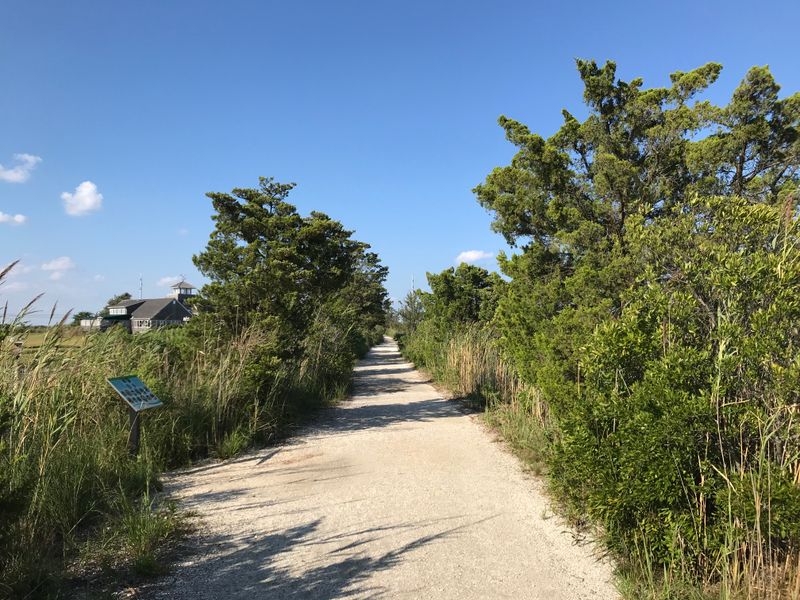
Small gear choices shape big comfort. Pack a light layer, brimmed hat, sunscreen, bug spray in warm months, water, and a simple field guide or bird app.
Binoculars add delight, but shared loaners sometimes appear during programs.
Check operating hours, program times, and tide charts before rolling out. Closed days happen, and aligning with mid tide makes wildlife more visible.
Shoes should handle boardwalks and a bit of damp ground near the parking edges.
I keep snacks ready and pockets empty of wrappers so gusts do not litter. A phone with a tide app earns permanent status on the home screen.
With basics set, the marsh does the rest.
Why This Trail Sticks With You
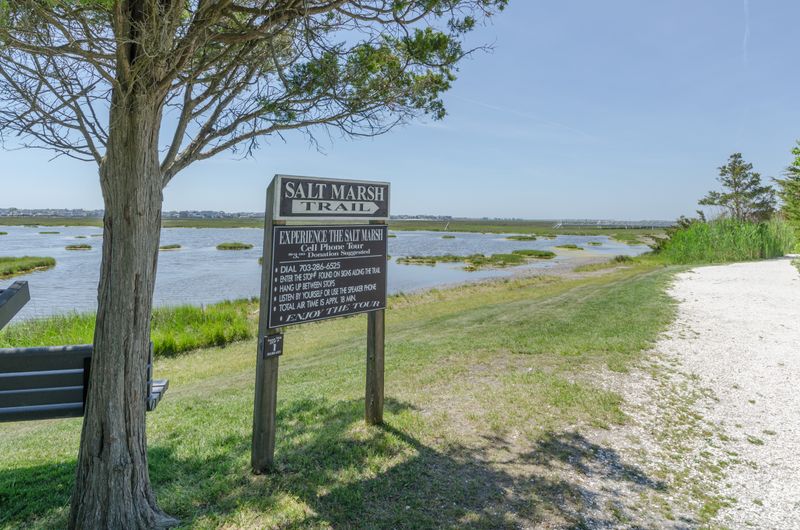
Some places teach quietly and then echo for days. This boardwalk and the surrounding programs create a stitched experience where indoor facts meet outdoor proof without friction.
The result is a memory that returns with every gull call back home.
Stone Harbor shows how a small slice of coastal New Jersey can hold a world’s worth of motion in a few acres. I left with sand in the car, new species on my list, and fresh respect for tides as daily storytellers.
The trail keeps writing, and you get to read it aloud.
Next visit already sits on my calendar with a rising tide marked in bold. I plan to bring a friend who thinks marshes are just mud.
The walkway will do the convincing in about ten steps.



