 Unearth The Voyage
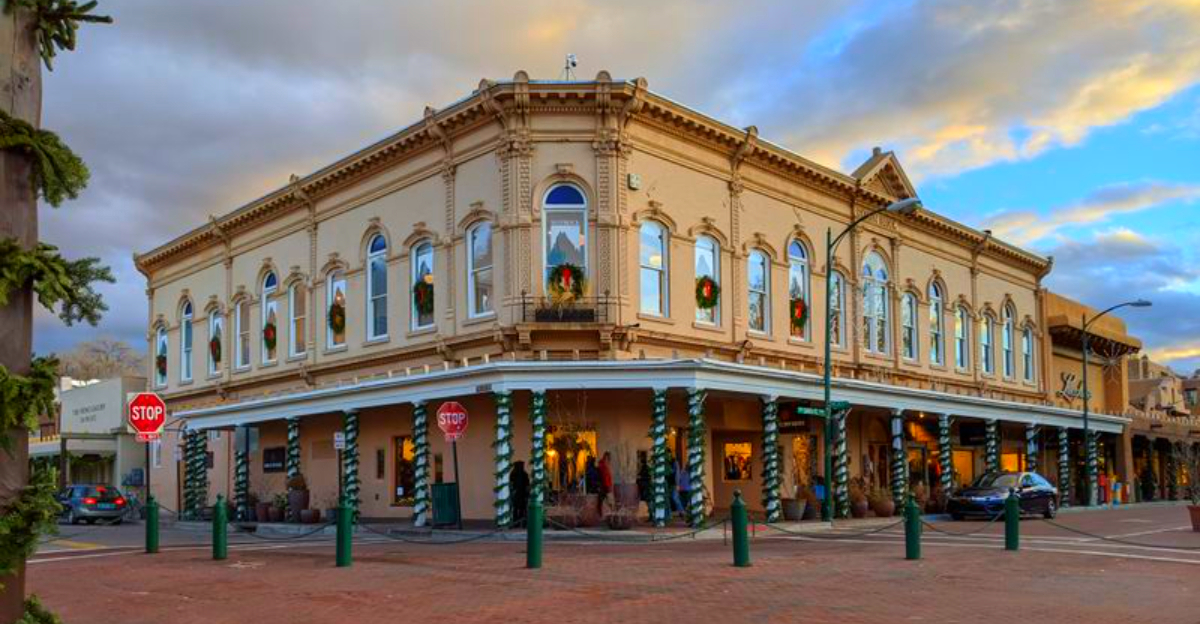
Some capitals feel overrun, but Santa Fe whispers its stories through sun baked adobe and quiet plazas. You get centuries layered in one stroll, from Pueblo foundations to Spanish colonial chapters and territorial grit.
The best part is the pace, where you can actually hear the bells and the wind, not just crowd chatter. Come ready to wander, ask questions, and let the past meet you around each crooked corner.
1. The Palace of the Governors
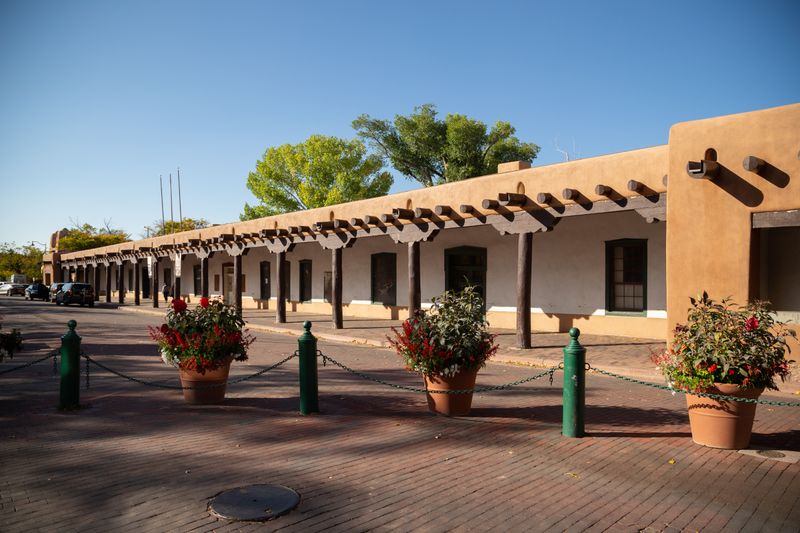
Start at the Palace of the Governors, where adobe walls hold four centuries of memory. You can browse exhibits that trace Indigenous presence, Spanish rule, and American expansion in one compelling arc.
Outside, artisans from nearby pueblos sell handmade silver and turquoise, connecting past and present.
Stand under the portal and imagine wagon wheels creaking over dusty ground. Traders bargained here, soldiers reported here, families waited for news.
You feel time compress as the Plaza bustles, reminding you that history is lived in daily footsteps.
2. Loretto Chapel and the Miraculous Staircase
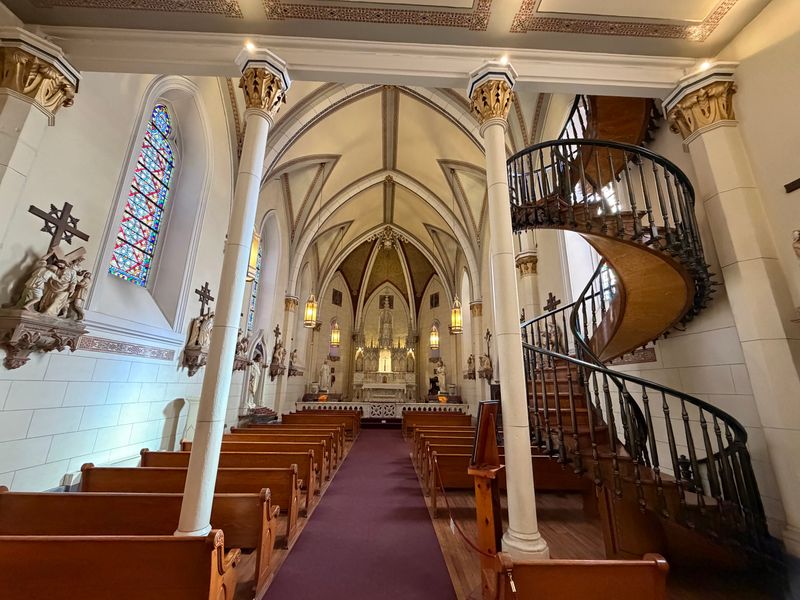
Step into Loretto Chapel and let your eyes climb the spiral. The Miraculous Staircase turns gracefully with no visible central support, inspiring legends and engineering debates alike.
Whether you lean toward faith or physics, you will find beauty in the craftsmanship.
Pause long enough to notice the light filtering through stained glass, painting the pews with color. You are not just looking at wood.
You are looking at questions, the kind that keep stories alive and visitors whispering.
3. Santa Fe Plaza
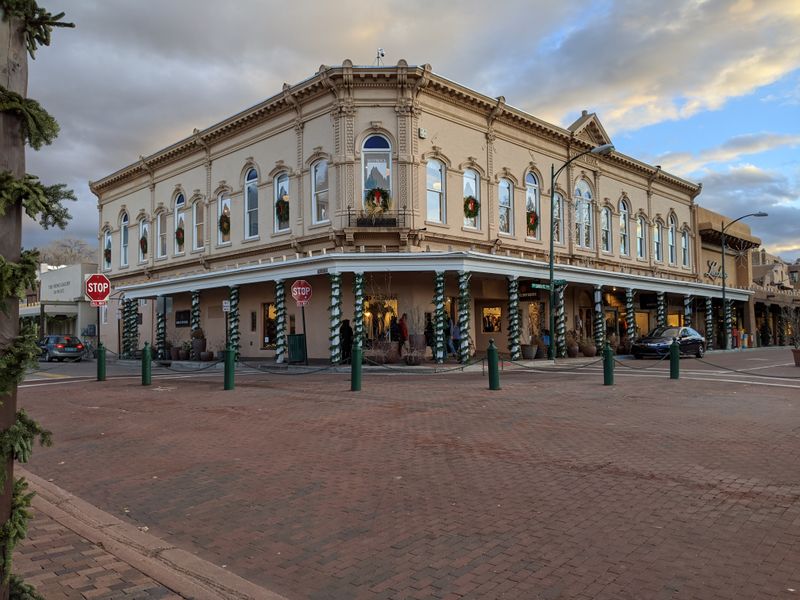
Santa Fe Plaza is the heart that keeps beating, century after century. Spanish colonists planned it, traders crossed it, and communities still gather here for markets and music.
Walk slowly, because every bench and brick has seen a parade of lives.
Look up at vigas, listen to buskers, sip coffee while the breeze lifts conversation. You are moving through a crossroads where cultures met, clashed, and harmonized.
The Plaza teaches patience and curiosity if you let it.
4. San Miguel Chapel
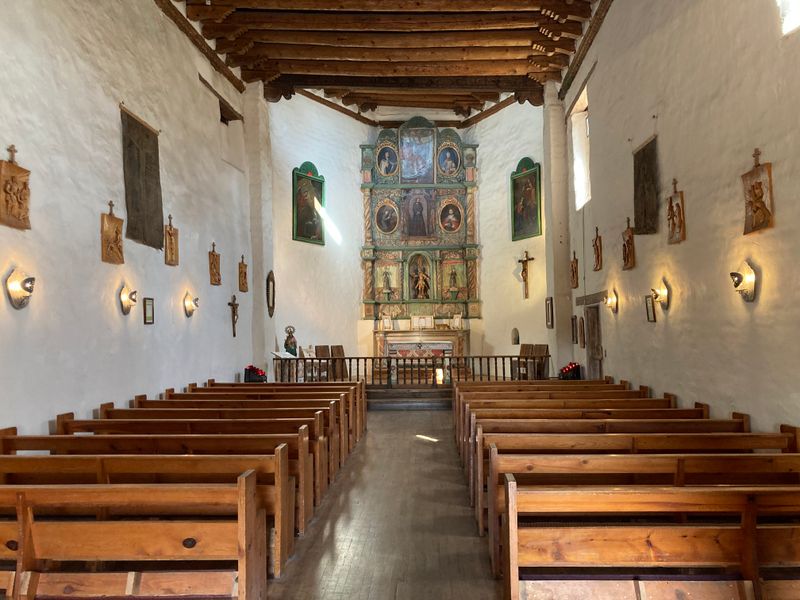
San Miguel Chapel feels humble in the best way. Said to be the oldest church in the United States, it holds layers of repair and devotion.
Step inside and you will sense wood, adobe, and candle smoke whispering through time.
The original bell hangs with a story of survival. Sunlight slips across the altar, and the silence invites reflection.
You do not rush here. You sit, you listen, and you walk out feeling grounded.
5. The Oldest House in the U.S.A.
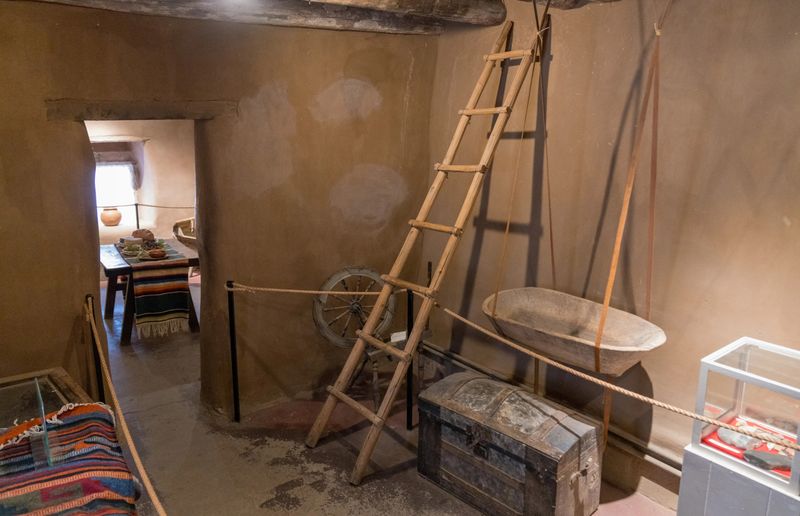
Right beside San Miguel, the Oldest House leans into its centuries with quiet pride. Its Puebloan origins and Spanish additions show how architecture adapts to people and place.
Duck through the doorway and feel how small rooms shaped daily life.
It is not grand, and that is the point. History lives in kitchens, not just palaces.
You can almost hear grinding stones, smell stews, and picture feet tracking dust across an earthen floor.
6. New Mexico History Museum
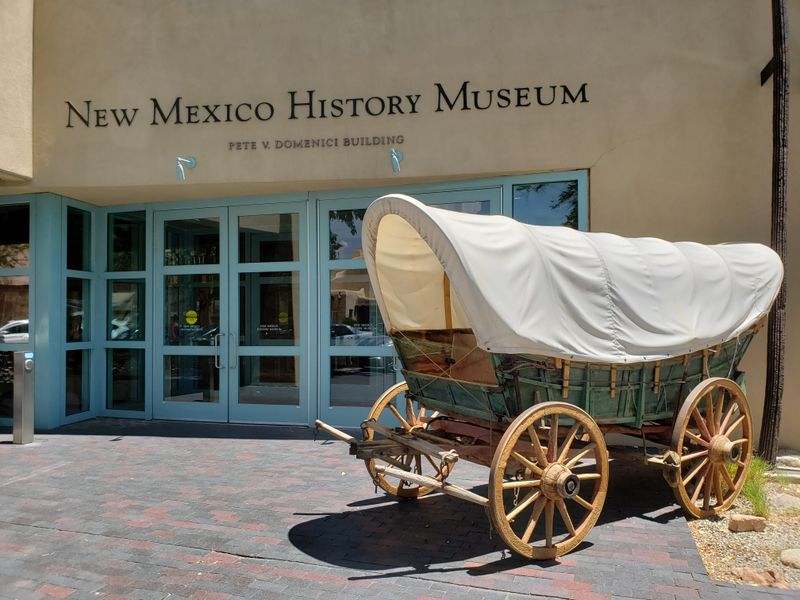
If you want the big picture, this museum is your map. Exhibits move from Indigenous foundations to Spanish frontier, Mexican period, and statehood with clarity.
Artifacts feel personal, like letters and tools that still carry fingerprints.
You will connect the dots between events and streets you just walked. Timelines align, names gain faces, and myths get context.
Give yourself time here. Context turns beautiful buildings into living chapters you can understand.
7. Cathedral Basilica of St. Francis of Assisi
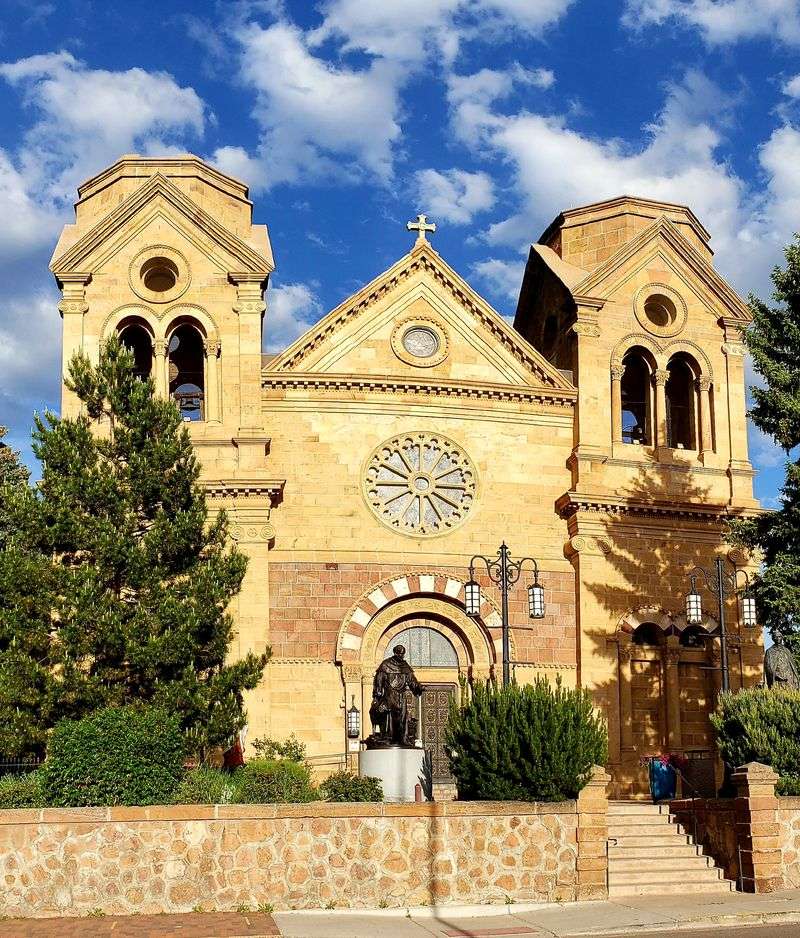
The Cathedral Basilica surprises in a city of adobe curves. Its French Romanesque lines rise with stone confidence, telling a story of shifting styles and growing communities.
Step inside to find light bathing the nave and saints watching quietly.
Outside, notice the statue of Kateri Tekakwitha and the blend of Catholic and regional traditions. Bells mark time while the city hums around you.
It is a reminder that faith and architecture shape identity together.
8. El Rancho de las Golondrinas
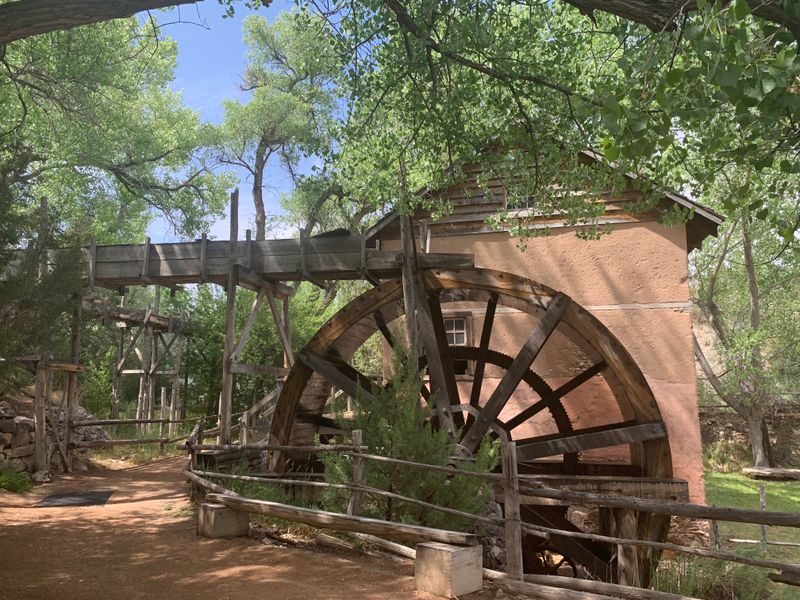
Drive a little and step centuries back at El Rancho de las Golondrinas. Costumed interpreters grind corn, forge metal, and bake in hornos, making history smell like smoke and bread.
Buildings and fields show how a frontier waystation sustained travelers and communities.
Follow the acequia as water glitters through cottonwoods. You learn by touching tools and watching chores become ritual.
It is hands on, slow paced, and wonderfully human, which makes lessons stick long after you leave.
9. La Fonda on the Plaza
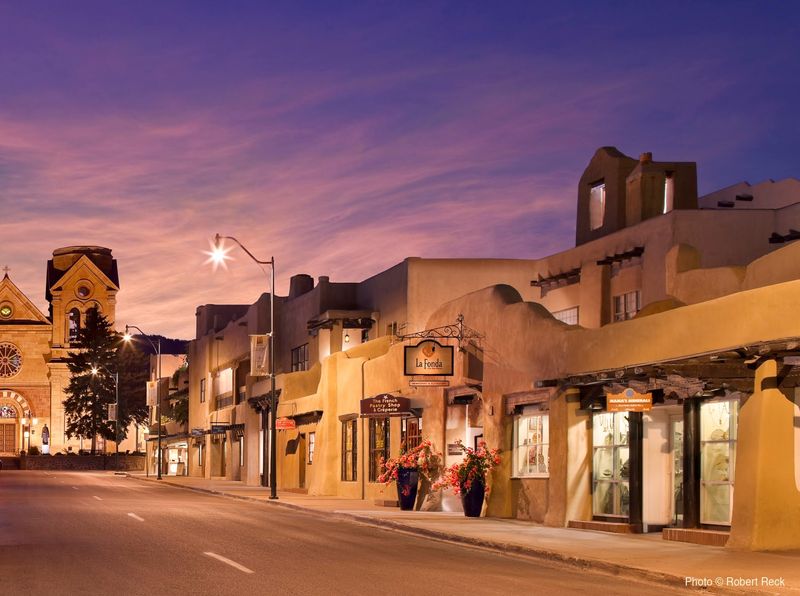
La Fonda proves a hotel can be a history lesson with pillows. Travelers have slept here for centuries, from traders to artists and politicians.
You feel it in the creak of floors, the murals, and the conversations drifting from the lobby fireplace.
Even if you are not staying, slip in for a drink and a peek at the art. The building tells you that hospitality and storytelling share a roof in Santa Fe.
10. Historic Canyon Road
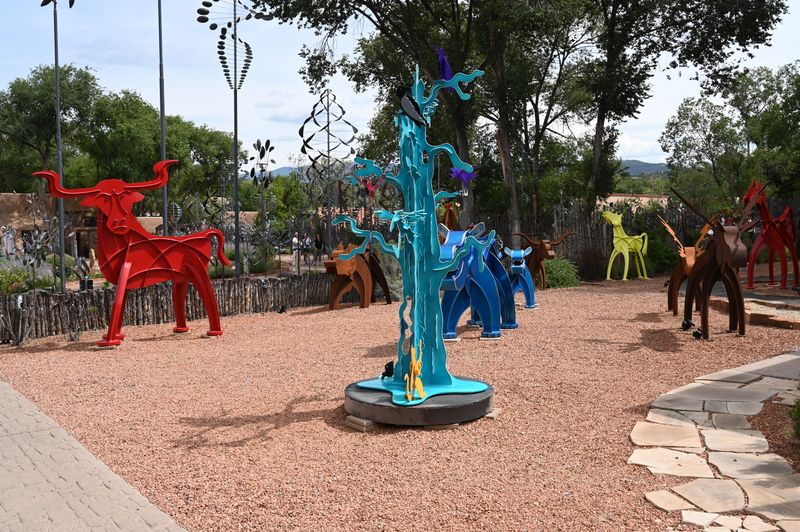
Today Canyon Road is art central, but the path predates modern galleries by centuries. It began as a route toward the mountains and small agricultural communities.
Walk it with that in mind and the adobe facades start to read like timelines.
Peek into courtyards where clay meets bronze and paintings glow. Your steps echo old hoofbeats and wagon tracks.
Shopping becomes secondary to sensing movement through time and creativity.
11. The Georgia O’Keeffe Museum
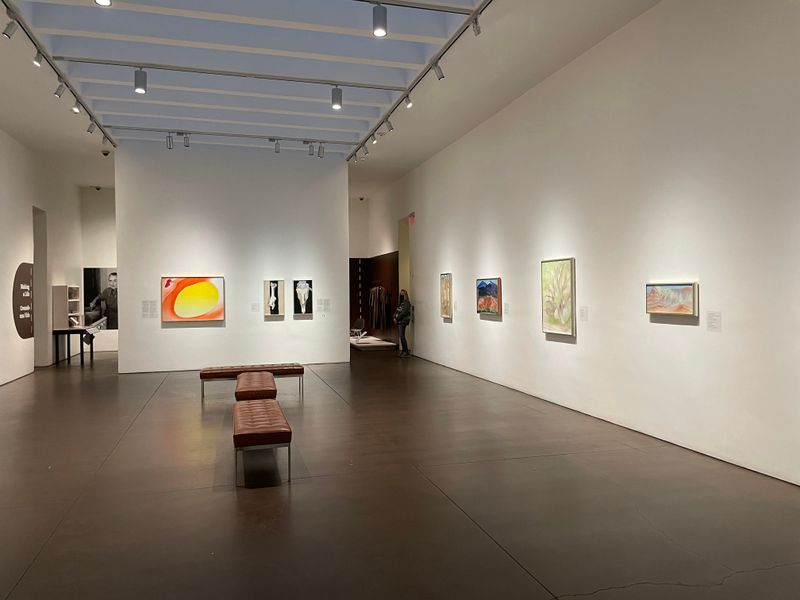
O’Keeffe painted bones, flowers, and skies, but she also painted a relationship with New Mexico. The museum ties her vision to the land and cultures that shaped it.
Archival photos, letters, and studies reveal a disciplined artist in dialogue with place.
As you move from canvas to canvas, the contours of mesas and adobe surfaces feel newly familiar. You start noticing the same forms outside on your walk.
Art becomes a lens for history and landscape.
12. Cross of the Martyrs
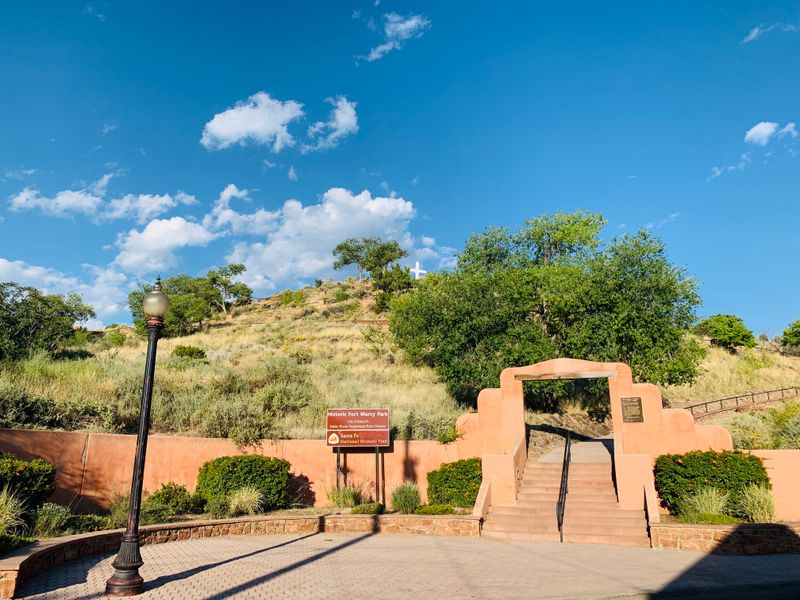
Climb to the Cross of the Martyrs for history with a view. The memorial honors Franciscan friars killed in the Pueblo Revolt of 1680, a pivotal chapter of resistance and change.
Plaques along the path offer context in plain language.
At the top, the city spreads below like a map. You can trace routes you walked and better understand the tensions that shaped them.
The sunset turns rooftops to gold, and reflection comes naturally.



