The year 1975 was a fascinating moment in American pop culture. The country was shifting out of the early 1970s, disco was beginning to take hold, country-pop crossovers were charting alongside rock and soul, and the Billboard Hot 100 reflected every bit of that variety. Radio stations were the gatekeepers of popular taste, and whatever climbed to No. 1 became the soundtrack of millions of households, road trips, and Saturday afternoons. What made 1975 especially interesting was how wildly different the chart-toppers were from one another.
You could go from a smooth pop ballad to a funky dance track to a country storyteller within the same week of listening. Some of these songs are still played on oldies stations today, while others have quietly slipped out of public memory. Whether you lived through 1975 or are just discovering it now, this list offers a closer look at the songs that genuinely dominated the charts that year and why they mattered.
1. Love Will Keep Us Together – Captain & Tennille
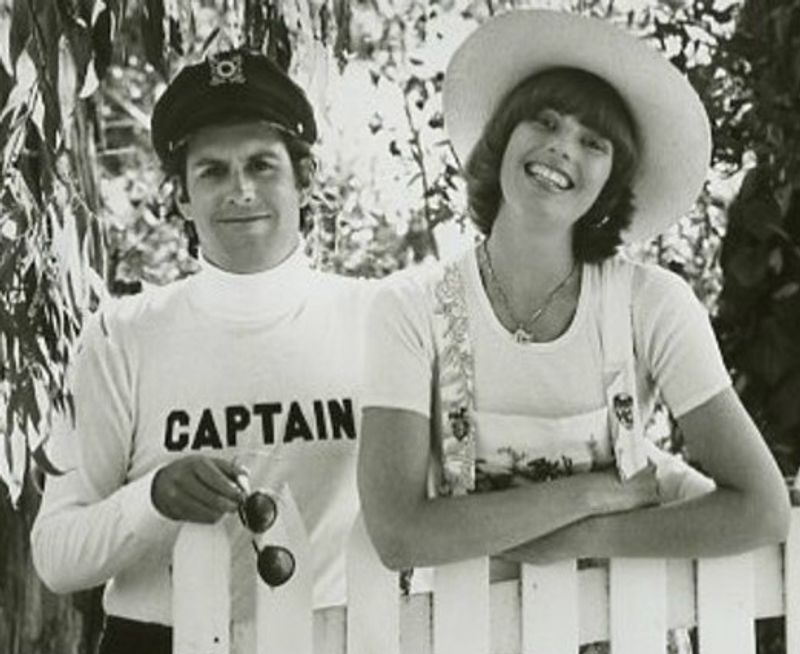
Few songs captured the optimistic spirit of mid-1970s pop radio quite like this one. Released in the spring of 1975, it shot to No. 1 on the Billboard Hot 100 and stayed there for four weeks. The song was written by Neil Sedaka and Howard Greenfield, but Captain and Tennille made it entirely their own.
Daryl Dragon, known as “The Captain,” handled the keyboards and production, while Toni Tennille delivered the lead vocals with warmth and clarity. The track won the Grammy Award for Record of the Year in 1976, which speaks to how broadly it resonated across audiences.
The duo was already married when the song hit big, and their real-life partnership added a layer of authenticity to the lyrics. It became one of the best-selling singles of 1975 in the United States.
2. Fame – David Bowie
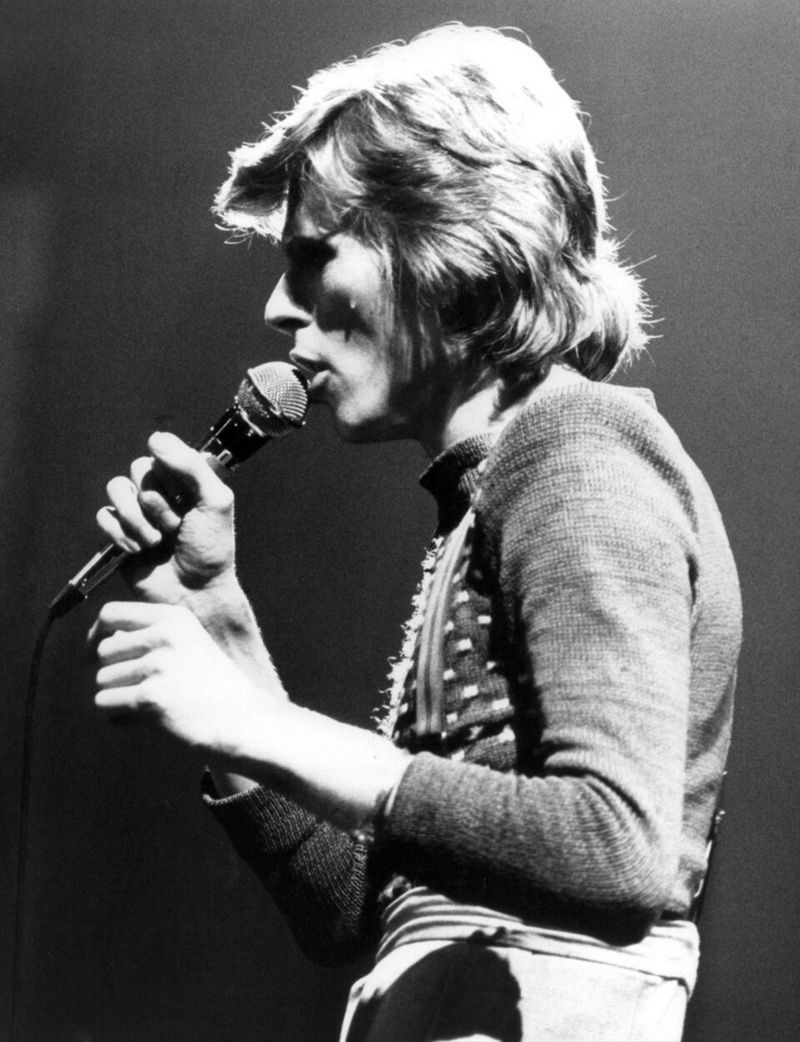
David Bowie’s first No. 1 single on the American Billboard Hot 100 arrived in 1975, and it came from an unexpected direction. Co-written with John Lennon and guitarist Carlos Alomar, “Fame” was built on a funky, repetitive guitar riff that was unlike anything Bowie had released before.
The song appeared on his “Young Americans” album, which marked a deliberate shift toward Philadelphia soul and rhythm-and-blues influences. Bowie had spent much of his early career in glam rock territory, so the pivot surprised many listeners and critics.
John Lennon’s contribution to the track brought additional press attention, though Bowie’s vocal performance and the production choices were clearly the driving forces. “Fame” reached No. 1 in September 1975 and helped establish Bowie as a genuine commercial force in the American market, not just a cult figure.
3. Laughter in the Rain – Neil Sedaka
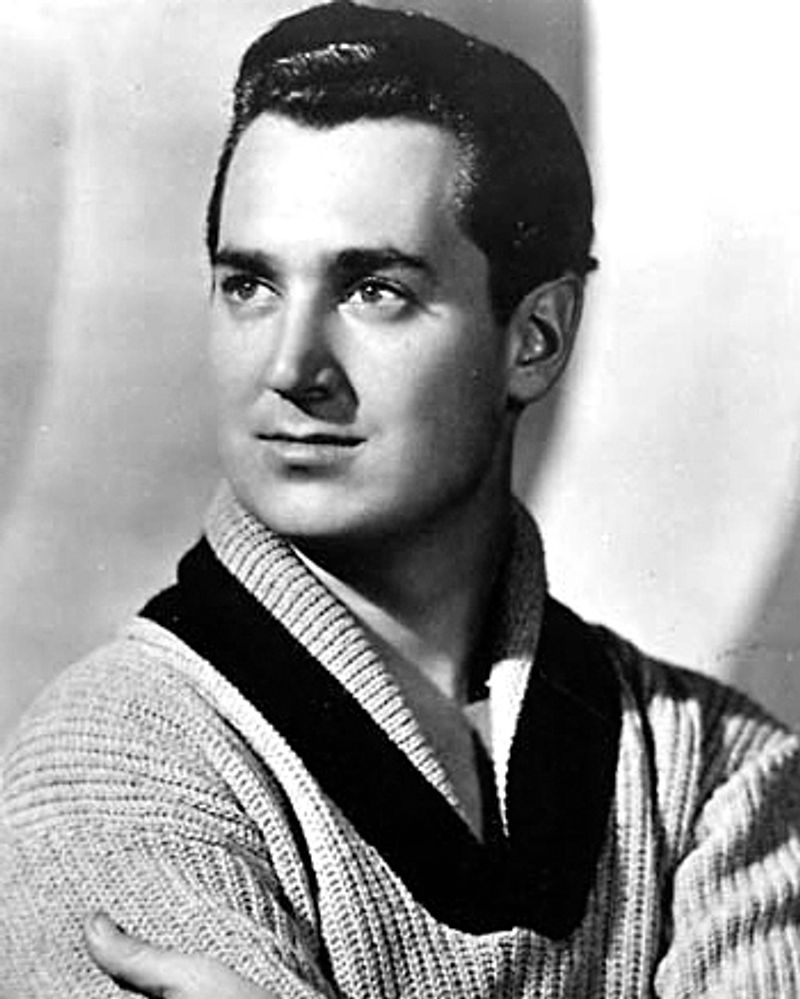
Neil Sedaka had been a successful songwriter and performer in the early 1960s, but his career cooled significantly through the late 1960s and early 1970s. His comeback was one of the more remarkable stories in 1970s pop music, and “Laughter in the Rain” was the song that announced his return.
Released in late 1974 and climbing to No. 1 in January 1975, the track was produced by Robert Appere and featured Sedaka’s signature melodic style. Elton John, who had helped revive Sedaka’s career by signing him to his Rocket Records label in the UK, was a vocal supporter of his work during this period.
The song’s light, breezy tone connected with audiences who were drawn to feel-good pop during a period of economic uncertainty. It spent one week at No. 1 and opened the door for several more Sedaka chart successes throughout 1975.
4. Philadelphia Freedom – Elton John
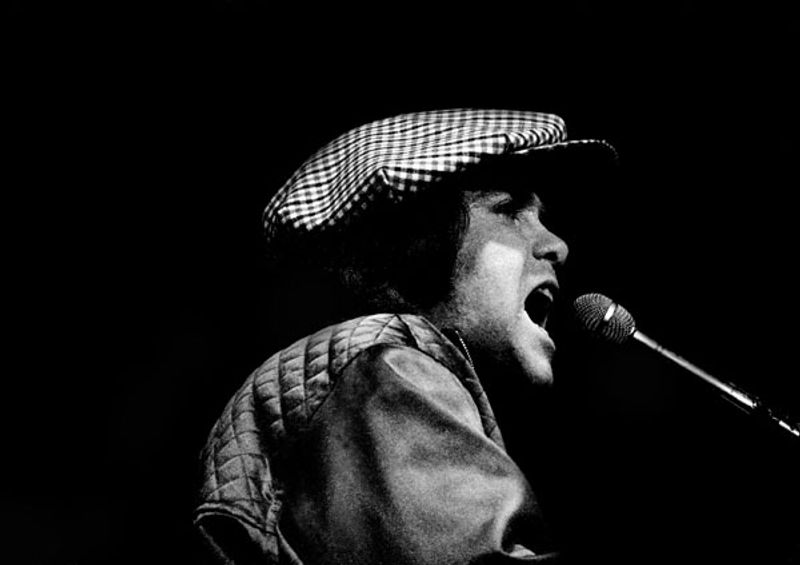
Elton John was arguably the biggest pop star in the world in 1975, and “Philadelphia Freedom” is one of the clearest examples of why. Written by Elton John and Bernie Taupin, the song was a tribute to Billie Jean King and her World TeamTennis franchise, the Philadelphia Freedoms.
King had asked Elton for a song in honor of the team, and what he delivered was a sweeping, orchestrated pop-soul track that bore little resemblance to a typical sports anthem. It was released as a standalone single in February 1975 and reached No. 1 on the Hot 100.
The production by Gus Dudgeon incorporated elements of the Philadelphia soul sound that was popular at the time, giving the record a lush, layered quality. Elton John would land another No. 1 later that same year, making 1975 one of his most commercially dominant periods.
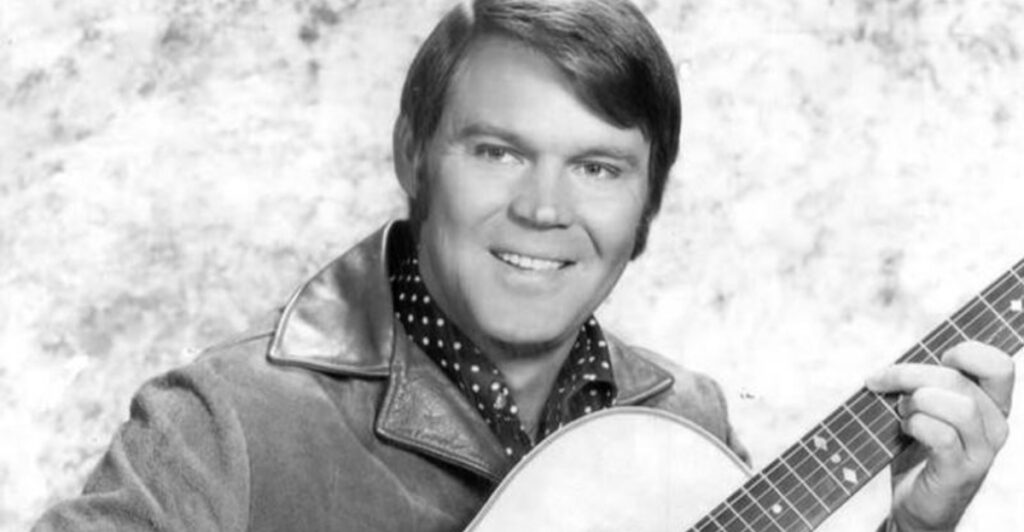
5. Rhinestone Cowboy – Glen Campbell
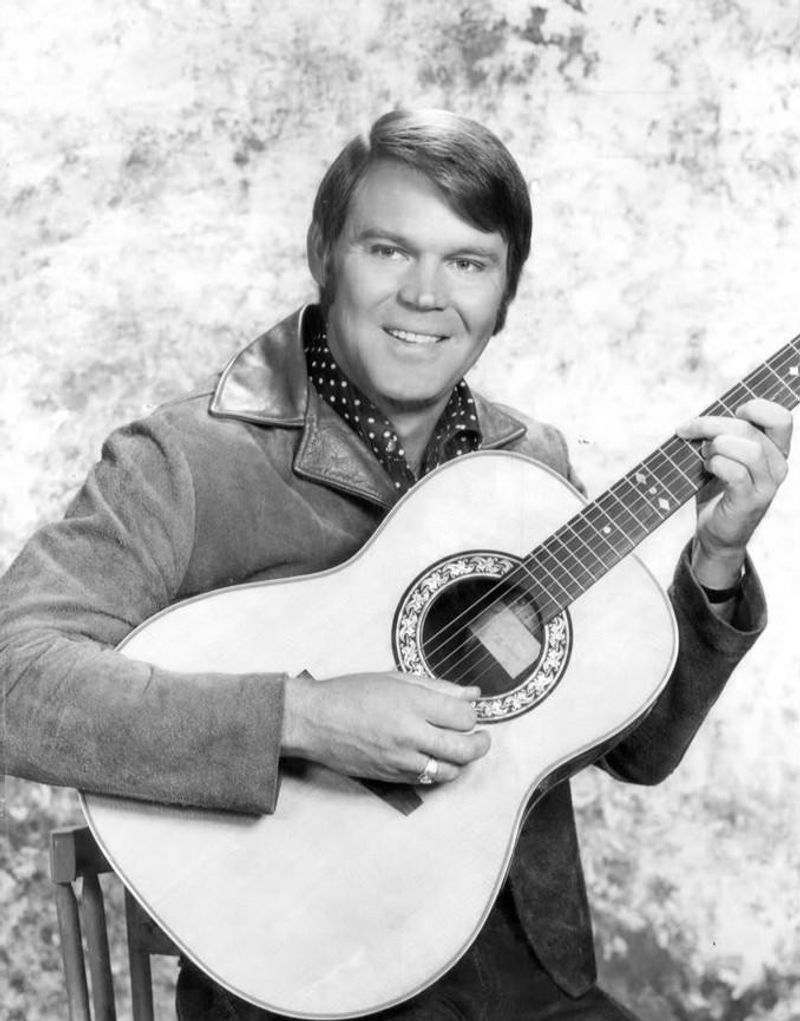
Country music had been knocking on pop radio’s door for years, and Glen Campbell kicked it wide open with this song in the summer of 1975. Written by Larry Weiss, “Rhinestone Cowboy” tells the story of a performer grinding through hard times while chasing a big break in show business.
Campbell’s warm baritone and the song’s polished production gave it broad crossover appeal, landing it at No. 1 on both the Billboard Hot 100 and the country charts simultaneously. That kind of dual chart domination was not common at the time.
The song became one of Campbell’s signature tracks and helped cement his reputation as a bridge between Nashville and mainstream pop audiences. It spent two weeks at the top of the Hot 100 and remains one of the most recognizable country-pop records of the decade.
6. Before the Next Teardrop Falls – Freddy Fender
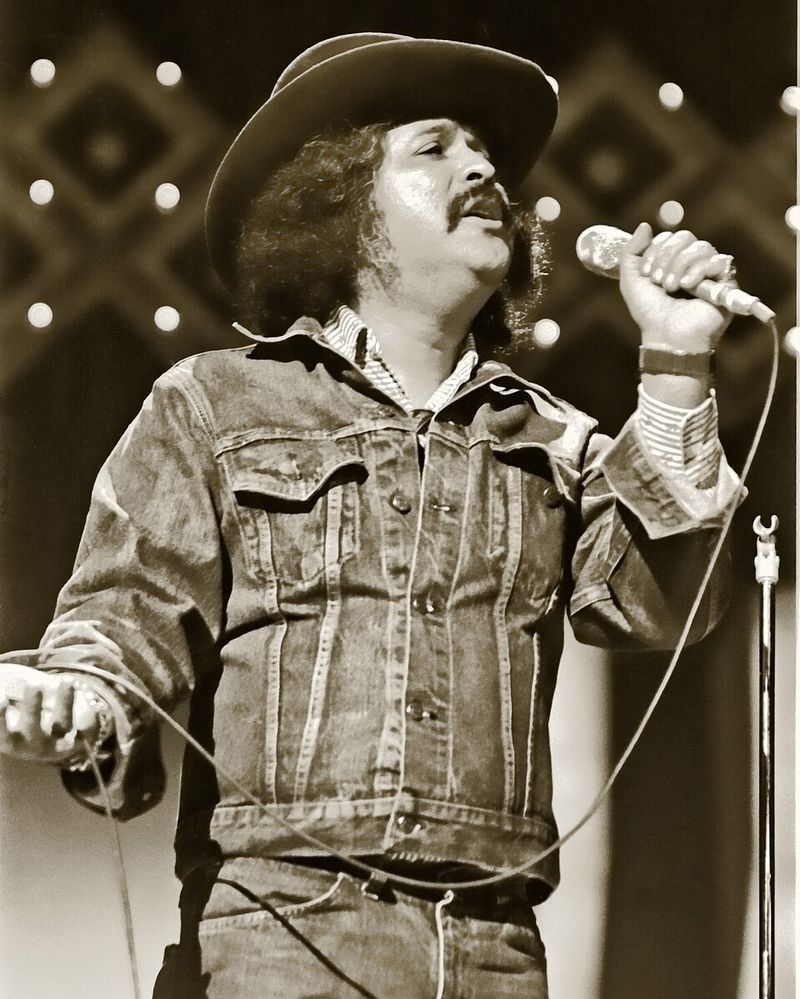
Freddy Fender had lived a complicated life before mainstream success found him in 1975. He had recorded music in the late 1950s and early 1960s under the name Baldemar Huerta, but legal troubles and personal setbacks had derailed his career for years.
Producer Huey Meaux helped Fender record “Before the Next Teardrop Falls,” a country-pop ballad with a gentle Spanish verse that reflected Fender’s Tex-Mex background. The song reached No. 1 on the Billboard Hot 100 in April 1975 and also topped the country charts, making Fender the first Hispanic artist to achieve that kind of crossover success in the modern era.
The record resonated with audiences because of its emotional sincerity and Fender’s raw, unpolished vocal style. His story of perseverance added weight to a song that might otherwise have been just another ballad.
7. Sister Golden Hair – America
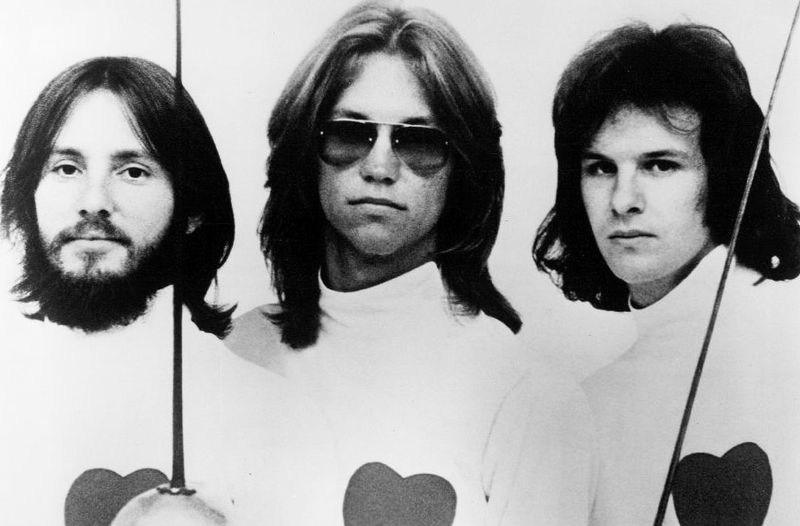
The band America had already proven themselves with “A Horse with No Name” and “Tin Man,” but “Sister Golden Hair” gave them their second No. 1 on the Billboard Hot 100. Written by Gerry Beckley and released in the spring of 1975, the song had a clean, melodic structure that fit neatly into the soft rock format dominating radio at the time.
America was an interesting act because all three founding members grew up in England as children of American military personnel, yet their music was deeply rooted in California folk-rock traditions. Producer George Martin, who had famously worked with The Beatles, helmed their “Hearts” album from which the single was drawn.
The track spent one week at No. 1 in June 1975. Its combination of close harmonies, acoustic guitar work, and a straightforward romantic theme made it an easy fit for both pop and adult contemporary radio formats.
8. One of These Nights – Eagles
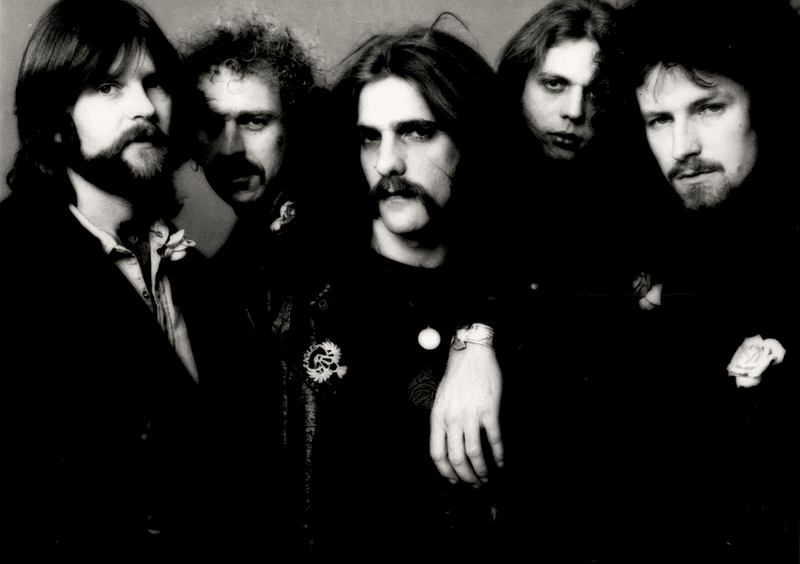
By mid-1975, the Eagles had evolved significantly from their country-rock roots into a harder, more polished rock sound. “One of These Nights” was the clearest signal of that shift, featuring a prominent bass line, layered electric guitars, and a vocal arrangement that moved between Don Felder’s low verses and Don Henley’s higher chorus.
The song was written by Don Henley and Glenn Frey and released as the lead single from the album of the same name. It reached No. 1 on the Billboard Hot 100 in July 1975 and spent one week at the top.
The track also performed well on the country charts, demonstrating that the band still had crossover appeal even as their sound grew heavier. The “One of These Nights” album became one of the best-selling records of 1975 and set the stage for the band’s even larger commercial success with “Hotel California” two years later.
9. Jive Talkin’ – Bee Gees
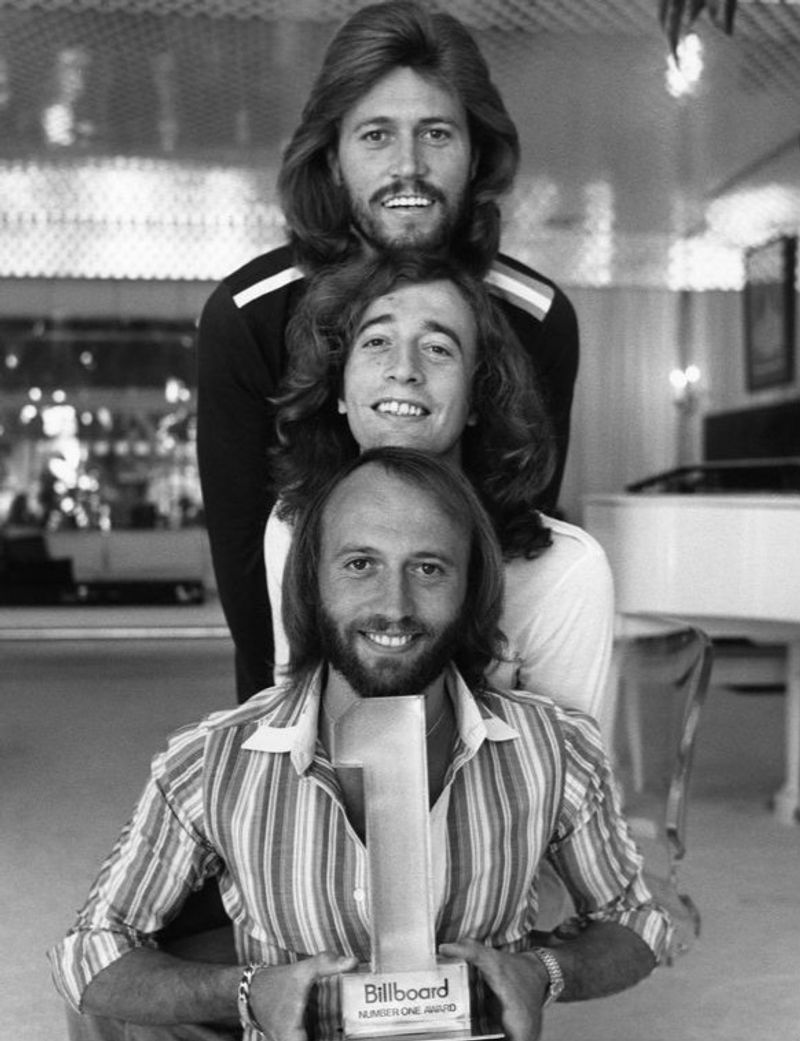
Most people associate the Bee Gees with the peak of disco in 1977 and 1978, but their transition into that territory began well before “Saturday Night Fever.” “Jive Talkin'” was the turning point, a funky, rhythm-driven track that marked a clear departure from the orchestral ballads that had defined their late 1960s work.
Released in the summer of 1975, the song was written by Barry, Robin, and Maurice Gibb and produced by Karl Richardson and Albhy Galuten alongside Arif Mardin. It reached No. 1 on the Billboard Hot 100 in July 1975 and spent two weeks at the top.
The rhythmic guitar pattern at the core of the track was reportedly inspired by the sound of their car tires crossing a bridge near the recording studio in Miami. That accidental rhythm ended up reshaping the direction of one of the most successful acts in pop history.
10. Fallin’ in Love – Hamilton, Joe Frank & Reynolds
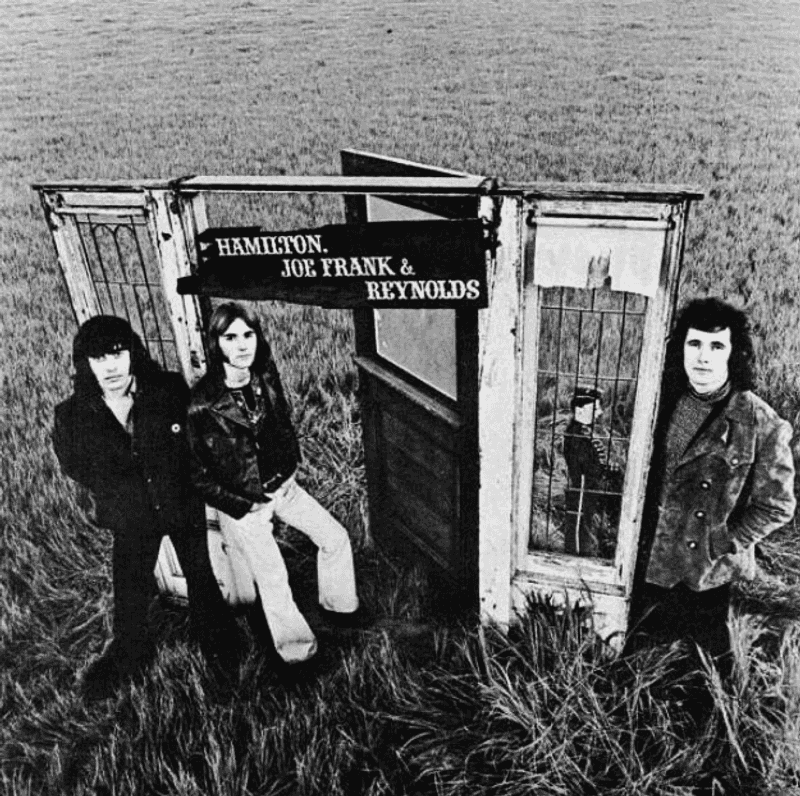
Not every No. 1 song comes from an artist that casual music fans can name decades later, and “Fallin’ in Love” by Hamilton, Joe Frank and Reynolds is a prime example. The group had previously charted in the early 1970s with “Don’t Pull Your Love,” but this single gave them their first and only No. 1 on the Billboard Hot 100.
Released in the summer of 1975, the song was a smooth, easy-listening pop track with a polished production style typical of the mid-decade sound. It reached the top of the chart in August 1975 and spent one week there.
The group’s name itself was a source of confusion for many listeners since it sounds more like a law firm than a band. Despite their limited chart legacy, this song was a genuine radio staple during the summer of 1975 and holds a legitimate place in the year’s pop history.
11. That’s the Way (I Like It) – KC and the Sunshine Band
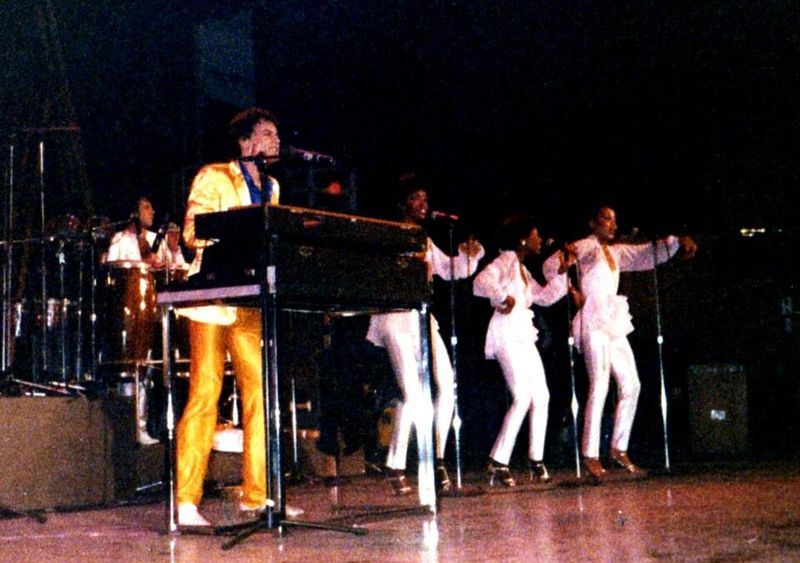
KC and the Sunshine Band were one of the defining acts of the mid-1970s dance music scene, and “That’s the Way (I Like It)” cemented their commercial dominance. Led by Harry Wayne Casey and Richard Finch, the group blended funk, soul, and a driving rhythm section into a formula that was almost impossible to resist on the dance floor.
The song reached No. 1 on the Billboard Hot 100 in November 1975 and spent two weeks at the top. It was one of three No. 1 singles the group would score between 1975 and 1976, a remarkable run for any act.
The band recorded at TK Records in Miami, the same city that was becoming a hub for the emerging disco and funk scene. Their sound was direct and repetitive by design, built for dancing rather than passive listening, which made them a fixture at clubs and on radio simultaneously.
12. Fly, Robin, Fly – Silver Convention
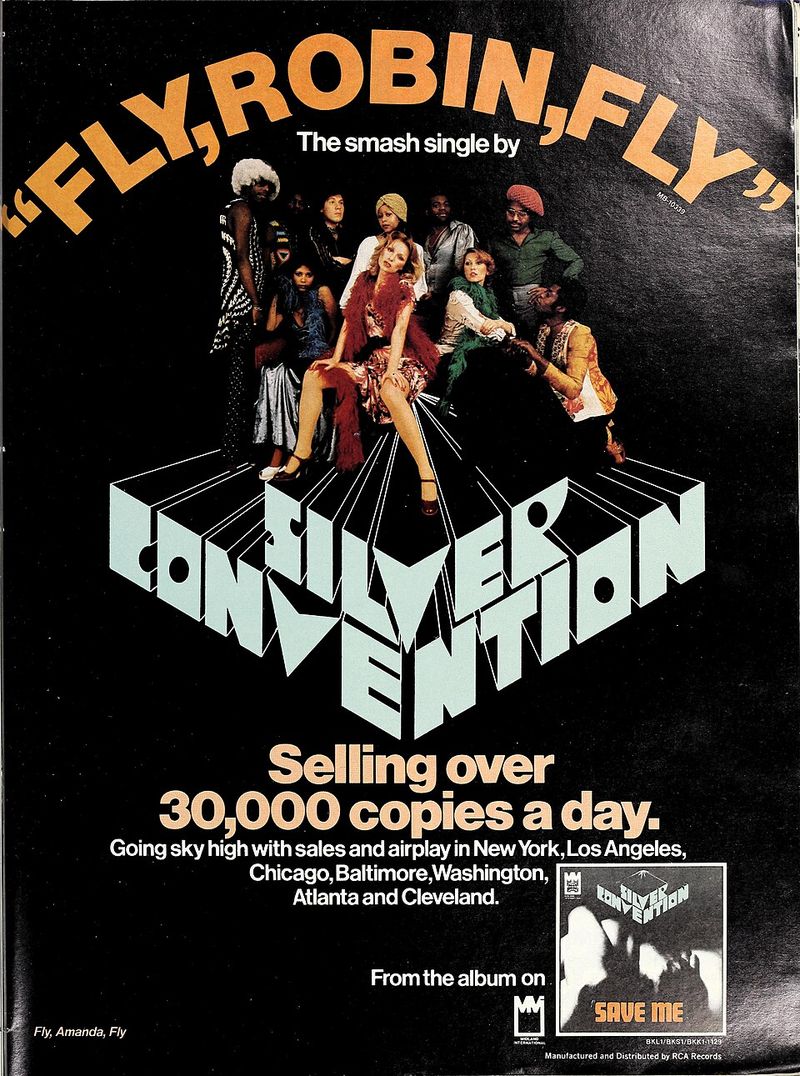
Silver Convention was a West German disco act, which made their American chart success in 1975 particularly notable. “Fly, Robin, Fly” is one of the most minimal No. 1 hits in chart history, with lyrics consisting almost entirely of the title phrase repeated over a driving orchestral disco arrangement.
The song was produced by Michael Kunze and Sylvester Levay and reached No. 1 on the Billboard Hot 100 in November 1975, spending three weeks at the top. It also won a Grammy Award for Best Rhythm and Blues Song in 1976, which surprised many observers given its European origins.
The track demonstrated that disco was becoming a genuinely international phenomenon, not just an American club trend. Silver Convention would follow up with another hit in 1976, but “Fly, Robin, Fly” remains their most significant commercial achievement and a snapshot of how quickly the disco format was spreading across the globe.
13. I’m Sorry / Calypso – John Denver
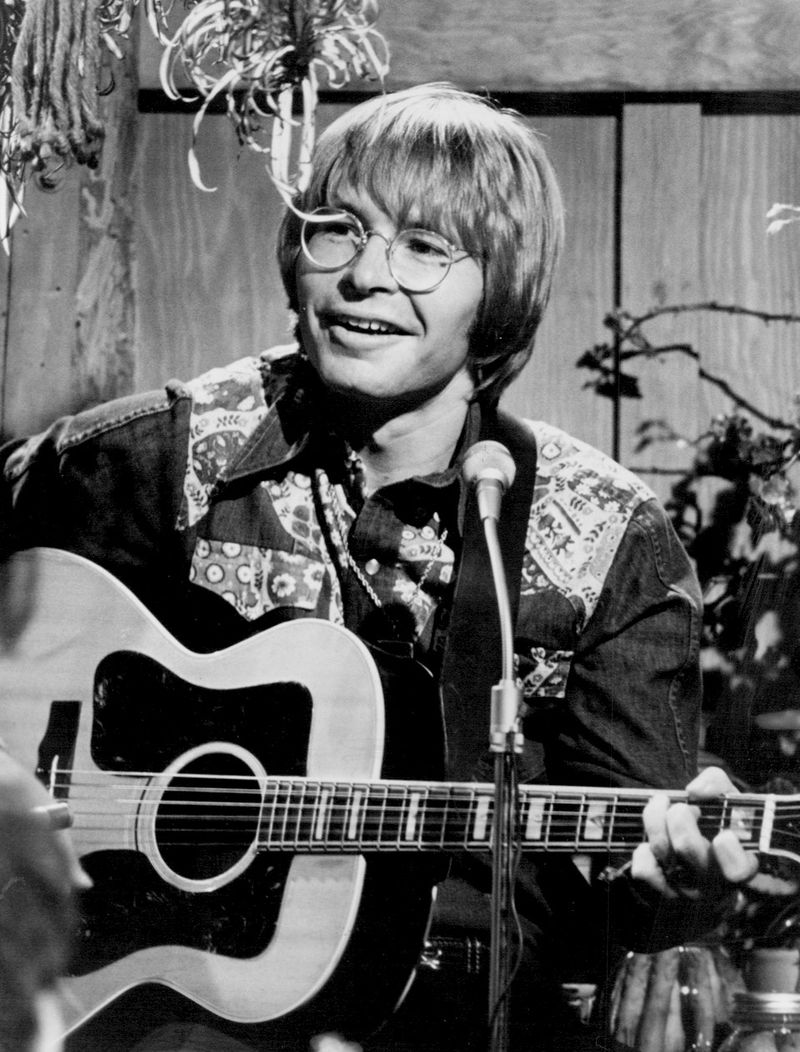
John Denver released a double-sided single in 1975 that managed to reach No. 1 with both tracks listed together, a formatting choice that reflected radio’s flexibility at the time. “I’m Sorry” was a country-tinged pop ballad, while “Calypso” was an ode to oceanographer Jacques Cousteau’s famous research vessel.
The pairing reached the top of the Billboard Hot 100 in September 1975 and spent one week there. Denver was already one of the most commercially successful artists of the early and mid-1970s, with a string of albums and television appearances that had made him a household name.
“Calypso” in particular stood out for its unusual subject matter. Writing a pop song about marine research was not a common creative choice, but Denver’s earnest delivery and the song’s melodic momentum made it work. The single helped Denver win the Country Music Association’s Entertainer of the Year award for 1975.
14. Convoy – C. W. McCall
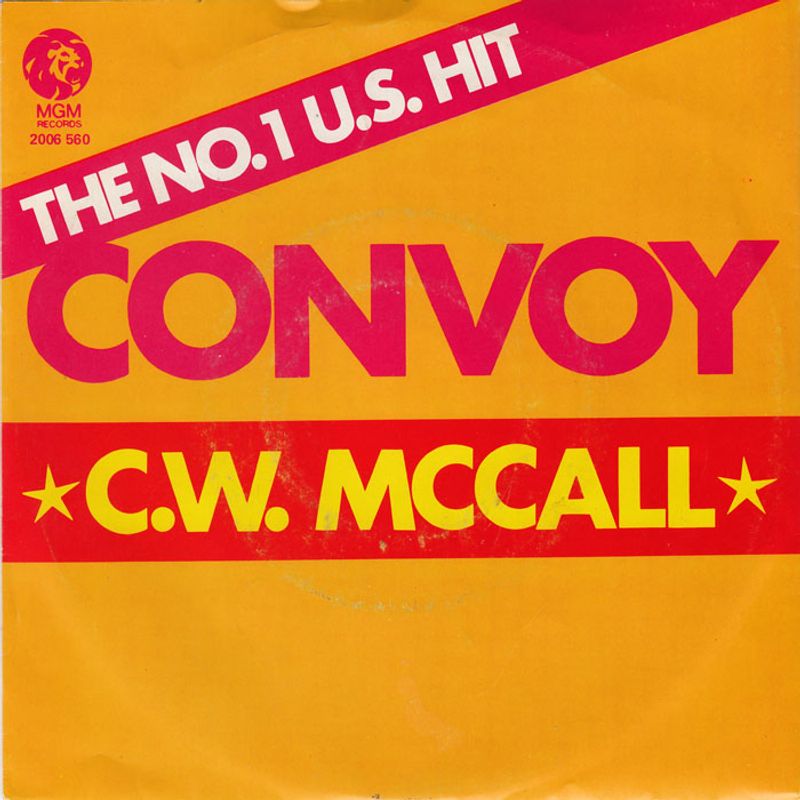
Few No. 1 hits from 1975 feel as firmly rooted in their specific cultural moment as “Convoy.” The song arrived at the peak of a nationwide fascination with CB radio culture and long-haul trucking, both of which had become unexpectedly prominent in American pop culture during the mid-1970s.
Written by Bill Fries and Chip Davis under the stage name C. W. McCall, “Convoy” used CB radio slang as its primary language, telling the story of a cross-country truck convoy in a spoken-word style over a driving country-rock backing track. It reached No. 1 on the Billboard Hot 100 in January 1976, having climbed the charts through late 1975.
The song’s success directly inspired the 1978 film of the same name directed by Sam Peckinpah. It also reflected a broader trend of working-class themes making their way into mainstream pop music during a period when fuel shortages and highway speed limits were daily news topics.
15. Island Girl – Elton John
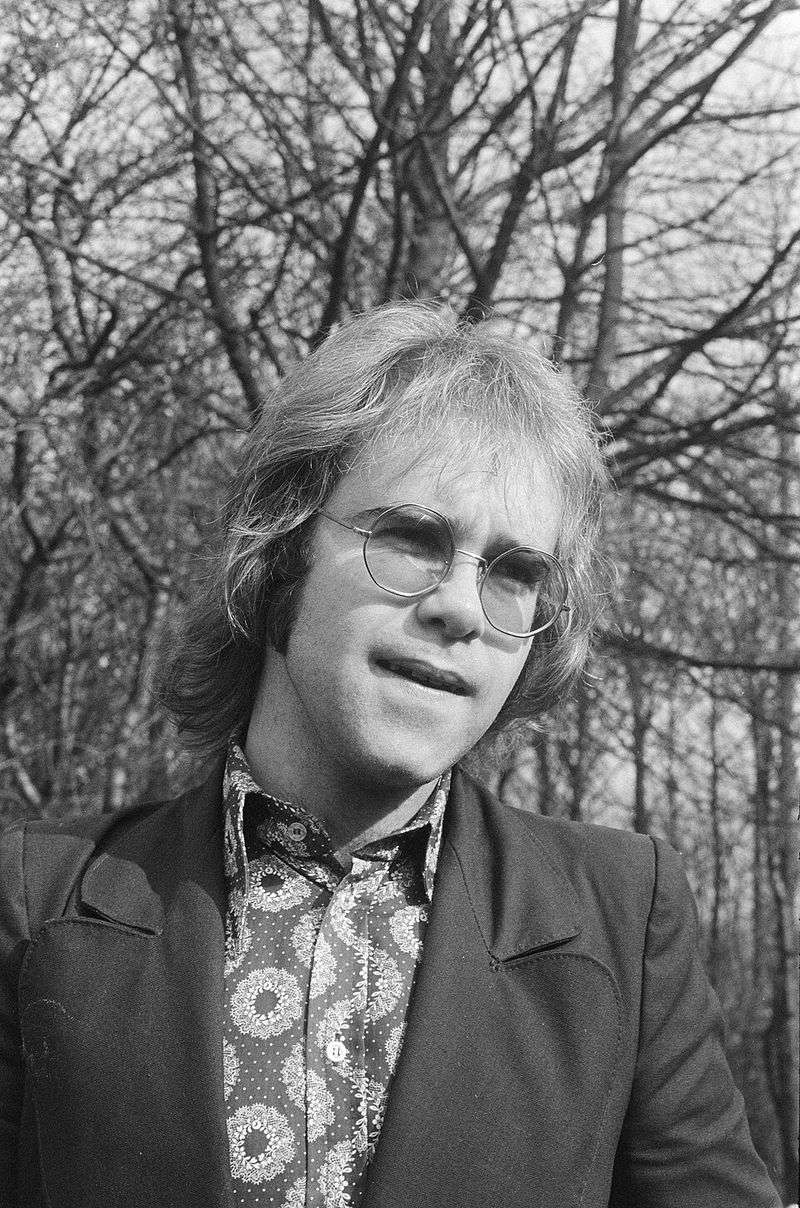
Elton John’s second No. 1 single of 1975 was “Island Girl,” and its chart performance underlined just how dominant he was during this period. Released in October 1975, it reached the top of the Billboard Hot 100 within three weeks of release, a remarkably fast climb that reflected his commercial momentum at the time.
Written by Elton John and Bernie Taupin, the song features a Caribbean-influenced rhythm and tells the story of a young woman from the West Indies living in New York City. The production by Gus Dudgeon gave it a layered, energetic feel that distinguished it from the more orchestrated sound of some of his earlier hits.
The track spent three weeks at No. 1, making it one of the longer-running chart-toppers of the fall season. With two No. 1 singles in a single calendar year, Elton John finished 1975 as one of the most commercially successful recording artists of the decade.
Share this story