History is full of powerful families who built their names over centuries, only to watch everything unravel because of a single, catastrophic mistake. From royal courts in England to the grand palaces of Europe, noble dynasties controlled land, wealth, and political power on a scale most people today can barely imagine.
Yet even the mightiest families were not immune to poor judgment, political overreach, or loyalty placed in the wrong hands. What follows is a look at fourteen of history’s most powerful noble houses and the one fateful decision that brought each of them crashing down.
Some choices were made boldly, others out of desperation, and a few out of sheer stubbornness. Each story is a reminder that power, no matter how deeply rooted, can disappear faster than it was built.
House of Stuart
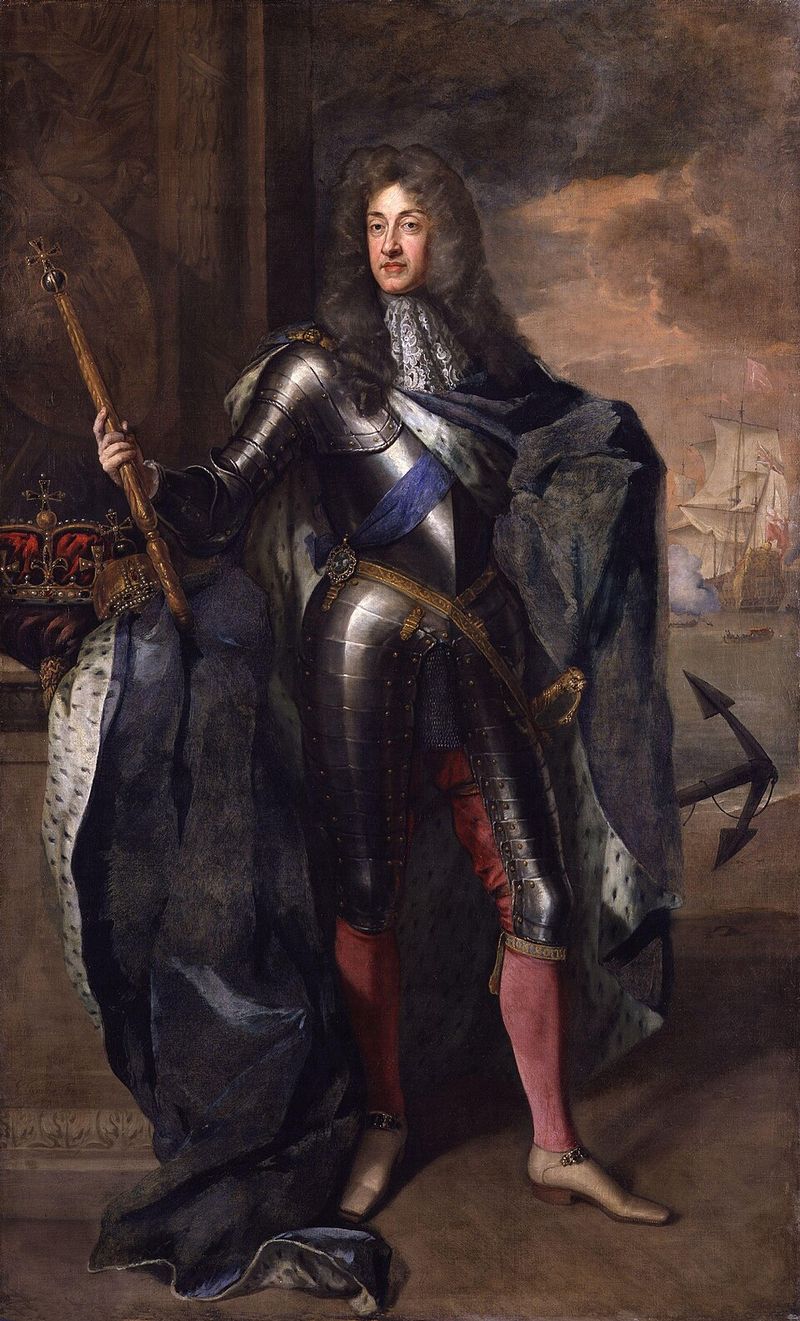
England in the late 1600s was a kingdom walking a political tightrope, and King James II decided to cut the rope himself. His open push for pro-Catholic policies in a firmly Protestant nation was not just unpopular; it was seen as a direct threat to the country’s religious identity.
Parliament and powerful nobles invited William of Orange to take the throne in what became known as the Glorious Revolution of 1688. James fled to France without a fight, which sealed his fate more decisively than any battlefield defeat could have.
The Stuart line did not vanish overnight. Supporters called Jacobites spent decades trying to restore the family to power through uprisings in 1715 and 1745, but neither effort succeeded.
James’s decision to prioritize religious policy over political stability cost his family one of the most powerful thrones in the world.
House of Bourbon (France)
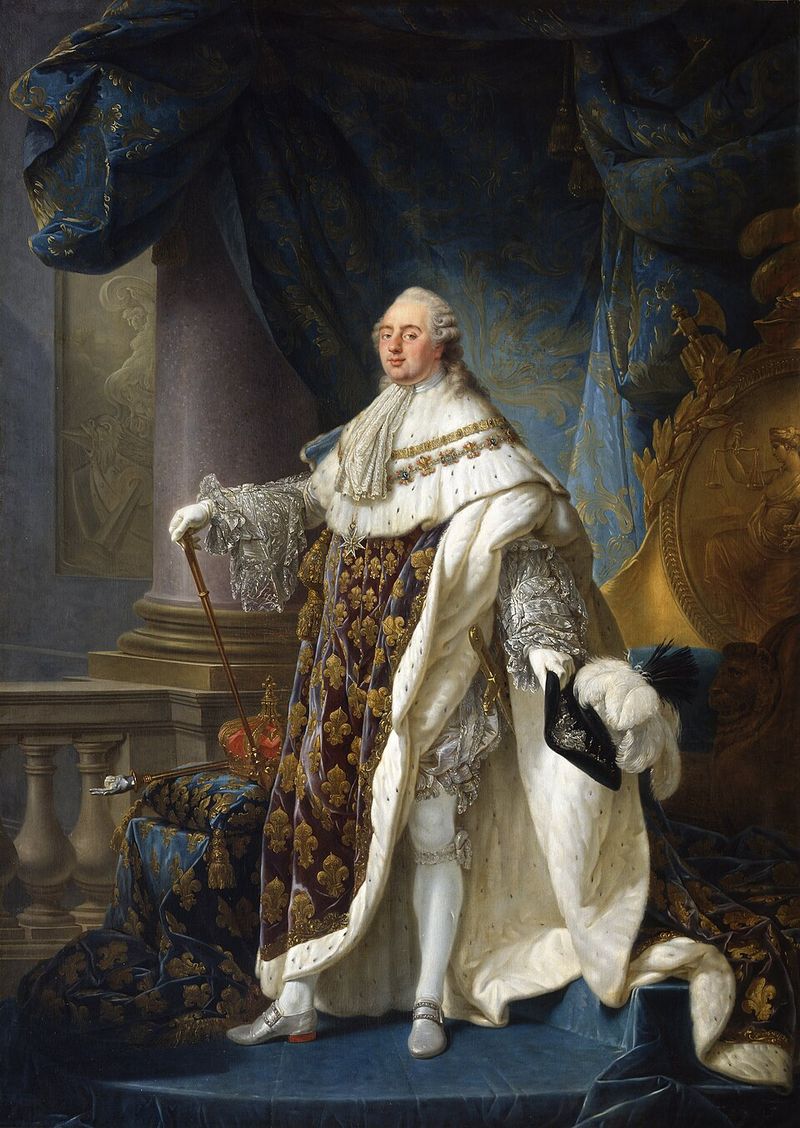
Louis XVI inherited a kingdom already deep in financial trouble, but his repeated delays in addressing that crisis turned a difficult situation into an unmanageable one. France was essentially broke by the 1780s, and the king’s reluctance to tax the nobility or restructure the economy only pushed the burden onto ordinary people.
When he finally called the Estates-General in 1789, hoping to find a solution, the meeting became the spark that lit the French Revolution. The Third Estate, representing commoners, broke away to form a National Assembly, and the monarchy lost control of events almost immediately.
Louis’s attempts to negotiate, stall, and quietly seek foreign military help made him appear both indecisive and dishonest to the revolutionaries. His failed attempt to flee France in 1791 destroyed whatever trust remained.
By 1793, the Bourbon monarchy had been abolished, and Louis and his queen, Marie Antoinette, had been sent to the guillotine.
House of Habsburg
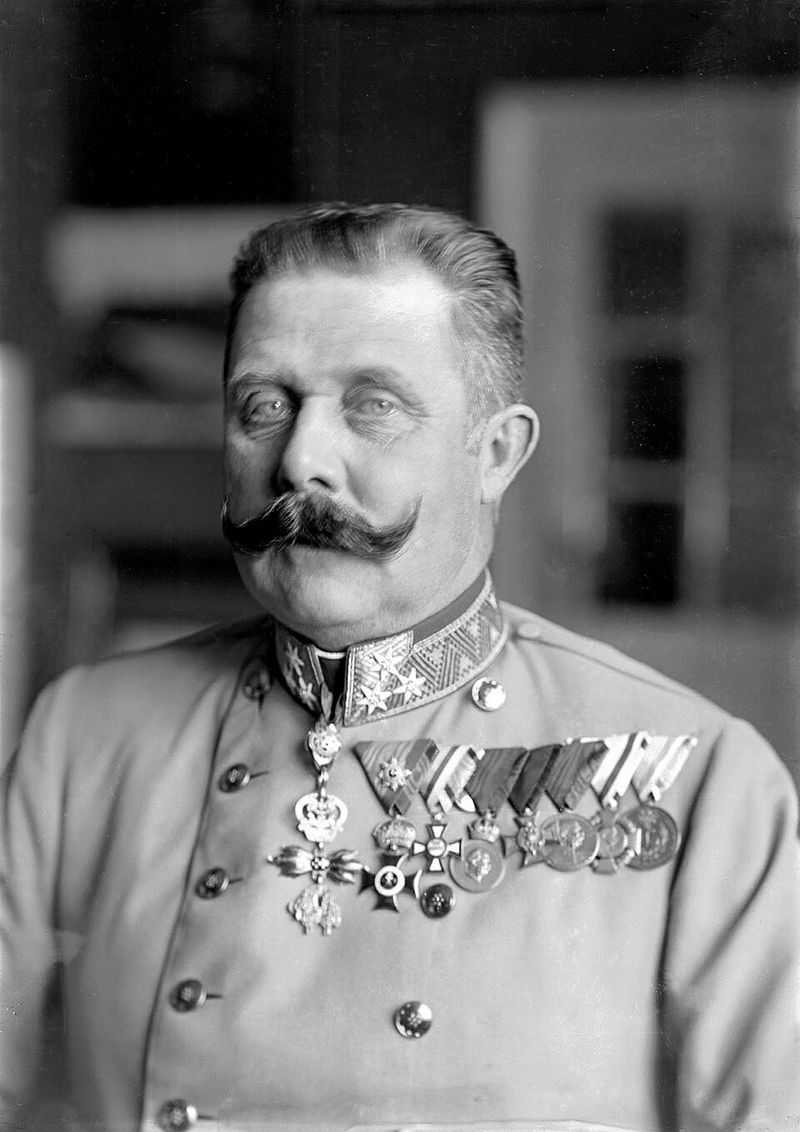
Archduke Franz Ferdinand was the heir to one of Europe’s oldest and most powerful empires, and his decision to visit Sarajevo on June 28, 1914, despite known security risks, changed the course of world history.
A Serbian nationalist named Gavrilo Princip shot and killed Franz Ferdinand and his wife Sophie during their motorcade through the city. What followed was a chain of alliances, ultimatums, and mobilizations that pulled nearly every major European power into what became World War I.
The Habsburg Empire had already been managing tensions between its many ethnic groups for decades. The war exposed every structural weakness the empire had accumulated.
By 1918, Austria-Hungary had collapsed entirely, broken into multiple successor states. The family that had dominated Central European politics since the 13th century lost its empire, its throne, and its political relevance in just four years.
One visit to one city ended all of it.
House of Romanov
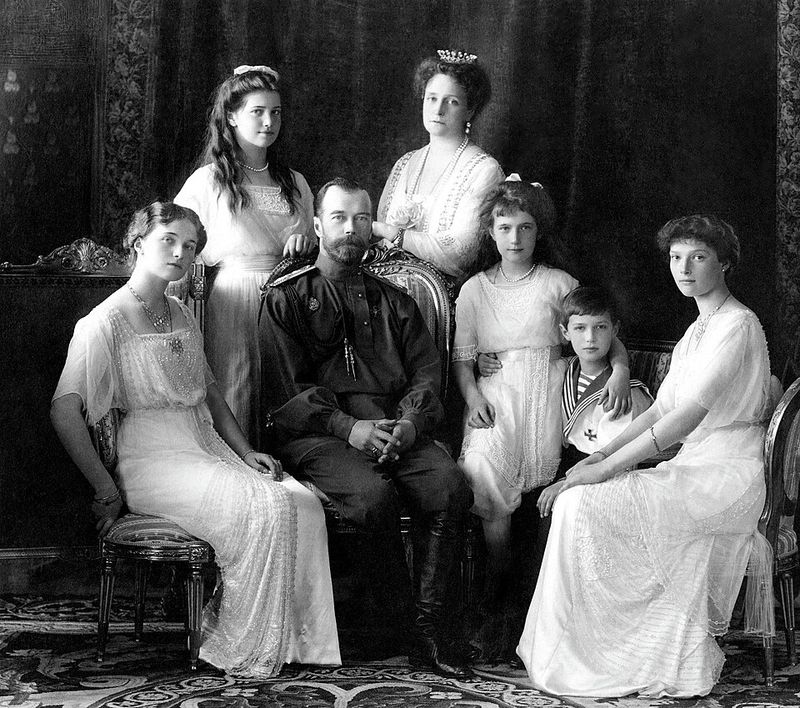
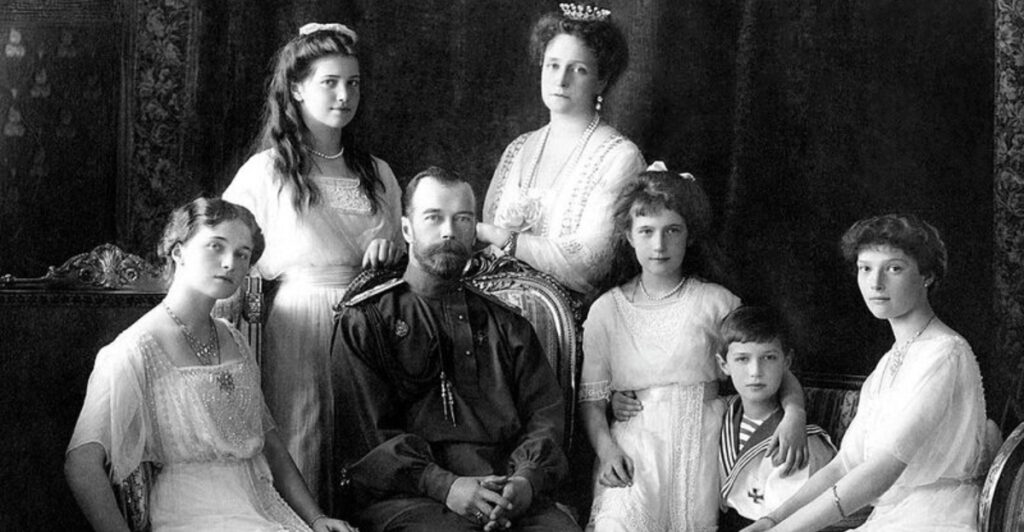
Few rulers in modern history clung to outdated authority as stubbornly as Tsar Nicholas II, and the cost of that stubbornness was three centuries of dynastic rule wiped out in under a year.
By 1905, Russia was already straining under food shortages, military failures, and widespread calls for political reform. Nicholas responded with limited concessions and then quietly reversed many of them, infuriating reformers and emboldening radicals at the same time.
When revolution came in February 1917, it arrived fast. Nicholas abdicated within days, and the Romanov dynasty, which had governed Russia since 1613, ceased to exist as a ruling power.
His refusal to share authority through a constitutional monarchy left no middle ground for moderates to defend. The Bolsheviks filled the vacuum, and by 1918 the family’s story had reached its grim conclusion in Yekaterinburg.
House of Plantagenet
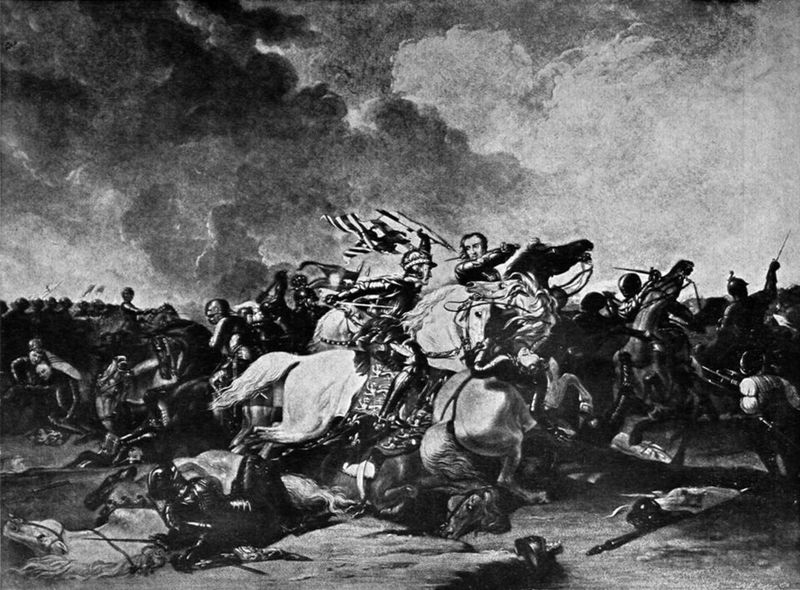
Richard III had already made controversial choices by the time he rode out to face Henry Tudor at Bosworth Field in August 1485, but his decision to personally lead a cavalry charge late in the battle proved to be the last mistake of his life and dynasty.
He was outnumbered, several of his key allies switched sides mid-battle, and the charge put him directly in harm’s way. Richard was struck down, becoming the last English king to be killed in battle.
Henry Tudor claimed the crown on the field that same day.
The Plantagenet dynasty had ruled England in various branches since 1154. Richard’s defeat did not just end his reign; it closed the door on a royal lineage that had shaped England for over three hundred years.
The Tudors moved quickly to legitimize their rule and sideline any remaining Plantagenet claimants, ensuring the old dynasty would not recover.
House of Medici
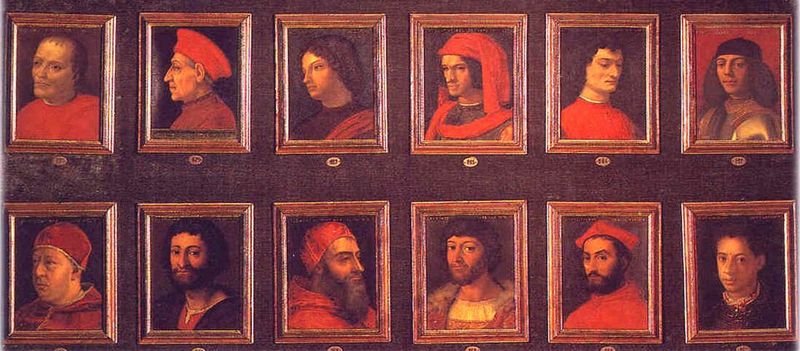
The Medici family of Florence had one of the most remarkable runs in European history, producing popes, queens, and patrons of the Renaissance over more than three centuries. But their downfall was not dramatic; it was slow, accumulated, and largely self-inflicted through poor succession decisions.
By the early 1700s, the family line was producing rulers more interested in personal habits than governance. Gian Gastone de Medici, the last Grand Duke from the family, had no legitimate children and made almost no arrangements for a stable succession.
When Gian Gastone passed in 1737, the Grand Duchy of Tuscany passed to the House of Lorraine under a treaty negotiated by European powers, not by the Medici themselves. The family that had essentially invented modern banking and funded Michelangelo and Leonardo ended not with rebellion or conquest, but with bureaucratic paperwork.
Poor planning was their final legacy.
House of Neville
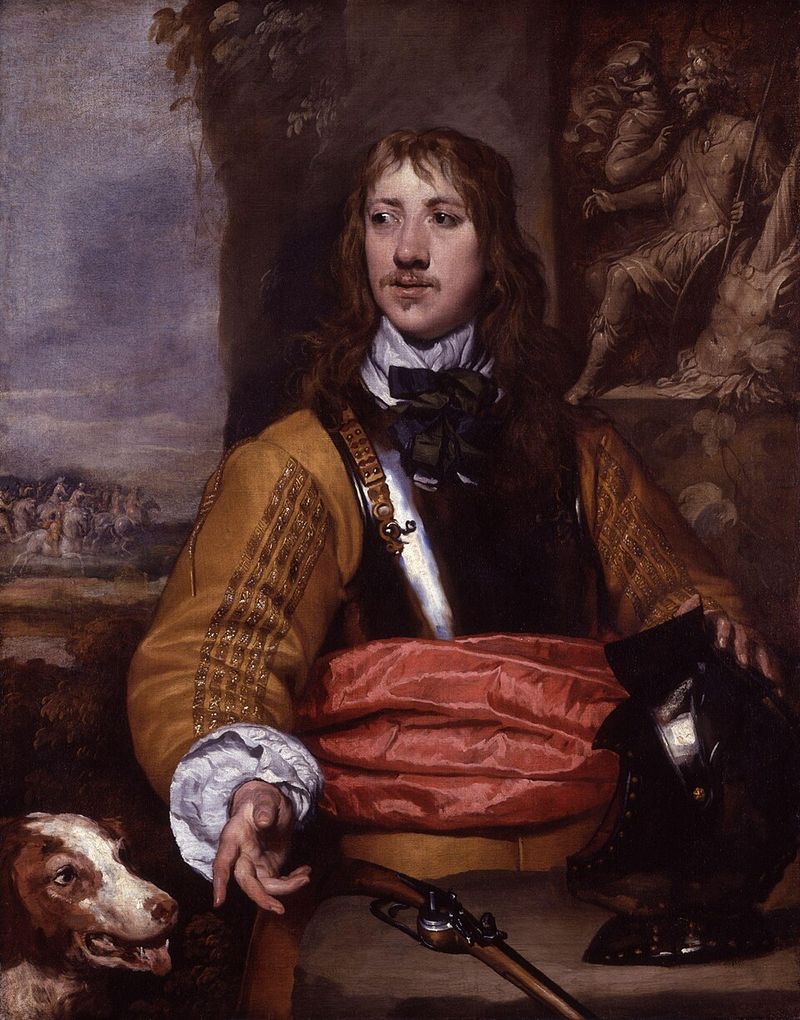
Richard Neville, the Earl of Warwick, earned the nickname ‘Kingmaker’ by helping place Edward IV on the English throne during the Wars of the Roses. He was arguably the most powerful non-royal in England during the 1460s, and he knew it.
When Edward IV refused to follow Warwick’s political guidance and made independent foreign policy choices, Warwick made a decision that stunned contemporaries: he switched sides and backed the Lancastrian cause, helping restore the deposed Henry VI to the throne in 1470.
The gamble collapsed quickly. Edward IV returned to England with fresh forces, and the two former allies met at the Battle of Barnet in April 1471.
Warwick was defeated and killed, and with him went the Neville family’s grip on English politics. Switching allegiances in a civil war was a calculated risk, and it failed completely, stripping the family of everything they had built.
House of Percy
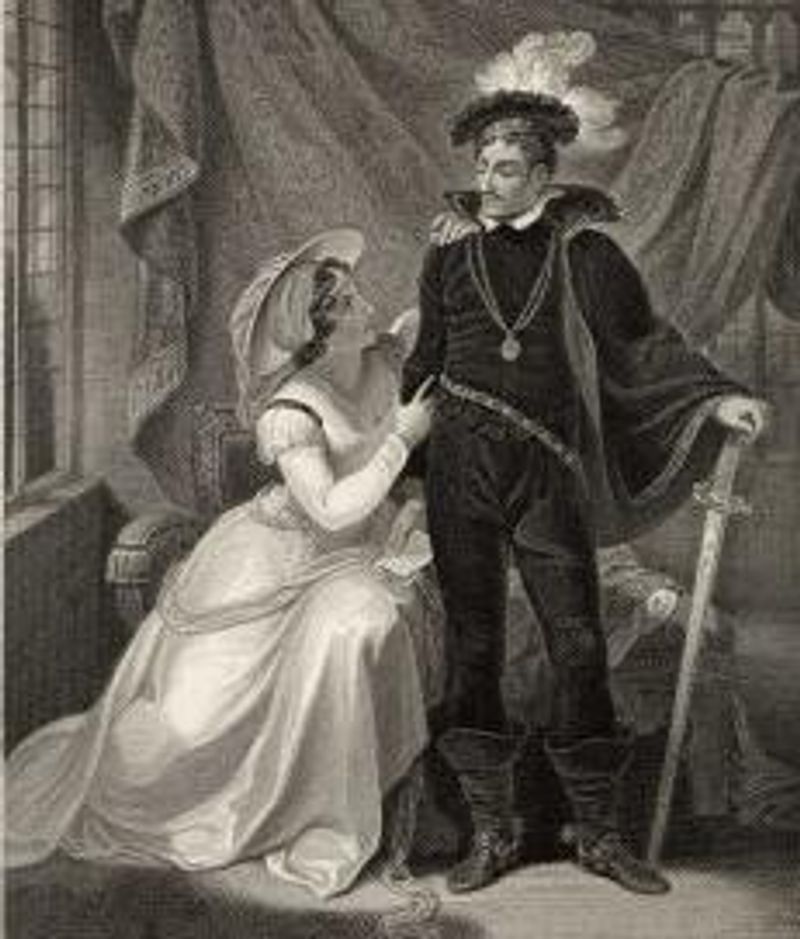
The Percy family of Northumberland was among the most powerful noble houses in medieval England, controlling the northern borders and commanding enough military strength to make or break kings.
Their downfall began when Henry Percy, known as Hotspur, joined a rebellion against King Henry IV in 1403. The Percys had helped put Henry IV on the throne in the first place, which made their switch feel especially personal to the king.
Hotspur was killed at the Battle of Shrewsbury before rebel reinforcements could arrive, and the uprising fell apart without its most capable military leader. The family faced attainders, land forfeitures, and years of reduced influence.
Though the Percys eventually recovered some standing, they never regained the unchallenged dominance they had held in northern England. One rebellion erased generations of carefully accumulated power and left the family scrambling to rebuild from a much weaker position.
House of Borgia
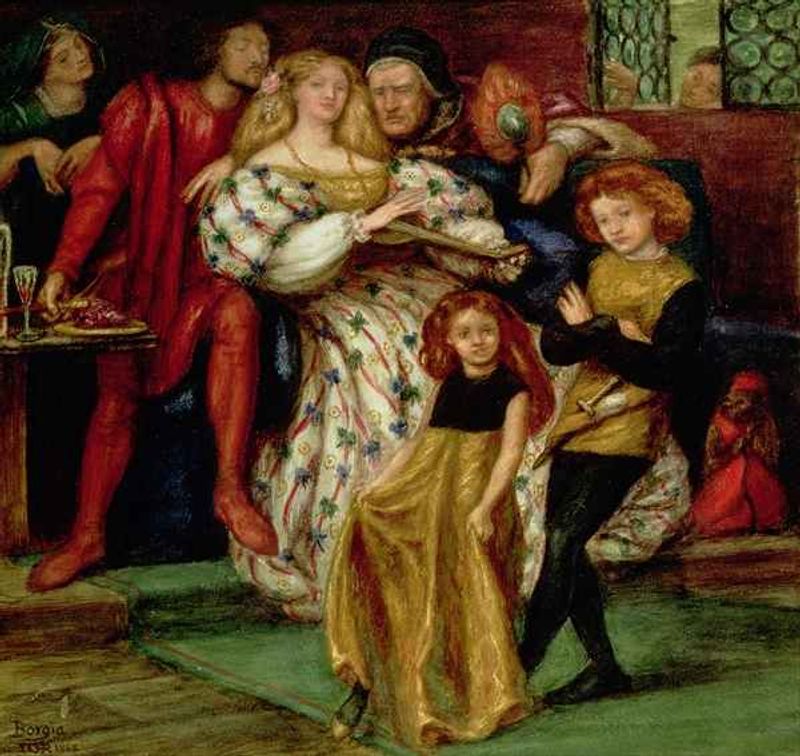
The Borgias built one of the most notorious power networks in Renaissance Europe, and nearly all of it ran through one man: Rodrigo Borgia, who became Pope Alexander VI in 1492. His papacy gave the family access to political appointments, military alliances, and financial resources across the Italian peninsula.
His son Cesare Borgia used that papal backing to carve out his own territorial empire in central Italy, becoming one of the most feared military commanders of his era. The strategy worked brilliantly, right up until Alexander VI’s passing in 1503.
Without papal protection, Cesare’s enemies acted immediately. His military alliances collapsed, his territories were reclaimed by rival powers, and he was arrested and eventually exiled.
The Borgia family had built everything on a single point of power, and when that support disappeared, there was nothing structural holding the empire together. Their rise and fall both happened within a single generation.
House of de Clare
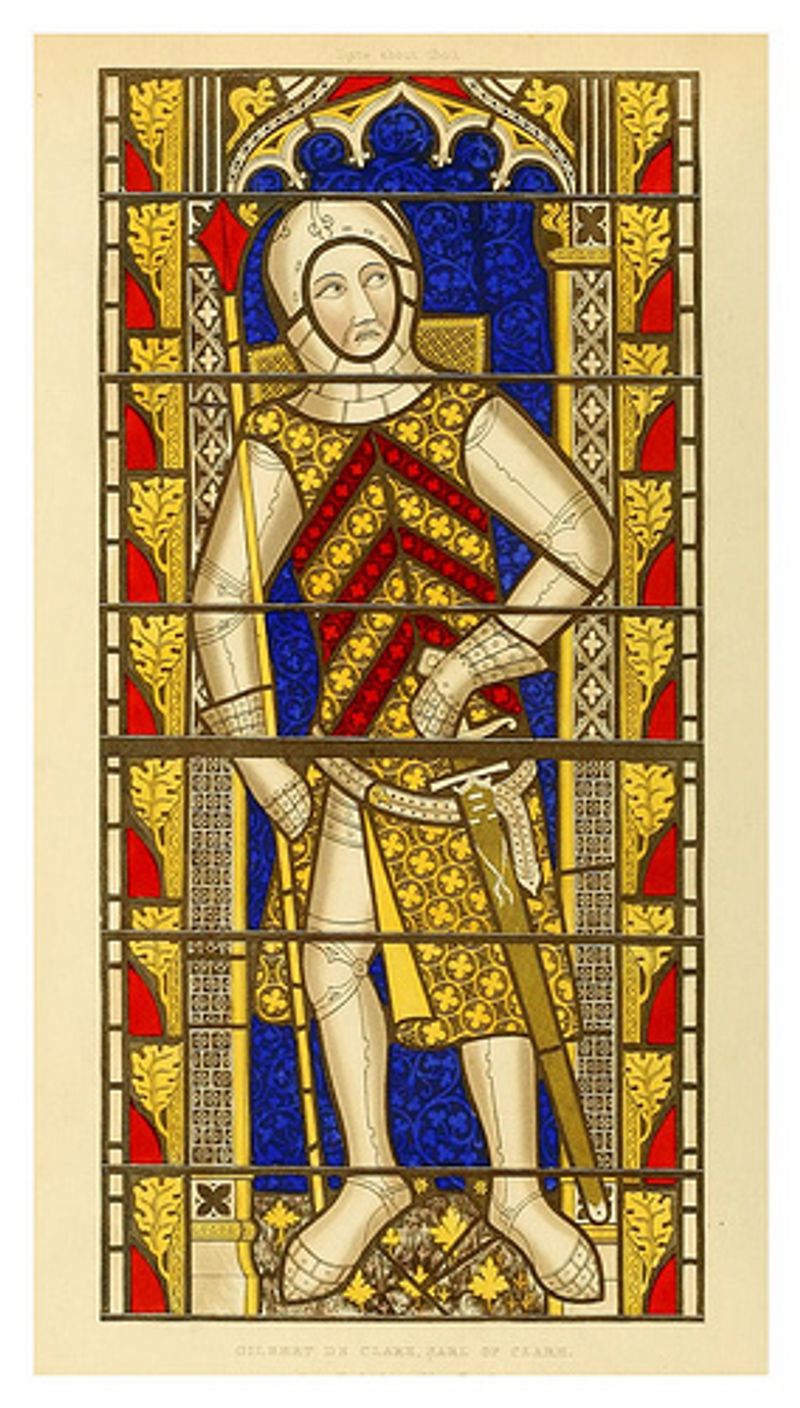
Gilbert de Clare was one of the wealthiest and most influential nobles in early 14th century England, holding the earldom of Gloucester and controlling vast lands across England, Wales, and Ireland.
His decision to fight at the Battle of Bannockburn in June 1314, where Robert the Bruce’s Scottish forces faced Edward II’s English army, proved fatal. Gilbert charged into battle without proper coordination and was killed in the fighting at just 23 years old.
The real problem was that he left no direct male heir. His enormous estates were divided among his three sisters, fragmenting what had been one of the most consolidated noble land holdings in Britain.
No single successor inherited the family’s political clout, and the de Clare name effectively disappeared from the front ranks of English nobility. A single battle, entered without sufficient caution, broke apart a dynasty that had taken two centuries to build.
House of Montfort
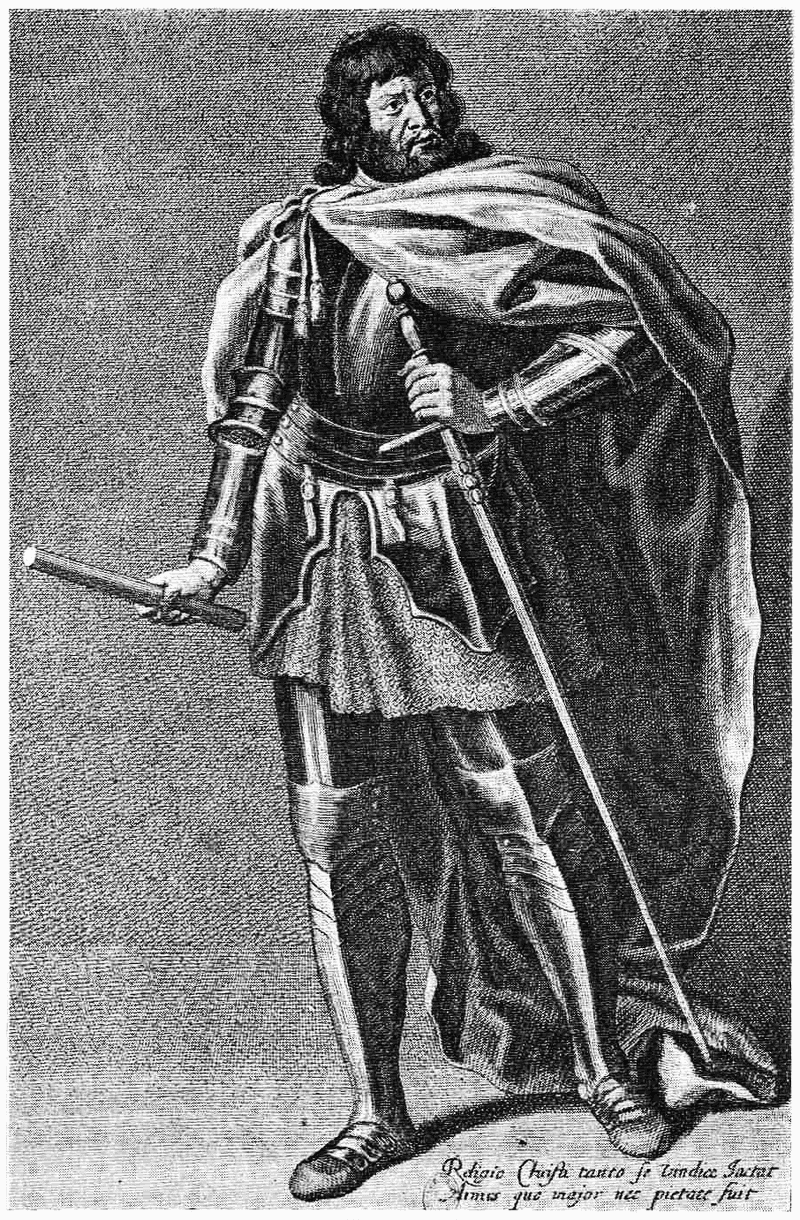
Simon de Montfort pulled off something that should have been politically impossible: he captured King Henry III of England and ruled the country in his name for over a year between 1264 and 1265.
His government was genuinely innovative. He summoned what many historians consider an early version of the English Parliament, including representatives from towns and counties alongside the usual barons and clergy.
For a brief period, de Montfort was the most powerful man in England without actually being king.
The arrangement was fragile, and Henry’s son, the future Edward I, rallied royalist forces and defeated de Montfort at the Battle of Evesham in August 1265. Simon was killed in the fighting, and the royalists made sure his family paid a heavy price.
His lands were seized, his sons were exiled, and the de Montfort name was effectively erased from English political life within a generation.
House of Valois-Burgundy
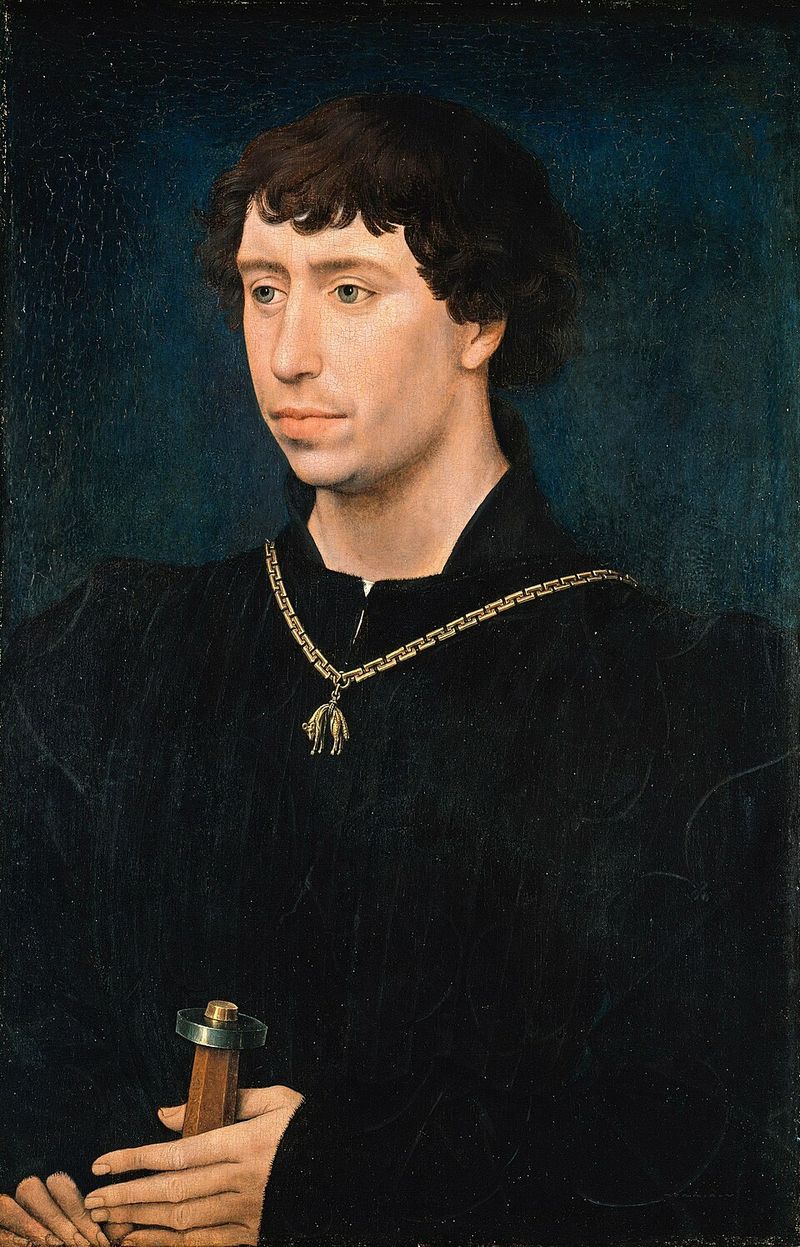
Charles the Bold, Duke of Burgundy, spent most of his reign trying to turn Burgundy from a duchy into a proper kingdom, and his aggressive military campaigns were the centerpiece of that ambition.
By 1476, he had launched three separate military campaigns against the Swiss Confederation, a federation of cantons that had developed a highly effective infantry-based fighting system. Charles lost badly at both Grandson and Murten before pushing forward with a third campaign rather than reconsidering his strategy.
At the Battle of Nancy in January 1477, his army was routed and Charles himself was killed. His body was found days later on the frozen ground outside the city.
He left only a daughter, Mary of Burgundy, as his heir. Without a male successor and without military strength to defend the territory, the Burgundian state was rapidly dismembered by France and the Habsburgs.
Three lost battles ended four decades of Valois-Burgundy ambition permanently.
Share this story