Power has never guaranteed security. Throughout history, noblemen who controlled vast wealth, land, and influence sometimes lost everything with shocking speed.
A royal decree, political betrayal, or sudden shift in power could erase a lifetime of status almost overnight.
These men rose to the highest levels of society before experiencing dramatic falls that cost them their titles, fortunes, freedom, or lives.
1. George Plantagenet, Duke of Clarence
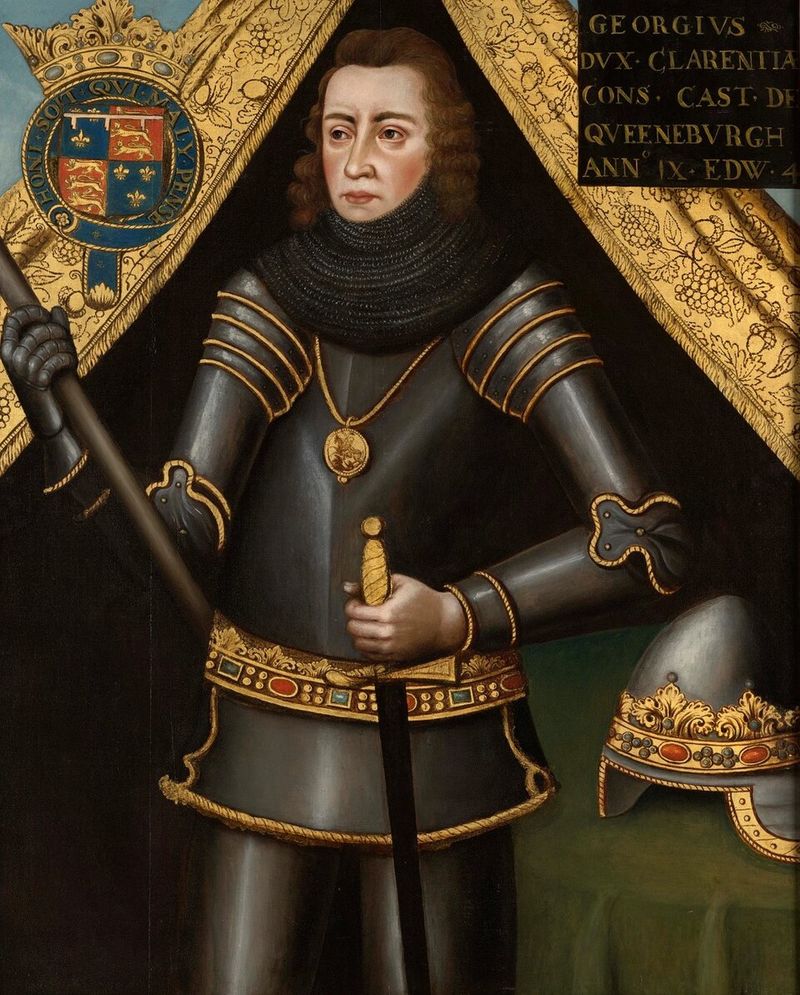
Being the brother of two kings should have been the safest position in fifteenth-century England. George Plantagenet had both royal blood and enormous inherited wealth, which made him one of the most envied men in the country.
The problem was that he could not stop scheming. He switched sides during the Wars of the Roses, aligned himself with the Earl of Warwick against his own brother Edward IV, and then switched back when it suited him.
Edward IV eventually ran out of patience. In 1478, Parliament convicted George of treason, a charge his brother did not dispute.
He was imprisoned in the Tower of London at age 28.
The manner of his reported execution became one of history’s most unusual footnotes. According to multiple contemporary accounts, he was drowned in a barrel of malmsey wine, a story that has persisted for over five hundred years.
2. Thomas Cromwell
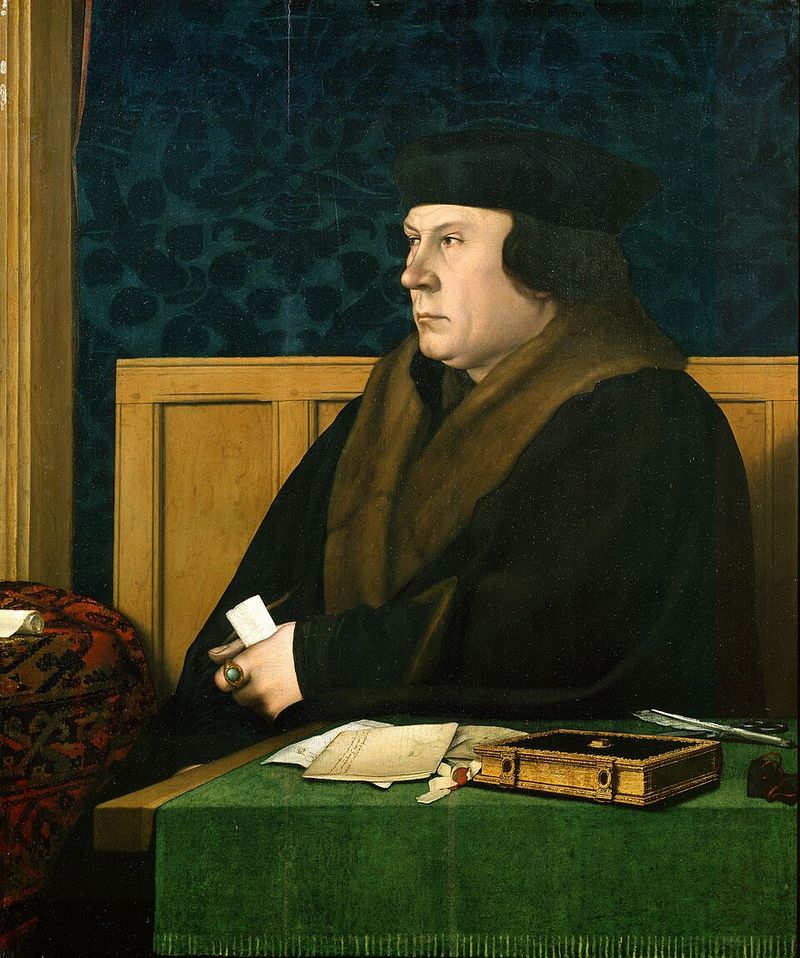
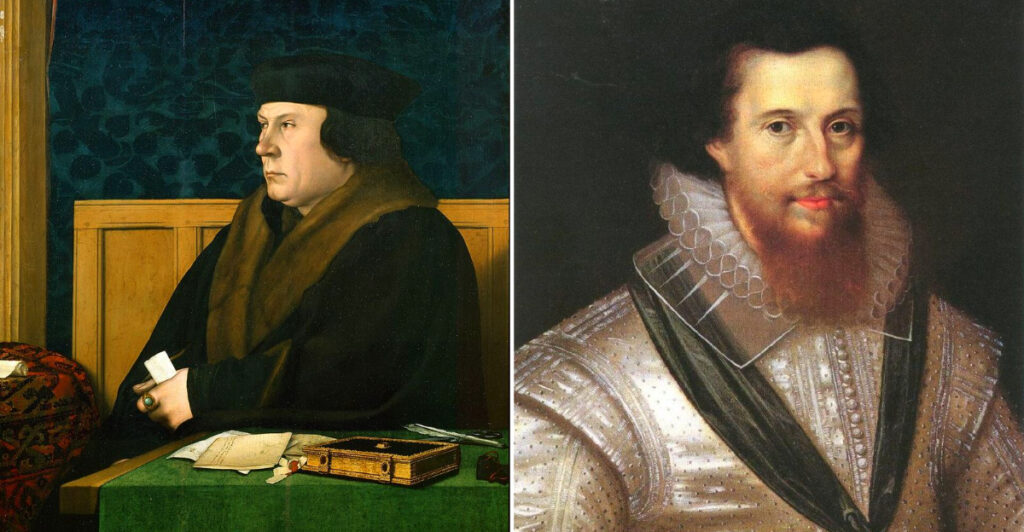
Few careers in Tudor England rose as fast or fell as hard as that of Thomas Cromwell. Born to a blacksmith, he climbed through legal work and royal service until he was effectively running the English government by the 1530s.
He orchestrated the dissolution of the monasteries, reshaping England’s religious and economic landscape in ways that outlasted him by centuries. Henry VIII rewarded him with the title Earl of Essex in April 1540.
The reward lasted less than three months. Cromwell had arranged the king’s marriage to Anne of Cleves, and when Henry found the match deeply unsatisfying, political enemies used the moment to strike.
He was arrested at a council meeting on June 10, 1540, without warning.
His titles were stripped, his estates seized, and he was executed on Tower Hill on July 28, 1540. From Earl to condemned man in under fifty days.
3. Charles de Gontaut, Duke of Biron
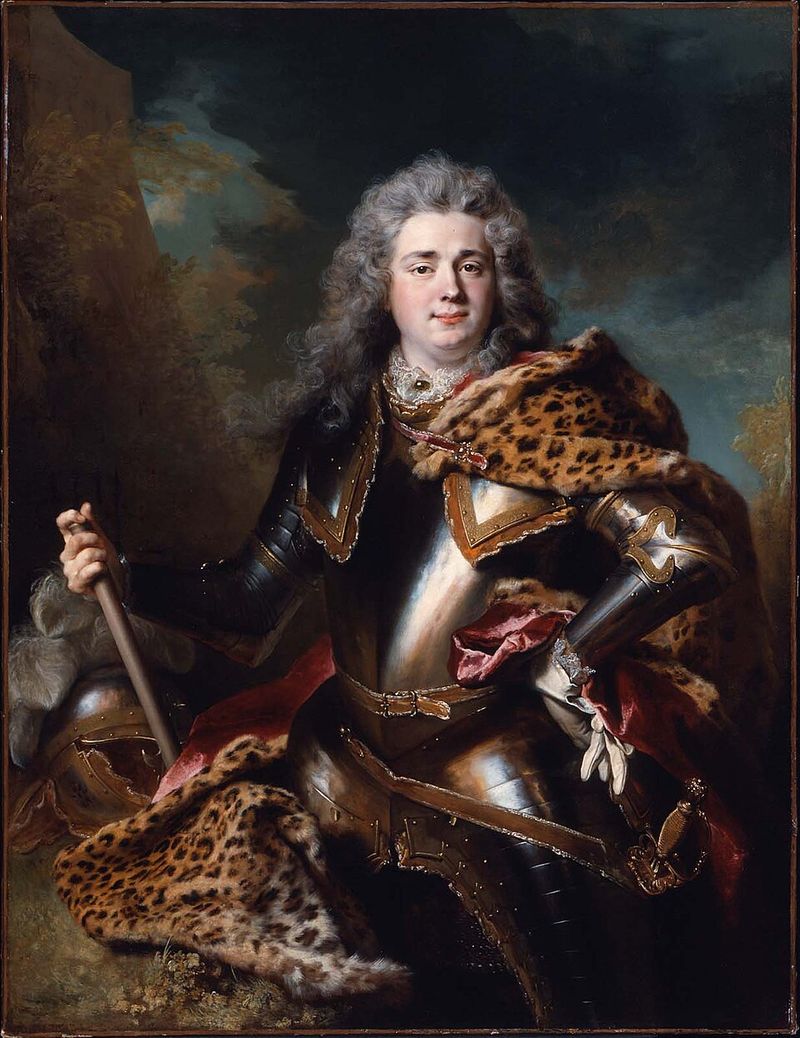
Charles de Gontaut spent the better part of two decades earning his reputation on the battlefield. As Marshal of France under King Henry IV, he helped secure the king’s hold on power during one of the most turbulent periods in French history.
His military record was exceptional. He fought in dozens of engagements and was rewarded with the title Duke of Biron in 1598, placing him among the highest ranks of the French nobility.
Ambition, however, pushed him toward dangerous territory. He began secret negotiations with Spain and Savoy, apparently seeking to carve out an independent principality for himself at France’s expense.
King Henry IV discovered the plot and actually offered Biron a pardon if he confessed. Biron refused.
He was arrested in 1602, tried for high treason, and executed at the Bastille. Every title and estate he held was confiscated by the crown within days of his conviction.
4. Robert Devereux, Earl of Essex
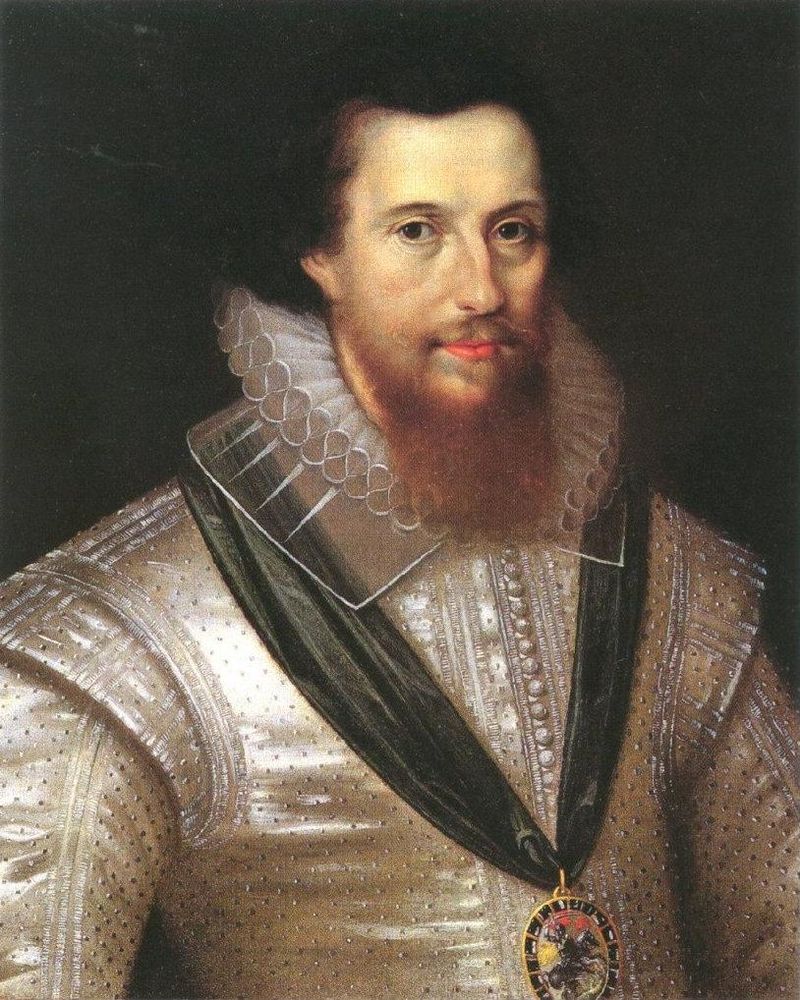
Queen Elizabeth I had favorites throughout her reign, but Robert Devereux held a particularly high position in her court during the 1590s. He was granted military commands, trading monopolies, and access that most nobles could only dream about.
His 1599 campaign in Ireland was a disaster. He made an unauthorized truce with the Irish rebel leader Tyrone, then abandoned his post and rode directly to the queen’s private chambers at Nonsuch Palace without permission, an act considered deeply inappropriate.
Elizabeth stripped him of his offices and placed him under house arrest. He responded by organizing a rebellion in London in February 1601, believing the city would rise up in his support.
Almost no one did.
He was arrested within hours, tried for treason, and executed at the Tower of London on February 25, 1601. His fall from royal favorite to condemned traitor took less than two years from start to finish.
5. Edward Stafford, Duke of Buckingham
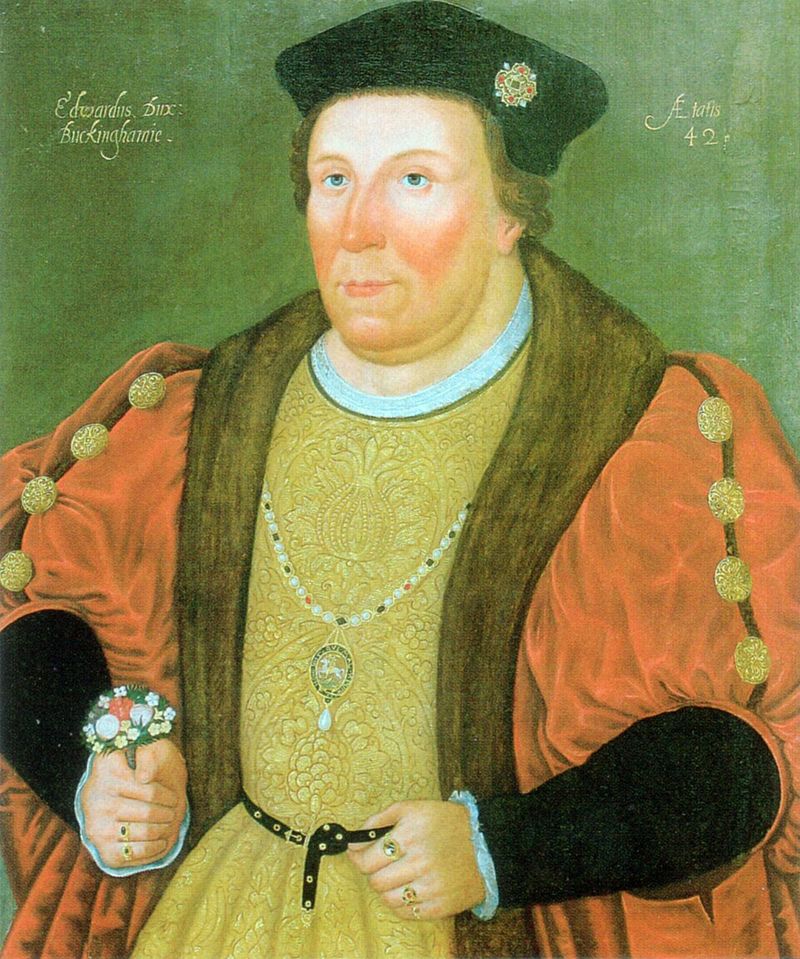
Edward Stafford was arguably the wealthiest non-royal nobleman in Henry VIII’s England. His estates stretched across multiple counties, his household rivaled that of minor royalty, and his bloodline traced directly back to Edward III.
That royal bloodline was precisely what made him dangerous in Henry’s eyes. Stafford had a legitimate claim to the throne, and courtiers reported that he made no effort to hide his opinions about how the kingdom should be governed.
Henry VIII had him arrested on treason charges in April 1521. The evidence against him was largely based on testimony from his own servants, including reports of conversations in which Stafford allegedly discussed what would happen if the king produced no male heir.
He was convicted and executed on May 17, 1521. His lands were immediately forfeited to the crown.
The Stafford family, which had accumulated its fortune over generations, was effectively dismantled in a single legal proceeding.
6. Piers Gaveston
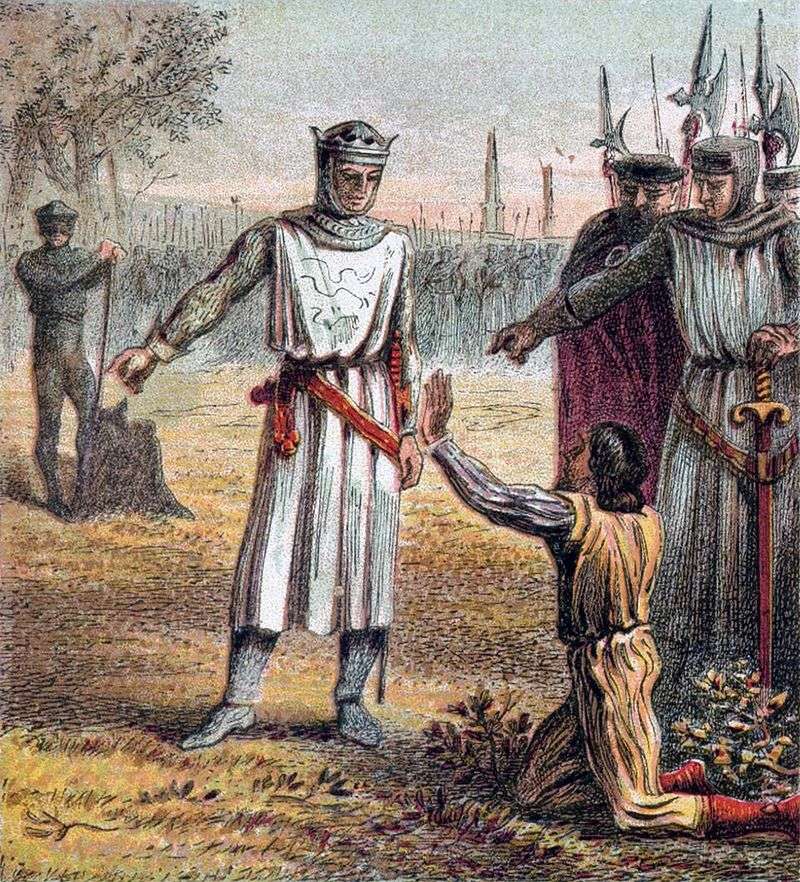
Piers Gaveston arrived in England from Gascony and quickly became the closest companion of the future King Edward II. When Edward became king in 1307, Gaveston’s rewards were immediate and extravagant.
He was made Earl of Cornwall, a title typically reserved for members of the royal family. He received lands, income, and influence that placed him above men who had spent their entire lives in royal service.
The English barons despised him. They viewed him as a foreign upstart who had manipulated his way into power, and they forced Edward to exile him multiple times.
Each time, Edward recalled him.
In 1312, a group of barons led by the Earl of Lancaster seized Gaveston, held a hasty trial, and executed him without royal authorization. His titles and properties were stripped immediately.
His rise had lasted just five years, and his fall took less than a single afternoon.
7. Richard Neville, Earl of Warwick
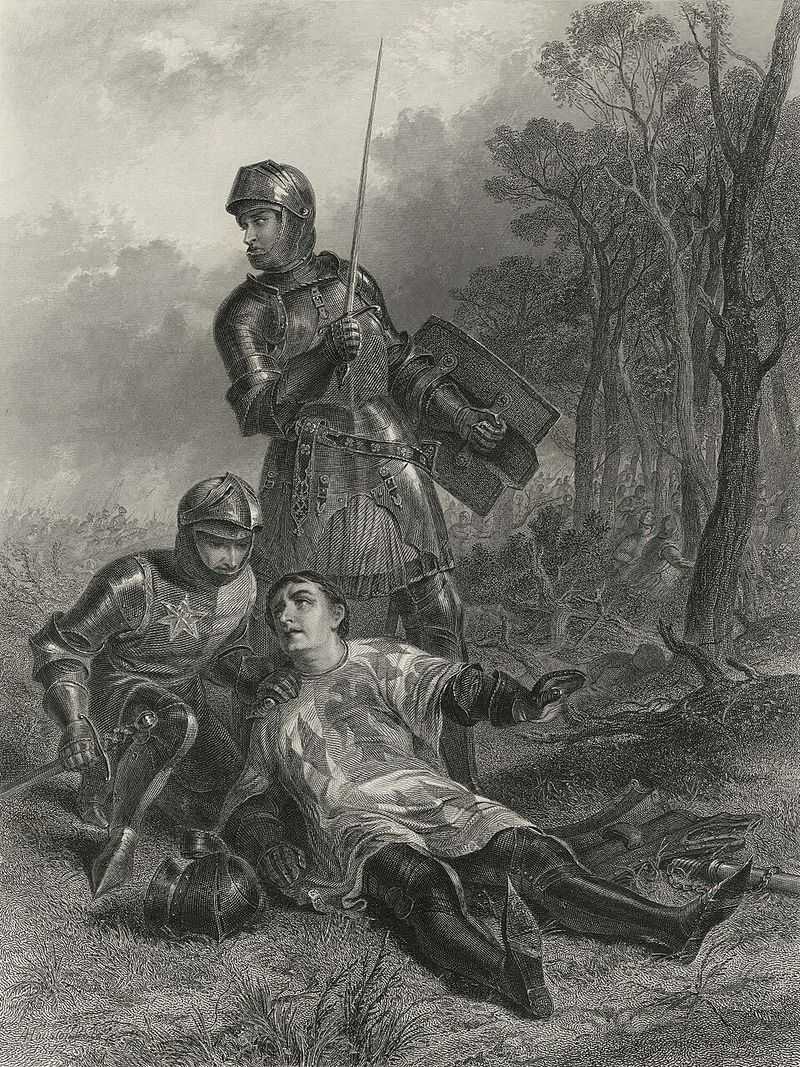
Richard Neville held more political power than almost any non-royal figure in fifteenth-century Europe. His nickname, the Kingmaker, was not an exaggeration.
He helped place Edward IV on the English throne in 1461 and expected to govern through him.
When Edward IV proved far more independent than Warwick had anticipated, the relationship deteriorated. Warwick attempted to control the king through manipulation and then through rebellion, both of which failed.
By 1470, Warwick had made the remarkable decision to switch sides entirely, allying himself with the Lancastrians he had spent years fighting. He briefly succeeded in restoring Henry VI to the throne, sending Edward IV into exile.
Edward returned with an army in 1471. The two forces met at the Battle of Barnet on April 14, 1471, and Warwick was killed during the fighting.
His vast estates were forfeit, and the political network he had built over decades collapsed within weeks.
8. Enguerrand de Marigny
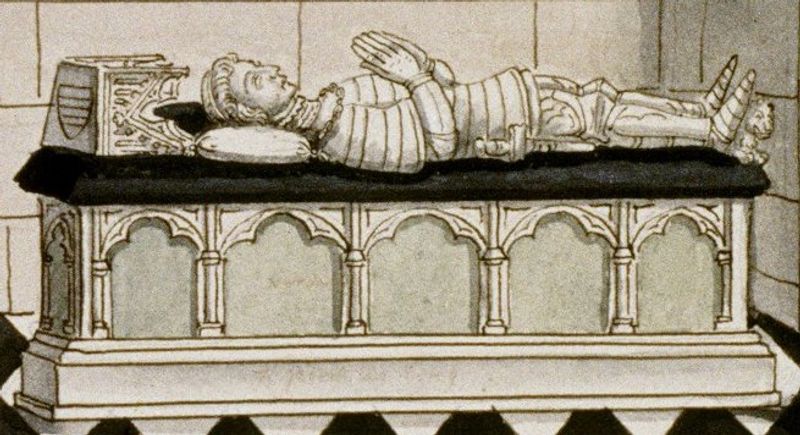
Enguerrand de Marigny spent nearly two decades at the center of French royal administration. Under King Philip IV, he managed the kingdom’s finances, supervised construction projects, and conducted diplomatic missions across Europe.
His authority was substantial enough that he was sometimes described as a co-ruler in practice, if not in title. Philip IV trusted him with responsibilities that few advisors in French history had ever held simultaneously.
Philip IV died in November 1314, and Marigny’s protection evaporated immediately. The new king, Louis X, was surrounded by nobles who had resented Marigny’s influence for years.
Charges of financial misconduct and sorcery were brought against him within months of Philip’s passing. The sorcery accusation, largely considered fabricated, was added to ensure conviction.
Marigny was hanged at the Montfaucon gallows in Paris in April 1315. His properties were seized, and his family’s status was effectively erased overnight.
9. Hugh Despenser the Younger
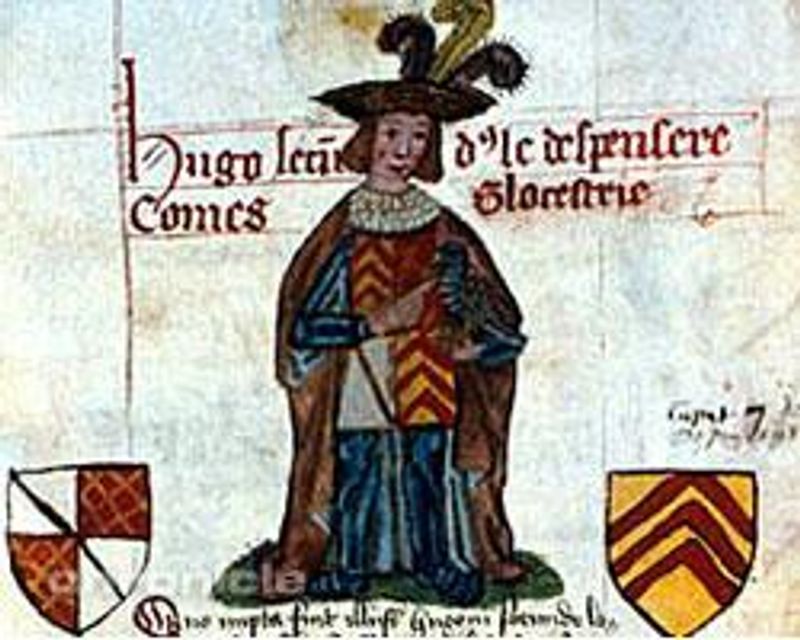
Hugh Despenser the Younger accumulated more land and wealth during the reign of Edward II than almost any other English nobleman of the period. Through royal favor, legal manipulation, and outright coercion, he built an estate that stretched across England and Wales.
He and his father, Hugh Despenser the Elder, were so deeply resented by other nobles that they were twice formally exiled by baronial opposition. Edward II recalled them both times.
The situation changed decisively in 1326, when Queen Isabella and her ally Roger Mortimer invaded England with a small army. Support for Edward II crumbled rapidly, and both Despensers were captured within weeks.
Hugh the Elder was executed first. Hugh the Younger was taken to Hereford, where he was tried and sentenced.
His execution on November 24, 1326, was notably severe even by medieval standards. His estates were immediately redistributed among his enemies.
10. Louis de Luxembourg, Count of Saint-Pol
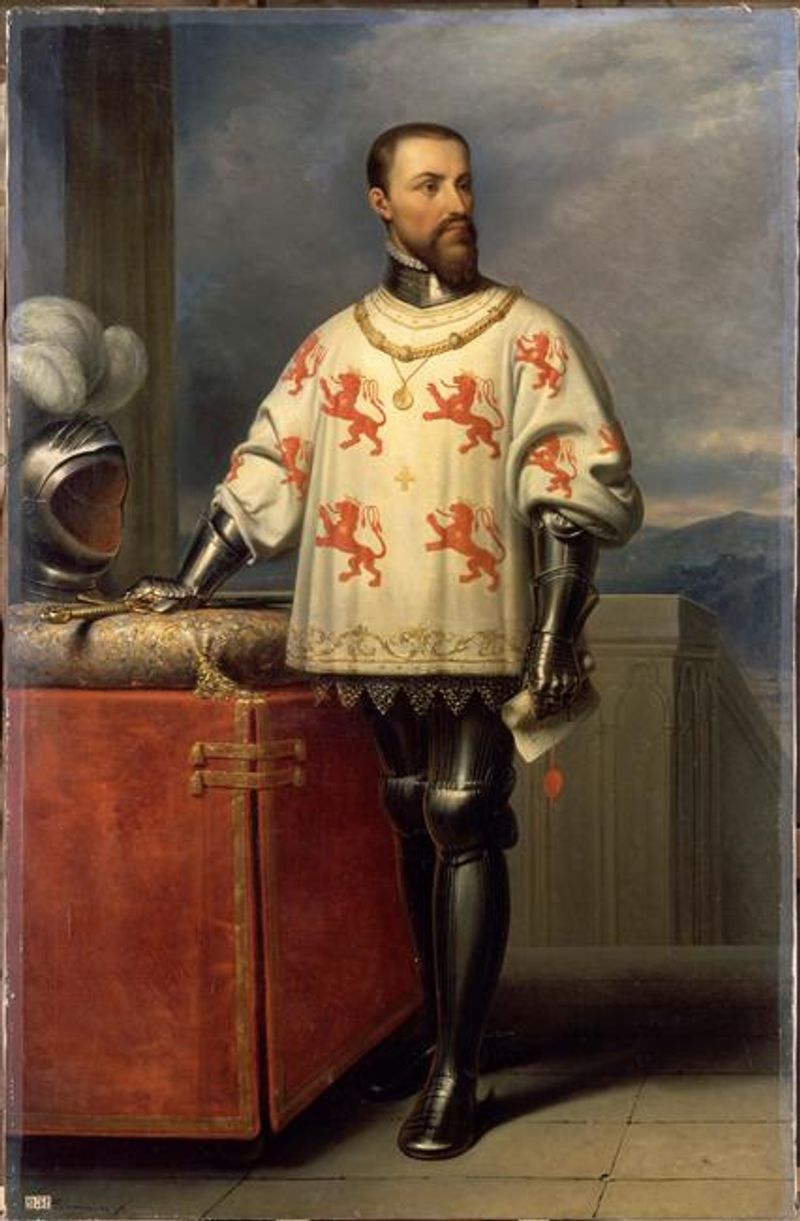
Louis de Luxembourg spent decades positioning himself as an indispensable figure between two of the most powerful rulers of fifteenth-century Europe: King Louis XI of France and Duke Charles the Bold of Burgundy.
As Constable of France, he held one of the highest military offices in the kingdom. He also maintained close ties to the Burgundian court, which gave him a level of influence that few nobles of his era could match.
Playing both sides in a high-stakes political contest was a strategy that required perfect judgment. Louis made too many promises to too many people, and the contradictions eventually caught up with him.
Both Louis XI and Charles the Bold discovered the extent of his double dealings in 1475. Louis XI moved first, arresting the Count before Charles could act.
He was tried for treason and beheaded at the Place de Greve in Paris on December 19, 1475.
11. Thomas Howard, 4th Duke of Norfolk
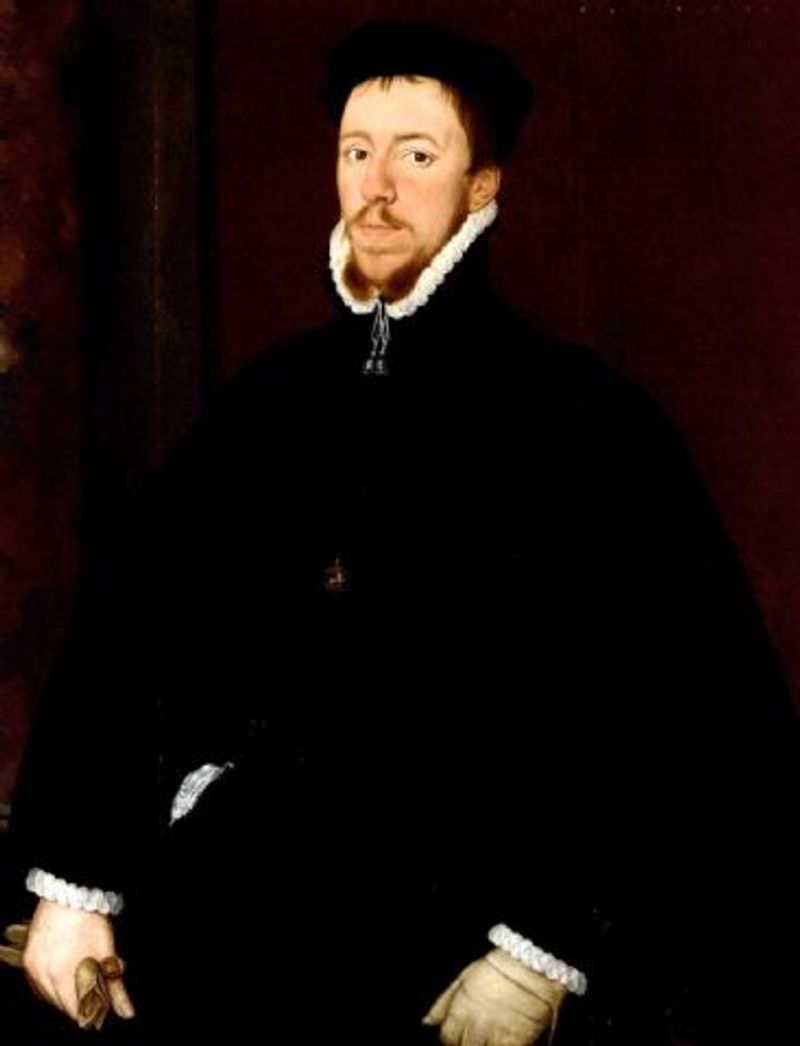
Thomas Howard held the highest-ranking peerage in Elizabethan England. As the 4th Duke of Norfolk, he controlled enormous estates, commanded considerable political influence, and was considered by many as the natural leader of English Catholic nobility.
His downfall began with a proposal to marry Mary, Queen of Scots, who was then a prisoner in England. The plan was not inherently treasonous, but Howard pursued it without Queen Elizabeth’s permission, which she took as a serious breach of loyalty.
He was arrested in 1569 and held in the Tower, but was eventually released. He then became involved in the Ridolfi Plot, a scheme to place Mary on the English throne with Spanish military backing.
Elizabeth’s government uncovered the plot in 1571. Howard was rearrested, tried for high treason, and executed on Tower Hill on June 2, 1572.
His dukedom was attainted and his estates absorbed by the crown.
12. Conradin of Hohenstaufen
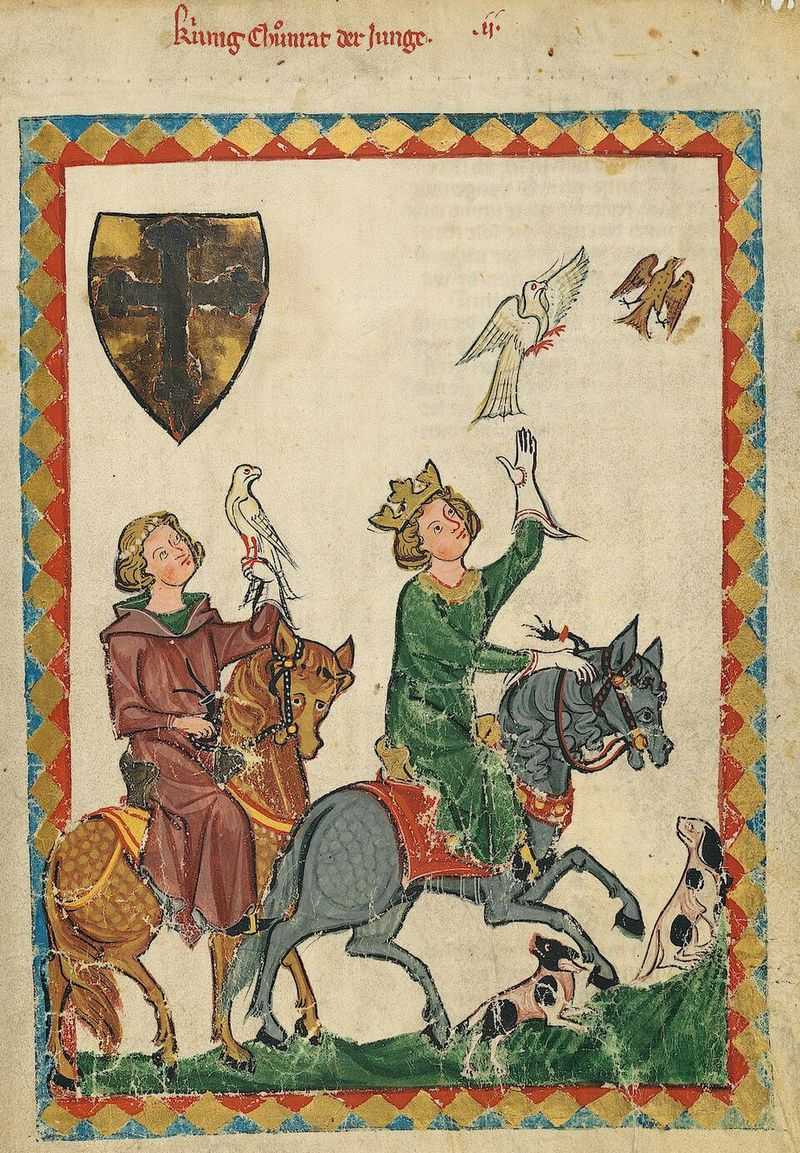
At fifteen years old, Conradin was the last male heir of the Hohenstaufen dynasty, one of the most powerful royal houses in medieval Europe. His family had ruled the Holy Roman Empire and the Kingdom of Sicily for generations.
In 1267, he led an army south into Italy to reclaim the Kingdom of Sicily from Charles of Anjou, who had seized it with papal backing. His campaign began successfully, and he won significant support from Italian nobles and cities that opposed French rule.
The decisive confrontation came at the Battle of Tagliacozzo on August 23, 1268. Conradin’s forces initially appeared to be winning, but a reserve force held back by Charles turned the battle completely.
Conradin fled but was captured shortly afterward. Charles of Anjou had him tried and executed in Naples on October 29, 1268.
He was sixteen years old. The Hohenstaufen dynasty ended with him.
13. Charles the Bold
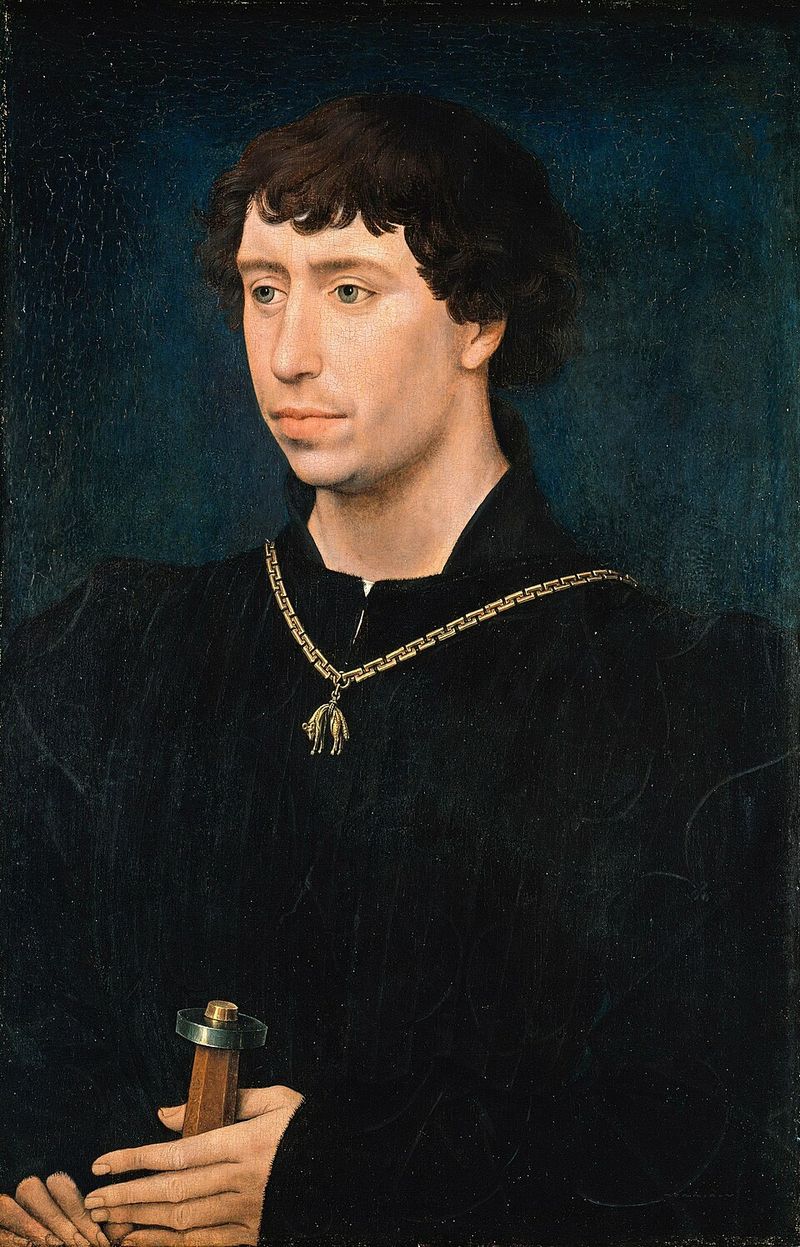
Charles the Bold ruled a state that in the 1470s was arguably wealthier per square mile than either France or England. The Duchy of Burgundy controlled prosperous territories across what is now Belgium, the Netherlands, Luxembourg, and eastern France.
His ambition was to turn Burgundy into a full kingdom, independent of France and equal in status to any crown in Europe. He pursued that goal through military campaigns that stretched his resources and alienated potential allies.
His wars against the Swiss Confederation proved costly. After defeats at Grandson and Murten in 1476, his army was significantly weakened and his reputation damaged across Europe.
He was killed at the Battle of Nancy on January 5, 1477, at age 43. His body was found days later, partially frozen in a pond.
He left no male heir, and France rapidly absorbed most of Burgundy’s French territories. One of Europe’s most powerful independent states effectively ceased to exist within months.
Share this story