 Unearth The Voyage
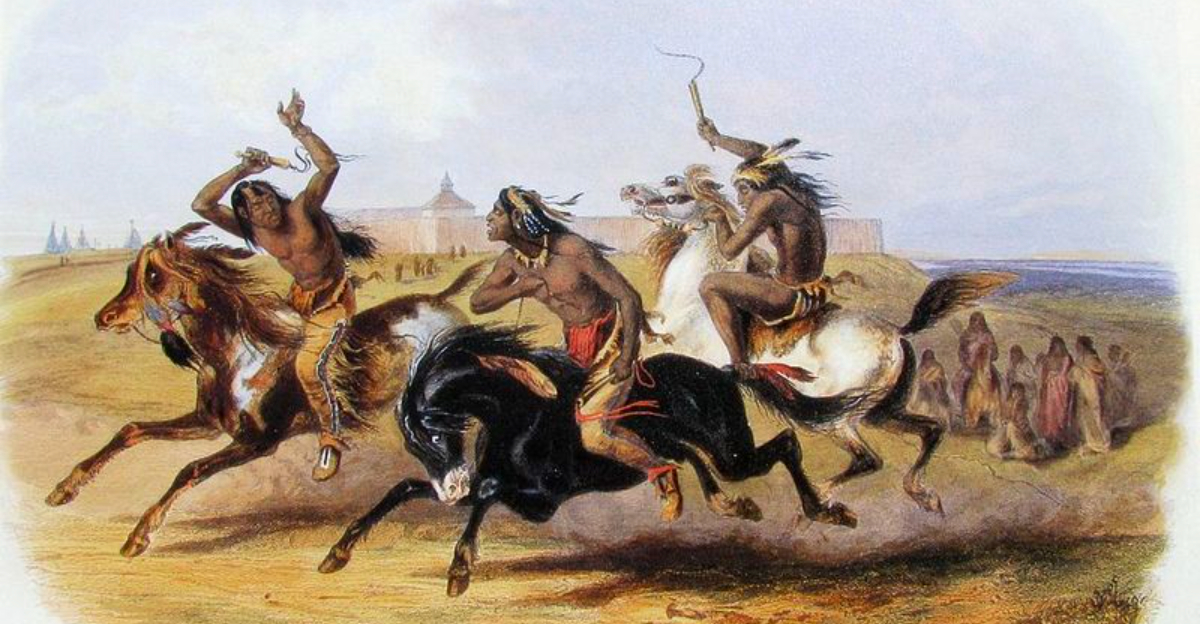
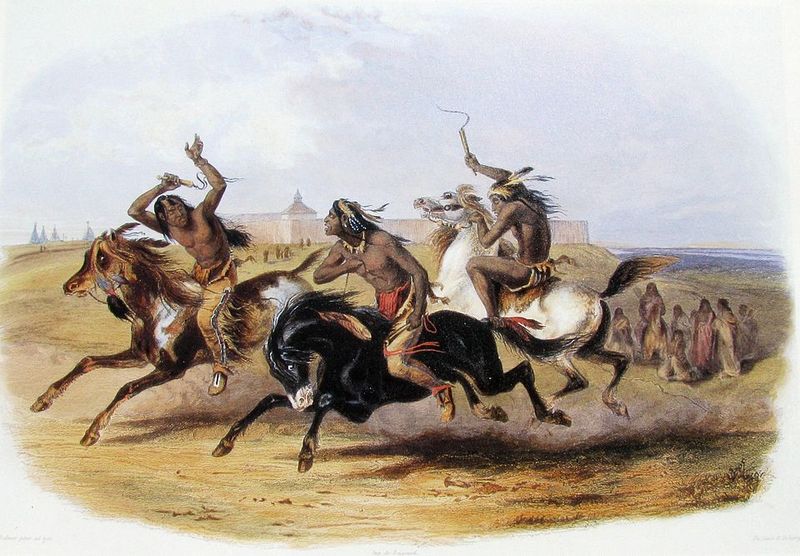
Across North America, certain Indigenous nations forged reputations that commanded both respect and caution. From horseborne raiders on open plains to guerrilla tacticians in rugged mountains and swamps, their strategies reshaped entire regions. These are stories of mastery over terrain, alliance, and warfare that humbled powerful empires. Read on to discover how twelve formidable tribes carved legacies that still echo through history.
1. Comanche
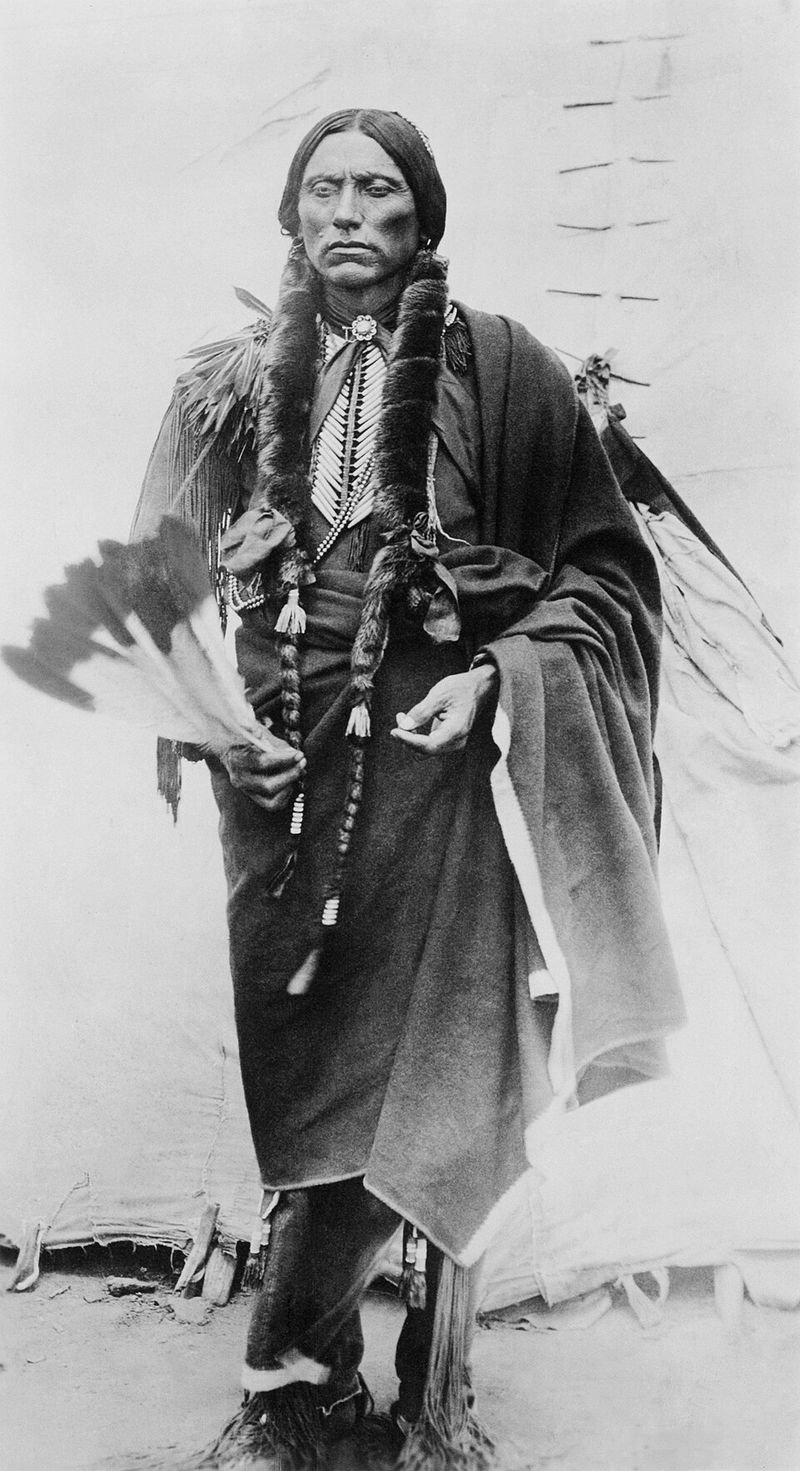
Often called the Lords of the Plains, the Comanche perfected mounted warfare and lightning-fast raids. They controlled Comancheria across Texas, New Mexico, Oklahoma, and Colorado, leveraging unmatched horsemanship and mobility. Their tactical speed allowed strikes on settlements, herds, and trade routes, then swift withdrawal before retaliation. Skilled with lances, bows, and later firearms, they adapted quickly to shifting threats. Comanche diplomacy and alliances amplified their reach, while their mastery of buffalo culture sustained their campaigns. Fear derived not only from raw ferocity, but from strategic unpredictability. On the Southern Plains, few could match their dominance or endurance.
2. Apache
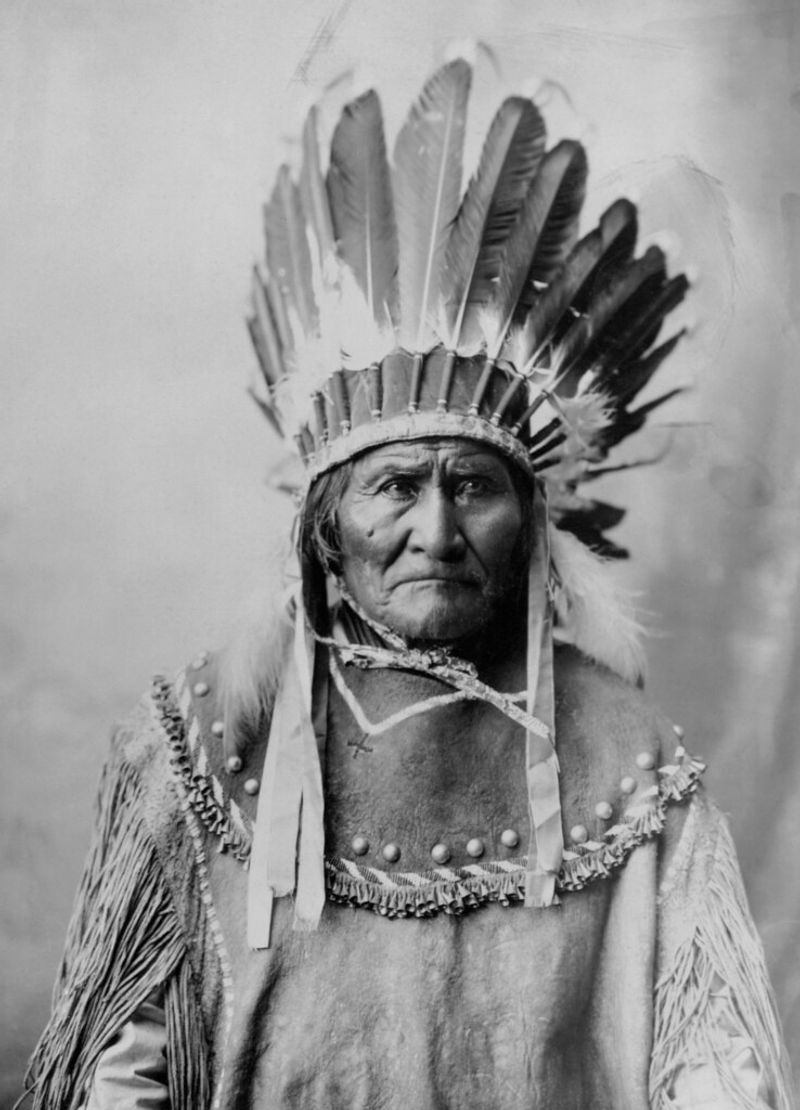
The Apache, including Chiricahua and Mescalero bands, honed guerrilla warfare to a lethal edge. Knowing every canyon, arroyo, and water source, they struck where enemies were weakest, then vanished. Their long resistance against Spanish, Mexican, and U.S. forces reflected a flexible command structure and deep terrain intelligence. Leaders like Geronimo and Cochise embodied resilient, adaptive tactics and shrewd diplomacy. Small-unit raids harried supply lines and outposts, exhausting larger armies. Apache survival strategies tied closely to kinship networks and seasonal movement. Their reputation stemmed from relentless persistence and tactical brilliance. Enemies learned that pursuit often meant ambush.
3. Sioux (Lakota)
Dominant on the Northern Plains, the Lakota fielded disciplined warrior societies that combined courage with organization. They mastered mobile tactics, coordinated signals, and extensive scouting networks. Their victories against U.S. forces, culminating in the 1876 win at Little Bighorn, cemented their military legend. Dog Soldiers and other societies enforced codes of bravery and communal obligation, maintaining order in battle. Alliances with Cheyenne and others multiplied their strength. Skilled horsemanship, logistical awareness, and superior intelligence gathering made them formidable. Their spiritual traditions fortified resolve. To adversaries, Lakota strategy meant decisive strikes and the will to fight on.
4. Cheyenne
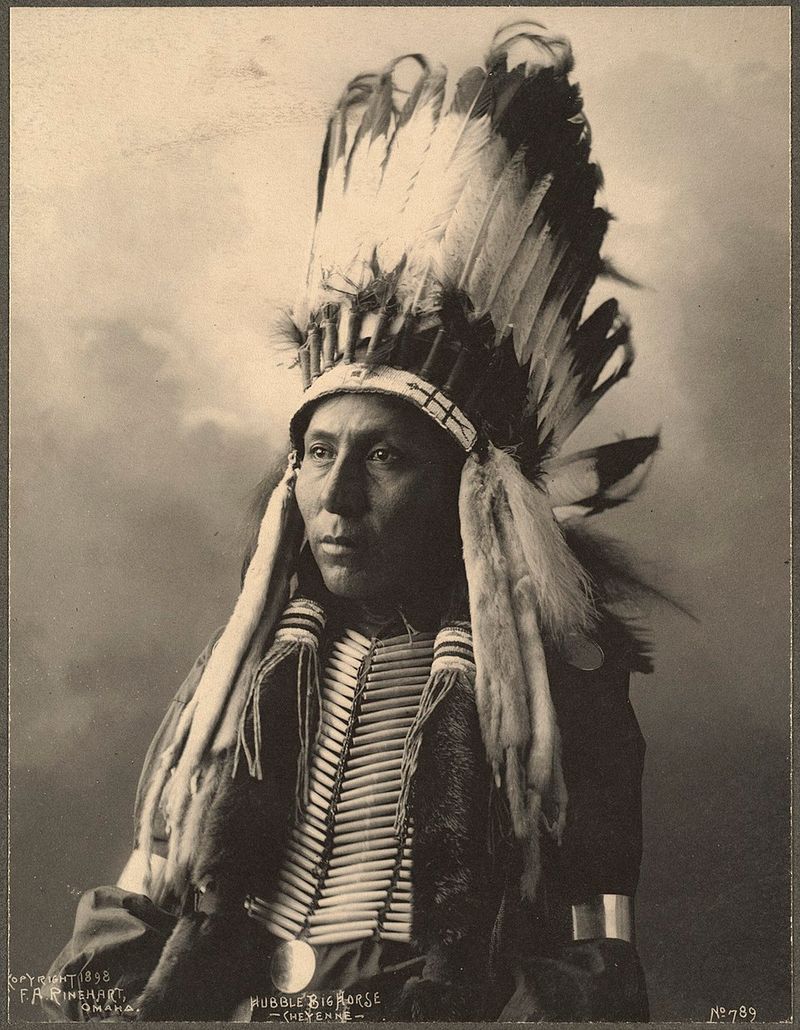
The Cheyenne, often allied with the Lakota, earned fear and respect through elite warrior societies like the Dog Soldiers and Bowstring Society. Their command structure and ceremonial codes elevated battlefield discipline and courage. Operating across the Great Plains, they fought decisive engagements at the Rosebud and Little Bighorn. Cheyenne scouts used keen observation to anticipate enemy movement and weather shifts. Mobility and coordinated charges shattered lines, while retreats protected families and herds. Spiritual rituals reinforced unity and morale. Their reputation grew from relentless defense of homelands and strategic cooperation. Together with allies, they reshaped regional power balances.
5. Iroquois Confederacy (Haudenosaunee)
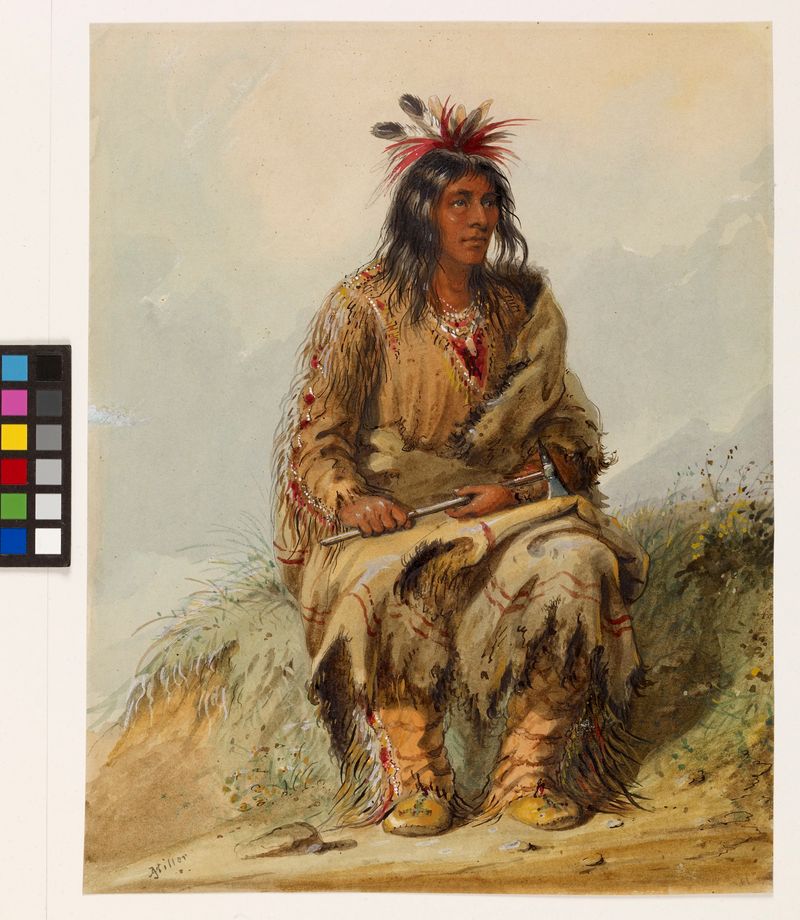
The Haudenosaunee, or Iroquois Confederacy, united the Mohawk, Oneida, Onondaga, Cayuga, Seneca, and later Tuscarora into a sophisticated political alliance. Their diplomatic reach matched their military prowess, shaping colonial-era power dynamics. Through mourning wars and strategic adoption, they replenished losses and expanded influence. Control of key river corridors enabled trade leverage and rapid mobilization. Their councils balanced consensus with decisive leadership, integrating law and warfare. Enemies feared their coordinated campaigns and intelligence networks. The Confederacy’s structure made them resilient across centuries. Their combined strength commanded respect from European powers and neighboring nations alike.
6. Blackfeet (Blackfoot Confederacy)
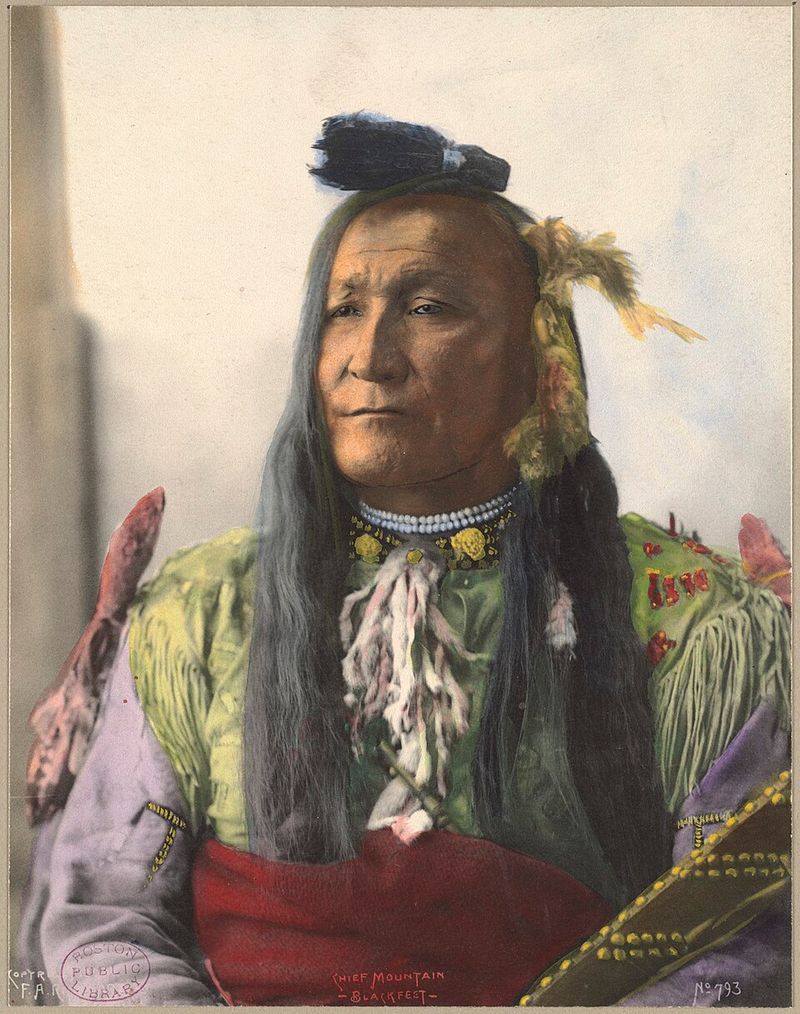
The Blackfeet dominated the northern plains, fiercely defending prime buffalo ranges and trade routes. Their warriors built reputations for ferocity and tactical cunning, confronting rivals like the Crow and Cree. Knowledge of mountain passes and prairie chokepoints afforded strategic advantage. With adept horse culture and seasonal mobility, they executed sudden raids and controlled access to resources. Blackfeet diplomacy managed fur trade relations while protecting sovereignty. Their spiritual practices reinforced warrior ethos and community cohesion. To enemies, crossing into Blackfeet territory meant peril. The Confederacy’s endurance testified to effective leadership and regional command.
7. Shawnee
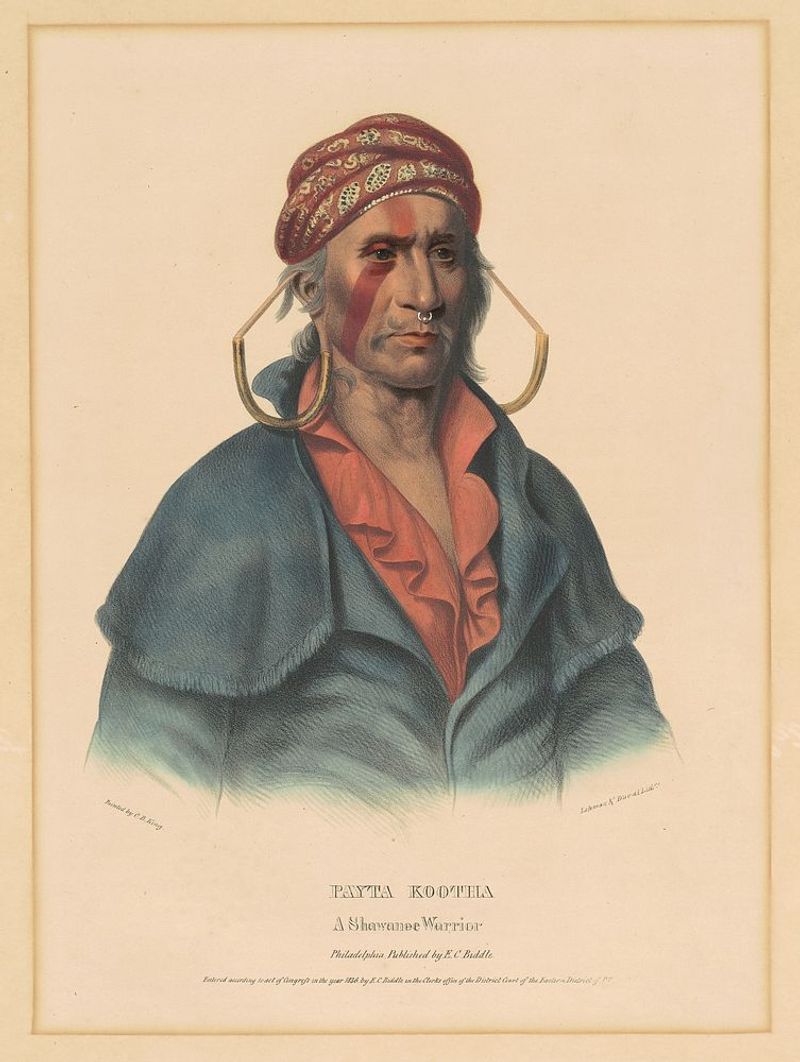
The Shawnee forged unity through mobility, diplomacy, and visionary leadership. Tecumseh’s attempt to build a broad intertribal confederation challenged U.S. expansion with bold strategy. Skilled at rapid movement, Shawnee warriors struck along frontier corridors, disrupting settlements and supply chains. Their networks extended across the Ohio Valley, leveraging kin ties and shared purpose. Combined with prophetic religious movements, their resistance galvanized regional defense. Tactical flexibility allowed swift concentration or dispersal as needed. Though facing relentless pressure, they shaped early Midwestern conflict. Their legacy remains a testament to strategic federation and unyielding resolve.
8. Seminole
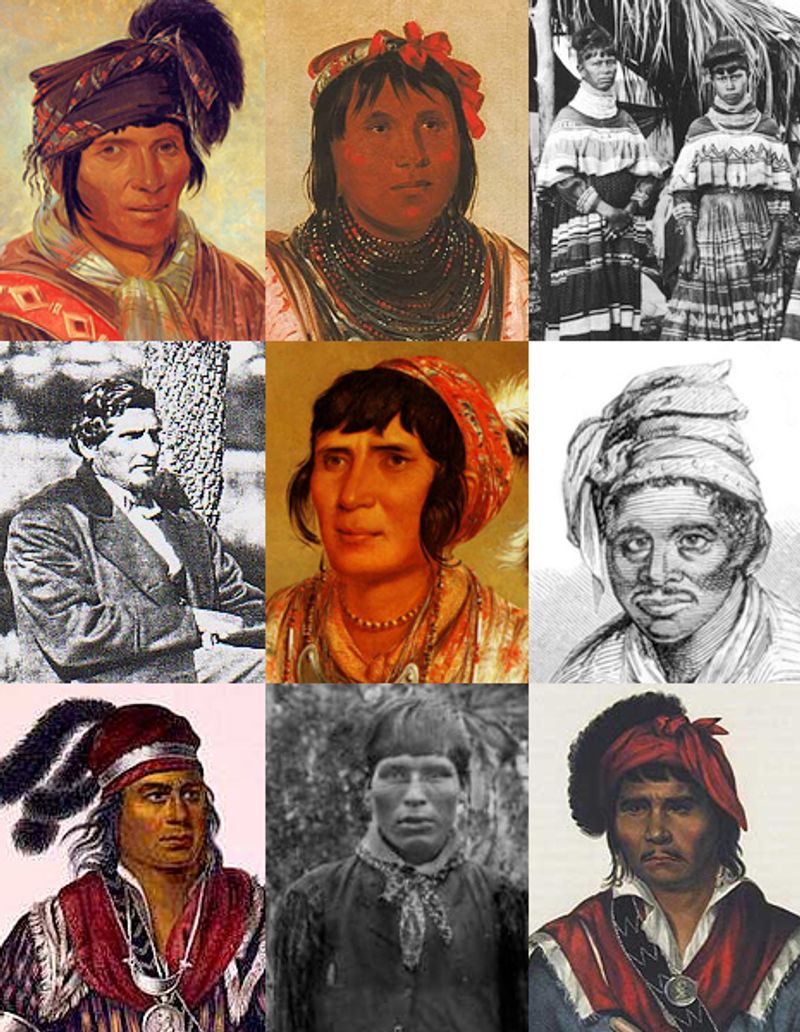
The Seminole defied conquest in Florida’s labyrinth of swamps and hammocks, never signing a formal peace treaty. Their mastery of terrain frustrated U.S. forces during brutal conflicts, particularly the Second Seminole War. Small units used surprise, camouflage, and waterways to evade and outlast opponents. Resistant communities merged diverse peoples, reinforcing resilience. The war’s staggering costs in lives and money testified to Seminole tenacity. Intelligence gathering and scouting ensured survival routes remained open. Their ability to vanish and reappear baffled commanders. In the end, they preserved a sovereign identity against overwhelming odds.
9. Nez Perce
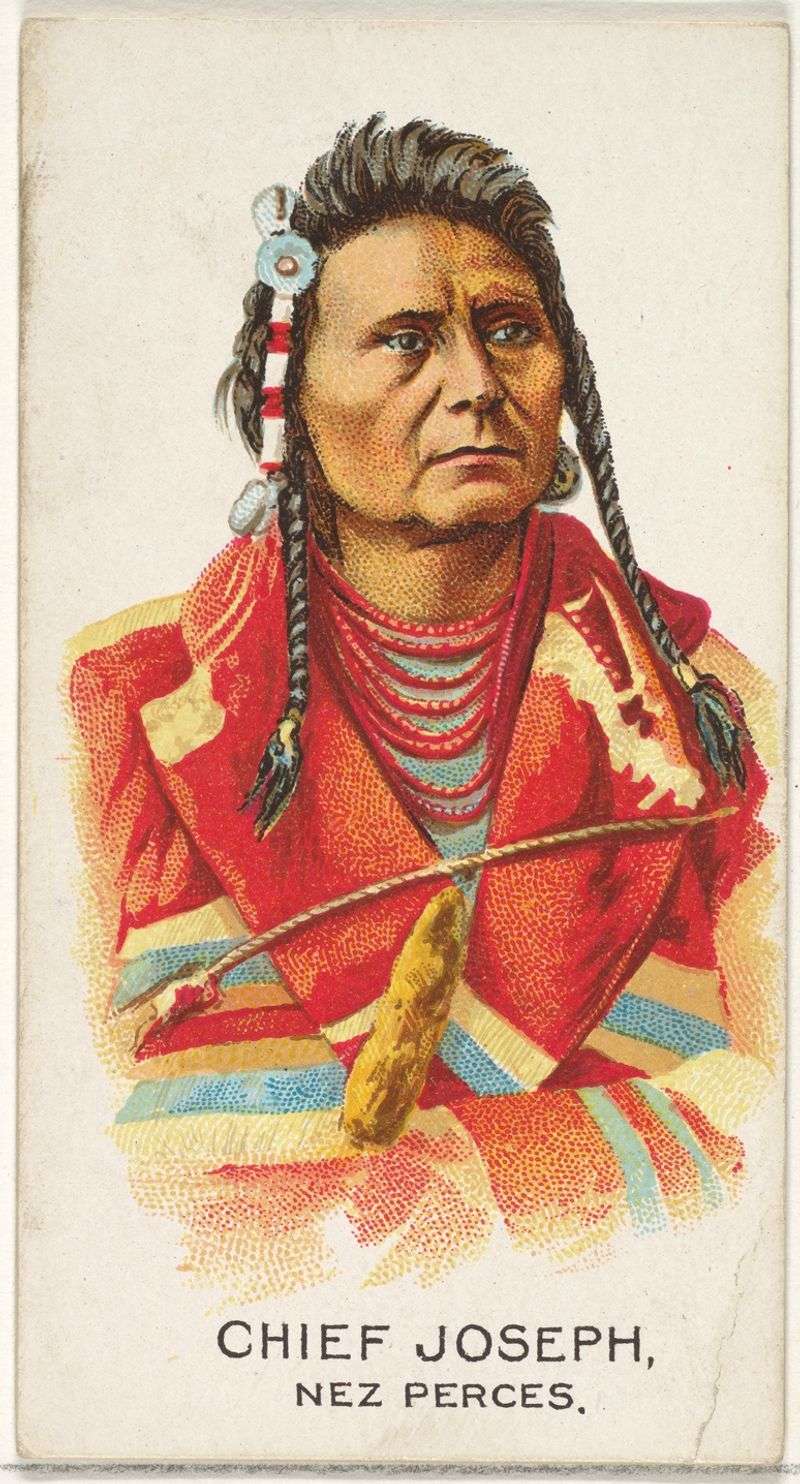
Renowned for horsemanship and strategic restraint, the Nez Perce became legendary during the 1877 flight. Fewer than 800 people outmaneuvered multiple U.S. columns over more than a thousand miles. Chief Joseph’s leadership balanced humanitarian concerns with tactical ingenuity. They chose routes exploiting terrain, weather, and river crossings, confounding pursuit. Rear-guard actions protected families while scouts found safe passes. Their diplomacy had long maintained regional ties, aiding logistics. Though ultimately forced to surrender, their campaign displayed brilliance and courage. Adversaries learned to respect Nez Perce resolve and skill.
10. Crow
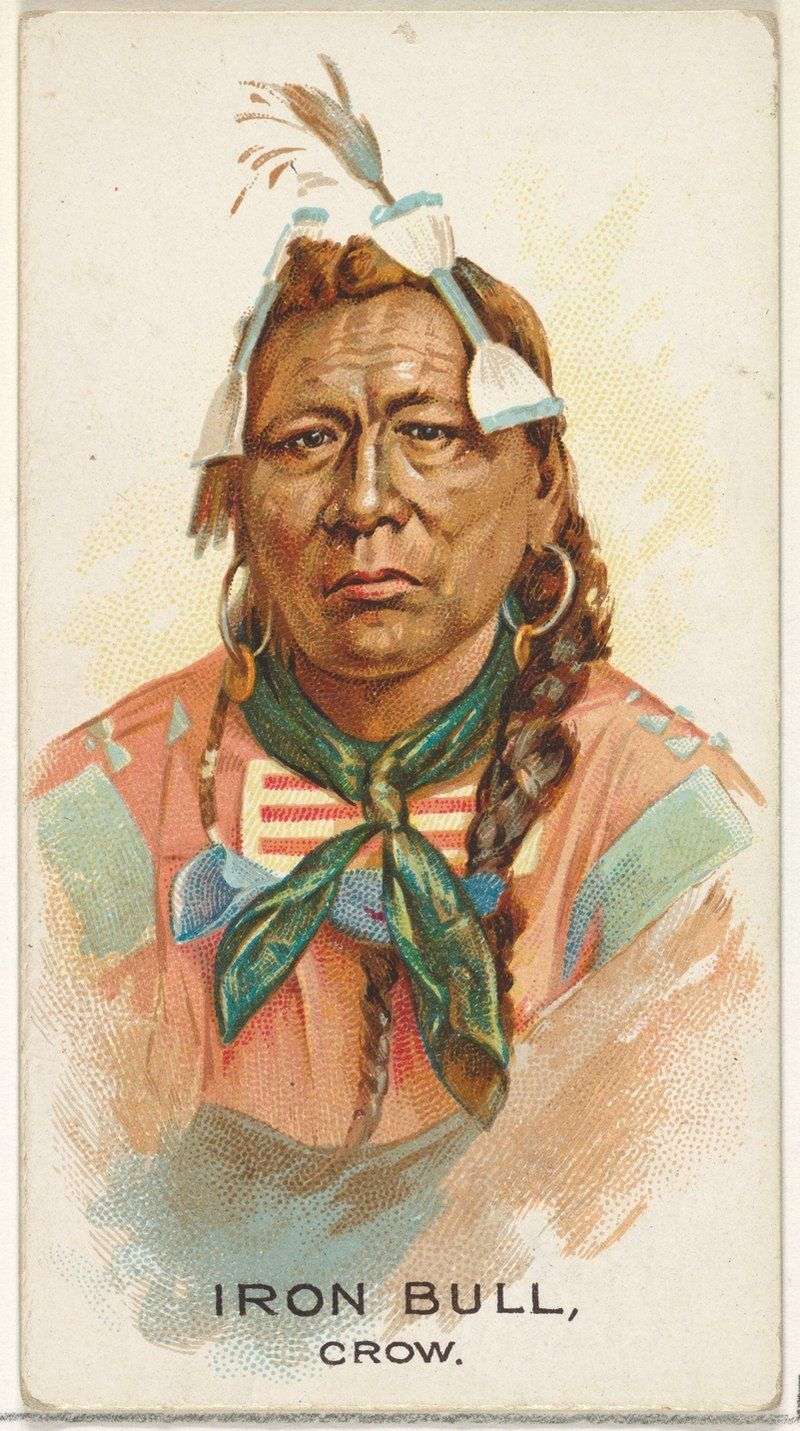
The Crow commanded Northern Plains corridors between mountains and rivers, excelling as scouts and horsemen. Their rivalry with Sioux and Blackfeet sharpened martial skills and intelligence methods. Crow guides became invaluable to U.S. military units, reading land and weather like maps. They defended homelands through strategic alliances, nimble raids, and strong reconnaissance. Cultural emphasis on bravery and wisdom shaped warrior conduct. Their control of vantage points enabled early warning and decisive movement. Enemies feared their eyes-on-the-horizon vigilance. The Crow’s enduring influence lay in superior knowledge and mobility.
11. Arikara
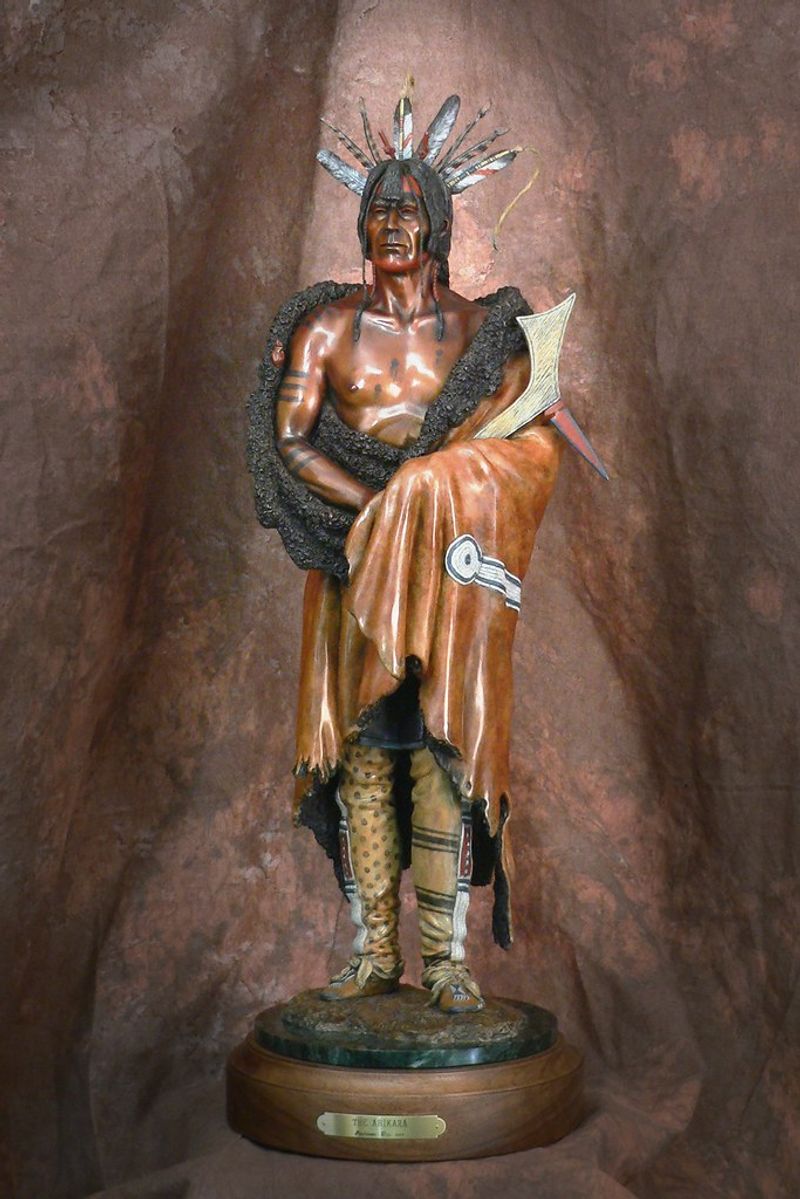
The Arikara fortified their Missouri River towns with palisades and elevated platforms, transforming villages into formidable strongholds. Their strategic location controlled trade flows and diplomacy with neighboring nations and newcomers. Renowned war chiefs organized defenses, ambushes, and counterattacks along river routes. Agricultural abundance supported sustained resistance and recovery after raids. Early explorers recorded their martial prowess and sophisticated fortifications. Arikara scouts monitored traffic from miles away, enabling swift response. Their balance of commerce and defense shaped regional power. Challengers learned that Arikara homelands were anything but vulnerable.
12. Kiowa
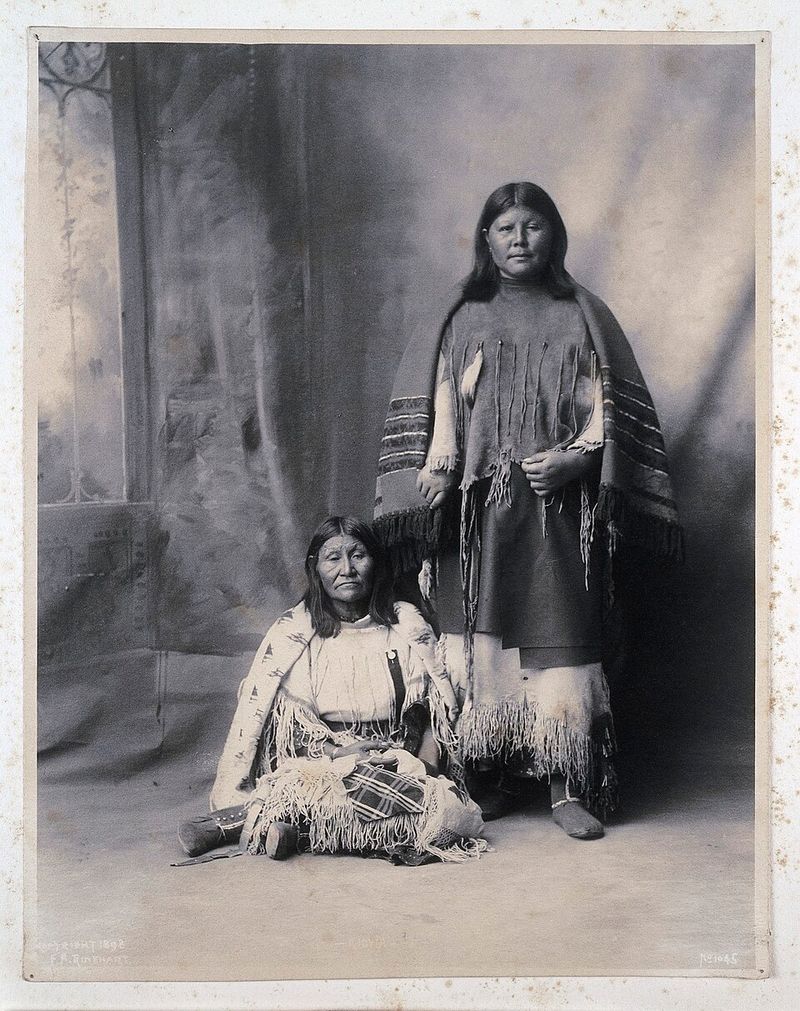
Close allies of the Comanche, the Kiowa earned respect through discipline, speed, and relentless courage. Their Koitsenko elite society embodied extraordinary bravery, inspiring fighters across the Southern Plains. Kiowa tactics emphasized swift mounted strikes, coordinated signals, and agile withdrawal. Seasonal campaigns protected camps and hunting grounds while pressuring foes. Artistic traditions and warrior honors preserved memory and cohesion. Strategic partnerships amplified their reach against rivals and encroaching forces. Their name carried weight across trade paths and battlefields. Kiowa resolve forged a legacy of fear and admiration.



