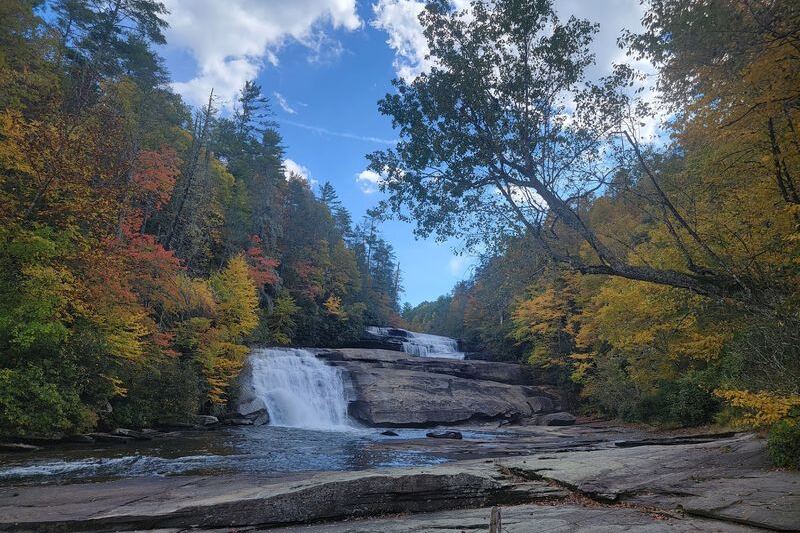
There is a river in North Carolina that flows dark and quiet through ancient forests, carrying centuries of history on its slow-moving current. The Cape Fear River stretches across the eastern part of the state, drawing kayakers, anglers, hikers, and birdwatchers who come looking for something real and unhurried.
Bald eagles circle overhead, turtles poke their heads above the waterline, and the thick tree canopy makes the whole place feel like a world apart. Whether you are paddling the upper stretches or strolling the riverfront in Wilmington, this waterway has a way of pulling you back every time you leave.
The River Itself: Location, Scale, and Character
The Cape Fear River runs approximately 202 miles through the heart of North Carolina, making it one of the longest rivers entirely within the state. It begins near Moncure, where the Deep River and Haw River join forces, and flows southeast all the way to the Atlantic Ocean near Wilmington.
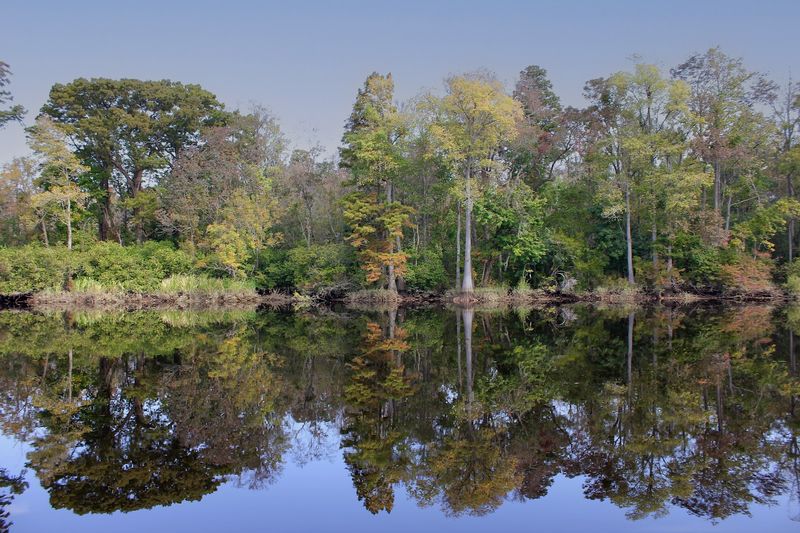
The river is classified as a blackwater river, meaning its water takes on a dark, tea-colored appearance from tannins released by decaying vegetation in the surrounding wetlands.
That deep amber color is not a sign of pollution. It is actually a natural feature caused by the organic matter from cypress swamps and hardwood bottomlands lining the banks.
The upper sections of the river are notably calm and quiet, with minimal boat traffic, making them a favorite for paddlers seeking solitude.
The river passes through several counties, including Chatham, Harnett, Cumberland, Bladen, Columbus, Brunswick, and New Hanover. Each stretch has its own personality, shifting from forested corridors to wider tidal reaches near the coast.
The Cape Fear River corridor sits at coordinates 34.6244731, -78.5487763, placing it firmly in the coastal plain of eastern North Carolina.
Bald Eagles Along the Waterway
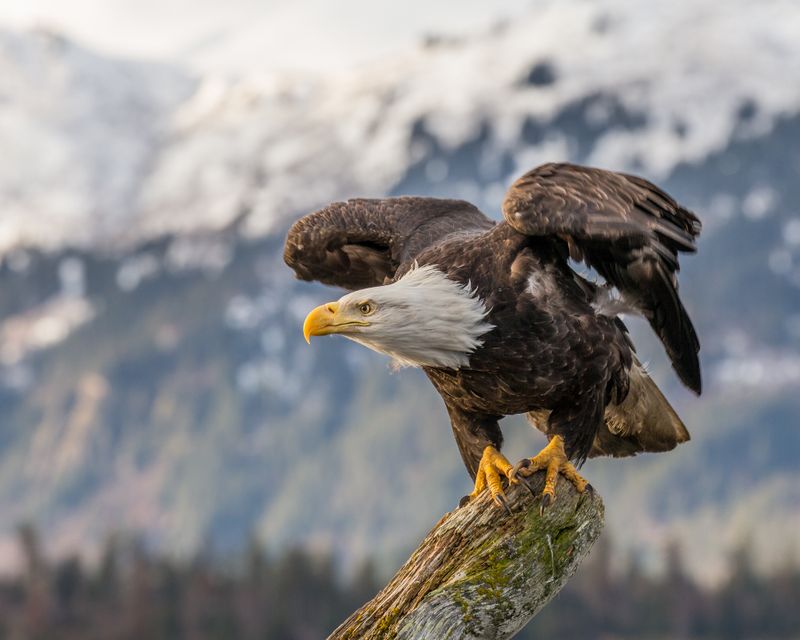
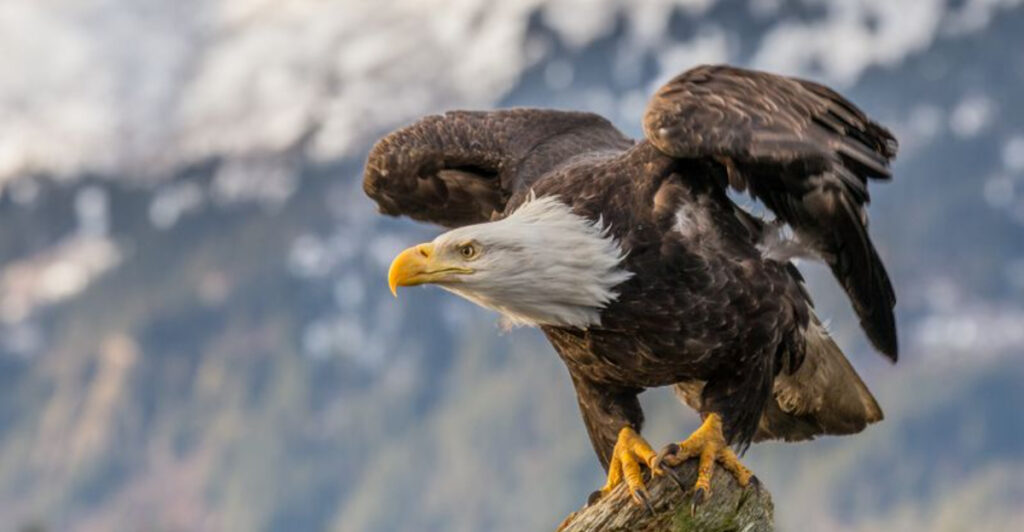
Few wildlife sightings stop a paddler mid-stroke quite like a bald eagle launching from a cypress branch just a few feet away. The Cape Fear River corridor has become a reliable habitat for bald eagles, particularly along the quieter upper stretches where human activity stays low and fish are plentiful.
Bald eagles nest near large bodies of water where they can hunt fish, which makes the river’s forested banks and wide, slow pools an ideal environment. Spotting one requires patience and a willingness to move quietly, but the reward is worth every slow, careful paddle stroke.
Early morning hours tend to offer the best chances, especially during cooler months when the eagles are most active near the water’s surface.
Beyond eagles, the river corridor supports a remarkable variety of bird species, including great blue herons, osprey, wood ducks, and belted kingfishers. Birdwatchers with binoculars and a little local knowledge can turn a single afternoon on the water into a truly memorable wildlife experience.
The Cape Fear River is genuinely one of North Carolina’s best natural birding destinations.
Kayaking and Canoeing the Cape Fear
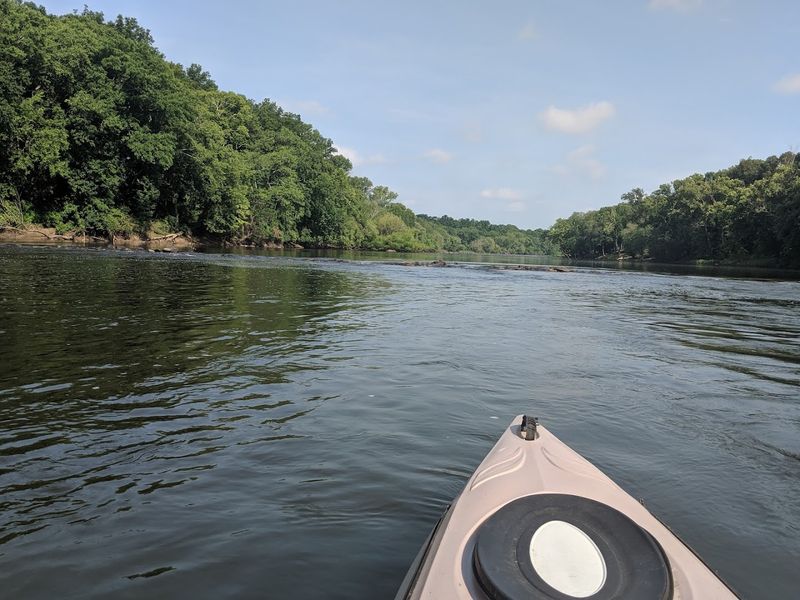
Paddling the Cape Fear River is one of those experiences that feels completely different from anything you can do on land. The water moves at an unhurried pace through the upper sections, giving kayakers and canoeists plenty of time to absorb the scenery without fighting a current that wants to work against them.
The river offers multiple put-in points along its length, making it accessible for day trips as well as multi-day paddling excursions. Hard-bottom kayaks and canoes are strongly recommended here, as the river’s natural debris and occasional submerged obstacles can be tough on inflatable watercraft.
The upper river is especially popular for its low boat traffic and undisturbed natural setting.
Safety awareness is genuinely important on the Cape Fear. The river earned its name for a reason, and its currents, particularly near lock and dam structures, deserve respect from even experienced paddlers.
Wearing a life jacket, checking water levels before launching, and knowing your skill limits are non-negotiable basics. The river rewards prepared paddlers with some of the most serene natural scenery in the entire state.
The Wilmington Riverwalk and Waterfront Scene
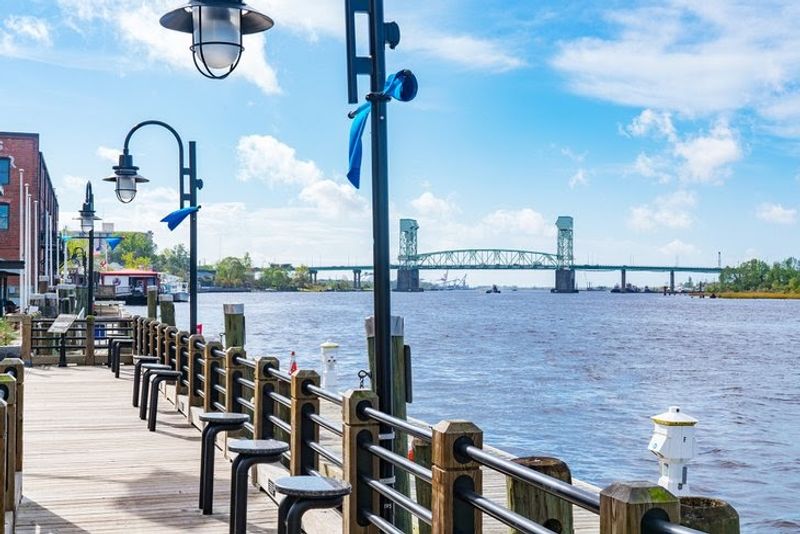
The city of Wilmington sits at the lower end of the Cape Fear River, and its downtown waterfront is one of the most enjoyable urban river experiences in North Carolina. The Riverwalk stretches along the river’s edge through the historic district, offering a smooth, shaded path that is equally popular with joggers, dog walkers, families, and tourists just soaking in the view.
Restaurants line the waterfront, many with outdoor seating that puts the river directly in your sightline. Sunset walks here have a particular quality, with the wide river catching the last light of the day while boats drift past and the city hum settles into something quieter.
The area is also a popular spot for wedding photos, and it is easy to understand why the setting is genuinely striking.
Beyond the restaurants and shops, the Wilmington waterfront connects visitors to a deeper layer of history. The Cape Fear River played a significant role in the region’s colonial and Civil War past, and the downtown area reflects that layered story in its architecture and landmarks.
A river cruise departing from the jetty downtown adds an informative and entertaining angle to any visit.
Fishing the Cape Fear River
Anglers have been working the Cape Fear River for generations, and the fishing remains genuinely productive across multiple sections of the waterway. The river holds a healthy variety of species, including largemouth bass, catfish, crappie, and striped bass, depending on which stretch of the river you are targeting and what time of year you are fishing.
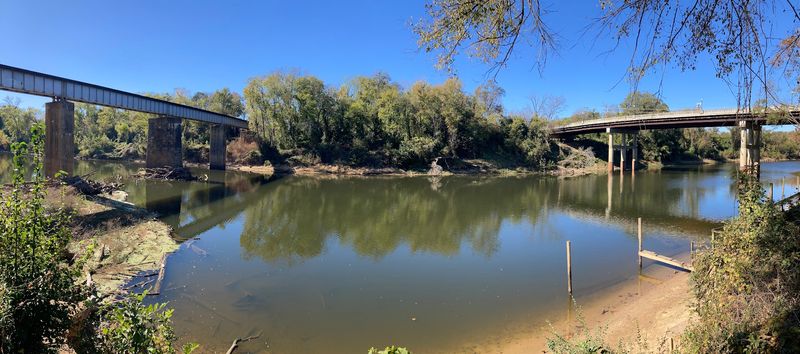
The lock and dam areas along the river are particularly popular for recreational fishing, as fish tend to concentrate near these structures. Access points along Highway 24 near the bridge in Fayetteville offer convenient spots for bank fishing, and there are several locations where boaters can launch and reach deeper water.
The bridge on Route 133 near Leland is another well-known fishing spot that locals return to regularly.
Fishing the Cape Fear River rewards those who take time to learn its rhythms. Water levels, seasonal fish movement, and the river’s natural tannin content all influence where and how the fish behave on any given day.
Bringing the right tackle and a bit of local knowledge goes a long way toward a productive outing on this storied North Carolina waterway.
Blackwater Swamps and Cypress Forests
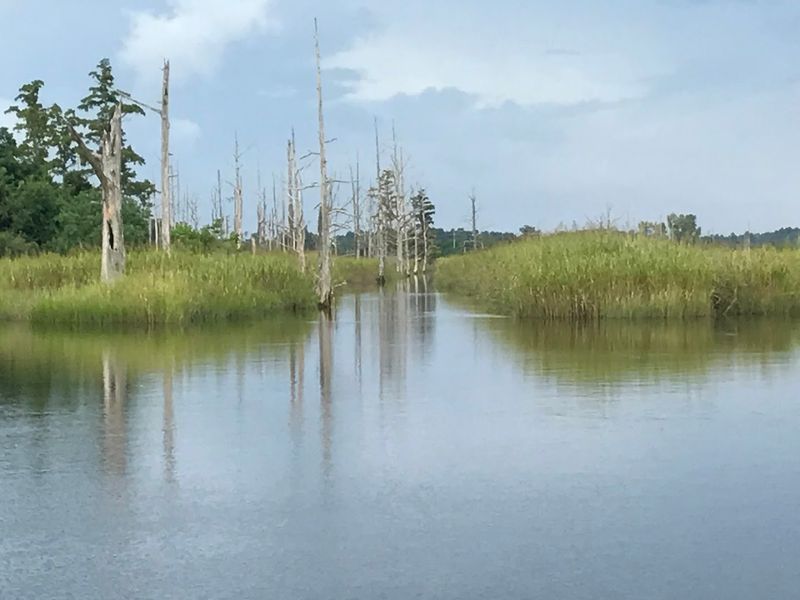
The landscape surrounding the Cape Fear River is one of the most visually distinctive natural environments in the American Southeast. Bald cypress trees rise straight out of the water on knobby roots called knees, their canopies forming a dense overhead cover that filters sunlight into something soft and golden during morning hours.
Spanish moss hangs from branches throughout the lower stretches of the river, adding a texture to the scenery that feels almost otherworldly. The swampy bottomlands along the banks are home to a rich mix of plant and animal life, including river otters, turtles, wood ducks, and the occasional cottonmouth snake moving through the shallows.
Copperheads have also been spotted along the asphalt trail sections near the river, so staying alert while hiking is always a good habit.
The blackwater quality of the river comes directly from these swamp environments. Tannins from decomposing leaves, bark, and organic matter stain the water a deep amber-brown that is completely natural and safe.
Paddling through a cypress swamp corridor on the Cape Fear feels like moving through a living, breathing ecosystem that has barely changed in hundreds of years.
Wildlife Watching Beyond the Eagles
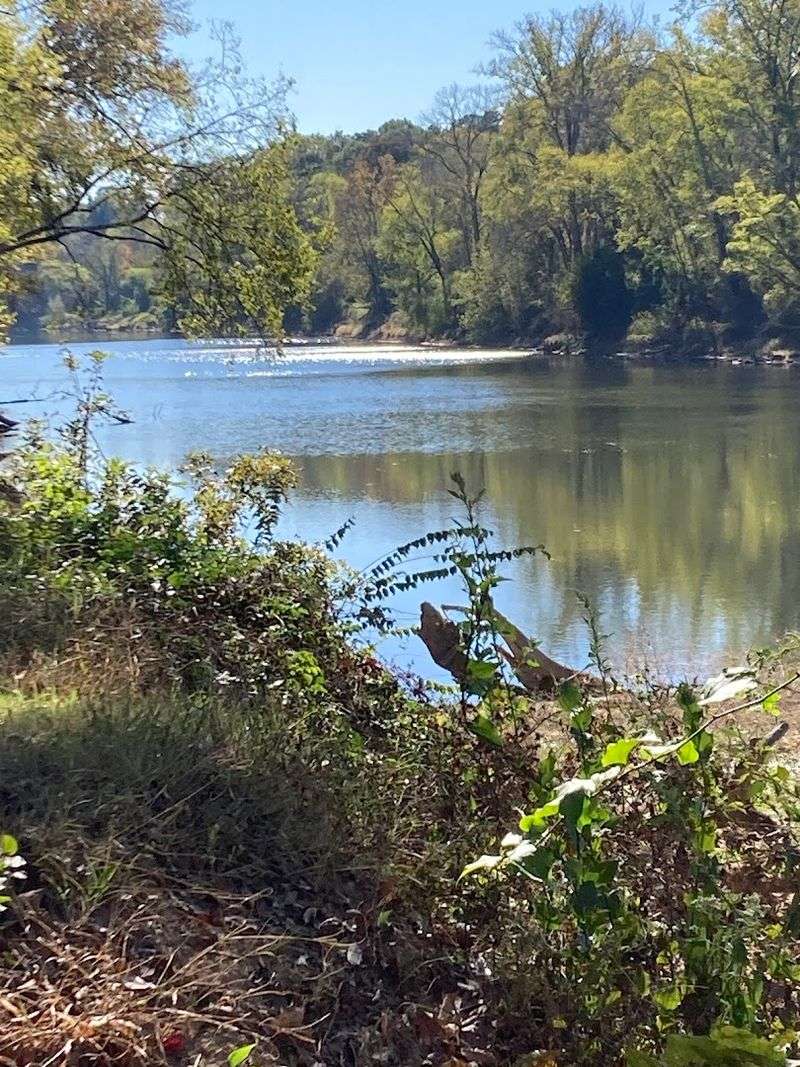
The Cape Fear River is far more than a bald eagle showcase. The entire corridor functions as a wildlife corridor connecting coastal wetlands, bottomland hardwoods, and open river channels into one continuous habitat that supports an impressive range of animals year-round.
Turtles are among the most reliably visible residents, frequently surfacing near calm pools to bask on logs or simply peek above the waterline with what can only be described as cautious curiosity. River otters slide in and out of the water along the banks, and white-tailed deer are common sights along the forested edges, especially during early morning and late afternoon hours.
The upper sections of the river, where boat traffic stays minimal, offer the best conditions for observing wildlife without disturbance. Paddlers who move quietly and resist the urge to make noise are frequently rewarded with close encounters that feel completely unscripted.
Great blue herons stand motionless in the shallows like patient statues, osprey circle overhead before diving with precision, and wood ducks call out from the tree line in a sound that carries beautifully across still water.
History Along the Cape Fear River
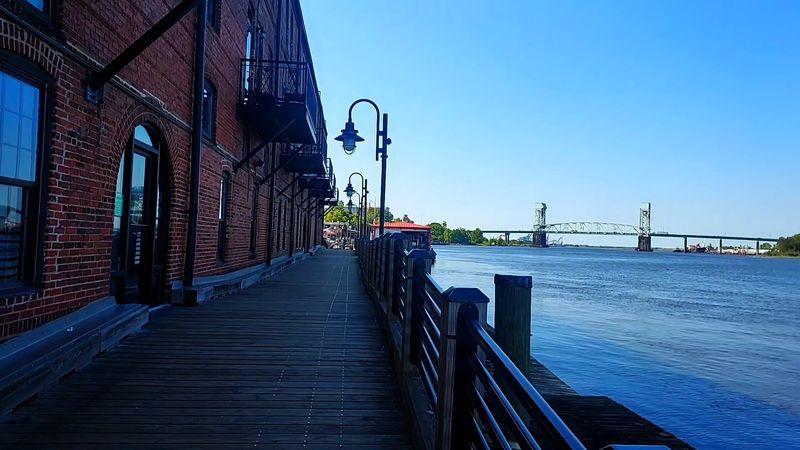
The Cape Fear River carries more history than most people realize when they first set eyes on its calm, dark surface. European explorers arrived in the region as early as the 16th century, and the river quickly became a critical artery for trade, agriculture, and colonial settlement throughout the 17th and 18th centuries.
Wilmington, positioned at the river’s tidal reach, grew into one of North Carolina’s most important port cities largely because of its access to the Cape Fear. During the Civil War, the river and its nearby Fort Fisher played a significant strategic role, as Wilmington was one of the last Confederate ports to remain operational.
The history woven into the banks of this river goes well beyond what a quick riverside walk can reveal.
The river has also appeared in television productions and films, partly because of Wilmington’s active film industry, but also because the landscape itself has a timeless quality that translates powerfully on screen. Many Wilmington residents acknowledge that the full depth of the river’s historical significance remains underappreciated, even by locals.
The Cape Fear River genuinely deserves more than a casual glance from the boardwalk.
Tubing and Family Adventures on the Water
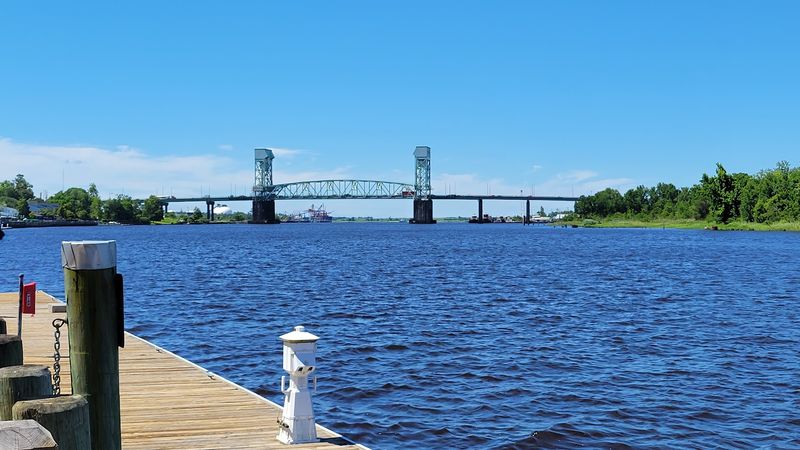
Not every day on the Cape Fear River has to be a serious outdoor expedition. The river has a genuinely fun side, and tubing is one of the most popular ways families and groups of friends enjoy the water during warm months.
Cape Fear River Adventures is a well-known outfitter that has made tubing accessible for large groups, including birthday parties with fifteen or more kids on the water at once. The staff handles the logistics of getting everyone downstream and then picks up the whole group and shuttles them back to the starting point, which takes a lot of the coordination stress off the adults in charge.
Clean facilities and friendly service make the whole experience feel welcoming rather than chaotic.
Tubing works best on calmer sections of the river where the current is gentle enough for all skill levels, including young children who are experiencing moving water for the first time. The river’s natural setting makes even a basic float feel like a genuine outdoor adventure rather than an amusement park ride.
Sunny afternoons in summer are peak tubing season, and booking ahead is a smart move during busy weekends.
Best Times to Visit and Practical Tips
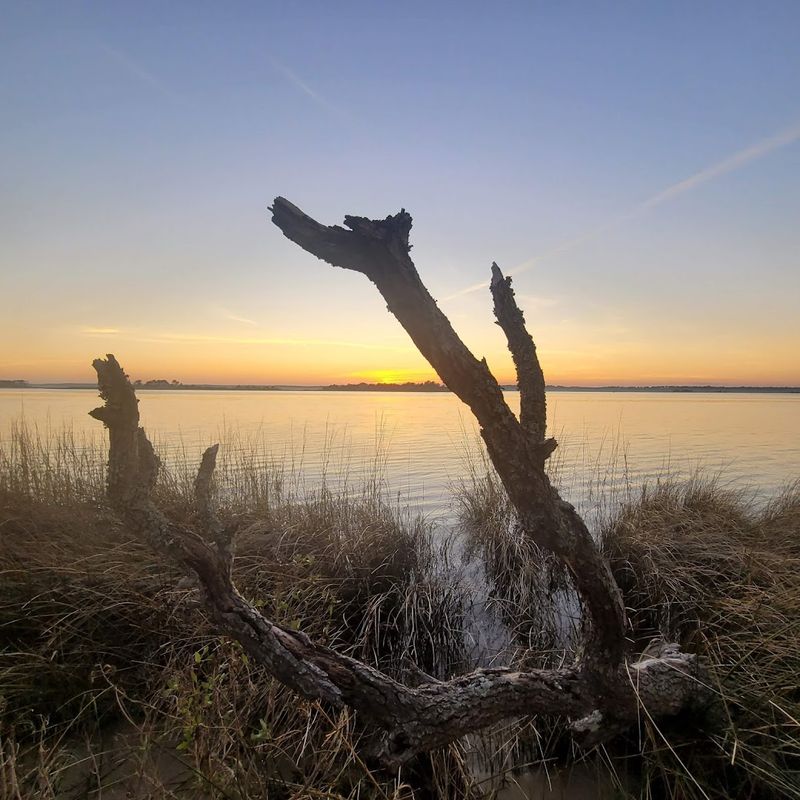
The Cape Fear River rewards visitors across multiple seasons, but each time of year brings a different kind of experience worth planning around. Spring is widely considered the most spectacular season for wildflowers along the banks, and migrating birds pass through in impressive numbers between March and May.
Summer brings the tubing crowd, warm water temperatures, and long days that are perfect for extended paddling trips, though early morning starts are strongly recommended to beat the heat and catch wildlife before the river gets busy. Fall offers cooler temperatures and shifting foliage along the hardwood sections of the corridor, making it a beautiful time for hiking the riverside trails.
Winter, while quieter, is actually one of the best seasons for spotting bald eagles, as the trees are bare and the birds are more visible from the water.
A few practical notes for any visit: bring insect repellent during warmer months, wear sun protection on open water sections, and always let someone know your paddling plan before launching. Dogs are welcome along the river trail but should be kept on a leash near wildlife areas.
The Cape Fear River is a place that consistently rewards those who come prepared and move at its own unhurried pace.
Share this story