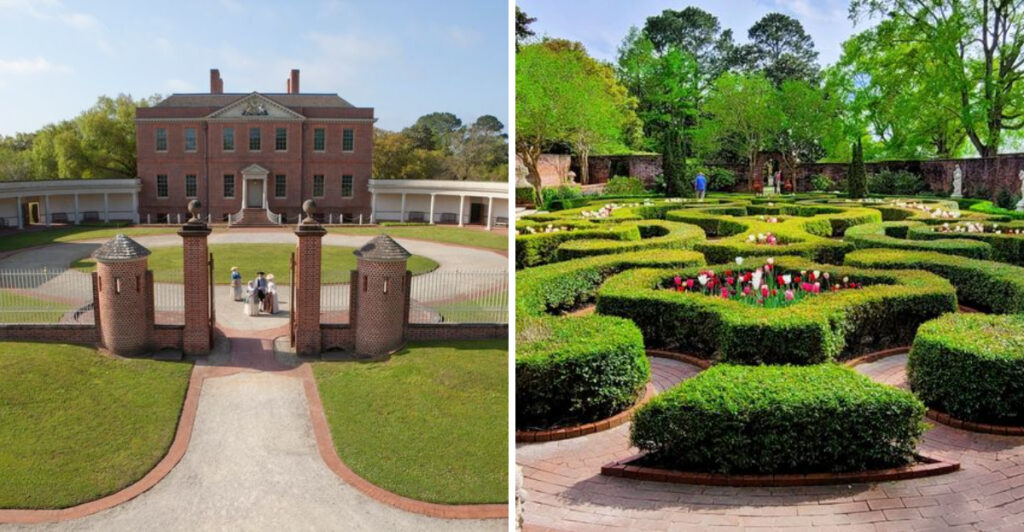
There is a place in eastern North Carolina where the 18th century feels genuinely close, where costumed guides walk you through rooms filled with real period furnishings, and where 16 acres of manicured gardens stretch toward the waterfront. It was once called one of the finest public buildings in colonial America, and honestly, that reputation still holds up.
The story behind it involves royal governors, revolutionary politics, fire, and a decades-long effort to bring it all back to life. Keep reading, because this historic site in New Bern is the kind of place that surprises even the most seasoned travelers.
The Address and Setting of a Colonial Landmark
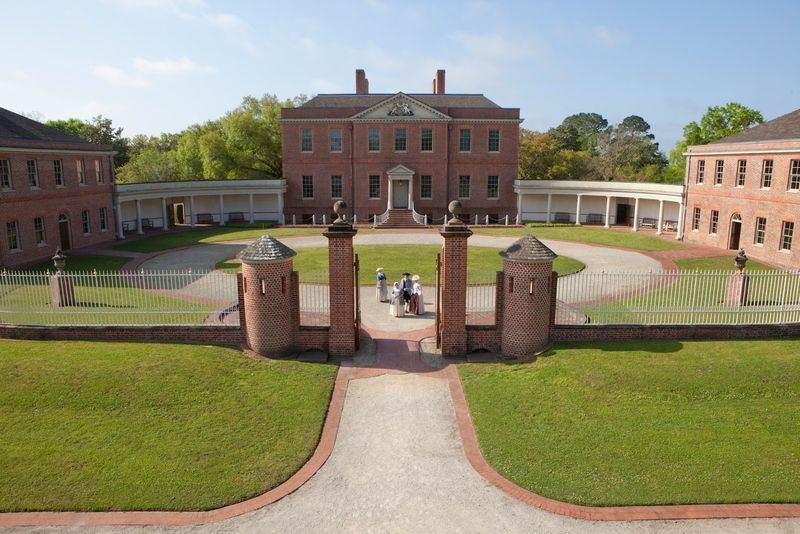
Right in the heart of New Bern, North Carolina, at 529 S Front St, Tryon Palace sits where the Trent and Neuse rivers meet, making it one of the most scenic historic sites in the entire Southeast. The address alone tells you something: this is a spot that was deliberately placed at the center of colonial power.
The palace served as the seat of government for the Province of North Carolina and later the state itself, which means the ground you walk on once hosted some of the most important political conversations of the 1700s. New Bern was the colonial capital, and this building was its crown jewel.
The surrounding neighborhood blends colonial history with a lively small-town downtown, so you can easily walk to nearby shops and restaurants after your tour. Street parking is available, and there is also a parking lot closer to the entrance that makes the start of your visit stress-free.
The waterfront views from the palace grounds are genuinely lovely, adding a natural backdrop that no amount of interior decorating could compete with.
The Remarkable History Behind the Palace
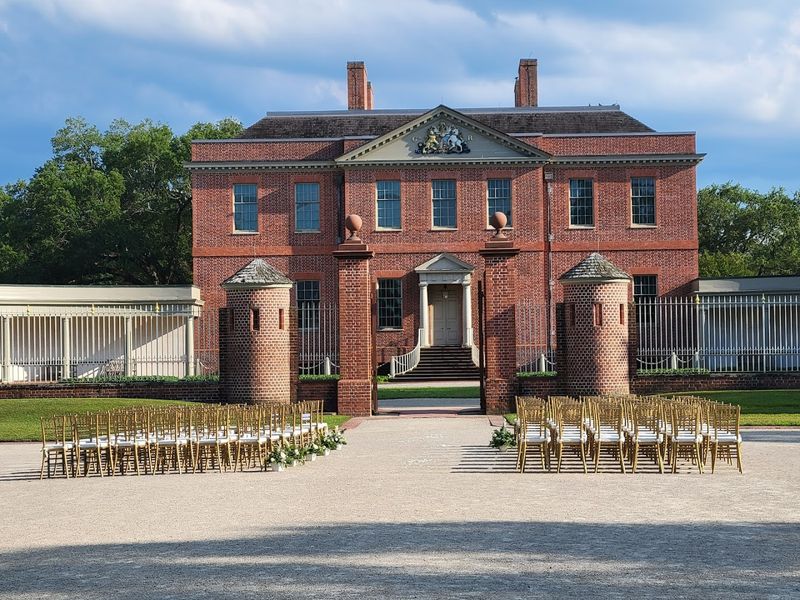
British Royal Governor William Tryon commissioned this grand residence in the 1760s, and the architect John Hawks designed it in the Georgian style that was fashionable among the English elite of the era. When it was completed in 1770, it was widely regarded as one of the most impressive public buildings in all of colonial America, a bold statement of British authority on the frontier.
The palace served as both the governor’s home and the meeting place for the colonial assembly, which meant it was simultaneously a residence, a courthouse, and a political stage. Governor Tryon used it to entertain, govern, and project power, but his tenure was short-lived after he was transferred to New York in 1771.
The building’s story took a dramatic turn when a fire destroyed most of the original structure in 1798. For over 150 years, the palace existed only in historical records, old drawings, and the memories of those who had walked its halls.
The fact that it stands today is the result of extraordinary research, fundraising, and dedication by the people of North Carolina, who believed the story was worth telling again.
The Reconstruction Story That Spans Decades
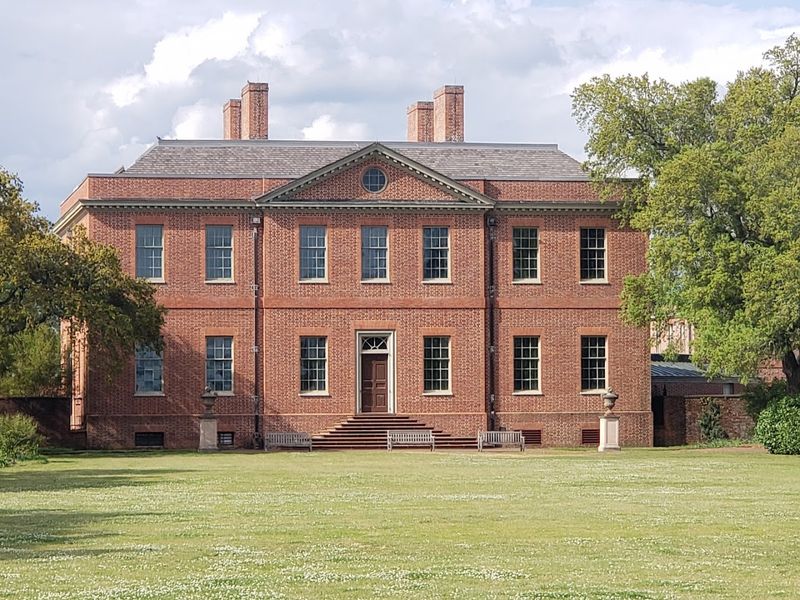
Few historic restorations in American history required the kind of detective work that went into rebuilding Tryon Palace. After the 1798 fire, the site lay largely forgotten until the 20th century, when historian Gertrude Carraway and a determined group of North Carolinians launched a campaign to bring it back.
The reconstruction began in the 1950s and relied heavily on the original architectural drawings by John Hawks, which had survived in England. Those blueprints were essentially the blueprint for the entire project, allowing builders to recreate the palace with a level of historical accuracy that still impresses scholars today.
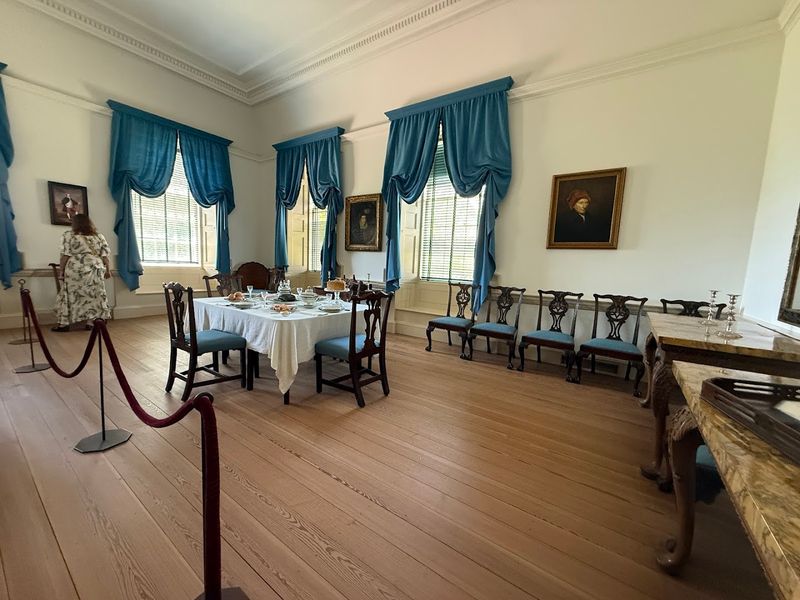
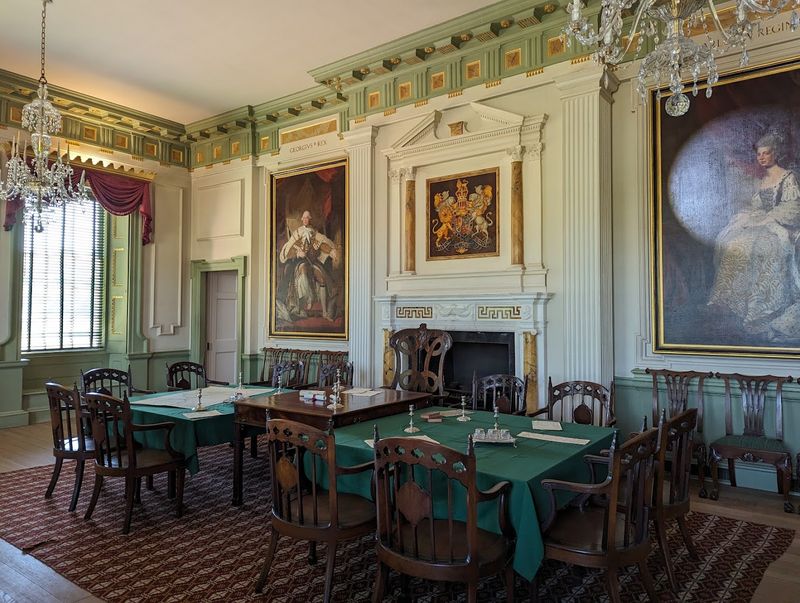
The furnishings inside are period-appropriate pieces from the 18th century, with some items believed to have connections to the original residents.
The rebuilt palace opened to the public in 1959, and it has been welcoming visitors ever since. What makes the reconstruction particularly interesting is the honesty about what is known versus what is educated guesswork.
The guides are refreshingly upfront about the limits of the historical record, which somehow makes the whole experience feel more trustworthy and genuinely educational rather than just theatrical.
What to Expect on the Guided Tour
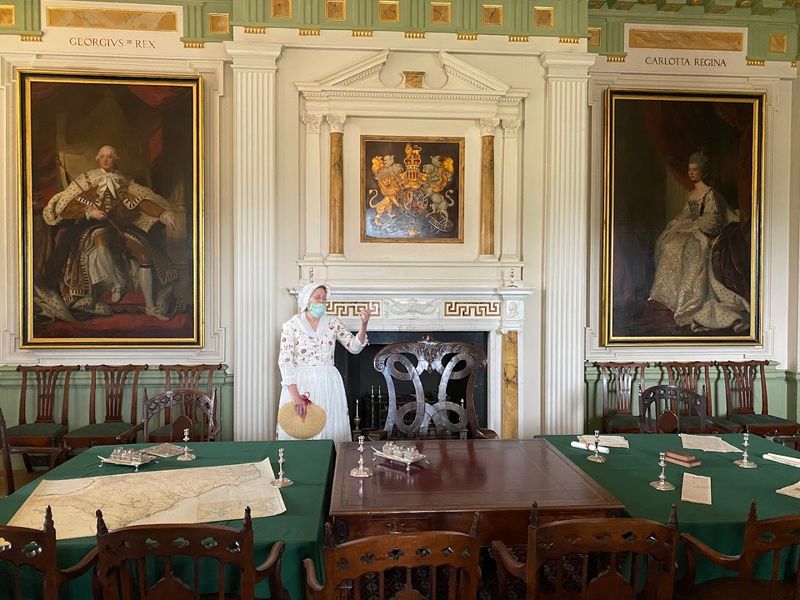
Tours at Tryon Palace run on the half hour starting at 10:30 a.m., and each guided experience lasts about an hour. The guides wear period costumes, which immediately sets the tone and makes the whole visit feel more immersive than a typical museum walkthrough.
Inside, you move through rooms that reflect the lifestyle of a wealthy 18th-century colonial official, from formal entertaining spaces to more private quarters. The furnishings are genuine antiques, and the guides bring context to each piece, explaining not just what things are but why they mattered to the people who used them.
The stories behind the rooms are often more interesting than the objects themselves.
The tour covers the main floor, the upstairs, and the basement, though visitors who prefer not to tackle stairs can opt out of the upper and lower levels after the first floor. Window seats are available throughout for anyone who needs a brief rest.
One practical note: the interior can get warm, especially in summer, so lightweight clothing is a smart choice when you plan your visit.
The Georgian Architecture Worth Slowing Down For
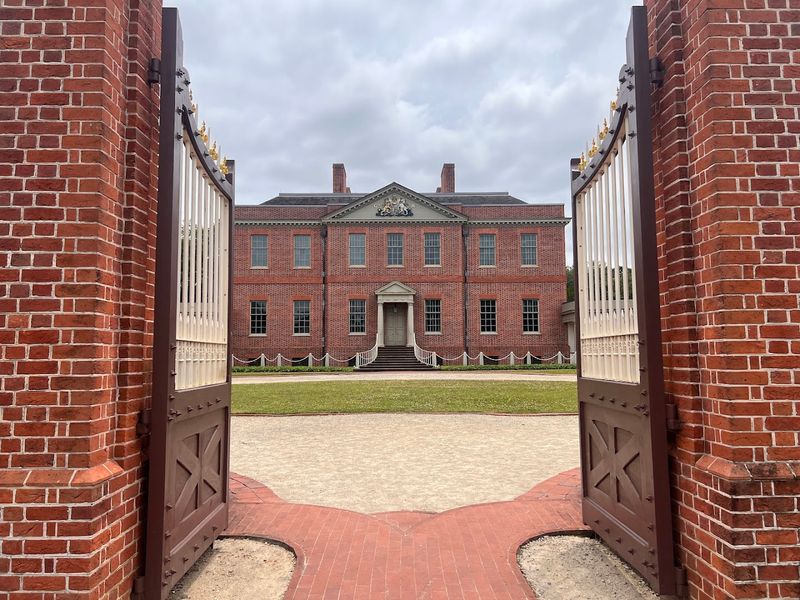
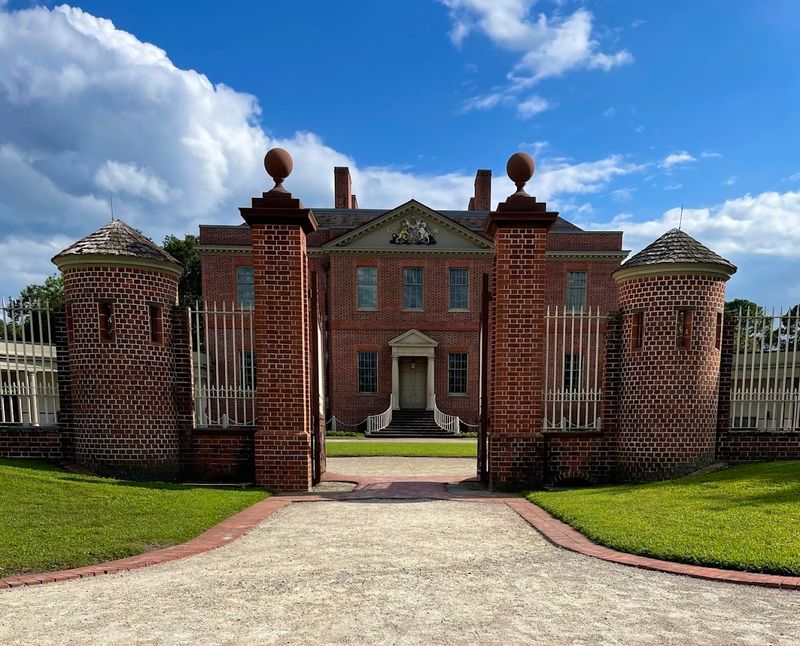
The building itself is a textbook example of Georgian colonial architecture, the style that dominated elite construction in the British Atlantic world during the 18th century. Symmetry is the defining feature: balanced windows, a centered entrance, and proportions that feel both formal and surprisingly elegant in person.
John Hawks, the architect, brought a level of sophistication to the design that was unusual for colonial America at the time. Most public buildings in the colonies were functional rather than beautiful, but Hawks clearly had different priorities.
The result is a structure that still commands attention more than two centuries after it was first conceived.
Because the reconstruction was based on Hawks’s original drawings, the exterior closely mirrors what Governor Tryon would have seen when he first moved in. The brick work, the roofline, and the overall massing of the building all contribute to a sense of solidity and permanence.
Standing in front of it and knowing the research effort that went into every detail makes the architecture feel less like a replica and more like a genuine conversation with the past, one worth having slowly and with full attention.
The 16 Acres of Gardens That Steal the Show
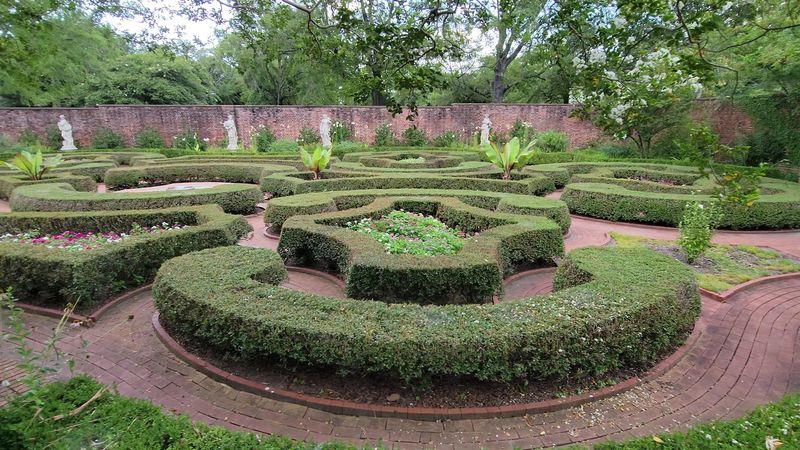
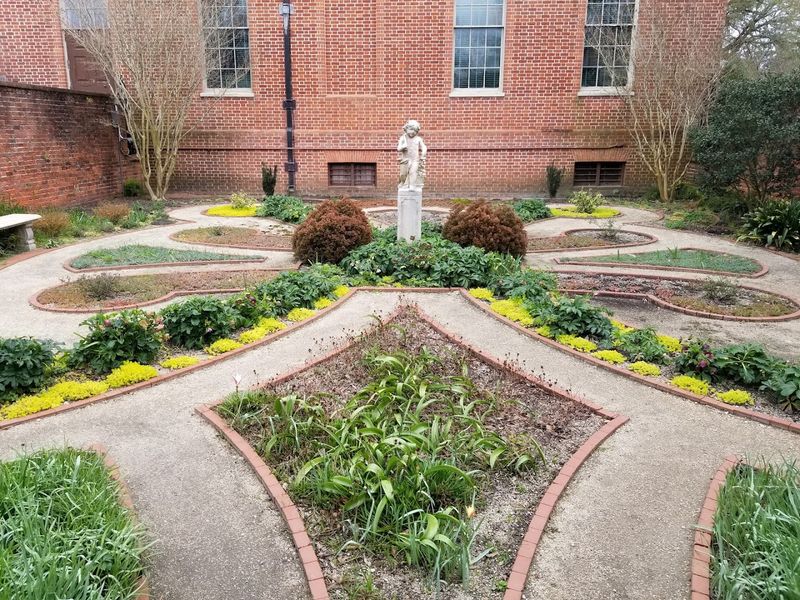
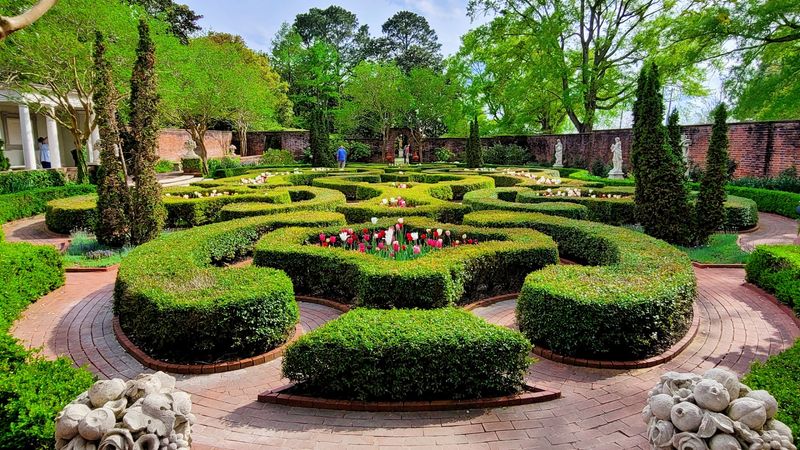
The gardens at Tryon Palace cover 16 acres, and they are consistently one of the highlights visitors mention long after their tour has ended. Even in October, when fewer plants are in bloom, the grounds maintain a beauty that feels deliberate and carefully tended, which is exactly what they are.
The formal gardens near the palace follow 18th-century design principles, with geometric beds, clipped hedges, and brick pathways that invite slow, unhurried walking. Further out, the working kitchen garden is a genuine surprise.
Vegetables, herbs, and fruit grow there in quantities that reflect what a household of this scale would have needed to function, and the quality of the produce is remarkable.
Visitors have spotted figs growing to an impressive size in that garden, which gives you a sense of just how seriously the staff takes historical accuracy in every corner of the property. The gardens extend toward the waterfront, where the view opens up and the whole setting takes on a quieter, more reflective quality.
Comfortable walking shoes are strongly recommended because you will want to cover every inch of these grounds at your own pace.
The NC History Center Next Door
Attached to the palace complex is the North Carolina History Center, a modern facility that provides deeper context for everything you see on the guided tour. The history center functions as a full museum, with exhibits covering the broader sweep of North Carolina’s colonial and early American story rather than focusing solely on the palace itself.
The building is air-conditioned and spacious, which makes it a welcome stop on a hot day. The exhibits use a mix of artifacts, interactive displays, and archival materials that work well for visitors of all ages.
History enthusiasts tend to linger here longer than they expect to, and that is a reliable sign of good curation.
There is also a cafe inside the history center where you can grab lunch without leaving the complex. The Reuben sandwiches have earned consistent praise from visitors who have made the stop, which is worth knowing if you are planning a full day on the grounds.
A gift shop rounds out the experience, offering books, period-inspired items, and a selection of work from local artists tucked in among the more standard souvenir fare.
The Staff and Docents Who Bring History to Life
A historic site is only as good as the people who interpret it, and Tryon Palace has clearly invested in finding guides who genuinely love what they do. The docents wear period clothing and carry themselves with an ease that makes the whole experience feel natural rather than performed.
The guides tend to go well beyond the basic facts, weaving in stories about the real people who lived and worked in the palace, from the governor himself down to the enslaved individuals whose labor made the household function. That honesty about the full picture of colonial life is something that sets this site apart from more sanitized historic attractions.
The quality of individual guides can vary slightly from tour to tour, as it does at any large historic site, but the overall standard is high. Most visitors come away talking about their guide as much as the building itself, which tells you everything about the impression the staff leaves.
Arriving early in the day to purchase tickets ensures you have enough time to complete the tour and still explore the gardens and history center without feeling rushed.
Practical Tips for Planning Your Visit
The palace is open Monday through Saturday from 10 a.m. to 5 p.m. and Sunday from noon to 5 p.m. Tours run on the half hour starting at 10:30 a.m., so arriving early gives you the best selection of tour times and the most flexibility for exploring the rest of the complex afterward.
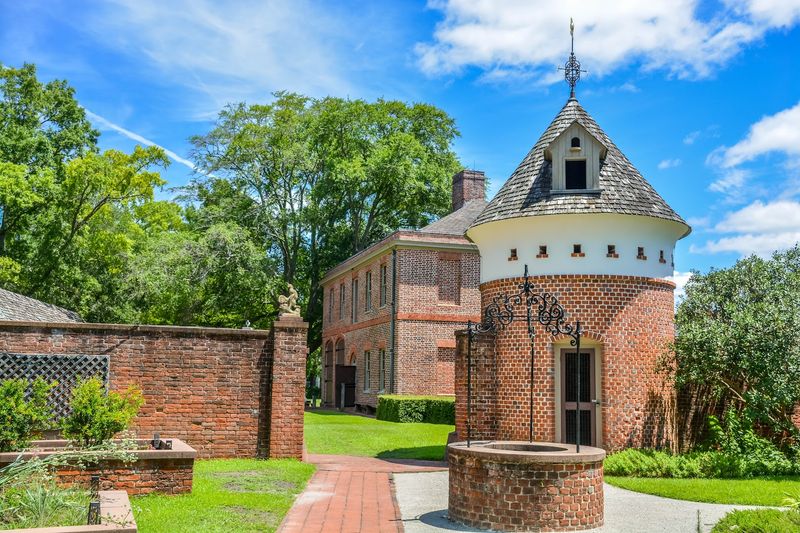
Tickets are purchased right at the entrance in a small building that sets the tone for the visit before you even step onto the main grounds. The pricing is reasonable for everything included, and a day pass covers the palace tour, the gardens, and the history center, making it genuinely good value for a full day of exploration.
Parking is not a headache here, which is a pleasant change from many popular historic sites. Street parking is available nearby, and a parking lot closer to the entrance reduces the walking distance before and after your tour.
The phone number for the palace is (800) 767-1560, and the website at tryonpalace.org has current ticket prices and event schedules. Buying tickets in advance during peak periods, particularly around the holidays, is a smart move that saves time and guarantees your spot.
The Christmas Program That Draws Crowds Every Year
If you have the chance to visit during the holiday season, the Christmas program at Tryon Palace is an experience that operates on a completely different level from the standard tour. The palace and grounds are decorated in period-accurate colonial style, with greenery, candles, and arrangements that reflect how a household of this stature would have celebrated in the 18th century.
The decorations are elaborate without feeling overdone, and the evening lighting transforms the already-handsome building into something genuinely magical. Visitors who have attended more than once describe it as one of the best holiday events in the region, and the demand for tickets during that season reflects exactly that reputation.
Tickets for the Christmas program sell out quickly, so checking the schedule on the official website and booking well in advance is not just a suggestion but a necessity if you want to attend. The event draws visitors from across the state and beyond, which is a testament to how well the staff executes the seasonal programming.
Even if the holidays are not your primary reason for visiting, knowing this option exists makes it worth planning a return trip around.
The Connection to New Bern’s Walkable Downtown
One of the underrated advantages of visiting Tryon Palace is how easily it connects to the rest of New Bern. The palace grounds are within easy walking distance of the main downtown area, which means you can extend your day without needing to get back in the car.
New Bern itself is a town with genuine character, full of well-preserved historic buildings, independent shops, and restaurants that reflect the local culture rather than generic tourist-strip fare. The downtown sits along the waterfront, and the combination of colonial architecture and river views makes it one of the more photogenic small cities in North Carolina.
Spending half a day at the palace and then wandering downtown for the other half makes for a well-rounded visit that covers both structured history and casual exploration. The proximity of the two means you can pop into the palace gift shop for a souvenir and then find a local restaurant for dinner within a short walk.
For first-time visitors to the area, treating the palace and the downtown as a single itinerary rather than separate stops is the most satisfying way to experience everything New Bern has to offer.
Why This Place Deserves a Spot on Your Travel List
Some historic sites check a box and not much else, but Tryon Palace consistently earns its 4.6-star rating across more than 2,000 reviews because it delivers on multiple levels at once. The architecture is genuinely impressive, the gardens are beautiful in every season, and the historical storytelling is honest and engaging rather than polished to the point of feeling hollow.
The site also rewards visitors who give it a full day rather than a quick stop. Between the guided palace tour, the working gardens, the history center exhibits, and the cafe, there is easily five or six hours of worthwhile content here for anyone with a genuine interest in American colonial history.
North Carolina has no shortage of interesting places to visit, but few of them carry the kind of national historical significance that Tryon Palace holds. This was once the seat of an entire colonial government, a building that visitors in the 1700s called one of the finest in America.
The fact that you can stand inside it today, surrounded by authentic 18th-century furnishings and knowledgeable guides, is a privilege that is easy to take for granted until you actually experience it firsthand.
Share this story