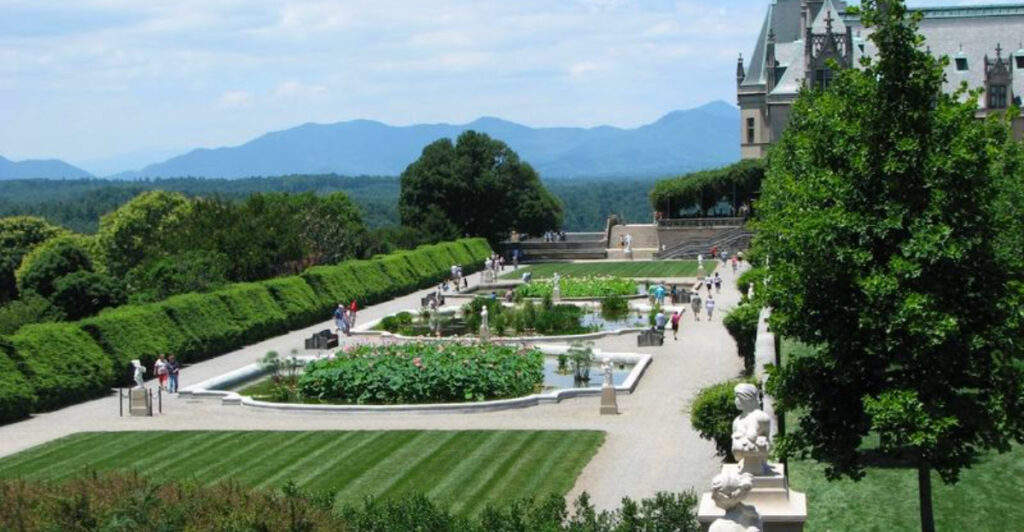
There is a place in the mountains of western North Carolina where a 250-room French Renaissance chateau sits at the center of 8,000 acres of forests, gardens, and rolling farmland, and it genuinely has to be seen to be believed. I had heard the stories, seen the photos, and still nothing quite prepared me for the scale and beauty of what awaited.
This is not just a historic house tour; it is an entire world unto itself, one that pulls you in with its grandeur and keeps you coming back for more. From the breathtaking architecture to the manicured gardens and the lively evening light shows, the Biltmore Estate in Asheville, North Carolina, earns every bit of its legendary reputation.
A Grand Arrival: Address, Location, and First Impressions
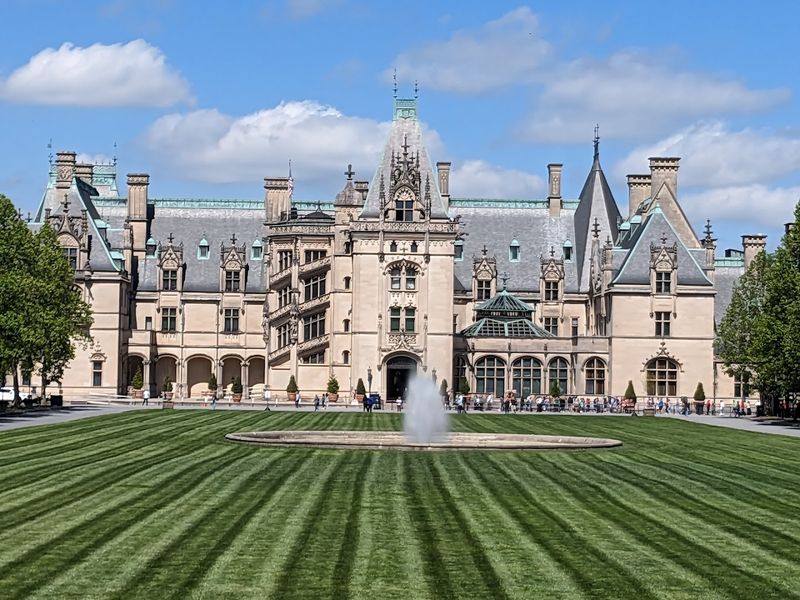
The moment you turn off the main road and pass through the gates of Biltmore Estate at 1 Lodge Street, Asheville, NC 28803, something shifts. The outside world fades, and a winding, tree-lined approach road takes over, building anticipation with every curve.
The estate sits in the Blue Ridge Mountains of western North Carolina, and that setting alone does a lot of the heavy lifting before you even see the house. The drive through the property feels deliberate, almost theatrical, as if the landscape itself is preparing you for what comes next.
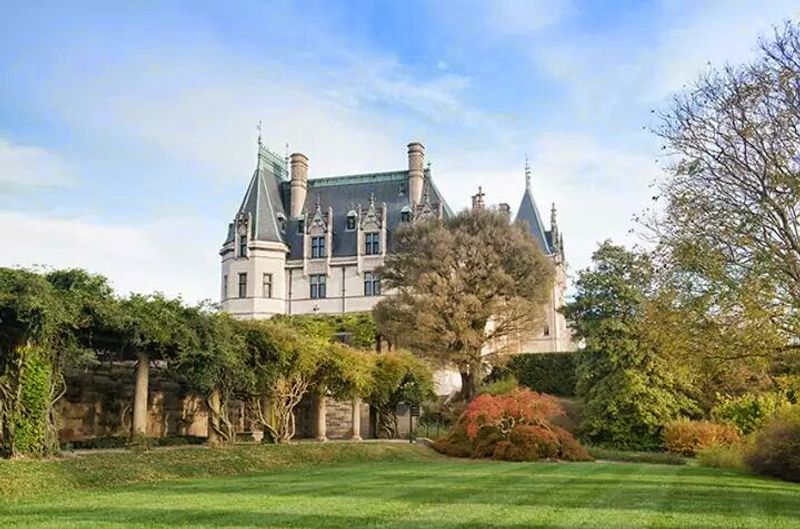
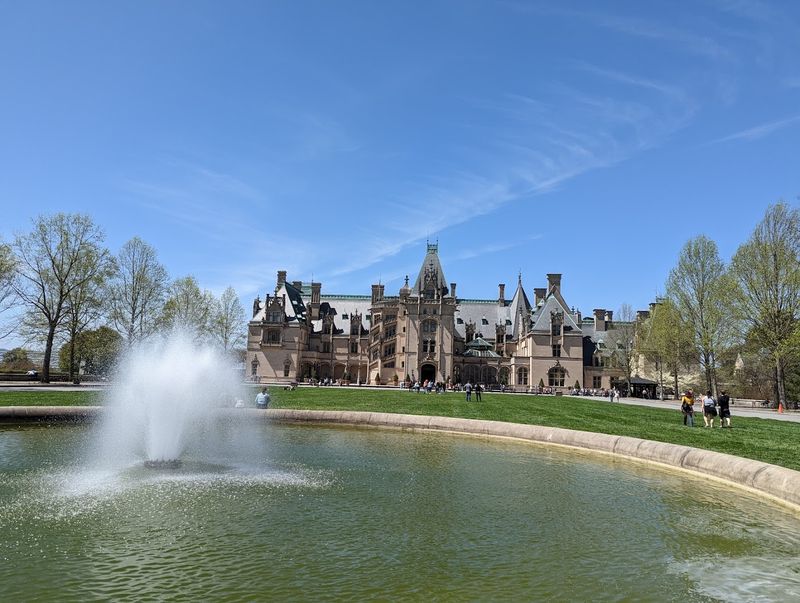
When the chateau finally comes into view, it is one of those rare moments where your brain struggles to process the sheer size of what you are looking at. The limestone facade stretches wide, the roofline bristles with turrets and chimneys, and the whole structure radiates a kind of confident elegance that is hard to put into words.
You can reach the estate by car with ample parking available, and a free shuttle runs visitors up to the main entrance, with drivers who share fun historical tidbits along the way. First impressions here do not disappoint.
The Château Itself: 250 Rooms of French Renaissance Brilliance
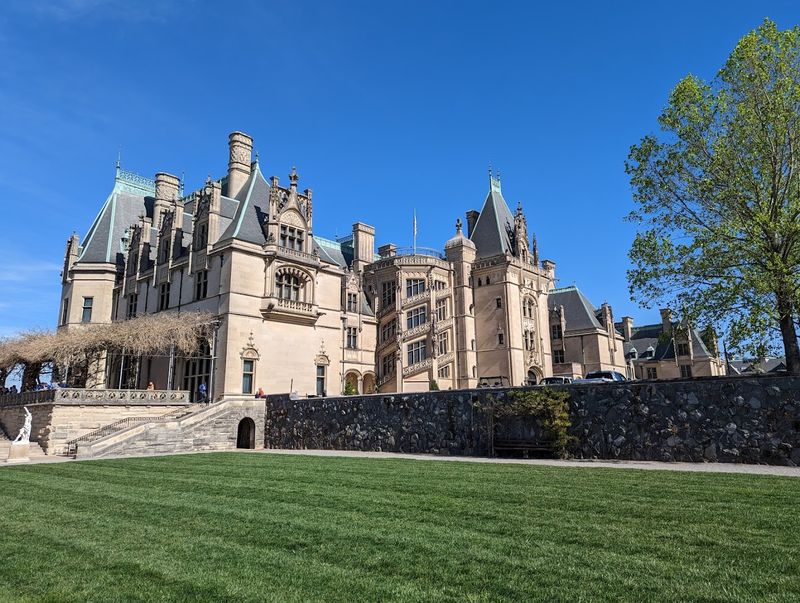
George Washington Vanderbilt II had one goal when he commissioned architect Richard Morris Hunt to design his mountain retreat: build something that would stop people in their tracks. Mission accomplished, more than a century later.
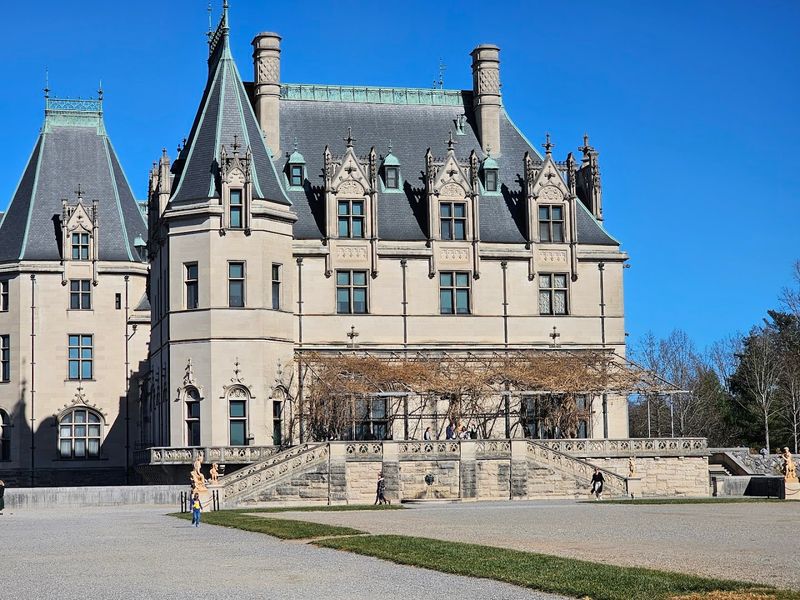
The chateau’s exterior is a masterclass in French Renaissance design, drawing direct inspiration from the grand chateaux of the Loire Valley in France. The limestone facade, the steep slate roofs, the carved stone details, and the symmetrical towers all work together to create a building that feels both imposing and surprisingly graceful.
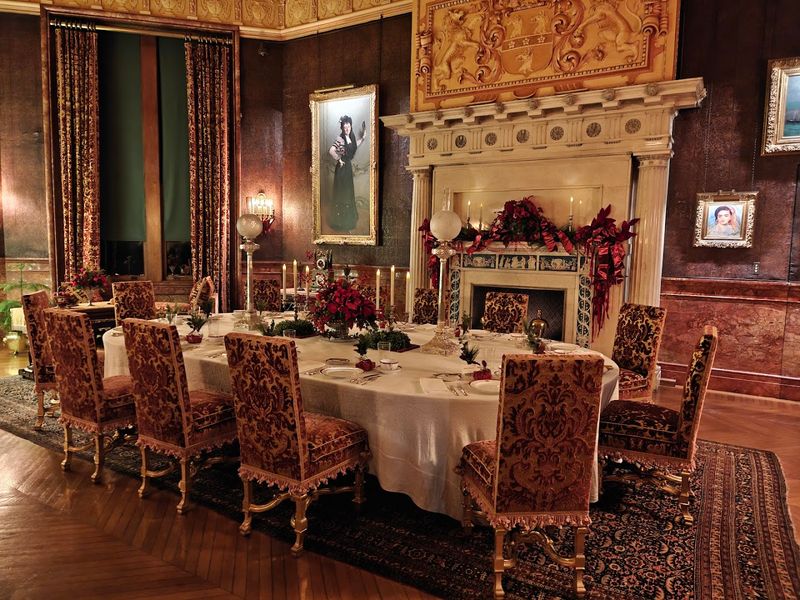
Inside, the house contains 250 rooms spread across four floors, including 35 bedrooms, 43 bathrooms, and 65 fireplaces. The self-guided audio tour takes visitors through the most significant rooms, including the stunning Banquet Hall, the oak-paneled library housing over 10,000 books, and the indoor heated swimming pool, which was remarkably ahead of its time when the house opened in 1895.
Hidden doors built into the walls, winding staircases tucked behind panels, and period furniture sourced from across Europe fill every corner with detail. The craftsmanship is so precise and layered that repeat visitors consistently notice something new each time they walk through.
The Visionary Behind It All: George Vanderbilt’s Bold Dream
At just 25 years old, George Washington Vanderbilt II purchased roughly 125,000 acres of land in the Appalachian Mountains and decided to build the largest private residence in the United States. That is either breathtaking ambition or a very expensive hobby, depending on how you look at it.
Vanderbilt was the youngest grandson of railroad tycoon Cornelius Vanderbilt, and while his older siblings built mansions in Newport and New York, George chose the mountains of North Carolina. He was an intellectual and an art collector who spoke multiple languages and filled his home with thousands of books, paintings, and sculptures gathered from around the world.
He also had a forward-thinking approach to land management, hiring landscape architect Frederick Law Olmsted, the designer of Central Park in New York City, to plan the estate’s grounds. Olmsted convinced Vanderbilt to pursue sustainable forestry rather than simply clearing the land, making Biltmore one of the earliest examples of scientific forest management in the United States.
The estate opened on Christmas Eve in 1895 and has remained in the Vanderbilt family ever since, now managed by the Vanderbilt family’s descendants. George’s vision continues to shape every corner of the property today.
8,000 Acres of Outdoor Beauty: Trails, Fields, and Forests
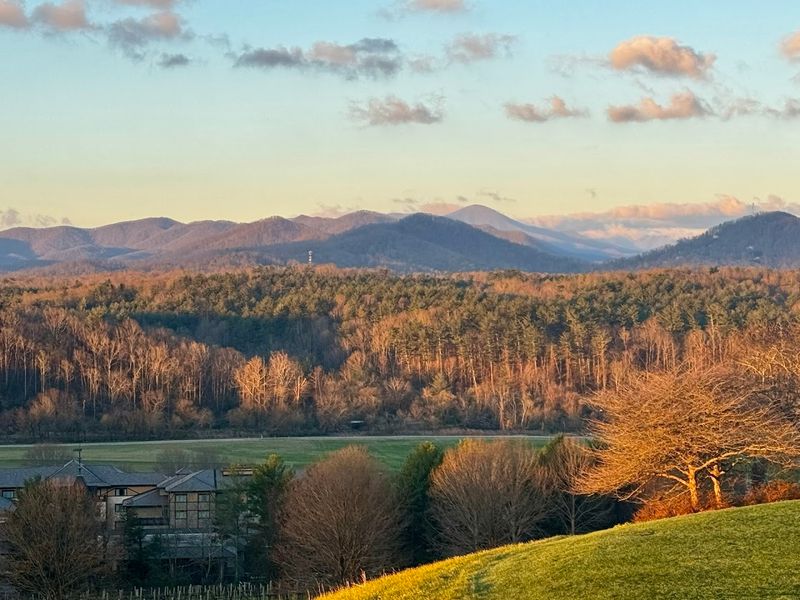
Eight thousand acres sounds like a number you read and then forget, but walking through the Biltmore Estate grounds makes that figure feel very real, very fast. The property is enormous, and every corner of it has been thoughtfully preserved and maintained.
Hiking and walking trails wind through the forests and along the French Broad River, offering views of the Blue Ridge Mountains that are hard to find anywhere else in the region. The trails range from easy, flat riverside paths to more challenging routes that climb into the surrounding hills, making the estate genuinely accessible to a wide range of fitness levels.
Beyond hiking, the estate offers horseback riding, fly fishing, off-road adventures, and cycling, meaning outdoor enthusiasts can easily fill an entire weekend without ever setting foot inside the chateau. The landscape transitions beautifully from manicured gardens near the house to wild, natural woodland further out, giving the property a layered, ever-changing character.
The views of the chateau from the surrounding grounds are just as impressive as the views from inside looking out. No matter where you stand on the property, the combination of architecture, nature, and mountain scenery delivers something worth stopping to appreciate.
The land is as much a part of the story as the house itself.
The Gardens: A Living Masterpiece Designed by Olmsted
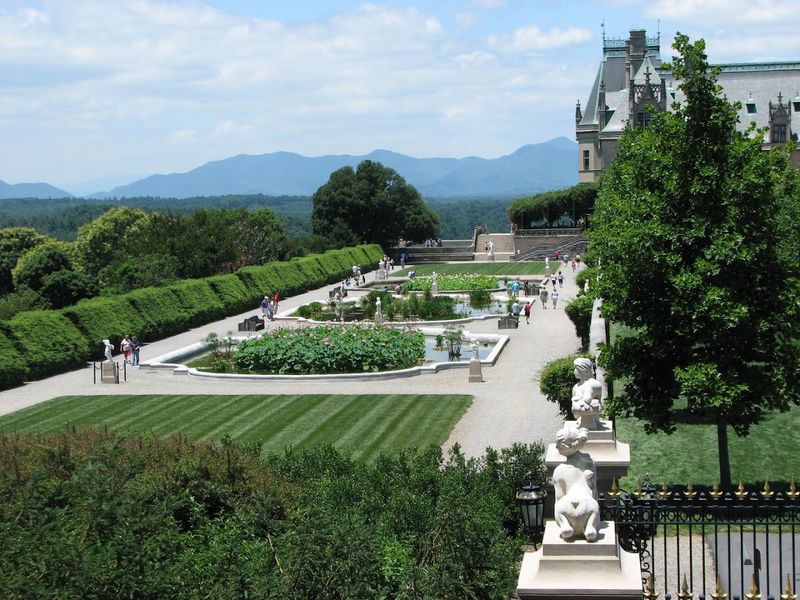
Frederick Law Olmsted did not simply design a garden for the Biltmore Estate; he created an outdoor landscape that complements the architecture while feeling completely natural at the same time. That balance is genuinely difficult to pull off, and the results remain stunning more than 130 years later.
The formal Walled Garden is the crown jewel, a four-acre enclosed space that bursts with seasonal color throughout the year. Spring brings tulips and cherry blossoms, summer fills the beds with roses and dahlias, and fall delivers rich warm tones that pair beautifully with the surrounding mountain foliage.
The Italian Garden features three reflecting pools arranged in a classical European style, offering a quieter, more contemplative atmosphere compared to the busier main gardens. The Shrub Garden and the Bass Pond area provide additional variety, with native plants and water features that attract birds and wildlife throughout the seasons.
The Conservatory, a Victorian-style greenhouse attached to the garden complex, houses tropical plants, orchids, and seasonal displays that genuinely catch visitors off guard with their scale and beauty. The garden staff maintains the entire property with obvious care and precision, and the results show in every pruned hedge and planted border.
Visiting during full bloom is an experience that earns its own trip.
Behind the Scenes: Backstairs and Rooftop Tours
Most visitors see the grand rooms, the tapestries, the gilded ceilings, and the library. But the Backstairs Tour pulls back the curtain on the other half of the story: the enormous, highly organized system that kept a 250-room household running smoothly every single day.
The tour takes visitors through the working areas of the house that the family and their guests never saw. The original kitchen is a marvel of Victorian-era engineering, equipped with a rotisserie powered by a small dog treadmill, a walk-in refrigerator cooled by an early mechanical system, and prep stations designed with a surprising level of efficiency for the period.
The laundry facilities, the servants’ quarters, the storage rooms, and the mechanical systems are all preserved and explained in a way that makes the sheer complexity of running the estate feel genuinely fascinating rather than dry. The Rooftop Tour adds another dimension entirely, taking small groups up onto the slate roof for panoramic views of the estate and the surrounding mountains that are simply not available from any other vantage point.
These specialty tours cost a bit extra beyond the standard admission, but the added context they provide transforms a great visit into a truly memorable one. Booking in advance is strongly recommended, as spots fill up quickly on busy days.
Dining on the Estate: From the Stable Cafe to the Bistro
Eating at the Biltmore Estate is not an afterthought; it is a genuine part of the experience. The property offers multiple dining options that range from quick, casual meals to sit-down dinners in beautifully restored spaces, and the food quality holds up across all of them.
The Stable Cafe operates out of the estate’s original carriage house and horse stables, a converted space that retains its historic character while serving hearty, well-prepared lunches. The sandwiches, soups, and salads move quickly through the kitchen, and the setting makes even a simple meal feel like something worth lingering over.
The Bistro, housed in the historic Antler Hill Barn, offers a more elevated dining experience with a menu that leans into regional flavors and seasonal ingredients. The food and service both earn consistent praise from visitors, and the warm, rustic atmosphere of the converted barn makes it a genuinely enjoyable place to spend an evening.
Additional dining spots scattered across the estate include a garden cafe and a creamery, giving visitors plenty of options no matter their appetite or schedule. Planning to arrive early and stay through dinner is the best strategy for fitting in both a full house tour and a proper meal without feeling rushed.
The food genuinely rewards the effort.
The Luminere Light Show: After Dark on the Estate
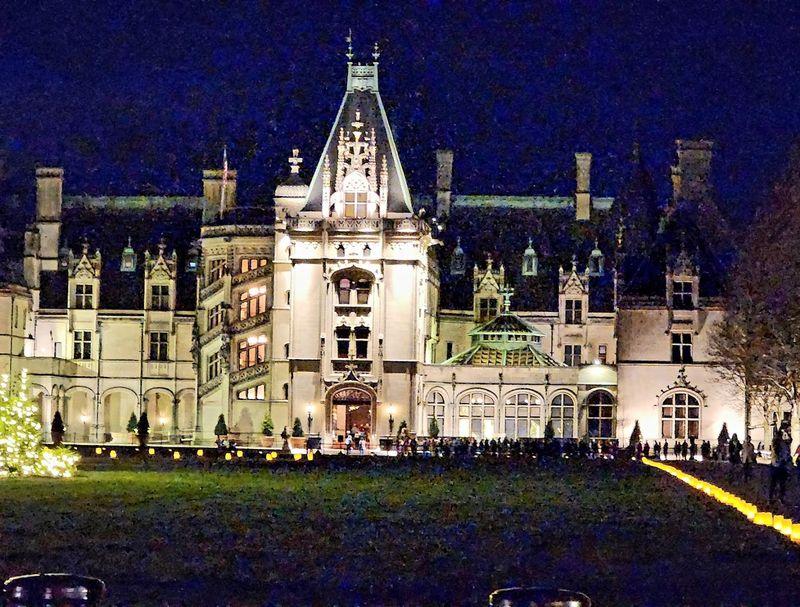
After the sun drops behind the Blue Ridge Mountains, the Biltmore Estate transforms into something that feels entirely different from its daytime self. The Luminere experience brings the chateau and its gardens to life after dark using large-scale projected light displays that are genuinely hard to prepare for the first time you see them.
The show projects vivid, moving imagery directly onto the limestone facade of the chateau, telling the story of the Vanderbilt family through color, light, and motion. The scale of the projection is impressive, and the way it interacts with the building’s architectural details creates moments that feel almost theatrical in the best possible way.
The surrounding gardens also receive their own lighting treatment, with pathways, flower beds, and water features all bathed in shifting colors that make the already-beautiful landscape feel otherworldly. Visitors stroll through the lit gardens between viewing the main facade show, giving the whole experience a relaxed, wandering pace that suits the setting perfectly.
The Luminere experience runs seasonally, so checking the estate’s website before booking is essential to confirm dates and availability. Tickets for the evening show are separate from daytime admission, and given how consistently praised the experience is, adding it to any Biltmore visit is an easy recommendation to make.
Evening temperatures in the mountains can drop, so a light layer is worth packing.
Planning Your Visit: Tips, Timing, and What to Expect
A single afternoon is not enough time for the Biltmore Estate; that much becomes clear within the first hour. Most visitors who try to rush through the house and gardens leave with a long list of things they wish they had seen.
A full day is the minimum, and a weekend stay on the property is the best way to do it properly.
The estate offers on-property accommodations at the Inn on Biltmore Estate and the Village Hotel, both of which give guests early access to the grounds before the general public arrives. That early window is genuinely valuable, especially on busy weekends when the main house can get crowded by mid-morning.
Comfortable, supportive footwear is not optional here. The self-guided house tour covers multiple floors with lots of stairs, and the gardens and grounds add several more miles of walking on top of that.
Arriving early, wearing the right shoes, and packing a small bag with water and snacks will make a measurable difference in how the day feels by late afternoon.
Tickets are purchased in advance through the estate’s website at biltmore.com, and buying ahead is strongly recommended during peak seasons like fall foliage, Christmas, and spring bloom. The estate is located at Asheville, NC 28803, reachable by phone at 1-800-411-3812, and well worth every bit of planning it takes to get there.
Share this story