There is a place in the North Carolina mountains where a bare granite dome rises so dramatically from the forest floor that it stops you cold the moment you see it. A 200-foot waterfall tumbles nearby, deer wander the trails, and historic homesteads from the 1800s still stand at the base of the mountain.
I had heard about this park from a friend who kept saying it was unlike anything else on the East Coast, and I finally made the drive out to see it for myself. What I found was a park so packed with scenery, history, and adventure that one full day barely scratched the surface.
Where It All Begins: The Park’s Location and First Impressions
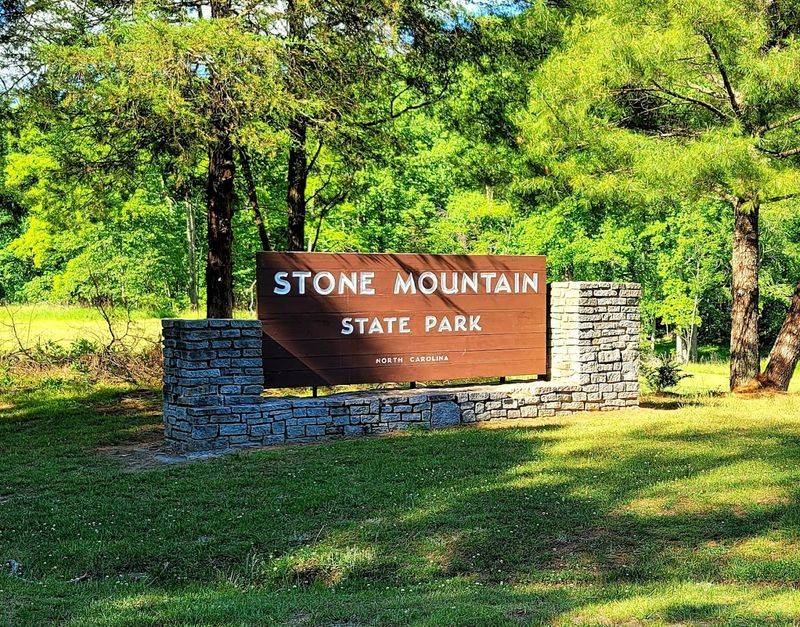
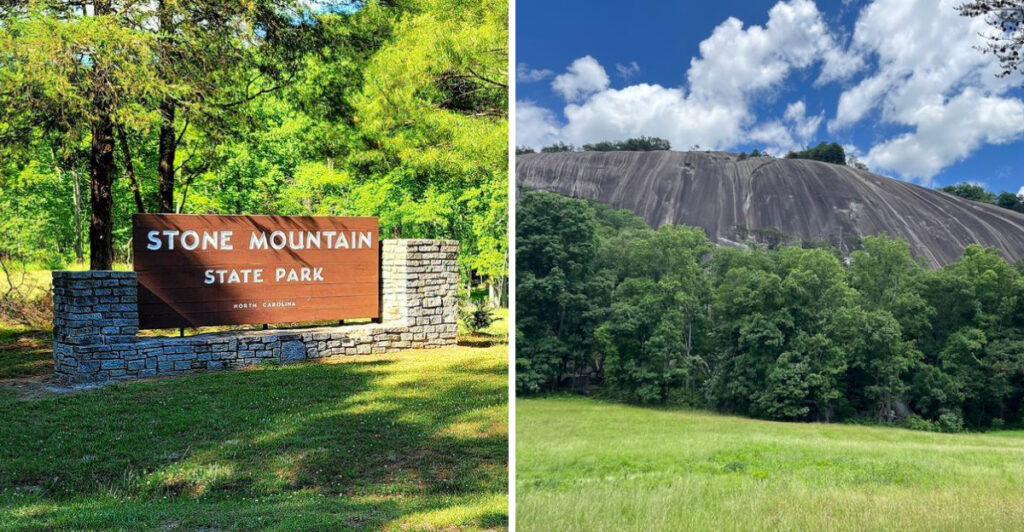
The address is 3042 Frank Pkwy, Roaring Gap, NC 28668, and the drive in already sets the tone for everything that follows. The winding road through Wilkes County feels like the world is slowly peeling away its noise, and by the time you reach the park entrance, your shoulders have dropped about two inches from where they started.
Stone Mountain State Park sits in the Brushy Mountains of the Blue Ridge foothills, covering roughly 14,000 acres of forests, streams, and exposed granite. The park is open every day from 7 AM to 8 PM, and admission is completely free, which makes it one of the best deals in North Carolina outdoor recreation.
The visitors center greets you with clean restrooms, a small but genuinely interesting one-room history museum focused on Wilkes County, and staff who are friendly and happy to point you toward the right trails for your fitness level. Cell service disappears almost entirely once you are inside the park, so download your maps before you leave home.
That small inconvenience is actually part of the charm.
The Granite Dome That Earns Every Photo
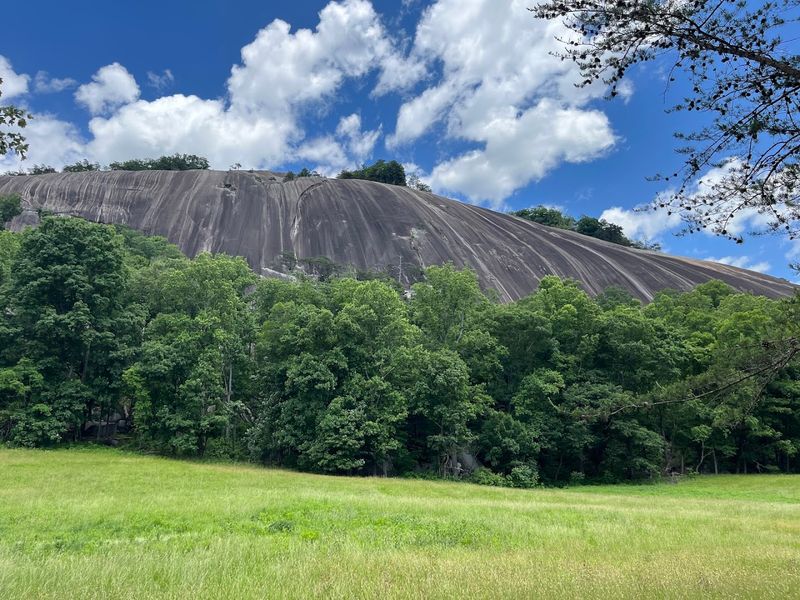
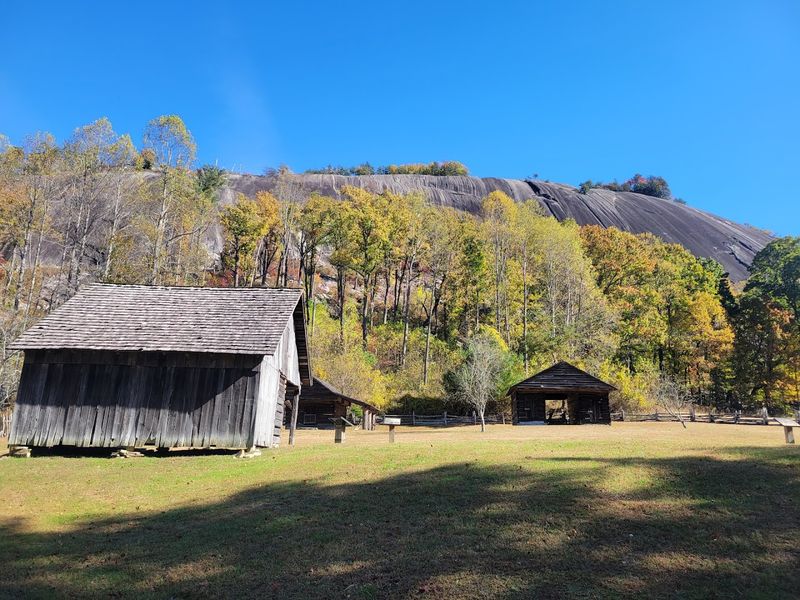
Few natural features in the eastern United States hit you with the same visual force as the granite dome at the heart of this park. The rock face rises about 600 feet above the surrounding landscape, and its smooth, curved surface reflects light in a way that makes it look almost metallic on bright days.
Stone Mountain is a pluton, meaning it formed deep underground from slowly cooling magma and was gradually exposed over millions of years as the softer rock above it eroded away. That geological backstory makes standing at its base feel a little more meaningful than just looking at a big rock.
From the lower trailheads, the dome dominates the skyline and draws your eyes upward constantly. Even visitors who choose not to hike to the summit get a memorable experience just by viewing it from the meadows and overlook points scattered throughout the park.
Every angle offers something different, and the light changes the whole mood of the rock face depending on the time of day you visit.
Widow’s Creek Falls: The 200-Foot Showstopper
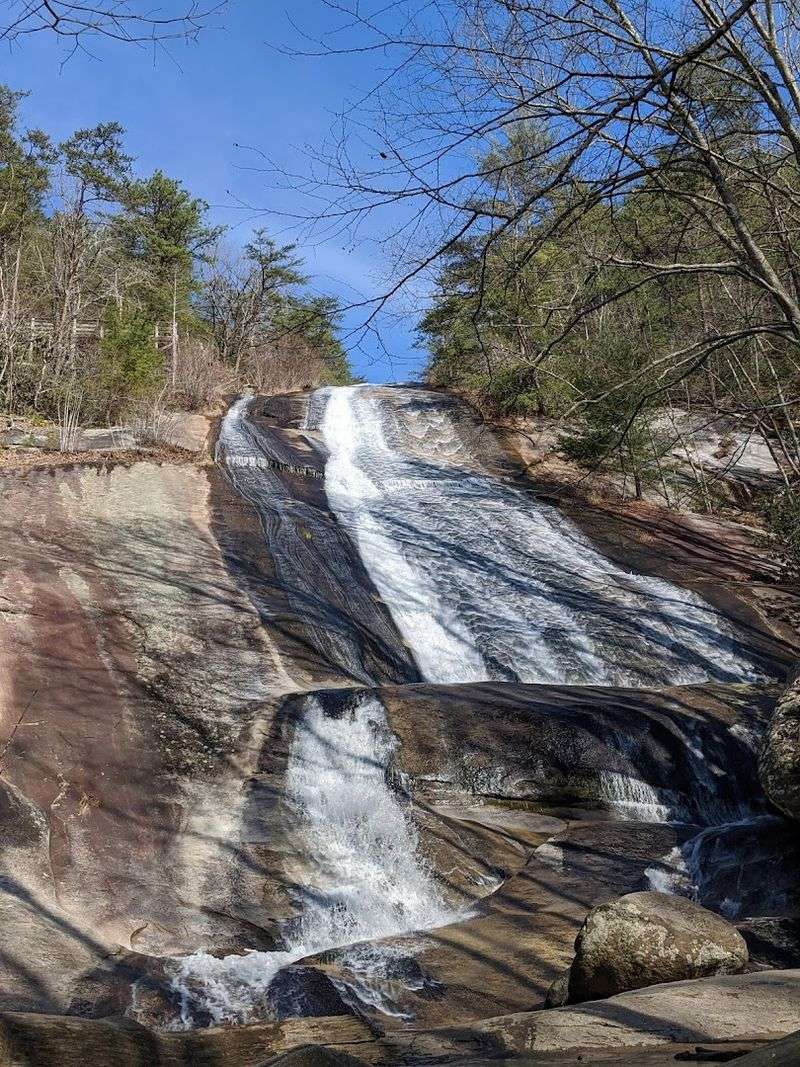
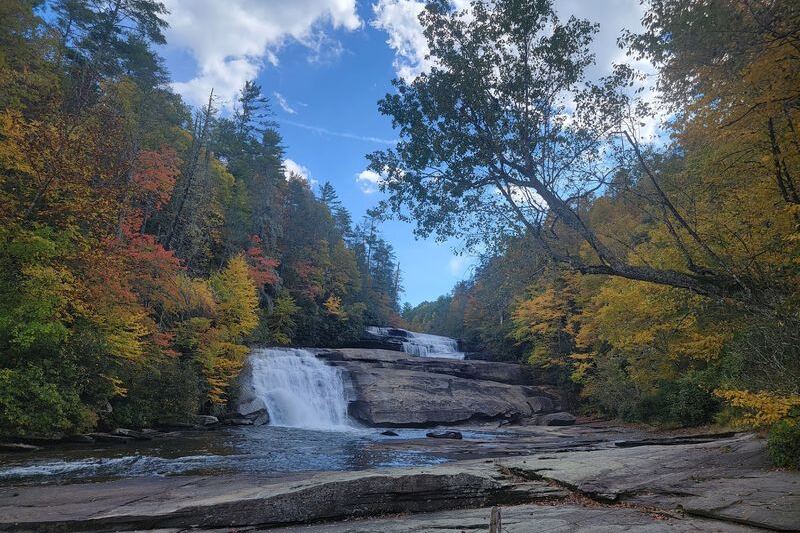
Widow’s Creek Falls is the kind of waterfall that makes people stop mid-sentence and just stare. The water drops approximately 200 feet in a series of cascades that fan out across the rock face, creating a wide curtain of white water that catches sunlight and mist in equal measure.
Access to the falls is surprisingly manageable. The easiest approach comes through the Widow’s Creek trail area, and the walk in is short enough that visitors with young children have done it comfortably.
During fall, the surrounding hardwoods turn brilliant shades of orange and red, framing the waterfall in a way that makes every photo look professionally staged.
Summer visits bring a different kind of reward, as the base of the falls creates a cool, misty atmosphere that feels refreshing after a warm hike. After rain, the volume of water increases dramatically, and the sound carries through the forest well before you actually see the falls.
Be cautious on the stairs and rock surfaces near the base, as they can get slippery when wet. The falls alone justify the drive from most parts of North Carolina.
Trail Options for Every Kind of Hiker
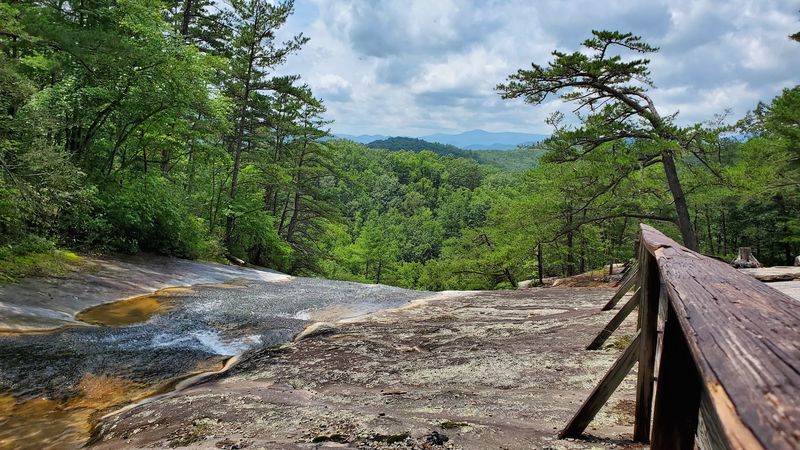
The trail network here is one of the most varied in the North Carolina state park system. Whether you want a quick thirty-minute nature walk or a full-day ten-mile loop through rugged terrain, the park has a route that fits your energy level and experience.
The Stone Mountain Summit Trail runs about 1.7 miles from the lower trailhead to the top and takes most hikers around fifty minutes to an hour. The final stretch gets steep, but the panoramic views from the bare granite summit make every labored step feel completely worth it.
On clear days, the horizon stretches far into the Blue Ridge mountains.
The Stone Mountain Loop is a longer challenge that intersects with the Mountains-to-Sea Trail, one of North Carolina’s most celebrated long-distance routes. Cedar Rock and Wolf Rock are additional granite outcroppings along the loop that reward hikers with their own dramatic views.
Trail markers are clear and well-maintained, and the park staff keeps the paths in good condition year-round. Dogs are welcome on the trails as long as they stay on a leash.
Rock Climbing on a Genuine Granite Face
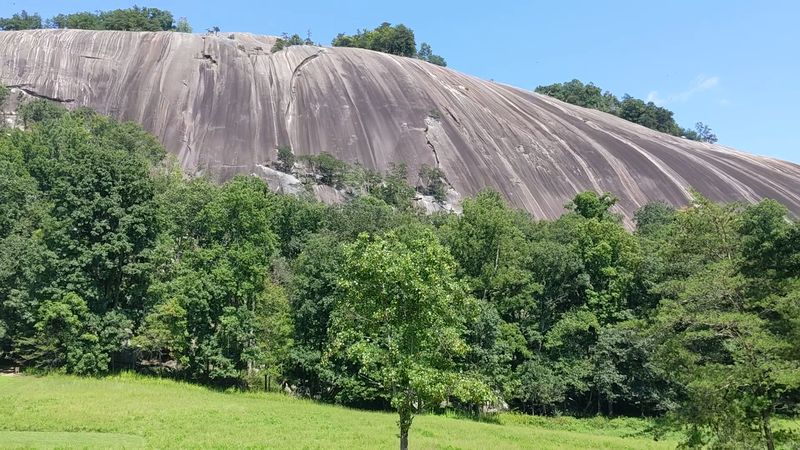
Not many state parks in the eastern United States offer legitimate granite face climbing, which makes Stone Mountain a genuine destination for the climbing community. The dome’s exposed rock provides a range of routes that attract both beginners working on their technique and experienced climbers seeking a more serious challenge.
A permit is required for technical climbing, and the park office can walk you through the process when you arrive. The climbing routes are well-documented within the climbing community, and the quality of the granite is considered excellent for friction and face climbing styles.
The sheer scale of the dome means there is always a route available even when the park is busy.
Even hikers with no climbing gear get something out of watching climbers work their way up the face from below. The perspective makes the dome’s size register in a way that simply looking at it from a distance does not.
If you have ever been curious about rock climbing but never tried it, this park is one of the more inspiring places in the Southeast to start thinking seriously about taking a lesson. The rock is waiting.
The Hutchinson Homestead and Living History
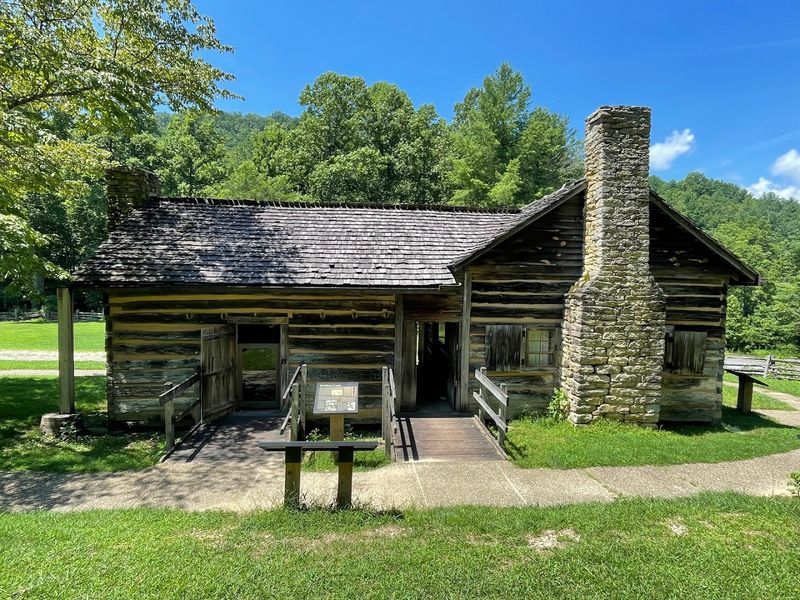
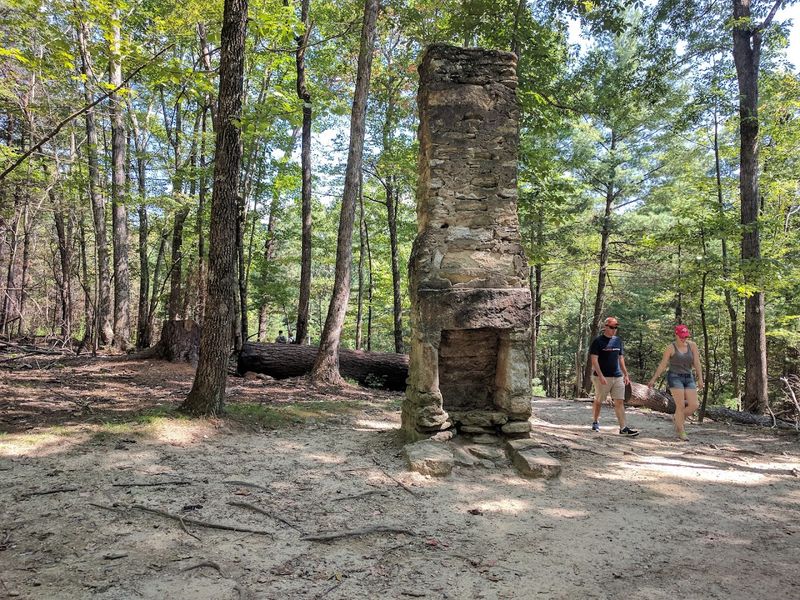
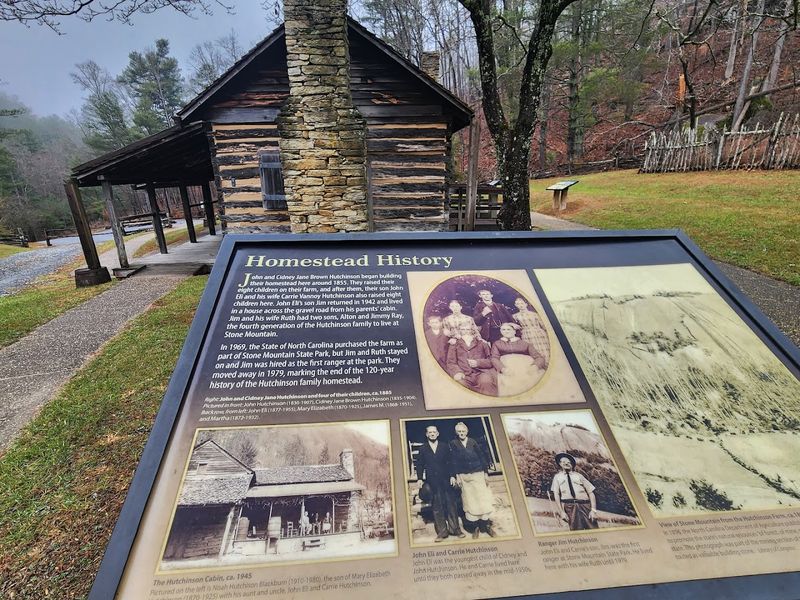
History enthusiasts get their own reward at Stone Mountain State Park in the form of the Hutchinson Homestead, a collection of restored structures that date back to the 1800s. The homestead includes original log cabins, a barn, a grist mill, and several outbuildings that paint a clear picture of what rural Appalachian life looked like over a century ago.
Interpretive signs throughout the homestead area explain the daily routines, tools, and challenges faced by the families who lived and farmed here. The attention to historical detail is impressive, and the setting within the park adds a layer of authenticity that a museum building simply cannot replicate.
You are standing on the actual land where these families built their lives.
The homestead is accessible via a dedicated path that also accommodates visitors with mobility limitations, making it one of the more inclusive spots in the park. Rangers are knowledgeable about the history of the area and happy to answer questions.
The combination of natural beauty and documented human history gives Stone Mountain a depth that keeps visitors thinking about it long after they have driven home. It is the kind of place that rewards curiosity.
Wildlife Encounters Along the Trails
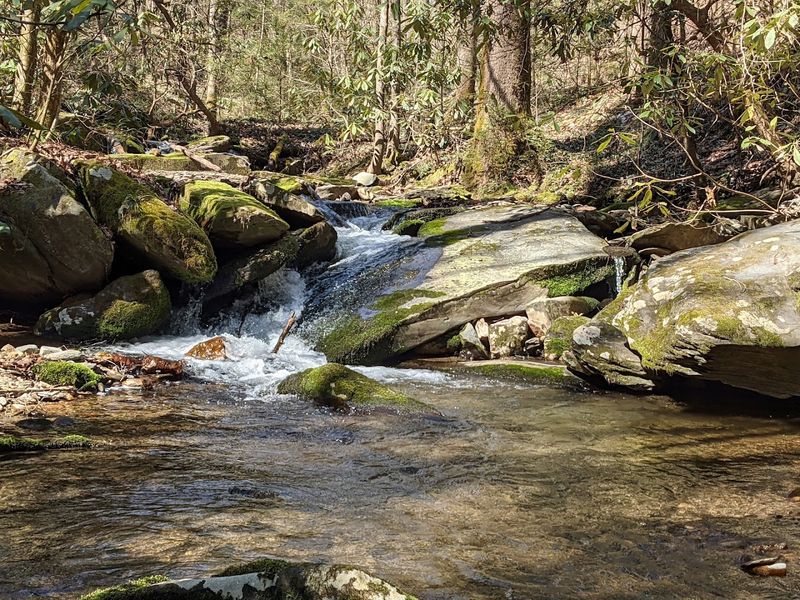
The wildlife at Stone Mountain State Park has a relaxed quality that suggests the animals here are used to respectful visitors. White-tailed deer appear regularly near the homestead area and along the lower trails, sometimes close enough that you can hear them moving through the underbrush before you spot them.
The park’s 14,000 acres of mixed hardwood and pine forest create a layered habitat that supports a wide variety of species. Songbirds are active throughout the warmer months, and the creeks running through the park hold native trout populations that attract both herons and anglers.
Squirrels and chipmunks are constant trail companions, always seemingly in the middle of some urgent errand.
Larger sightings are less predictable but not uncommon. Black bears are present in the region, and the park’s remote sections see less foot traffic, which increases your chances of a genuine wildlife moment if you get off the main loop.
The key is to move quietly and pay attention to what is happening around you rather than staring at your phone. The park’s no-cell-service situation actually helps with this, turning what sounds like an inconvenience into an unexpected advantage for wildlife watching.
Fishing the Park’s Streams and Creeks
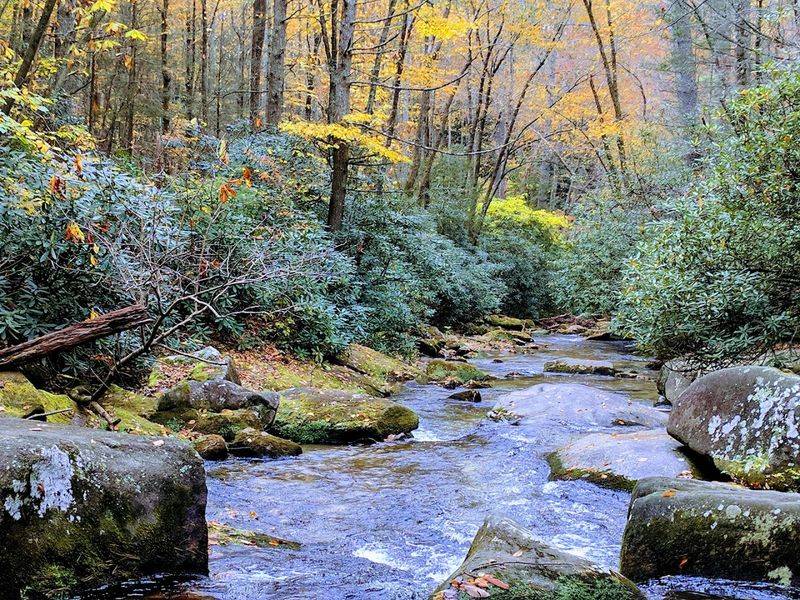
The streams running through Stone Mountain State Park are cold, clear, and stocked with trout, making them a serious draw for anglers who prefer their fishing with a backdrop of granite cliffs and hardwood forest. The park’s waterways are designated as Hatchery Supported waters, meaning they receive regular stockings to maintain fish populations for recreational fishing.
A valid North Carolina fishing license is required, and the park follows state regulations on catch limits and gear types. The creeks here are well-suited to fly fishing, with enough open sections to allow a decent cast and enough boulder-strewn pools to keep things interesting.
Early morning is the most productive time, when the light is low and the fish are active near the surface.
The combination of scenic surroundings and reliable trout populations makes this one of the more enjoyable fishing spots in the western Piedmont region. Families who are not experienced anglers can still enjoy the creek areas for wading and exploring the natural pools.
The water stays cold even in summer thanks to the elevation and the shade provided by the forest canopy. Pack a lunch and plan to spend a few hours by the water.
Camping Under the Stars at the Park’s Campground
The campground at Stone Mountain State Park consistently earns high marks for cleanliness, layout, and the sense of privacy between sites. The designers clearly thought about spacing, using natural brush and vegetation to separate campsites so that neighbors feel distant even when the campground is at capacity.
Both tent and RV camping options are available. Some RV sites come with full or partial hookups on paved pads, while tent sites are well-graveled and positioned for comfort and drainage.
Bathrooms and shower facilities are maintained to a standard that makes extended stays genuinely pleasant rather than just tolerable.
Waking up inside the park before the day hikers arrive is one of those experiences that makes camping feel like a privilege rather than a compromise. The morning light through the trees is soft and quiet, and the sounds of the forest replace whatever noise you left behind at home.
Two nights here barely covers the highlights, and most campers who stay for a weekend leave already planning their return trip. Reservations through the North Carolina State Parks system are recommended, especially for fall weekends when the leaf color draws larger crowds to the area.
Best Times to Visit and What to Expect Each Season
Fall is the undisputed peak season at Stone Mountain State Park. The hardwood forests surrounding the granite dome turn vivid shades of red, orange, and yellow from mid-October through early November, creating a visual contrast with the bare rock face that is genuinely hard to overstate.
The cooler temperatures also make the hike to the summit much more comfortable.
Spring brings wildflowers along the lower trails and rising water levels in the creeks, which means the waterfalls run at their fullest and most dramatic. Summer is warm but manageable at this elevation, and the forest canopy keeps trail temperatures reasonable.
The mist from Widow’s Creek Falls provides a natural cooling effect on hot afternoons.
Winter visits are quieter and offer a completely different atmosphere. Snow occasionally dusts the granite dome and surrounding forest, and the lack of leaves opens up long views through the trees that are simply not available in warmer months.
The park stays open year-round, though the shorter daylight hours mean you need to plan your hike timing carefully. No matter the season, checking the weather before you head out is always a smart move given the park’s elevation.
Practical Tips for Making the Most of Your Visit
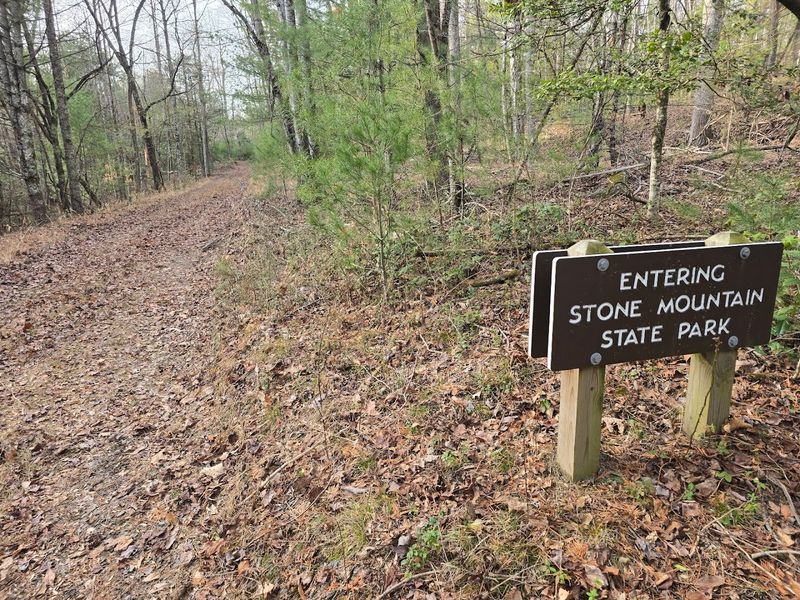
A few practical details can make the difference between a good visit and a great one at Stone Mountain State Park. The park opens at 7 AM every day and closes at 8 PM, which gives early risers a genuine advantage in terms of parking, trail conditions, and wildlife activity.
Arriving before 9 AM on weekends during fall almost guarantees a quieter experience.
Cell service is essentially nonexistent inside the park, so download offline maps and trail guides before you leave. The park’s website at ncparks.gov has current trail status information, which is worth checking since some sections undergo maintenance or construction periodically.
Pack more water than you think you need, especially for the summit trail.
The gift shop inside the visitors center has limited stock, so do not rely on it for trail supplies. The staff at the visitors center are genuinely helpful and can advise on current trail conditions and any closures.
For families with young children or visitors with mobility limitations, the rangers are knowledgeable about accessible routes and parking options throughout the park. You can reach the park directly at 336-957-8185 for any questions before your visit.
Why This Park Stays With You Long After You Leave
Some parks are beautiful in a straightforward, easy-to-describe way. Stone Mountain State Park is something slightly harder to put into words, because the combination of elements here creates an experience that feels larger than the sum of its parts.
A massive granite dome, a 200-foot waterfall, historic homesteads, miles of trails, cold trout streams, and free admission all in one place is a genuinely rare package.
The park has a 4.8-star rating from nearly 3,700 reviews, which is not a number that happens by accident. It reflects the consistency of the experience across different seasons, visitor types, and expectations.
Families, solo hikers, climbers, anglers, history enthusiasts, and campers all seem to find exactly what they came for here.
The drive home always involves a conversation about when to come back, which trail to tackle next, or whether to try camping instead of day tripping. That kind of lingering enthusiasm is the best measure of a place worth visiting.
Stone Mountain State Park earns it honestly, through real scenery, real history, and a natural landscape that asks nothing of you except your full attention while you are standing inside it.
Share this story