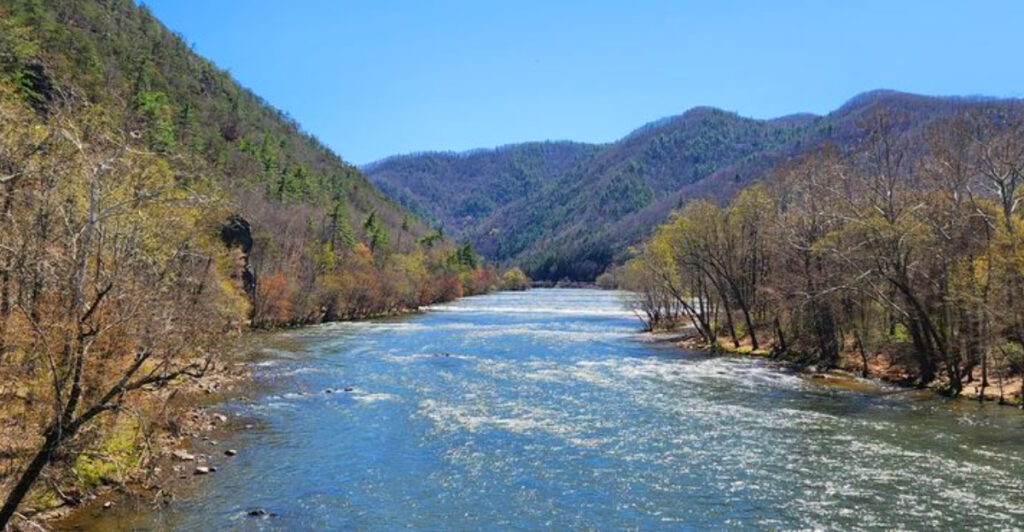
There is a river in North Carolina that has been flowing for so long, it was already ancient before the mountains around it fully formed. Most rivers follow the shape of the land, but this one carved its own path long before the Appalachians rose up around it, which makes it a true geological wonder.
Scientists believe it could be one of the oldest rivers on the entire planet, possibly hundreds of millions of years old. From wildlife and whitewater to peaceful paddling and stunning views of the Biltmore Estate, this river has so much to offer that it is hard to know where to start.
Keep reading, because this story gets better with every bend.
A River With an Address as Storied as Its Age
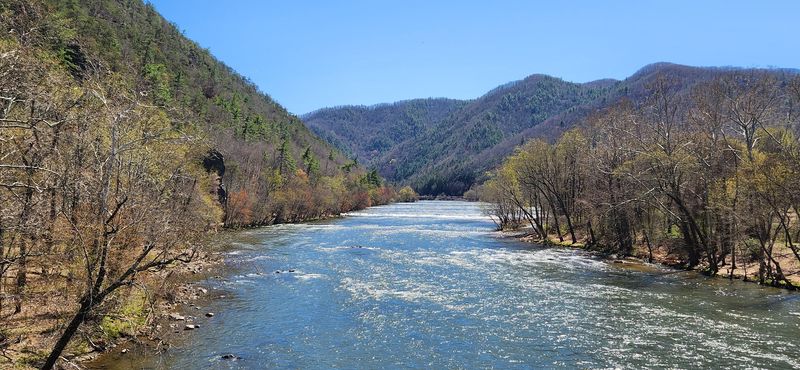
The French Broad River flows through Asheville, North Carolina, and its coordinates place it at approximately 35.6613593, -82.6250037, right in the heart of the Southern Appalachian Mountains.
The river stretches roughly 117 miles from its headwaters in Rosman, NC, all the way north into Tennessee, where it eventually joins the Holston River to form the Tennessee River.
What makes this location so fascinating is that the river actually predates the mountains surrounding it. As the Appalachians slowly rose over millions of years, the French Broad kept cutting downward, maintaining its ancient course rather than being redirected.
That stubborn persistence is part of what makes geologists so excited about this waterway. Asheville itself has grown up around the river, and today the French Broad serves as a central feature of the city’s outdoor identity.
Whether you are driving along Amboy Road or launching a kayak near Carrier Park, the river is always close by, threading through the landscape like a living timeline that connects the deep past to the very present moment.
One of the Oldest Rivers on Earth
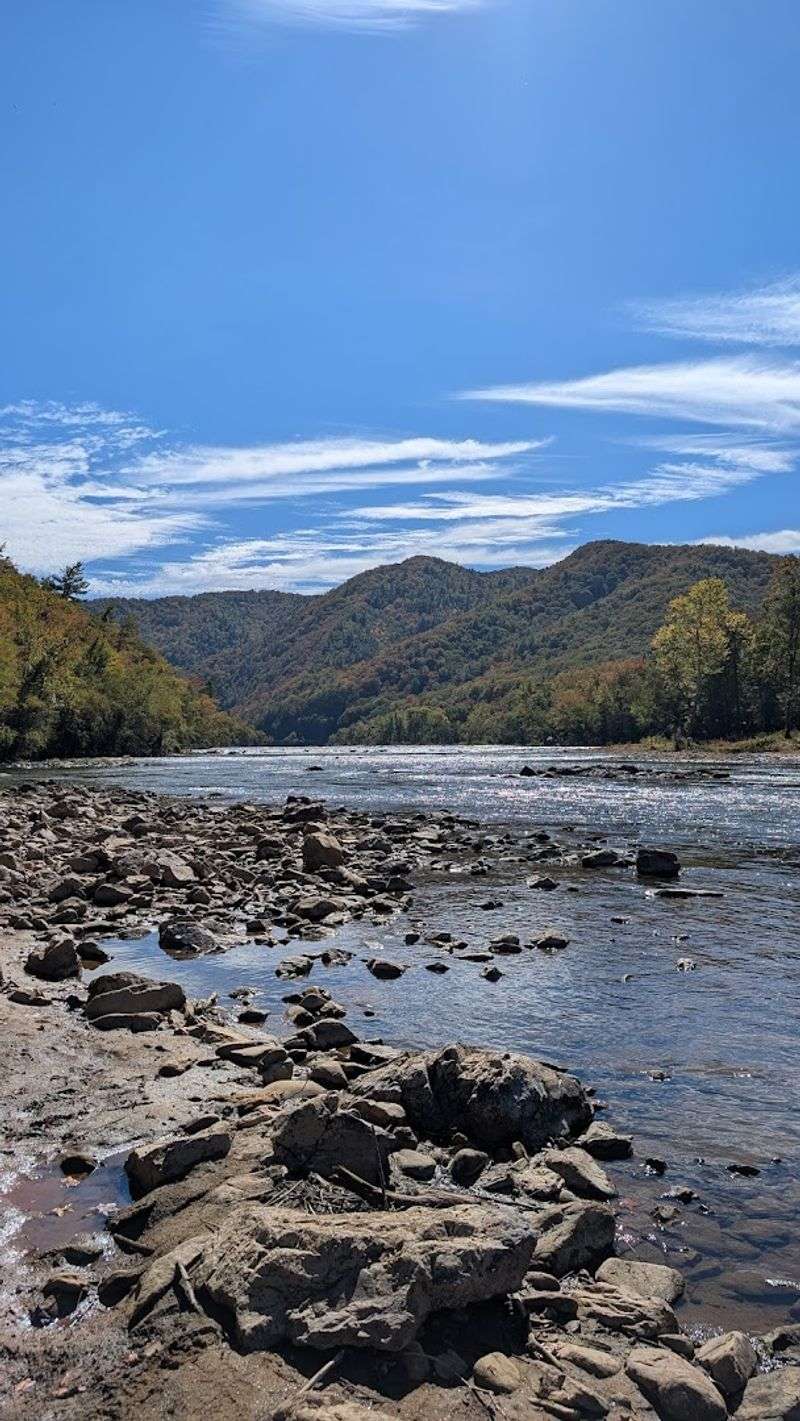
Most rivers on Earth are relatively young in geological terms, often just a few million years old at most. The French Broad River, however, is believed to be somewhere between 300 and 340 million years old, placing it among the most ancient waterways on the planet.
Only a handful of rivers worldwide are considered older, including the Nile and possibly the New River in Virginia and West Virginia, which ironically shares the title of one of the oldest rivers despite its misleading name.
The reason the French Broad is so old comes down to a concept called stream capture and antecedent drainage. Basically, the river existed before the mountains did, and as the land slowly pushed upward around it, the river just kept on flowing, refusing to change direction.
This is called an antecedent river, and it is a genuinely rare thing in nature. The surrounding rock layers tell this story clearly to anyone who studies them closely.
Flowing against the grain of the mountains rather than along it, the French Broad carved a path that geologists still study today as a window into how ancient landscapes were shaped over deep time.
The Curious Story Behind the Name
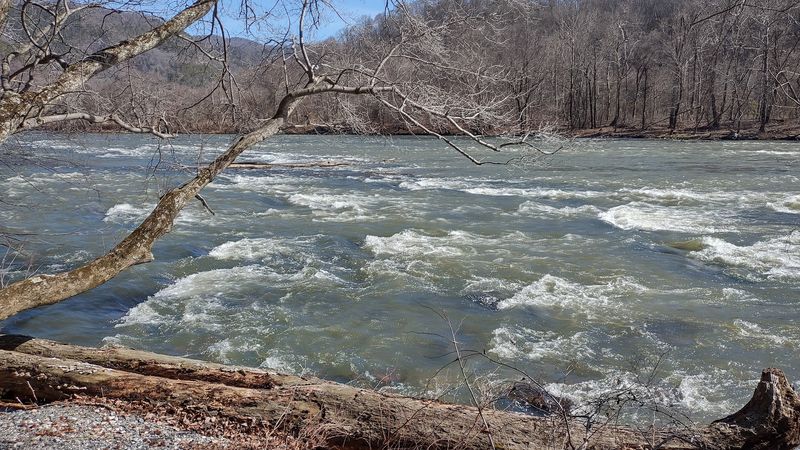
The name French Broad River has always turned a few heads, and for good reason. It sounds almost like a description rather than a proper name, and in many ways, that is exactly what it is.
Back in the late 1600s, the river’s two main forks were settled by different European groups. One fork was claimed by English settlers and became known as the English Broad River, while the other fork was associated with French territory and became the French Broad River.
Over time, the English Broad simply became the Broad River, and the French Broad kept its full name, creating the slightly puzzling combination we use today.
The word broad in this context simply means wide, which is a fair description of the river in many stretches. So the name is really just telling you that this is the wide river on the French side of things.
Cherokee peoples knew this river long before European settlers arrived, calling it Tah-kee-os-tee, which translates roughly to racing waters. Both names capture something true about the river, one its width and colonial history, the other its energy and spirit.
Whitewater That Will Get Your Heart Racing
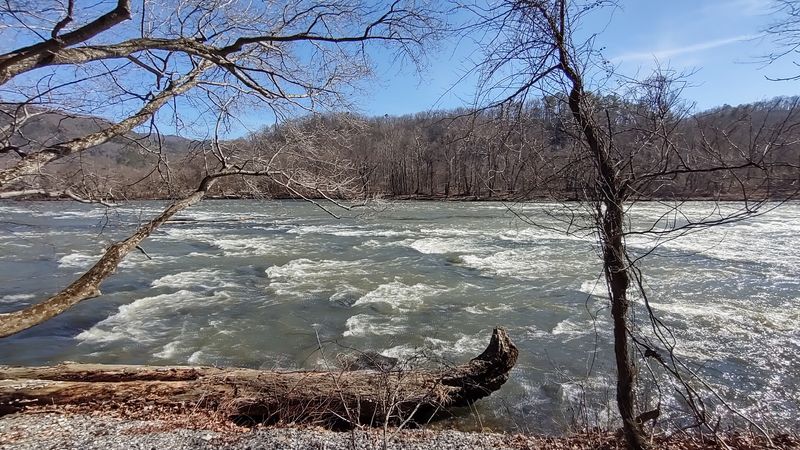
The French Broad River is not all slow, scenic drifting. There are sections of this river that will absolutely challenge you, and the whitewater near Hot Springs, NC, is legendary among paddlers across the Southeast.
The stretch through the Pigeon River gorge area and the Class III and IV rapids near the Tennessee border attract experienced kayakers and rafters who want a serious workout on the water.
Several outfitters in the Asheville area offer guided whitewater rafting trips, making it accessible even for people who have never paddled a day in their lives. The guides are experienced, safety gear is always provided, and the scenery along the way is genuinely spectacular.
Reviews from visitors consistently praise the whitewater experience as one of the most memorable outdoor activities in western North Carolina. The combination of fast water, mountain views, and cool spray on a summer afternoon is hard to beat.
Safety is always the priority on the river, so wearing a life jacket is non-negotiable, and paddling with a guide your first time is strongly recommended. The river rewards respect, and those who give it that tend to have the best time.
Tubing and Lazy Floats for the Rest of Us
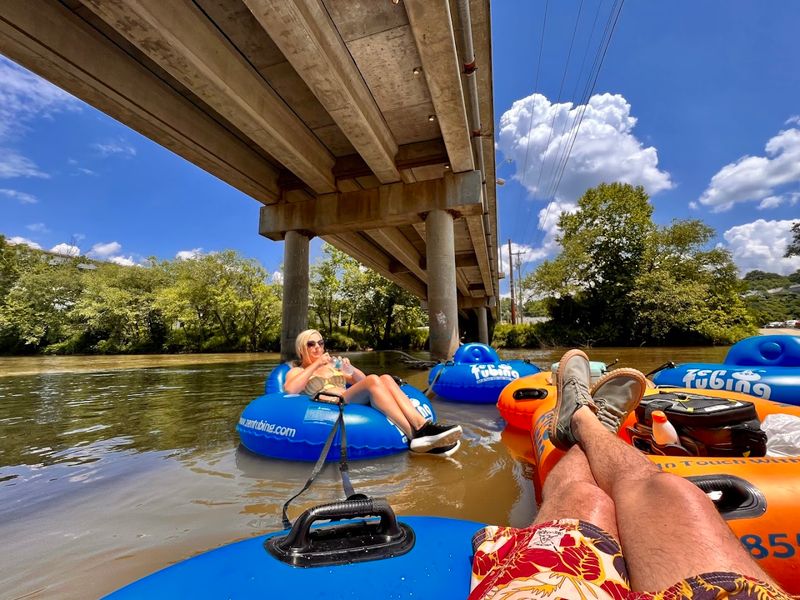
Not everyone wants to wrestle with rapids, and the French Broad River has plenty of room for those who prefer their water adventures on the more relaxed side. Tubing on the calmer stretches near Asheville is a beloved local tradition that draws families, college students, and everyone in between.
The section running through Asheville near Carrier Park is particularly popular for tubing, with a gentle current that lets you drift along without much effort at all. Several local outfitters rent tubes and offer shuttle services so you do not have to worry about logistics.
The water is clean and refreshing, especially during the heat of a North Carolina summer, and the scenery along the banks shifts between wooded stretches and glimpses of the city skyline. It is one of those rare activities where doing absolutely nothing feels like an accomplishment.
Locals who have grown up near the river often describe tubing as something they return to every summer without fail. The river has a way of making time feel slower and more generous than it actually is.
Bring sunscreen, wear a life jacket even in calm water, and pack a snack for the float. A few hours on the French Broad has a way of resetting even the most frazzled mind.
Paddling Past the Biltmore Estate
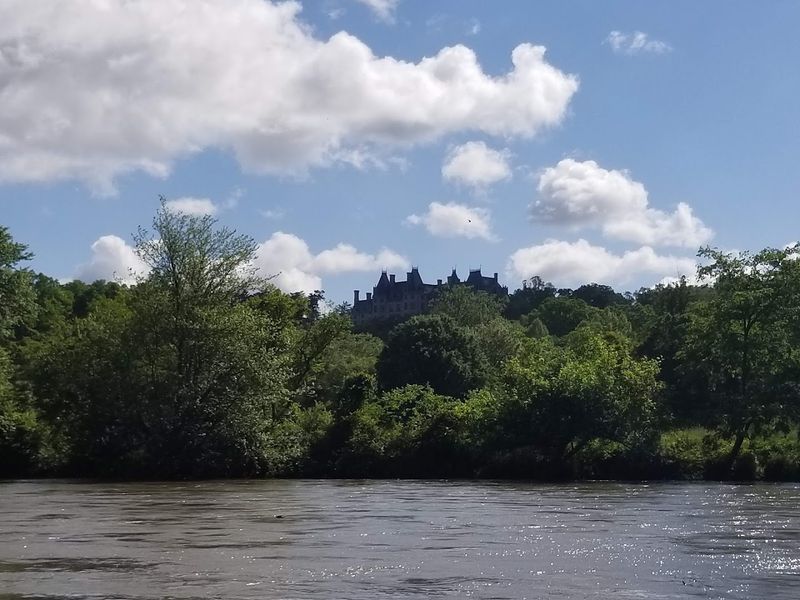
One of the most unexpectedly magical things you can do on the French Broad is paddle through Asheville and catch a glimpse of the Biltmore Estate from the water. The famous 8,000-acre estate, built by George Vanderbilt in the 1890s, sits right along the river’s edge, and the view from the water is completely different from anything you see on a standard estate tour.
Canoeists and kayakers who make this run through town often describe the moment the mansion comes into view as genuinely surreal. You are floating on one of the oldest rivers in the world, looking up at one of the grandest homes ever built in America, and somehow the combination just works.
The paddle from the Sierra Nevada Brewery on Airport Road to Carrier Park is a popular route that takes roughly four to six hours and passes several notable landmarks along the way. River otters, great blue herons, and various waterfowl are regular sightings on this stretch.
Renting a kayak or canoe in Asheville is straightforward, with multiple outfitters offering half-day and full-day options. The current is gentle enough through town that beginners can handle it comfortably with basic paddling skills.
Wildlife Along the Banks That Will Surprise You
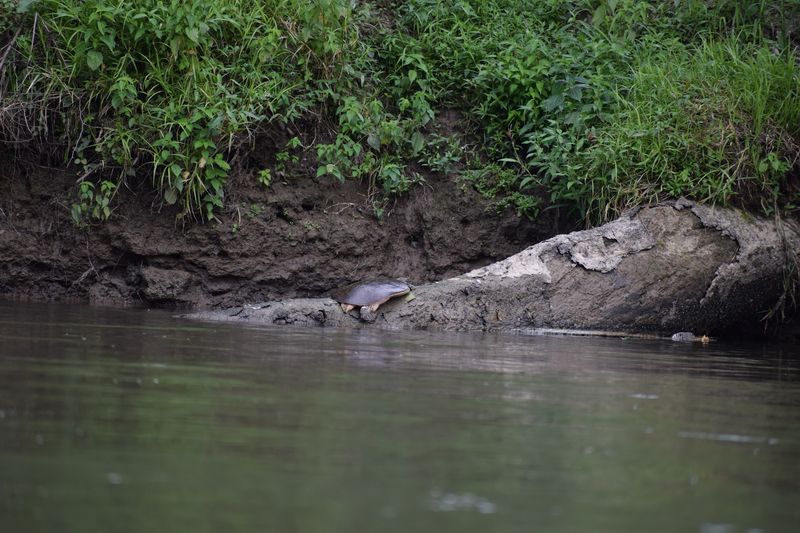
The French Broad River corridor is one of the most biologically rich areas in the eastern United States, and spending time on or near the water makes that very clear very quickly. River otters are one of the most exciting sightings, and they are spotted regularly by paddlers and hikers along the banks.
Great blue herons are almost always present, standing motionless in the shallows with that particular brand of patient intensity that makes them look like they know something you do not. Bald eagles have also been spotted in the area, particularly in the quieter stretches away from town.
The river supports a healthy fish population, including rainbow trout, largemouth bass, smallmouth bass, and various species of chub. Anglers regularly pull respectable catches from the water, and the thrill of landing a three-pound trout in a mountain river is genuinely hard to match.
The flora along the banks is equally impressive, with sycamore, river birch, and rhododendron creating a layered canopy that changes color beautifully through the seasons. Spring and fall are particularly striking times to visit for anyone who cares about scenery.
The river acts as a wildlife corridor connecting larger wild areas, which is part of why the biodiversity here remains so strong despite the proximity to a growing city.
Camping Right on the Riverbank
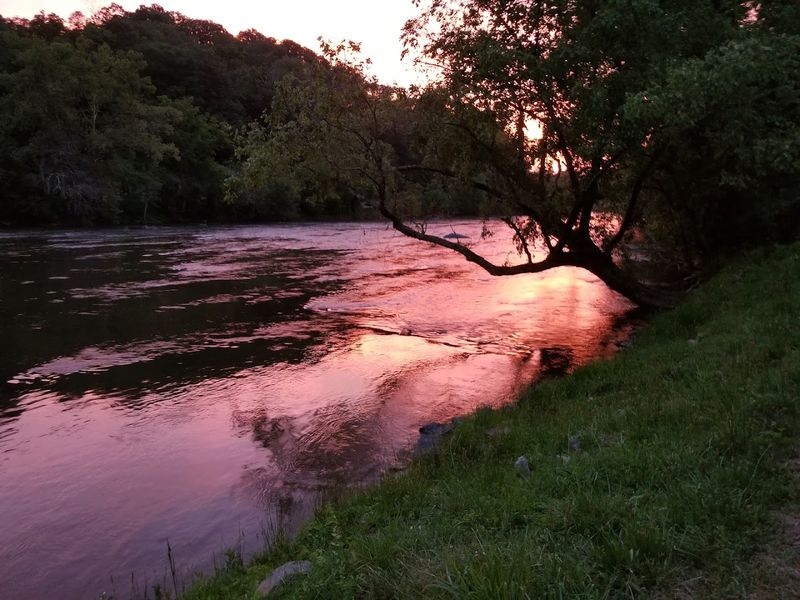
There is something genuinely restorative about falling asleep to the sound of moving water, and the French Broad River offers several spots where camping right on the bank is possible. Visitors who have done this consistently describe it as one of the most peaceful experiences western North Carolina has to offer.
Several campgrounds along the river corridor provide direct riverbank access, with some sites sitting close enough to the water that you can hear every ripple from inside your tent. The combination of clean mountain air, river sounds, and a sky full of stars makes for a pretty compelling case to ditch the hotel.
French Broad River Campground near Hot Springs is one well-known option, offering both tent and RV sites with direct river access. The area around Hot Springs also has natural mineral springs nearby, which adds an extra layer of interest to any overnight trip.
Water levels and current conditions can change quickly in mountain rivers, so always check forecasts before camping close to the bank. The river rose dramatically during Hurricane Helene in September 2024, reminding everyone that respect for natural waterways is always essential.
For families with kids, a riverside campsite turns an ordinary weekend into something the whole group will talk about for years after the trip ends.
The River’s Role in Asheville’s Culture and Identity
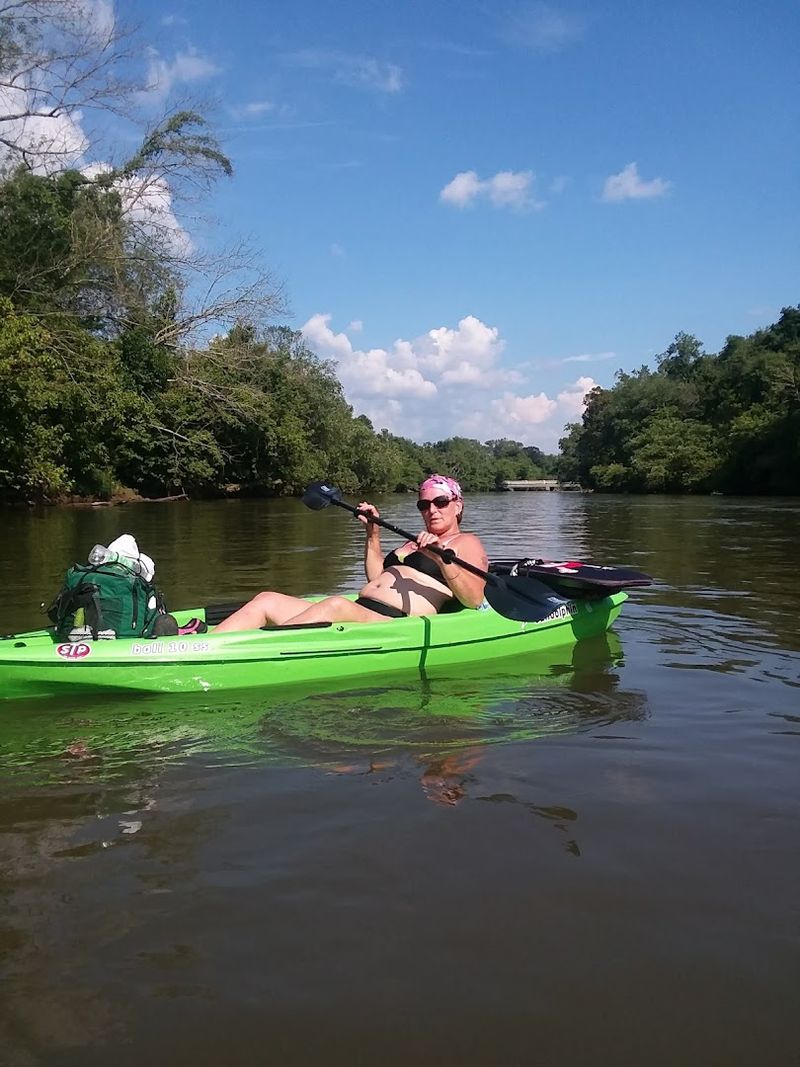
Ask any longtime Asheville resident what defines the city, and the French Broad River will come up quickly. The river is not just a backdrop for outdoor activities; it is woven into the actual identity of the place in ways that go beyond geography.
The River Arts District, which runs along the western bank of the French Broad, is one of Asheville’s most vibrant creative neighborhoods. Former industrial buildings have been transformed into studios, galleries, restaurants, and breweries, all oriented toward the river that flows past their doorsteps.
Community events like river cleanups, paddling festivals, and outdoor concerts near the water draw residents together in a way that reinforces how central the river is to local life. The French Broad River Park near Amboy Road is a popular gathering spot for picnics, yoga classes, and casual riverside relaxation.
The river also carries a sense of shared history that locals feel strongly about. Generations of Asheville families have swum in it, fished from its banks, and watched it flood and recover, creating a collective relationship with the water that is hard to replicate with any other landmark.
That deep connection between city and river is part of what makes Asheville feel distinct from other mountain towns of a similar size.
Best Times to Visit and What to Expect Each Season
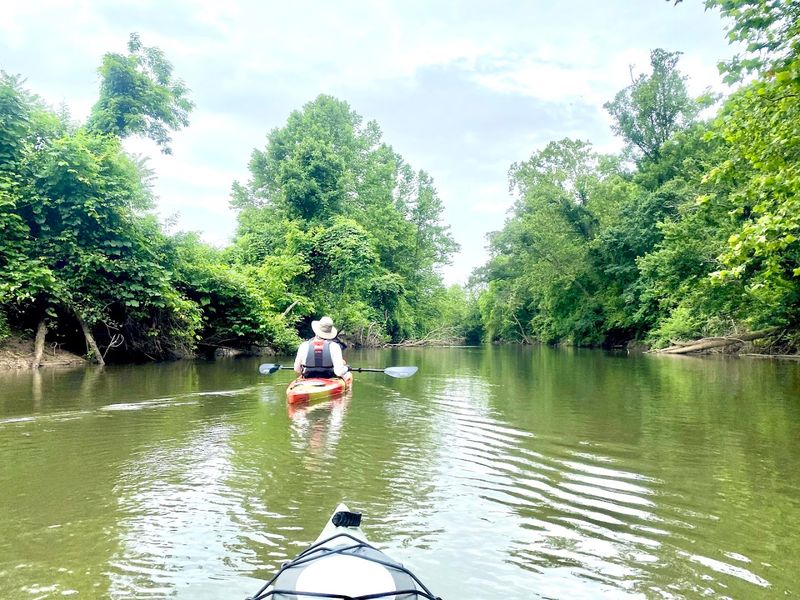
The French Broad River is worth visiting in every season, but each time of year offers a genuinely different experience. Summer is the most popular window, with warm water temperatures making tubing, swimming, and kayaking all highly enjoyable from roughly June through early September.
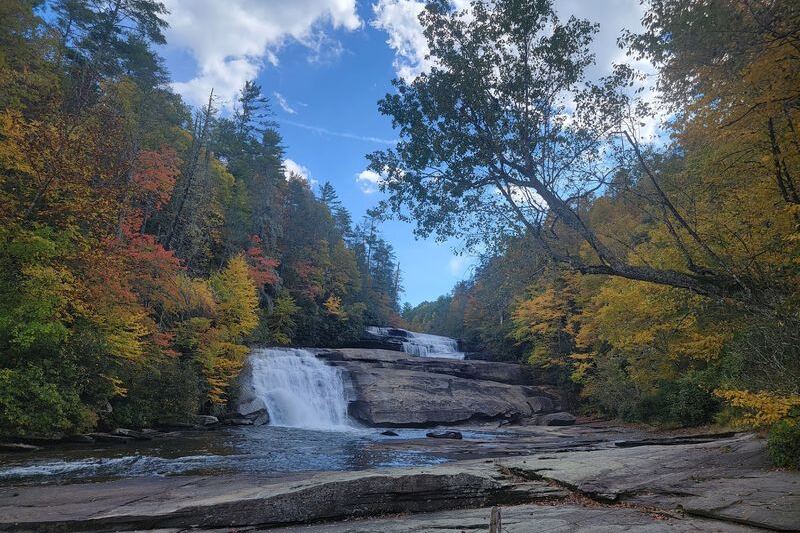
Fall is arguably the most visually dramatic season on the river. The surrounding Appalachian forests turn brilliant shades of orange, red, and gold, and the reflections on the water during calm mornings are the kind of thing that makes people stop mid-paddle just to look around.
Spring brings higher water levels from snowmelt and rain, which makes the whitewater sections more intense and exciting for experienced paddlers. The wildflowers along the banks during April and May are an added bonus that hikers and birders particularly appreciate.
Winter is quiet and uncrowded, and while swimming is obviously off the table, the river takes on a stark, beautiful quality that rewards those willing to bundle up and walk the banks. Wildlife sightings can actually be easier in winter when the vegetation thins out.
Whatever season brings you here, checking current water conditions and weather forecasts before heading out is always a smart first step for a safe and enjoyable visit.
Fishing the French Broad: What Anglers Should Know
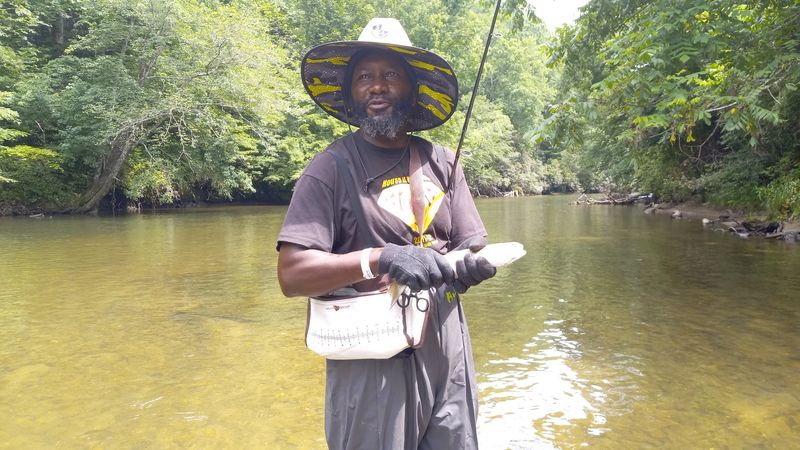
Fishing on the French Broad River is a serious pursuit for many people in western North Carolina, and the river earns its reputation as a productive fishery across multiple species. Rainbow trout, brown trout, largemouth bass, smallmouth bass, and rock bass are among the most commonly targeted fish in these waters.
The upper sections of the river near Rosman and Brevard tend to be colder and more suitable for trout fishing, while the warmer, slower stretches near Asheville and downstream are better suited to bass and other warm-water species. Knowing which section to target based on what you are after makes a big difference.
A valid North Carolina fishing license is required for anyone over the age of 16, and certain sections of the river are designated as catch-and-release only, so checking the current regulations before you go is essential. The North Carolina Wildlife Resources Commission website is the most reliable source for up-to-date rules.
Fly fishing is particularly popular on the upper river, and several local guide services offer half-day and full-day float trips for anglers of all skill levels.
The reward of landing a wild trout in a mountain river surrounded by old-growth forest is the kind of payoff that keeps anglers coming back to the French Broad season after season.
A River Worth Protecting for the Next Million Years
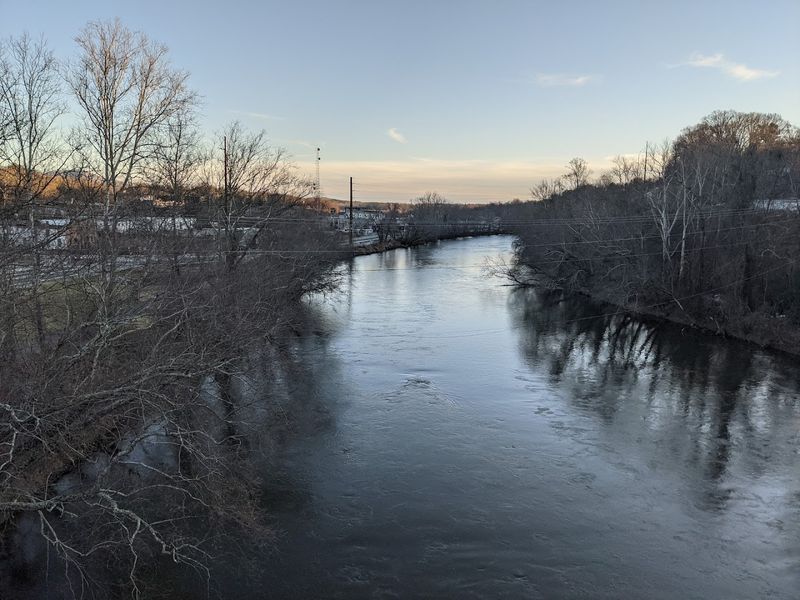
The French Broad River has survived hundreds of millions of years of geological change, but the last century brought challenges of a very different kind. Industrial pollution, agricultural runoff, and urban development pushed the river into serious decline through much of the 20th century, and by some accounts it was once considered one of the most polluted rivers in the eastern United States.
Conservation efforts that began in earnest during the 1970s and 1980s gradually turned that story around. The French Broad River Keeper program, along with numerous local environmental organizations and community volunteers, worked steadily to clean up the water and hold polluters accountable.
The results have been genuinely encouraging.
Today the river supports a recovering ecosystem, and water quality has improved dramatically compared to its lowest point. That progress is a direct result of sustained community effort and regulatory action, and it serves as a strong reminder that rivers can bounce back when people commit to protecting them.
Hurricane Helene in September 2024 caused historic flooding that reshaped sections of the riverbank and reminded the entire region just how powerful the French Broad can be when conditions push it to its limits.
Supporting local conservation groups and following leave-no-trace principles when you visit is the most direct way any traveler can contribute to keeping this ancient river healthy for generations to come.
Share this story