North Carolina has a lot going for it, but few places in the state pack as much culture, history, and outdoor beauty into one address as this remarkable art destination in Raleigh. We are talking about a free world-class museum that holds a permanent collection spanning 5,000 years, two architecturally distinct buildings, and a 164-acre outdoor park filled with sculptures, trails, and surprises around every bend.
I visited on a warm Wednesday, and honestly, I was not prepared for how much there was to see and do. By the end of my visit, my feet were tired, my phone was full of photos, and I was already planning my return trip.
The Address, Location, and First Impressions
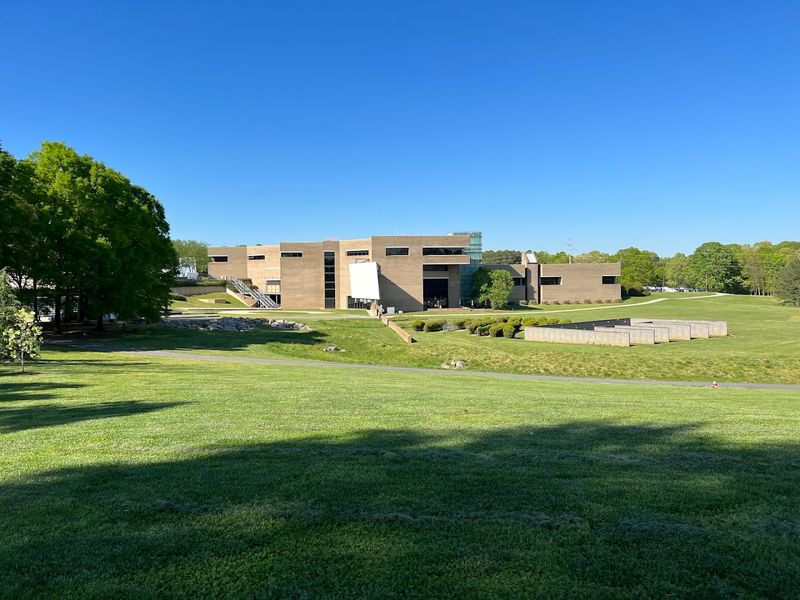
The North Carolina Museum of Art sits at 2110 Blue Ridge Rd, Raleigh, NC 27607, and the moment you pull into the parking lot, which is completely free, you get a sense that this place means business. The grounds are wide and well-kept, and the two main buildings immediately catch your eye with their contrasting architectural personalities.
I had driven past this part of Raleigh before without ever stopping, which I now deeply regret. The museum is open Wednesday through Sunday from 10 AM to 5 PM and is closed on Mondays and Tuesdays, so plan your visit accordingly.
You can reach the museum by phone at +1 919-839-6262 or visit their website at ncartmuseum.org for event schedules and exhibit updates. The surrounding area along Blue Ridge Road is easy to navigate, with clear signage directing visitors to the main entrance and the welcome center.
What struck me most on arrival was the sheer scale of the property. This is not a tucked-away neighborhood gallery.
It is a full destination, the kind of place you schedule a whole day around, and one that competes with top museums I have visited across the country, including those far outside North Carolina.
A Free Museum With a World-Class Permanent Collection
One of the first things that genuinely surprised me about this museum is that admission to the permanent collection is completely free. Not discounted, not pay-what-you-wish, but fully, unapologetically free.
For a collection that spans 5,000 years of human creativity, that is an extraordinary value.
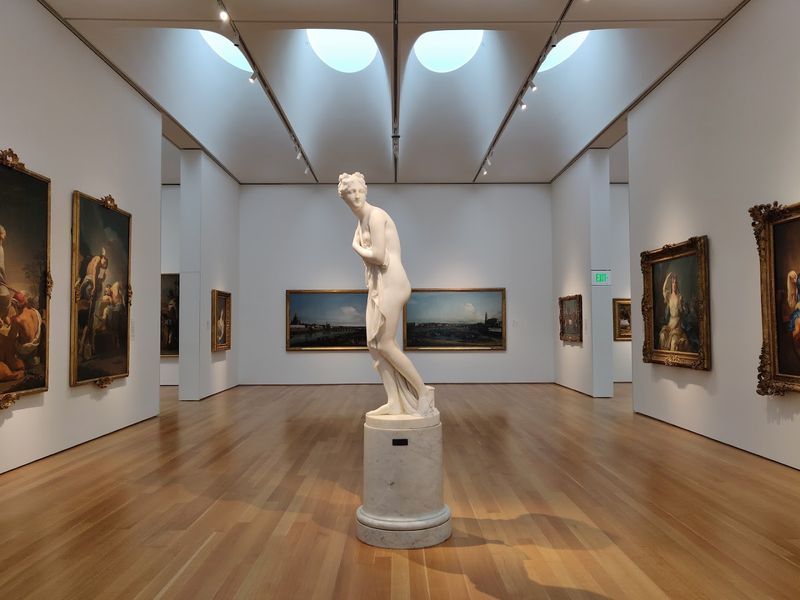
The permanent galleries include European classics, African art, ancient Egyptian and Greek antiquities, American works, and modern and contemporary pieces. During my visit, I stood in front of an original Picasso and a stunning Auguste Rodin sculpture, both housed here without a ticket required.
The curation is thoughtful and accessible. Each gallery is spacious, well-lit with a smart mix of natural and artificial light, and arranged so that visitors never feel crowded or rushed.
Printed interpretation materials are available throughout, which makes the experience genuinely educational without feeling like a lecture.
Special traveling exhibits do carry a separate ticket cost, and based on past shows like the Rembrandt-era Book of Esther collection, they are well worth the extra investment. The quality of programming here rivals institutions in much larger cities, and that is not something you hear about every museum in the American South.
Two Buildings, Two Very Different Vibes
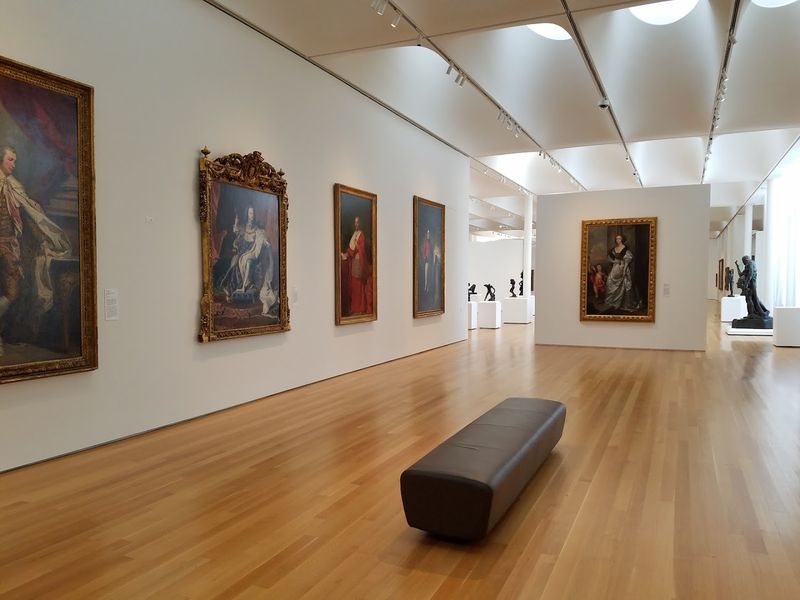
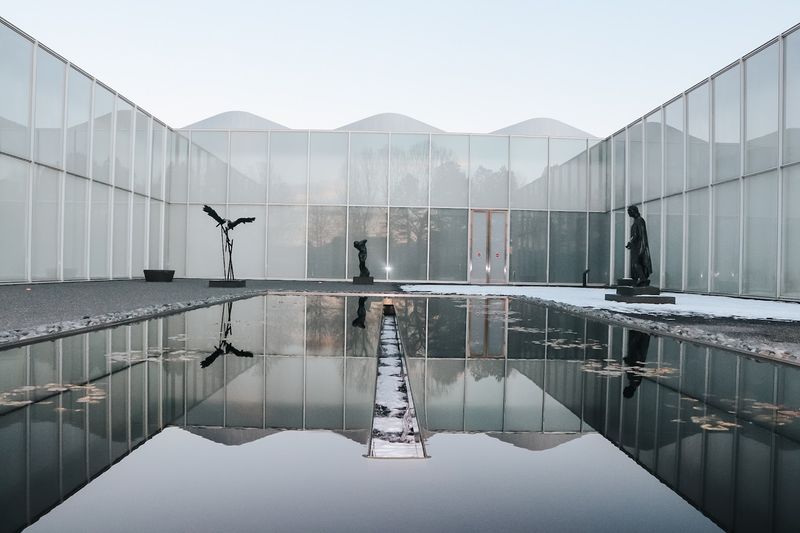
Most people do not realize until they arrive that the North Carolina Museum of Art is actually spread across two separate buildings, each with its own personality. The West Building has a more traditional feel, with a warmer, gallery-style atmosphere that suits the classical and historical collections housed inside.
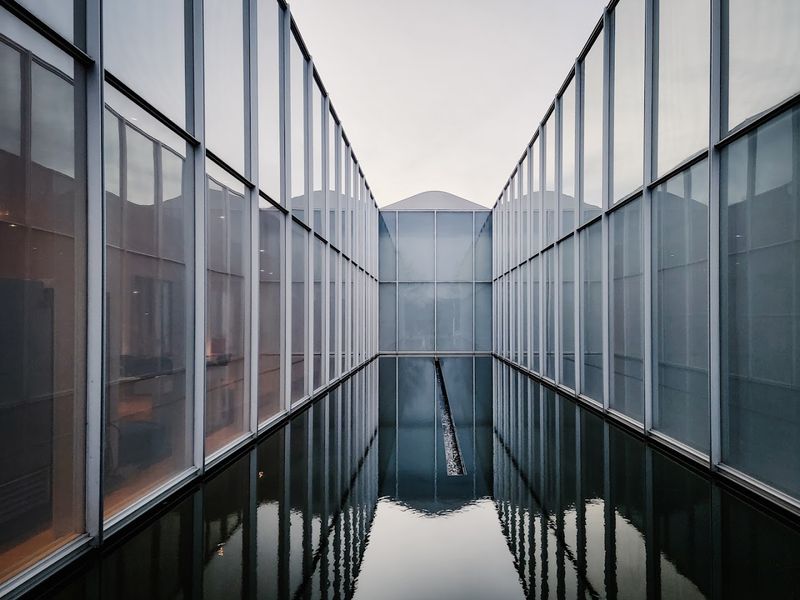
The East Building leans modern. Its architecture is bold and geometric, with open, airy spaces that feel designed to let the art breathe.
The contemporary and modern collections fit perfectly in this environment, and the natural light that floods through the large windows adds an almost meditative quality to the experience.
Exploring both buildings in one visit is completely doable and genuinely fun. I found myself doubling back between them, comparing how different the energy felt, and appreciating how the museum team had clearly thought about matching space to content.
There is also a cafe inside that serves tea, coffee, and pastries, which became my very welcome mid-visit pit stop. A gift shop offers books, jewelry, small artworks, and other unique items.
Both buildings are connected by the surrounding museum park, which ties the whole experience together into something cohesive and memorable.
The 164-Acre Museum Park That Changes Everything
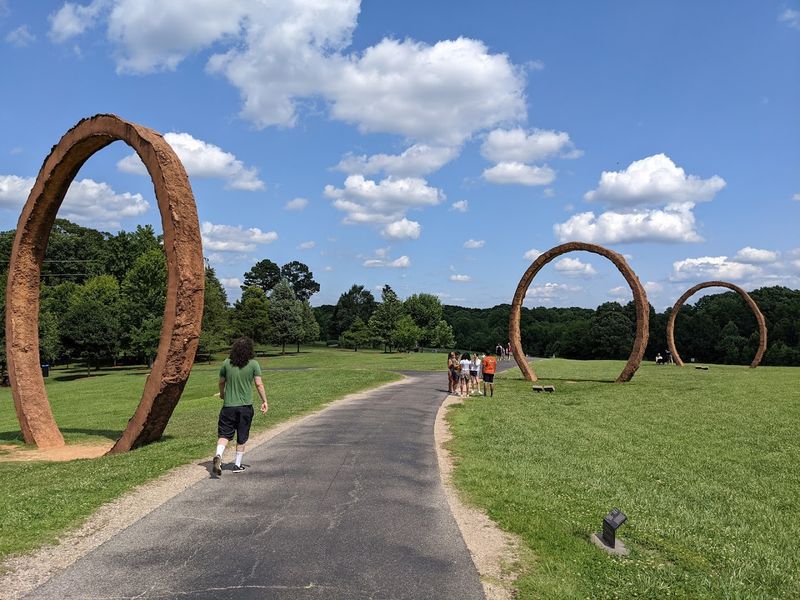
Here is where the North Carolina Museum of Art truly separates itself from every other museum I have visited, including several well-known institutions I toured during a road trip through the Southeast and even one memorable stop inspired by a trip that began in Oklahoma. The outdoor museum park covers 164 acres of beautifully landscaped grounds, and it is absolutely massive.
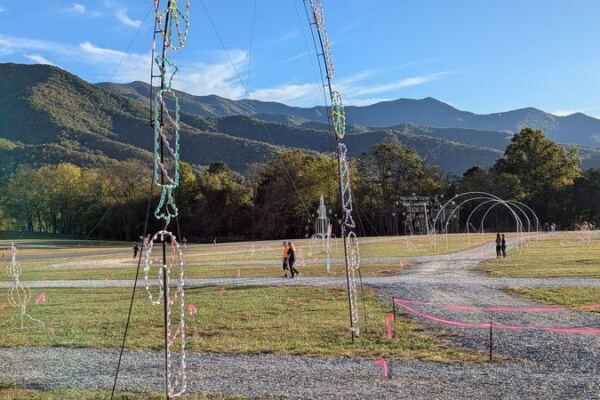
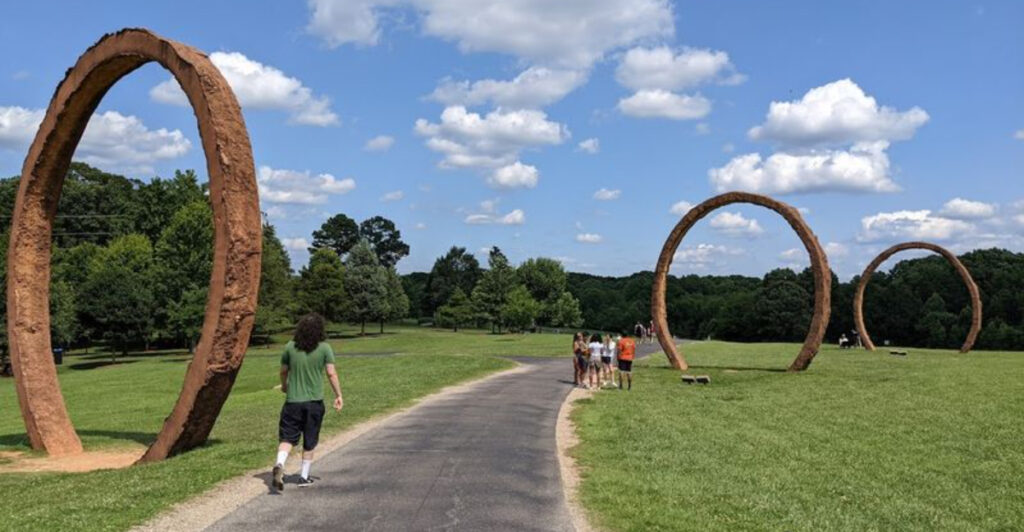
The park features miles of walking and biking trails, large-scale outdoor sculptures, open green spaces perfect for picnicking, musical swings, interactive art installations, beehives, windmills, and a whole lot of natural beauty. Small streams wind through forested sections, and on the day I visited, I spotted butterflies and heard birds the entire time I was out there.
A map is available at the welcome center, and while some visitors have noted the maps can be a little imprecise, getting around is intuitive enough once you start walking. Trail distances are posted along the Blue Path near the welcome center, which helps you plan how much ground you want to cover.
The park genuinely extends the museum experience beyond four walls. Art and nature coexist here in a way that feels intentional and refreshing, and the whole setup invites you to slow down and actually absorb what you are seeing.
Outdoor Sculptures and Installations Worth Seeking Out
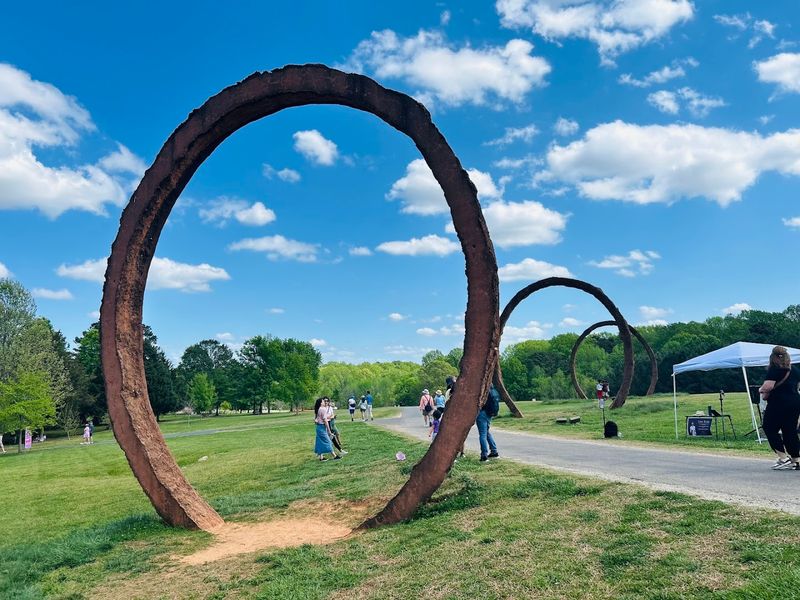
Scattered throughout the museum park are large-scale sculptures and art installations that reward curious visitors willing to wander. One of the most talked-about pieces is the Cloud Chamber for the Trees and Sky, a unique installation where a live image of the sky above appears projected inside a darkened chamber.
It sounds simple, but the effect is genuinely striking.
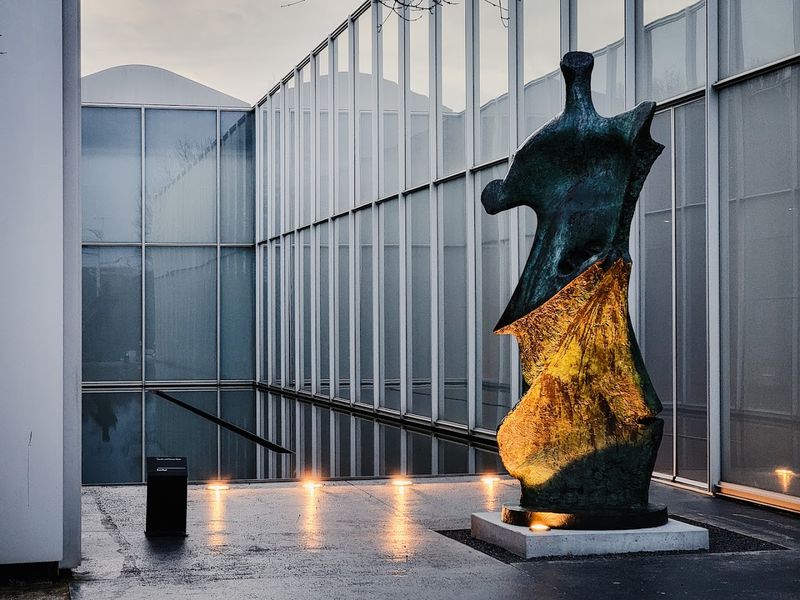
Other sculptures range from abstract metal forms to figurative works that interact with the natural landscape around them. Some are tucked into wooded areas, others stand in open fields, and a few are positioned near the trails in ways that make you stop mid-stride to take a second look.
Reading the plaques beside each piece adds real depth to the experience. The artists represented here come from diverse backgrounds and time periods, and the outdoor collection feels as carefully curated as anything inside the buildings.
For photographers, the outdoor sculptures offer incredible creative opportunities. The mix of natural light, organic surroundings, and bold artistic forms creates backdrops that are hard to replicate anywhere else in Raleigh.
Golden hour in the park is particularly rewarding, with soft light wrapping around the sculptures in ways that make every shot feel considered and alive.
Art Spanning 5,000 Years: What the Collection Actually Includes
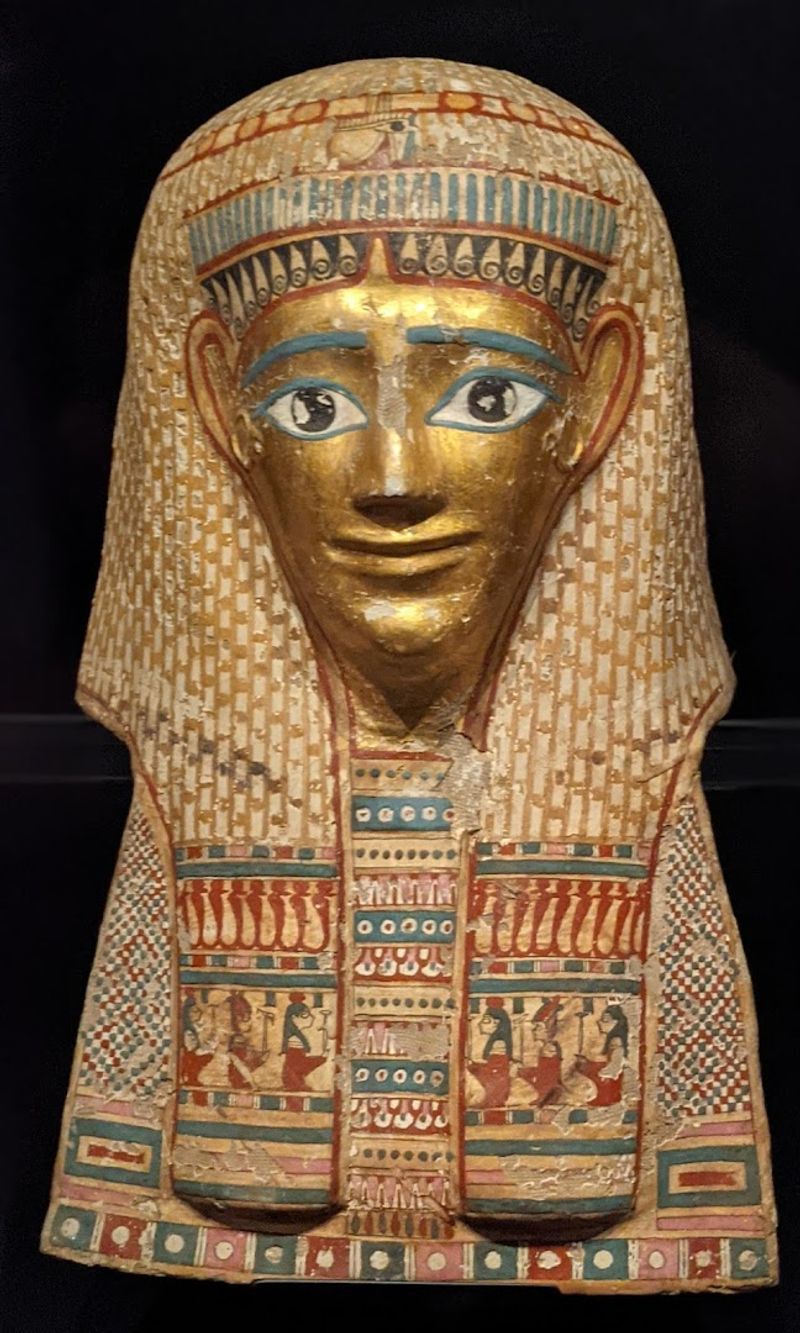
Five thousand years is a long stretch of human history to cover, and the North Carolina Museum of Art handles it with impressive range. The collection includes ancient Egyptian art, Greek and Roman antiquities, European paintings from the medieval period through the Baroque, African art, Judaica, American works, and a strong selection of modern and contemporary pieces.
During my walkthrough, I moved from a gallery of carved Egyptian artifacts to a room filled with Dutch Golden Age paintings, then turned a corner into a contemporary installation that used wire, wood, and paper in ways I had never seen before. The variety keeps every visit genuinely interesting, no matter how many times you return.
The African American art exhibit was one of the most visually striking sections I encountered. The use of color throughout that gallery is bold and commanding, and the range of mediums on display, from textiles to sculptural forms, reflects a collection that clearly values breadth as much as depth.
Benches are placed throughout the galleries, which sounds like a small detail but makes a real difference. Having a place to sit and reflect in front of a powerful piece is something many museums overlook, and it is something the North Carolina Museum of Art consistently gets right.
Special Exhibits That Keep Every Visit Fresh
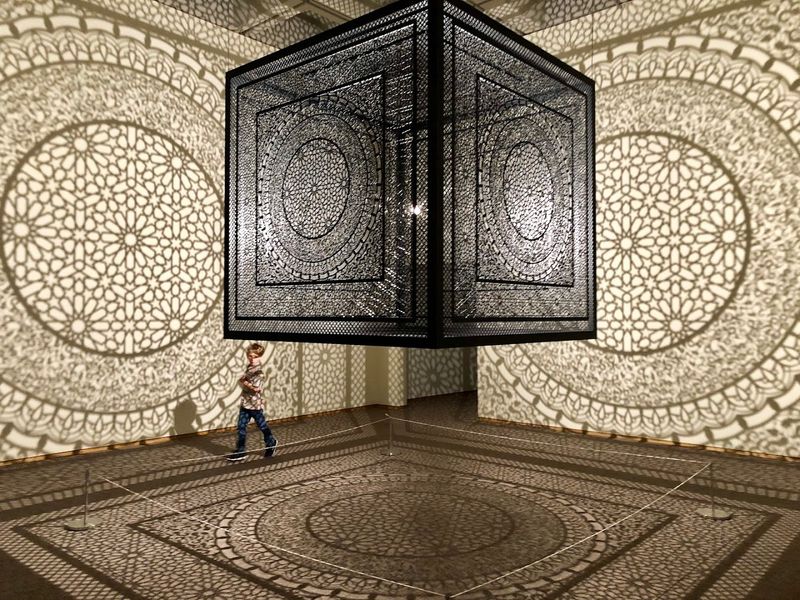
Beyond the permanent collection, the North Carolina Museum of Art regularly hosts special traveling exhibitions that bring focused, thematic experiences to Raleigh. These exhibits carry a separate admission fee, but based on what I have seen and heard from other visitors, they consistently deliver high production quality and genuinely thought-provoking content.
One past highlight was an exhibit centered on the Book of Esther, featuring art from the Rembrandt era that was described by many visitors as unusual, informative, and beautifully assembled. Another well-received show spotlighted African American artists and drew significant praise for its vibrant use of color and its exploration of diverse artistic mediums.
The museum also offers a dress-up photo opportunity tied to certain special exhibits, which adds a fun, interactive layer for families and groups visiting together. It is the kind of detail that shows the curatorial team thinks about the full visitor experience, not just the art on the walls.
Checking the museum’s website at ncartmuseum.org before your visit is strongly recommended. Exhibit schedules, special event listings, and programming updates are posted there regularly, and knowing what is on during your visit helps you budget your time and make the most of every hour you spend at the museum.
Events, the Amphitheater, and After-Hours Programming
The North Carolina Museum of Art is not just a daytime destination. The museum hosts a regular calendar of events, including free nights, community programming, and performances in its outdoor amphitheater.
The amphitheater is a genuinely impressive venue, set within the museum park and capable of drawing a real crowd for the right event.
Free evening events at the museum have drawn enthusiastic responses from the Raleigh community. The atmosphere during these nights is described as quiet, clean, and welcoming, with plenty of exhibits open and staff on hand to answer questions.
It is a completely different experience from a daytime visit, and one worth planning around if your schedule allows.
The amphitheater hosts concerts, film screenings, and other cultural events throughout the year. Checking the museum’s calendar before your visit is smart, especially during warmer months when outdoor programming tends to ramp up significantly.
This kind of event programming transforms the museum from a passive viewing destination into an active community gathering place. Raleigh residents clearly feel that connection, and as someone who has visited cultural institutions from the East Coast all the way through the Midwest and down toward Oklahoma, the sense of community ownership here feels genuine and well-earned.
Practical Tips for Getting the Most Out of Your Visit
A little planning goes a long way at the North Carolina Museum of Art. The museum is open Wednesday through Sunday, 10 AM to 5 PM, and closed on Mondays and Tuesdays.
Arriving early gives you the best chance to explore both buildings and a good portion of the park without feeling rushed.
Parking is free and plentiful, with a large lot near the main entrance off Blue Ridge Road. The lot near the Reedy Creek stoplight entrance is particularly convenient if you plan to spend most of your time in the outdoor park.
Comfortable walking shoes are a genuine necessity if you want to cover the trails properly.
Grabbing a map at the welcome center before heading outside is a good move. While the map is not perfectly precise, it gives you a solid overview of the trail system and helps you locate major sculptures and installations throughout the park.
Trail distances are also posted along the Blue Path near the welcome center.
The cafe inside the museum is a great place to recharge mid-visit. It offers coffee, tea, and pastries, and while the prices lean a little high, the quality is solid.
Packing a picnic for the park is also a popular and very practical option that many repeat visitors swear by.
Why This Museum Stands Among the Best in the Country
After spending a full day at the North Carolina Museum of Art, it is hard not to think about how it stacks up against other institutions I have visited across the United States. The combination of a free world-class permanent collection, a rotating schedule of special exhibits, two architecturally interesting buildings, and a 164-acre outdoor park is genuinely rare.
The museum holds a 4.8-star rating across more than 11,000 reviews, which is not an accident. The staff is consistently described as friendly, knowledgeable, and approachable.
The galleries are clean, well-lit, and spacious. The outdoor trails feel safe and welcoming to visitors of all ages and fitness levels.
Compared to similar destinations I have explored from the Pacific Northwest down through Oklahoma and across to the Atlantic Coast, few free museums offer this level of depth, variety, and outdoor integration. The North Carolina Museum of Art does not feel like a compromise.
It feels like a genuine cultural achievement that Raleigh and the whole state can be proud of.
Whether you are a longtime art enthusiast or someone who has never set foot in a museum before, this place meets you where you are and gives you something real to take home. A return visit is not just likely.
It is practically inevitable.
Share this story