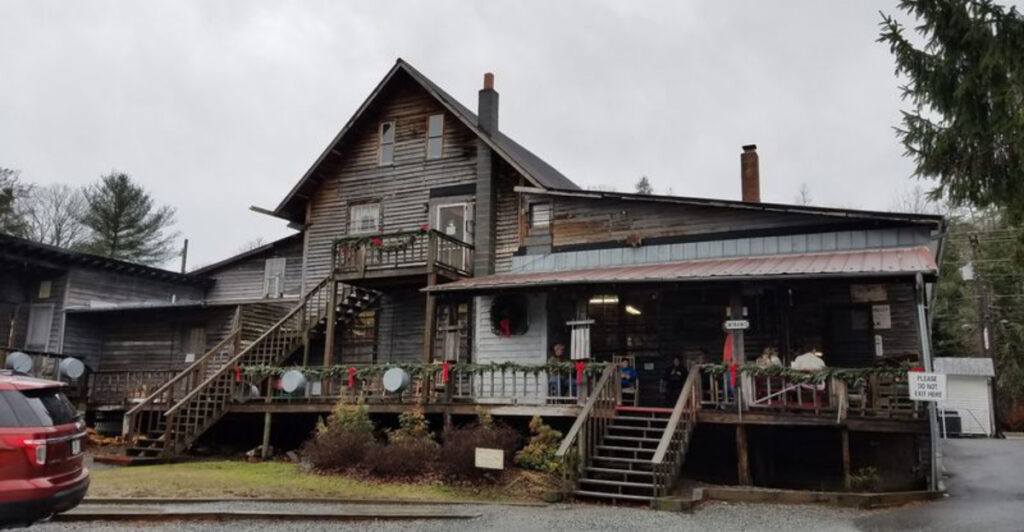
There is a small valley in the Blue Ridge Mountains of North Carolina where time seems to slow down just enough for you to actually notice it. The fields are still farmed, the old buildings still stand, and the mountains wrap around everything like they have for centuries.
This is not a theme park version of Appalachian life. Valle Crucis is the real thing, and it earned the distinction of being North Carolina’s first rural historic district, a title that tells you everything about how seriously this community takes its roots.
With a population of just over 400 people, this unincorporated community in Watauga County punches well above its weight when it comes to history, charm, and the kind of quiet beauty that makes you want to cancel your return trip home.
Where Valle Crucis Sits in the Mountains
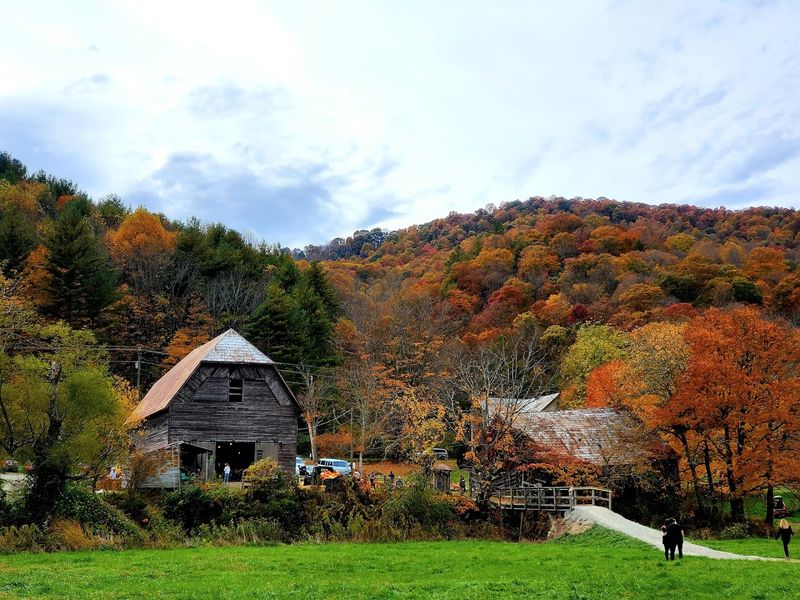
Valle Crucis sits in a lush valley in Watauga County, North Carolina, roughly eight miles west of Boone along NC Highway 105. The community is unincorporated, meaning there is no official downtown or city hall, just land, history, and a strong sense of place that you feel the moment you arrive.
The name Valle Crucis is Latin for “Valley of the Cross,” a name that comes from the unique way three streams converge in the valley to form a natural cross shape. That detail alone tells you something about how long people have been paying close attention to this land.
The elevation here hovers around 2,700 feet, which means summers are cool and pleasant, and fall brings some of the most vivid leaf color in all of western North Carolina. The drive in along the Watauga River is scenic enough to qualify as a destination on its own.
This is the kind of place where the journey and the arrival feel equally rewarding.
The Story Behind North Carolina’s First Rural Historic District
In 1986, Valle Crucis made history by becoming the first rural historic district ever listed on the National Register of Historic Places in North Carolina. That is not a small achievement for a community with a population that has never topped a few hundred people.
The designation was earned because the valley had managed to hold onto its agricultural landscape and historic structures in a way that most rural communities had not. Farmsteads, churches, a mission school, and the famous Mast General Store all contributed to a picture of Appalachian life that remained remarkably intact.
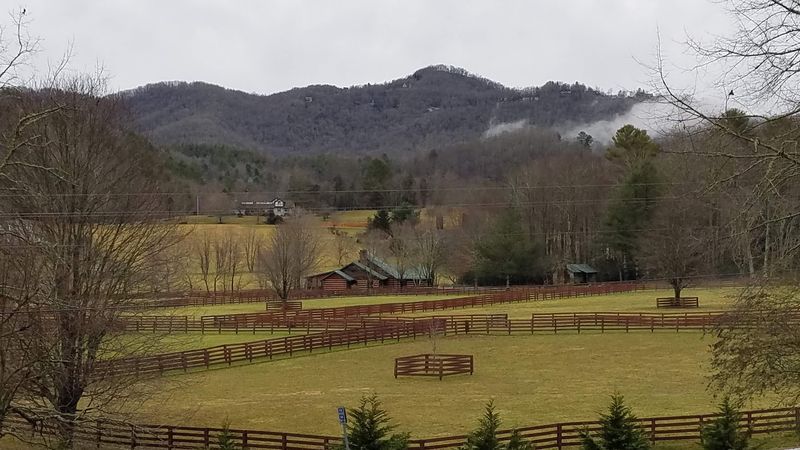
What makes this recognition especially meaningful is that it was not about preserving a single building or monument. The entire rural landscape, the fields, the fences, the creek crossings, and the mountain backdrop, was recognized as historically significant.
Locals and preservationists worked together to make the case, and the result was a designation that has since inspired similar efforts across the state. The valley did not just preserve its past; it made that past matter on a national level.
Mast General Store and Its Legendary Legacy
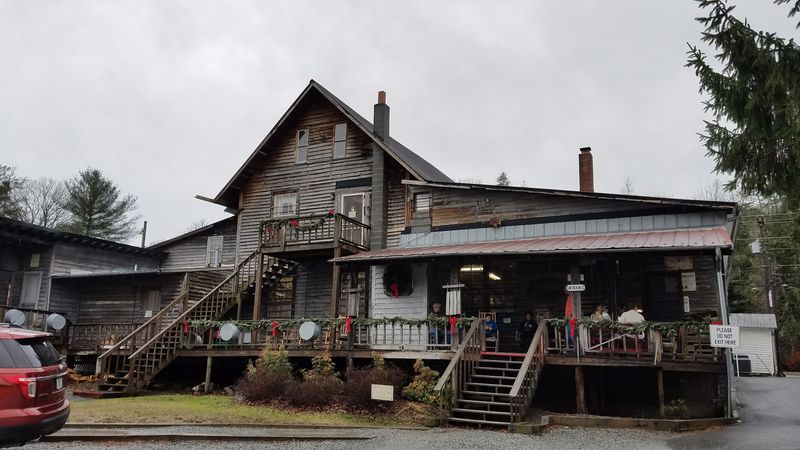
The original Mast General Store in Valle Crucis is one of those places that feels like it belongs in a museum but is still very much alive and open for business. Built in 1883, the store has been selling everything from dry goods to candy to outdoor gear for well over a century.
The building itself is a marvel of old-school retail. Creaky wooden floors, hand-painted signs, barrels of penny candy, and shelves stocked with practical goods give the store a texture you simply cannot fake.
It was added to the National Register of Historic Places in 1973, more than a decade before the broader rural historic district designation.
The Mast family ran the store for generations, and the Mast General Store brand has since expanded to multiple locations across the Southeast. But the Valle Crucis original remains the heart of the operation.
People come from hours away just to walk through those doors, pick up a bag of old-fashioned candy, and feel the weight of genuine American retail history under their feet.
The Appalachian Farming Landscape That Still Breathes
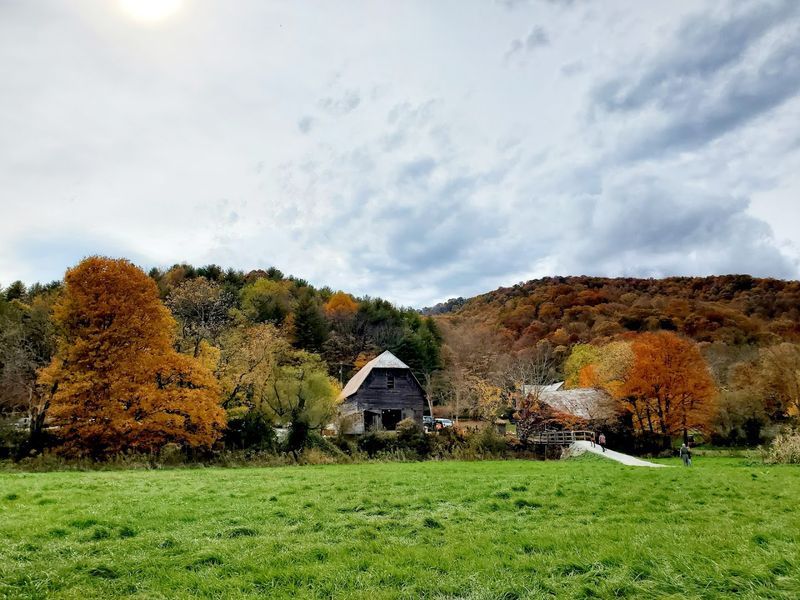
One of the most striking things about Valle Crucis is that the farms are not decorative. They are working operations, and the fields still produce hay, vegetables, and livestock the same way they have for generations.
This is not a preserved landscape behind glass; it is a living one.
The valley floor is relatively flat by mountain standards, which made it ideal for farming long before European settlers arrived. The Cherokee people recognized the agricultural potential here, and that tradition of working the land has continued without major interruption for centuries.
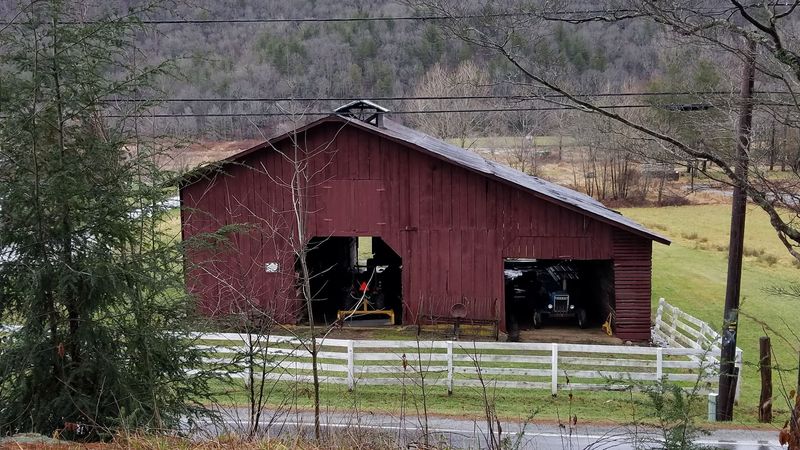
Historic farmsteads dot the valley, many of them still owned by families with deep local roots. Barns, smokehouses, and outbuildings that would have been torn down elsewhere have been maintained here with quiet pride.
Driving slowly along the back roads in Valle Crucis, you pass fields bordered by split-rail fences and backed by mountain ridges, and the whole scene looks like something a painter would spend weeks trying to capture. The farming landscape is arguably the most powerful argument for why this valley deserved its historic designation.
The Valle Crucis Episcopal Mission and Its Place in History
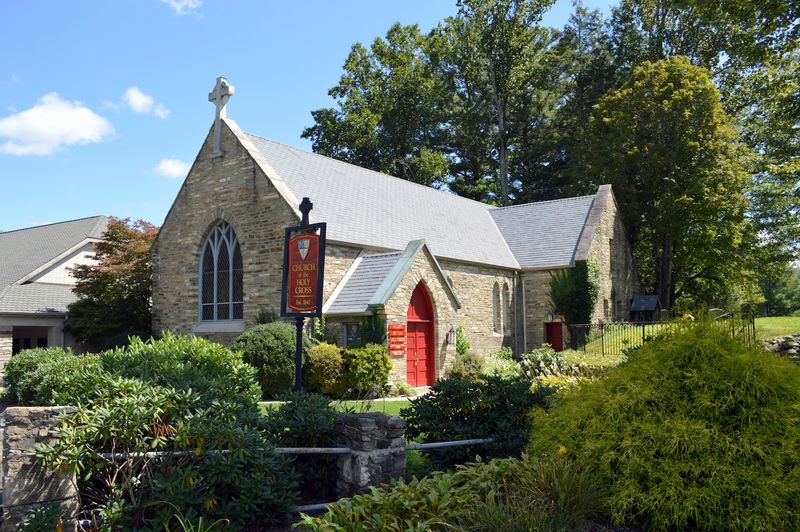
Long before Valle Crucis became a tourist destination, it was a center of missionary and educational activity. The Episcopal Church established a mission here in 1842, and that mission left a lasting mark on the community that is still visible today.
The mission included a school, a farm, and a church, all working together to serve the mountain community at a time when access to education in the remote Appalachian highlands was extremely limited. The mission school educated generations of local children and helped shape the cultural fabric of the valley in ways that extended well beyond religion.
The original mission buildings are part of what earned Valle Crucis its historic district status. The stone and wood structures that remain on the property are among the most architecturally significant in all of Watauga County.
The mission grounds are now home to a retreat and conference center operated by the Episcopal Diocese of Western North Carolina, which means the property continues to serve the public in a meaningful way more than 180 years after it was founded.
Fall Foliage That Turns the Valley Into Something Else Entirely
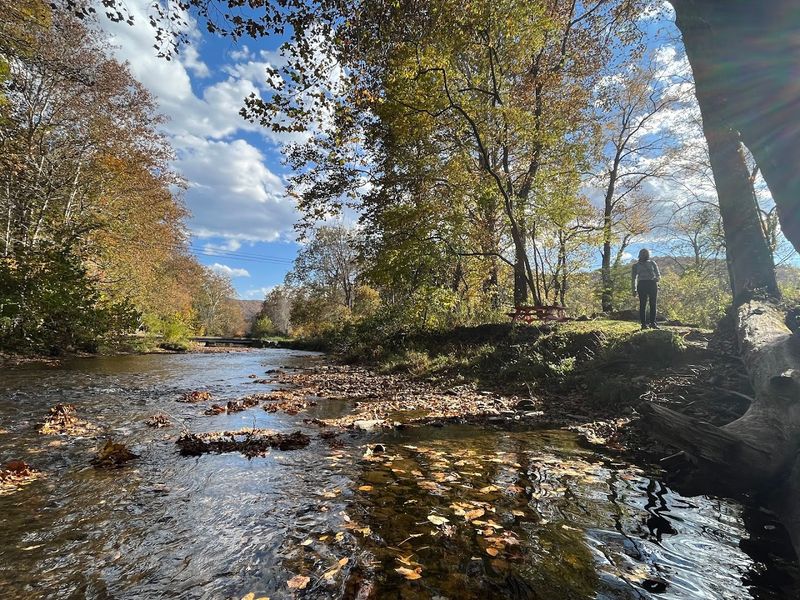
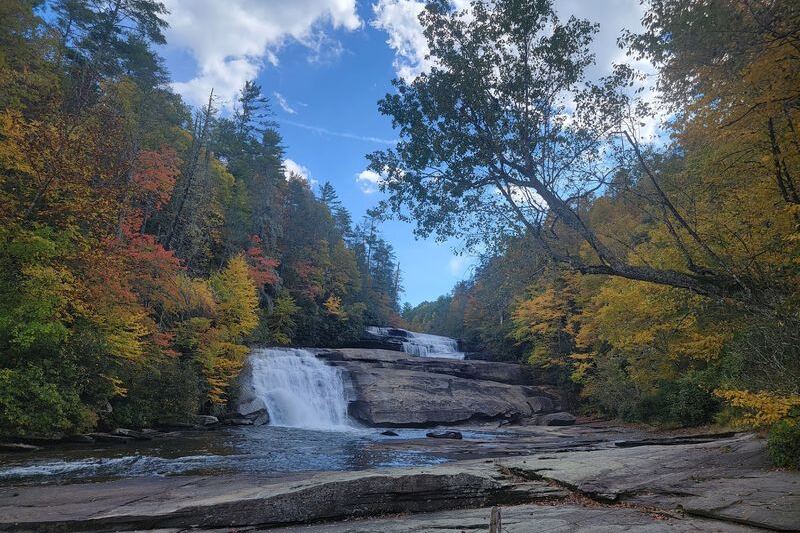
The Blue Ridge Mountains are famous for fall color, and Valle Crucis sits right in the thick of it. The valley’s combination of elevation, water, and diverse tree species creates a foliage display in October that draws visitors from across the country every single year.
Sugar maples, red oaks, tulip poplars, and sourwood trees all contribute to the palette, and because the valley is surrounded on multiple sides by ridges, you often feel like you are inside the color rather than just looking at it from a distance. The Watauga River reflects the overhead canopy, doubling the effect.
Peak color in Valle Crucis typically arrives between mid-October and early November, though elevation and weather can shift that window by a week or two in either direction. The cooler nights at 2,700 feet help intensify the colors earlier than in lower-elevation towns nearby.
My advice is to arrive on a weekday if you can, because the roads narrow quickly and the parking at Mast General Store fills up fast on fall weekends. The payoff, though, is absolutely worth the planning.
Hiking and Outdoor Life in the Surrounding Area
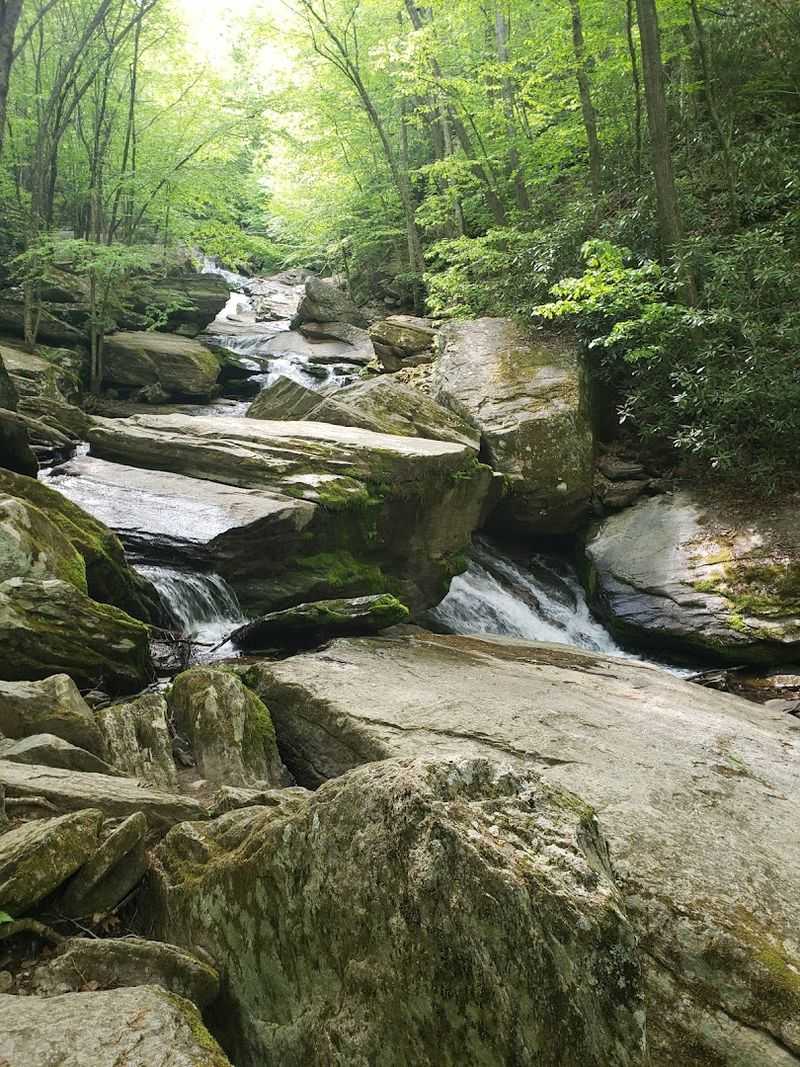
Valle Crucis itself is a valley community rather than a trailhead town, but it sits within easy reach of some of the best outdoor recreation in the entire Appalachian region. Grandfather Mountain, one of the most distinctive peaks in the eastern United States, is less than 20 miles away.
The New River, one of the oldest rivers in the world according to geologists, flows nearby and offers excellent tubing, kayaking, and fishing. The Watauga River, which runs directly through the Valle Crucis area, is well regarded among fly fishing enthusiasts for its trout population and clear mountain water.
The Valle Crucis Community Park provides a more relaxed outdoor option, with open fields, a creek, and picnic areas that are popular with families and locals alike. The park is free to use and feels like a genuine community gathering spot rather than a tourist attraction.
For visitors who want to pair mountain history with mountain activity, the Valle Crucis area delivers both without asking you to choose between them.
The Quiet Roads and Scenic Drives That Define the Valley
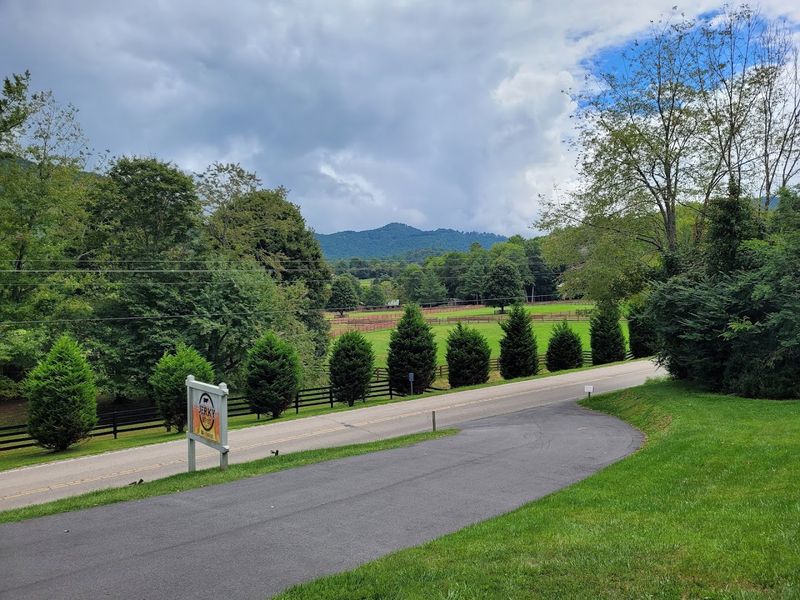
Some of the best experiences in Valle Crucis happen at about 20 miles per hour with the windows down. The back roads that wind through the valley floor and up into the surrounding ridges offer a kind of slow-travel experience that is genuinely hard to find anywhere else in North Carolina.
NC Highway 194 and the smaller county roads that branch off it pass through farmland, cross wooden bridges, and climb past old homesteads in a way that feels like a living history tour. There are no audio guides required here.
The landscape does the talking.
Locals will tell you that the best time to drive these roads is early morning, when mist hangs in the valley and the light comes over the ridges at a low angle. I took that advice on my last visit and spent an hour just driving slowly and stopping whenever something caught my eye, which was often.
The roads themselves are narrow, so keep that in mind if you are driving a larger vehicle, and always yield to farm equipment because around here, it has the right of way.
Local Culture and the People Who Keep It Alive
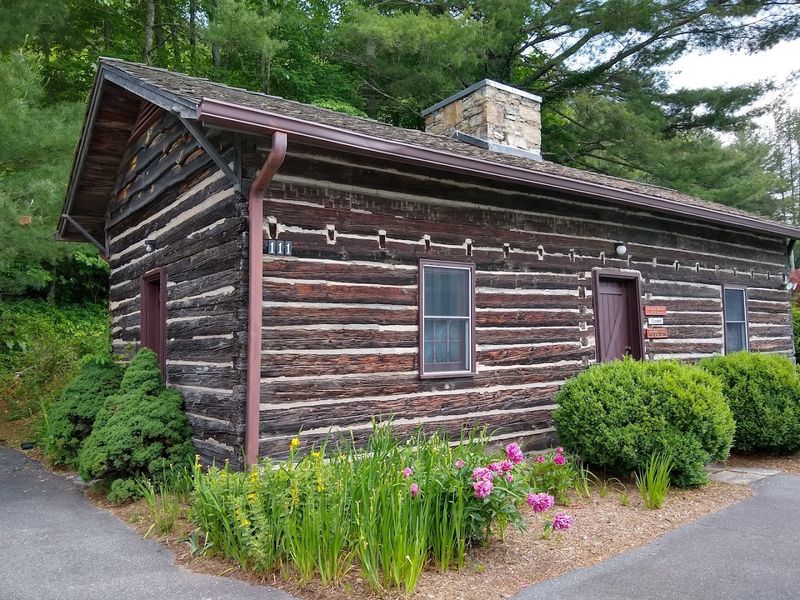
With a population of just 436 people as of the 2020 census, Valle Crucis is not a place where culture is performed for tourists. It is simply lived by the people who have chosen to stay, return, or put down roots in one of the most historically rich valleys in the Appalachian Mountains.
Traditional crafts, storytelling, and music have deep roots here, as they do throughout the mountain counties of western North Carolina. The broader Watauga County area has a strong tradition of bluegrass, old-time music, and handmade crafts that flows naturally through communities like Valle Crucis.
The sense of community pride in Valle Crucis is palpable. Residents take the historic designation seriously, not as a tourism strategy but as a genuine expression of who they are and where they come from.
Conversations with locals tend to be warm, direct, and full of local knowledge that no guidebook has ever captured. That human texture, the willingness to share a story or point you toward a back road you would never find on your own, is part of what makes Valle Crucis feel so different from other small mountain towns.
Where to Stay When You Visit the Valley
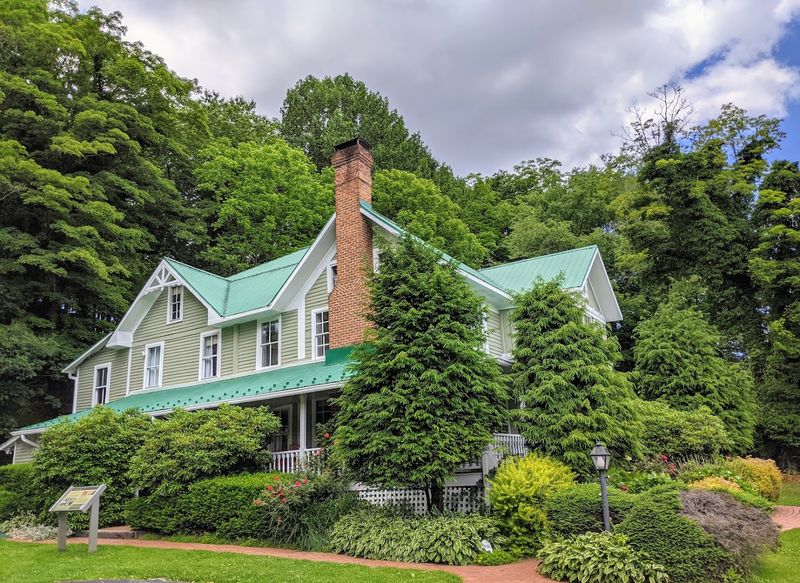
Valle Crucis does not have a chain hotel, and that is entirely by design. The accommodations here lean toward bed and breakfasts, small inns, and vacation rentals that reflect the character of the valley rather than dilute it.
The Mast Farm Inn is the most well-known lodging option in the area and one of the most historically significant. The property dates to the late 1800s and has been welcoming guests for well over a century.
The farmhouse, cabins, and outbuildings on the property are part of the same rural historic landscape that earned the valley its national designation.
Staying at a property like this means waking up to mountain views, quiet mornings, and the kind of unhurried pace that most travelers say they want but rarely actually experience. Several vacation rental options in the surrounding area offer similar charm at a range of price points.
Booking well in advance is strongly recommended for fall visits, when demand peaks and availability shrinks faster than you might expect for such a small community.
The Best Time of Year to Make the Trip
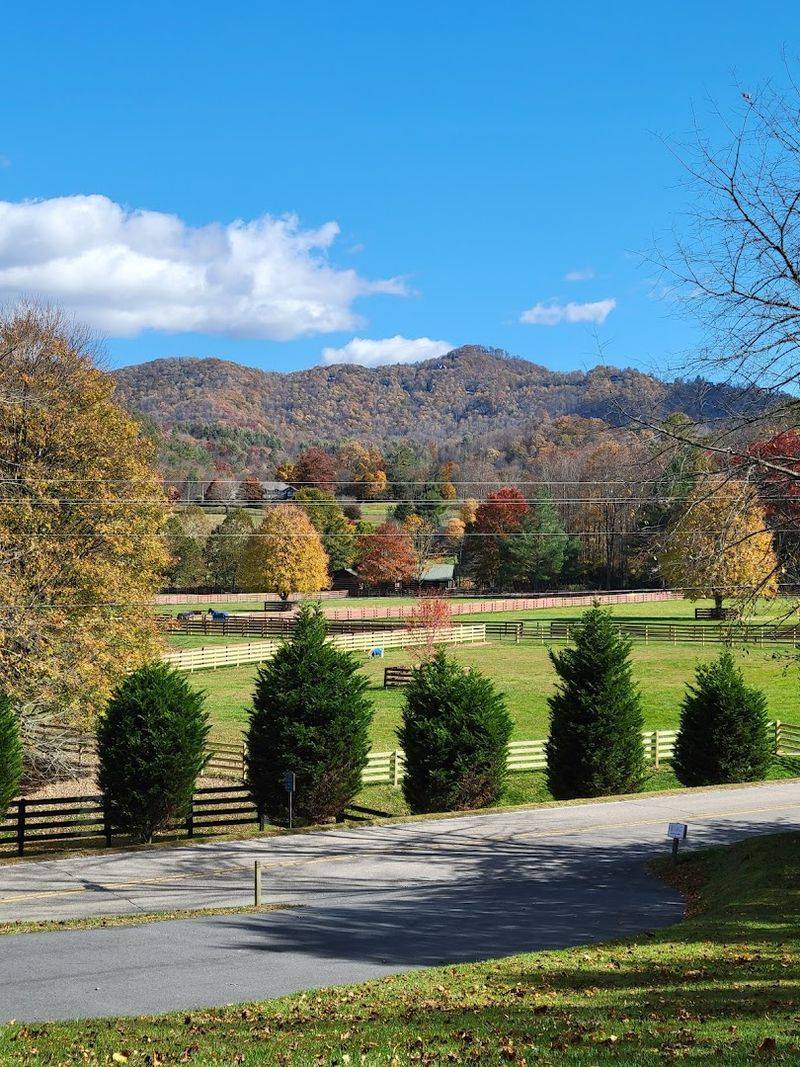
Every season in Valle Crucis offers something different, but not every season offers the same ease of visit. Knowing when to go can make a meaningful difference in what you experience and how crowded the roads feel.
Fall is the most popular time, and for good reason, but spring is genuinely underrated. The valley comes back to life in April and May with wildflowers, budding trees, and the kind of clean mountain air that follows a long winter.
Summer is pleasant thanks to the high elevation, and the valley stays cooler than most of North Carolina during July and August.
Winter visits are quiet and atmospheric, especially after a light snowfall covers the fields and rooftops. The Mast General Store stays open year-round, and the historic landscape takes on a completely different character when the leaves are gone and you can see the bones of the valley more clearly.
My personal favorite window is mid-May, when the rhododendrons bloom along the mountain slopes and the whole valley feels like it is celebrating something it has been holding back all winter.
Why Valle Crucis Stays With You Long After You Leave
There are places you visit and places that visit you back. Valle Crucis falls firmly into the second category.
Long after the drive home, the images linger: the mist over the fields, the creak of the floorboards at Mast General Store, the way the mountains seem to hold the valley in place.
What makes this community so memorable is not any single attraction but the coherence of the whole experience. The history, the landscape, the people, and the pace all work together in a way that feels rare and genuinely earned rather than manufactured for visitors.
Valle Crucis reminds you that preservation is not just about saving old buildings. It is about keeping a way of life legible, so that people who come after can understand what it looked like to live close to the land in the Appalachian Mountains.
That is a harder thing to protect than any single structure, and the fact that this small valley has managed it for this long is worth more than any historic marker or national designation could fully express. Some valleys are just worth crossing a mountain to reach.
Share this story