There is a small town tucked along the shores of Bath Creek in eastern North Carolina where time seems to have slowed down on purpose. The streets are quiet, the buildings are old in the best possible way, and the stories layered into every corner could fill a library.
This town was chartered in 1705, making it the oldest incorporated town in all of North Carolina, and it has been holding onto its history with both hands ever since. From pirate legends to colonial architecture and one of the oldest churches still in use in America, this place delivers a genuinely fascinating experience that most people have never heard of.
Where the Story Begins: The Visitor Center at 100 Harding St
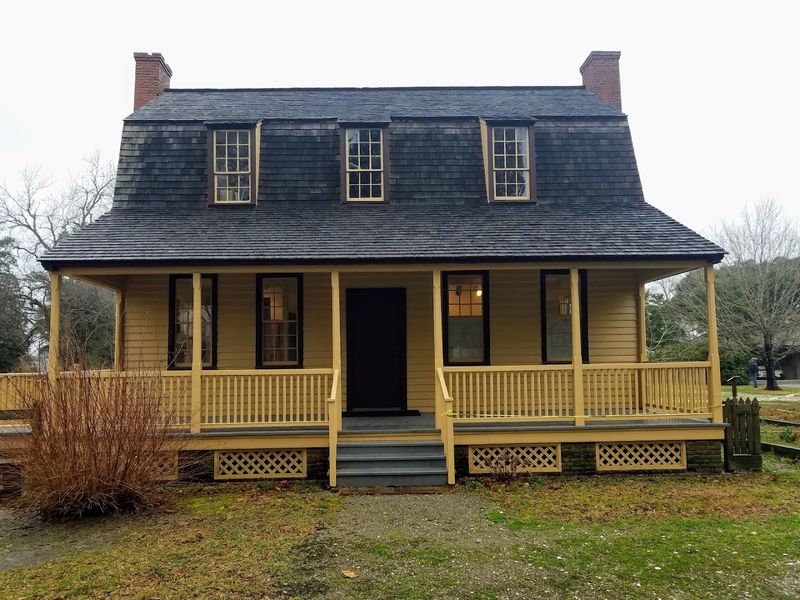
Every great historic journey needs a strong starting point, and the visitor center at 100 Harding St, Bath, NC 27808 is exactly that. The building sits right at the heart of the historic district, and it sets the tone for everything you are about to experience.
The staff there are genuinely knowledgeable and seem to enjoy sharing what they know, which makes a real difference.
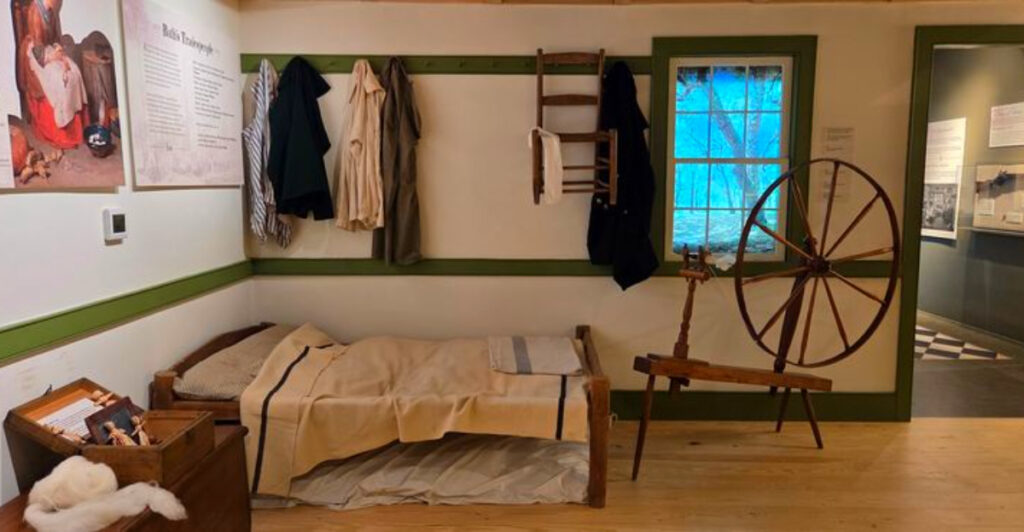
The exhibits inside are well-curated, covering the founding of Bath, its role in early colonial North Carolina, and the colorful characters who passed through over the centuries. Sound effects woven into the displays add a surprising layer of atmosphere that pulls you right into the story.
A large sea chest on display tends to stop visitors in their tracks.
The visitor center is free to enter, which makes it an easy choice even if you are just passing through. Parking is available on site, and restrooms are accessible, so logistics are simple.
Plan to spend at least 30 to 45 minutes here before heading out to explore the rest of the town on foot.
North Carolina’s First Town: The 1705 Charter and What It Meant
Bath earned its place in the record books on March 8, 1705, when it was officially chartered as North Carolina’s first incorporated town. That distinction is not just a trivia footnote.
It means Bath was the political, social, and commercial center of the colony at a time when most of what we now call North Carolina was raw, unsettled land.
The town was laid out along Bath Creek, a tributary of the Pamlico River, which gave early settlers access to trade routes and the broader Atlantic world. Merchants, landowners, colonial officials, and travelers all moved through Bath during its early years, making it a genuinely busy hub despite its small size.
Understanding that context changes how you look at the old buildings and narrow streets. These were not quiet backwater structures.
They were part of a living, working colonial capital. The visitor center does an excellent job of framing this history so that the town itself starts to feel less like a museum piece and more like a place where real, complicated history actually happened.
Blackbeard’s Connection to Bath: A Pirate’s Home Port
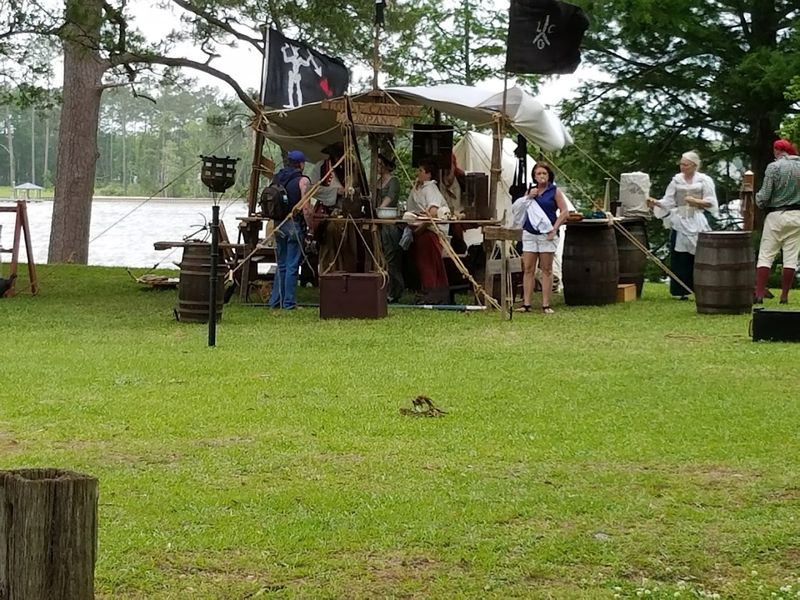
Few things make a historic town more interesting than a pirate connection, and Bath has one of the most famous pirate associations in American history. Edward Teach, better known as Blackbeard, used Bath as his home base during the final years of his life.
He actually received a royal pardon here in 1718 and reportedly owned a house in town.
Blackbeard was not just a colorful legend passing through. He had real ties to the community, including a relationship with the colonial governor Charles Eden, who some historians believe turned a blind eye to the pirate’s ongoing activities.
That political entanglement adds a layer of intrigue that goes well beyond the typical swashbuckling story.
The exhibits at Historic Bath cover his story with a balanced, factual approach that neither glorifies nor dismisses him. Visitors learn about his actual operations in the Pamlico Sound and along the Outer Banks, including his end near Ocracoke Island in November 1718.
For anyone curious about the real history behind the legend, this is one of the most satisfying places to explore it.
St. Thomas Episcopal Church: America’s Oldest Active Parish
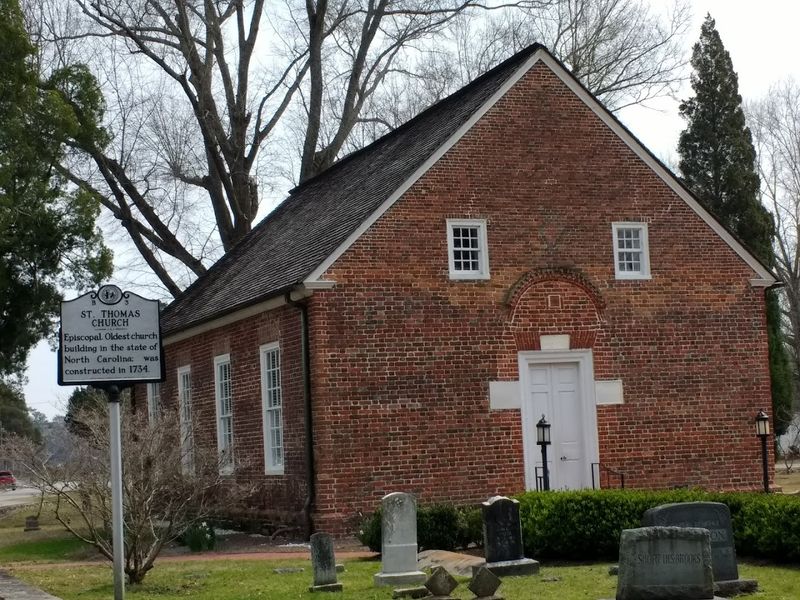
St. Thomas Episcopal Church in Bath holds a remarkable distinction: it is considered the oldest active church in North Carolina, with roots going back to 1734 when the current brick structure was completed. The congregation itself was organized even earlier, making this one of the oldest continuously operating parishes in the entire country.
The building is open to the public daily, which means you can walk inside and sit quietly in the same pews that colonial residents occupied nearly three centuries ago. There is something genuinely striking about that kind of continuity.
The interior is simple and unadorned, which somehow makes it feel more authentic rather than less impressive.
The churchyard contains old grave markers that tell their own stories through names, dates, and epitaphs worn smooth by centuries of weather. The church does not charge admission, and visitors are welcome to explore respectfully on their own.
Whether or not you have any personal connection to religious history, St. Thomas stands as a physical link to colonial American life that very few places in the country can match.
The Palmer-Marsh House: Colonial Architecture Up Close
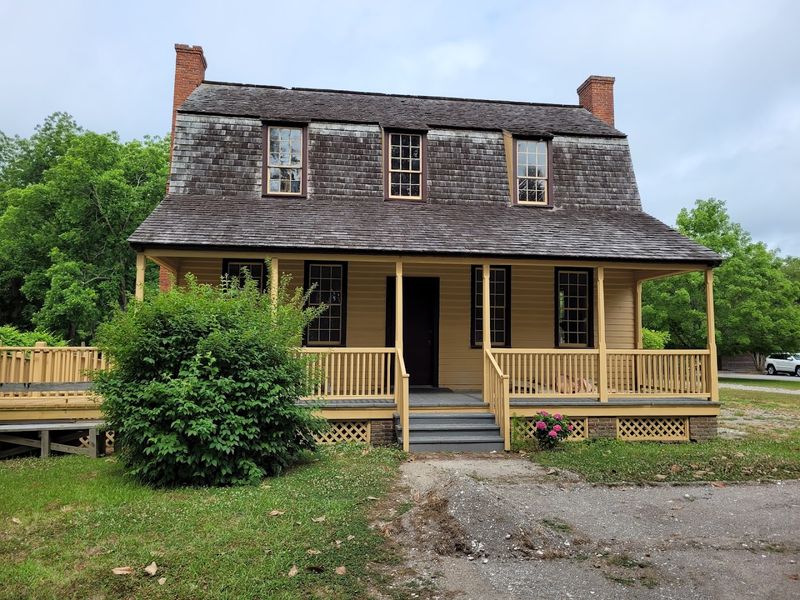
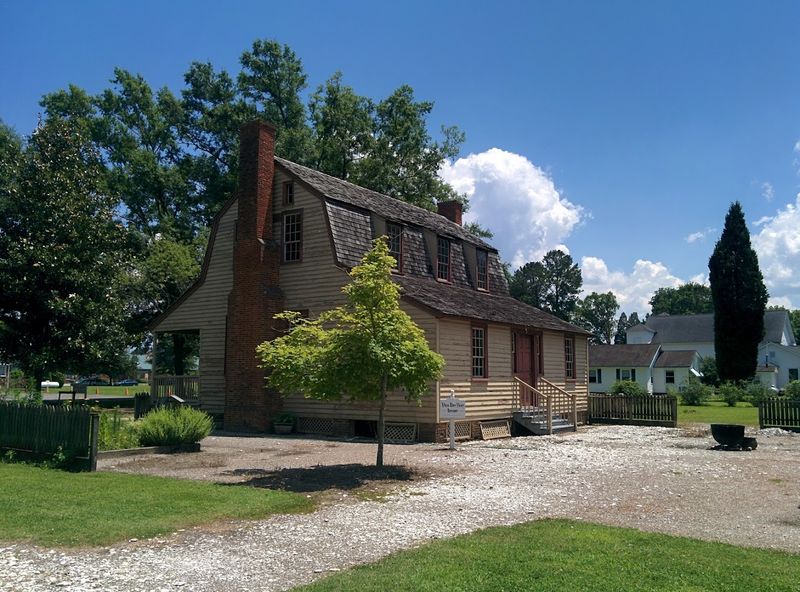
The Palmer-Marsh House is one of the most significant surviving colonial structures in North Carolina, and a guided tour of its interior is genuinely worth your time. Built around 1751, the house belonged to Robert Palmer, a prominent colonial official, and later passed to Daniel Marsh, a successful merchant.
The building has been carefully preserved and restored to reflect its 18th-century appearance.
Tour guides walk visitors through the rooms and explain how colonial families actually lived, worked, and entertained. The furniture, layout, and decorative details all contribute to a picture of upper-class colonial life that is more complex and layered than most people expect.
The guides are well-prepared and clearly enjoy the material they are presenting.
What makes the Palmer-Marsh House particularly valuable is its architectural integrity. Many colonial-era buildings have been heavily altered over the centuries, but this one retains a great deal of its original character.
The thick brick end chimneys, the steep roof pitch, and the interior woodwork all speak to construction methods and aesthetic choices that were specific to this region and this period of American history.
The Van Der Veer House: A Window Into 18th-Century Life
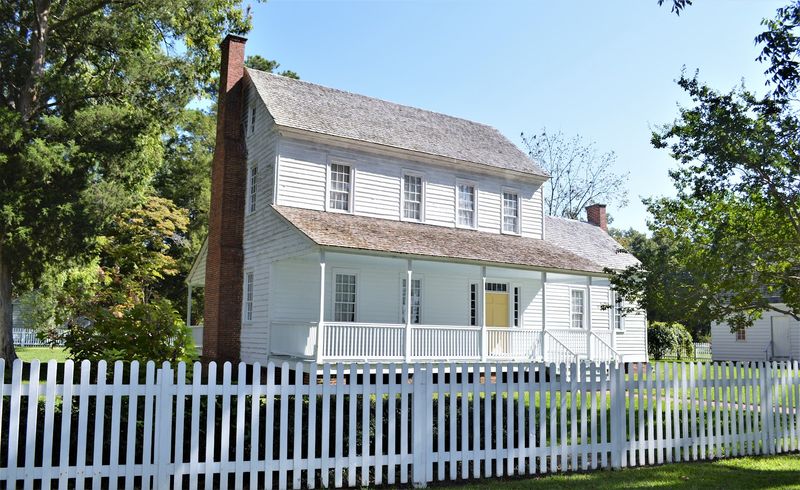
Not every colonial home in Bath belonged to wealthy officials or merchants, and the Van Der Veer House offers a different perspective on 18th-century life in the town. This structure dates to the mid-1700s and provides a more modest counterpoint to the grander Palmer-Marsh House nearby.
Together, the two homes give visitors a broader understanding of the social range that existed in colonial Bath.
The house is part of the guided tour offered through the Historic Bath site, and the interpretation inside focuses on everyday domestic life rather than political or commercial history. That shift in focus is refreshing.
It draws attention to the people who cooked, cleaned, raised children, and managed households during a period when daily life was genuinely demanding.
Guides connect the physical details of the house to broader historical patterns, explaining how building materials were sourced locally, how heating and cooking worked in a pre-industrial home, and what social expectations shaped the lives of the people who lived there. The Van Der Veer House may be smaller and less dramatic than some of its neighbors, but it carries its own quiet kind of weight.
The Bonner House: Preservation and Period Detail
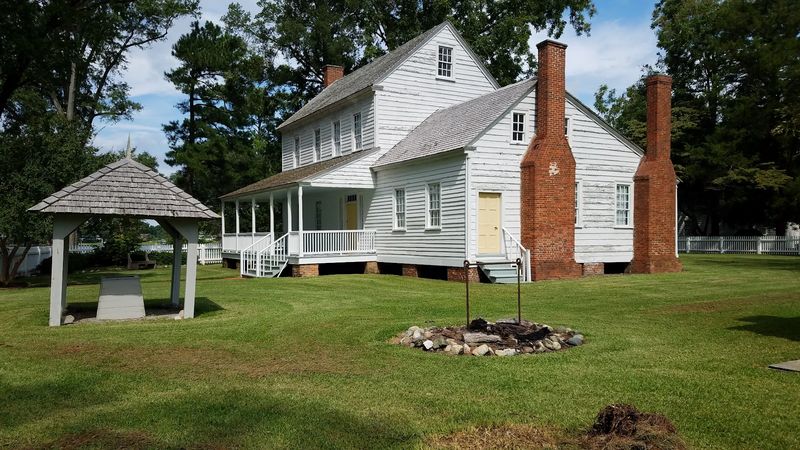
The Bonner House stands out among Bath’s historic structures for its Federal-style architecture, which places it slightly later in the timeline than the colonial-era buildings nearby. Built in the early 19th century, the house belonged to the Bonner family, who were prominent in the region for generations.
The building reflects a transitional moment in American architectural taste as the new republic began to develop its own design identity.
The interior has been restored with careful attention to period-appropriate detail, and the guided tour here tends to focus on how domestic spaces evolved in the post-Revolutionary era. Furniture, textiles, and household objects are used to illustrate how daily life in a prosperous North Carolina family actually looked and functioned during that period.
The grounds around the Bonner House are well-maintained and pleasant to walk through, especially in spring when the landscaping is at its best. The house sits close enough to the water that you get a sense of how central the Pamlico River was to daily life and commerce in 19th-century Bath.
It is a quieter, more reflective stop on the tour route, and it benefits from that slower pace.
Walking the Historic District: The Town Itself Is the Exhibit
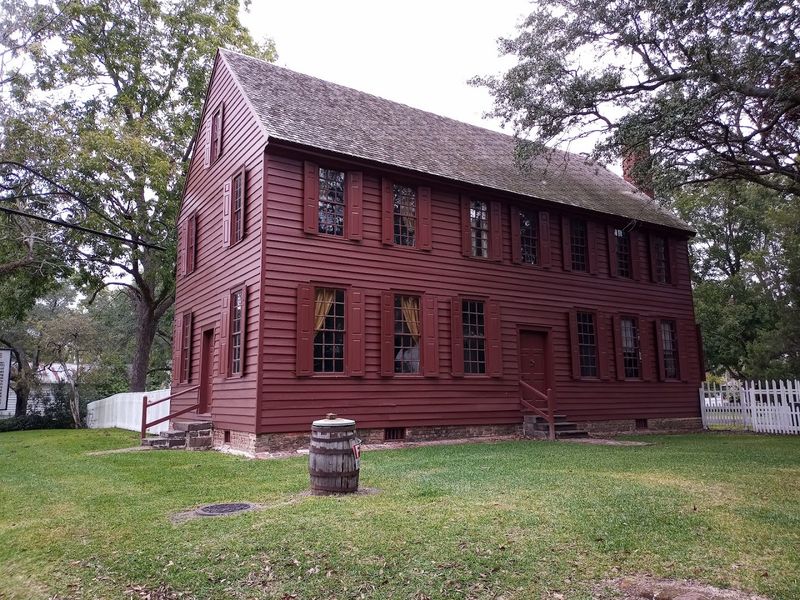
One of the best things about visiting Bath is that the town itself functions as an open-air exhibit. The historic district is compact enough to walk in its entirety, and nearly every street has something worth pausing to look at, whether it is a historic marker, a preserved structure, or a view of Bath Creek through the trees.
The self-guided walking tour is a practical option for visitors who prefer to move at their own pace. Maps are available at the visitor center, and the route is clearly marked.
Most of the key sites are within easy walking distance of each other, so the experience never feels rushed or scattered.
Bath is also genuinely beautiful in a low-key, unhurried way. The streets are lined with mature trees, the waterfront is peaceful, and the overall atmosphere is one of a town that takes its history seriously without turning it into a performance.
Public benches near the water offer a place to sit and take in the view of the creek and the surrounding landscape. The town rewards slow, attentive walking more than any quick drive-through ever could.
Bath Creek and the Pamlico River: The Geography Behind the History
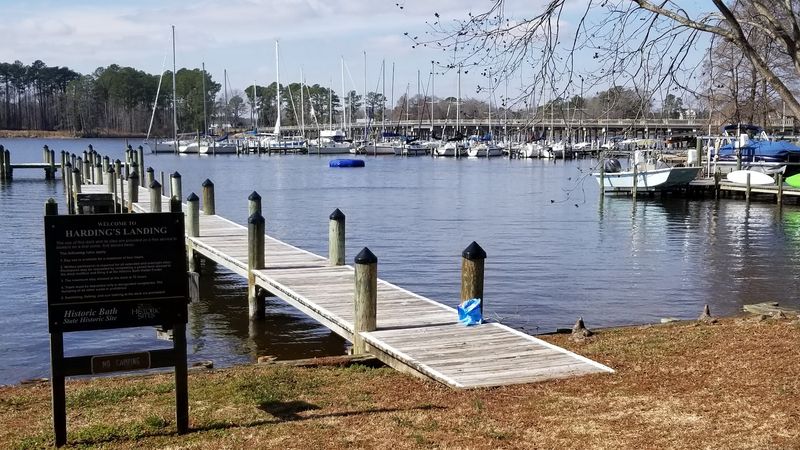
Geography shaped Bath’s history more than almost any other factor. The town sits at the confluence of Bath Creek and the Pamlico River, a location that gave early settlers direct access to one of the most navigable waterways in the region.
That access to water was the reason Bath was chosen as a town site in the first place, and it remained central to the community’s identity for generations.
During the colonial period, the Pamlico River connected Bath to the broader Atlantic trade network. Ships carrying tobacco, naval stores, and other goods moved through these waters regularly, and the town served as a port of entry for the colony.
That commercial activity brought wealth, conflict, and characters like Blackbeard into Bath’s story.
Today, the waterfront is quiet and scenic rather than commercially active, but the view across the creek still carries a sense of historical weight. The water looks much the same as it would have three centuries ago, and standing on the bank with that knowledge adds a layer of meaning to an already beautiful landscape.
The creek and river are a reminder that natural geography and human history are always intertwined.
Guided Tours vs. Self-Guided: How to Plan Your Visit
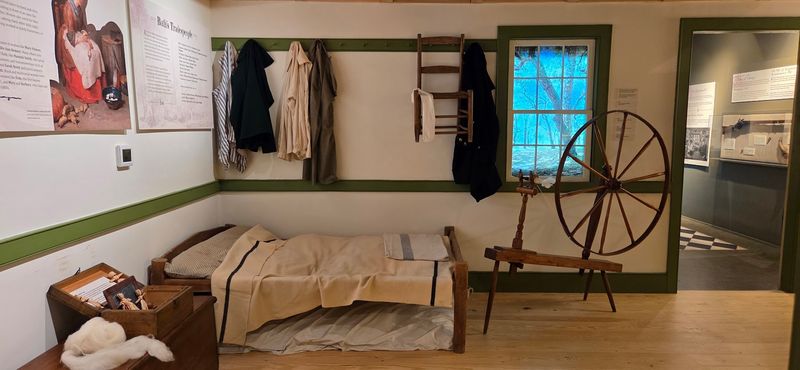
Bath offers both guided and self-guided options, and the choice you make will significantly shape your experience. The guided house tours are led by staff who know their material well and can answer questions in real time.
Multiple visitors have noted that the guides bring the history to life in ways that reading a placard simply cannot replicate. If you have any interest in the details, the guided tour is the stronger choice.
That said, the self-guided walking tour works well for visitors who prefer flexibility. The visitor center provides maps and enough background information to make the walk meaningful on its own.
You can linger where you want and move quickly through sections that interest you less, which suits a certain kind of traveler very well.
A practical tip worth mentioning: visiting during the off-season, particularly in late fall or winter, means smaller crowds and a more personalized experience with the guides. The site is closed on Sundays and Mondays, so plan accordingly.
Hours run from 9 AM to 5 PM Tuesday through Saturday. Arriving early gives you the best chance of joining a tour before the midday rush, such as it is in a town this size.
The Fishing Industry and Local Life: Beyond the Famous Names
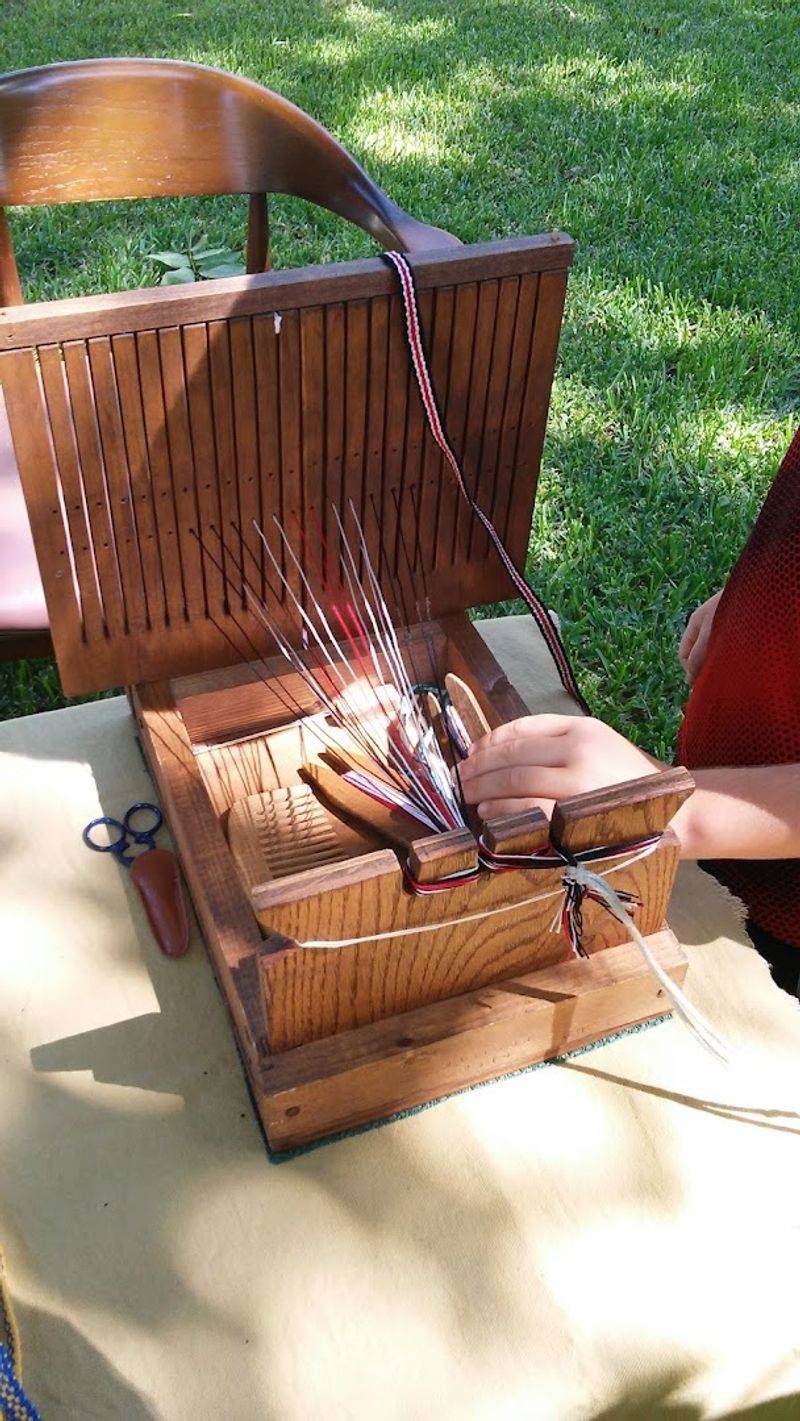
Blackbeard gets most of the headlines, but Bath’s history includes a much wider cast of people whose lives were shaped by the land and water around them. The fishing industry was central to everyday life in colonial Bath, and the exhibits at the visitor center give it proper attention alongside the more dramatic political and pirate narratives.
Commercial fishing on the Pamlico Sound and its tributaries supported families across the region for centuries, and Bath was a key point in that economic network. The tools, techniques, and social structures surrounding the fishing trade tell a story about ordinary working life that rarely makes it into the popular version of colonial history.
The exhibit presentation handles this material with an even hand, including perspectives on race and labor that reflect the full complexity of colonial society rather than a sanitized version of it. That kind of honest, balanced storytelling is not always a given at historic sites, and it makes the Bath experience more credible and more meaningful.
Understanding the fishing industry adds real texture to everything else you learn during your visit, grounding the big historical moments in the daily rhythms of actual human life.
Making the Most of Your Day in Bath: Practical Tips and Final Thoughts
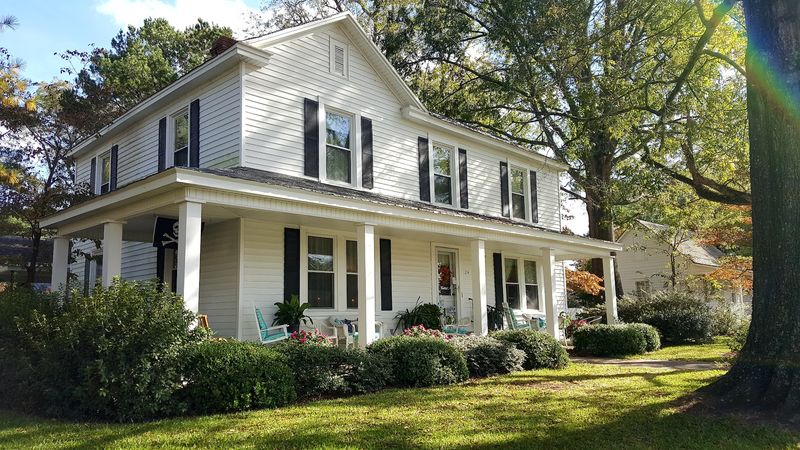
Bath is not the kind of place that demands a multi-day itinerary, but it absolutely rewards a full half-day of unhurried exploration. A reasonable plan starts at the visitor center to get your bearings, moves through the guided house tours, and then transitions into the self-guided walking route around the historic district.
That sequence gives you both the curated experience and the freedom to wander.
Food options in Bath are limited, so arriving with snacks or planning to drive to a nearby town for lunch is a smart move. Blackbeard’s Slices and Ice has been mentioned as a local stop worth checking out for a quick bite or ice cream before or after your tour.
The admission to the visitor center is free, while the house tours carry a small fee that is well worth it. The site earns its 4.6-star rating through a combination of well-maintained historic structures, genuinely helpful staff, and a story that holds up on its own merits without needing any embellishment.
Bath is proof that the most compelling history does not always happen in the most famous places, and that a town of just a few hundred people can carry the weight of an entire colony’s beginning.
Share this story