There is a small coastal town in North Carolina where the streets are lined with oak trees draped in Spanish moss, historic homes sit just steps from the waterfront, and film crews keep showing up with cameras. You might not know its name right away, but you have almost certainly seen it on screen.
This town has doubled as a backdrop for some of Hollywood’s most beloved movies and TV shows, yet its real-life charm is even better than anything a director could script. From its centuries-old history to its laid-back harbor atmosphere, this place has a way of making visitors feel like they have wandered into a movie set, which, as it turns out, they very well might have.
Welcome to Southport: The Town That Steals Every Scene
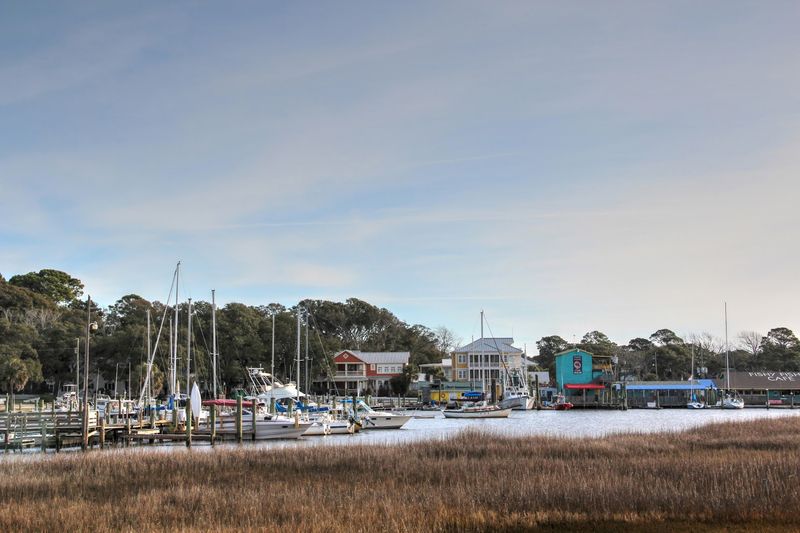
Tucked along the southeastern edge of North Carolina, Southport sits at 201 East Moore Street, Southport, NC 28461, right where the Cape Fear River meets the Atlantic Ocean. Brunswick County surrounds it, and the town carries a quiet confidence that comes from knowing exactly what it is: a genuinely beautiful place that does not need to try too hard.
With a population of just under 4,000 people, Southport is the kind of town where locals wave at strangers and the pace of life feels wonderfully unhurried. The streets downtown are narrow and shaded, lined with century-old trees that make even a simple afternoon walk feel like something worth remembering.
Hollywood has noticed all of this, of course, and film crews have been rolling in for decades. But unlike some towns that get swallowed by their own fame, Southport has managed to stay refreshingly grounded.
The real magic here is not just about movie trivia; it is about a town that has built an identity rooted in coastal beauty, community pride, and stories that stretch back hundreds of years.
A Quiet Town With a Very Loud Film Resume
Most people outside the Carolinas have no idea that Southport has been featured in a surprising number of major Hollywood productions. The town served as a key filming location for “Safe Haven,” the 2013 romantic drama based on Nicholas Sparks’ bestselling novel.
Fans of that film will recognize the waterfront, the ferry dock, and the charming storefronts almost immediately.
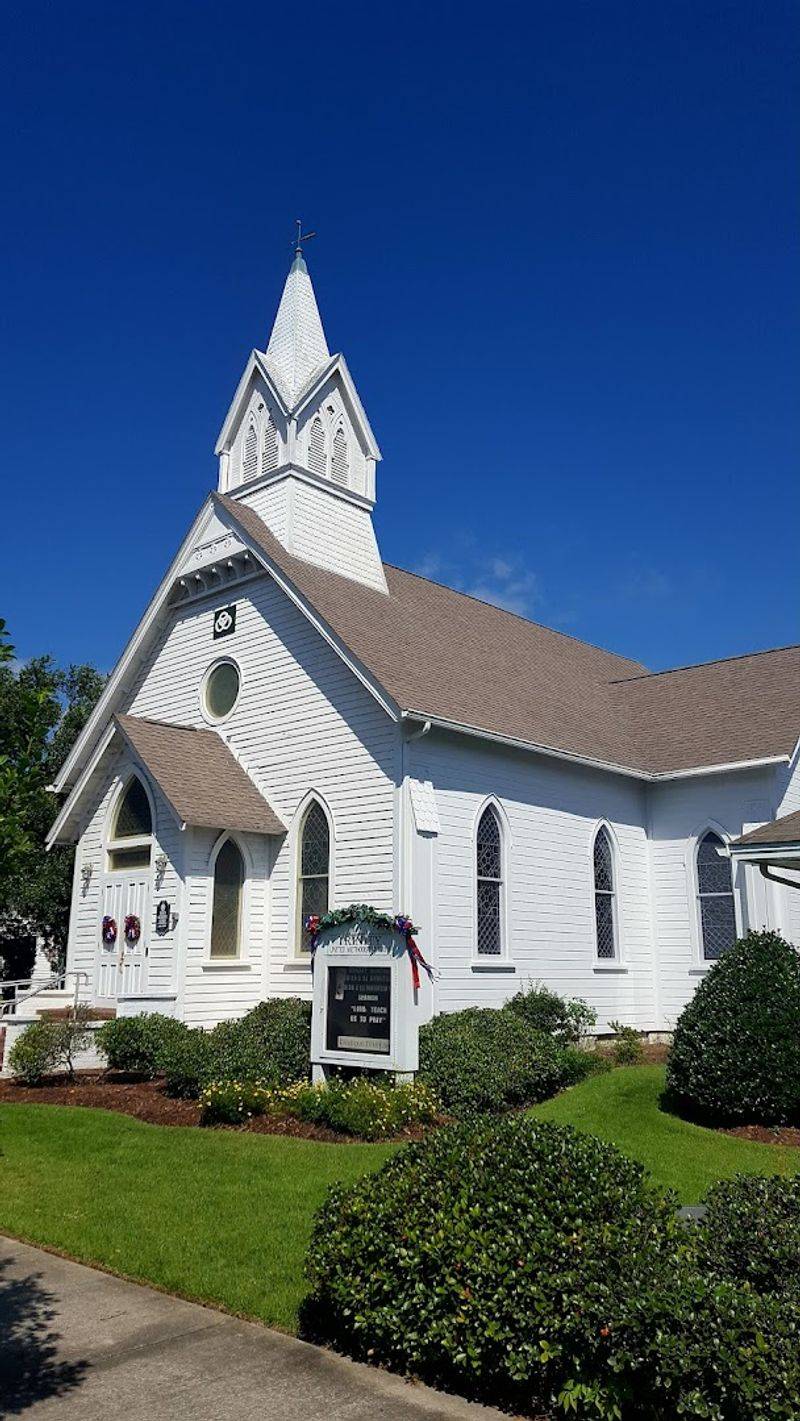
Before that, Southport appeared in “A Walk to Remember,” another Nicholas Sparks adaptation that put the town’s church steeples and quiet streets on the big screen. The area also hosted scenes for the TV series “Under the Dome,” which filmed extensively in Brunswick County and brought significant attention to the region.
What makes Southport so appealing to filmmakers is the way it looks authentically timeless. There are no big-box stores cluttering the downtown, no flashy modern developments breaking the visual flow of the historic district.
The town looks like it belongs in a different era, and that quality is exactly what directors need when they want a setting that feels both real and cinematic. Much like how Oklahoma is celebrated for its wide-open, honest landscapes, Southport wins hearts with its unforced visual honesty.
The Historic District That Feels Like a Living Museum
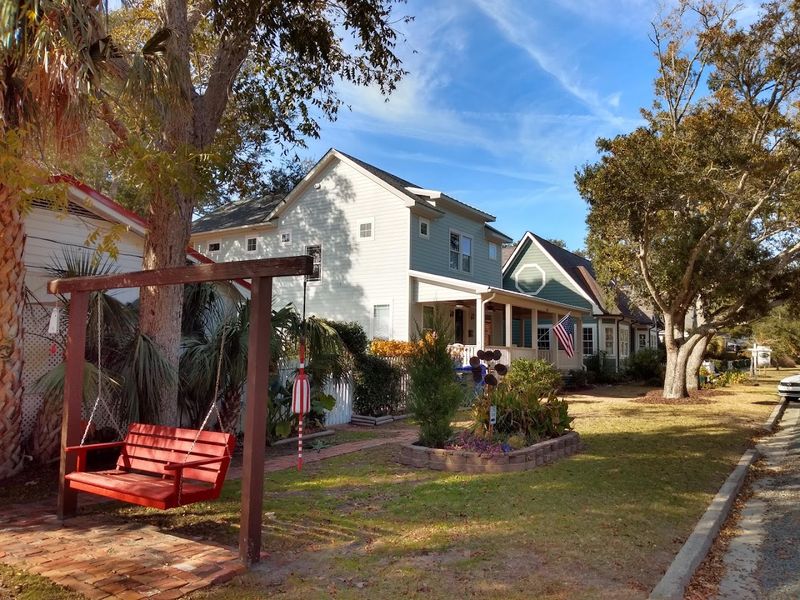
The historic district of Southport is the kind of place that makes you slow your steps without even realizing it. The streets near the waterfront are packed with homes dating back to the 1800s, many of them perfectly preserved and still occupied by families who have lived here for generations.
Walking along Bay Street or Nash Street feels like flipping through the pages of an old photograph album. The architecture shifts from Greek Revival to Victorian to simple coastal cottage, all sitting side by side in a way that feels natural rather than curated.
Historic markers dot the sidewalks, giving context to buildings that have witnessed everything from the Civil War to the golden age of river trade.
The Old Smithville Burying Ground, one of the town’s most visited landmarks, holds graves dating back to the late 1700s and tells the story of Southport’s earliest settlers. The town was originally known as Smithville before it was renamed Southport in 1887.
That long history gives the streets a layered quality that no film set could fully replicate, no matter how skilled the production designer. History here is not displayed; it is simply lived in.
The Waterfront: Where the River Meets Everything Else
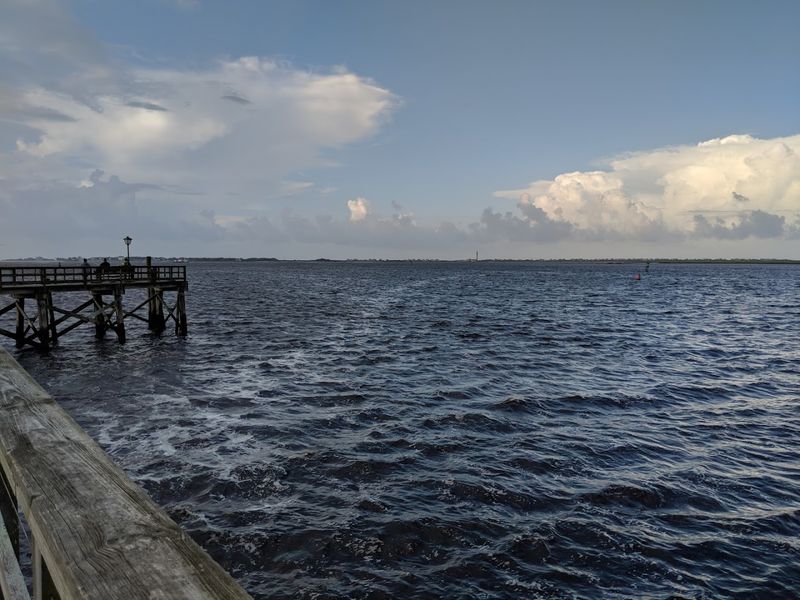
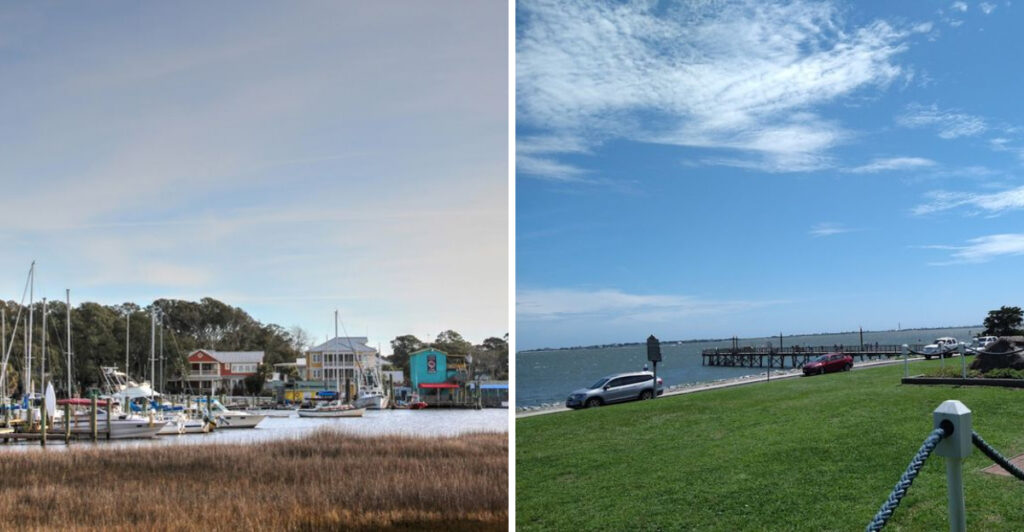
The waterfront along Bay Street is the social and visual heart of Southport. On any given afternoon, you will find locals fishing off the pier, visitors photographing the river, and shrimp boats heading back in after a long day out on the water.
The Cape Fear River here is wide and impressive, and on clear days you can see straight across to Bald Head Island on the other side.
The old ferry dock near the waterfront is one of the most recognizable spots from “Safe Haven,” and fans of that film often make a point of stopping there to take photos. Even without that cinematic connection, the dock is a genuinely lovely spot to sit and watch the boat traffic move through the river.
The Waterfront Park itself offers benches, shade trees, and unobstructed views of the water that are especially spectacular at sunrise. Fishermen set up along the railing before dawn, and by mid-morning the park fills with families and dog walkers enjoying the salt air.
The whole scene has a relaxed rhythm to it that is very hard to describe but very easy to feel the moment you arrive.
The Filming of Safe Haven: A Love Letter to a Real Town
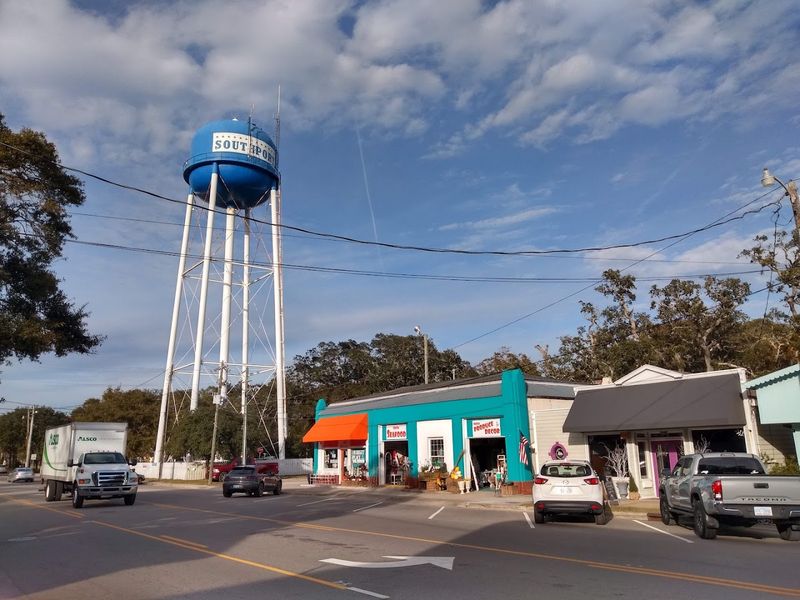
When director Lasse Hallstrom chose Southport as the primary filming location for “Safe Haven” in 2013, he was not just picking a pretty backdrop. He was selecting a town whose physical character matched the emotional tone of the story.
The film stars Josh Duhamel and Julianne Hough, and much of the action takes place in and around the town’s waterfront shops, ferry landing, and residential streets.
The grocery store featured in the film was a real Southport business, and locals who worked as extras during production still talk about the experience with genuine warmth. Several storefronts were lightly dressed for filming but required very little alteration because the town already looked exactly the way the script described it.
After the film’s release, Southport saw a noticeable uptick in visitors who came specifically to walk in the footsteps of the characters. The local tourism office even created a self-guided filming locations tour that leads visitors to the most recognizable spots.
It is a clever way to celebrate the town’s Hollywood connection while also encouraging people to explore the wider historic district. The tour remains popular to this day.
Dawson’s Creek Connections and the Screen Legacy
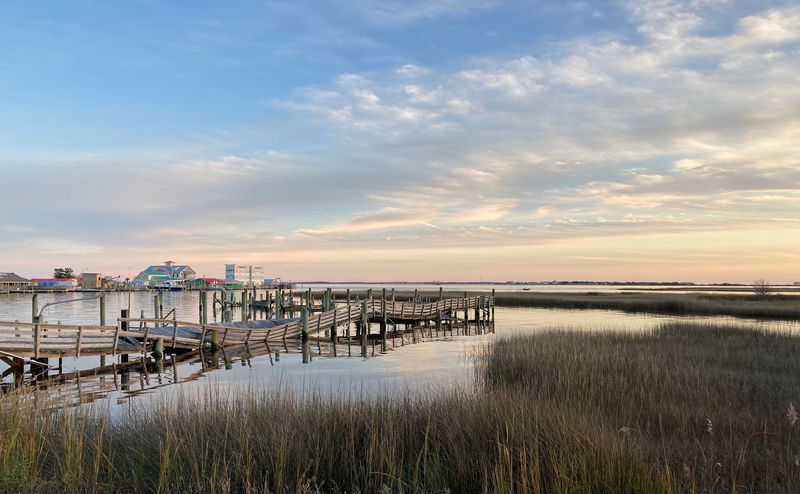
Beyond the Nicholas Sparks films, Southport and the surrounding Brunswick County area have deep roots in television history. While “Dawson’s Creek” itself filmed primarily in Wilmington and nearby Wilmington-area towns, the coastal aesthetic that made that show so visually distinctive is the same one that permeates Southport’s streets and waterways.
The CBS series “Under the Dome,” based on Stephen King’s novel, used Southport and surrounding areas extensively for its first few seasons. The show ran from 2013 to 2015 and drew large production crews to the region, with many scenes shot in the historic downtown and along the waterfront.
Locals who followed the series could spot familiar storefronts and tree-lined streets in episode after episode.
North Carolina has long been one of the top film production states in the country, and Southport’s role in that legacy is significant. The town’s combination of historic architecture, coastal scenery, and cooperative local government has made it a reliable choice for productions that need a certain kind of authentic American small-town atmosphere.
That reputation, much like Oklahoma’s reputation for wide-open storytelling landscapes, keeps the cameras coming back.
The Antique Shops and Local Boutiques Worth Browsing
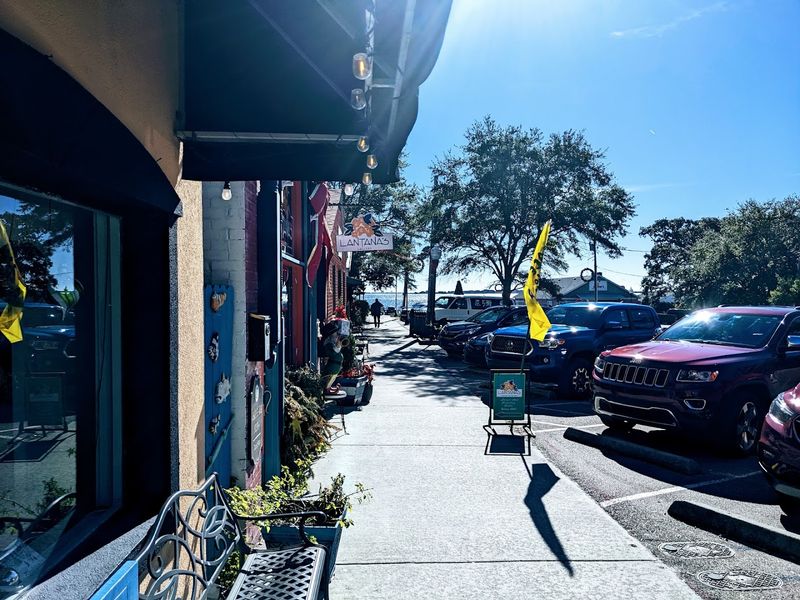
Downtown Southport has a shopping scene that rewards slow exploration rather than rushed errand-running. The small boutiques and antique stores along Howe Street and Moore Street carry a mix of locally made goods, coastal-themed decor, and genuine vintage finds that you will not stumble across in any mall or chain store.
One of the pleasures of browsing here is the conversation. Shop owners tend to know the history of what they sell, and a simple question about an old map or a piece of pottery can turn into a fifteen-minute story about Brunswick County’s past.
That kind of human connection is part of what makes shopping in Southport feel like an experience rather than a transaction.
The selection of nautical antiques is particularly strong, which makes sense given the town’s long history as a working port. Old ship equipment, vintage fishing gear, and maritime artwork show up regularly in these shops.
Visitors with an eye for coastal Americana will find plenty to consider, and the prices tend to be fair compared to what you might pay in larger tourist towns. It is the kind of shopping that makes you glad you took your time.
Fort Johnston and the Town’s Military Past
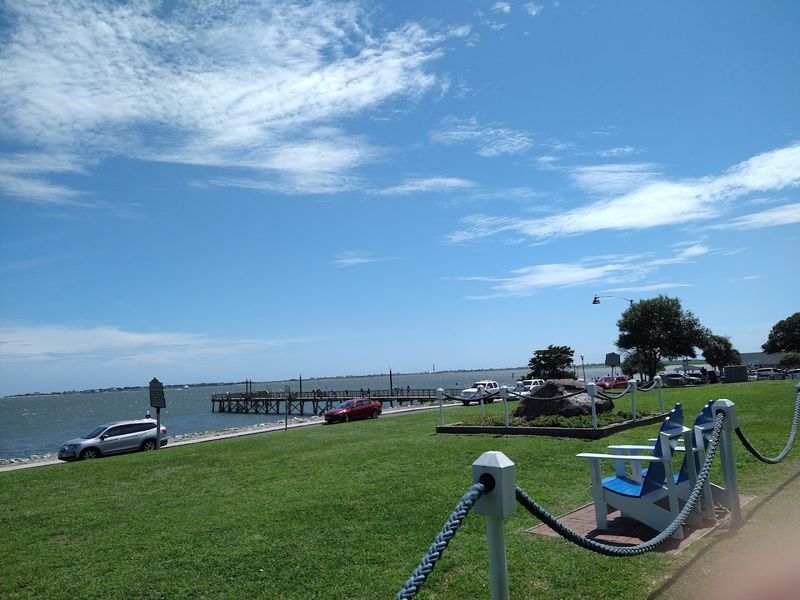
Few people outside of history enthusiasts know that Southport is home to one of the oldest military installations in the United States. Fort Johnston, established in 1745, sits right on the waterfront and carries a long and complicated history that stretches from the colonial era through the Civil War and into the twentieth century.
The fort was built to protect the Cape Fear River and the port of Brunswick Town from naval threats. During the American Revolution, it became one of the first British forts to be seized by American patriots.
That moment is considered a significant early act of colonial resistance, and the fort’s role in those events is something Southport residents take genuine pride in.
Today, Fort Johnston operates as a military reservation managed by the U.S. Army, and public access to the grounds is limited.
However, the historic officers’ quarters building is visible from the waterfront, and interpretive signage near the area helps visitors understand the site’s importance. The fort represents a layer of Southport’s history that goes far deeper than movie sets and tourism brochures, connecting the town to some of the most consequential moments in American history.
Fresh Seafood and Coastal Flavors You Will Not Forget
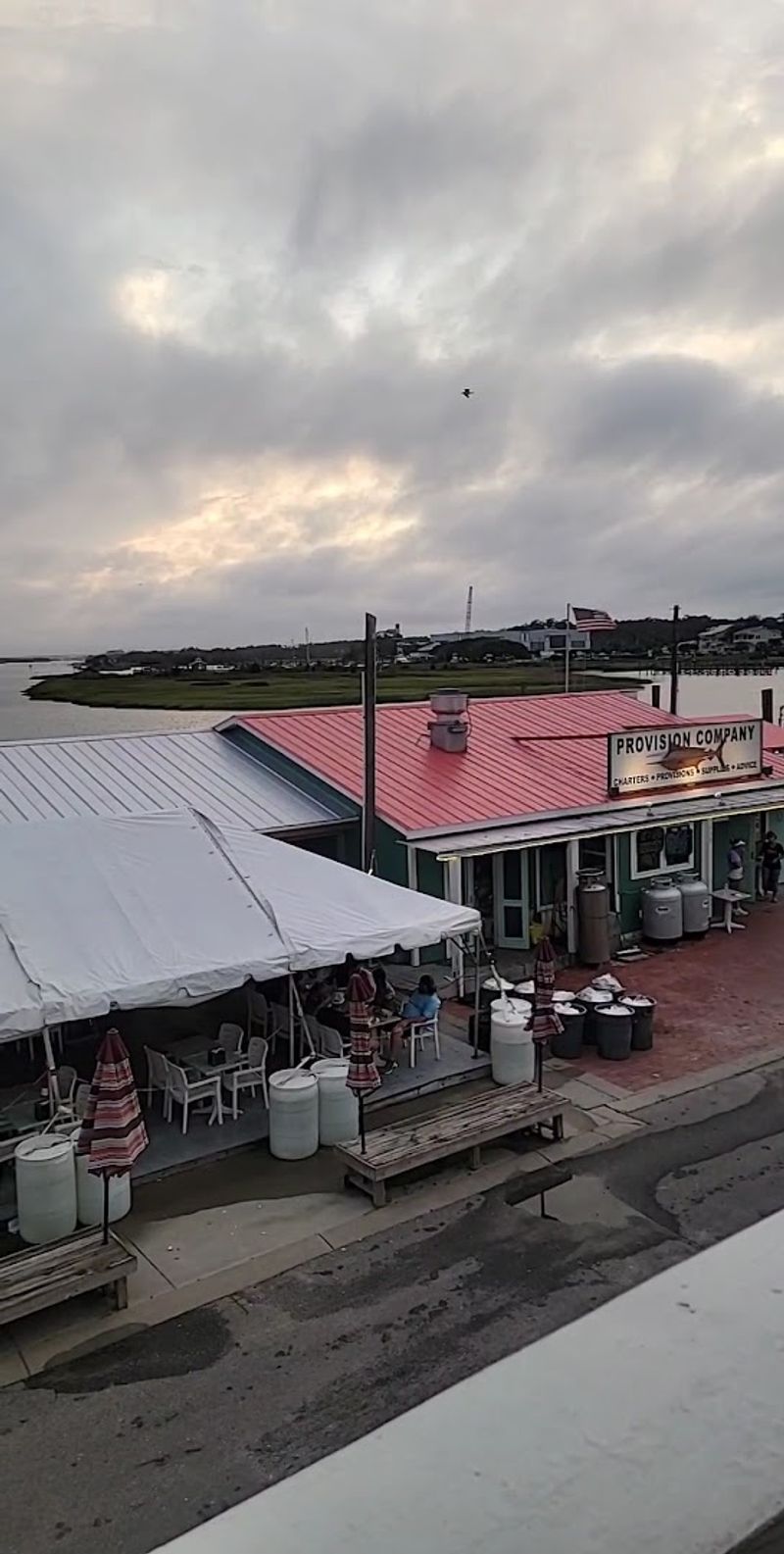
The seafood in Southport is not the kind that has traveled very far to reach your plate. The shrimp boats you watch from the waterfront in the morning are often supplying the restaurants you visit at lunch.
That short distance between ocean and table makes a noticeable difference in how the food tastes.
Local favorites include shrimp and grits prepared with stone-ground grits from regional mills, fried flounder served in generous portions, and she-crab soup that shows up on menus around town with subtle variations that reflect each kitchen’s personality. The crab here comes from local waters, and the difference in freshness compared to what most people eat elsewhere is immediately obvious.
The waterfront restaurants offer outdoor seating with river views, and eating outside on a mild evening while watching the lights of Bald Head Island flicker across the water is one of those simple pleasures that stays with you long after the trip ends. Southport does not have a celebrity chef scene or trendy fusion menus, and that is completely fine.
What it does have is honest, well-prepared coastal food made by people who grew up eating it. That kind of authenticity is genuinely rare.
The Fourth of July Festival: A Tradition Worth Planning Around
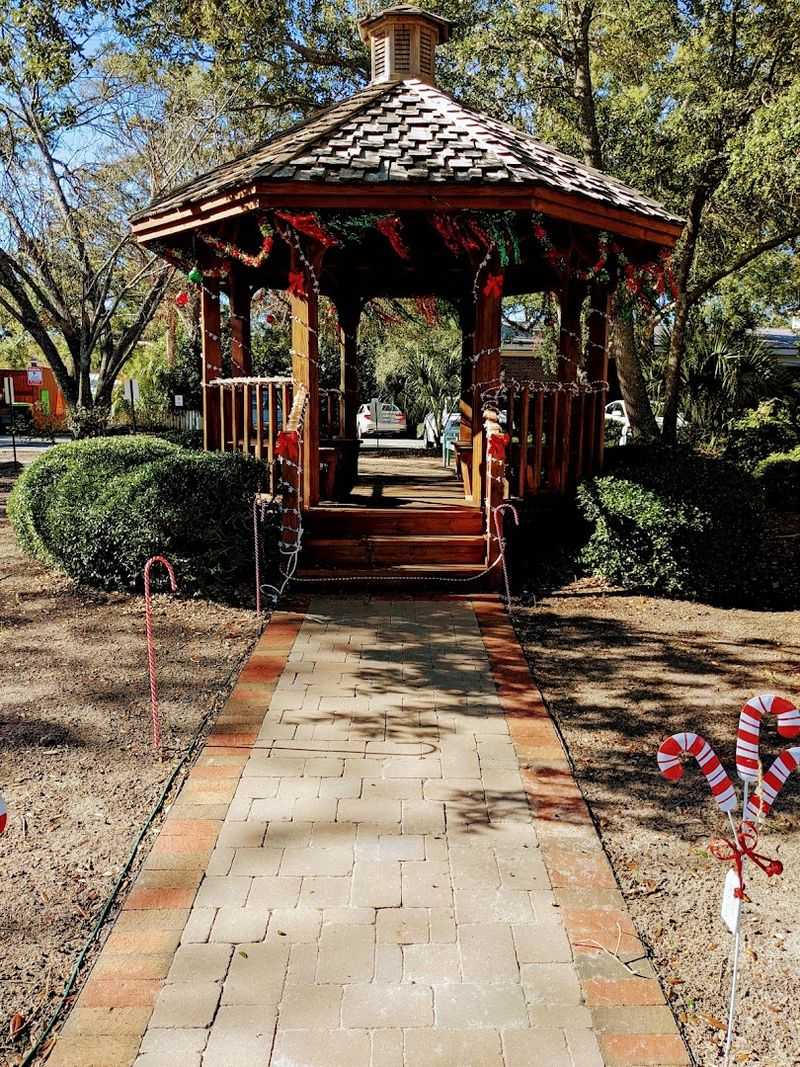
Southport calls itself the “Fourth of July City” and backs that claim up with one of the most celebrated Independence Day festivals in North Carolina. The annual North Carolina Fourth of July Festival draws tens of thousands of visitors each year and has been running for decades, making it one of the longest-running patriotic celebrations in the state.
The festival features a parade through the historic downtown, live music across multiple stages, craft vendors, food stalls, and a fireworks show over the Cape Fear River that turns the waterfront into a standing-room-only viewing area. The combination of the historic setting and the festive energy creates an atmosphere that feels genuinely special rather than generic.
Planning a visit around the Fourth of July requires booking accommodations well in advance, as nearby hotels and vacation rentals fill up quickly. Many visitors base themselves in Wilmington or Oak Island and drive in for the festivities.
If you can secure a spot within walking distance of the waterfront, the experience becomes even more rewarding. The festival captures something essential about Southport: a community that celebrates together and genuinely enjoys sharing its town with visitors from far and wide.
Bald Head Island: The Ferry Ride Worth Taking
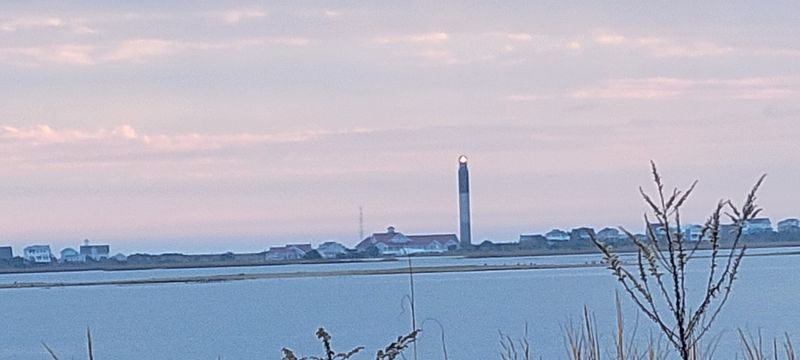
One of the best day trips accessible from Southport requires nothing more than a short ferry ride. Bald Head Island sits just across the Cape Fear River, and the only way to reach it is by passenger ferry from the Southport terminal.
No cars are allowed on the island, which means the moment you step off the boat, the pace drops to something wonderfully slow.
The island is home to Old Baldy, North Carolina’s oldest standing lighthouse, built in 1817. The lighthouse is open for climbing, and the view from the top stretches across miles of maritime forest, barrier island beaches, and the open Atlantic.
It is the kind of view that makes you understand why people have been drawn to this stretch of coastline for centuries.
The beaches on Bald Head Island are wide, relatively uncrowded, and backed by sea oats and dunes rather than development. Sea turtle nesting activity is closely monitored here, and during nesting season, volunteers patrol the beaches to protect the nests.
The round trip ferry and a full day of exploration make for one of the most satisfying outings the Southport area has to offer, and the boat ride itself provides great views of the river and the town you just left behind.
Why Southport Keeps Drawing People Back
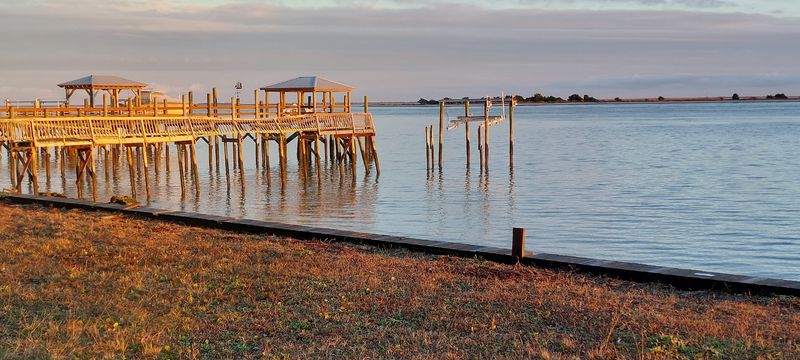
There is a certain kind of town that people visit once and then spend years trying to get back to. Southport is that town.
It does not overwhelm you with attractions or demand that you fill every hour with scheduled activities. Instead, it offers a version of coastal life that feels sustainable, unhurried, and genuinely pleasant to be part of, even briefly.
The film crews keep returning for the same reason the tourists do: the town looks and feels like something worth preserving. Just as Oklahoma has a reputation for landscapes that feel honest and unperformed, Southport has a coastal character that resists the kind of over-development that has changed so many other seaside towns beyond recognition.
Locals are proud of their town without being territorial about it, and that openness makes visitors feel welcome rather than tolerated. The combination of real history, accessible natural beauty, great seafood, and an unexpected Hollywood resume makes Southport one of the most interesting small towns on the entire East Coast.
Whether you come for the Nicholas Sparks filming locations, the Fourth of July festival, or simply a weekend by the river, Southport has a reliable way of making sure you leave already planning your return.
Share this story