 Unearth The Voyage
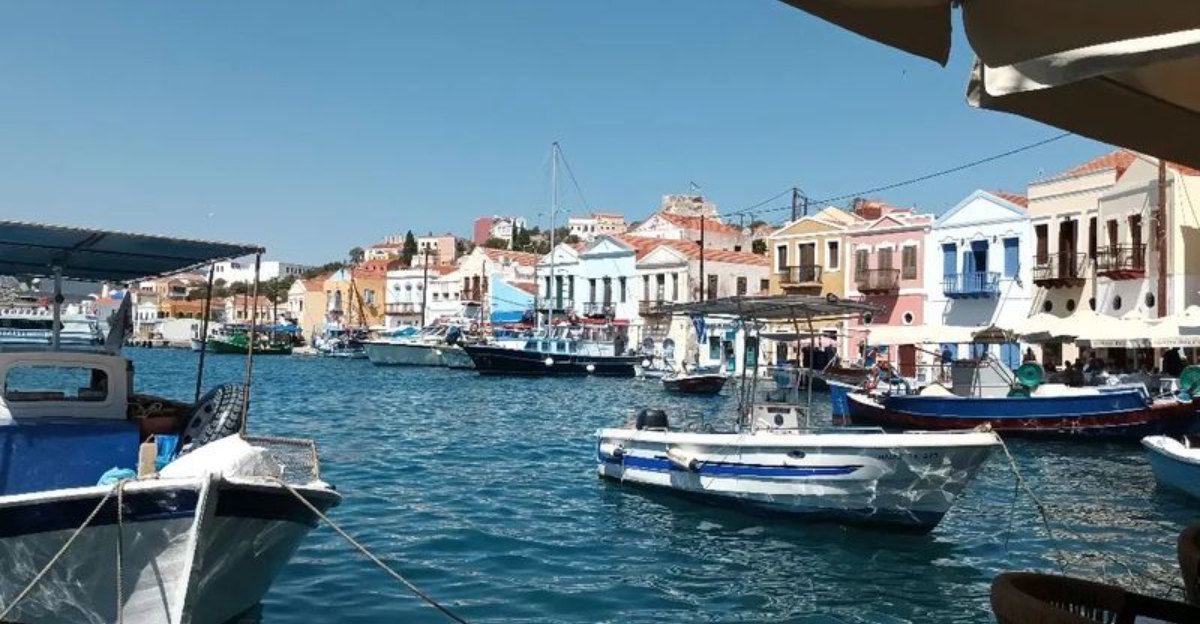
Greece has over 200 inhabited islands, but most tourists crowd onto the same handful. The locals on the quieter ones?
They’d rather keep it that way. I spent a summer hopping between ferries and tiny ports, and I can tell you firsthand that the real magic lives far from the cruise ship docks.
These ten islands are the ones worth finding before everyone else does.
Anafi (Cyclades)
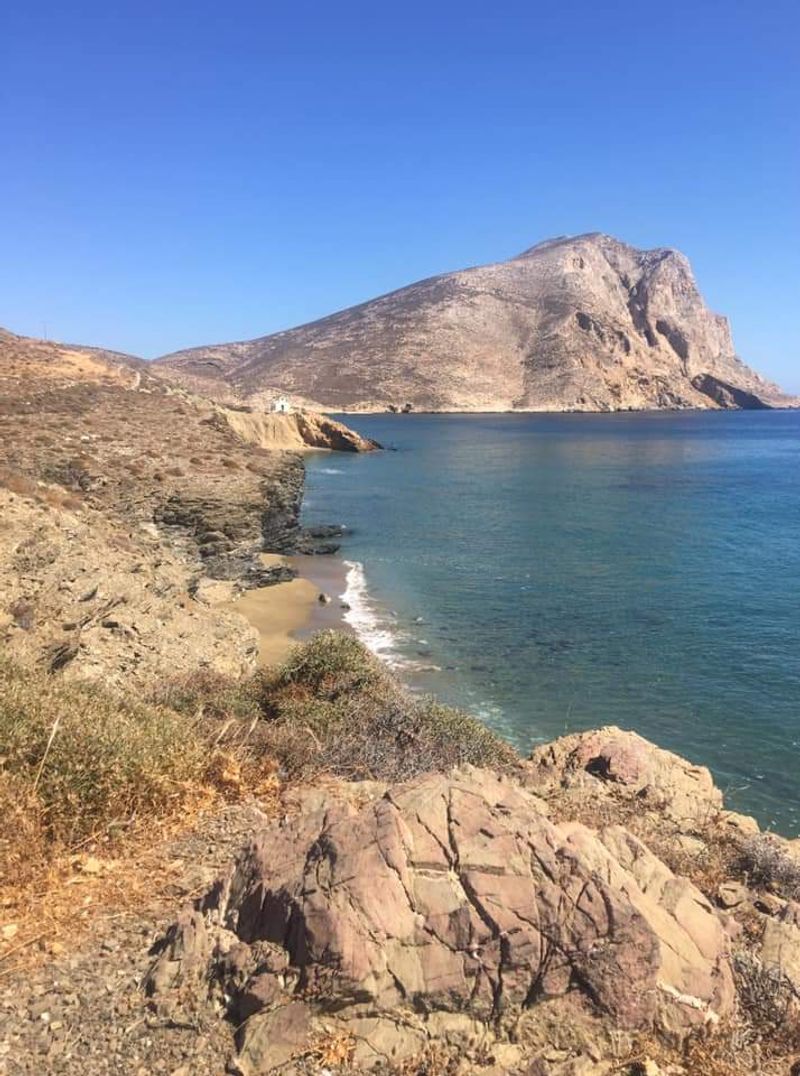
Santorini’s quieter neighbor has been sitting right next door this whole time, completely unbothered by the crowds next door. Anafi is rugged, unhurried, and refreshingly unpolished.
Ferries connect it to Santorini, so getting here is doable even if the schedules need some patience.
Chora sits high on a cliff and rewards every step with sweeping sea views. The beaches are simple, uncrowded, and wonderfully free of sunbed rental signs.
Nights here are genuinely dark, which means the stars put on a show that no rooftop bar could compete with.
Pack light, bring snacks, and lower your expectations for Wi-Fi. Anafi works best when you surrender to its pace rather than fight it.
Honestly, after two days here, you stop checking your phone and start watching the horizon instead. That is either deeply relaxing or deeply terrifying, depending on the person.
Folegandros (Cyclades)
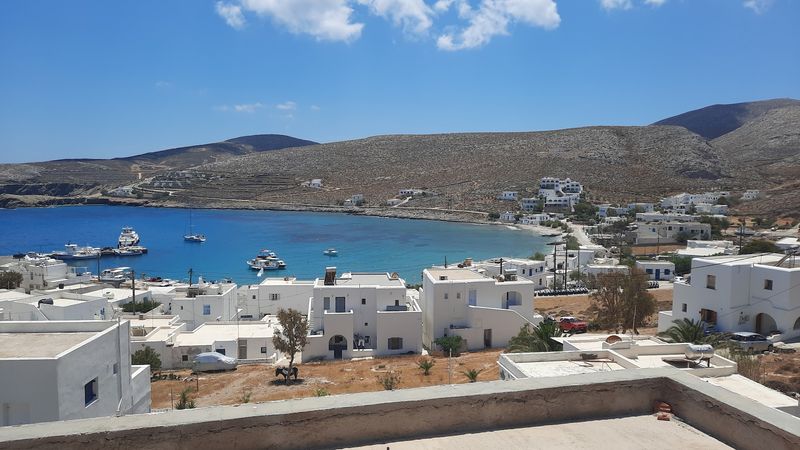
Folegandros does not try to impress you with beach clubs or cocktail menus. It earns your admiration through sheer dramatic scenery and the kind of stubborn authenticity that most Cycladic islands traded away years ago.
The hilltop Chora is genuinely one of the most beautiful villages in Greece.
Hikers love it here. The walking paths wind through raw terrain, and the viewpoints deliver sea panoramas that feel almost unfair.
There is no resort sprawl, no neon signs, and no one trying to sell you a catamaran sunset tour every five minutes.
Stay in or near Chora and explore on foot. The slow-island rhythm takes hold quickly.
One afternoon I realized I had spent three hours sitting at a cafe watching goats negotiate a hillside path. Zero regrets.
Folegandros rewards visitors who are genuinely happy doing less and seeing more of what actually matters.
Symi (Dodecanese)
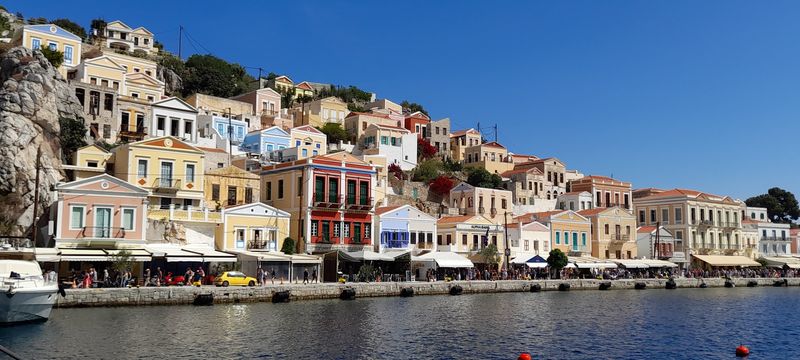
Symi’s harbor looks like someone hand-painted every building in a different shade of honey, terracotta, and cream. It is genuinely one of the most photogenic spots in the entire Aegean, which is saying something in a country full of postcard-worthy views.
The island has no sprawling resort scene, and that is entirely the point. Mornings bring day-trippers from Rhodes, but by afternoon they are gone.
Spend your day exploring coves by boat or walking the backstreets, then return to the harbor for dinner when the energy shifts to something quieter and far more local.
Boat rides to secluded coves are easy to arrange and worth every euro. Evenings here wind down early in the best possible way: good food, gentle sea sounds, minimal noise.
Symi is proof that character beats convenience every single time, and the island wears that truth with total confidence.
Kastellorizo (Megisti)
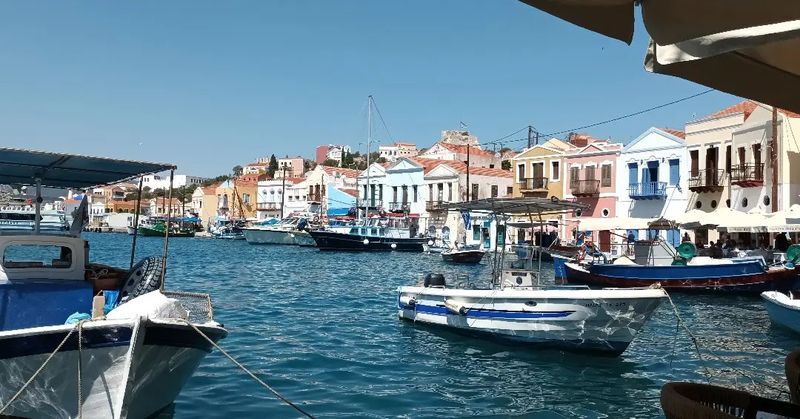
Kastellorizo sits closer to Turkey than to mainland Greece, which gives it a delightful sense of geographic rebellion. With a population under 500, it is one of Greece’s smallest inhabited islands.
And yet, it carries itself with the confidence of somewhere much larger.
The Blue Cave, also called the Blue Grotto, is the headline attraction. Visited by small boat in calm conditions, it is the kind of place that makes you briefly forget how to speak.
Weather matters enormously for access, so build flexibility into your plans rather than betting everything on one specific morning.
The harbor is gorgeous and the evenings are slow in the best way. There are very few distractions here, which is either the ultimate selling point or a dealbreaker depending on your personality.
Kastellorizo suits travelers who genuinely want to feel like they have found somewhere off the map, because they really have.
Serifos (Cyclades)
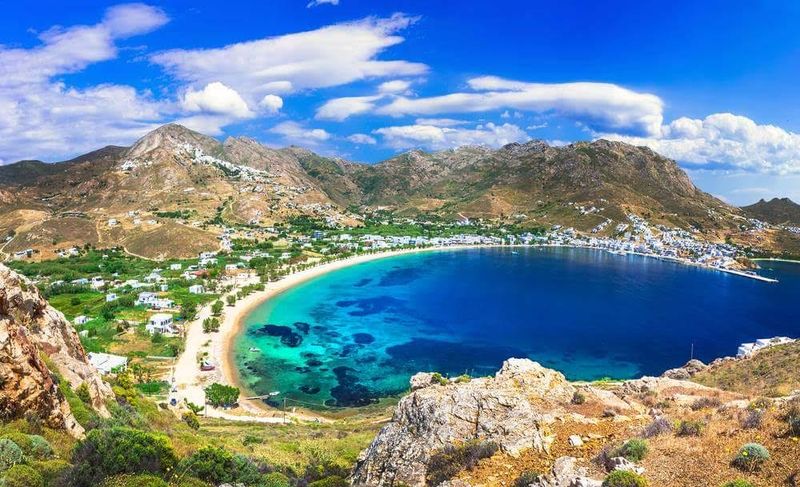
Serifos is the Cyclades without the performance. No heavily curated beach setups, no influencer hotspots, no lines for overpriced acai bowls.
What it does have is genuinely good beaches, a hilltop Chora that earns the climb, and a mood that feels refreshingly grounded.
The beaches here range from accessible to properly tucked away. For the quieter ones, bring your own water and snacks because commercial setups are minimal.
That is not a complaint. That is the whole appeal.
Serifos rewards a little preparation with a lot of peace.
Seaside tavernas serve simple food at honest prices, and the vibe at sunset is more local fishermen than tourist happy hour. I found myself eating the same grilled fish three nights running simply because nothing else seemed necessary.
Serifos is for people who want the real Cyclades experience, not the filtered version that ends up on travel magazine covers.
Tilos (Dodecanese)
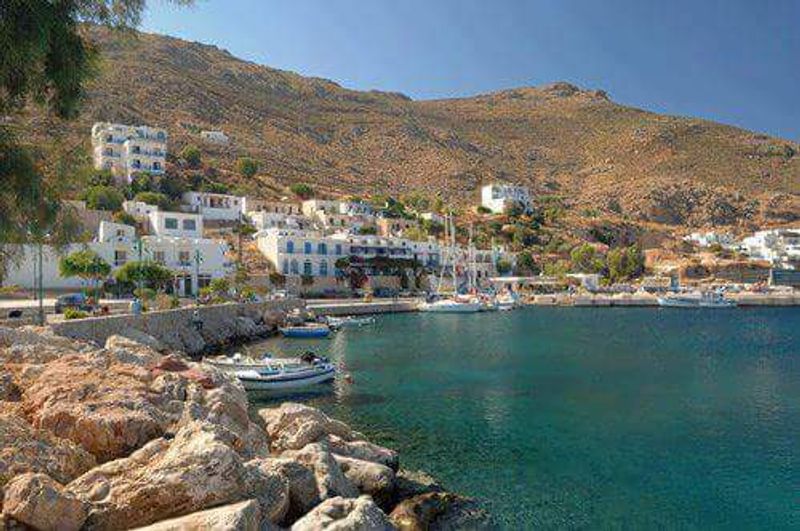
Tilos made history by becoming Greece’s first zero-waste certified municipality, backed by the Just Go Zero program with municipal and regional support. It is also promoted as the world’s first zero-waste certified island.
That is not a marketing slogan. The locals actually live by it.
Pack reusable basics before you arrive, and respect the local waste-sorting systems. The island takes sustainability seriously, and visitors who do the same tend to feel genuinely welcomed rather than just tolerated.
Beyond the eco credentials, Tilos has real natural charm.
The caves containing dwarf elephant fossils are a legitimate highlight and surprisingly fascinating even for people who do not normally get excited about prehistoric pachyderms. The landscape is greener than most Dodecanese islands, the beaches are quiet, and the pace is gloriously slow.
Tilos is the rare destination where doing the right thing environmentally also happens to be the most enjoyable travel choice available.
Amorgos (Cyclades)
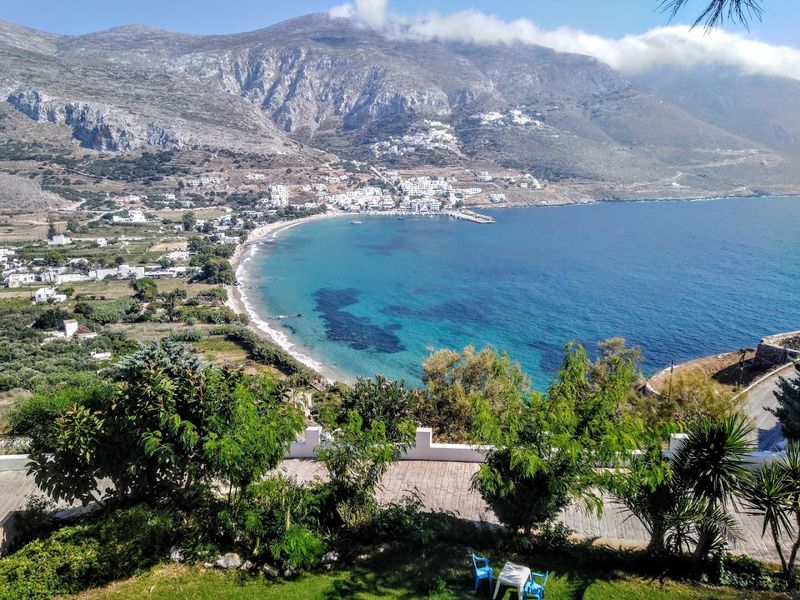
Amorgos has cliffs that drop straight into some of the clearest water in the Aegean. The island is famous among hikers and swimmers who prefer finding their own cove over booking a sunbed.
It is rugged, dramatic, and completely unapologetic about having more goat paths than beach bars.
The Hozoviotissa Monastery, carved directly into a white cliff face, is one of the most striking architectural sights in all of Greece. Getting there involves climbing about 300 steps, which is either a workout or a pilgrimage depending on your mindset.
Either way, the view from the top is worth every single one.
If cliff-jumping is on your list, be extremely cautious and stick to known, safe spots only. The water is deep and beautiful, but recklessness has no place here.
Amorgos rewards careful, curious travelers who show up ready to explore rather than be entertained.
Astypalea (Dodecanese)
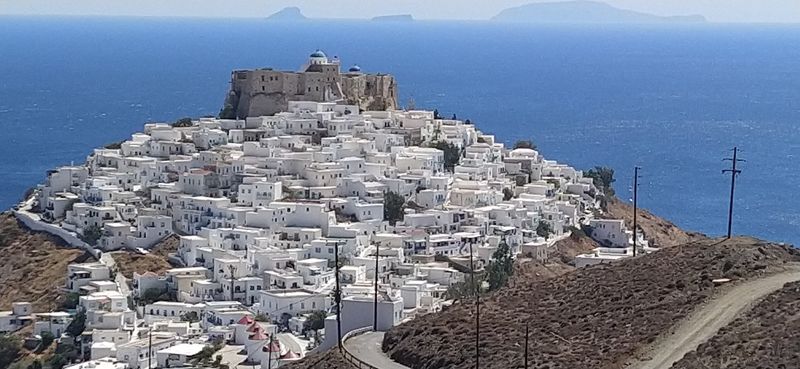
Called the Butterfly of the Aegean for its distinctive shape, Astypalea earns its nickname with genuine style. The whitewashed Chora climbs a hilltop crowned with a medieval castle, and the views from up there cover sea in every direction.
It is the kind of place that makes you recalibrate what beautiful actually means.
Astypalea is also a real-world testbed for a smart sustainable mobility project backed by the Greek state and the Volkswagen Group. Electric vehicles, smart energy systems, and green transport are all part of the island’s forward-thinking identity.
It is genuinely cool to see a tiny island leading on ideas that major cities are still arguing about.
The pace is slow, the streets are narrow, and the sea views are relentless. Getting around is part of the experience, especially given the mobility initiative shaping how locals and visitors move.
Astypalea is simultaneously ancient and surprisingly modern.
Kythira
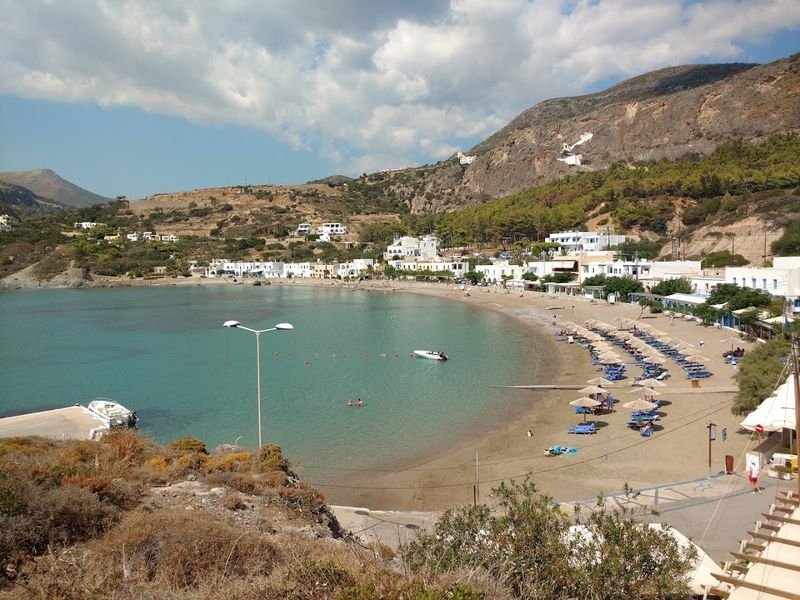
Kythira does not fit neatly into any category, which is exactly what makes it interesting. Geographically it hangs between the Ionian and Aegean worlds, and its personality reflects that in-between quality.
Cliffs, gorges, waterfalls, and quiet beaches all coexist here without competing for attention.
The waterfalls at Fonissa are worth the detour, and the gorges offer proper walking with real payoff at the end. Kythira lacks the tourist infrastructure of bigger islands, so the experience feels less packaged and more genuine.
That can mean slightly more planning, but the reward is a destination that still feels discovered rather than delivered.
Base yourself near whichever activity matters most to you, whether that is hiking or beach time, because the island is spread out and commuting across it daily gets old fast. Kythira suits travelers who appreciate variety and do not need a nightlife scene to feel like they had a good trip.
Donousa (Small Cyclades)
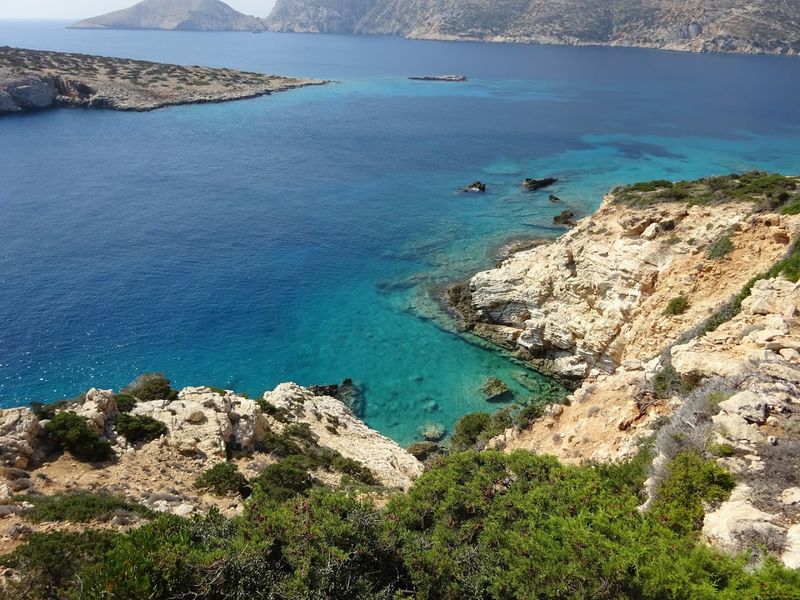
Donousa is the kind of place where the ferry schedule basically controls your life, and somehow that feels liberating rather than limiting. One of the Small Cyclades, it sits quietly between Naxos and Amorgos, attracting travelers who actively want fewer options and more simplicity.
The beaches are genuinely tranquil, the hiking trails are short but rewarding, and the tavernas serve food that tastes better because you earned it by showing up somewhere most people skip. There is no pretense here.
What you see is exactly what you get, and what you get is lovely.
Rooms and ferries fill up fast in peak weeks, so book ahead rather than winging it. Small islands punish optimism and reward planning.
I learned that lesson the hard way on a different island and vowed never to repeat it. Donousa is the perfect place to do less, eat well, and actually decompress.



