 Unearth The Voyage

There is a place in Oklahoma City where a rare, original copy of the Bill of Rights sits under careful protection, and most people have no idea it exists just off the highway. The Oklahoma Historical Society holds one of only fourteen surviving original copies of the document that shaped American freedom, and that fact alone is enough to make any history lover’s jaw drop.
Beyond that priceless document, the building is packed with interactive exhibits, a world-class genealogy library, and stories that bring the state’s rich past to life in surprising ways. Whether you are a local or just passing through, this place deserves far more attention than it gets.
Finding the Oklahoma Historical Society
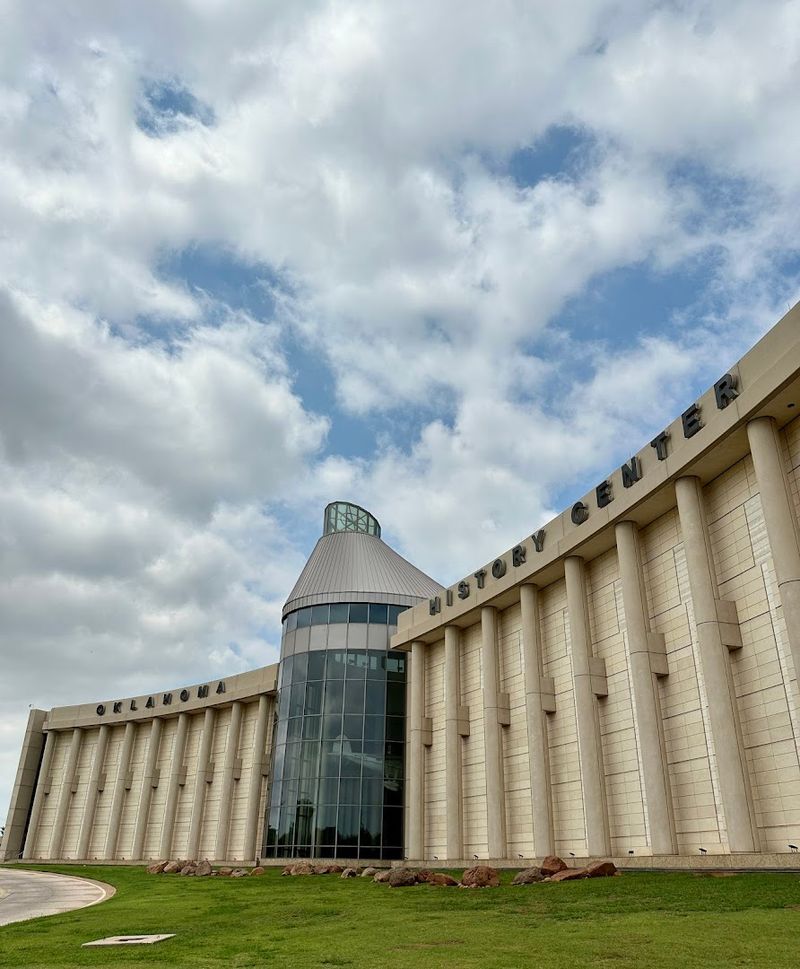
The address is 800 Nazih Zuhdi Dr, Oklahoma City, OK 73105, and the building sits in a part of the city that feels both civic and surprisingly calm for a major urban area.
From the outside, the structure has a clean, contemporary design that signals this is not your dusty, forgotten archive tucked in a basement somewhere. The grounds are open, the parking is accessible, and the entrance feels welcoming rather than intimidating.
Hours run Monday through Saturday from 10 AM to 5 PM, and the museum is closed on Sundays. That schedule gives most visitors plenty of options to plan a visit around a regular week.
The phone number is +1 405-521-2491, and the website at okhistory.org offers detailed information on current exhibits and research services before you even show up. Getting oriented online first makes the in-person experience even smoother, and trust me, you will want to arrive prepared because there is a lot to take in once you walk through those doors.
The Bill of Rights on Oklahoma Soil
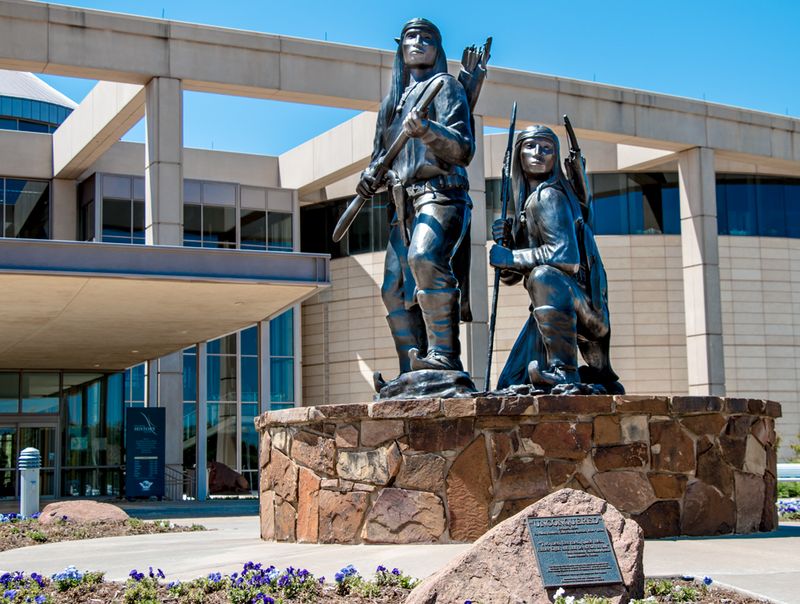
Out of the fourteen original copies of the Bill of Rights that still exist today, Oklahoma is home to one of them, and that is not a small deal by any measure.
The copy held at the Oklahoma Historical Society was ratified by the state of New Jersey in 1789, and it ended up in Oklahoma through a fascinating chain of custody that spans more than two centuries. Seeing the actual parchment up close, with its aged ink and formal script, makes American history feel tangible in a way that no textbook ever could.
The exhibit surrounding the document adds important context, explaining the political climate of the founding era and why these ten amendments mattered so deeply to early Americans. Display panels are written clearly enough for younger visitors to follow along without losing the depth that adult history enthusiasts want.
This is the kind of artifact that most people only read about in school. Having it right here in Oklahoma, accessible to the public on a regular weekday, is genuinely remarkable and worth the trip on its own.
Interactive Exhibits That Actually Engage You
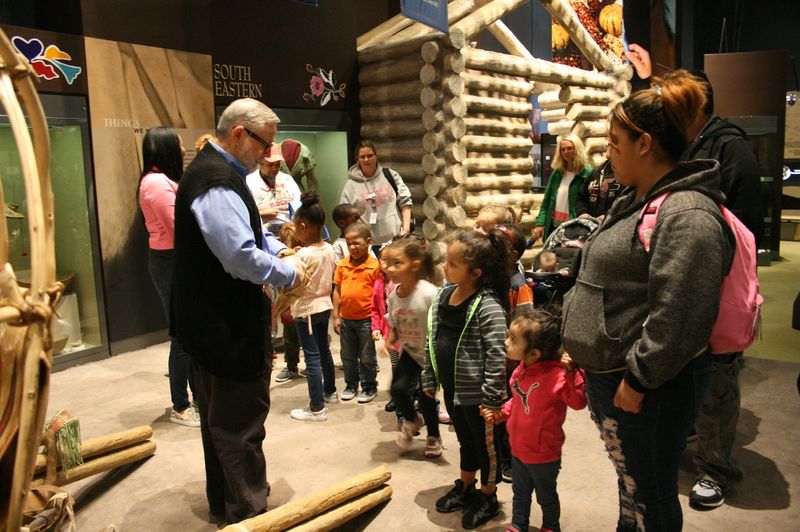
The stereotype of a history museum being a row of glass cases and laminated labels does not apply here. The Oklahoma Historical Society has invested seriously in interactive displays that pull visitors into the stories rather than just presenting them from a distance.
Touch screens let you explore timelines, zoom into photographs, and pull up audio recordings from different eras of Oklahoma history. Some exhibits use reconstructed environments to give a physical sense of what daily life looked like during the territorial period and the early days of statehood.
Kids respond especially well to the hands-on sections, where they can handle replica tools, try on period clothing, or engage with simple activities tied to specific historical events. Adults tend to linger longer than they expect to, which is always the sign of a well-designed exhibit.
The pacing of the galleries is thoughtful, moving visitors through time in a way that feels like a story unfolding rather than a checklist of dates. By the time you reach the modern Oklahoma section, you feel genuinely connected to the journey the state has taken over the past few centuries.
The Genealogy Library and Research Center
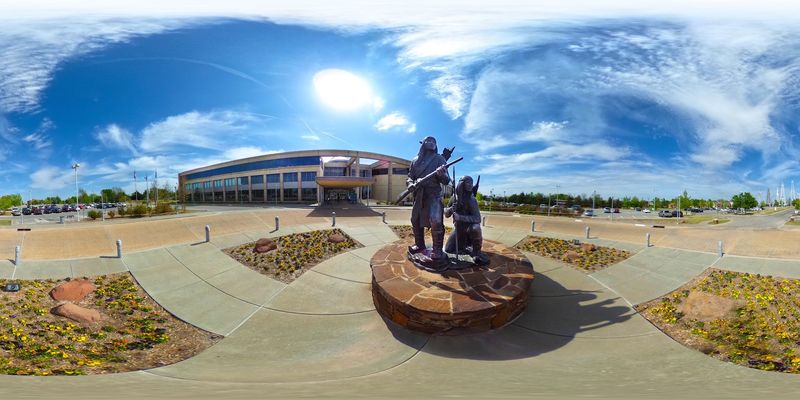
Few places in the country offer the kind of deep genealogical research access that the Oklahoma Historical Society provides, and the staff here are genuinely one of its greatest assets.
The research center holds an enormous collection of records, including land documents, census data, tribal rolls, newspaper archives, and county records stretching back to the territorial era. Researchers have uncovered family connections they never knew existed, tracked down old land plots with attached cemeteries, and pieced together ancestry lines that seemed permanently lost.
Staff members are known for going well beyond a basic answer. They walk alongside researchers, suggest sources that most visitors would never think to check, and bring a level of enthusiasm to the work that makes the whole process feel collaborative rather than transactional.
The library is open during regular museum hours, but calling ahead to confirm availability of specific collections is always a smart move. Whether you are tracing Native American heritage, pioneer roots, or more recent Oklahoma family history, this research center has the depth and the people to help you find what you are looking for.
Oklahoma Native History and Tribal Narratives
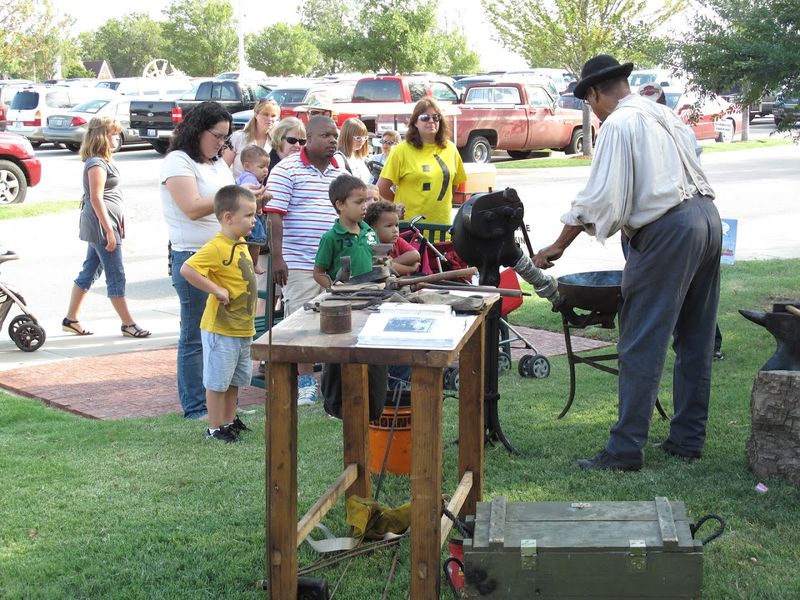
Oklahoma’s story cannot be told without centering the Native nations whose histories are woven into every layer of the land, and the museum handles this subject with real care and depth.
Exhibits dedicated to the Five Civilized Tribes, the Trail of Tears, and the complex relationship between the federal government and tribal sovereignty are presented with both historical accuracy and cultural sensitivity. Artifacts, photographs, and oral history recordings bring these narratives to life in ways that go far beyond surface-level acknowledgment.
The Dawes Rolls, which documented tribal membership at the turn of the twentieth century, are part of the research collection and are one of the most requested resources in the entire building. Many visitors come specifically to trace Native ancestry through these records, and the staff are well-versed in helping navigate them.
The tribal history section of the museum is one of the most emotionally resonant parts of the entire visit. It challenges, informs, and ultimately enriches your understanding of what Oklahoma actually is, not just as a state on a map, but as a living, layered place shaped by communities whose presence here predates statehood by thousands of years.
The Land Run and Pioneer Era Displays
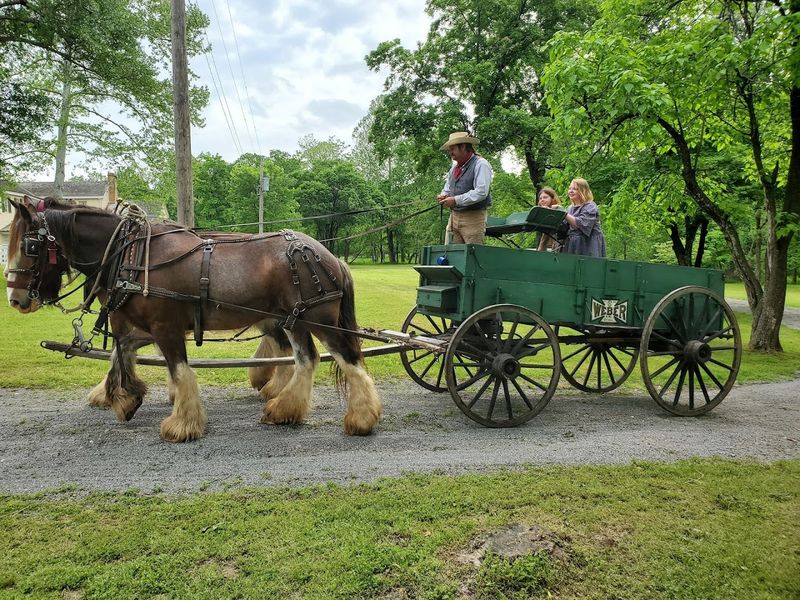
The 1889 Land Run is one of the most dramatic and chaotic moments in American frontier history, and the Oklahoma Historical Society gives it the full treatment it deserves.
Displays cover the logistics and the human drama of the run itself, from the starting gun to the disputes over claims that followed. Photographs from the era are blown up to impressive sizes, putting faces to what could otherwise feel like an abstract historical event.
Replica wagons, period tools, and reconstructed homestead elements give the exhibit a physical texture that photographs alone cannot provide. You start to understand what it actually meant to stake a claim on raw prairie land with nothing but what you could carry.
The exhibit also addresses the complexity of the Land Run honestly, including the displacement of Native communities that preceded it and the legal battles that came after. That balance between celebrating pioneer spirit and acknowledging its costs makes this one of the more mature and thoughtful sections of the museum.
Standing in front of a panoramic photograph of thousands of settlers lined up at the border, waiting for the signal, is one of those museum moments that stays with you long after you leave.
The Building’s Architecture and Layout
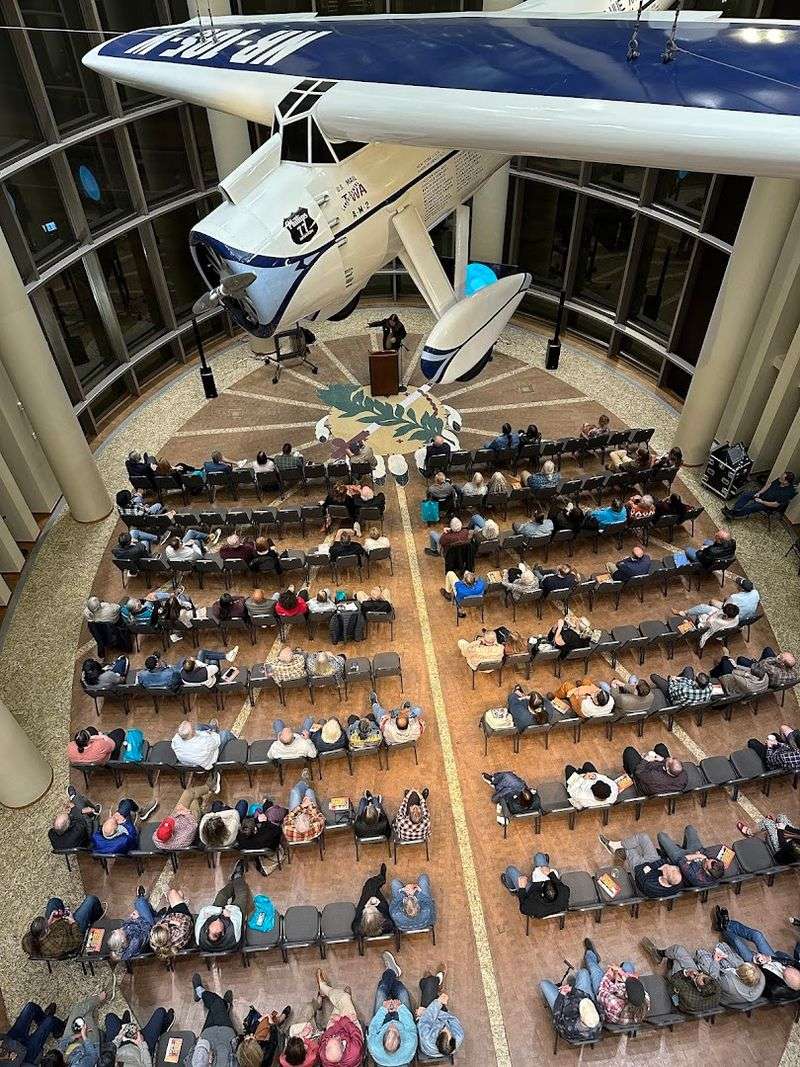
There is something quietly impressive about the way the Oklahoma Historical Society building is designed, and it deserves attention beyond just the collections it houses.
The layout moves visitors through the space in a way that feels intentional, with galleries that open into one another and transition between time periods without jarring shifts. Natural light filters into common areas, and the overall atmosphere is airy rather than heavy, which makes longer visits feel comfortable rather than exhausting.
Signage throughout the building is clear and well-placed, so even first-time visitors rarely feel lost or uncertain about where to head next. That kind of practical thoughtfulness in museum design often goes unnoticed, but it makes a real difference in how much visitors actually absorb and enjoy.
The building also houses administrative offices for the Oklahoma Historical Society organization itself, which oversees dozens of historic sites and museums across the state. Knowing that the place you are visiting is also the nerve center of a statewide preservation effort adds a layer of significance to the experience.
The architecture does not try to overshadow what it contains, and that restraint is exactly right for a place whose whole purpose is to make history the main event.
Practical Tips for Planning Your Visit
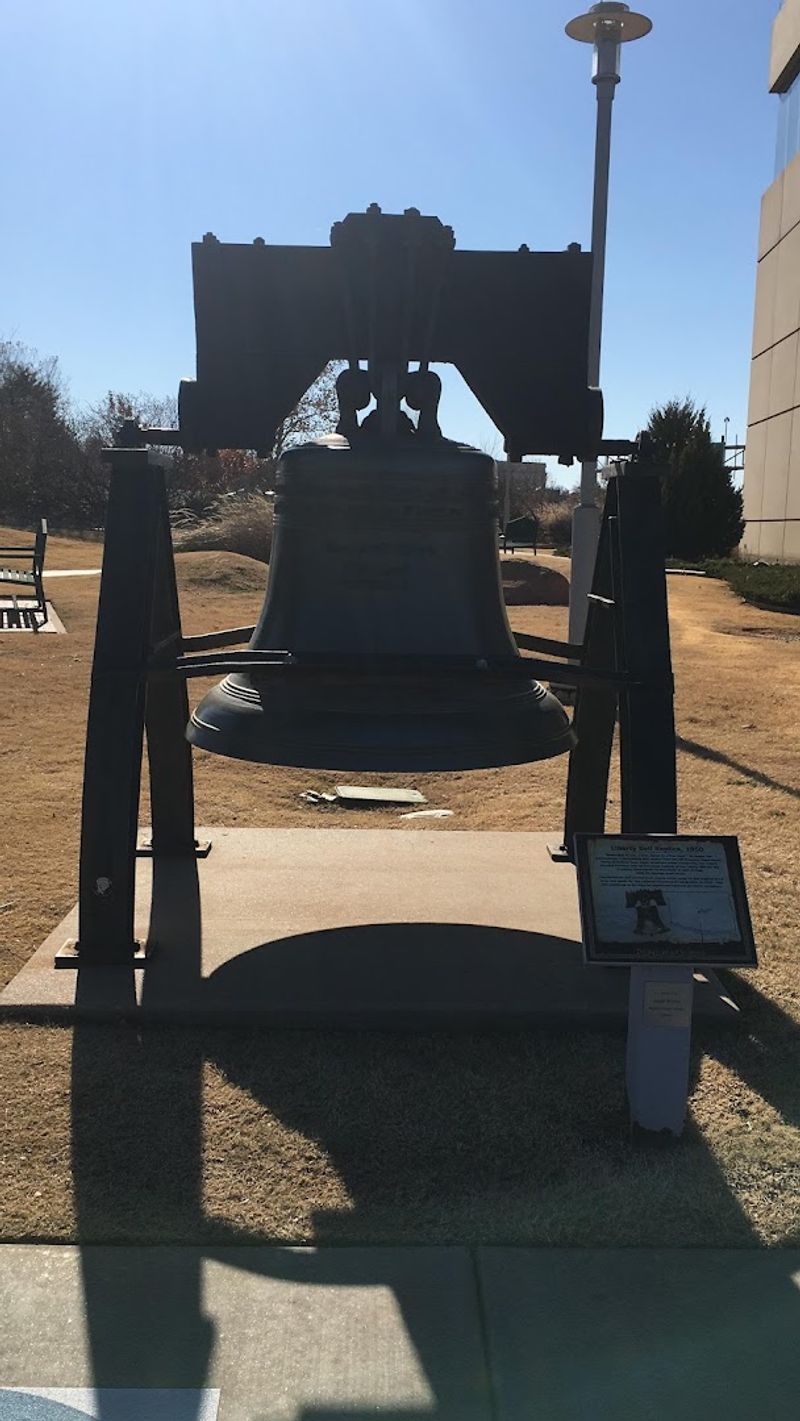
A few practical notes can make the difference between a rushed visit and a genuinely satisfying one, so here is what I wish someone had told me before I showed up.
The museum is open Monday through Saturday from 10 AM to 5 PM, and closed on Sundays. Arriving closer to opening time on a weekday gives you the best chance of having the galleries to yourself, especially the Bill of Rights exhibit, which tends to draw attention once tour groups arrive.
Admission pricing and any special exhibit fees are best confirmed through the website at okhistory.org or by calling +1 405-521-2491 ahead of time, since these can change seasonally. The website also lists upcoming events, lectures, and temporary exhibits that might align with your interests.
If you plan to use the research library, bringing a list of names, dates, and locations you want to investigate will save you significant time once you sit down with a staff member. The genealogy center is a serious resource, and the more specific your questions, the more productive the session will be.
Plan for at least two to three hours if you want to move through the main exhibits at a comfortable pace without feeling like you are rushing past things that deserve a longer look.
Why This Place Matters Beyond Oklahoma
It would be easy to think of the Oklahoma Historical Society as a place that matters mainly to Oklahomans, but that framing sells it short by a considerable margin.
The collection of an original Bill of Rights copy alone gives the museum national significance, but the broader mission of documenting and preserving the history of one of America’s most geographically and culturally complex states has value that extends well beyond state lines. Oklahoma sits at the crossroads of Native American history, frontier expansion, oil industry development, and twentieth-century civil rights struggles, and the museum engages seriously with all of it.
Travelers who include this stop on a broader road trip through the American Southwest or Great Plains often describe it as one of the more unexpectedly rewarding museum visits they have made. The combination of a world-class artifact, deep research resources, and genuinely well-designed exhibits is not something you find at every regional history museum.
The Oklahoma Historical Society is proof that important American history does not only live in Washington D.C. or New York. Sometimes it lives in a well-maintained building on Nazih Zuhdi Drive, quietly waiting for curious people to show up and pay attention.



