 Unearth The Voyage
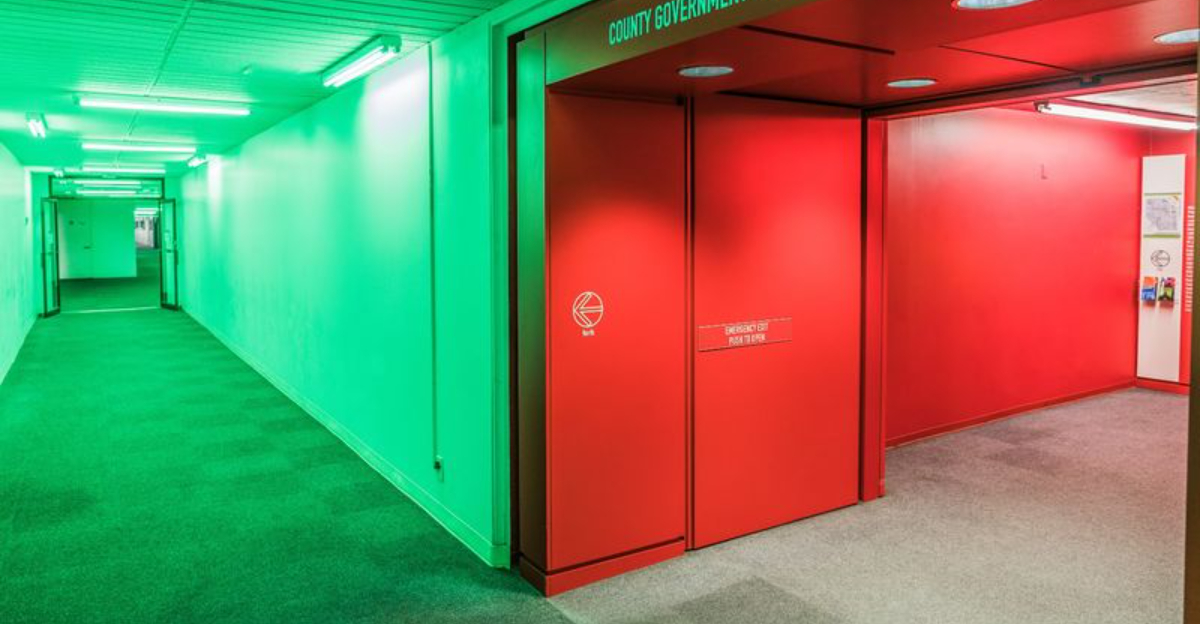
Most people walk right past it without a second glance. Beneath the busy streets of downtown, a whole network of tunnels connects buildings, displays art, and tells the story of a city that has always been in a hurry to grow.
The Oklahoma City Underground is one of those rare places that locals forget exists and visitors stumble upon with wide eyes. Free to enter, climate-controlled, and packed with history, it is the kind of urban secret that makes you feel like you have cracked a code that most tourists never even knew was there.
What and Where Is the OKC Underground
Right beneath the heart of downtown, at 300 N Broadway Ave, Oklahoma City, OK 73102, the OKC Underground is a network of pedestrian tunnels that runs beneath several city blocks. The system connects office buildings, parking garages, and public spaces in a way that most people above ground never think about.
The tunnels are open Monday through Friday from 6 AM to 8 PM and are closed on weekends, so planning your visit around a weekday is a must. There is no ticket booth, no line, and no entry fee, which makes it one of the most accessible hidden attractions in all of Oklahoma.
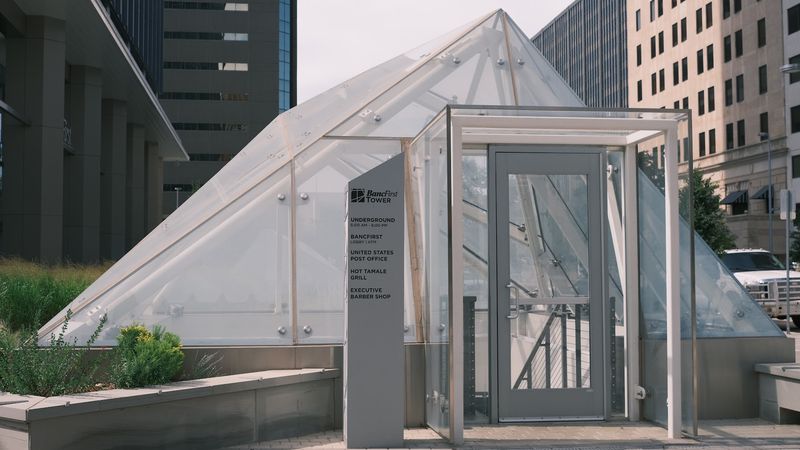
One of the easiest entry points is the glass pyramid dome skylights on the Broadway sidewalk in front of BancFirst. You can also enter through the Taxpayer Resource Center doors on the right side of the building, where stairs lead you down into the tunnels.
The phone number for general inquiries is +1 405-235-3500, and more details are available at downtownokc.com/underground.
The History Behind the Tunnels
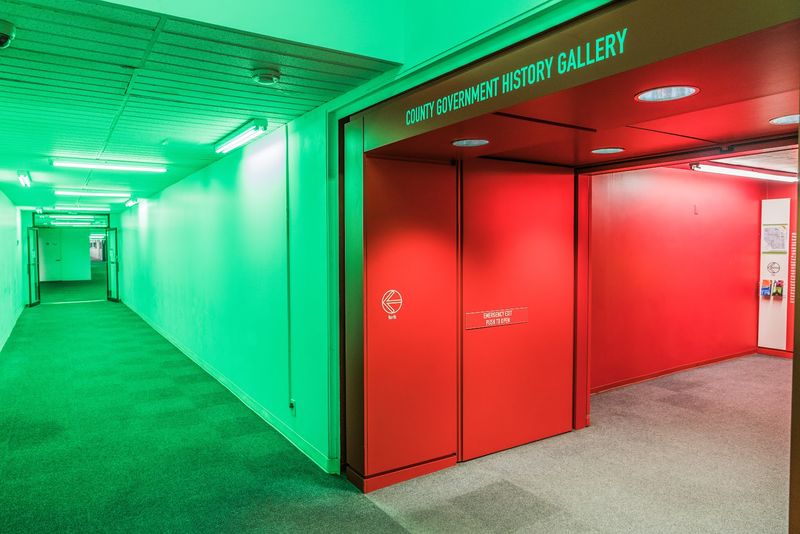
The story of these tunnels did not start with a grand plan. The OKC Underground grew organically over decades as downtown buildings expanded and developers found it practical to connect basements and lower levels for business and pedestrian movement.
What makes the history here so compelling is that the tunnels became a canvas for telling the broader story of Oklahoma City itself. Historical photographs, timelines, and written captions line the walls, pulling you through more than a century of city life in a single stroll.
One of the most talked-about displays features photographs taken just three weeks apart in April and May of 1889, showing the explosive growth of the city after the famous Land Run. The transformation captured in those two images is almost hard to believe, and yet the captions lay out the dates clearly for anyone curious enough to linger.
You can also find quotes from Oklahoma residents who lived to be 100 years old, adding a deeply personal layer to the otherwise civic-focused displays. The whole experience feels less like a museum and more like a conversation with the city itself.
The Art That Lines the Walls
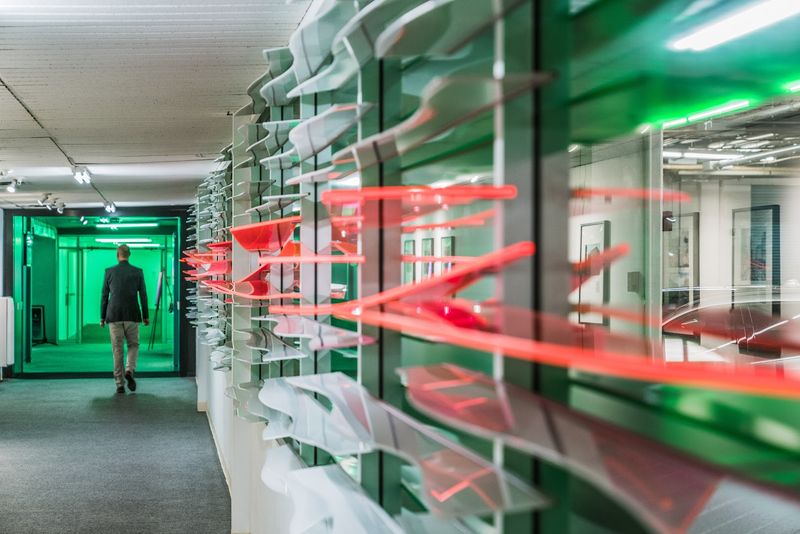
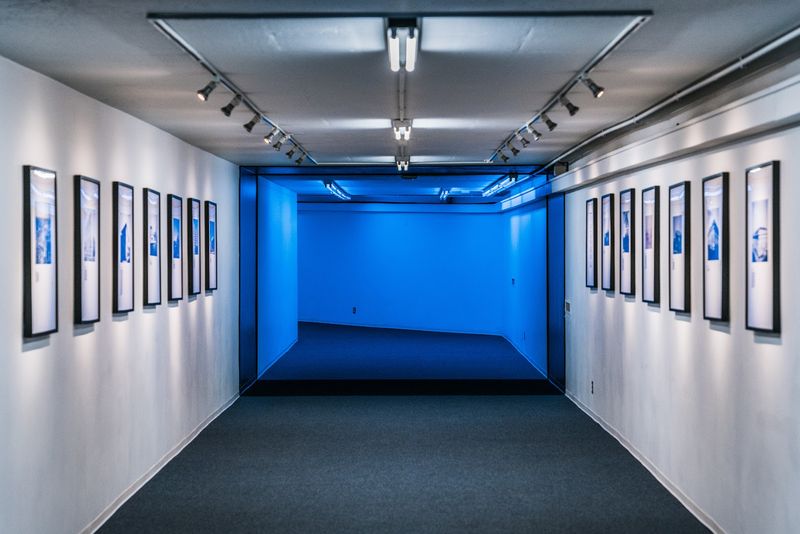
Art is scattered throughout the tunnels in ways that surprise you at every turn. From large-scale installations to photography displays and painted walls, the underground acts as a gallery that most gallery-goers in Oklahoma City have never set foot in.
Each tunnel section has its own color scheme, with different lighting tones casting a distinct mood as you move from one corridor to the next. Some sections feel bright and welcoming, while others carry a quieter, more contemplative atmosphere that makes you slow your pace.
One recurring piece of feedback from visitors is the wish that storage rooms with visible supplies behind windows were given a more polished treatment, perhaps with tinted glass or artwork covering those views. It is a fair point, and it shows how invested people become in the experience once they are down there.
The art installations are free to view and photograph, and the lighting conditions make for genuinely interesting shots even with a phone camera. Natural light filters in through the glass pyramid skylights at certain points, creating dramatic contrasts that photographers tend to appreciate more than they expect to.
Navigating the Tunnel System
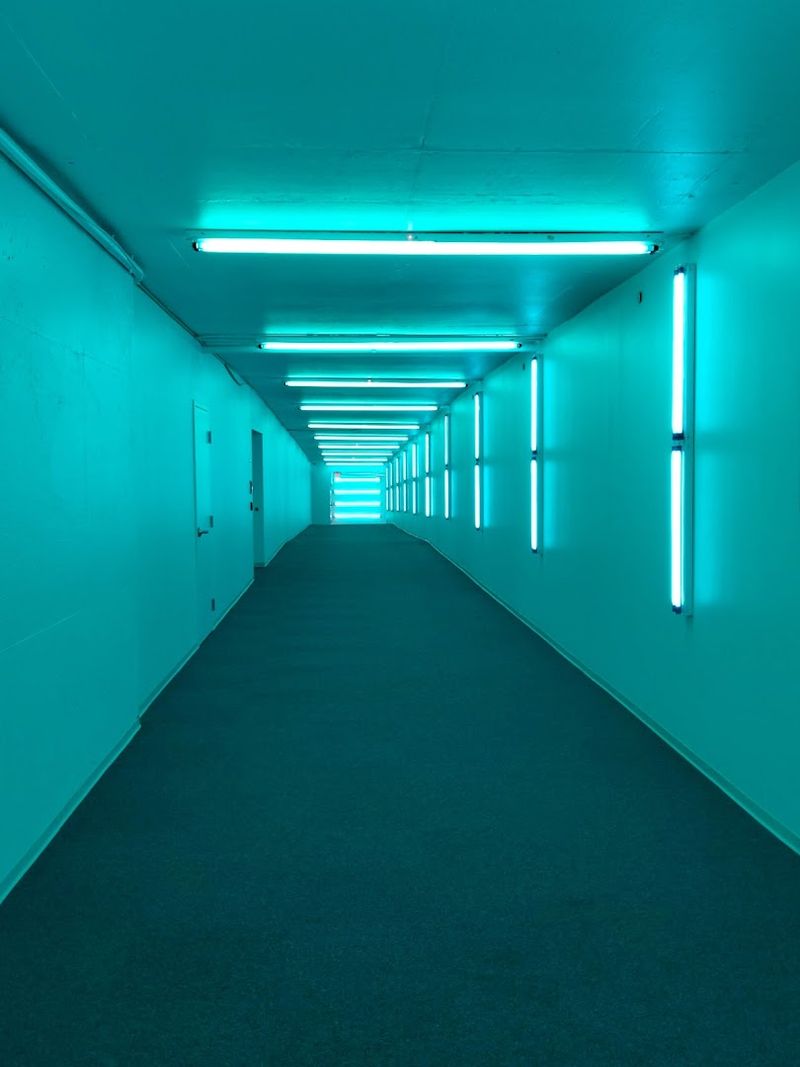
Getting your bearings underground takes a moment, and that is part of the fun. The tunnel system is not enormous, but it branches in enough directions to make you feel genuinely exploratory, especially on a first visit.
Maps are available throughout the tunnels and are free to take with you, which is a practical touch that makes the whole experience feel more navigable. Cell service is unreliable down there, so having a physical map in hand is actually useful rather than just a novelty.
The tunnels connect several downtown buildings, parking structures, and public access points, meaning you can pop up at street level in different parts of the neighborhood depending on which corridor you follow. Some exits bring you out near major landmarks, while others deposit you in parking garages or building lobbies.
One tip worth keeping in mind: look for doors that lead to staircases, as they are easy to miss if you are moving quickly. A nearby officer or building worker has helped more than a few visitors find the right entrance, so do not hesitate to ask someone if you feel turned around.
The Climate Control Factor
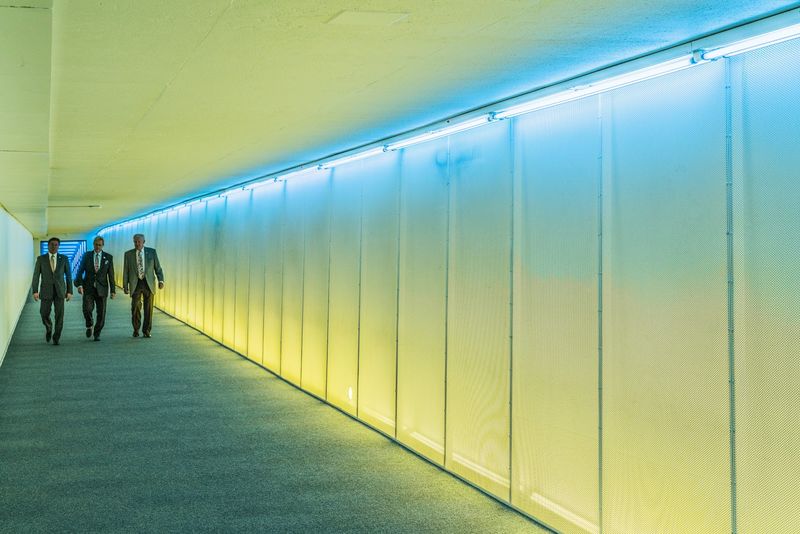
Oklahoma summers are not gentle. Temperatures regularly climb past 100 degrees Fahrenheit, and the humidity does not do anyone any favors.
The underground offers something that feels almost luxurious in that context: a consistently climate-controlled environment that stays comfortable regardless of what is happening above ground.
That said, conditions underground are not always perfectly neutral. On rainy days, the air can feel damp and slightly warmer than expected, so visiting on a clear day tends to make for a more pleasant experience.
The tunnels are well-maintained overall, and the temperature difference from street level is noticeable the moment you descend the stairs.
For workers in the downtown buildings connected to the tunnel system, this climate benefit is a daily reality. Business travelers and office workers use the tunnels regularly to move between buildings without stepping outside, which explains why the space was designed primarily around weekday traffic rather than weekend tourism.
The underground also served as a practical rain shelter during the visit of at least one reviewer who found themselves caught in a downpour. Being able to keep exploring while the weather sorted itself out above is a genuinely underrated perk of the whole place.
Photography Opportunities Underground
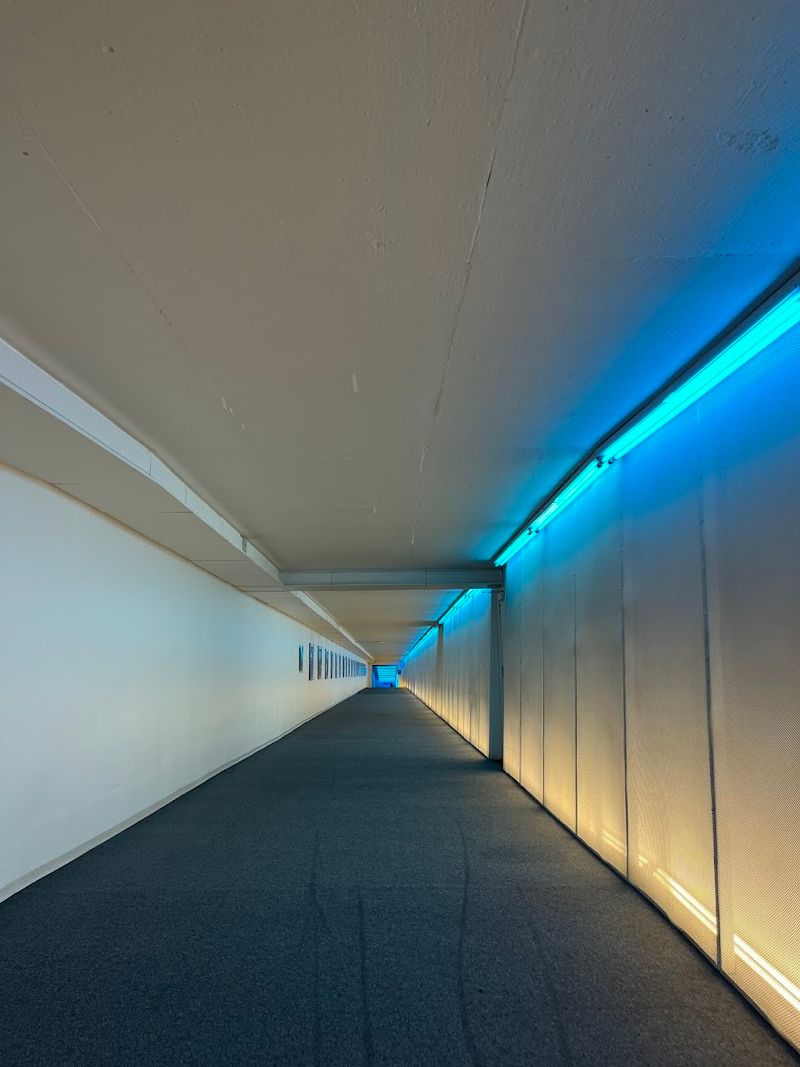
The OKC Underground is not a traditional photography destination, but it has qualities that make it surprisingly rewarding for anyone who enjoys capturing unusual spaces. The interplay between artificial colored lighting and natural light from the pyramid skylights creates conditions you simply cannot replicate anywhere else in the city.
Each tunnel section presents a different visual palette, which means you can get a wide variety of shots without moving more than a few hundred feet. The historical photo displays also offer interesting framing opportunities, particularly when you photograph the vintage images within the context of the modern tunnel walls surrounding them.
Daytime visits tend to work best for photography because the natural light filtering through the skylights adds depth and texture that artificial lighting alone cannot provide. Early morning visits on weekdays, right when the tunnels open at 6 AM, offer the added benefit of having the space largely to yourself.
One thing to keep in mind is that some areas of the tunnel are dimmer than others, so a phone with a solid low-light camera will serve you better than an older model. The space rewards patience and a slow pace more than speed.
What the Locals Know That Tourists Don’t
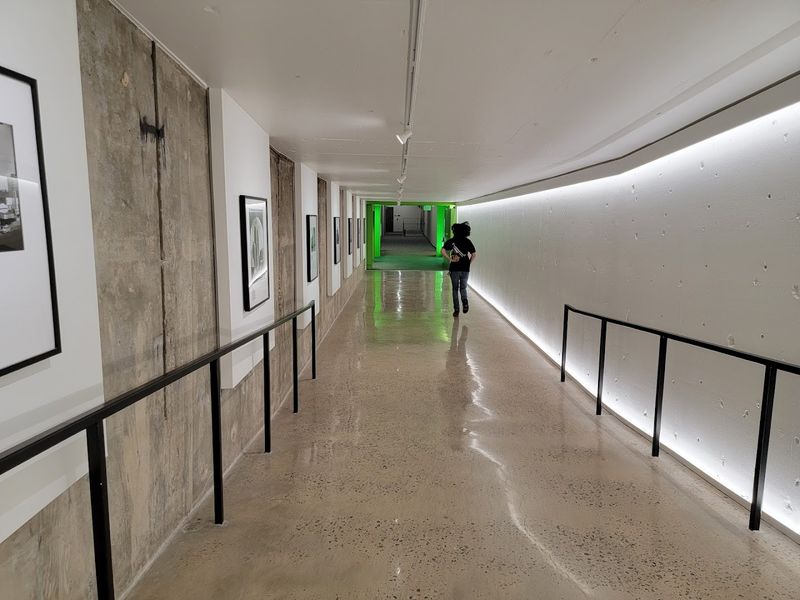
Here is a funny thing about the OKC Underground: a surprising number of people who live in Oklahoma City have no idea it exists. Families who have lived in the metro for years walk right above it every day without ever thinking to look for a way down.
For the workers in the connected downtown buildings, though, the tunnels are just part of the daily routine. They use them to grab a shortcut between offices, avoid the weather, or simply break up the monotony of a regular commute with a slightly more interesting route.
The underground is primarily built around business travel and weekday foot traffic, which is exactly why it closes on weekends and keeps hours that align with a standard office schedule. This is worth knowing before you drive across town expecting a Saturday afternoon adventure, only to find the entrances locked tight.
Locals who do know about the tunnels tend to treat them as a quiet point of pride, the kind of thing you mention to out-of-town guests with a knowing smile. Showing someone the underground for the first time, watching their expression shift from skepticism to genuine surprise, never seems to get old.
The Entrance Puzzle
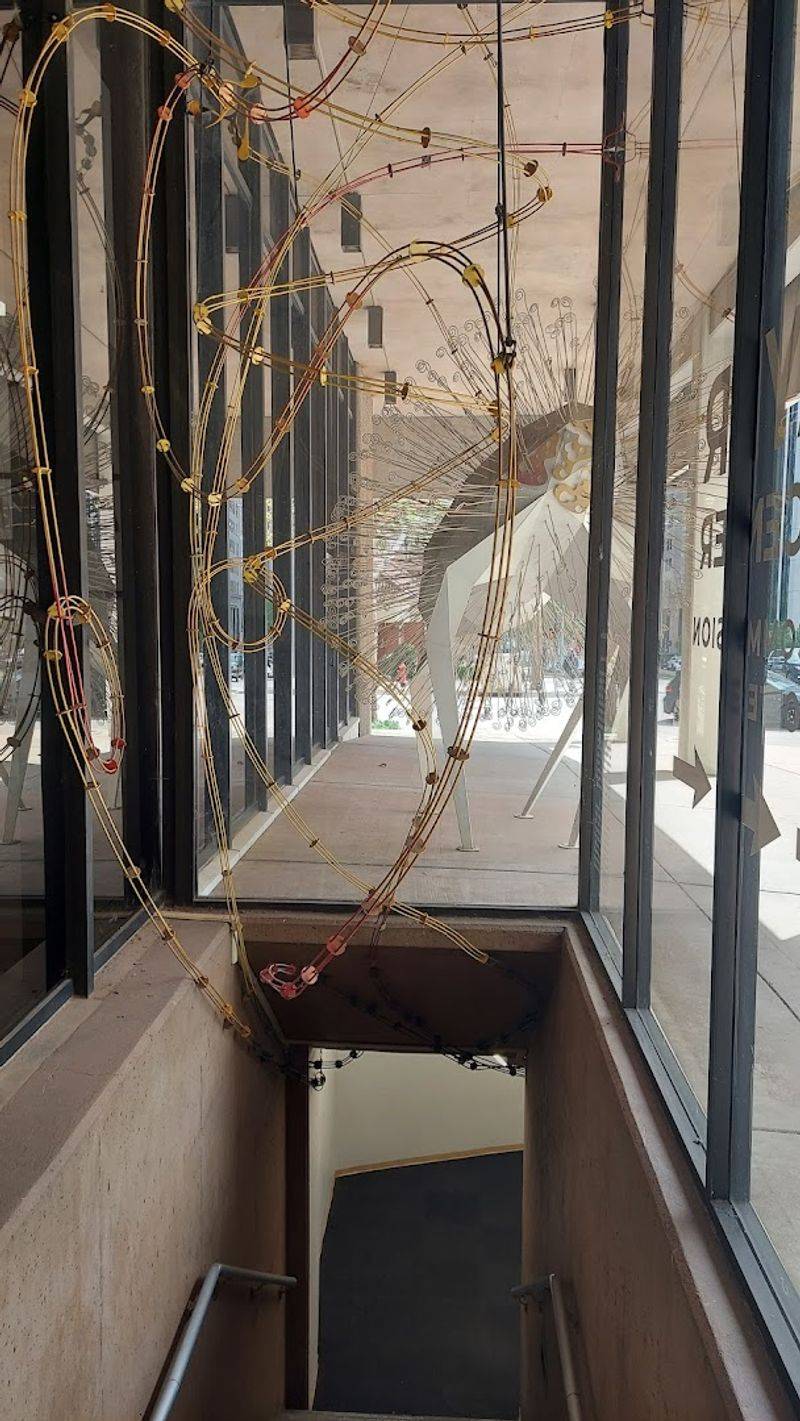
Finding your way into the underground is half the adventure and, for some visitors, the most frustrating part. The entrances are not marked with large, obvious signage, and the glass pyramid domes on the Broadway sidewalk in front of BancFirst are probably the easiest landmarks to spot from street level.
Another reliable entry point is through the Taxpayer Resource Center doors on the right side of the building, where a staircase takes you directly down. There is also an escalator inside the BancFirst building that drops you into the tunnel system with minimal effort, which is the preferred route for many first-timers.
Some visitors have also entered through parking garage doors that connect to the tunnel network, though these are less intuitive and easy to walk past without realizing what they lead to. The presence of a quirky dodo bird-like sculpture near one entrance has become a useful landmark for people trying to orient themselves.
The honest advice is to do a quick review of the entry points before you go, since showing up without any preparation can lead to a lot of circling the block. Once you find your way in, though, the sense of discovery makes the search feel worth it.
Quotes, Centenarians, and Human Stories
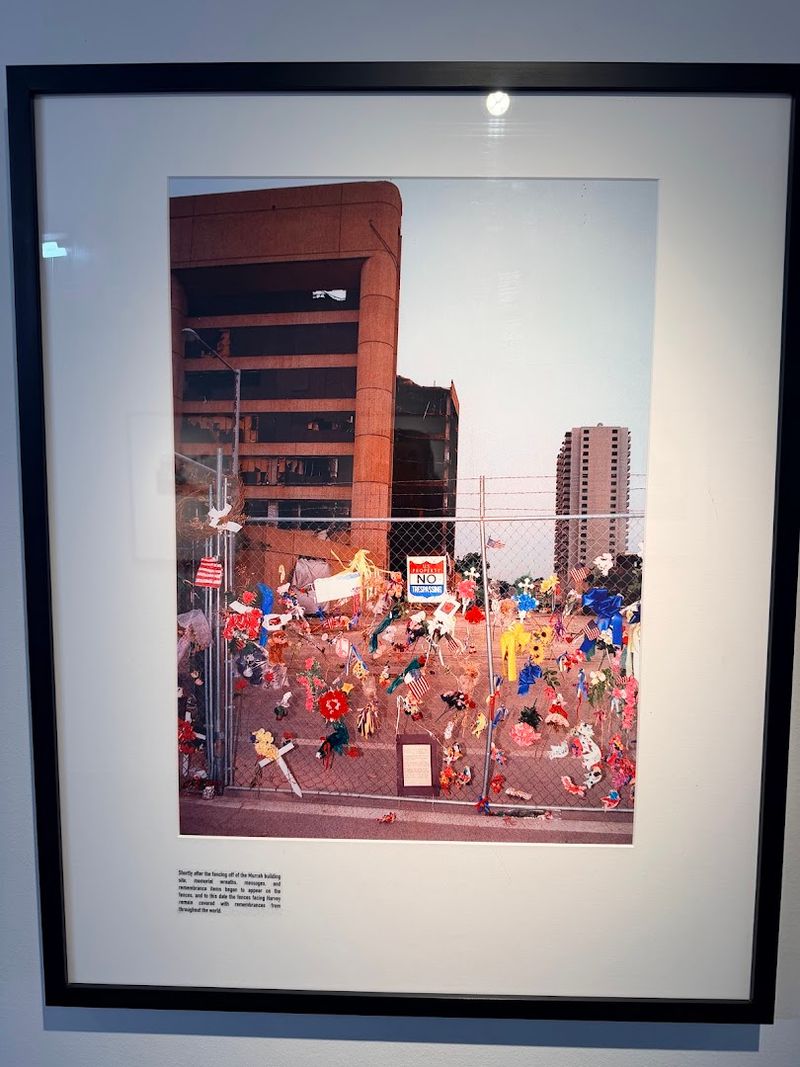
One of the most quietly moving parts of the underground experience is the collection of quotes and photographs from Oklahoma residents who reached their 100th birthday. These displays are tucked along the tunnel walls in a way that rewards visitors who slow down and actually read what is there.
The quotes cover everything from daily wisdom to reflections on how much the city has changed over a lifetime. Reading words from someone who was born in the early 1900s and lived to see Oklahoma City transform into a modern urban center gives the whole underground a sense of human scale that the architecture alone cannot provide.
These displays are not flashy or interactive. They are simple, text-and-photo panels that ask you to stop, look, and think for a moment.
In a world where most attractions are competing for your attention with noise and motion, there is something refreshing about a display that just trusts you to find it interesting on its own terms.
The centenarian gallery is one of those details that visitors remember long after the novelty of the tunnels themselves has faded, which says something real about how well it captures what makes community history worth preserving.
The Case for More Shops and Food
The most consistent piece of feedback from visitors is also the most understandable: the underground feels like it could be so much more. In its earlier years, the tunnel system reportedly hosted shops and small businesses, and the remnants of those commercial spaces are still visible in the form of empty storefronts and closed shutters along certain corridors.
A coffee cart, a small ice cream counter, or even a gift shop selling locally themed items would transform the underground from a curiosity into a destination people return to on purpose. Right now, the experience is genuinely interesting but also fairly brief, and without anything to pause for, most visitors complete the full circuit in under an hour.
The infrastructure for retail clearly exists, and the foot traffic from downtown office workers alone would likely support a handful of small vendors. The bones of something thriving are already there; the question is whether the right investment and vision will eventually bring them to life.
For now, the tunnels remain a free, low-commitment attraction that is worth your time precisely because it costs nothing and delivers more than you expect, even without the shops that would make it truly unforgettable.
Practical Tips for Your Visit
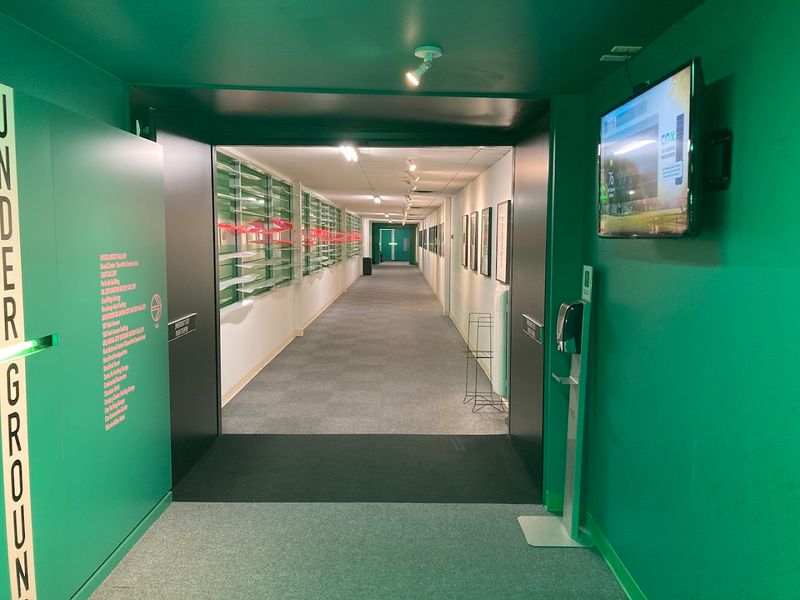
A few practical details can make the difference between a smooth visit and a frustrating one. The tunnels are open Monday through Friday from 6 AM to 8 PM only, with no access on Saturdays or Sundays, so a weekday slot is non-negotiable if you want to get inside.
Cell service is unreliable throughout most of the tunnel system, which means downloading a map or grabbing one of the free paper maps available at the entrance is genuinely useful rather than just optional. Do not count on GPS to guide you once you are below street level.
Comfortable walking shoes are a good call since the tunnels cover a fair amount of ground, and the floors are smooth but firm. The temperature underground is generally comfortable, though it can feel warmer and more humid after rain, so a dry day visit tends to be the most pleasant option.
Arriving early on a weekday gives you the best chance of having the space mostly to yourself, which makes the photography and the historical reading much more enjoyable. The whole experience is free, so the only real investment you are making is your time, and most visitors find that it is time well spent.
Why the Underground Still Matters
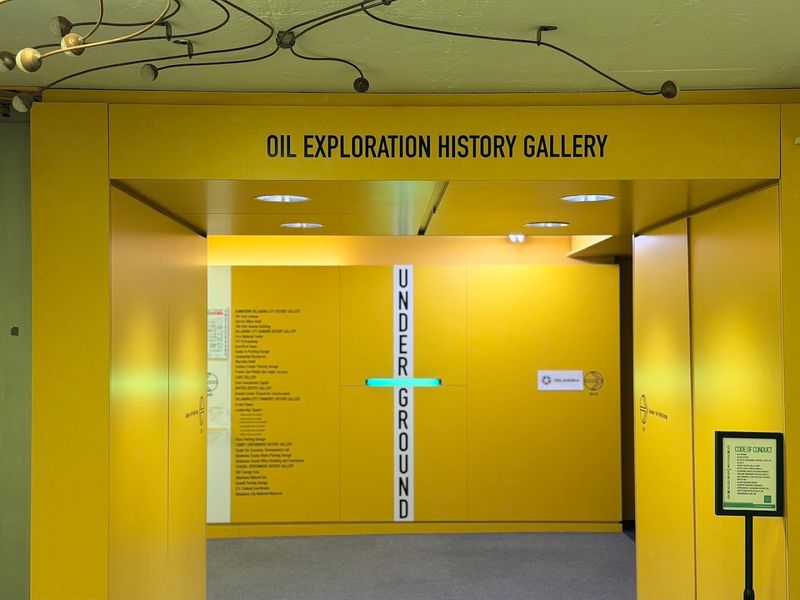
There is a version of the OKC Underground that could be dismissed as a novelty: a few tunnels, some colored lights, and a handful of old photographs. But that reading misses what the space actually represents for a city that has always been defined by its willingness to reinvent itself.
Oklahoma City has gone through boom and bust cycles, urban renewal projects, and dramatic cultural shifts, and the underground captures all of that in a format that is free, accessible, and genuinely educational. The historical displays are not curated for academics; they are written and presented in a way that anyone can connect with.
The fact that many residents have never visited is less a reflection of the underground’s quality and more a reminder of how easy it is to overlook the interesting things right beneath your feet, sometimes quite literally. First-time visitors often leave saying they learned more about Oklahoma City in that one walk than they had in years of living nearby.
The underground is not trying to compete with big-budget attractions, and it does not need to. As a free, quiet, and surprisingly rich slice of urban history, it holds its own in a way that makes you genuinely glad you found the stairs down.



