 Unearth The Voyage
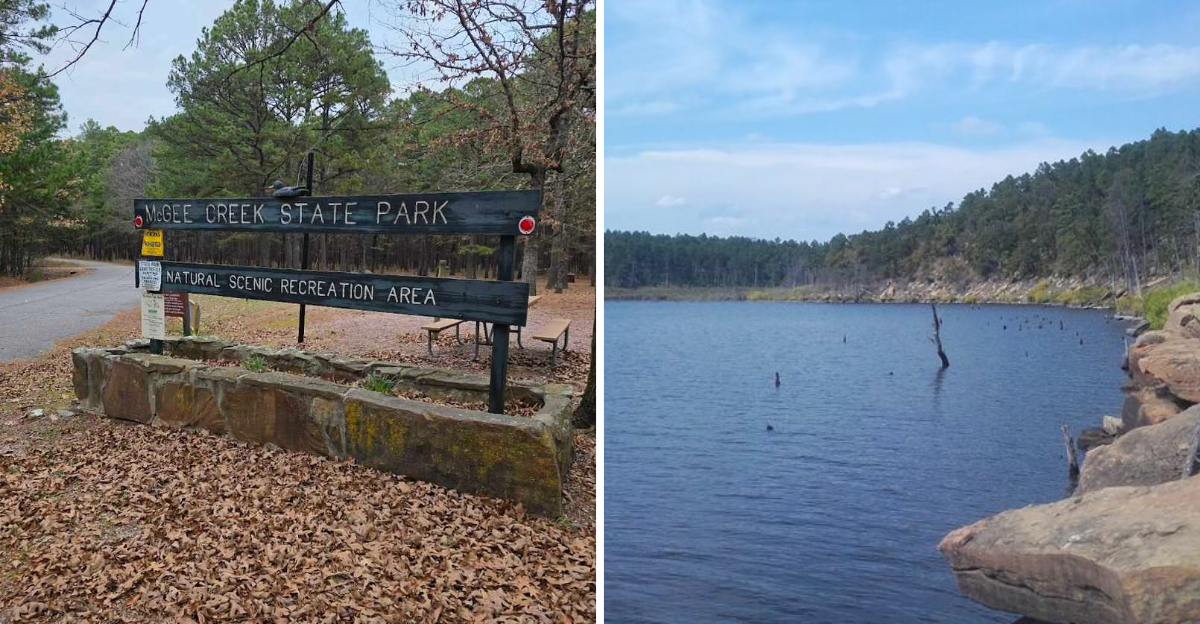
There is a place in southern Oklahoma where the lake water runs clear, the forest presses in from every direction, and the nearest crowd is probably an hour away. I found it on a map almost by accident, and I am so glad I did.
McGee Creek Natural Scenic State Recreation Area sits tucked into the Ouachita foothills, offering the kind of quiet that most people have forgotten exists. The trails wind through dense woods, the lake reflects the tree-covered ridges above it, and the whole area feels like a well-kept secret that only the most curious travelers ever stumble upon.
Keep reading, because this place is worth every word.
Where It All Begins: Location and Access
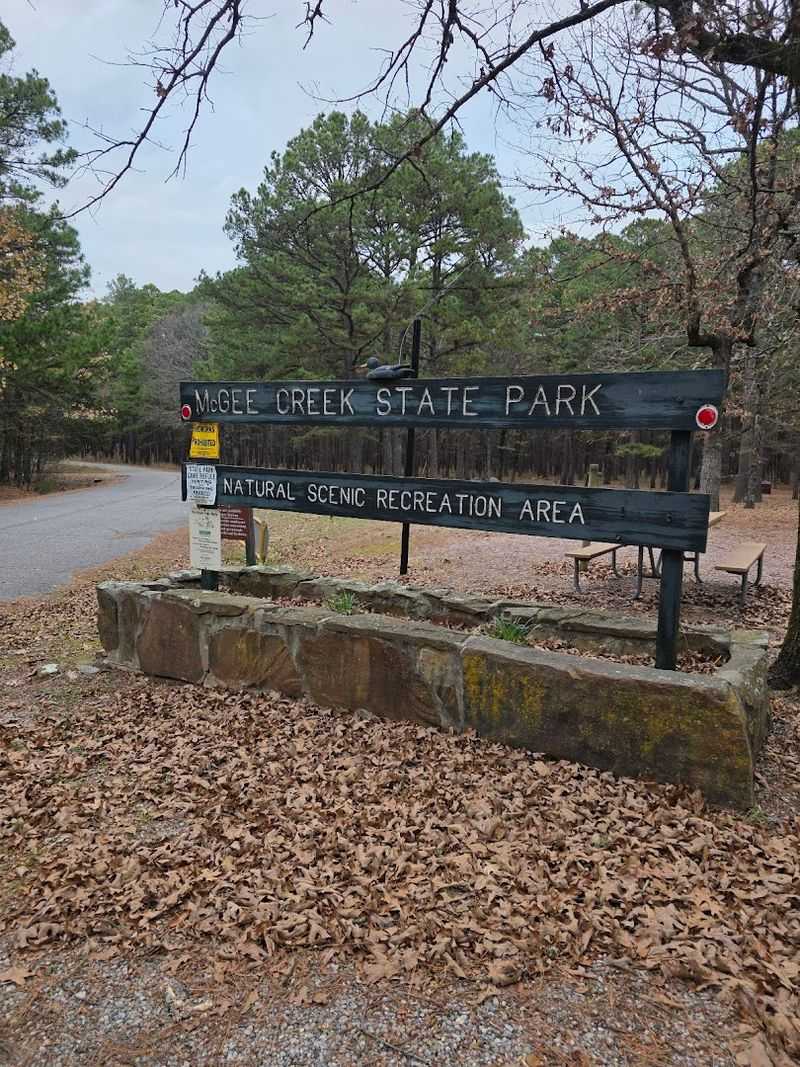
Getting to McGee Creek Natural Scenic State Recreation Area requires a little patience, and that patience pays off handsomely. The recreation area is located near Atoka, Oklahoma 74525, tucked into the southeastern corner of the state where the Ouachita Mountains begin to rise out of the rolling plains.
The drive in follows roughly ten miles of poorly maintained road, which is part of what keeps the crowds away. My truck bounced over ruts and loose gravel, and I genuinely questioned my life choices around mile seven.
Then the trees opened up, the lake flashed silver through the pines, and every doubt evaporated instantly.
No cell service greets you upon arrival, so preparation is everything. Download an offline map before leaving home, grab a screenshot of the official trail map from the state park website, and plan to be completely self-sufficient once you pass through the entrance gate.
The unstaffed check-in building at the entrance holds free permits. You fill one out, leave the yellow copy in the yellow box, and place the white copy on your dashboard.
It is a simple system that also serves as a safety net if anyone ever needs to locate you on the trails.
The Lake That Steals the Show
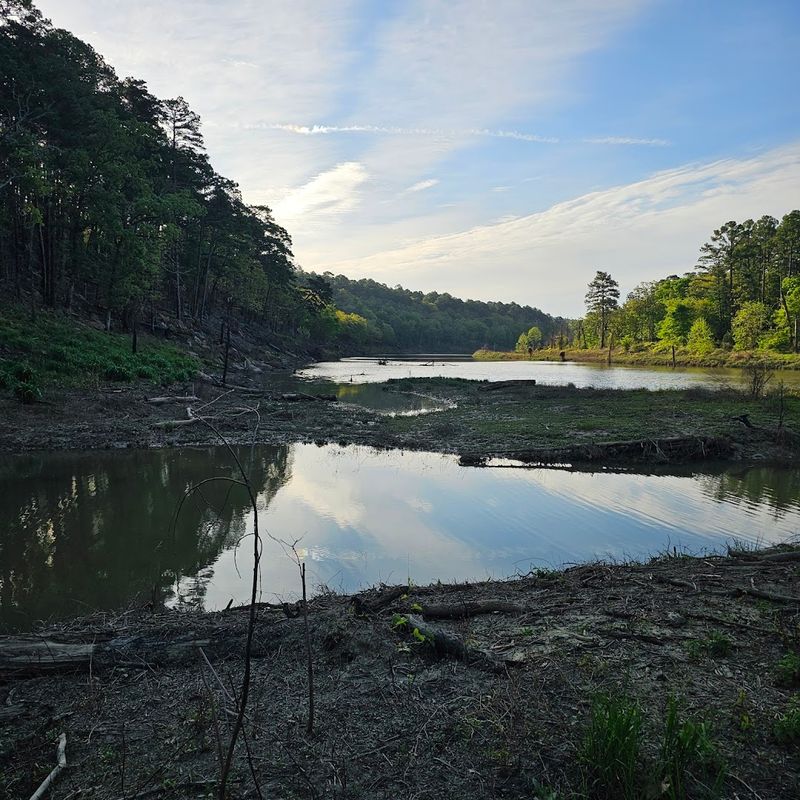
McGee Creek Reservoir is the centerpiece of the entire area, and it earns that title without trying very hard. The water stretches across a long, winding valley, framed on every side by tree-covered ridges that drop sharply toward the shoreline.
From certain vantage points along the trails, you get a view of the lake that looks almost too polished to be real. The surface catches the light differently depending on the hour, shifting from silver at dawn to deep blue by midday and warm gold as the afternoon fades.
One thing worth knowing: the lake is not uniformly clear beneath the surface. In shallower areas under twenty feet, submerged trees rise from the flooded forest floor.
Kayakers who venture into those zones find themselves threading through ghostly trunks, which adds a genuinely thrilling quality to a paddle session.
The lake’s twists and turns mean you are constantly rounding a bend to discover a new inlet or cove. Fishing is popular here, and the bass population is reportedly strong.
Whether you come by kayak, canoe, or simply sit on the bank with a rod, the water delivers something memorable every single time.
Nearly 10,000 Acres of Pure Forest
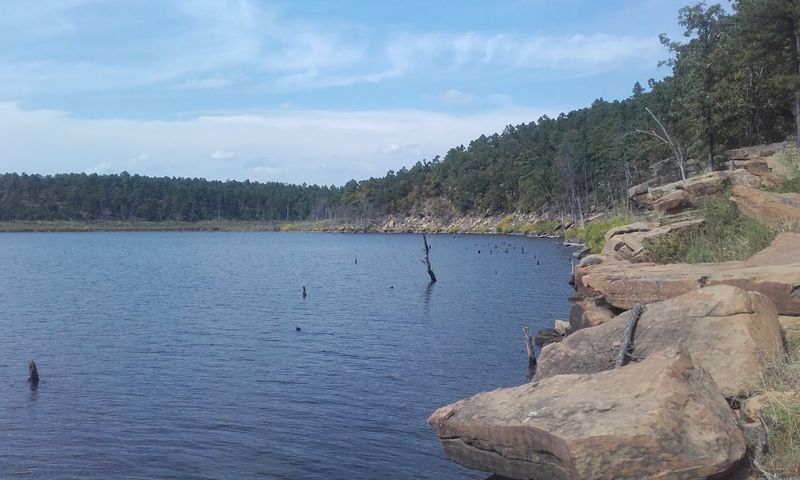
The sheer scale of this place is something I underestimated before my first visit. McGee Creek Natural Scenic State Recreation Area covers close to 10,000 acres of forest, and that number starts to feel very real the moment you step off the trailhead and the trees swallow you whole.
The forest here is a mix of pine and hardwood that creates a layered canopy overhead. On a hot Oklahoma afternoon, the shade drops the temperature noticeably, and the air carries that particular green smell of living wood and damp soil that no candle manufacturer has ever quite captured accurately.
Because the area is so large and so lightly visited, wildlife roams freely. Deer are almost guaranteed sightings on the access road, especially near dusk.
Raccoons, armadillos, and the occasional large snake have all been spotted by visitors who stay alert. There are also black bears in the area, which adds a layer of healthy respect to any backcountry hike.
Wild pigs have been reported as well, which is one reason the park has specific rules about dogs on trails. The forest ecosystem here is active, layered, and entirely unbothered by human schedules, which is exactly what makes it so rewarding to explore slowly.
Trails That Range From Scenic to Seriously Challenging
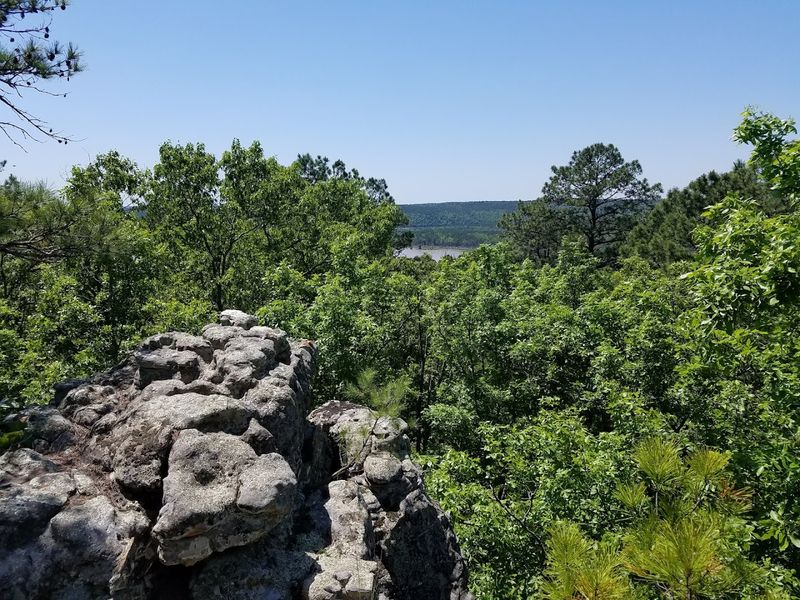
The trail system at McGee Creek is not the kind you stroll through in sandals while checking your phone. These paths demand attention, appropriate footwear, and a genuine willingness to work for the views.
Rocky Point Trail is one of the most recommended routes, especially for groups with younger or less experienced hikers. It offers enough elevation change and rocky terrain to feel like a real challenge without crossing into punishing territory.
The ups and downs keep the legs working and the mind engaged.
Little Bugaboo Trail is another popular option, winding through shaded forest sections that feel genuinely remote. The North and South Rim trails are considered easier to navigate, while some of the deeper backcountry paths can become overgrown and harder to follow, particularly in summer months.
Trail markers are present and mostly reliable, but some paths have off-shoots that can easily be mistaken for the main route. The AllTrails app is a solid companion here, and a printed topo map studied before arrival is not a bad idea either.
The trails reward hikers who prepare, and they have a polite way of reminding the unprepared that nature sets the rules.
A Permit System That Actually Makes Sense
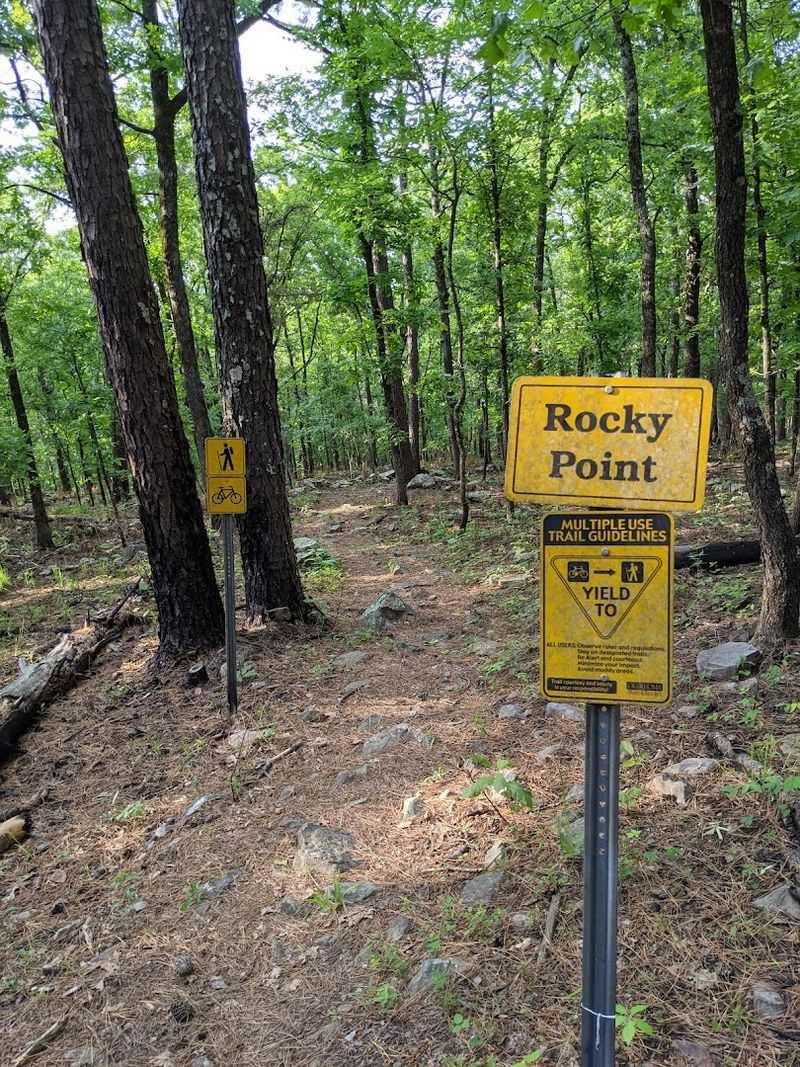
Free permits at a state recreation area sound almost too good to be true, but that is exactly what Oklahoma offers at McGee Creek. The system is straightforward, unstaffed, and genuinely useful for everyone involved.
At the entrance building, a stack of paper permits waits in a box. You fill in your name, your planned route, your vehicle information, and your expected return time.
The yellow copy stays in the yellow box at the station. The white copy goes on your dashboard where it is visible through the windshield.
The logic behind this system is practical rather than bureaucratic. If a hiker does not return on time, search teams have a documented starting point.
In a forest covering nearly 10,000 acres with limited cell service, that piece of paper could genuinely matter in an emergency.
The permit requirement also gives park managers a rough count of visitor traffic without requiring a full staff presence at the gate. It is one of those clever low-tech solutions that works because it respects both the visitor’s independence and the park’s need for basic accountability.
Oklahoma handles this kind of thing with refreshing simplicity, and McGee Creek is a fine example of that approach done right.
Camping Options for Every Type of Outdoor Sleeper
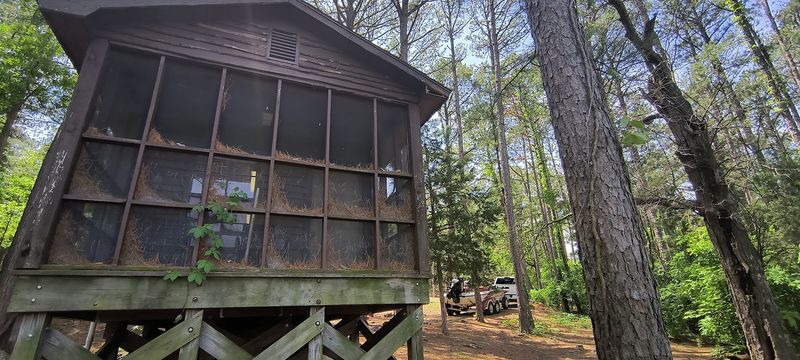
Adjacent McGee Creek State Park handles the camping side of things, and the options cover a fairly wide range of comfort levels. The park offers RV hookups, primitive campsites, and lake huts that split the difference between roughing it and a proper night’s sleep.
The lake huts are a particularly interesting choice. They come with electricity and heating and cooling, which makes them usable in both summer heat and cooler fall nights.
The catch is that there is no plumbing inside, so the camp restrooms with showers handle that part of the equation.
Primitive camping is available for backpackers who want to carry in their gear and wake up deep in the forest with no neighbors in sight. This option suits the solo hiker or small group looking for complete quiet, and McGee Creek’s low visitor numbers make it genuinely achievable.
Campsites have drawn some criticism for being on the pricier side relative to their basic nature, which is a fair point worth budgeting for in advance. Overall, the setting more than compensates for the cost, especially for anyone who has spent a night listening to nothing but wind through pine trees and the distant call of an owl across the water.
Wildlife Encounters That Keep You Humble
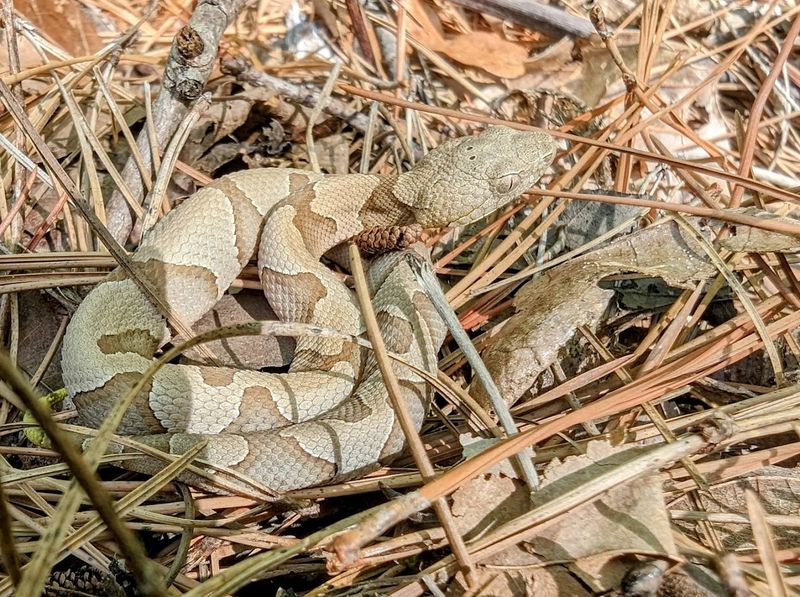
There is a particular kind of alertness that settles over you when you know the forest around you is genuinely alive with animals. At McGee Creek, that alertness kicks in early and stays with you the whole time.
Deer appear on the access road so regularly that they barely register as a surprise anymore. Raccoons shuffle through campsites after dark with the confidence of creatures who know they outnumber you.
Armadillos root around in the leaf litter along trail edges, apparently unbothered by the presence of curious hikers standing three feet away.
Snakes are part of the landscape here, and some of them are large. The forest ecosystem supports a healthy snake population, so watching where you step and where you reach is simply good practice.
Wild pigs have been spotted in the backcountry as well, and they are not the friendly farmyard variety.
Black bears round out the list of notable residents. Sightings are not guaranteed, but they are not impossible either.
The bears appear to be living well on nearly 10,000 acres of undisturbed forest, which seems entirely fair. Respecting their space and storing food properly are non-negotiable parts of any overnight trip here.
Kayaking the Flooded Forest
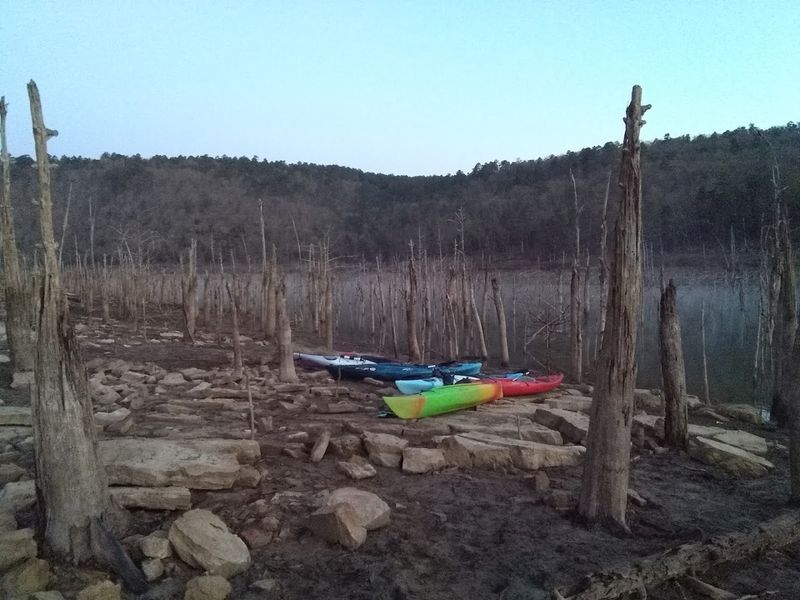
Paddling McGee Creek Reservoir is an experience that does not fit neatly into the standard kayaking category. The lake’s winding shape and the presence of submerged trees in the shallower sections create a course that demands both attention and a certain fondness for the unexpected.
The flooded forest sections are genuinely striking. Tree trunks rise from the water at odd angles, their upper branches long gone but their lower forms still intact beneath the surface.
Threading a kayak between them requires slow, deliberate strokes and a willingness to backtrack when a passage closes off.
The lake’s many twists and turns mean that every bend opens onto something new. Coves appear without warning, quiet inlets invite exploration, and the surrounding ridgeline shifts constantly as you move across the water.
It is the kind of paddling that rewards curiosity over speed.
Launching from the Grassy Hollow boat ramp is the recommended starting point for kayakers heading out onto the main lake. Bringing plenty of water, sun protection, and a waterproof bag for your phone is basic preparation that makes a real difference over the course of a long paddle.
The lake rewards those who take their time and resist the urge to rush back to shore.
Fishing on a Lake That Plays Hard to Get
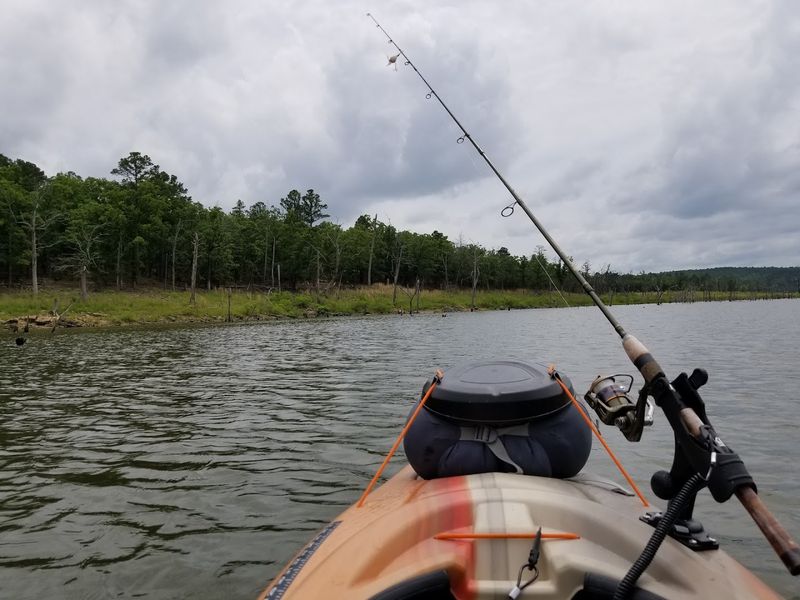
McGee Creek Reservoir has a reputation among local anglers that it has earned quietly, without much fanfare or marketing. The bass fishing here is considered genuinely productive, and the low boat traffic means the fish are not constantly pressured the way they would be on a more popular lake.
The lake’s irregular shape, with its coves and submerged structure, creates exactly the kind of habitat where largemouth bass thrive. The underwater timber in the shallower sections provides cover that fish use year-round, and a well-placed lure near one of those submerged trees can produce results quickly.
Bank fishing is possible from several spots around the shoreline, and it suits visitors who are not carrying a kayak or canoe. The access road passes near enough to the water in a few places that a short walk puts you on a fishable bank without much effort.
The overall quietness of the lake is part of what makes the fishing experience feel different from more developed reservoirs. There are no jet skis, no wake boats, and no weekend crowds churning up the surface.
Just the water, the trees, the occasional heron standing at the edge of the shallows, and whatever is swimming beneath the surface waiting for your line.
Navigating Without Cell Service
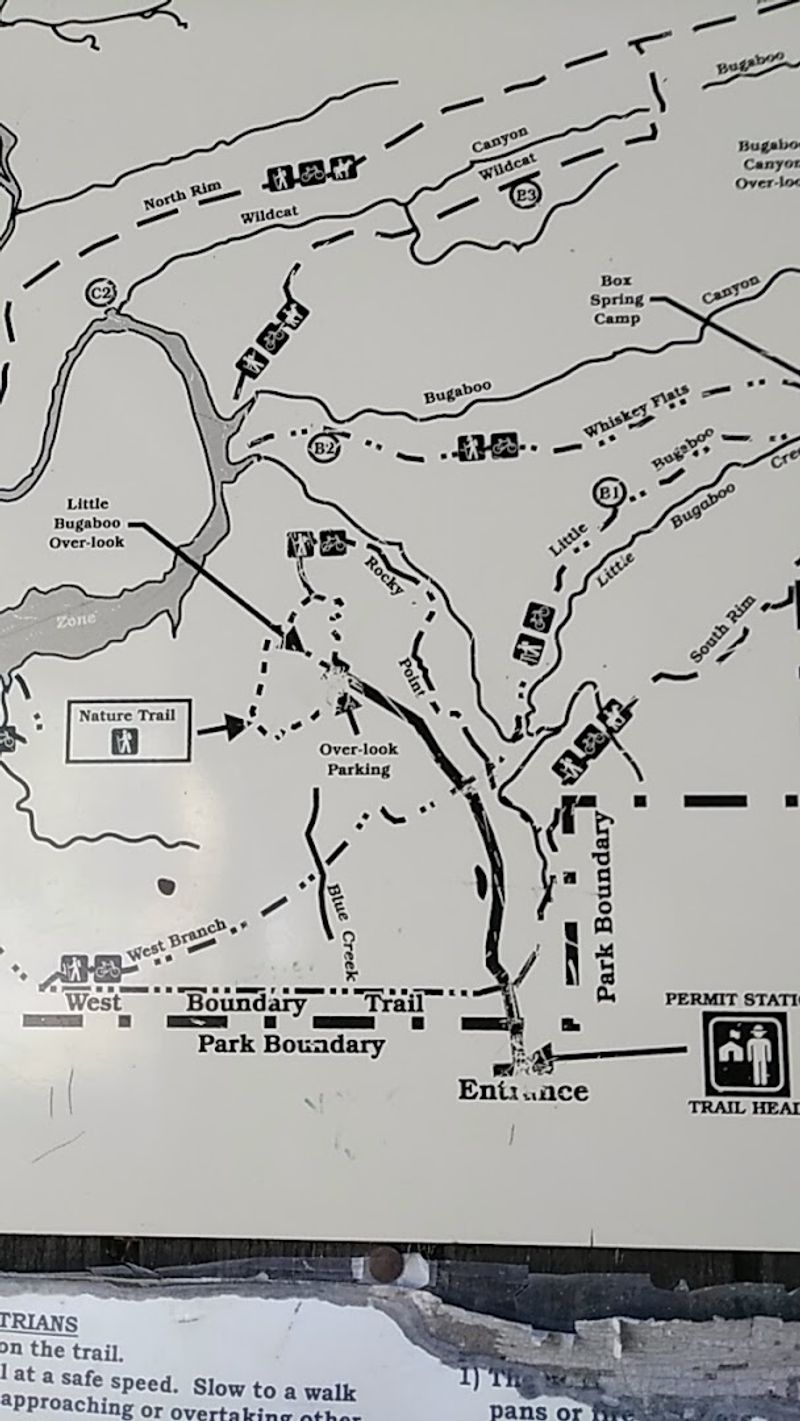
No cell service is the first thing many visitors notice after turning off the main highway and heading toward McGee Creek. T-Mobile disappears quickly, and other carriers do not fare dramatically better once you are deep in the forest and hills of southeastern Oklahoma.
This is not a complaint so much as a condition of entry. The lack of connectivity is part of what keeps the area quiet and unspoiled, and with a little preparation, it is entirely manageable.
The key is front-loading all of your navigation before you leave home.
Downloading an offline Google Maps section of the area takes about two minutes and works without any signal once saved. A screenshot of the official trail map from the state park website gives you a visual reference that does not require battery-hungry apps to display.
The paper map available at the permit station rounds out the toolkit, even if it looks like it has been photocopied several generations too many times.
Studying a detailed topographic map of the area before arrival is the smartest move for anyone planning a longer hike. The terrain has significant elevation change, the trails have confusing off-shoots in places, and the forest is dense enough that landmarks can be hard to spot.
Preparation here is not optional; it is the whole game.
Best Times to Visit and What to Bring
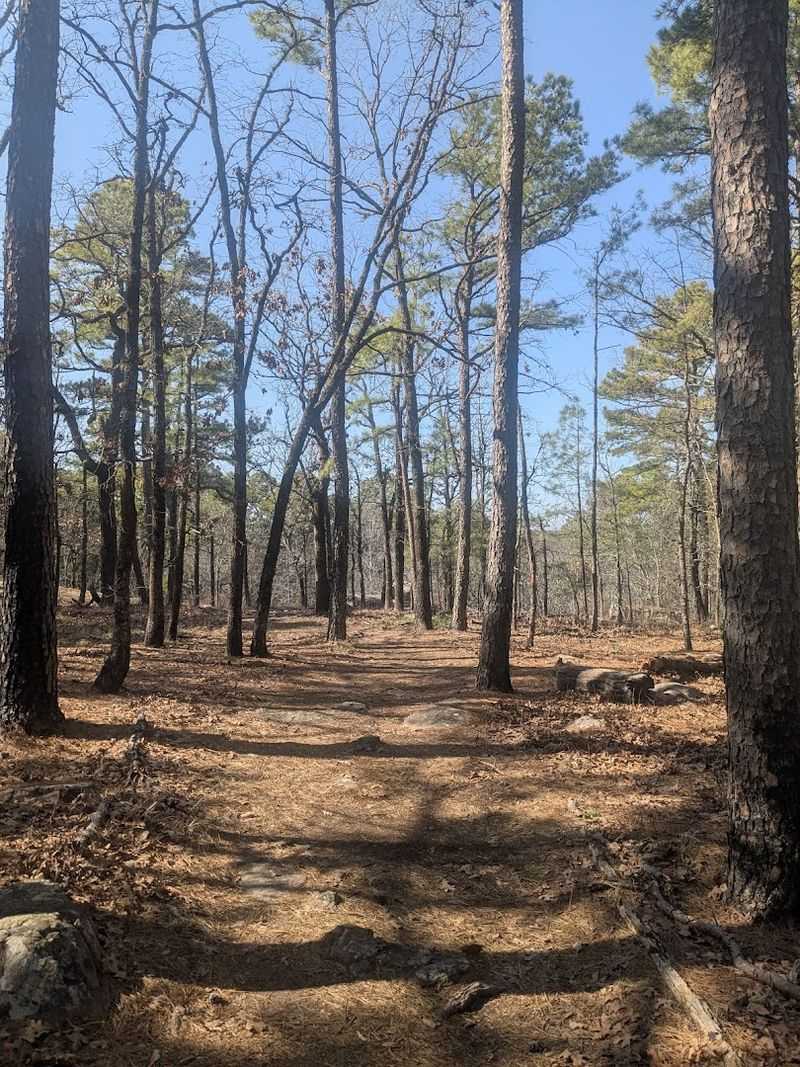
Timing a visit to McGee Creek well makes a meaningful difference in the quality of the experience. Spring and fall are the clear sweet spots, offering mild temperatures, lower humidity, and reduced insect activity compared to the brutal Oklahoma summer months.
Summer visits are absolutely possible but require extra preparation. Heat and humidity combine aggressively in southeastern Oklahoma from June through August, and the tick and spider populations peak during those same months.
Long sleeves, insect repellent, and a very early start time are non-negotiable for summer hikers.
Fall brings changing foliage to the forest, cooler air, and a particular quality of afternoon light that makes the lake and the ridgelines look spectacular. This is the season when the area rewards photographers most generously.
Regardless of season, the packing list for any visit should include more water than you think you need, reliable insect repellent, a compass or GPS device, a physical map, sturdy hiking boots with ankle support, and a fully charged battery pack for your devices. A hiking stick is genuinely useful on the rockier trails.
Bringing lunch is not optional on a full-day hike, since there are no concessions or services of any kind once you pass through the entrance area.
A Place Worth the Long Drive
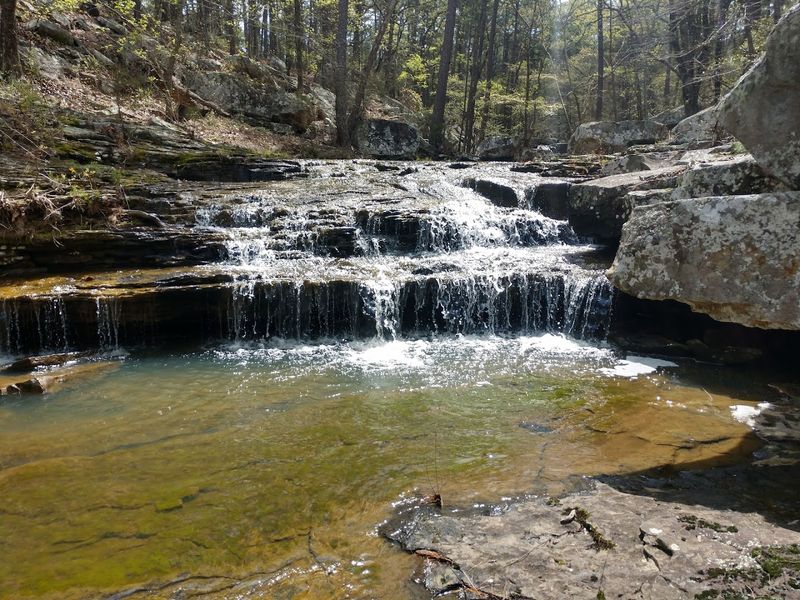
Some places justify the effort it takes to reach them, and McGee Creek Natural Scenic State Recreation Area is firmly in that category. Visitors have made the drive from Dallas, from Oklahoma City, and from surrounding small towns, and the general consensus is that the distance is worth every mile.
The remoteness is the point. The ten miles of rough road, the absent cell signal, the unstaffed permit station, the trails that require actual map-reading skills: all of it filters out the casual visitor and leaves behind the people who genuinely want to be there.
The result is a recreation area that feels preserved rather than developed, natural rather than managed, and quiet in a way that increasingly few public lands manage to achieve. The lake is clear and winding, the forest is dense and alive, and the trails offer everything from a manageable day hike to a multi-day backpacking challenge.
McGee Creek does not advertise itself loudly, and that restraint suits it perfectly. Oklahoma has a lot of beautiful public land, but this corner of the southeastern part of the state holds something that feels genuinely rare: a wild, working landscape where the trees, the water, and the animals are clearly running the show, and the visitors are simply grateful guests.



