 Unearth The Voyage
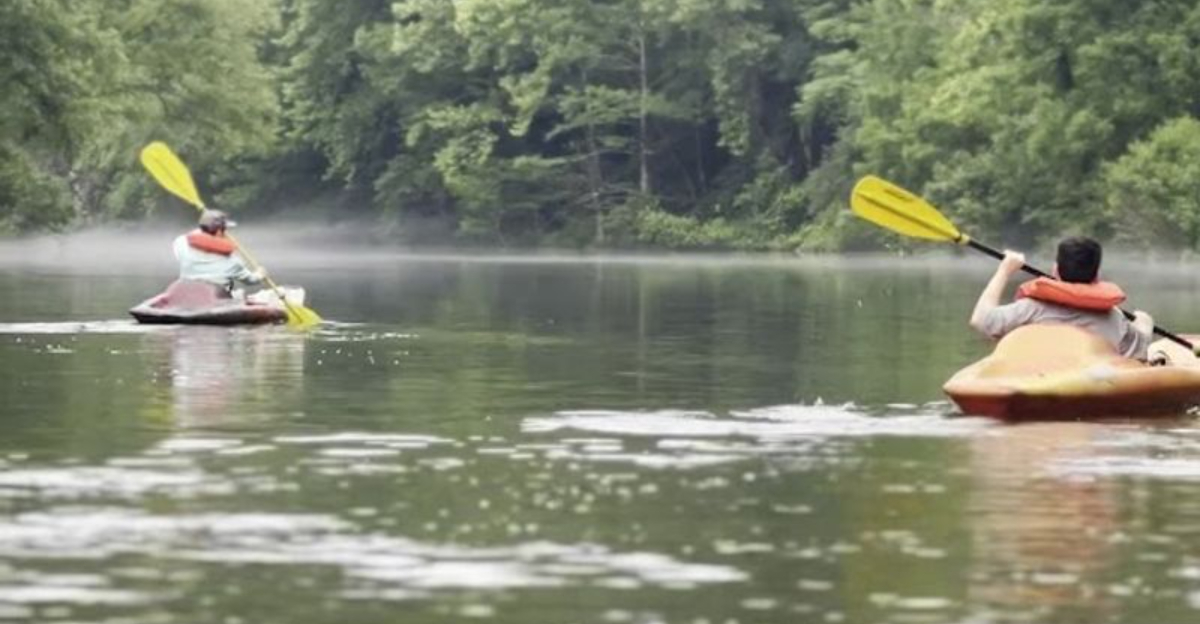
There is a stretch of cold, clear water tucked into the southeastern corner of Oklahoma that has quietly turned into one of the state’s most beloved summer rituals. Families, couples, and solo adventurers show up every year, paddle in hand, ready to let the current carry them through some genuinely stunning scenery.
The river is refreshingly cool even on the hottest July days, which makes the whole experience feel like a reward for surviving an Oklahoma summer. What started as a casual outing for many people has turned into an annual tradition that keeps drawing them back, sometimes four years in a row, with no signs of stopping.
Where the Adventure Begins: Address and Location
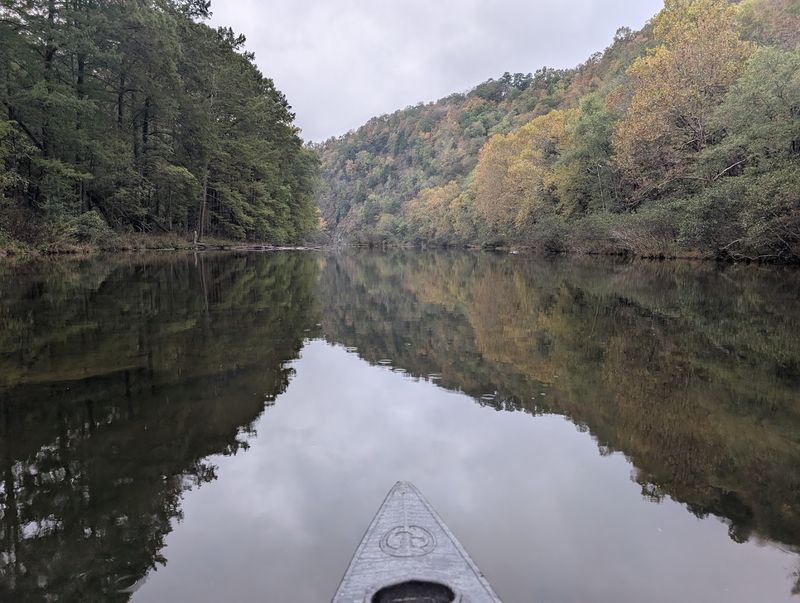
Right off Beavers Bend Road in Broken Bow, Oklahoma, the operation known as Beavers Bend River Floats sits at 467 Beavers Bend Rd, Broken Bow, OK 74728, nestled inside one of the most naturally beautiful corners of the state. The surrounding area is part of the Ouachita Mountains region, where tall pines and hardwoods press in close to the river, creating a canopy that feels almost theatrical.
Getting there is straightforward, and the setting hits you immediately. The air smells like pine and river water, and you can already hear the current before you even check in.
The shop opens daily at 10 AM and closes at 4 PM, which gives you a solid window to get out on the water without rushing.
Broken Bow itself is a small town with a big outdoor reputation, drawing visitors from across Oklahoma and beyond. Beavers Bend River Floats is one of the anchor experiences in the area, and locals treat it as a point of pride.
You can reach them at +1 580-494-6070 to plan your visit in advance, though walk-ins are welcome when space allows.
The River Itself: Cold, Clear, and Surprisingly Refreshing
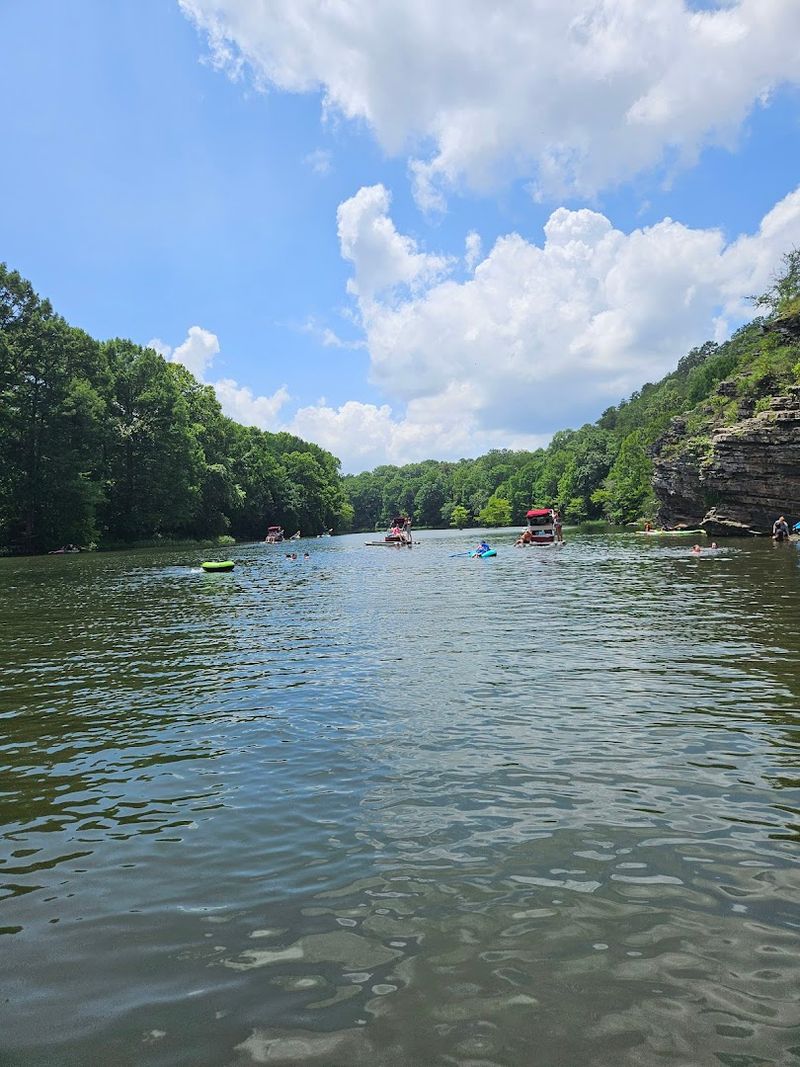
The Mountain Fork River, which runs through this part of Oklahoma, is fed partly by the cold water released from Broken Bow Lake. That release keeps the water temperature noticeably cooler than you would expect from a river sitting in the southern United States during peak summer heat.
On a day when the air temperature climbs past 95 degrees, the river water can feel almost shockingly cold at first touch. Most people describe that first splash as the best part of the whole trip, at least until the scenery starts doing its work on you.
The water runs mostly clear and shallow, with a rocky bottom you can see from your kayak seat without even leaning over.
There are a few bumpy stretches near the start where rocks sit close to the surface, and first-timers sometimes scrape through them with a bit of a jolt. After that initial section, the current mellows out and the float becomes genuinely peaceful.
Wildlife sightings are common along the banks, with deer, herons, and the occasional turtle making appearances that feel like small gifts from the river.
How the Float Trip Actually Works
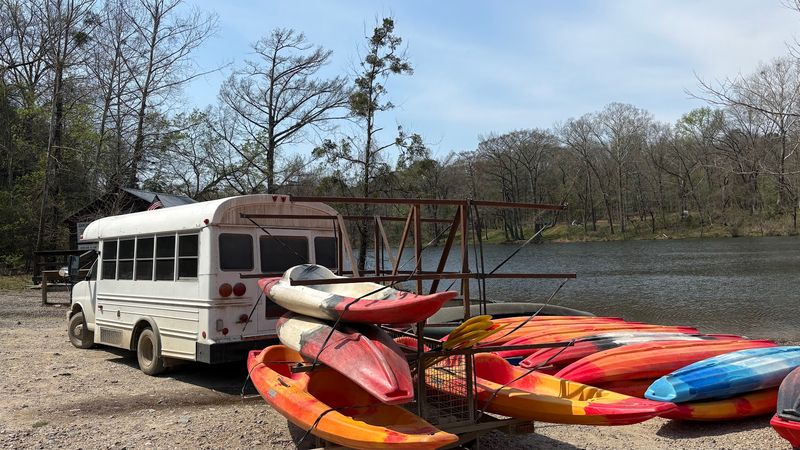
The setup here is refreshingly simple, which is part of why people keep coming back. You show up, pay for your rental, sign a quick waiver, and then the staff loads your kayak or canoe onto a vehicle and drives you upstream to the put-in point.
From there, the river does most of the work.
The float covers roughly 2.5 miles of river and takes anywhere from one to two hours depending on your pace, the water level, and how many times you stop to look at a heron standing motionless on a rock. There is no strict timeline pressuring you to hurry, which makes the whole experience feel more like a lazy adventure than a structured tour.
Single kayaks run around $14, while double kayaks and canoes come in at approximately $23 to $25, making this one of the more affordable outdoor activities in the Broken Bow area. The staff handles transportation both ways, so you are not left figuring out a shuttle situation on your own.
The whole operation feels well thought out without being overly complicated.
Family-Friendly From the Start
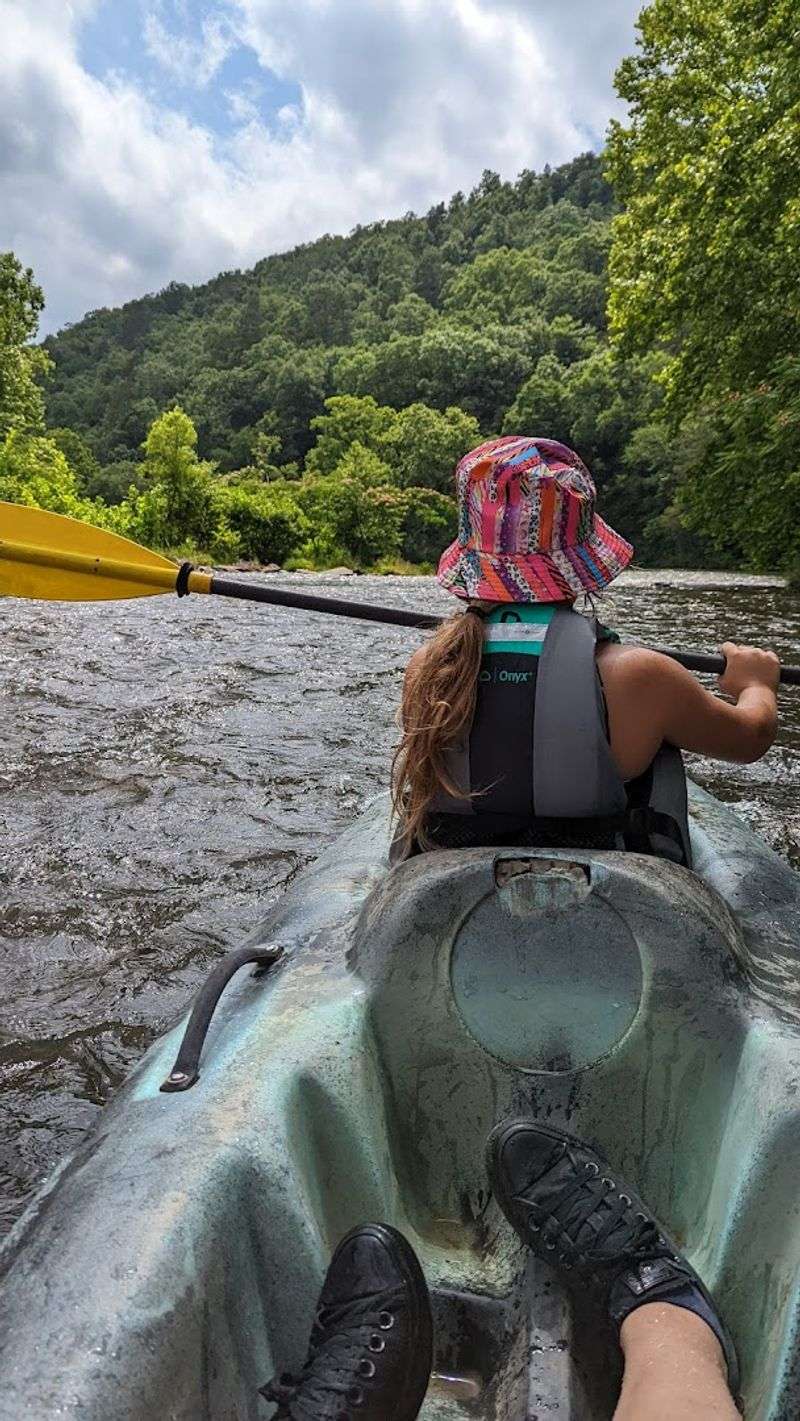
Few outdoor activities manage to work equally well for a couple on a quiet getaway and a family hauling three kids under ten, but this float trip pulls it off. Children as young as five or six handle the experience comfortably, especially in the double kayaks and canoes where an adult can steer and manage pace.
An eight-year-old with a little confidence can actually do real paddling work in a double kayak, which gives kids a sense of ownership over the trip that they absolutely love. Parents appreciate that the water stays shallow for most of the route, and the current is calm enough that nobody feels out of control or unsafe on the river.
The staff is known for being patient with families who are new to paddling, and they take extra time to make sure younger kids are comfortable before sending everyone off. Check-in moves quickly, equipment gets sorted without drama, and the whole family is usually on the water within thirty minutes of arriving.
That kind of smooth, low-stress launch makes a real difference when you are wrangling excited children near a river.
Beginner-Friendly Waters With Just Enough Excitement
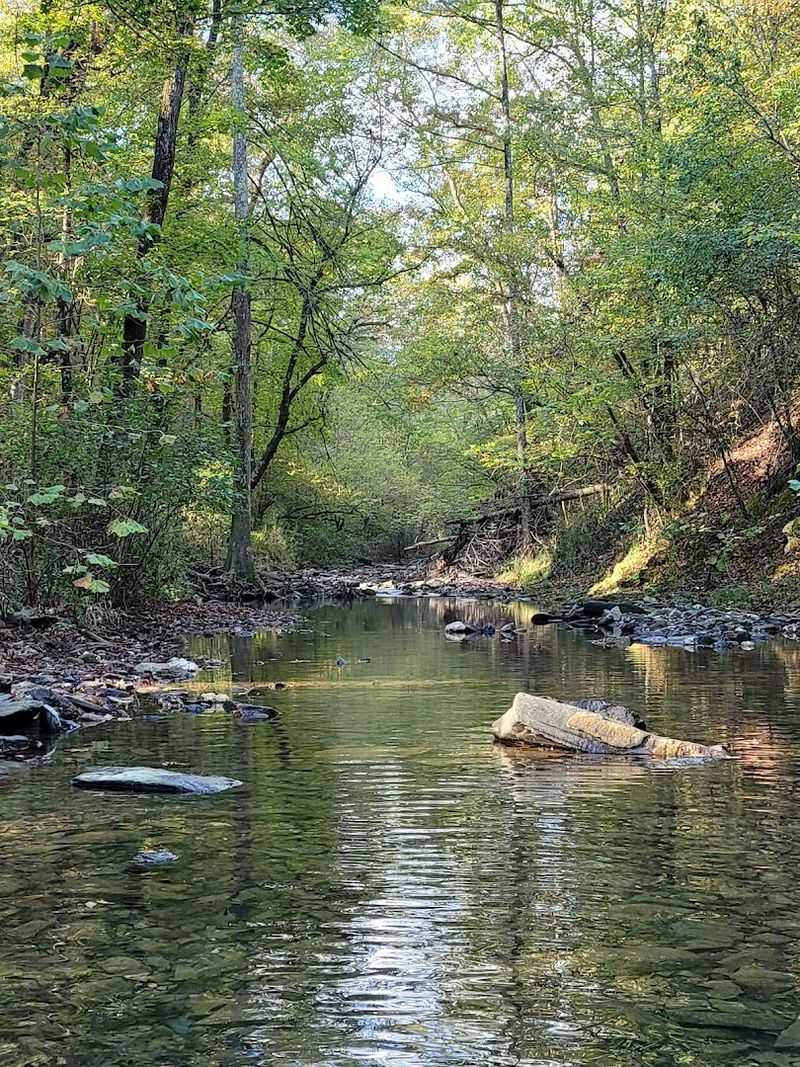
First-timers make up a large portion of the people who show up at Beavers Bend River Floats, and the river is genuinely forgiving for those who have never held a paddle before. The majority of the float is calm and easy to navigate, with the trickiest section coming right at the beginning where the rocks sit close to the surface.
That opening stretch is a natural classroom. You figure out how to steer, how to read the current, and how to avoid getting stuck, all in a low-stakes environment where the water is shallow and the consequences of a wrong move are mostly just wet shoes and a good story.
After that, the river opens up and the paddling becomes almost meditative.
The staff will let nervous first-timers test a double kayak in calmer water before committing to the full float, which takes the edge off for anyone who shows up a little uncertain. Some groups have arrived with zero experience and left talking about how they want to come back with more friends.
The river has a way of turning hesitation into enthusiasm within the first twenty minutes on the water.
What the Scenery Looks Like From the Water
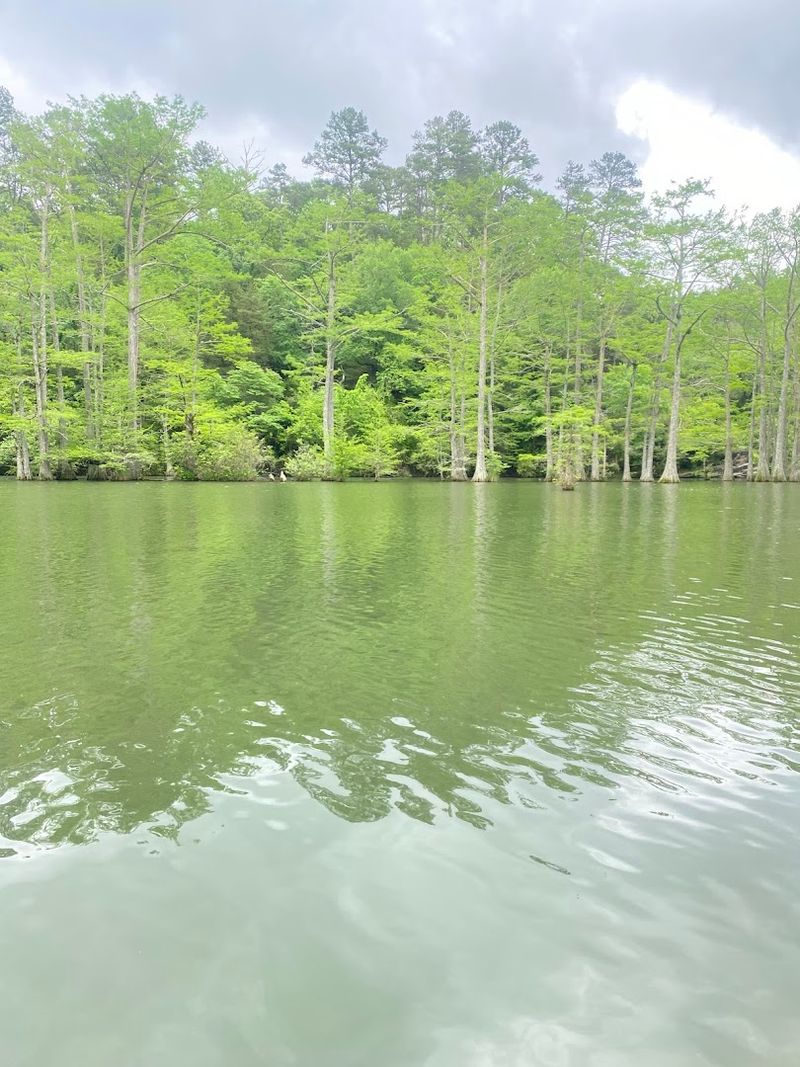
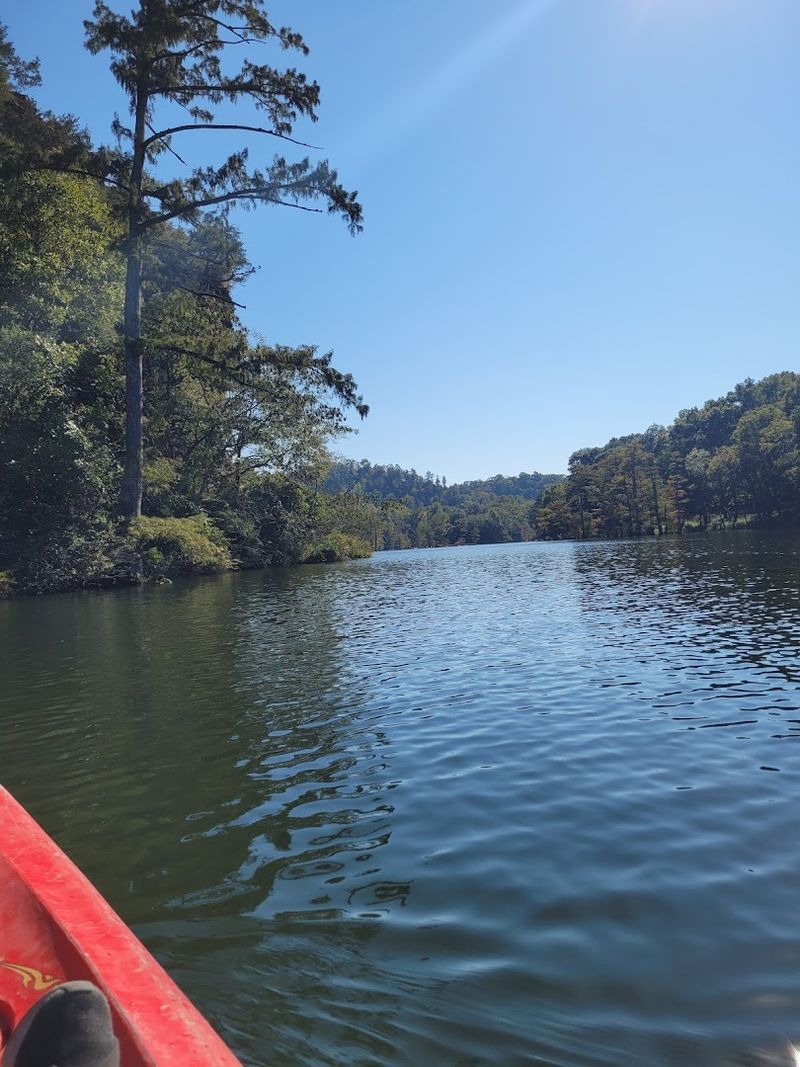
There is something about seeing a landscape from water level that makes it feel more intimate than any hiking trail can offer. The banks of the Mountain Fork River rise up around you as you float, lined with pine trees, cypress knees poking out of the shallows, and rocky outcroppings that catch the light differently depending on the time of day.
The reflection of the tree canopy on the water surface creates a kind of green tunnel effect in certain stretches that genuinely stops conversation. People who came expecting a casual paddle often find themselves going quiet, just watching the scenery scroll past.
Wildlife appears regularly, and the sightings feel earned rather than staged, because the river corridor is wild enough to support real animal activity.
Herons are practically a given on most floats, and deer sometimes appear on the banks in the early part of the morning runs. The views along this stretch of river are consistently described as the highlight of the entire Broken Bow trip by people who have also done the cabins, the hiking trails, and the lake.
That is not a small claim in a region packed with natural beauty.
Paddleboarding as an Alternative to Kayaking
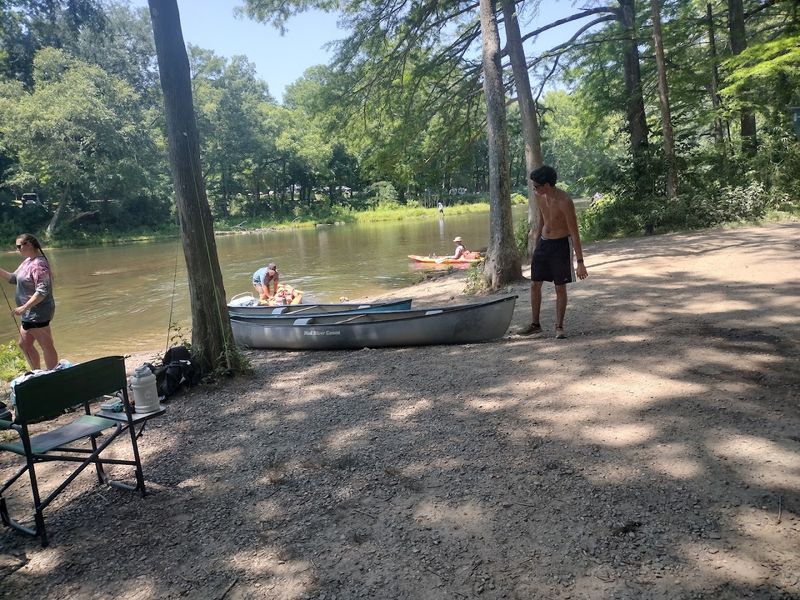
Not everyone who shows up at Beavers Bend River Floats wants to sit in a kayak, and that is completely fine because paddleboards are available as a rental option. Stand-up paddleboarding on a river is a different kind of challenge compared to flat lake water, and the Mountain Fork River offers just enough current to keep things interesting without being intimidating.
Balancing on a board while the water moves underneath you engages muscles you forgot you had, and the elevated vantage point gives you a slightly different view of the river corridor compared to what you see from a kayak seat. It is harder, no question, but the payoff in terms of how accomplished you feel at the end is proportionally higher.
The staff is helpful in getting paddleboarders oriented before they head out, and the same shuttle system that serves kayakers applies here, so you get dropped upstream and float your way back to the takeout point. For anyone who has been wanting to try paddleboarding but hesitated at the idea of doing it on moving water, this river is about as good a starting point as you will find in Oklahoma.
The experience tends to be addictive from the very first trip.
The Staff That Makes the Whole Thing Work
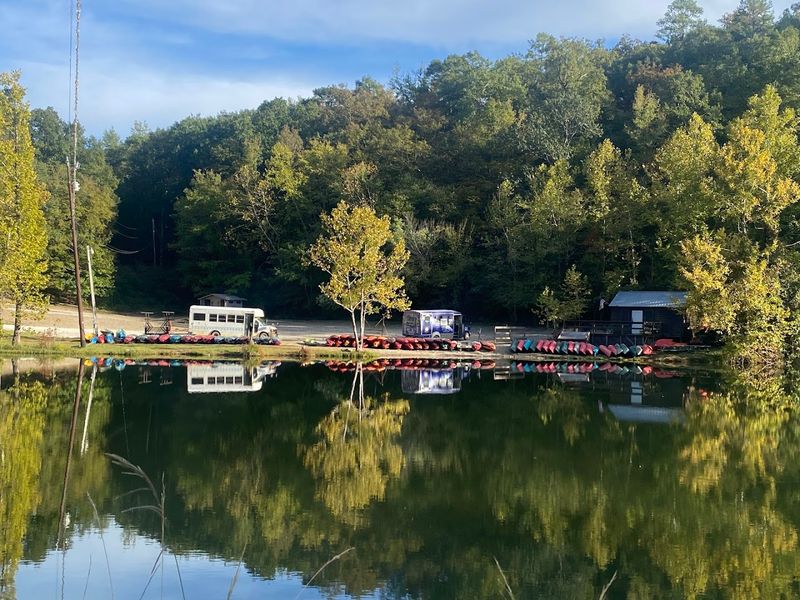
A river float operation lives or falls on the quality of its people, and the crew at Beavers Bend River Floats seems to genuinely enjoy what they do. The manager, Josh, comes up repeatedly in conversations about the experience, and not because he is loud or flashy but because he is consistently helpful, calm, and good at reading what each group needs before they even ask.
The rest of the staff follows the same pattern. They move efficiently during busy stretches without making guests feel rushed, and they take extra care with families who have young children or nervous first-timers in the group.
Equipment gets checked, life vests get distributed, and everyone gets pointed in the right direction without a lot of fuss.
One thing worth knowing is that the guys who help load your equipment and get you set up at the put-in point work for tips, so coming prepared with a few dollars to show appreciation is a nice way to acknowledge the effort they put in. The overall vibe of the operation is professional without being stiff, which is exactly what you want from an outdoor adventure company.
Good people make good trips, and this crew delivers on that consistently.
Practical Tips Before You Hit the Water
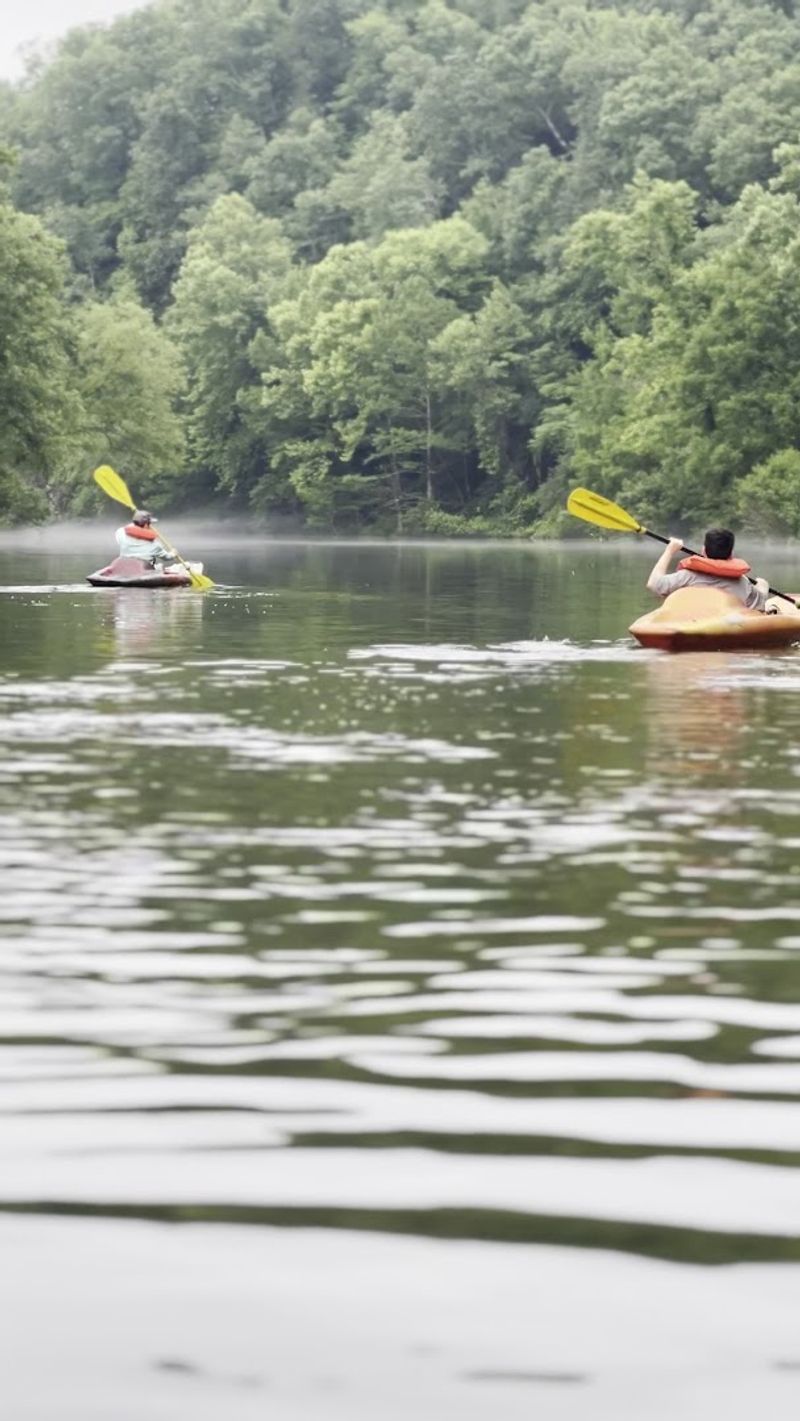
A few practical details can make the difference between a smooth float and an uncomfortable one, and most of them are easy to handle before you even leave for the river. Sunscreen is non-negotiable on this stretch of water, where the sun reflects off the surface and hits you from two directions at once.
Wearing a cap and bringing water is equally important, especially during July and August when the heat index in southeastern Oklahoma climbs fast.
Lightweight pants or leggings are worth considering if you burn easily, since the float time runs long enough for real sun exposure to accumulate. Water shoes or old sneakers work better than sandals, particularly at the beginning of the route where the rocky bottom requires a bit of careful footing.
Bare feet on river rocks are a recipe for a slow and uncomfortable start.
If you own your own life vest, bringing it along is a practical move since the rental vests are functional but well-used. The outfitter provides life vests and recommends their use, though they do not require them for adults.
The whole float takes between one and two hours, so packing a small dry bag with essentials keeps your phone and wallet safe while you enjoy the current.
Why This Float Has Become an Annual Tradition
Some places earn repeat visits through novelty, but Beavers Bend River Floats earns them through consistency. Groups have returned four years running and walked away satisfied every single time, which is a harder thing to pull off than it sounds when you are working with a natural river that changes with the seasons and weather.
The combination of affordable pricing, cold water on a hot day, genuine natural beauty, and a staff that treats guests like people rather than ticket numbers creates an experience that sticks. Families who came when their kids were toddlers are now returning with those same kids old enough to paddle their own single kayaks, which tells you something about the kind of memory this place creates.
Oklahoma has no shortage of outdoor destinations, but this particular float has carved out a reputation that spreads mostly by word of mouth. Friends tell friends, parents tell other parents, and somehow the same stretch of river keeps delivering.
The Mountain Fork River does not change its route or add new features each season, and it does not need to. The river itself is the tradition, and Beavers Bend River Floats is the company that makes it accessible, affordable, and genuinely worth coming back for every single summer.



