 Unearth The Voyage
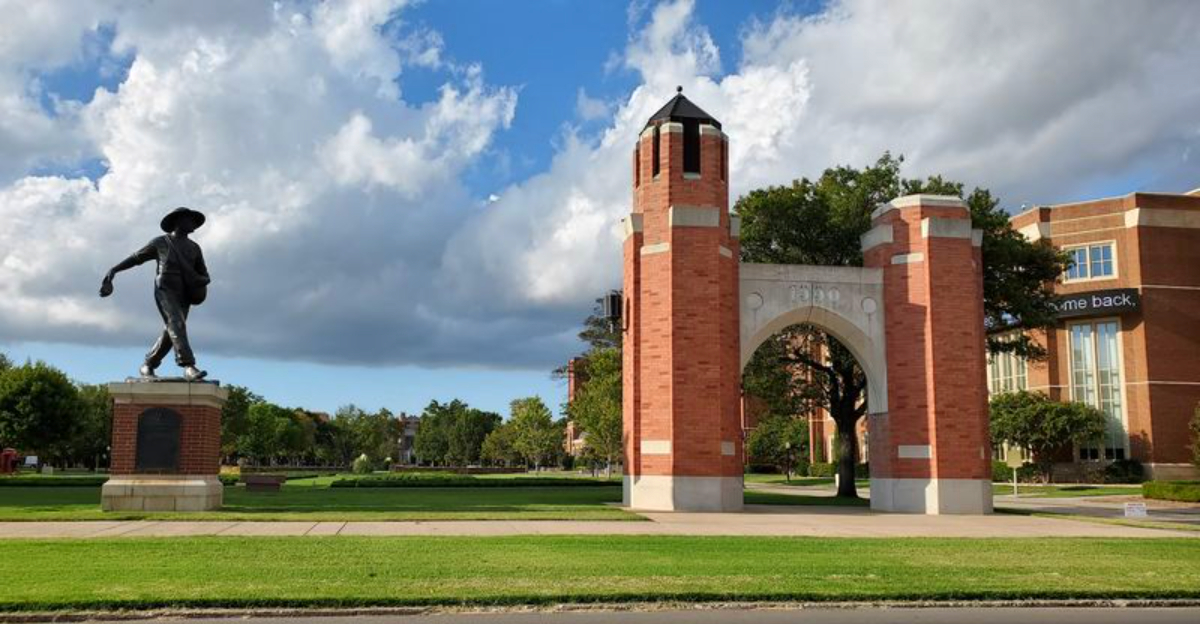
There is a city in the heart of Oklahoma where the streets buzz with energy on game days, the campus never sleeps, and the local pride runs as deep as the red dirt roads surrounding it. With a population of over 128,000 people, it is the third-largest city in the entire state, yet it has the warm, welcoming feel of a tight-knit community.
The University of Oklahoma calls this place home, and so does one of the most storied football programs in college sports history. From lively campus traditions to hidden neighborhood spots worth exploring, this city has far more going on than most people expect.
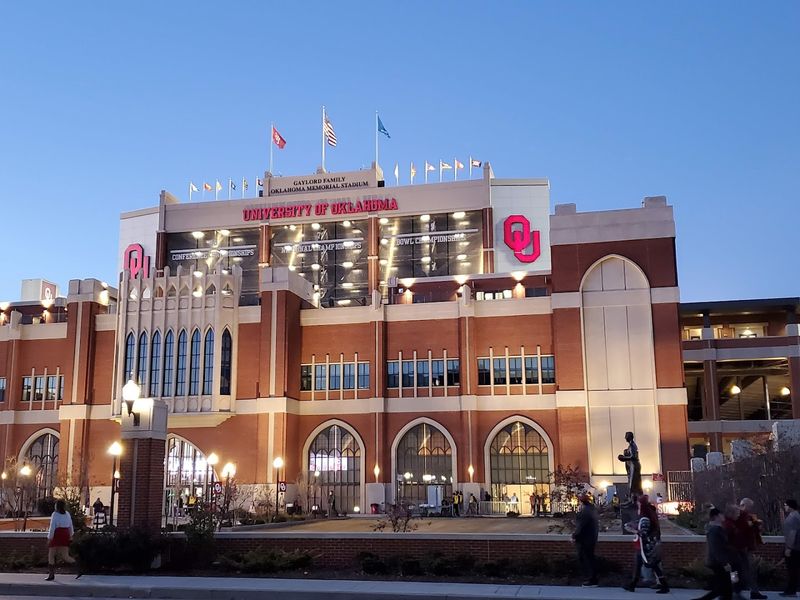
Right in the middle of the state, Norman, Oklahoma sits at 35.2215893 latitude and -97.4446151 longitude, making it part of the greater Oklahoma City metro area. The official city website is ci.norman.ok.us, and the city operates as a full-service municipality with parks, public services, and a thriving downtown corridor.
Norman is the county seat of Cleveland County, and it covers roughly 178 square miles of rolling plains and suburban neighborhoods. The city was founded during the Land Run of 1889, which means its roots go back to one of the most dramatic moments in American history.
Today, Norman blends that pioneer spirit with modern energy. Coffee shops sit next to century-old buildings, and new restaurants open regularly alongside long-standing local favorites.
The University of Oklahoma anchors the city both economically and culturally, drawing students, professors, and visitors from across the country every single year. Norman is not just a college town; it is a city with genuine character and a story worth knowing.
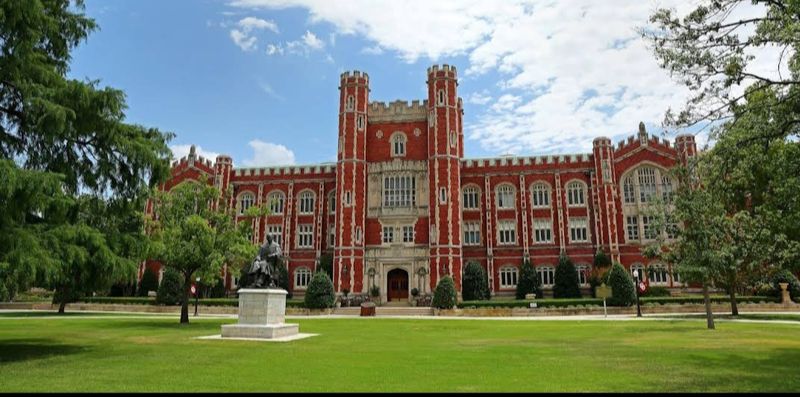
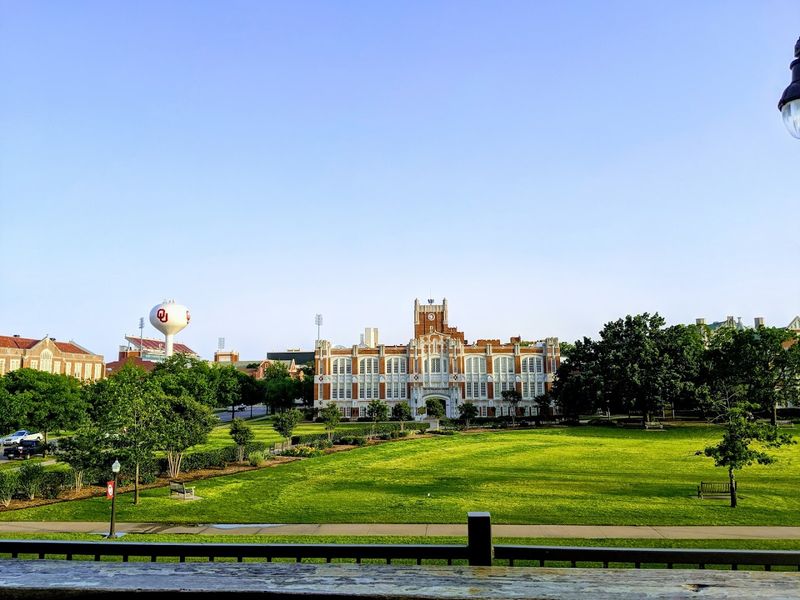
Few universities in the American South have a campus as visually striking as the University of Oklahoma. The red brick buildings, terracotta rooftops, and wide tree-lined walkways give the campus a timeless look that feels both grand and approachable at the same time.
Founded in 1890, just one year after the city itself, OU has grown into a major research institution with more than 30,000 students enrolled. It offers programs in law, medicine, engineering, business, and the arts, making it one of the most comprehensive universities in the region.
The South Oval is the heart of the campus, a large grassy area surrounded by historic buildings where students study, hang out, and enjoy the Oklahoma sunshine. The Bizzell Memorial Library, with its Gothic-inspired architecture, is one of the most photographed spots on campus.
Visitors are always welcome to walk the grounds, and the campus genuinely rewards a slow, curious stroll. Every corner seems to hold another piece of the university’s long and fascinating history, and the energy of thousands of young people going about their day is surprisingly contagious.
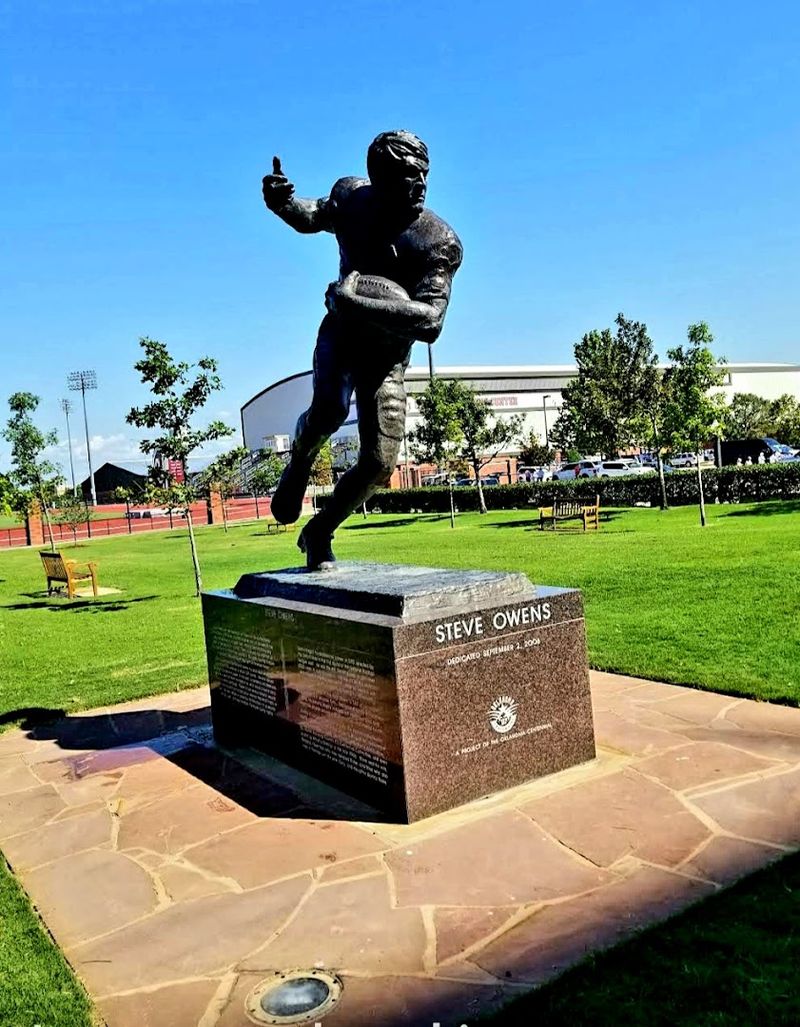
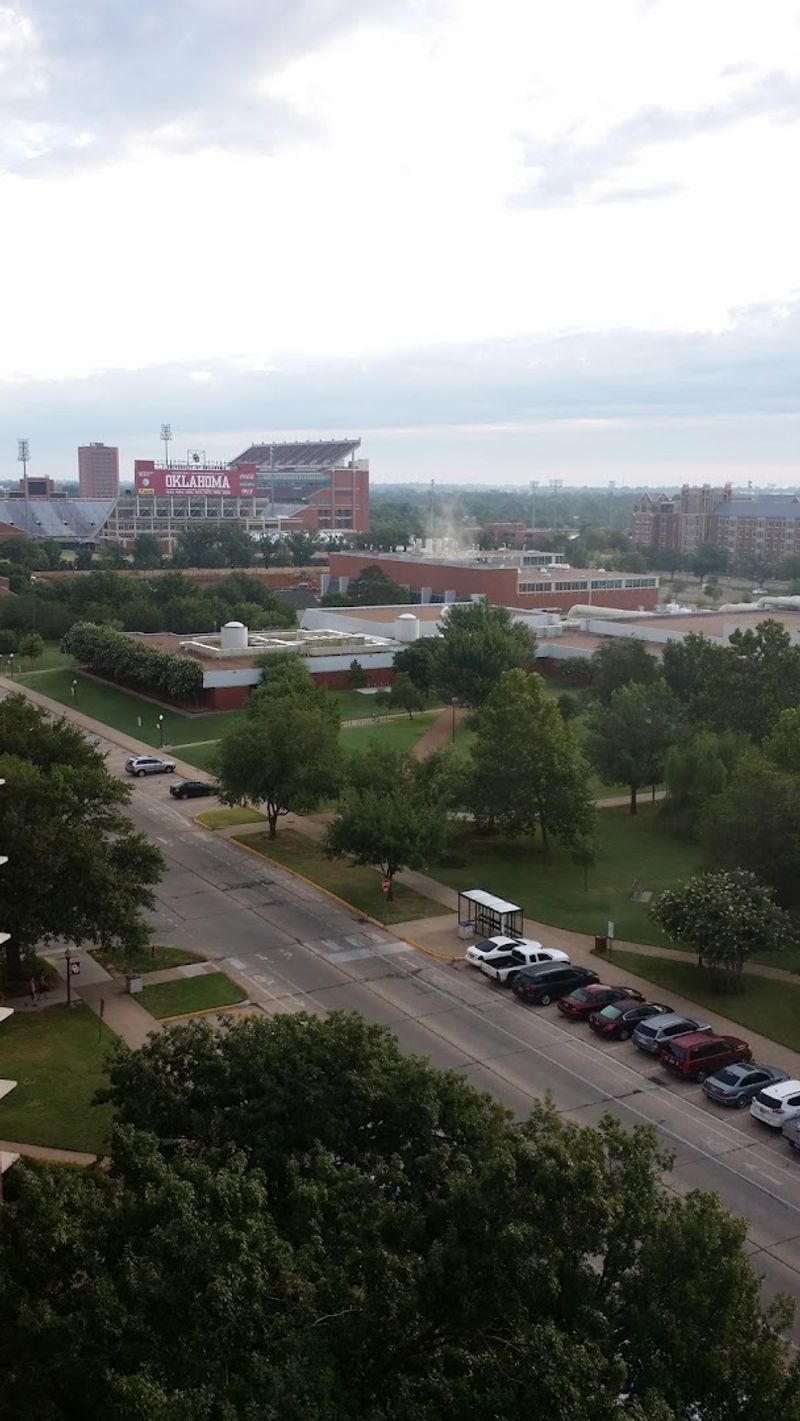
On a Saturday when the Sooners are playing at home, Norman transforms into something that has to be experienced firsthand to be fully understood. Oklahoma Memorial Stadium, known affectionately as “The Switzer Center” by many fans, holds over 80,000 people and fills up with a sea of crimson and cream.
The University of Oklahoma football program has won seven national championships and produced legendary coaches and Heisman Trophy winners. Names like Barry Switzer and Bob Stoops are spoken with reverence here, and the tradition of excellence on the field has shaped the city’s identity for generations.
Tailgating begins hours before kickoff, with grills going, flags flying, and the kind of pre-game buzz that makes even non-football fans feel the excitement. The march of the Pride of Oklahoma marching band through campus is one of those moments that genuinely raises the energy of an entire crowd.
Even if you are not a die-hard football fan, attending a Sooners home game is one of the most memorable things you can do in this part of Oklahoma. The collective enthusiasm of 80,000 people cheering together is a force all its own.
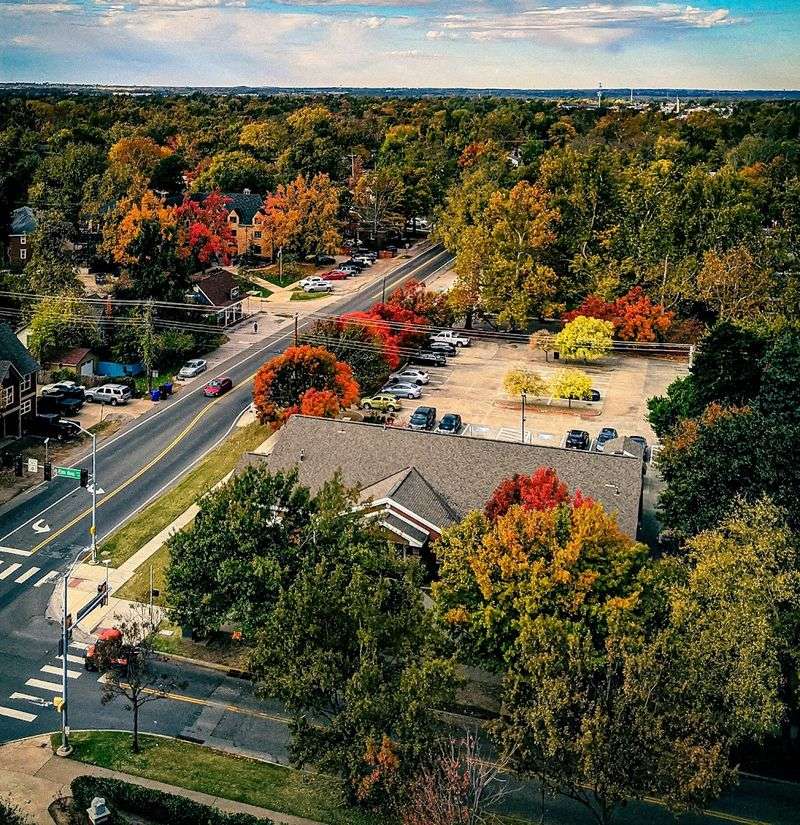
Just north of the University of Oklahoma campus, Campus Corner is the kind of neighborhood that earns a permanent spot in your memory after just one visit. It is a compact stretch of shops, restaurants, and hangout spots that has served students and locals for decades.
The area has a relaxed, lived-in feel that big commercial districts rarely manage to pull off. You will find locally owned pizza places, bookstores, casual eateries, and coffee spots tucked side by side in a way that feels genuinely organic rather than planned.
Campus Corner also hosts events throughout the year, including outdoor markets and community gatherings that bring together people from all walks of Norman life. The mix of longtime residents and new students gives the neighborhood a layered, dynamic quality.
On a weekday afternoon, the sidewalks hum with quiet activity, and on weekends, the energy picks up considerably. Whether you are grabbing a quick bite between classes or spending a full afternoon exploring, Campus Corner rewards the kind of unhurried wandering that makes a place feel like home.
It is one of those neighborhoods that reminds you why college towns have such a devoted following.
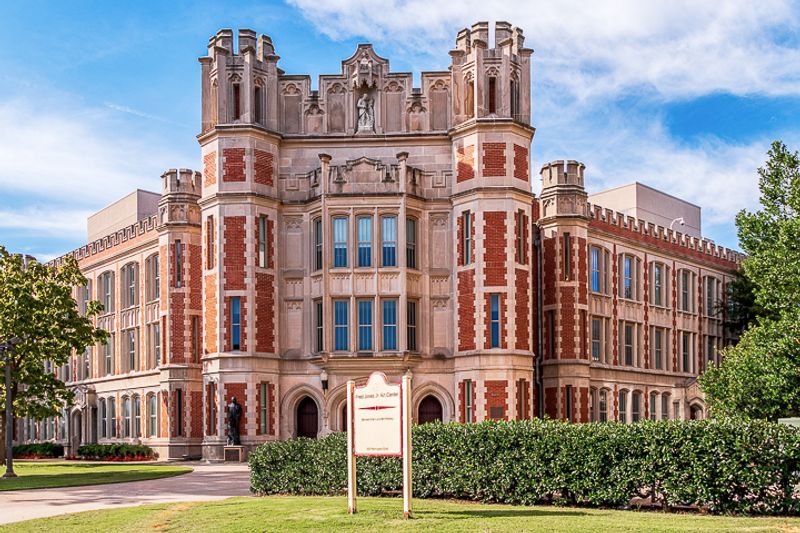
Not every college town can boast a world-class art museum, but Norman pulls it off with quiet confidence. The Fred Jones Jr. Museum of Art on the University of Oklahoma campus houses one of the most impressive collections in the entire region, spanning thousands of works across multiple centuries and cultures.
The museum is particularly well known for its collection of French Impressionist paintings, which includes works by Claude Monet, Pierre-Auguste Renoir, and other masters of the movement. The Weitzenhoffer Collection, donated to the university in 2000, put this museum on the national map and drew serious attention from the art world.
Beyond the Impressionists, the museum holds significant Native American art, American paintings, and rotating contemporary exhibitions that keep the experience fresh for repeat visitors. Admission is free for students and reasonably priced for the general public, making it one of the best cultural values in Oklahoma.
The building itself is thoughtfully designed, with natural light filtering into gallery spaces in ways that make the artwork feel alive. A visit here is a genuinely enriching experience, and it is the kind of place that surprises people who were not expecting to be so moved by what they find inside.
One of the largest university-based natural history museums in the entire United States calls Norman home, and it is a genuinely spectacular place to spend a few hours. The Sam Noble Oklahoma Museum of Natural History sits on the University of Oklahoma campus and tells the story of life on Earth with remarkable depth and detail.
The Hall of Ancient Life is the crown jewel of the museum, featuring an enormous Apatosaurus skeleton that stretches across the gallery in a way that stops visitors cold the moment they walk in. The fossil collection here is one of the most significant in the country, with specimens drawn from Oklahoma and beyond.
The museum also has dedicated galleries covering Oklahoma’s human history, its diverse ecosystems, and the geology of the region. Each section is designed to be accessible and engaging for visitors of all ages, from curious kids to serious researchers.
Families with children consistently rank this museum among the top things to do in Norman, and it is easy to see why. A full visit can easily take three to four hours, and most people leave wishing they had more time to linger in the galleries they rushed through.
It is one of those rare museums that makes learning feel effortless.
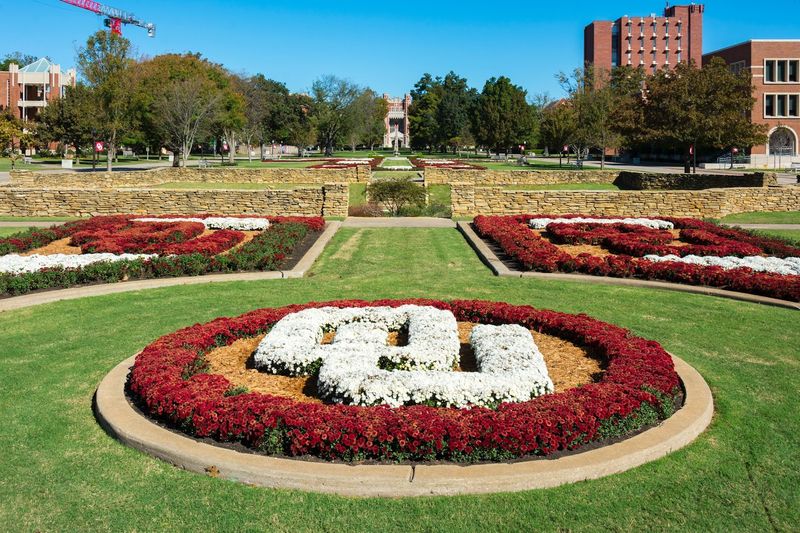
A short drive from the university brings you to Downtown Norman, a stretch of Main Street and surrounding blocks that has been quietly reinventing itself over the past decade. The area has a strong local identity, with independently owned boutiques, art galleries, and restaurants filling up historic brick buildings.
The downtown farmers market, held on weekends during the warmer months, draws a loyal crowd of locals who come for fresh produce, handmade goods, and the simple pleasure of running into neighbors. It has the kind of relaxed, community-forward energy that makes you want to slow down and stay longer than planned.
Murals and public art installations appear on building walls throughout the area, giving downtown Norman a creative, expressive personality. Local organizations have invested in beautifying the district, and the results are noticeable in every block you walk.
The restaurant options range from casual lunch spots to sit-down dinner destinations with creative menus built around local ingredients. Whether you are in the mood for something familiar or ready to try a new cuisine, downtown Norman has options that will satisfy without requiring a long drive to the city.
It is a neighborhood that earns your loyalty quickly.
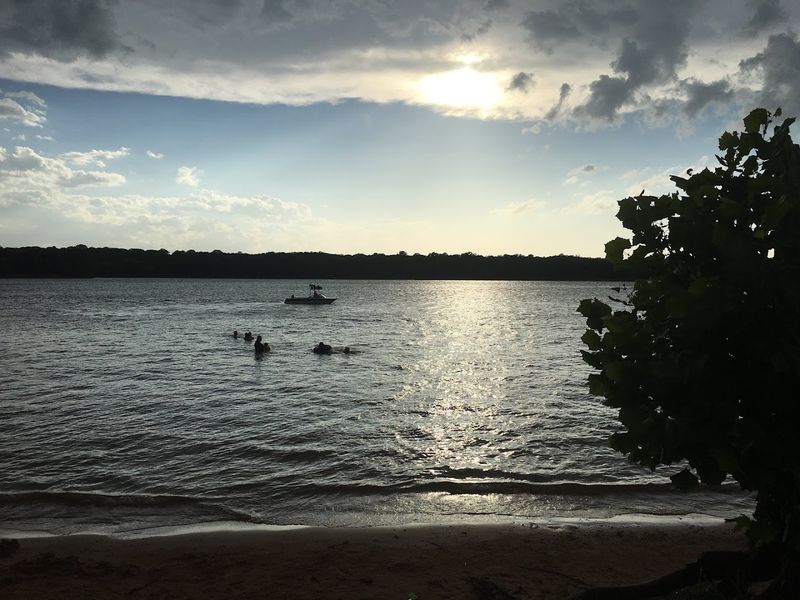
Just a short drive east of Norman, Lake Thunderbird State Park offers a welcome escape from the energy of campus life and city streets. The park surrounds Lake Thunderbird, a reservoir created in the 1960s that now serves as both a water source and a beloved recreation destination for the region.
The lake covers over 6,000 acres and is ringed by trails, campgrounds, and sandy swimming beaches that fill up on warm weekends. Boating, fishing, kayaking, and paddleboarding are all popular activities here, and the park has the facilities to support both day visitors and overnight campers.
The hiking trails wind through stands of post oak and blackjack oak, offering a quiet, shaded experience that feels surprisingly remote given how close the park is to a city of over 128,000 people. Birdwatchers find the park particularly rewarding, as it sits along migration routes that bring a wide variety of species through Oklahoma each year.
Sunsets over the lake are genuinely beautiful, with the water catching the last light of the day in shades of orange and gold. For anyone needing a reset after a busy week, a few hours at Lake Thunderbird is one of the most reliable remedies Norman has to offer.
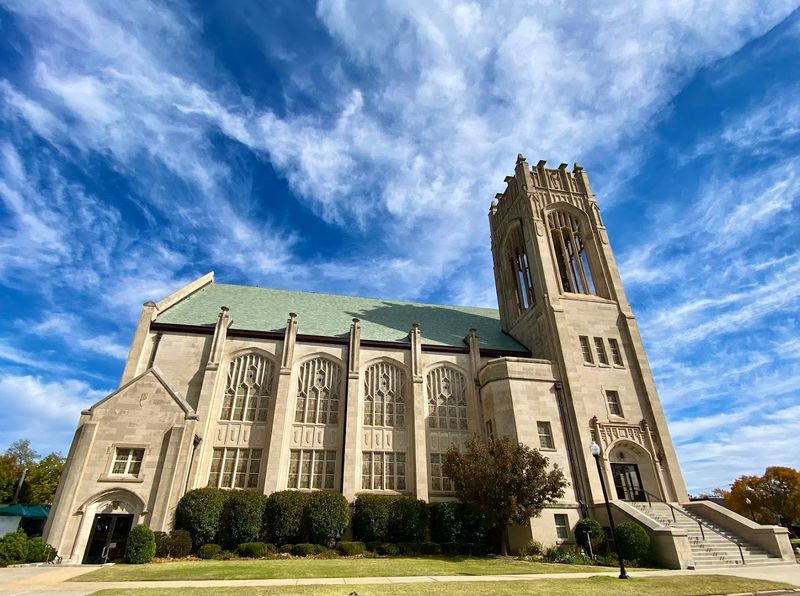
Built in 1929 and listed on the National Register of Historic Places, the Sooner Theatre is one of Norman’s most treasured landmarks. The building’s Spanish Colonial Revival architecture stands out immediately on Main Street, with its ornate facade and vintage marquee sign giving the block an undeniable sense of character.
The theatre originally opened as a movie house during the silent film era and later transitioned into a performing arts venue. Today, it hosts a rotating calendar of live performances, including concerts, theatrical productions, film screenings, and community events that draw audiences from across the region.
The interior is equally impressive, with detailed tilework, painted ceilings, and a restored stage that carries the weight of nearly a century of performances. Sitting inside the Sooner Theatre during a live show is one of those experiences that connects you to the history of a place in a way that no museum exhibit quite can.
Local arts organizations use the theatre as a home base, and their programming reflects the creative energy that Norman has built over decades. The Sooner Theatre is proof that a city does not need to be enormous to have a genuinely rich cultural life, and it remains one of the most compelling reasons to spend an evening in downtown Norman.
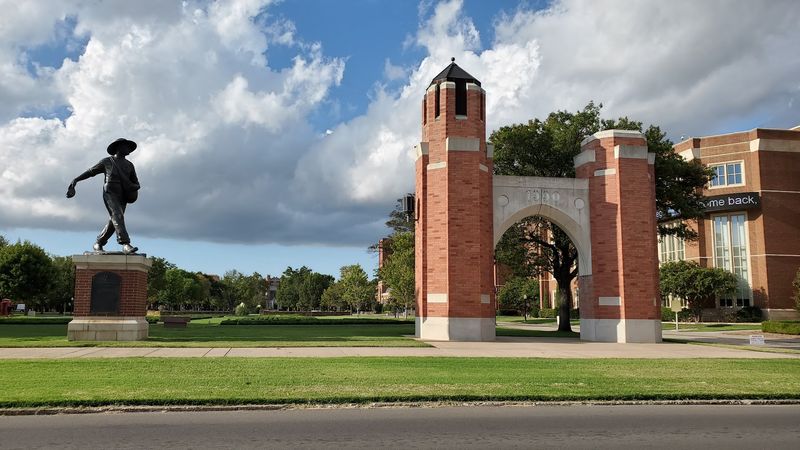
Norman’s founding story is one of the most dramatic origin stories of any American city. The city was established during the Land Run of April 22, 1889, when thousands of settlers raced across the Oklahoma Territory to claim plots of land.
Within hours, a tent city had appeared where open prairie had existed that same morning.
The historical markers and monuments around Norman honor this heritage with a seriousness that reflects how central the Land Run is to local identity. Understanding this history adds a meaningful layer to any visit, turning an ordinary walk through the city into something with real depth.
The Cleveland County Historical Society maintains resources and exhibits that document the early years of Norman and the broader region. Their work ensures that the stories of the people who built this city from scratch are not forgotten as the city continues to grow and change.
What strikes me most about Norman’s founding history is how recent it actually is. A city of over 128,000 people, home to a world-class university and a legendary football program, grew from a single chaotic afternoon in Oklahoma’s past.
That kind of backstory gives Norman a distinct energy that you can feel even without knowing the details beforehand.
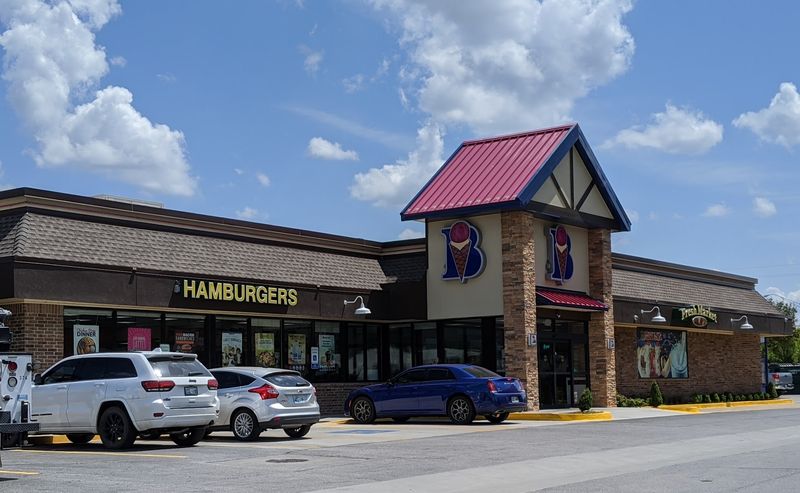
Norman’s restaurant scene has expanded significantly over the past decade, and the variety available today would surprise anyone who has not visited recently. From scratch-made burgers to international cuisines, the city now offers dining options that go well beyond what most college towns typically provide.
Local favorites include spots that have been feeding students and families for years alongside newer establishments that bring fresh ideas and ingredients to the table. The farm-to-table movement has taken hold here, with several restaurants sourcing produce and proteins from Oklahoma farms and ranches.
Breakfast and brunch spots are particularly strong in Norman, with a handful of locally owned cafes producing the kind of morning meals that earn loyal regulars quickly. The coffee culture is equally developed, with independent roasters and cafes scattered across the city offering a genuine alternative to chain options.
Food trucks also play a role in Norman’s dining landscape, appearing at farmers markets, campus events, and local festivals throughout the year. The overall quality of the food scene reflects the city’s growth and the demands of a population that includes university faculty, international students, and longtime Oklahoma residents with high standards and curious palates.
Eating your way through Norman is a genuinely rewarding project.
There is something about Norman that stays with you after you leave, and it is not just the football memories or the campus architecture. The city has a particular rhythm that balances ambition with ease, and that combination is harder to find than it sounds.
The people here are genuinely friendly in a way that feels effortless rather than performed. Strangers hold doors, neighbors wave from porches, and the general pace of daily life leaves room for actual human interaction rather than the rushed anonymity of larger cities.
Norman also benefits from being close enough to Oklahoma City to access big-city amenities while maintaining its own distinct identity. The 20-minute drive between the two cities means residents get the best of both worlds without the trade-offs that usually come with that kind of proximity.
The city continues to grow, with new developments, businesses, and community initiatives appearing regularly. But the core character of Norman, shaped by its university roots, its Oklahoma heritage, and its tight community bonds, remains consistent through all of that change.
Whether you come for a football weekend, a museum visit, or simply to see what all the fuss is about, Norman has a way of rewarding the curiosity that brought you there in the first place. It is the kind of place that earns a return trip before you have even left.



