 Unearth The Voyage
Thrift shopping can feel like a treasure hunt, and some stores make the experience better than others. When you want variety, decent prices, and the thrill of finding something unexpected, secondhand shops offer a unique alternative to traditional retail.
One spot stands out for its sheer size and inventory, drawing bargain hunters and fashion enthusiasts alike. Whether you’re looking to refresh your wardrobe without breaking the bank or hoping to score trendy pieces at a fraction of their original cost, this place has built a reputation for delivering exactly that kind of shopping adventure.
A Sprawling Space at 5911 Northwest Expressway

Daisy Exchange sits at 5911 Northwest Expressway in Oklahoma City, Oklahoma, making it easy to find for locals and visitors cruising through the metro area. Its location along a major thoroughfare means you can swing by after work or make it part of a weekend shopping trip without going out of your way.
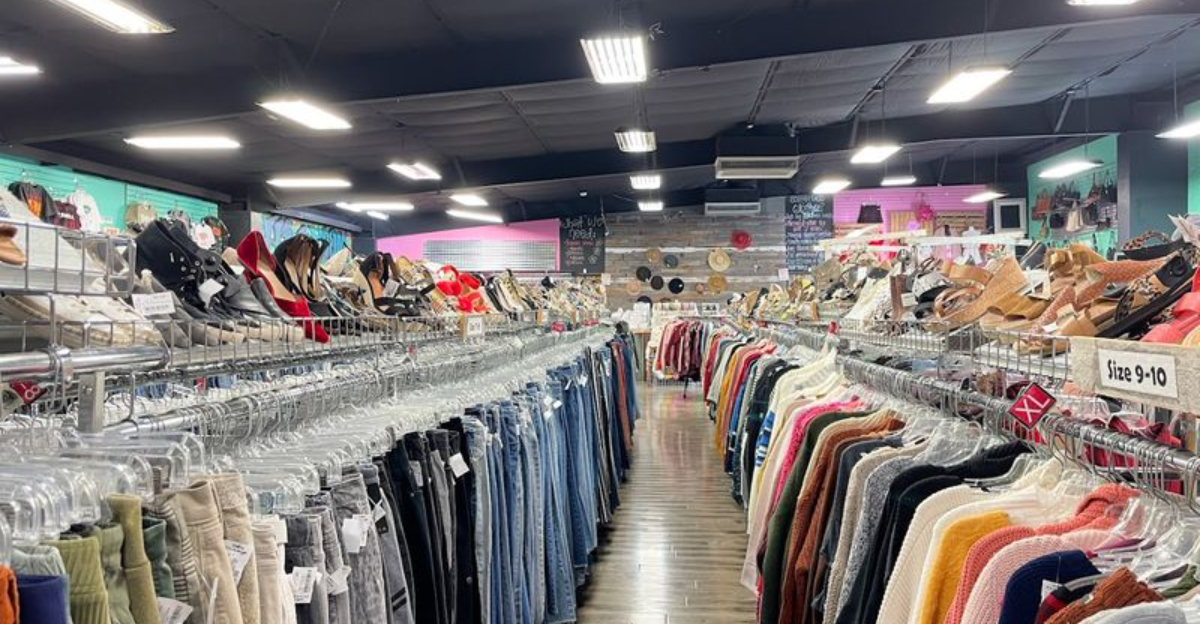
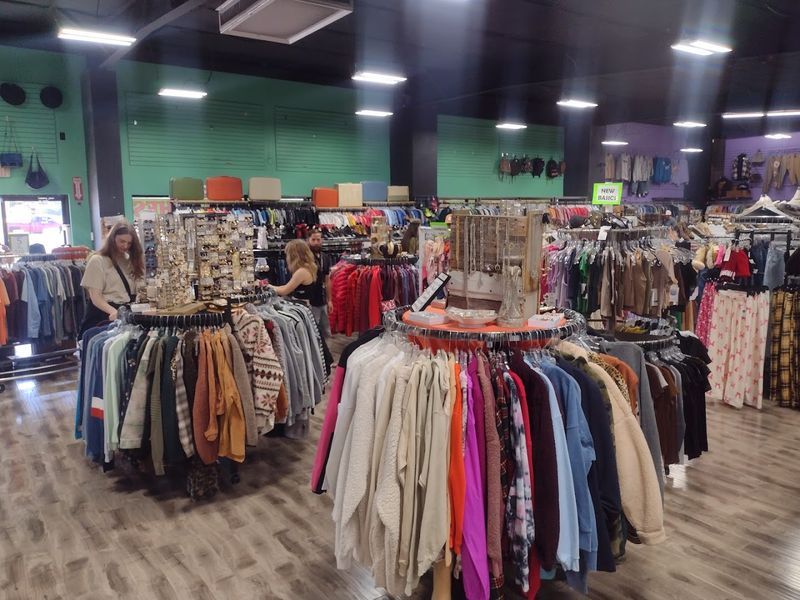
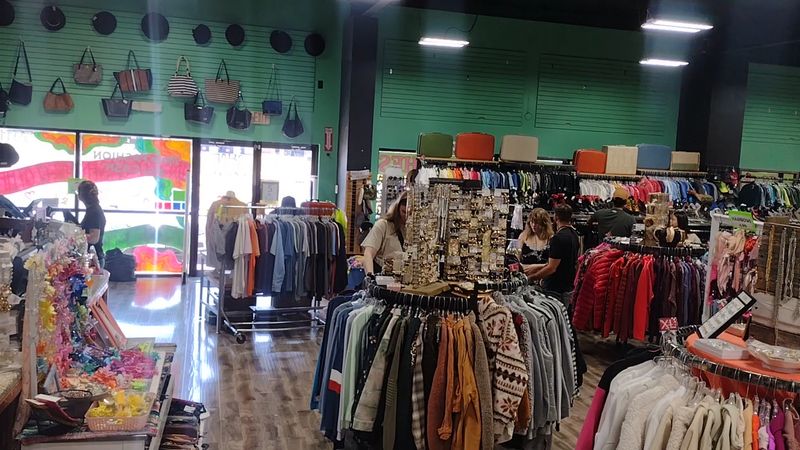
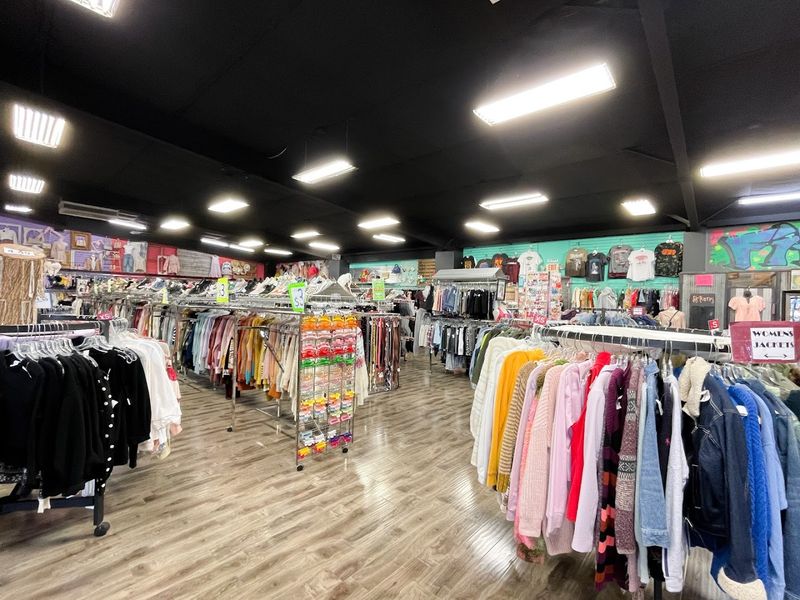
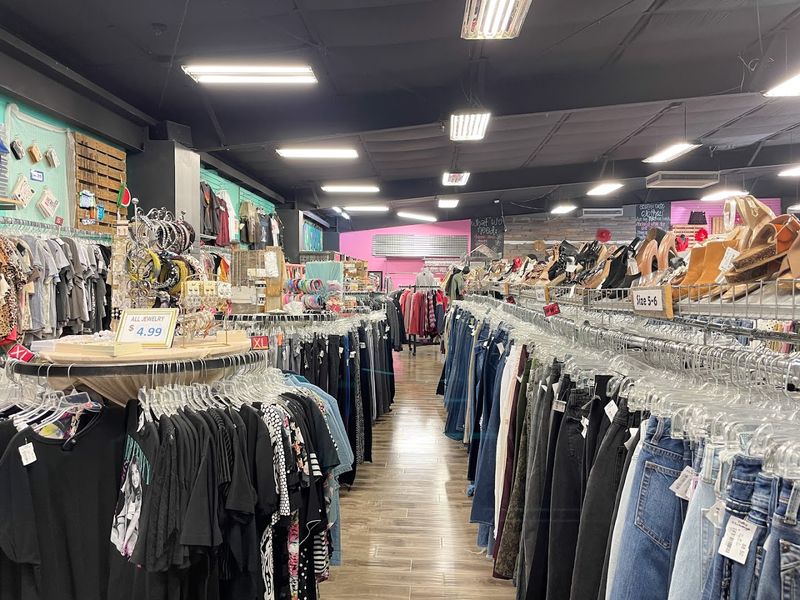
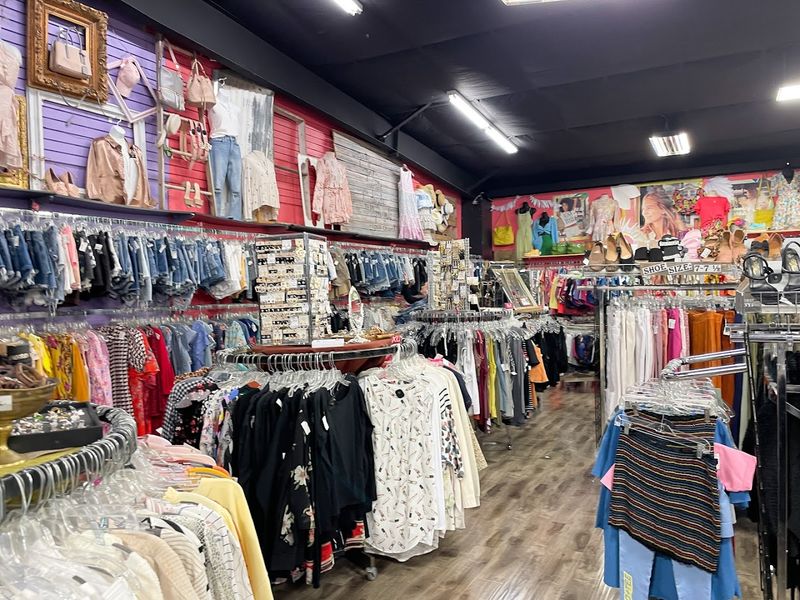
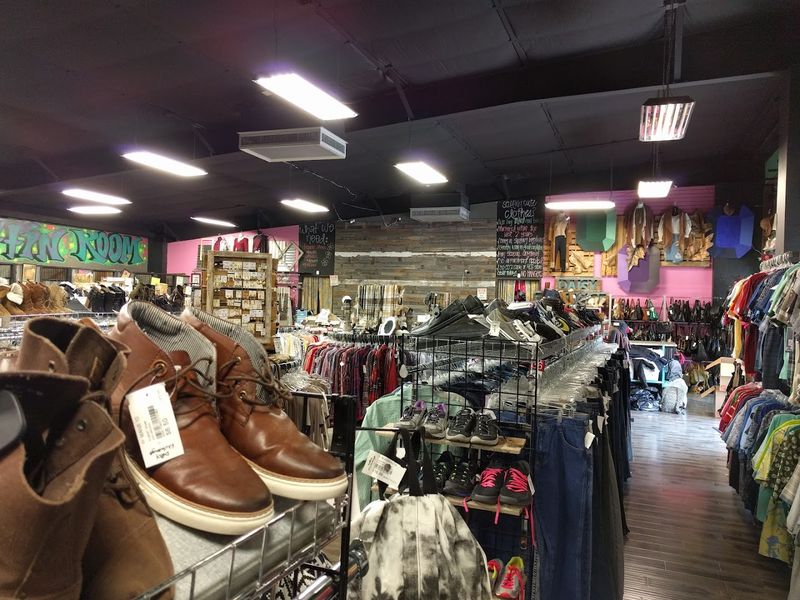
Once you step inside, the sheer amount of floor space becomes obvious. Racks stretch in every direction, packed with clothing sorted by type and style.
You’ll find denim in one section, graphic tees in another, and activewear tucked into its own corner.
The layout feels organized enough to navigate without getting lost, though you might want to carve out some time to browse properly. Shoppers who rush through tend to miss the better finds hiding between the more obvious picks.
Open most days from 11 AM to 7 PM, the store gives you plenty of hours to visit. Knowing the hours ahead of time helps you plan your trip, especially if you’re hauling in items to sell alongside your shopping.
Selling Your Clothes for Cash or Store Credit
Bringing in your gently used wardrobe pieces can turn clutter into cash. The store operates on a buy-sell-trade model, meaning you hand over your items and walk out with money or credit toward new purchases.
Staff members sort through what you bring, selecting pieces that match current trends and seasonal demand. They focus on name brands, popular styles, and items in excellent condition.
Anything worn out, stained, or outdated gets passed over quickly.
Wait times vary depending on how busy the store is, but most sellers spend around 20 to 30 minutes browsing while their items get evaluated. Once your name gets called, you’ll hear what they’re willing to take and how much they’ll pay.
Cash payouts tend to be lower than store credit offers, so if you plan to shop anyway, credit gives you more buying power. Some customers feel the offers fall short of expectations, especially when they bring in higher-end brands.
Managing your expectations helps, since resale shops need to price items low enough to resell while still making a profit.
Pricing That Keeps Bargain Hunters Coming Back
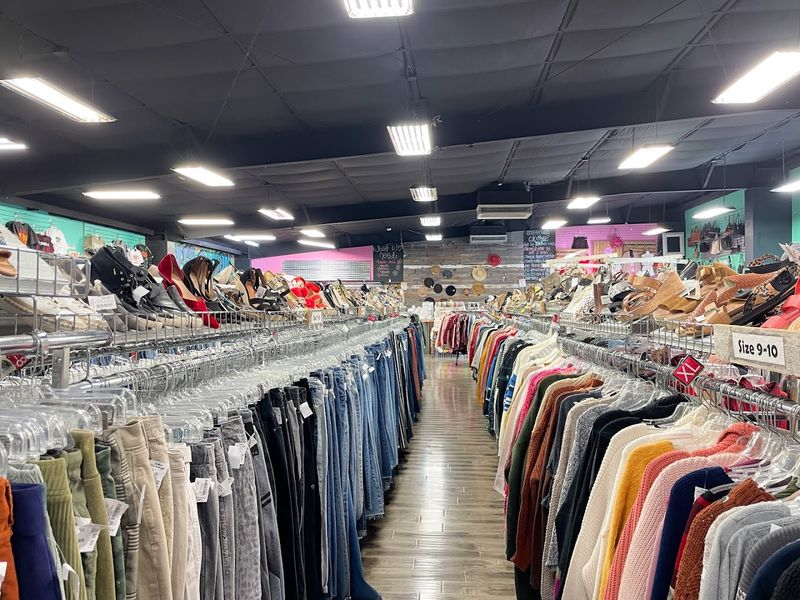
Tags on the racks show a wide range of numbers, from single digits to around $40 for premium pieces. Most everyday items land somewhere in the middle, making it possible to build an outfit without spending much.
Graphic tees often start around $6, though fancier or rarer prints can climb higher. Jeans vary depending on brand and condition, with some pairs priced at $15 and others reaching $30 or more.
Shoes follow a similar pattern, offering budget-friendly options alongside pricier name-brand kicks.
Some shoppers notice inconsistencies, where similar items carry different price tags for no obvious reason. Others appreciate the chance to snag deals that beat typical thrift store rates.
Comparing prices as you browse helps you decide what feels fair.
Sales and markdowns pop up regularly, giving you even better deals if you time your visit right. Checking in frequently means you catch fresh inventory and clearance items before they disappear.
Smart shoppers know that patience and persistence pay off when hunting for the best bargains in a store this size.
A Selection That Covers Multiple Style Preferences
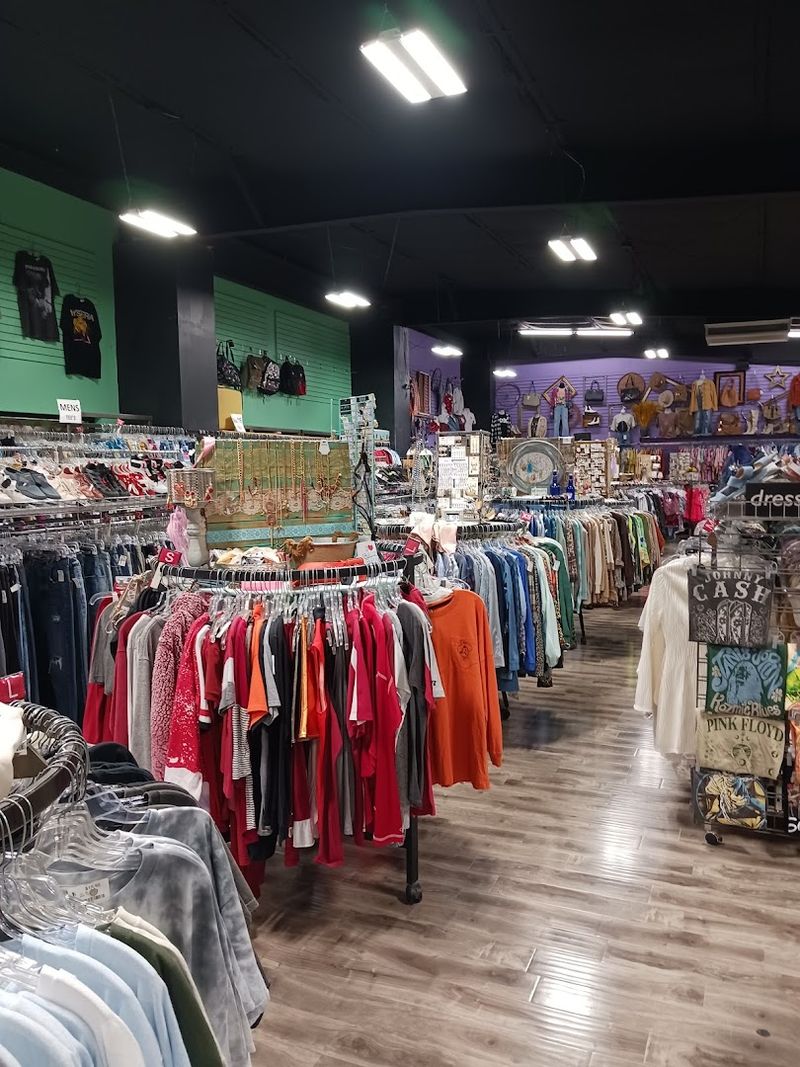
Rows of hangers hold everything from athletic shorts to vintage band tees, giving you options no matter what you’re after. The inventory shifts constantly as new items arrive and popular pieces sell out, so each visit feels a little different.
Casual basics dominate the floor, with plenty of T-shirts, hoodies, and everyday pants filling the racks. Trendy items show up too, including crop tops, high-waisted jeans, and statement jackets that reflect current fashion.
Accessories like earrings, belts, and bags occupy smaller displays near the checkout area. These add-ons help complete an outfit without requiring a separate trip to another store.
The men’s section tends to be smaller than the women’s offerings, which frustrates some male shoppers looking for variety. Women, on the other hand, often find themselves overwhelmed by choices, needing extra time to sift through everything.
Seasonal items rotate in and out, with lighter fabrics appearing in spring and heavier coats showing up as temperatures drop. Timing your visit to match the season increases your chances of finding exactly what you need right when you need it most.
Customer Service Experiences That Vary Widely
Some visitors rave about friendly employees who greet them warmly and answer questions without hesitation. Others describe encounters that feel rushed or dismissive, leaving them frustrated with the overall experience.
Staff availability seems to fluctuate throughout the day. During slower periods, workers have more time to assist shoppers and process sell transactions smoothly.
Busy afternoons and weekends can lead to longer waits and less personal attention.
A few customers mention feeling ignored when trying to sell their items, standing at the counter while employees focus on other tasks. Others appreciate quick service and helpful guidance that makes the process painless.
The checkout process usually moves quickly once you’re ready to pay. Staff scan your items, bag them up, and send you on your way without unnecessary delays.
Consistency remains a challenge here, as individual personalities and workload levels shape each interaction. Approaching your visit with patience and clear questions helps you get the assistance you need, even on busier days when the team feels stretched thin.
Tips for Maximizing Your Selling Success
Walking in with realistic expectations sets the tone for a better experience. Resale shops can’t accept everything, so understanding their criteria beforehand saves disappointment later.
Focus on bringing current styles and recognizable brands. Items from popular mall stores, athletic labels, and trending fashion lines get picked more often than generic or outdated pieces.
Seasonal timing matters too, since winter coats won’t sell well in summer.
Condition plays a huge role in what gets accepted. Wash your clothes, check for stains or damage, and make sure everything looks ready to hang on a rack.
Wrinkled or dirty items rarely make the cut, no matter how trendy the brand.
Calling ahead to ask what they’re currently buying helps you tailor your selection. Inventory needs shift throughout the year, and knowing their priorities increases your chances of a successful sale.
Bringing a reasonable amount of items works better than hauling in bags and bags of clothing. Smaller, curated selections get more attention from staff, and you won’t feel as frustrated if only a few pieces get chosen from a massive pile.
Navigating the Dressing Room Situation
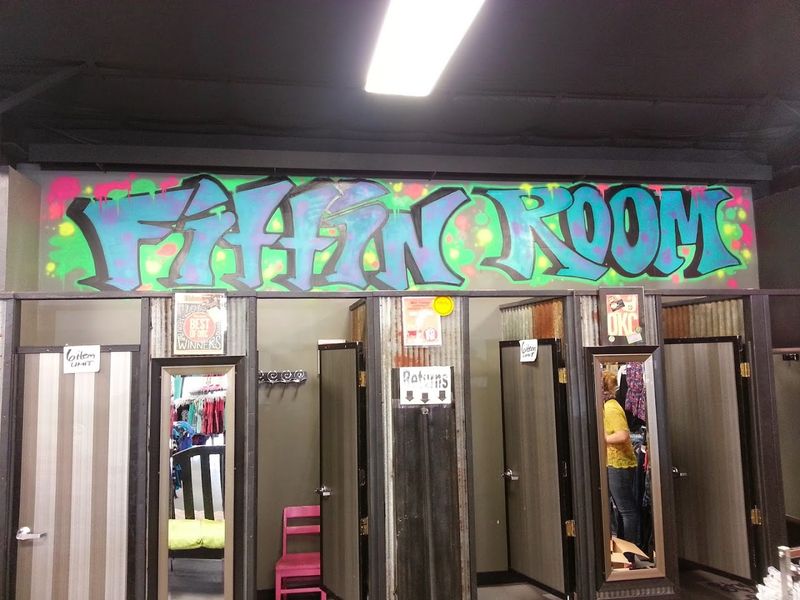
Trying on clothes before buying them makes sense, especially when shopping secondhand where sizing can be unpredictable. The store offers dressing rooms, though access sometimes requires a bit of patience.
During peak hours, a line can form as multiple shoppers wait their turn. Staff monitor the rooms to prevent theft and keep things organized, which means you might need to check in before heading back to try things on.
Space inside the rooms feels adequate for changing, with hooks for hanging items and a mirror for checking the fit. The setup works fine for quick try-ons, though it’s not the most spacious fitting area you’ll encounter.
Some shoppers skip the dressing room entirely, opting to hold items up and estimate fit based on experience. This speeds up the process but increases the risk of buying something that doesn’t work once you get home.
Knowing the return policy helps you decide how carefully to evaluate each piece. If exchanges are allowed, you might feel comfortable taking a chance on borderline items, but if all sales are final, trying things on becomes more important.
Comparing Daisy Exchange to Other Thrift Options
Traditional thrift stores like Goodwill offer rock-bottom prices but require more digging to find quality items. Daisy Exchange curates its inventory more carefully, which means higher prices but also better condition and trendier styles.
Consignment shops in Oklahoma City charge even more than Daisy Exchange, often pricing items closer to retail. The trade-off comes in the form of designer labels and pristine condition, though bargain hunters might find those prices hard to swallow.
Online resale platforms like Poshmark and Depop let you shop from home but add shipping costs and waiting time. Seeing items in person and trying them on immediately gives brick-and-mortar stores an advantage, especially for fit-conscious shoppers.
Vintage boutiques specialize in older, unique pieces that carry higher price tags due to their rarity. Daisy Exchange focuses more on recent trends, making it better for everyday wardrobe updates rather than one-of-a-kind statement pieces.
Each option serves different needs, and knowing what you’re after helps you choose the right spot. For a balance of selection, condition, and price, this store hits a sweet spot that keeps customers returning regularly.
Best Times to Visit for Fresh Inventory
Inventory turnover happens constantly as people sell their clothes and other shoppers buy them up. Timing your visit strategically increases your chances of finding the best pieces before someone else grabs them.
Weekday mornings right after opening tend to be quieter, giving you space to browse without fighting crowds. Staff may have restocked overnight, putting fresh items on the floor for early birds to discover.
Late afternoons see a mix of new arrivals as sellers drop off their items, though the store might be busier with after-work shoppers. Balancing crowd levels with inventory freshness requires some trial and error to find your ideal window.
Seasonal transitions bring waves of new merchandise as people clean out their closets to make room for weather-appropriate clothing. Late summer and early spring mark prime times for significant inventory shifts.
Following the store’s social media accounts or calling ahead can reveal special restocking days or sales events. Staying informed gives you an edge over casual shoppers who simply drop by whenever convenient.
Regular visitors develop a sense of timing that helps them consistently find the best deals and styles.
Making the Most of Your Shopping Trip
Arriving with a game plan helps you stay focused and avoid impulse buys that don’t fit your needs. Knowing what gaps exist in your wardrobe lets you hunt for specific items rather than aimlessly wandering the racks.
Comfortable shoes make a difference when you’re spending time on your feet browsing through hundreds of options. Rushing leads to missed opportunities, so giving yourself plenty of time pays off in better finds.
Bringing a friend adds a second set of eyes and honest opinions on how things look. They can spot items you might overlook and give feedback on fit and style choices.
Checking items carefully before buying prevents disappointment at home. Look for loose threads, missing buttons, hidden stains, or other flaws that might not be obvious at first glance.
Small issues can often be fixed easily, but knowing about them upfront helps you decide if the price still makes sense.
Keeping an open mind leads to unexpected discoveries. That jacket you wouldn’t normally consider might look amazing once you try it on.
Thrift shopping rewards flexibility and creativity, turning each visit into an adventure rather than just another errand.



