 Unearth The Voyage
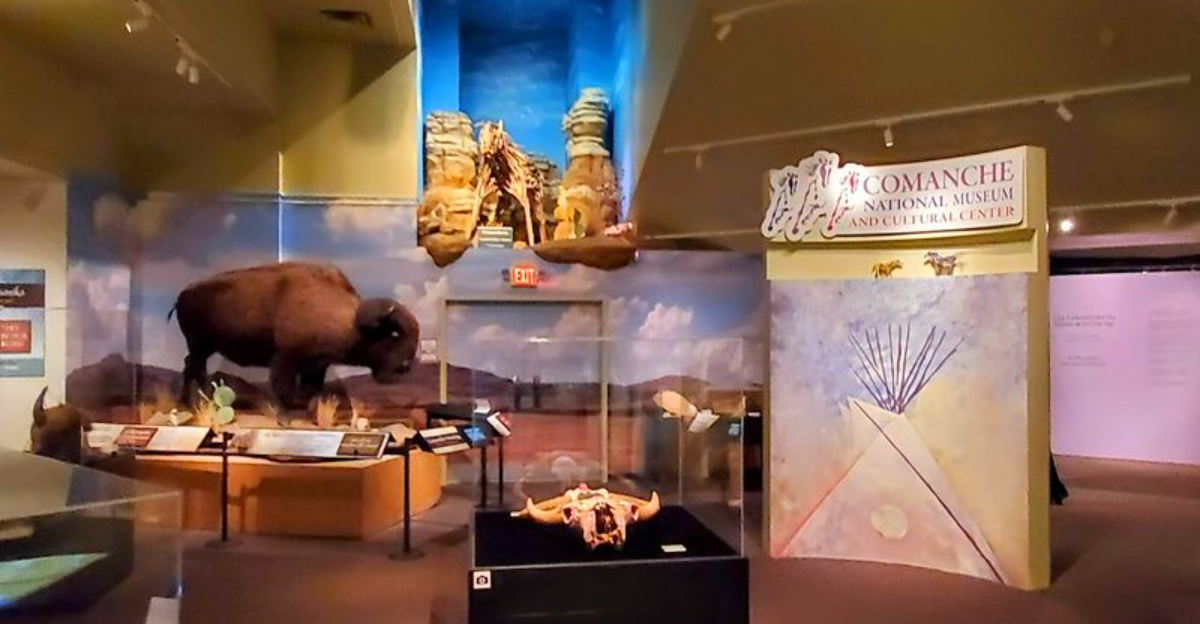
There is a place in southwest Oklahoma where history does not just sit behind glass and wait to be noticed. It speaks, it shows, and it pulls you in from the moment you walk through the door.
The Comanche people have one of the most remarkable stories in all of American history, and this museum tells that story with pride, depth, and a surprising amount of hands-on fun. By the time you finish reading, you will want to clear your schedule and make the trip to Lawton.
Where the Journey Begins: Address, Location, and First Impressions
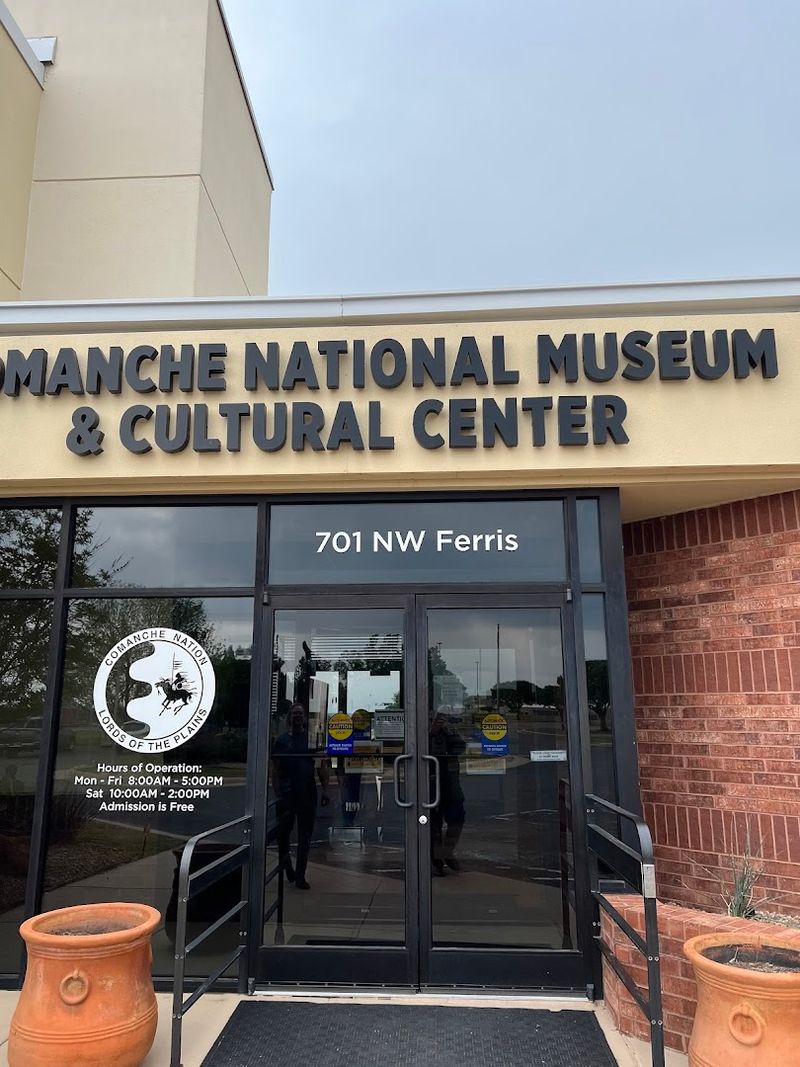
The Comanche National Museum and Cultural Center sits at 701 NW Ferris Ave, Lawton, Oklahoma 73507, right in the heart of Comanche Nation territory. Lawton is a mid-sized city in the southwestern part of the state, and the museum is easy to find with a quick GPS search or a glance at Google Maps.
Before you even get out of your car, something catches your eye: prairie dogs. These small, curious creatures dart around the grounds like tiny, furry welcoming committees, and kids absolutely love spotting them from the parking lot.
It sets a lighthearted tone before you even reach the front door.
The building itself is clean, well-maintained, and clearly cared for. The staff greets you warmly the moment you step inside, and the atmosphere feels both respectful and inviting.
There is no admission fee, which makes this one of the best free cultural stops in all of Oklahoma. Parking is also free, so the only thing you need to bring is your curiosity and maybe a little extra time.
A Nation With Deep Roots: The History Behind the Comanche People

Long before Oklahoma had a name on any map, the Comanche people were already writing one of the most powerful chapters in North American history. Originally part of the Shoshone nation, the Comanche broke away in the early 1700s and became one of the most skilled and feared nations on the Southern Plains.
Their mastery of horsemanship was legendary. At a time when most peoples were still learning to ride, the Comanche had already developed techniques that made them the finest mounted warriors on the continent.
The museum walks you through this evolution with clear, well-organized displays that feel more like a story than a textbook.
What stands out most is how the exhibits connect ancient traditions to present-day Comanche identity. This is not a museum that treats its subject as a thing of the past.
The Comanche Nation is alive and thriving, and the cultural center makes that point with quiet confidence throughout every panel and artifact on display. You leave with a much fuller picture of who the Comanche people are, not just who they were.
Code Talkers: The Unsung Heroes of World War II

One of the most gripping sections of the museum focuses on the Comanche Code Talkers, a group of Comanche soldiers who used their native language to transmit secret military messages during World War II. The Comanche language was so rare and complex that enemy forces had absolutely no way to decode it.
The exhibit does a remarkable job of explaining how this worked in practice. Comanche words were adapted to describe military equipment and tactics, creating a communication system that was both effective and unbreakable.
The soldiers who carried out this mission did so with skill, courage, and a deep sense of duty to both their nation and their country.
Charles Chibitty, one of the original Code Talkers, has a presence in this exhibit that feels genuinely personal. Reading about his service and his personality brings the history to life in a way that dry facts simply cannot.
Many visitors say this section alone is worth the entire trip. It is a reminder that some of the most important contributions to American history came from people whose stories are still not widely known, and this museum is doing something about that.
Interactive Exhibits That Make Learning Feel Like Play
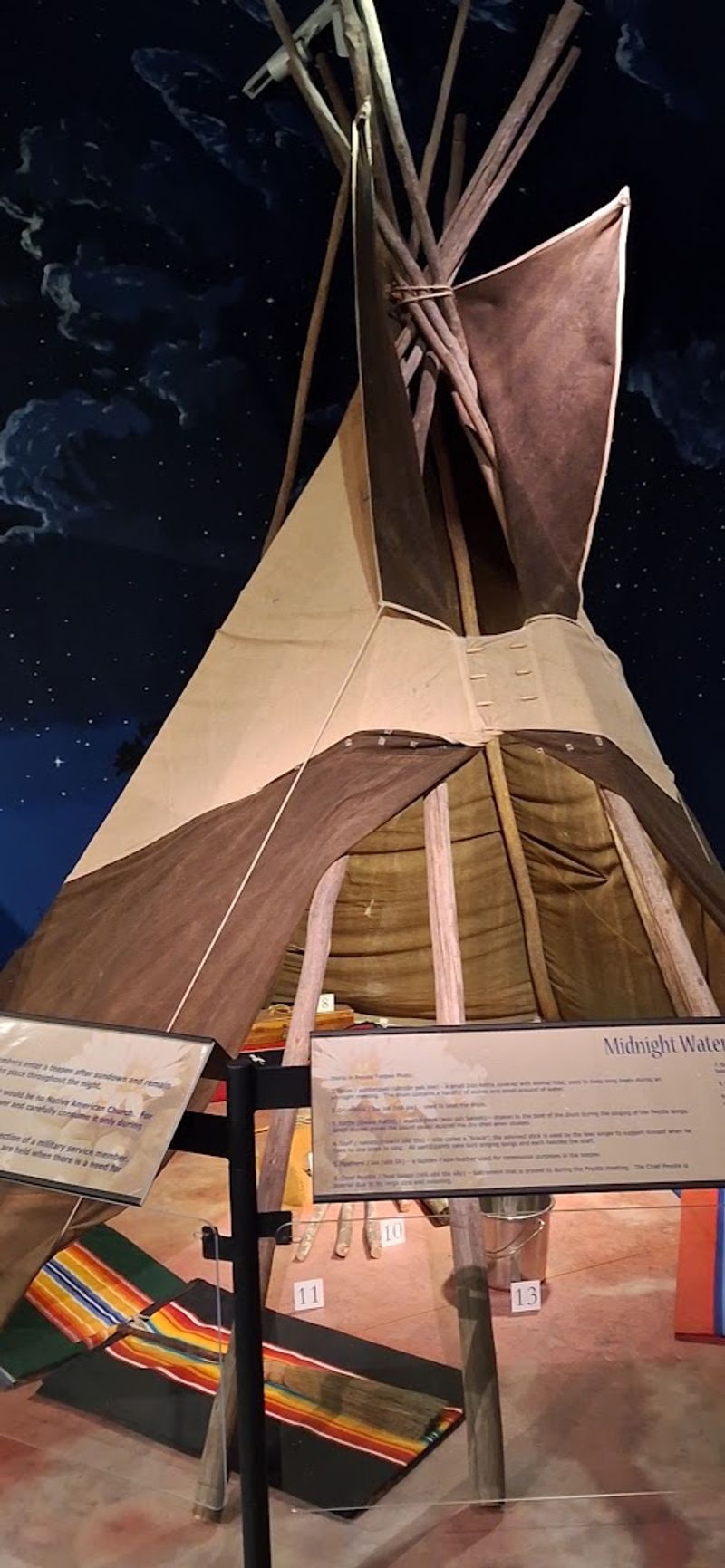
Not every museum lets you climb inside a teepee. This one does.
The interactive exhibits at the Comanche National Museum and Cultural Center are one of its most talked-about features, and for good reason: they turn a visit into an actual experience rather than a passive walk-through.
Buttons get pressed, panels get opened, and yes, adults press those buttons just as eagerly as kids do. The teepee display is a particular highlight, giving visitors a real sense of the scale and craftsmanship that went into these structures.
You can step inside and look around, and for a few minutes, the modern world fades away a little.
There is also a buffalo hide on display that visitors are allowed to touch and even wear. Feeling the weight and texture of that hide connects you to the Comanche way of life in a way that a photograph simply cannot replicate.
The museum clearly understands that learning sticks when it involves more than just reading. Every interactive element feels purposeful, not gimmicky, and the overall effect is a visit that stays with you long after you have driven home.
Art That Speaks Without Words
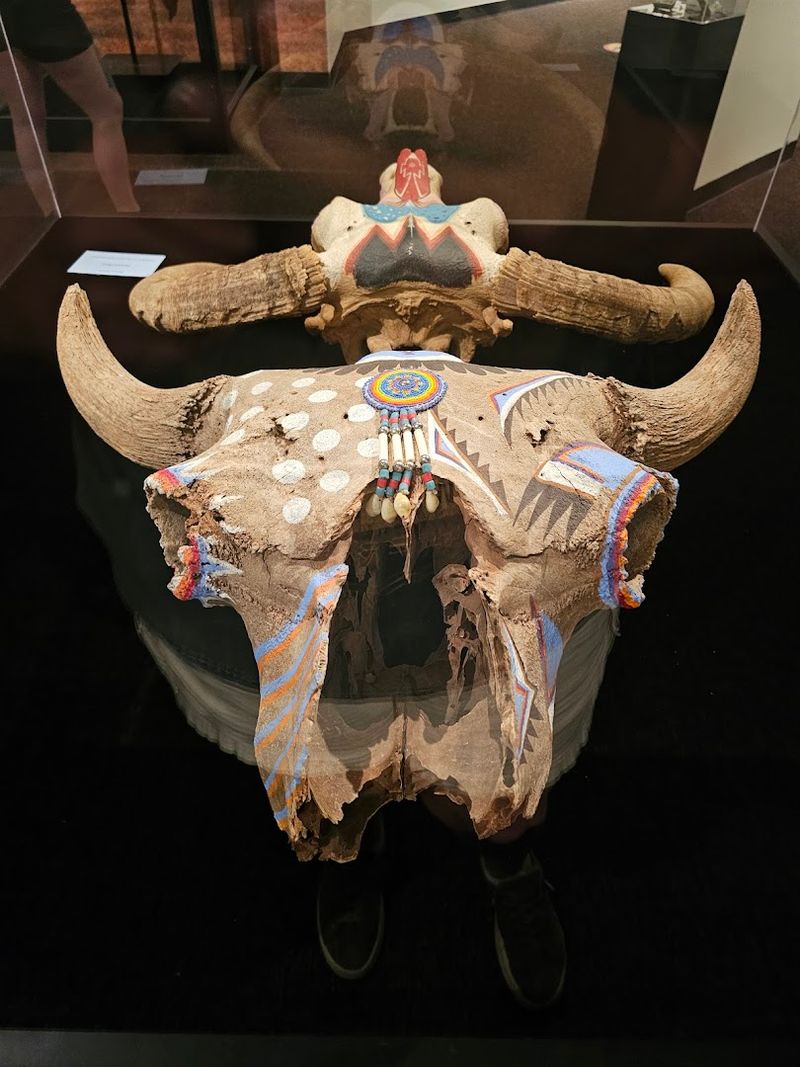
The artwork throughout the museum is stunning in a quiet, deliberate way. Comanche artists are represented across multiple mediums, from traditional beadwork and regalia to contemporary paintings that blend ancestral themes with modern expression.
Each piece feels chosen with care.
Beadwork, in particular, demands a second look. The precision involved in creating those intricate patterns is almost hard to believe when you see it up close.
Colors are vivid, designs carry meaning, and the overall effect is one of deep cultural pride expressed through extraordinary skill.
The paintings on display range from portraits of historical figures to sweeping scenes of life on the plains. Some feel celebratory, others contemplative, but all of them communicate something that words alone cannot fully capture.
Visitors who come primarily for the history often find themselves lingering longest in front of the artwork, which is a testament to how well the museum has curated its collection. Whether or not you consider yourself an art person, something in this gallery is likely to stop you mid-step and hold your attention longer than you expected.
Daily Life and Cultural Traditions on Display

Beyond the big historical moments, the museum also takes time to show what everyday Comanche life looked like. Exhibits cover family roles, tribal responsibilities, food preparation, clothing, and the deep relationship the Comanche people maintained with the land and the animals around them.
This grounded, human-scale storytelling is where the museum really earns its reputation for being educational without feeling like homework. You learn how a Comanche family organized their home, how children were raised, and how community decisions were made.
These details bring a culture to life in a way that broad historical summaries simply cannot.
The displays are thoughtfully organized so that younger visitors can follow along just as easily as adults. Labels are clear, exhibits are logically sequenced, and nothing feels cluttered or overwhelming.
A parent who brought their daughter to learn more about her Comanche heritage described the experience as both moving and educational, and that combination is exactly what this museum consistently delivers. Cultural identity is not just preserved here, it is celebrated in a way that feels warm, honest, and genuinely proud.
The Gift Shop and What to Bring Home

A museum gift shop can be an afterthought at some places, but not here. The shop at the Comanche National Museum and Cultural Center carries a solid selection of items that feel genuinely connected to the culture being celebrated inside the museum itself.
Books on Comanche history and language sit alongside blankets, wallets, beadwork supplies, and audio recordings. There is enough variety that you are likely to find something meaningful whether you are shopping for yourself, a child, or a history-loving friend back home.
The merchandise leans toward cultural authenticity rather than generic souvenir fare, which makes the whole experience feel more respectful and intentional.
Hours for the gift shop can vary, and there have been periods when it was temporarily closed for updates, so it is worth calling ahead at 580-353-0404 if the shop is a priority for your visit. The museum itself is open Monday through Friday from 8 AM to 5 PM and on Saturdays from 10 AM to 2 PM, with Sundays closed.
Planning around those hours ensures you get the full experience, gift shop and all, without any surprises waiting at the door.
Why This Museum Deserves a Spot on Every Oklahoma Itinerary

With a rating of 4.7 stars from over 400 visitors, the Comanche National Museum and Cultural Center has earned its reputation as one of the most worthwhile stops in southwest Oklahoma. The combination of free admission, high-quality exhibits, friendly staff, and genuinely engaging content makes it hard to justify skipping.
The museum is compact, which means a focused visit typically runs between 30 and 90 minutes depending on how deeply you explore each section. That makes it an easy addition to a broader Lawton itinerary without requiring you to rearrange your entire day.
Wheelchair access is available throughout, including the parking area, restrooms, and exhibit spaces.
Donations are welcomed and genuinely appreciated, since the museum provides its entire experience at no cost. Contributing a few dollars helps keep the exhibits updated and the doors open for future visitors.
For anyone curious about Native American history, military heritage, art, or simply a story worth knowing, this museum checks every box. Oklahoma has many worthwhile cultural destinations, but few that pack this much meaning, beauty, and heart into a single building on a single afternoon.



