There is a place in Shawnee, Oklahoma, where the past does not feel distant at all. Every exhibit, every artifact, and every carefully placed display tells a story that stretches back centuries, carried forward by a people who refused to let their culture fade.
The Citizen Potawatomi Nation Cultural Heritage Center holds that story with pride, presenting it in a way that is both deeply moving and surprisingly accessible to any visitor who walks through the door. Free to enter, rich in detail, and staffed by some of the friendliest people you will meet on any road trip, this museum earns every one of its near-perfect ratings, and it makes you want to linger far longer than you planned.
Where to Find This Hidden Treasure in Shawnee
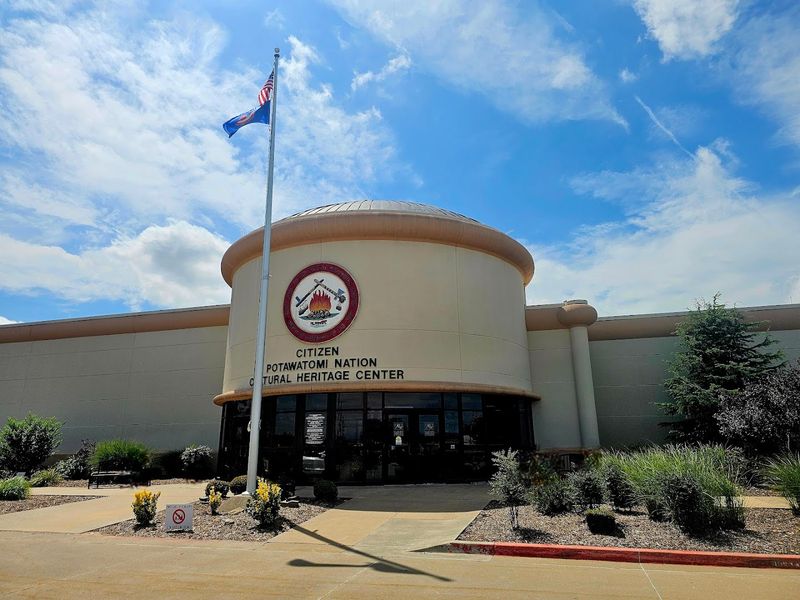
The Citizen Potawatomi Nation Cultural Heritage Center sits at 1899 S Gordon Cooper Dr, Shawnee, OK 74801, right in the heart of Potawatomi tribal lands in central Oklahoma. Getting there is straightforward, and the building itself is easy to spot, clean, and welcoming from the moment you pull up.
The museum is open Monday through Friday from 8 AM to 5 PM, and on Saturdays from 10 AM to 3 PM. Sunday is a rest day, so plan accordingly.
If you want a guided tour, calling ahead at +1 405-878-5830 is a smart move, since those are available by appointment.
Admission is completely free, which still surprises most first-time visitors. There is a donation box near the entrance, and honestly, after spending time inside, most people feel compelled to drop something in.
More information is available at potawatomiheritage.com, and it is worth checking before your visit for any special events or temporary exhibits that may be running during your trip.
A Timeline That Brings Centuries to Life
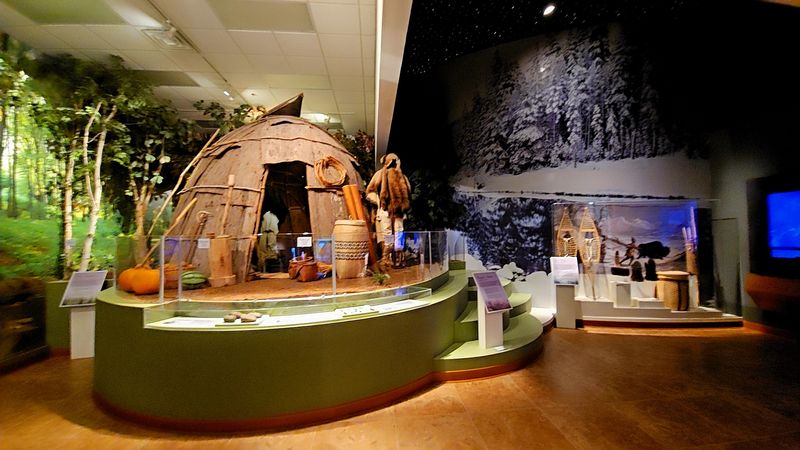
Walking through this museum feels like flipping through a living history book, except the pages are full-scale displays, photographs, and real documents that trace the Potawatomi journey from their Great Lakes origins all the way to present-day Oklahoma. The layout flows in chronological order, which makes the experience feel natural rather than scattered.
Each section builds on the last, so by the time you reach the modern era, you genuinely understand how the nation arrived at where it stands today. The museum was updated within the past few years, and the improvements are noticeable.
Displays are polished, information panels are clear, and the overall presentation respects both the complexity and the humanity of the story being told.
The interactive video panels scattered throughout the timeline are especially effective. Rather than just reading facts, you watch and listen to narrated accounts that bring historical moments into sharp focus.
Visitors who love history tend to spend several hours here without even noticing the time passing, and that kind of effortless engagement is a sign of truly excellent curation.
The Wigwam Exhibit That Spans Generations
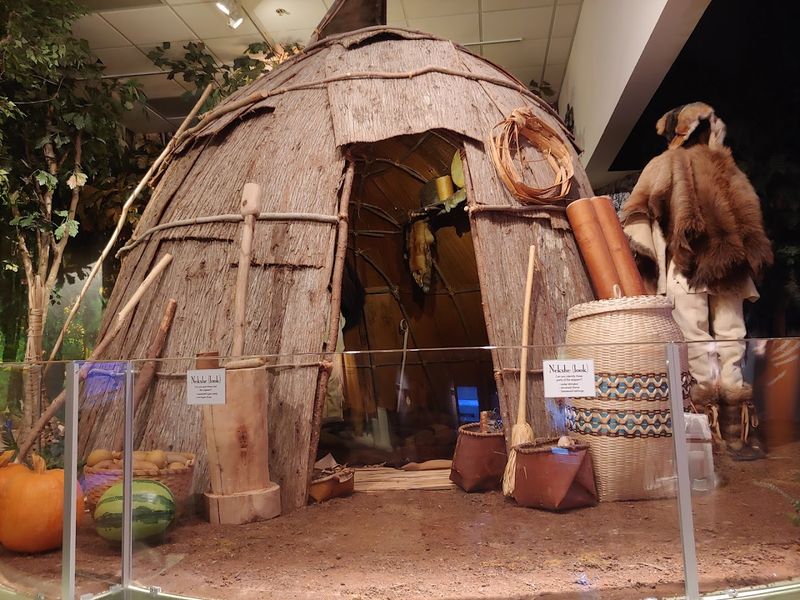
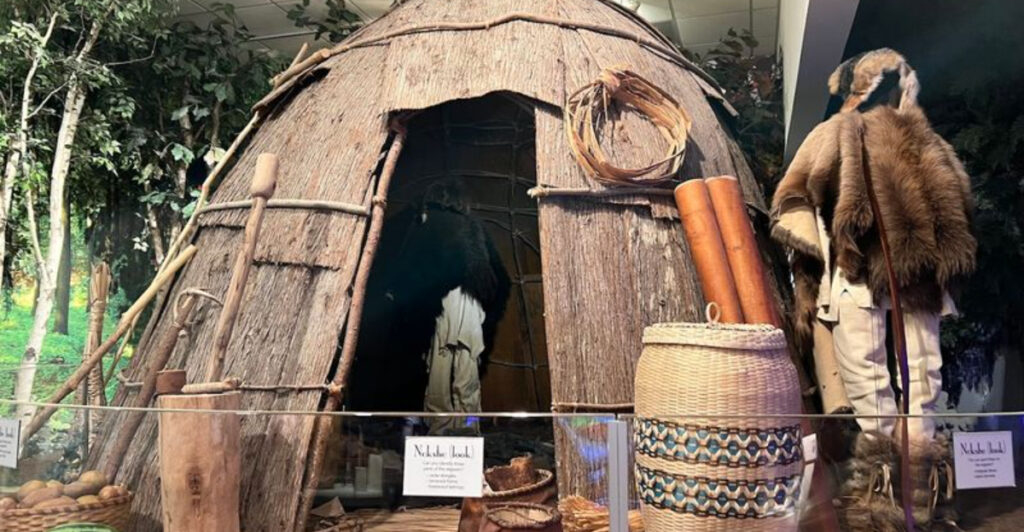
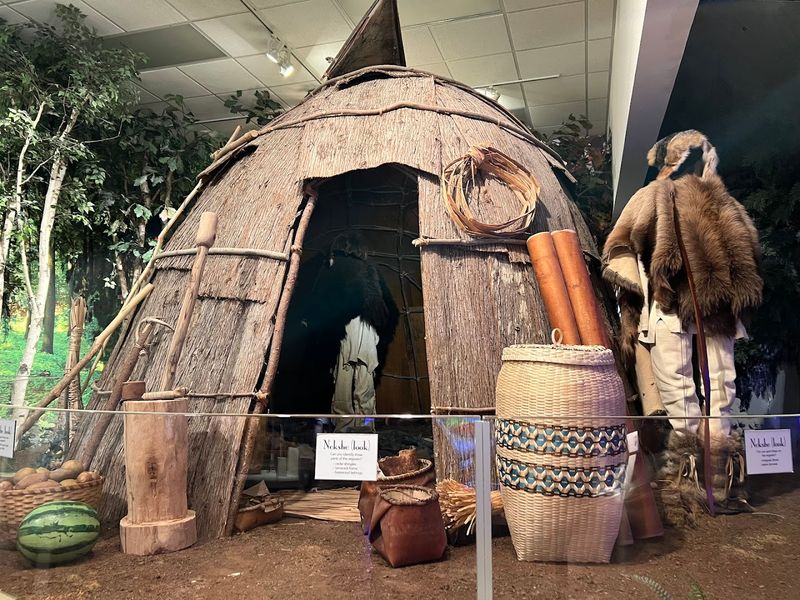
Few displays inside the museum carry as much quiet power as the wigwam exhibit. This full-scale reproduction of a traditional Potawatomi dwelling has been a fixture at the center for decades, and visitors who saw it as children have returned as adults to show it to their own kids.
That kind of multigenerational pull says something real about how meaningful this display is.
The construction details are impressive. Natural materials, authentic proportions, and careful attention to traditional craftsmanship make this far more than a simple prop.
It gives you a tangible sense of how the Potawatomi people lived before forced relocation changed everything about their daily existence.
Standing near the wigwam, you can almost feel the texture of a life lived close to the land, shaped by seasons and community rather than convenience. Children especially respond to it with wide eyes and a flood of questions, which is exactly the kind of curiosity this museum is designed to spark.
It is one of those rare exhibits that works on every age level at once, and it remains one of the most talked-about stops in the entire building.
Interactive Screens That Make History Personal
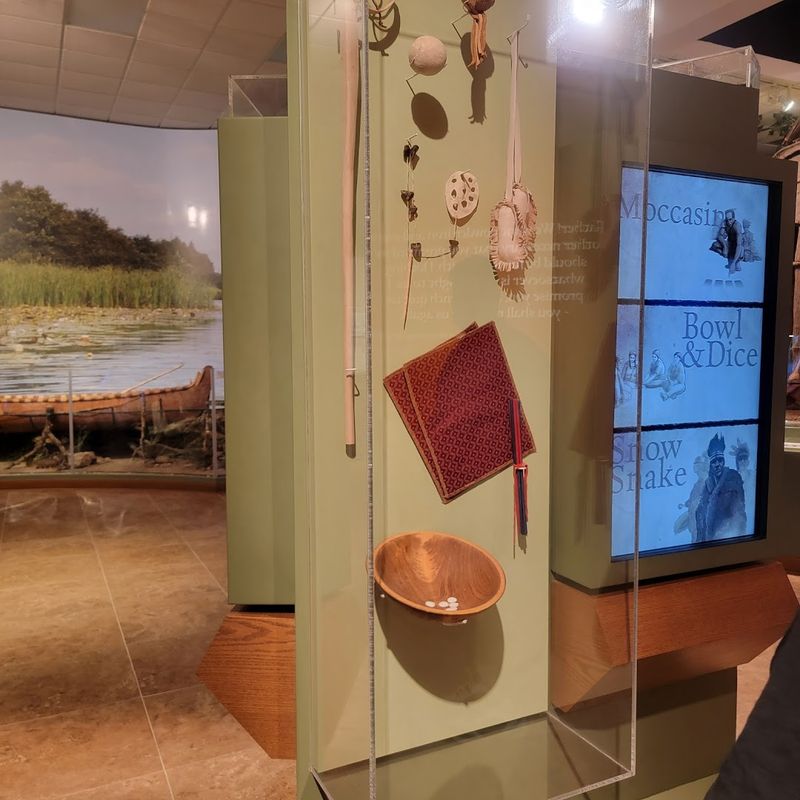
Not every museum has figured out how to blend old-school storytelling with modern technology, but this one pulls it off with confidence. The interactive touchscreen panels throughout the gallery let visitors tap through narrated historical images, documents, and personal accounts at their own pace, making the experience feel more like a conversation than a lecture.
Each screen is loaded with content that goes beyond surface-level facts. You can explore specific events, learn about individual community members, and access layers of information that a standard wall panel simply cannot hold.
For curious visitors who want to go deeper, these panels are genuinely rewarding to spend time with.
The technology also helps younger visitors stay engaged. Kids who might glaze over in front of a text-heavy exhibit tend to light up when they get to control what they see and hear.
A few monitors have had occasional technical hiccups according to some visitors, but the overall system works reliably and adds tremendous value to the tour. The combination of hands-on interaction and rich historical content is one of the strongest features this museum offers.
Artifacts and Displays That Demand a Second Look
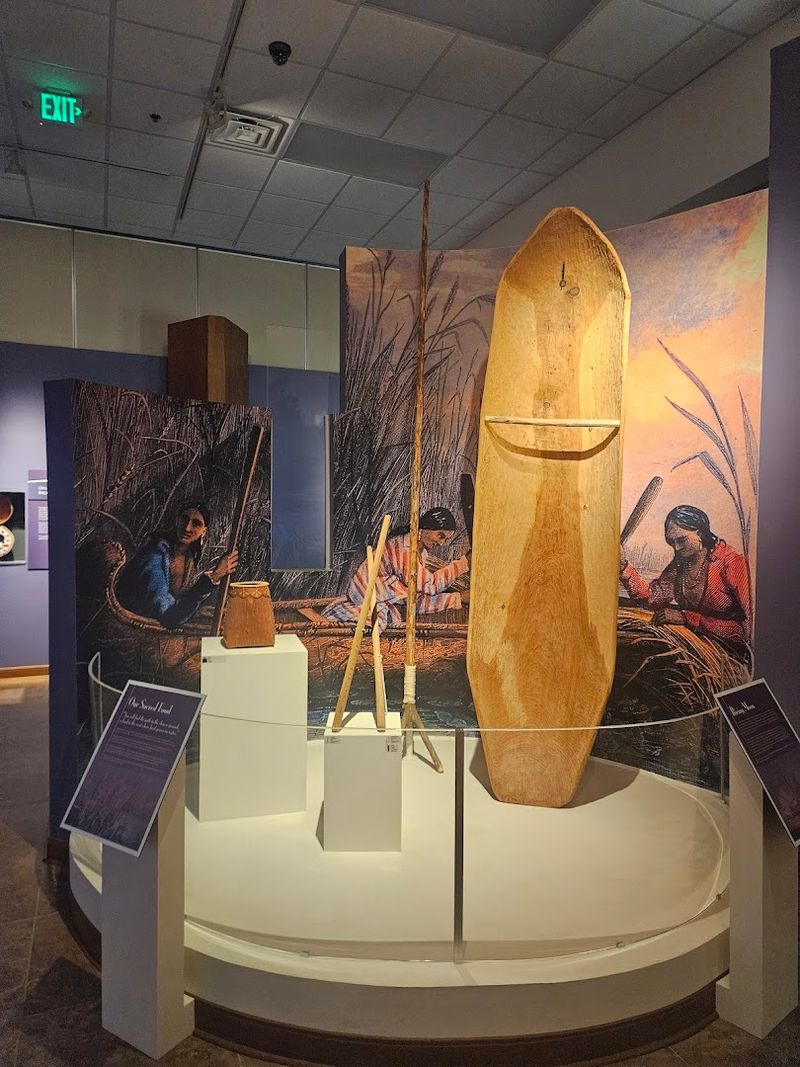
The artifact collection here may not be enormous in scale, but every piece on display has been chosen with clear intention. Photographs, documents, hand-carved objects, and traditional items are arranged in ways that tell specific stories rather than simply filling shelf space.
A hand-carved canoe with its original paddles is one of the standout pieces, a stunning example of traditional craftsmanship that stops visitors mid-stride.
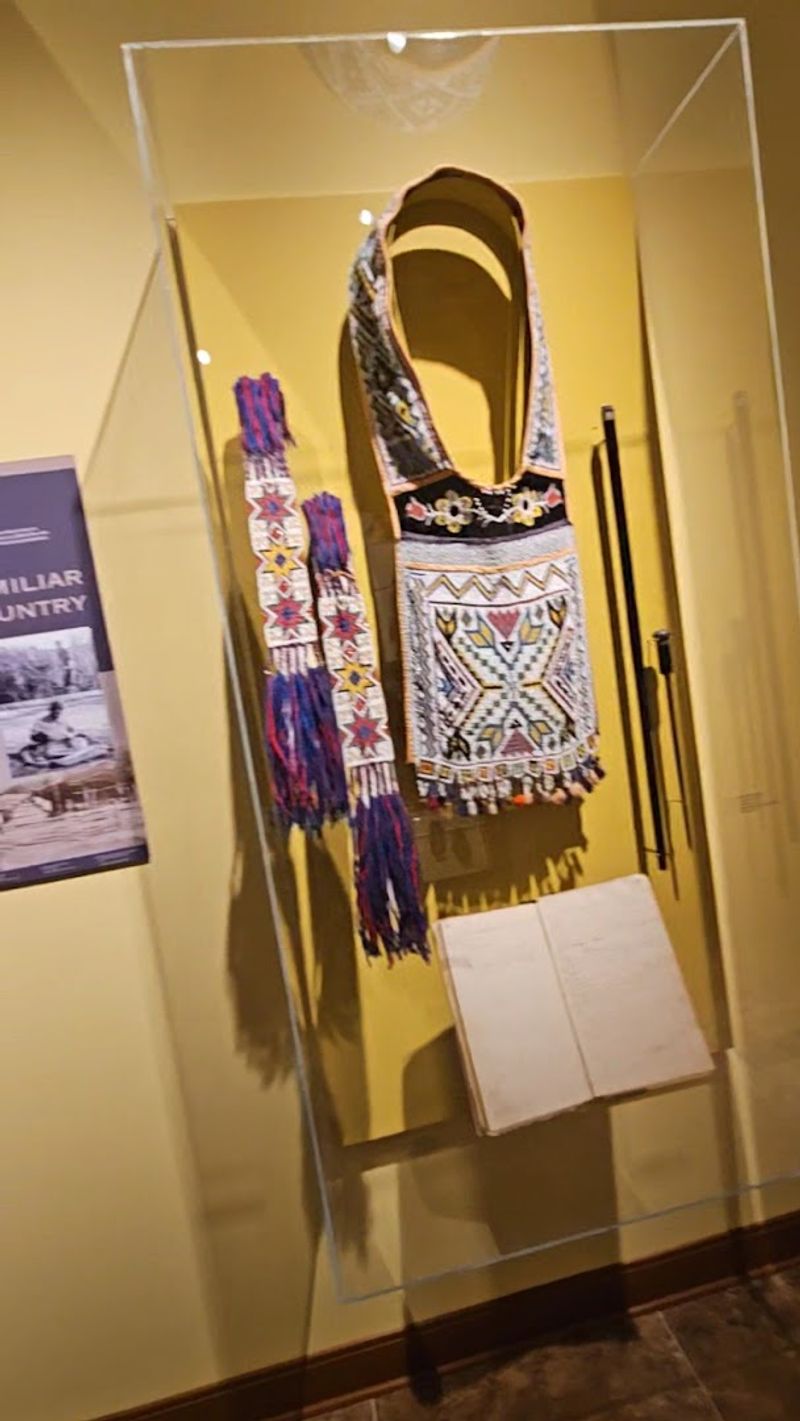
Beadwork, tools, and personal items from different eras of Potawatomi life fill the cases with quiet dignity. Each label is written clearly, without jargon, so you come away actually understanding what you are looking at and why it matters.
The museum does a fine job of connecting objects to the broader cultural and historical narrative rather than letting them sit in isolation.
Some visitors note that a few more benches would make the experience more comfortable, especially for those who want to slow down and really absorb the written content. That is a fair point, but it speaks more to how much there is to take in than to any real shortcoming.
The depth of this collection rewards patient, curious visitors who are willing to look closely.
The Language of the Potawatomi People
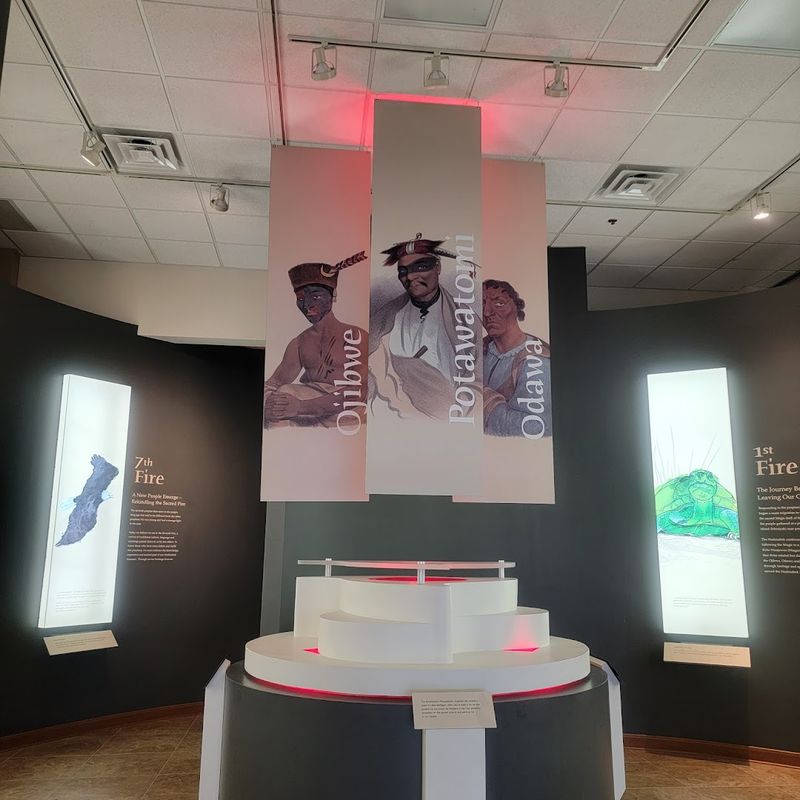
One of the quieter surprises tucked into this museum is the opportunity to pick up a few words of the Potawatomi language. Displays throughout the center include vocabulary, phrases, and cultural context that help visitors understand how language functions as a living record of a people’s identity.
Pay close attention, and you will leave knowing at least a handful of words that most people outside the nation have never heard.
Language preservation is a serious priority for the Citizen Potawatomi Nation, and the museum reflects that commitment clearly. The Potawatomi language, also known as Bodewadmimwen, belongs to the Algonquian family and has been spoken for centuries across the Great Lakes region and beyond.
Seeing it displayed with care and context inside a modern museum is both educational and quietly moving.
For visitors with even a passing interest in linguistics or indigenous culture, this aspect of the museum is genuinely fascinating. It shifts the experience from simply learning about a group of people to actually encountering the living voice of that culture.
A language carries a worldview, and even a few minutes with these displays makes that truth feel real and immediate.
The Story of the Trail of Death
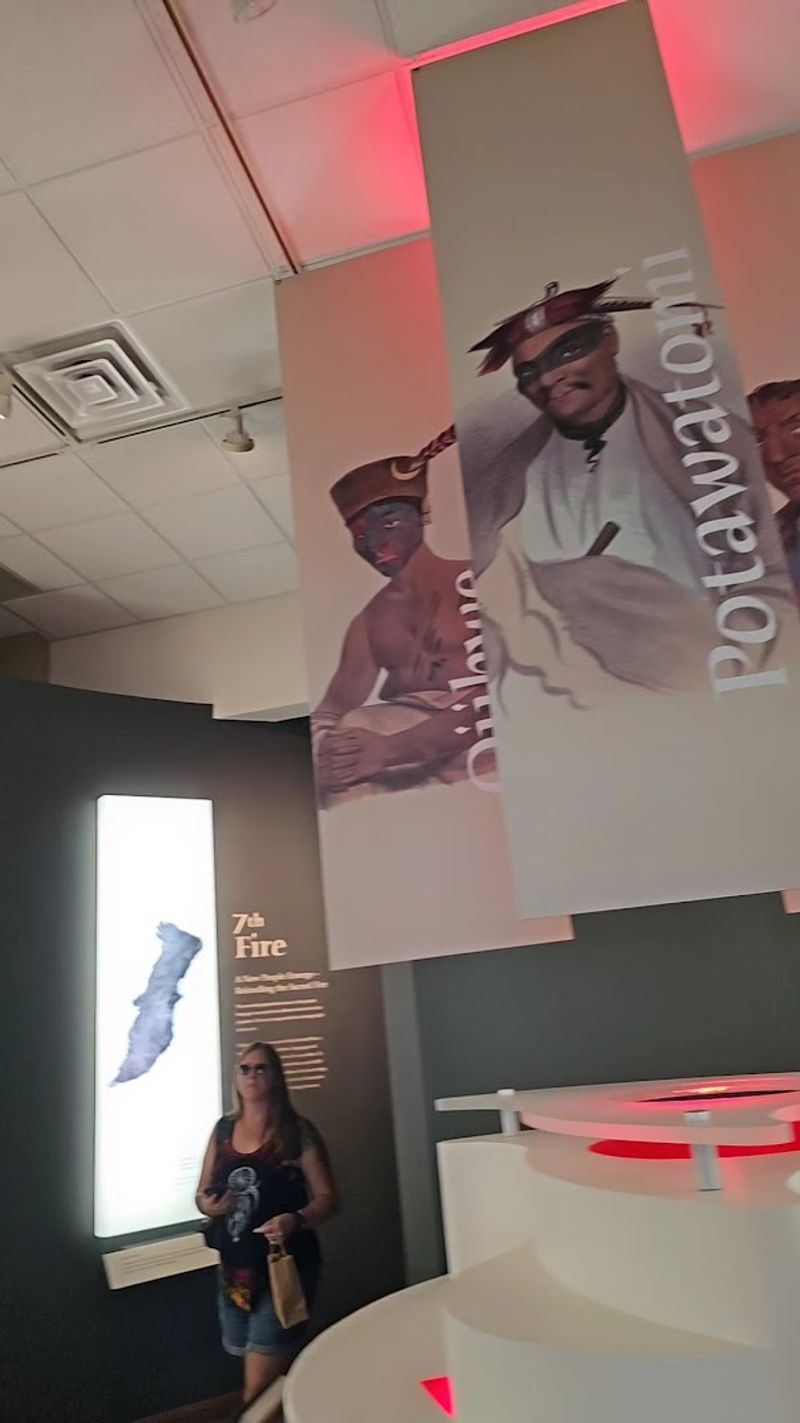
No honest account of the Potawatomi Nation skips over the Trail of Death, and this museum does not flinch from that history. In 1838, more than 850 Potawatomi people were forced at gunpoint to march from Indiana to Kansas, a brutal journey of nearly 660 miles that claimed the lives of dozens along the way.
The museum presents this chapter with honesty and respect, letting the facts speak without sensationalism.
Maps, photographs, and detailed narrative panels walk visitors through the events leading up to the forced removal, the march itself, and the long aftermath that followed. Seeing the route laid out visually makes the scale of what happened feel concrete in a way that words alone cannot always achieve.
This is history that carries weight, and the exhibit handles it accordingly.
Understanding this period is essential to understanding everything else the museum presents. The resilience the Potawatomi Nation has shown since that march, rebuilding their government, preserving their culture, and growing into one of the most prosperous tribal nations in the country, becomes even more remarkable when you know where they started from.
This exhibit is not easy to walk away from quickly.
A Gift Shop Worth Every Minute of Your Time
The gift shop at the end of the museum visit is genuinely good, and that is not something you can say about every cultural center’s retail space. Local artists create much of the beaded jewelry sold here, which means each piece carries a connection to the community rather than being mass-produced somewhere far away.
The range of items runs from beautifully crafted, investment-worthy art pieces down to small trinkets that cost under a dollar.
Past visitors have picked up everything from handmade jewelry and traditional dolls to lotions, books, and even small novelty items that kids find irresistible. The whole place carries a faint scent of sweetgrass, which drifts in from the museum floor and makes browsing feel especially pleasant.
It is the kind of shop where you go in planning to spend five minutes and come out twenty minutes later with a bag.
Buying something here is also a direct way to support the nation’s artists and cultural programs. Every purchase keeps traditional craftsmanship alive and helps fund the work the center does year-round.
That combination of quality, variety, and meaningful purpose makes the gift shop a genuine highlight rather than an afterthought bolted onto the end of the tour.
The Eagle Aviary and Outdoor Experience
Beyond the museum walls, the surrounding grounds offer something truly unexpected: the Eagle Aviary. Golden eagles hold deep spiritual significance for many Native nations, and the Citizen Potawatomi Nation has created a dedicated space where these birds can be cared for and, on certain occasions, observed up close during demonstrations.
Visitors who have experienced it describe the encounter as one of the most memorable parts of their entire trip.
The aviary adds a living, outdoor dimension to what might otherwise be an entirely indoor experience. After spending time absorbing history through exhibits and screens, stepping outside to be near one of these powerful birds creates a completely different kind of connection to the culture being celebrated inside.
It is experiential in a way that no display panel can fully replicate.
Availability of eagle demonstrations may vary, so calling ahead is a good idea if this is something you specifically want to experience. The broader grounds are also attractive, with well-kept fields and open space that give the campus a serene, unhurried atmosphere.
Taking a slow walk outside after your museum visit is a natural way to let everything you have learned settle before heading back to the road.
Why This Museum Keeps Drawing People Back
A museum with a 4.8-star rating across hundreds of reviews is not an accident. The Citizen Potawatomi Nation Cultural Heritage Center earns that score through a combination of things that are easy to list but harder to manufacture: genuine warmth from the staff, thoughtful curation, a commitment to accuracy, and the kind of atmosphere that makes people want to return year after year.
Families visit during the annual CPN Festival and make it a tradition. Solo travelers stop in on a whim and end up staying for hours.
People with Potawatomi ancestry have described leaving with tears in their eyes, overwhelmed by seeing their family’s story treated with such care and dignity. That emotional range, from casual curiosity to profound personal recognition, speaks to how broadly this museum connects with its visitors.
The fact that admission remains free is remarkable given the quality of what is offered inside. Leaving a donation feels less like an obligation and more like a genuine thank-you for something that has given you real value.
Whether you are a history enthusiast, a curious traveler, or someone tracing your own roots, this center has a way of making the Potawatomi story feel relevant, urgent, and deeply human.
Share this story