 Unearth The Voyage
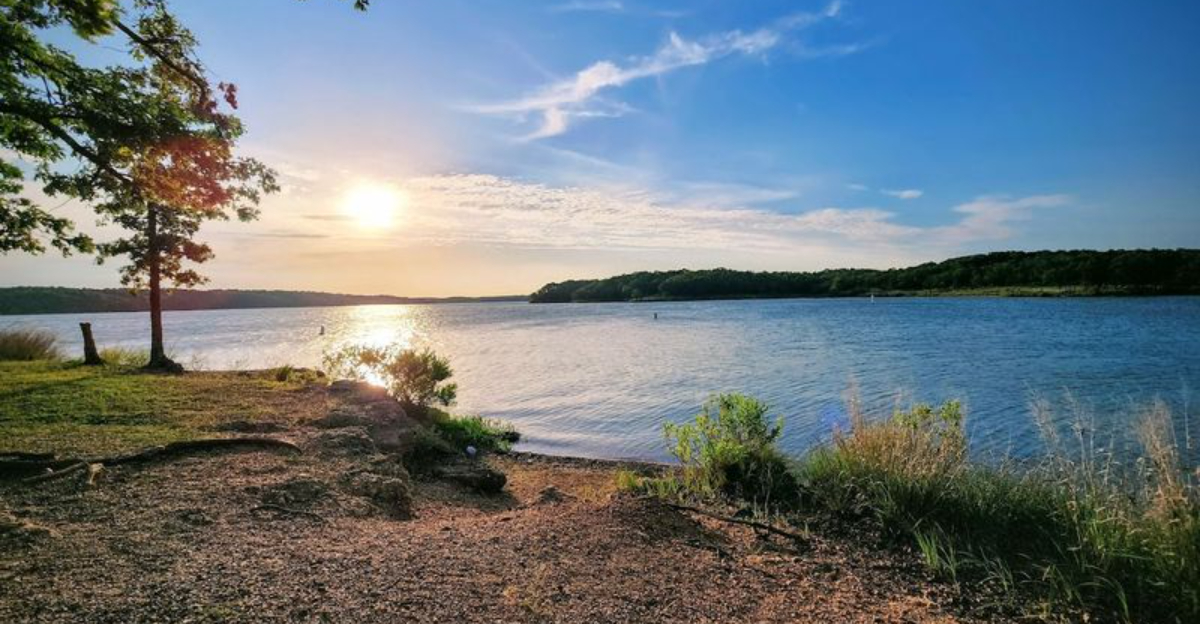
There is a trail in southern Oklahoma that most people drive right past without a second glance, and it quietly hides one of the coolest surprises in the entire state park system. The path is easy enough for kids and casual walkers, yet it rewards you with a swinging suspension bridge tucked among trees and flowing spring water.
I stumbled onto this trail on a warm Saturday morning, and by the time I crossed that bridge, I was already planning my next visit. Read on, because this little adventure is absolutely worth your time.
Where the Trail Begins: Address and Location
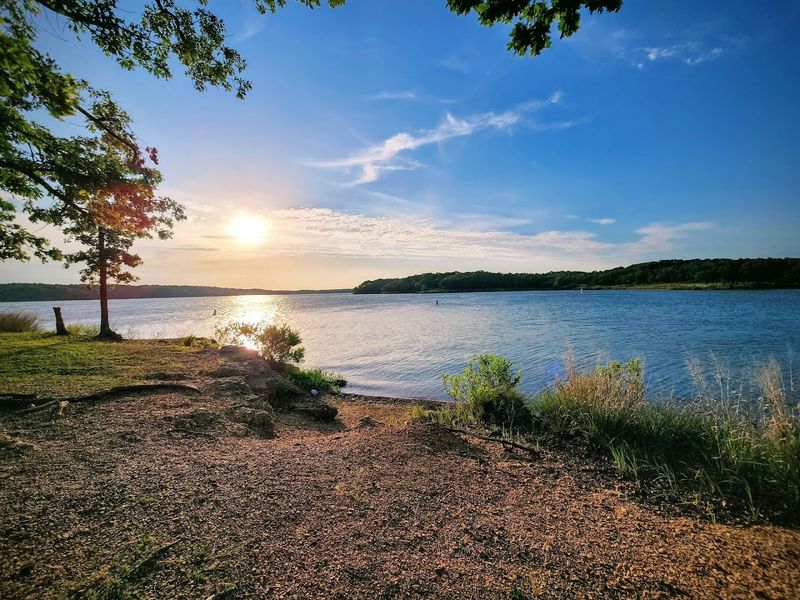
The trailhead that leads to the suspension bridge sits within Chickasaw National Recreation Area, located at 901 W 1st St, Sulphur, OK 73086. This is a federally managed national recreation area run by the National Park Service, and yes, entry is completely free.
Sulphur is a small town in south-central Oklahoma, roughly two hours south of Oklahoma City and about two hours from the Dallas-Fort Worth area in Texas. That makes it a surprisingly convenient day trip for a huge chunk of the southern Plains population.
The recreation area spans over 9,800 acres and includes two lakes, multiple streams, mineral springs, and a network of trails that wind through a landscape where eastern woodlands meet western prairie. The Travertine Creek trail system is the heart of the hiking experience here, and that is exactly where the suspension bridge waits.
Parking is available near the Travertine Nature Center, and park rangers are on-site to answer questions. The phone number for the park is +1 580-622-7234, and the official website is nps.gov/chic for maps and updates before your visit.
The Suspension Bridge Itself
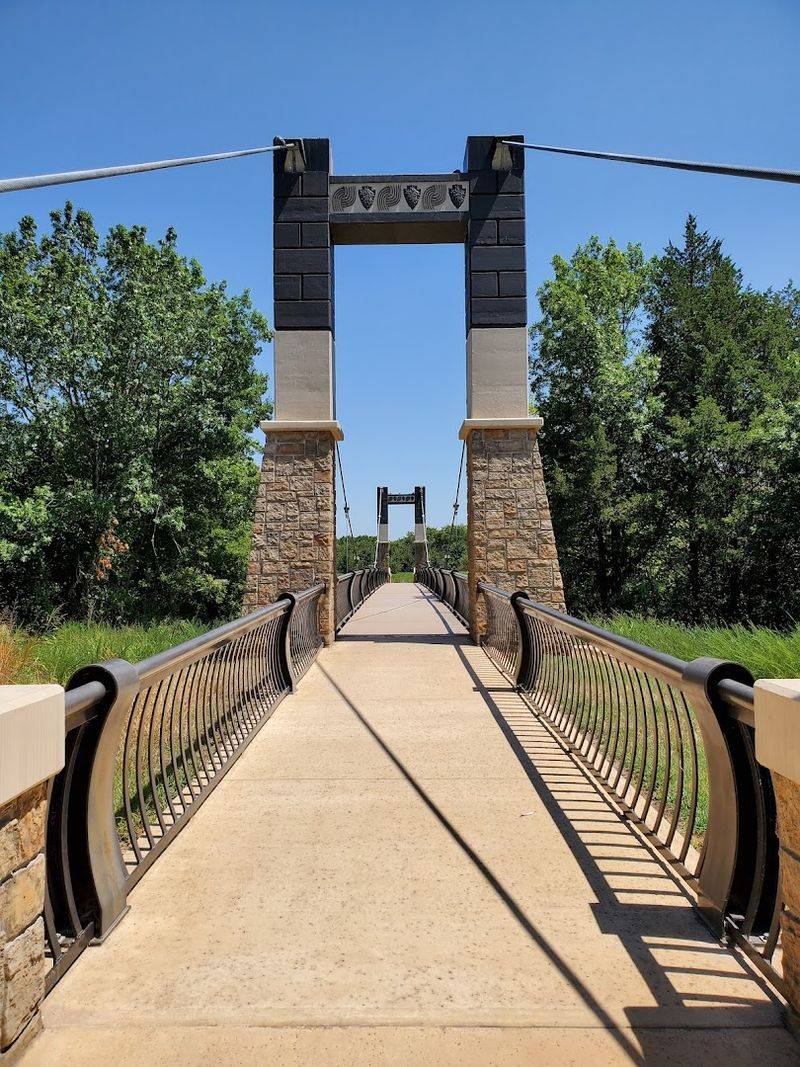
Most people who visit the park focus on Little Niagara or the mineral springs, but the suspension bridge along the Travertine Creek trail is the kind of discovery that stops you in your tracks. It is a classic wooden-plank footbridge with cable railings, suspended over the crystal-clear waters of Travertine Creek.
The bridge is not enormous, but it sways just enough to make you grin. The water below runs startlingly clear, fed by natural mineral springs that have been flowing through this valley for centuries.
You can see straight to the rocky creek bed, and on a bright day, the light through the trees turns the whole scene into something that feels almost unreal.
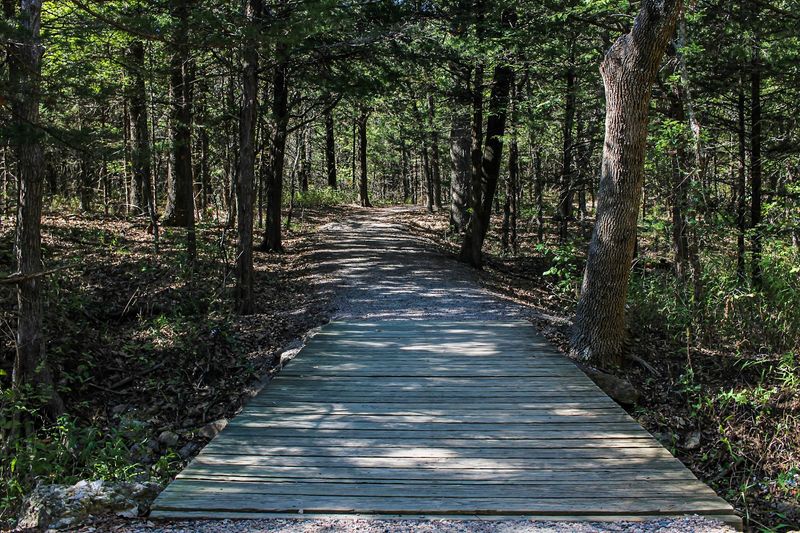
What makes it feel hidden is the trail itself. The path is well-maintained but shaded by a thick canopy, so you round a bend and the bridge appears without much warning.
The surrounding area is quiet compared to the busy swimming spots, which means you often have the bridge almost entirely to yourself.
Crossing it takes about ten seconds, but most visitors linger for five minutes or more, snapping photos and listening to the creek below move steadily over smooth stones.
How Easy Is the Trail, Really
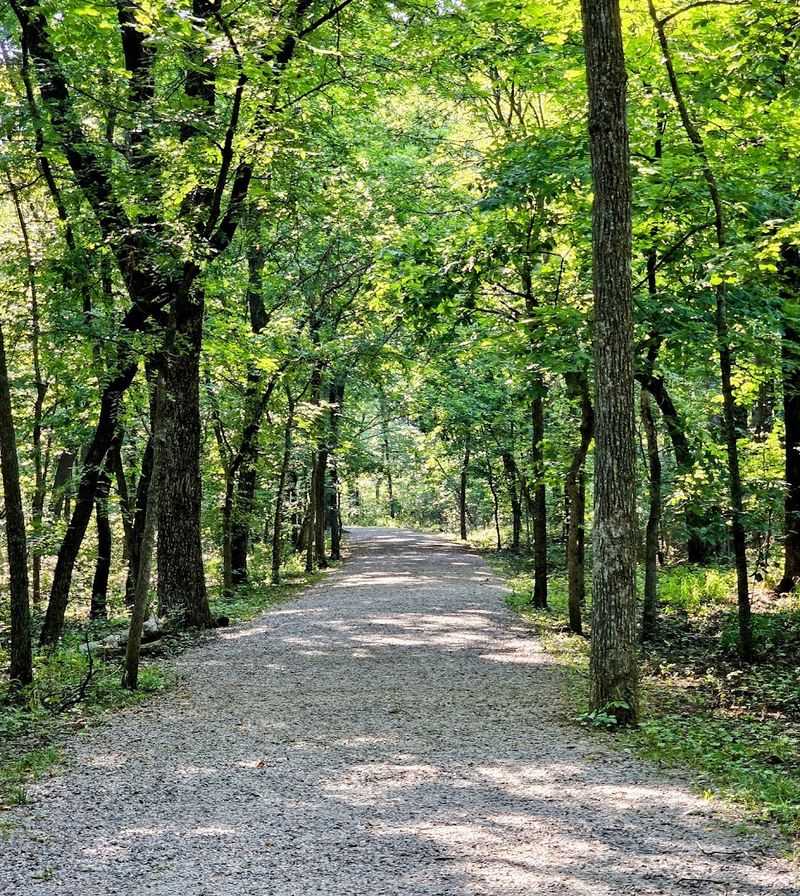
The trail that leads to the suspension bridge is genuinely easy, and that is not just marketing language. The path follows Travertine Creek on relatively flat terrain with minimal elevation change, making it accessible for young children, older adults, and anyone who does not consider themselves a serious hiker.
The surface is packed dirt and gravel for most of the route, with a few rocky patches near the creek crossings. Sturdy sneakers are perfectly fine, though water shoes are a smart choice if you plan to wade in the creek after your hike.
The trail is well-marked and maintained by park staff, so getting turned around is unlikely.
Round trip to the bridge and back is roughly one to two miles depending on which loop you take. Most visitors complete the walk in under an hour at a relaxed pace.
The shade from the dense tree canopy keeps the trail noticeably cooler than open areas of the park, which is a real bonus during Oklahoma summers.
The park also offers a longer loop for those who want more mileage, but the short trail to the bridge is the sweet spot for families looking for a payoff without a workout.
Travertine Creek and the Spring Water
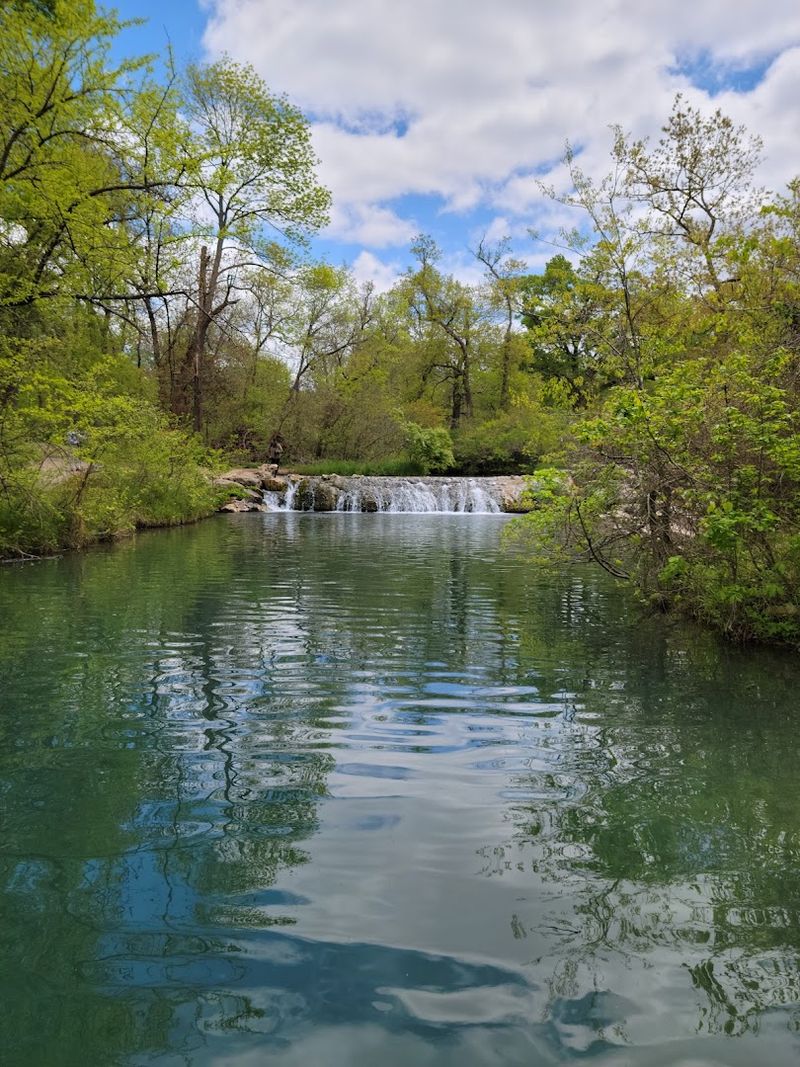
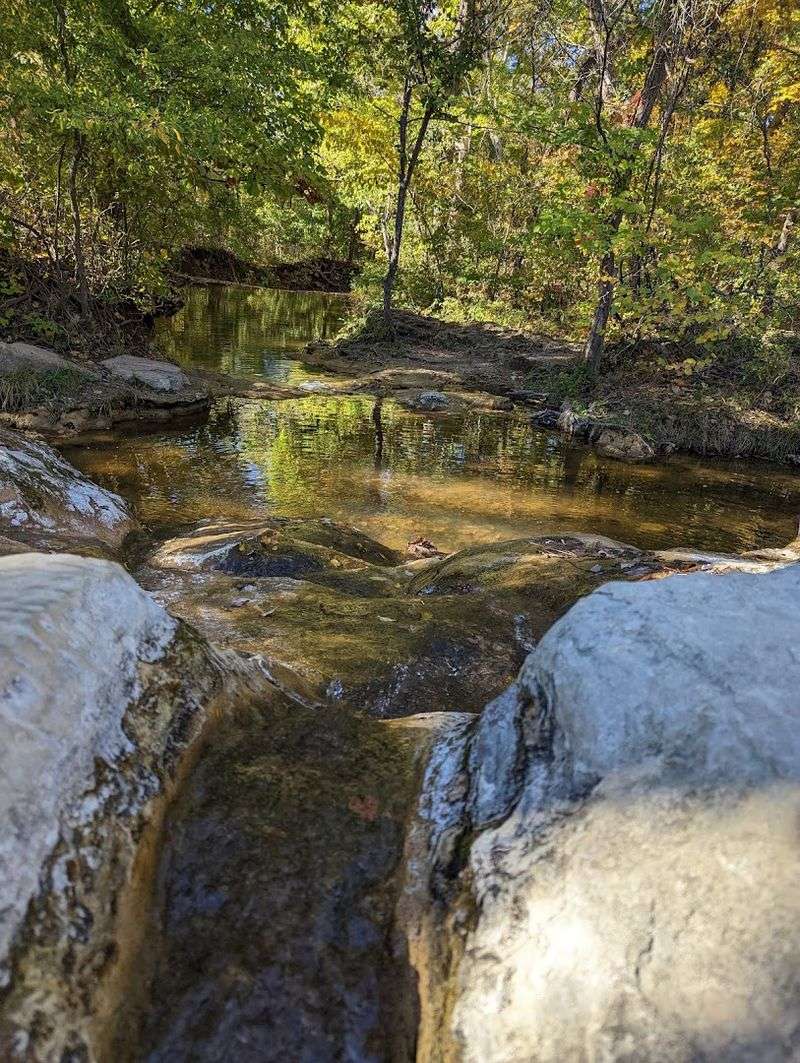
Travertine Creek is the backbone of the entire trail experience, and it earns its reputation quickly. The water is fed by natural mineral springs and stays remarkably cold year-round, even in the middle of an Oklahoma August when temperatures climb well above 90 degrees.
The clarity of the water is the first thing that catches your eye. You can see individual pebbles on the creek floor from the bridge above, and the current moves with a steady, gentle energy that makes it oddly satisfying to watch.
The mineral content gives the water a faintly bluish tint in deeper pools, which adds to the visual drama.
Visitors are welcome to fill a bottle from the natural spring sources in the park, and the water has a slightly mineral taste that is actually pleasant once you get used to it. The town of Sulphur itself takes its name from the sulfurous springs that run through the area, so the water chemistry here has a long and storied history.
Wading in the shallows near the bridge is a popular activity, and the cold water on your feet after a warm hike is one of those simple pleasures that is hard to beat on a summer afternoon.
Little Niagara Falls: The Park’s Star Attraction
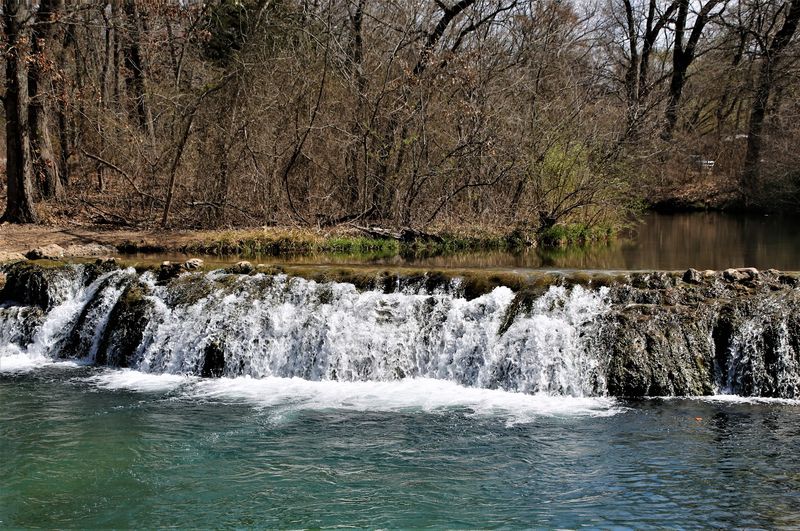
A short distance from the suspension bridge, Little Niagara is the most photographed spot in the entire park, and it earns that status without any trouble. This natural waterfall on Travertine Creek drops over a low travertine shelf and creates a wide, shallow plunge pool that families absolutely love.
The water temperature stays cold even in peak summer, which makes it refreshing rather than just wet. The pool below the falls is shallow enough for young children to play in safely, and the waterfall itself is small enough to stand under without any drama.
Water shoes are strongly recommended here because the travertine rock is slippery.
On holiday weekends, Little Niagara fills up fast. Arriving early in the morning, before 9 a.m. if possible, gives you the best chance of finding a good spot along the bank.
Weekdays in the shoulder seasons, particularly spring and fall, offer the most relaxed experience with far fewer crowds.
The area around the falls has shaded banks with plenty of room to spread out a towel, and families often bring coolers and spend several hours here. The sound of the water alone makes it worth the short walk from the parking area.
Wildlife You Might Spot Along the Way
The trail corridor along Travertine Creek is surprisingly rich with wildlife, and keeping your eyes open pays off. White-tailed deer are common throughout the park and are often spotted near the creek at dawn and dusk.
Several visitors have come across armadillos on the trail, which are always a fun and slightly prehistoric-looking surprise.
The creek itself attracts a steady variety of dragonflies, and if you pause on the bridge for a few minutes, you will likely see several species hovering over the water. The combination of woodland edge habitat and open water makes this a productive spot for birdwatchers as well, with woodpeckers, herons, and various songbirds moving through the canopy.
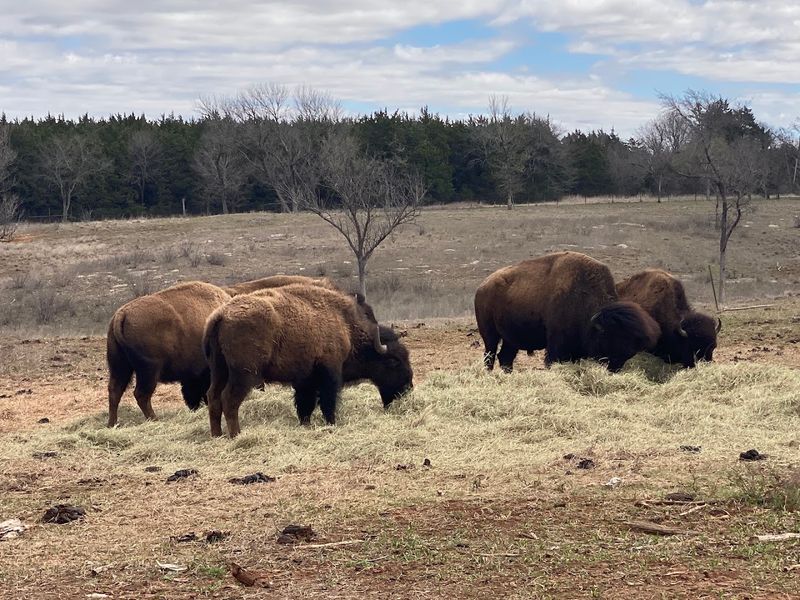
One of the more unexpected wildlife highlights in the broader park is the small free-roaming bison herd near the Bison Overlook area. Seeing bison in Oklahoma feels genuinely special, particularly for visitors who associate bison only with Yellowstone or the northern Great Plains.
The herd is viewable from a designated overlook and adds a memorable layer to the overall park experience.
Park rangers occasionally lead guided nature walks where they identify local species, and a few lucky groups have even held non-venomous snakes under ranger supervision, which the kids tend to remember for a long time.
The History Behind the Park and the Chickasaw Nation
The land that makes up this recreation area has deep roots that stretch back long before it became a national park unit. The Chickasaw Nation, one of the Five Civilized Tribes relocated to Indian Territory in the 19th century, held this land as part of their territory, and the mineral springs here were considered sacred and healing by Indigenous communities for generations.
Congress established Platt National Park in 1902, making it one of the earliest national parks in the country. It was later combined with Arbuckle Recreation Area in 1976 and renamed Chickasaw National Recreation Area to honor the Chickasaw people whose history is woven into this landscape.
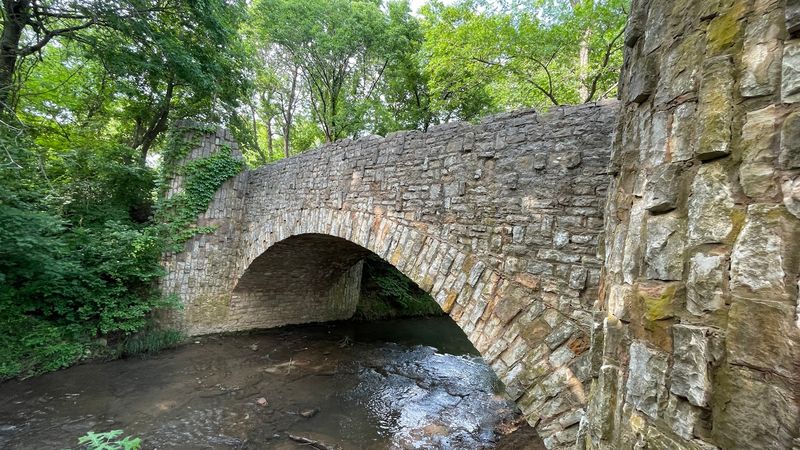
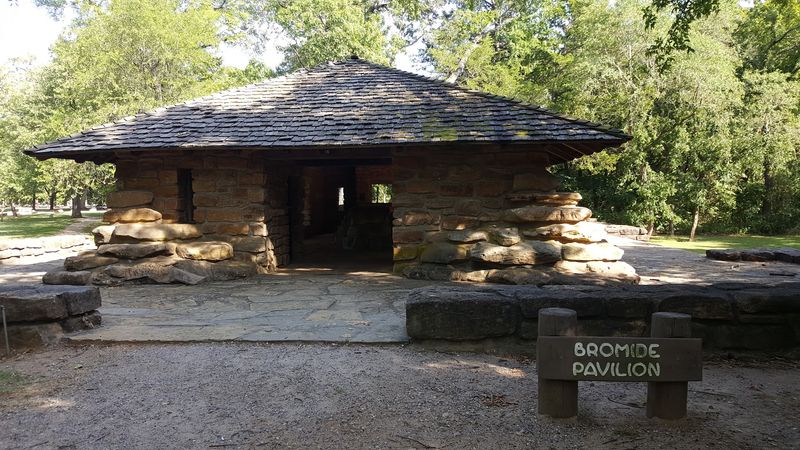
The Civilian Conservation Corps, the famous New Deal work program of the 1930s, built many of the stone structures, bridges, and paths still visible throughout the park today. The craftsmanship from that era is remarkable, and the Travertine Nature Center area includes several of these historic stone works that blend naturally into the surroundings.
The Chickasaw Cultural Center in the nearby town of Sulphur is a separate but deeply worthwhile stop that expands on the tribe’s history, art, and traditions, rounding out the cultural picture in a way the park itself cannot fully provide on its own.
Camping Options Inside the Park
Spending a night or two inside the park transforms the experience completely, and the campgrounds here are well worth considering. The Central Campground, Buckhorn Campground, and Rock Creek Campground are the main options, each with its own character and setting.
The Central Campground is convenient to the Travertine Creek area and is a popular choice for first-time visitors who want to be close to the main trails and swimming spots. Buckhorn sits near Lake of the Arbuckles and suits those who want lake access for fishing or kayaking.
Rock Creek offers a more wooded feel with access to horseback trails and open prairie views.
Reservations are strongly recommended and can be made through recreation.gov. Nightly fees run around $22 to $26 depending on the site type, which is reasonable for a well-maintained national park campground.
Sites have fire rings and picnic tables, and the restroom and shower facilities receive consistently high marks for cleanliness.
Primitive camping is available in Loop A of the Central Campground for those who want a more stripped-down experience. The campgrounds fill up quickly during summer weekends, so booking several weeks in advance is not an overreaction but a genuine necessity during peak season.
Best Times to Visit for a Peaceful Experience
Timing your visit makes a significant difference at this park. Summer weekends, particularly around the Fourth of July and Labor Day, bring enormous crowds to the swimming areas and parking lots.
Rangers sometimes have to direct traffic because the lots fill beyond capacity, and the popular spots along the creek can feel more like a theme park than a nature trail.
Spring and fall are the sweet spots. April and May bring blooming vegetation and mild temperatures, and the creek runs clear and full from seasonal rainfall.
October and November offer a quieter, more contemplative experience, with fall foliage adding warm color to the trail corridor and the suspension bridge framed by amber and gold leaves.
Early mornings during any season give you the best chance of having the trail mostly to yourself. The park opens at dawn, and the first hour or two before the day-use crowds arrive has a completely different energy, with birdsong replacing conversation and the creek sounds filling the air without competition.
Winter visits are underrated and perfectly pleasant on mild days, with the bare trees opening up views of the creek that you simply cannot get when the canopy is full, making the bridge itself even more visible from a distance.
Practical Tips Before You Head Out
A few practical details can make your trip noticeably smoother. The park has no general admission fee, which is genuinely unusual for a national recreation area of this quality and size.
However, some camping and activity fees apply, so check the NPS website at nps.gov/chic before your visit for the most current information.
Water shoes or sandals with straps are the single best gear investment for this park. The creek crossings and rocky stream beds are slippery, and standard flip-flops cause more grief than they are worth.
A small daypack with snacks, sunscreen, and a refillable water bottle rounds out a solid kit for the trail.
Cell service can be spotty in parts of the park, so downloading an offline map before you arrive is a smart move. The Travertine Nature Center has a small but charming gift shop and informational exhibits inside, including a working beehive with a tube that connects to the outside wall so you can watch the bees up close without any concern.
Rangers are genuinely helpful and approachable, so do not hesitate to ask for trail recommendations when you arrive. The park sits about 90 minutes from Oklahoma City, making it one of the most accessible natural escapes in the entire state.



