 Unearth The Voyage
Most people think of wide open plains and cattle ranches when they picture Oklahoma. But tucked away in a small city in the north-central part of the state is a mansion so grand, so detailed, and so full of history that it genuinely feels like it belongs on a European estate.
I had no idea what I was walking into the first time I visited, and by the time I left, my jaw was still somewhere on the marble floor. This place is a 43,561-square-foot reminder that one determined oil baron could bring the craftsmanship of Italy and the elegance of old-world Europe straight to the Oklahoma plains, and the result is something you absolutely have to see for yourself.
The Address and Setting That Sets the Stage
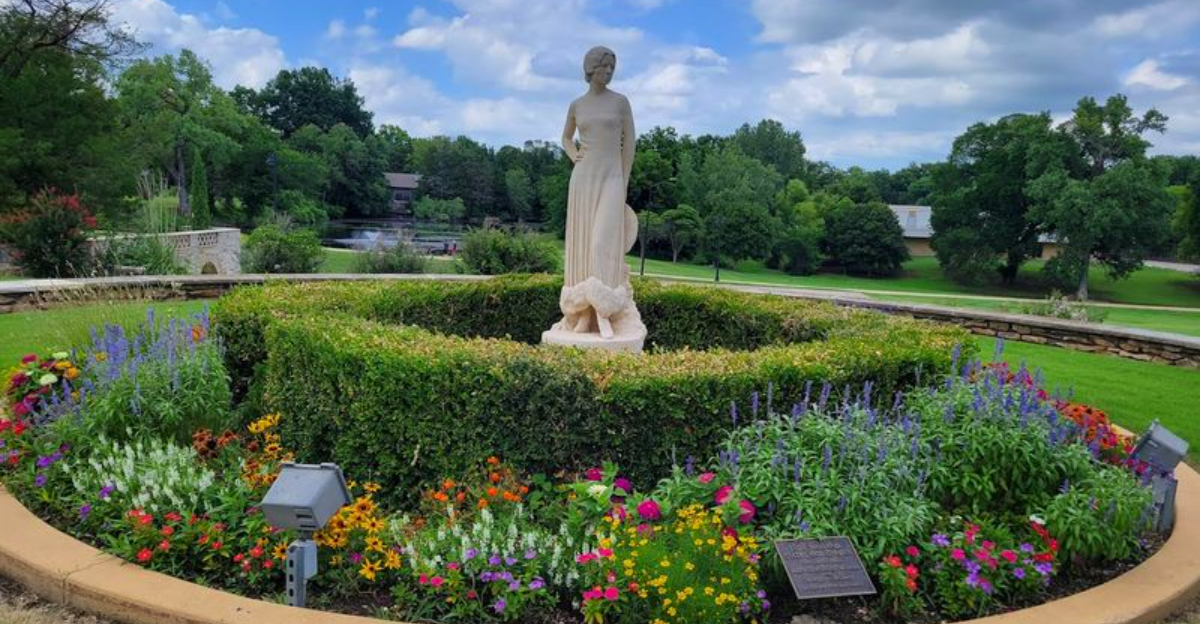
Before you even reach the front door, the grounds at 901 Monument Rd, Ponca City, OK 74604 start making their case. The estate sits on a sweeping property with manicured lawns, ornamental statues, and a sense of scale that feels completely out of place in the best possible way.
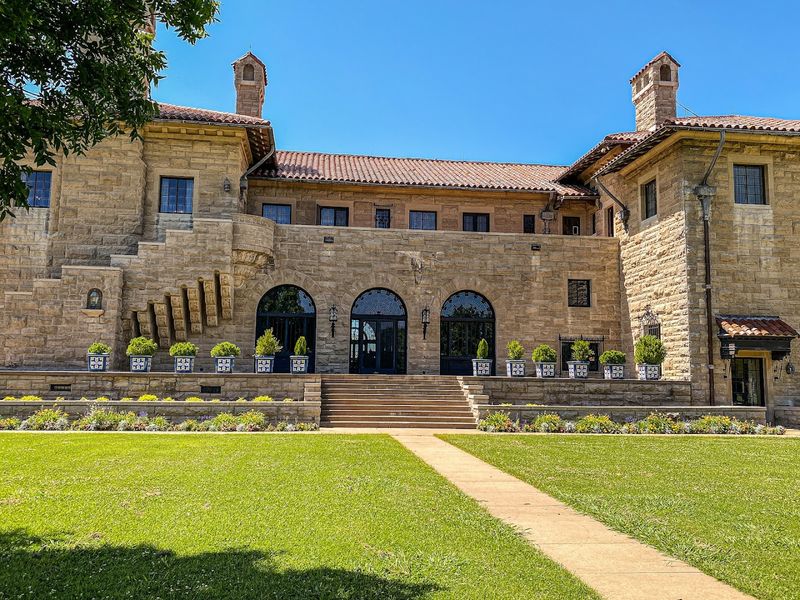
Ponca City is a modest, friendly town in north-central Oklahoma, and driving through it, you would never expect to stumble upon something this dramatic. The mansion rises from the landscape like a formal European manor, complete with stone facades, arched windows, and architectural details that demand a second look.
The surrounding grounds include walking paths, open green spaces, and quiet corners where ducks wander near the old fountain area. There is a chapel on the property as well, and a separate house that once belonged to the family.
Everything about the setting signals that you are somewhere special. The estate is open Monday through Saturday from 10 AM to 5 PM, and you can reach them at +1 580-767-0420 or visit marlandmansion.com to plan ahead.
Call before visiting on a Saturday, since private events like weddings occasionally close the mansion to regular tours.
The Oil Baron Behind It All
E.W. Marland is the kind of figure who sounds like he was invented for a novel.
He arrived in Oklahoma in the early 1900s with little more than ambition and a sharp eye for oil-rich land, and within a few years he had built one of the largest oil fortunes in American history.
At his peak, Marland controlled roughly ten percent of the world’s oil supply. That level of wealth is hard to wrap your head around, but the mansion he built makes it a little easier to visualize.
His story did not stay triumphant forever. Marland eventually lost control of his oil empire through a series of corporate takeovers, and the very mansion he built was later used as a residence for a Catholic religious order after he could no longer afford to maintain it.
He later served as Governor of Oklahoma, which added a political chapter to an already remarkable life. The guided tours do a wonderful job of tracing his rise and fall in a way that feels genuinely compelling, not just like a history lecture.
His story alone is worth the price of admission.
Architecture That Crossed an Ocean
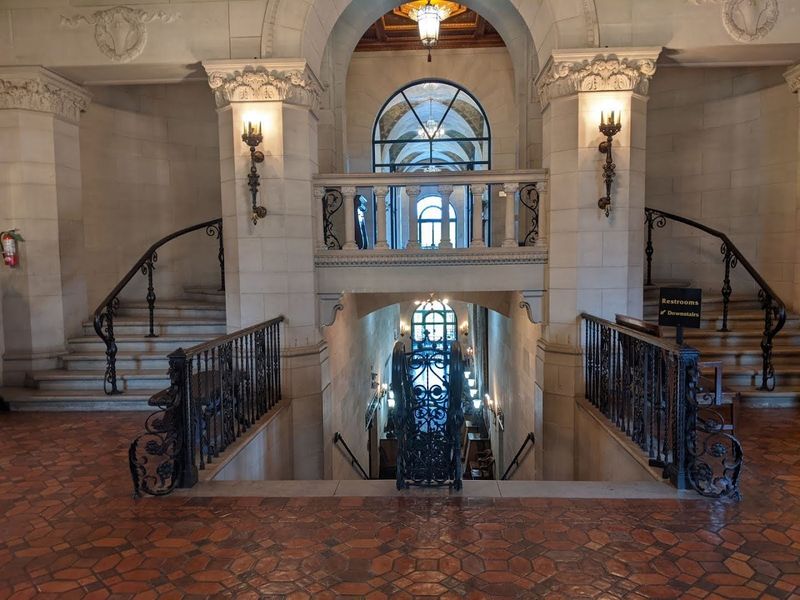
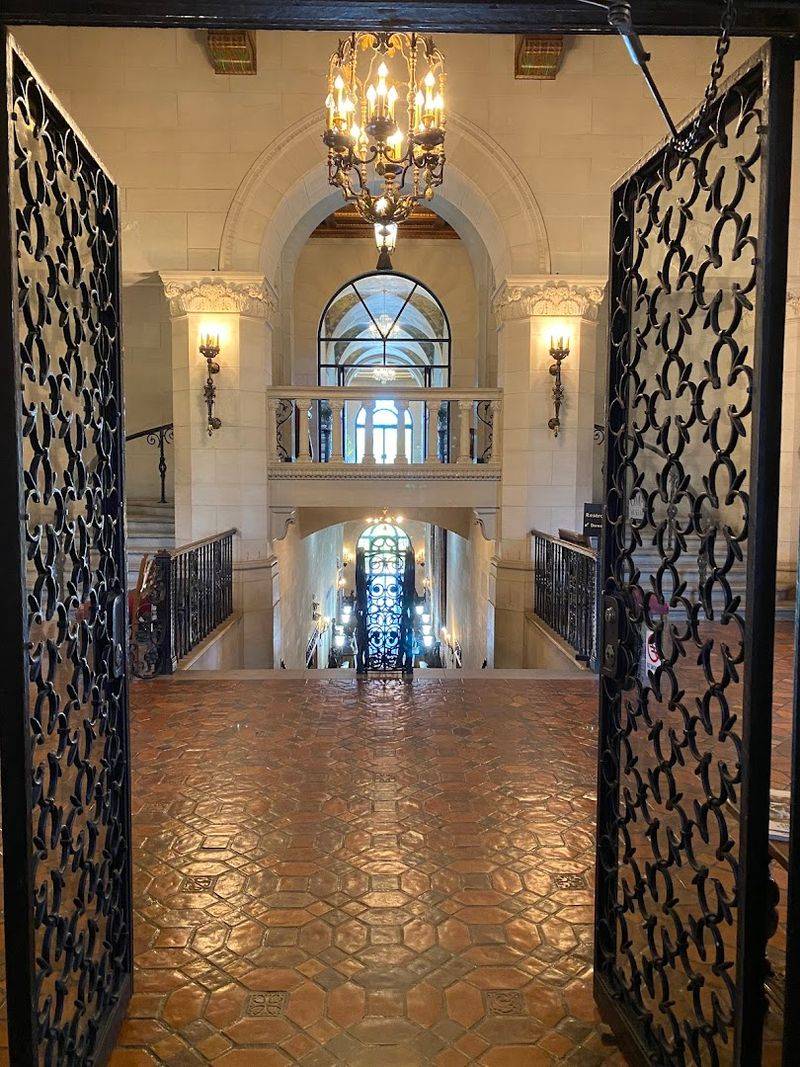
Italian craftsmen were brought to Oklahoma specifically to work on this building, and the results speak for themselves. The plasterwork, carved woodwork, and decorative details throughout the mansion reflect a level of skill that was already rare in the 1920s and is nearly impossible to find today.
The mansion contains 55 rooms, and each one seems to have its own personality. Some feel formal and grand, with soaring ceilings and intricate moldings.
Others have a more intimate quality, with carefully chosen materials and clever built-in features that show how much thought went into every square foot.
The building was constructed with technologies that were genuinely cutting-edge at the time, including central air conditioning, a heating system, and even an elevator. For a home completed in 1928, that level of modern thinking was extraordinary.
What keeps the architecture from feeling cold or showy is the way it balances grandeur with livability. The spaces feel designed for real life, not just for impressing guests.
The craftsmanship carries a warmth that photographs struggle to capture, which is exactly why showing up in person is the only way to truly understand what this place is.
The Art Collection Hiding in Plain Sight
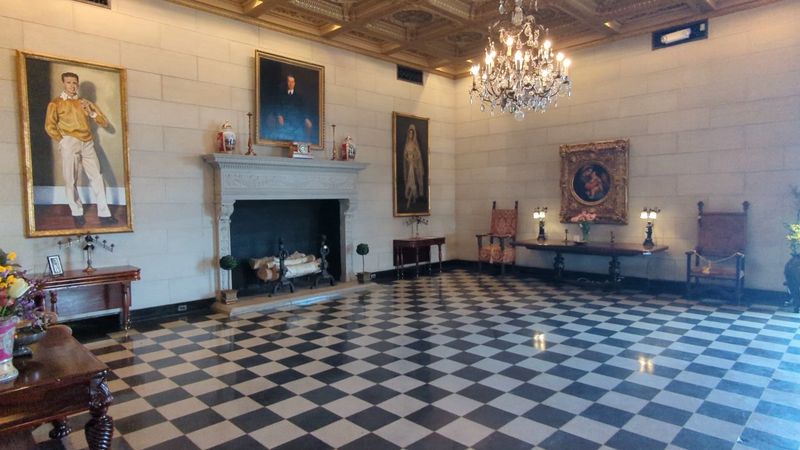
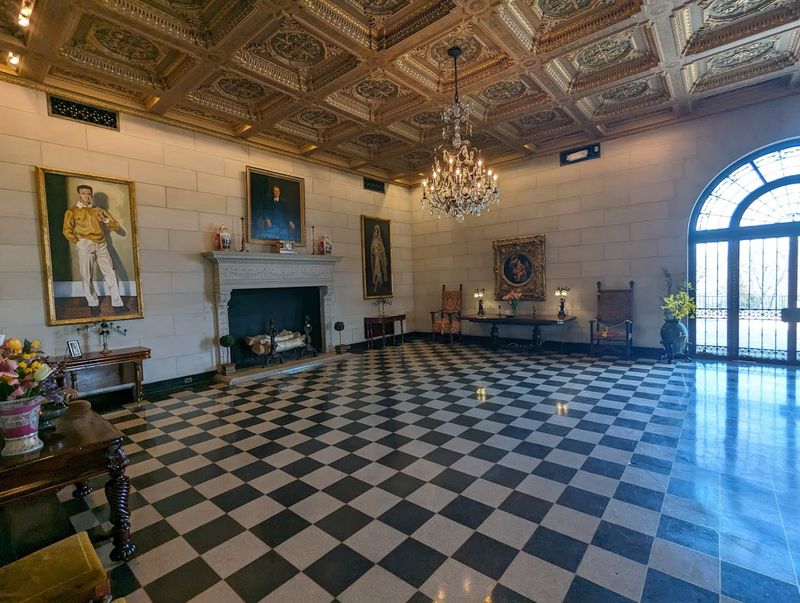
Most people come for the architecture and leave surprised by the art. The mansion houses a substantial fine art collection that Marland accumulated during his years of wealth, and it is woven throughout the rooms rather than displayed in a separate gallery wing.
The paintings range from large formal portraits to smaller decorative works, and each one has a story attached to it. One of the most talked-about pieces is the large portrait of Lydie, Marland’s wife.
Look closely at the lower portion of the canvas and you will find a serpent painted near her feet, reportedly placed there by an artist who had a personal dislike for her.
Sculptures, decorative objects, and artful architectural details fill nearly every corner of the mansion. The Petroleum Hall of Fame occupies the lower floor and adds another layer of history to the visit, celebrating the figures who shaped the American oil industry.
The collection rewards slow, careful looking. Rushing through the rooms means missing small details that turn out to be some of the most interesting things in the building.
Budget at least two hours if you want to give the art the attention it deserves, and more if you are the type who reads every label.
Guided Tours Worth Every Minute
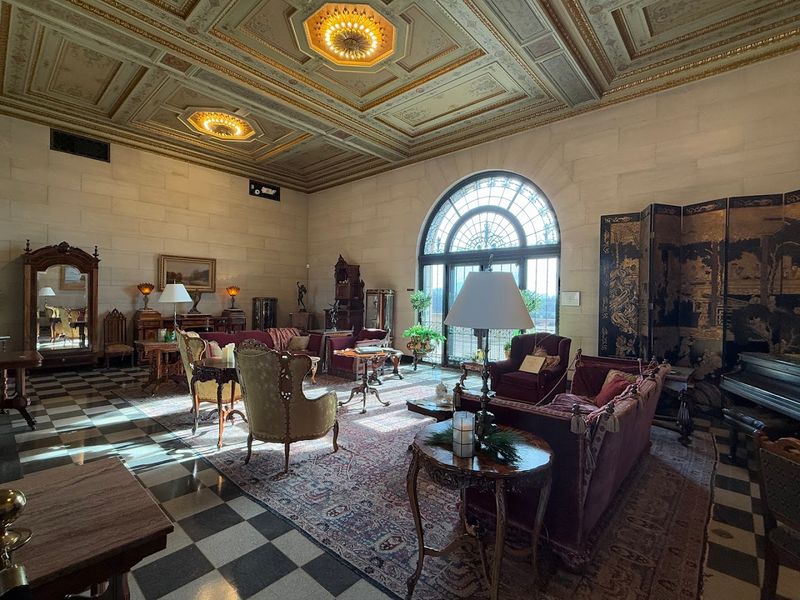
Self-guided tours are available, but the guided option is where the real experience lives. The staff at Marland Mansion are knowledgeable in a way that goes well beyond basic facts and dates, and they bring the family’s story to life with details that are not written on any placard.
Tour guides walk visitors through rooms that are off-limits during self-guided visits, including the chapel and the separate house on the property that once belonged to the family. Those additional spaces add significant depth to the overall experience.
The stories that come out during a guided tour range from architectural trivia to genuinely surprising personal history. The family narrative has dramatic turns that feel more like a screenplay than a biography, and a good guide delivers those moments with the right amount of weight.
The tour typically runs around two to two and a half hours, which sounds like a long time until you are actually inside and realize there is simply that much to see. Admission is approximately ten dollars per adult for out-of-town visitors, and Ponca City residents get in free.
For that price, a guided tour is one of the most cost-effective ways to spend an afternoon anywhere in Oklahoma.
The Grounds and Gardens Beyond the Front Door
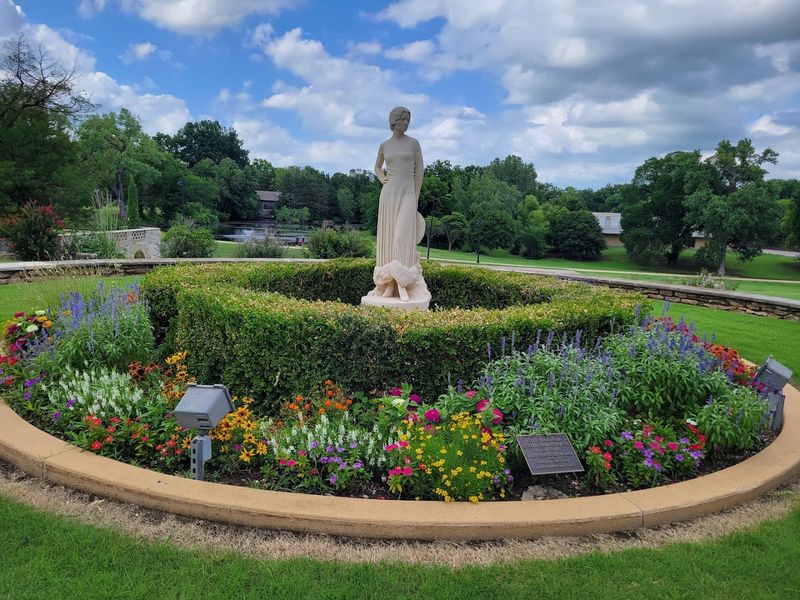
The mansion itself is the main event, but the grounds surrounding it deserve their own unhurried exploration. Statues are positioned throughout the property in a way that feels intentional and elegant rather than random, and the green spaces between them give the whole estate a parklike quality.
Ducks have made themselves very much at home near the old fountain area, which adds an unexpectedly charming element to the landscape. The fountain itself is no longer fully restored, but the area around it still carries a sense of what the original design must have looked like in its prime.
Walking the grounds at a relaxed pace reveals small details that are easy to miss if you head straight for the entrance. Architectural accents on the exterior walls, the way the chapel sits in relation to the main house, and the view of the building from different angles all reward a slow, curious approach.
The property is also a popular venue for weddings and special events, and it is easy to understand why. The combination of historic architecture, mature landscaping, and open green space creates a backdrop that photographers genuinely love working with.
The setting looks different in every season, and an autumn visit brings a particularly warm and photogenic quality to everything.
The Chapel and the Separate Family Residence
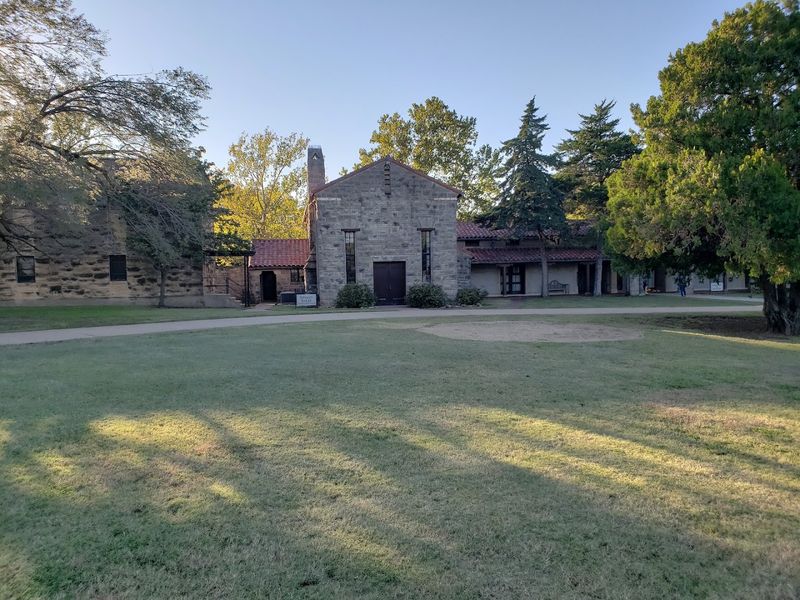
Two structures on the property tend to get overshadowed by the main mansion, but both are well worth your attention. The chapel is a compact, beautifully detailed building that reflects the same care and craftsmanship found throughout the estate, and it carries a quiet, reflective atmosphere that is very different from the main house.
The chapel has been used for weddings and private ceremonies, which makes sense the moment you step inside. The scale is intimate, the details are refined, and the light that comes through the windows gives the interior a particularly warm quality.
The second structure is the house that once served as a residence for Lydie, Marland’s wife. It offers a different perspective on how the family actually lived, separate from the formal grandeur of the main mansion.
Visiting both buildings alongside the main house gives a much fuller picture of the estate as it once functioned.
These additional spaces are typically included in the guided tour but may not be accessible during a self-guided visit, which is one more reason to book the guided option when you arrive. The chapel in particular tends to leave a strong impression on visitors who take the time to linger there rather than simply passing through on the way to the next room.
A Wedding Venue That Actually Lives Up to the Hype
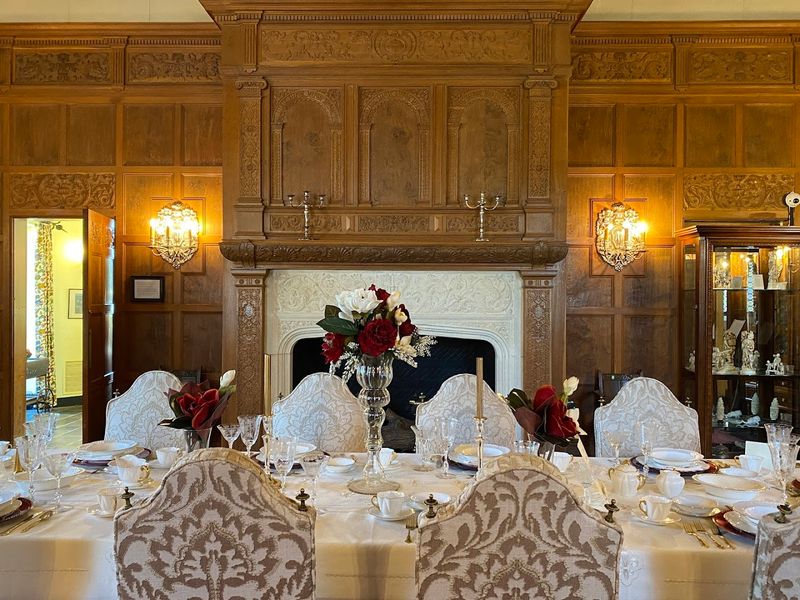
Plenty of places market themselves as dream wedding venues. The Marland Mansion is one of the rare spots that actually delivers on that promise, and the reviews from couples who have held their ceremonies here make that very clear.
The combination of interior spaces and outdoor grounds gives event planners a lot to work with. The formal rooms inside the mansion provide a backdrop of carved woodwork, high ceilings, and period detail that no amount of decoration could replicate.
The grounds offer natural beauty and open space for outdoor ceremonies or receptions.
The staff has built a reputation for being genuinely helpful and easy to work with during the planning process, which matters enormously when you are coordinating a major event. That level of attentiveness shows up consistently in feedback from couples who have used the venue.
One practical note for regular visitors: the mansion occasionally closes to tours on Saturdays when a private event is scheduled, and this is not always reflected on the website in real time. A quick phone call before making the drive is a smart move, especially if you are traveling from more than a few miles away.
The number to call is +1 580-767-0420, and the staff is happy to confirm availability.
What the Petroleum Hall of Fame Adds to the Story
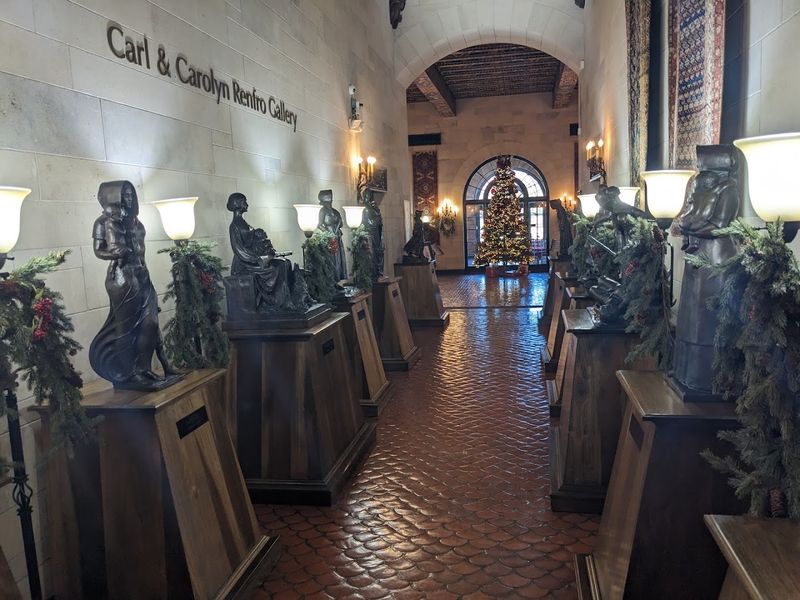
The lower floor of the mansion houses the Petroleum Hall of Fame, which might sound like a dry addition to an already rich visit, but it actually deepens the experience considerably. The display celebrates the figures who shaped the American oil industry, many of whom had direct ties to Ponca City and the surrounding region.
Seeing those names and faces in context helps explain why a mansion of this scale exists in north-central Oklahoma in the first place. The oil industry transformed this part of the state in the early twentieth century, bringing extraordinary wealth to a region that had very little of it just decades before.
The Hall of Fame is not a flashy exhibit. It is straightforward and historically grounded, with portraits and information that reward careful reading.
For visitors who come in with even a basic curiosity about how American industry developed, it adds a layer of meaning to everything else in the building.
E.W. Marland himself is prominently featured, and seeing his place within the broader story of the oil industry helps connect the personal narrative of the guided tour to the larger historical picture.
The whole floor functions as a kind of prologue to the mansion above it, and starting there before heading upstairs is a solid approach for first-time visitors.
Practical Tips for Getting the Most Out of Your Visit
A little planning goes a long way at the Marland Mansion, and a few simple tips can make the difference between a good visit and a great one. The mansion is open Monday through Saturday from 10 AM to 5 PM, with the last self-guided tour starting at 3:30 PM, so arriving early gives you the most time to explore without feeling rushed.
Admission runs around ten dollars per adult for visitors from outside Ponca City, which is genuinely affordable for what you get. Ponca City residents visit free, which is a nice touch that reflects the community-oriented spirit of the place.
Comfortable shoes are worth thinking about before you go. The tour covers a lot of ground across multiple floors and buildings, and the combination of hard floors, staircases, and outdoor pathways adds up quickly.
A two-hour visit involves more walking than most people expect.
Summer visits can get warm inside the mansion, since the building relies on fan-based air circulation rather than modern air conditioning, and interior temperatures can climb on hot Oklahoma days. Visiting in spring or fall gives you more comfortable conditions both inside and out.
The gift shop is small but carries a selection of items connected to the mansion’s history, and it is worth a few minutes at the end of your visit.
Why This Place Deserves Far More Attention Than It Gets
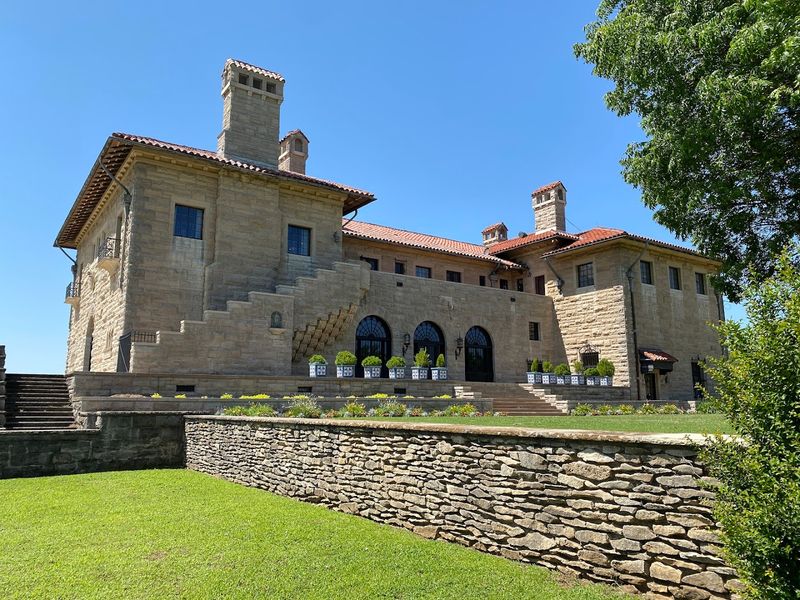
There are famous historic mansions scattered across the United States that draw enormous crowds every year. The Marland Mansion matches or exceeds many of them in terms of architectural quality, historical depth, and overall experience, yet it remains genuinely under the radar outside of Oklahoma.
Part of that is geography. Ponca City is not a major tourist destination, and the mansion does not benefit from the kind of foot traffic that comes with being in a larger city.
But that relative obscurity is actually part of what makes visiting so rewarding right now.
The crowds are manageable, the staff has time to engage with visitors personally, and the whole experience feels unhurried in a way that is increasingly rare at well-known historic sites. A quiet weekday visit can feel almost private, which is a remarkable thing to say about a 43,561-square-foot mansion with a 4.8-star rating across hundreds of reviews.
Oklahoma has no shortage of interesting places to visit, but few of them pack the combination of architecture, art, history, and human drama that this estate delivers. The Marland Mansion is the kind of place that changes how you think about what Oklahoma has to offer, and that is a feeling worth traveling for.



