 Unearth The Voyage
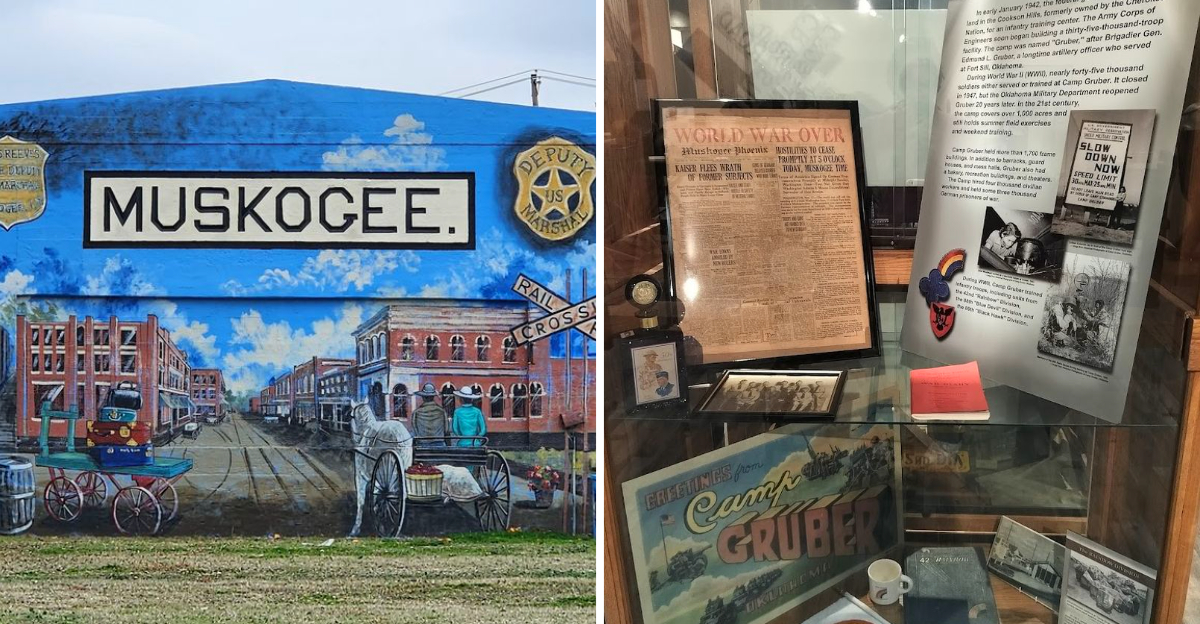
There is a building in Muskogee, Oklahoma, that quietly holds more surprises per square foot than most people expect from a regional history museum. It sits in a former railroad depot, and the moment you walk through the front door, you realize that this town has been at the center of some genuinely remarkable American stories.
We are talking about Girl Scout cookies, a legendary lawman, Tuskegee Airmen, and a river-shaped region that helped build the state of Oklahoma from the ground up. I had no idea what I was getting into when I pulled up to the address, and by the time I left, I had filled two pages of notes and was already planning a return visit.
The Building Itself: A Railroad Depot With a New Purpose
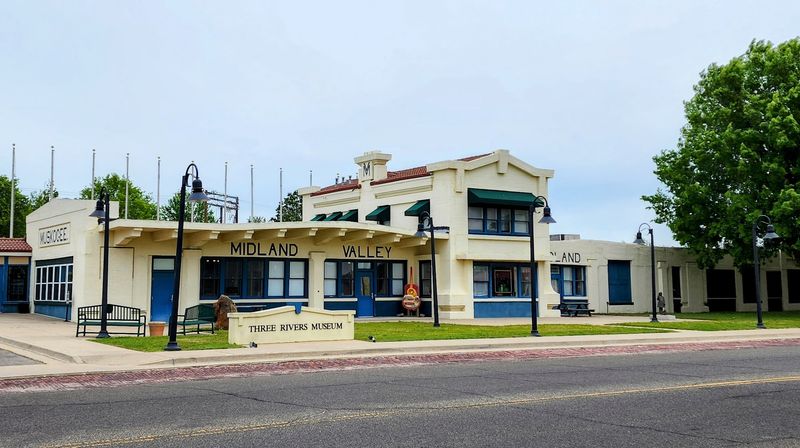
Few museum buildings carry as much history as the one they are housed in, but at 220 Elgin St, Muskogee, OK 74401, the structure tells its own story before you even reach the exhibits.
The Three Rivers Museum occupies what was once the Midland Valley Railroad depot, a handsome brick building that served as a transit hub for the region during the railroad era. That context matters, because the museum’s entire mission is to show how geography, industry, and people shaped this corner of Oklahoma together.
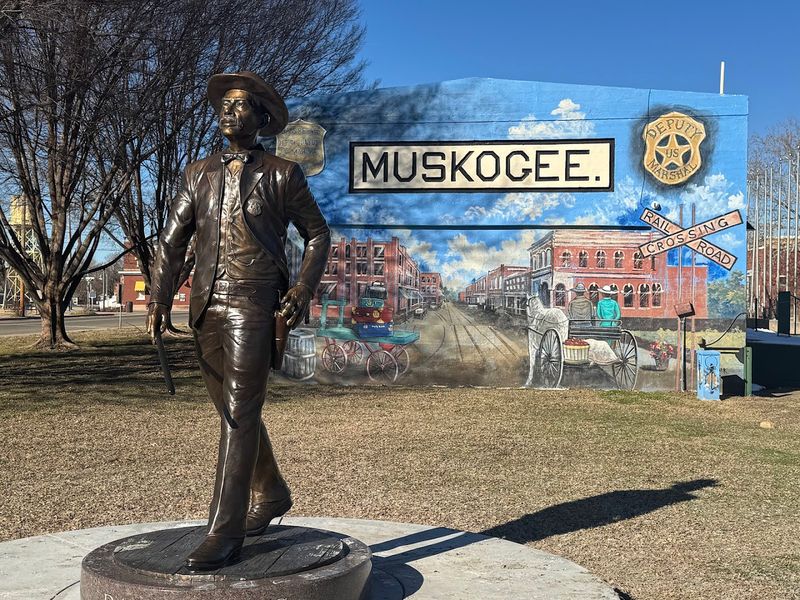
The exterior is well-maintained, and there are statues placed around the grounds that are worth slowing down for before you head inside. The building has a solid, grounded presence that feels appropriate for an institution dedicated to preserving local memory.
You can reach the museum by phone at 918-686-6624 or visit their website at http://www.3riversmuseum.com/ for current information before your trip. The setting alone sets the right tone for everything that follows inside.
The Three Rivers That Gave the Museum Its Name
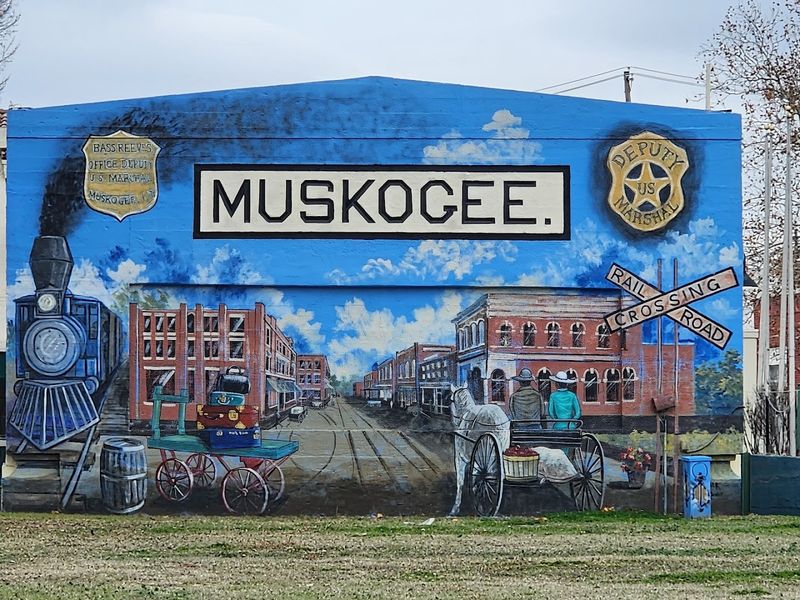
Geography is destiny, or at least that is what the story of Muskogee suggests. The museum takes its name from the three rivers that converge near the city: the Arkansas, the Verdigris, and the Grand.
That meeting point was not just scenic. It made Muskogee a natural hub for trade, travel, and settlement long before Oklahoma became a state.
Native American nations, traders, and settlers all recognized the strategic value of this location, and the museum does an excellent job of explaining how the rivers shaped the region’s development over generations.
The exhibits connect the physical landscape to the human stories that unfolded along the riverbanks, which gives the history a grounded, tangible quality that is easy to follow. You do not need a background in Oklahoma history to understand why these rivers mattered.
By the time you finish this section, you start seeing the rest of the collection through a different lens, one that places every artifact and story within the broader context of a region defined by moving water and the communities that gathered beside it.
Bass Reeves: The Lawman Who Deserves His Own Movie
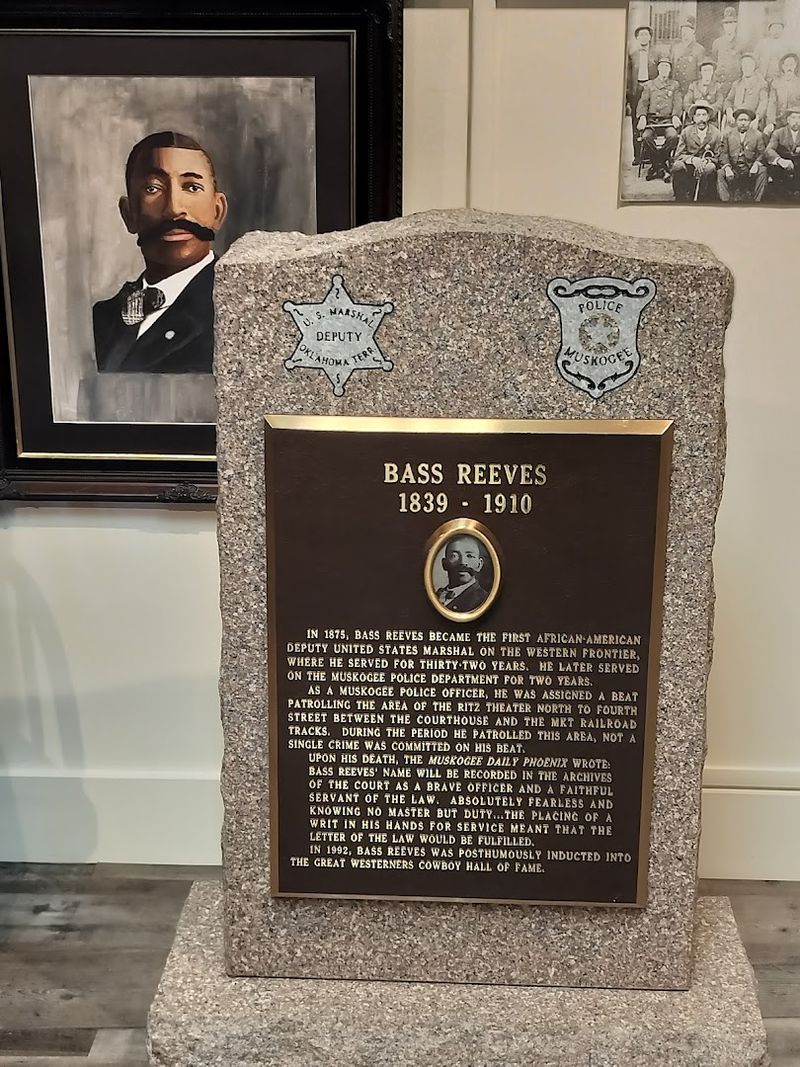
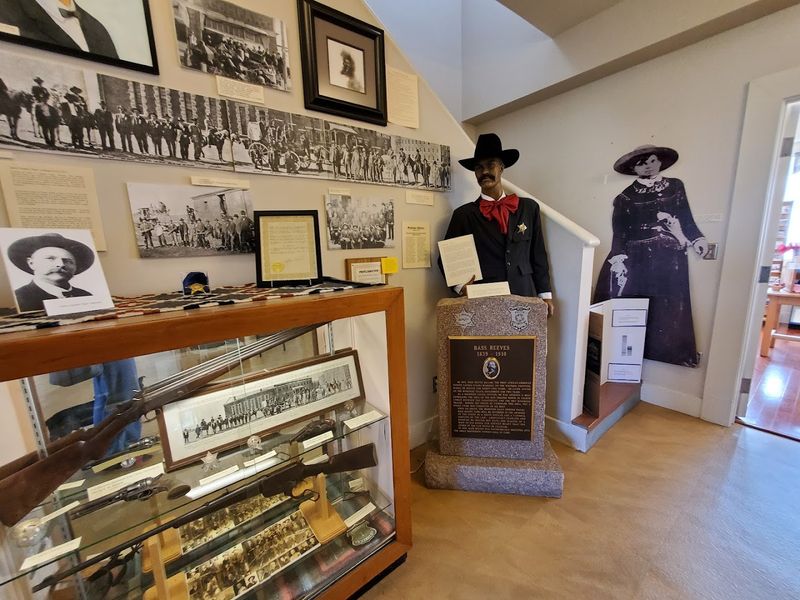
Bass Reeves is one of the most remarkable figures in American history, and the Three Rivers Museum gives him the attention he deserves. He was the first African American U.S.
Deputy Marshal west of the Mississippi River, and after retiring from his long career under Judge Isaac Parker, he made Muskogee his home.
The museum’s Bass Reeves exhibit covers his career in detail, including his reputation as a skilled tracker and his extraordinary record of arrests over decades of service. He was inducted into the National Cowboy and Western Heritage Museum’s Hall of Fame, which tells you something about the scale of his legacy.
What makes this exhibit especially compelling is that Reeves is presented not as a footnote but as a central figure in the story of law enforcement in the American frontier. The staff are genuinely enthusiastic about sharing details from his life, and if you ask questions, expect thorough and engaging answers.
His story alone is worth the drive to Muskogee, and learning about him in the city where he lived adds a layer of meaning that a textbook simply cannot replicate.
Girl Scout Cookies: The Muskogee Origin Story
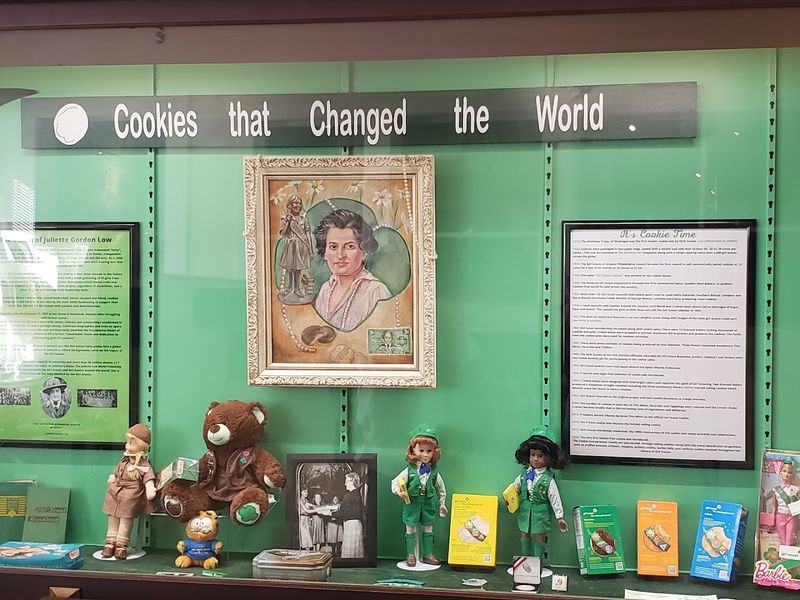
Here is a fact that tends to stop people mid-step: Girl Scout cookies were first baked in Muskogee, Oklahoma. The kitchen of the local high school is where those now-famous treats were first made and sold, originally priced at two cookies for a dime.
The Three Rivers Museum has an exhibit dedicated to this surprisingly important piece of American culinary and organizational history. The cookies were baked by local Girl Scout troops and, when not sold locally, were shipped to soldiers, which added a layer of community service to what became a beloved national tradition.
The exhibit also covers the broader history of the Girl Scout organization in the Muskogee area, showing how the group was active and influential in the community long before cookie sales became a nationwide phenomenon. It is the kind of local detail that makes you rethink how many major American traditions have surprisingly specific and overlooked origin points.
Visitors with kids tend to light up at this section, and it is easy to see why. Few things connect history to everyday life as neatly as discovering that a snack you grew up loving started right here in eastern Oklahoma.
The Railroad Exhibit and the Train You Can Actually Board
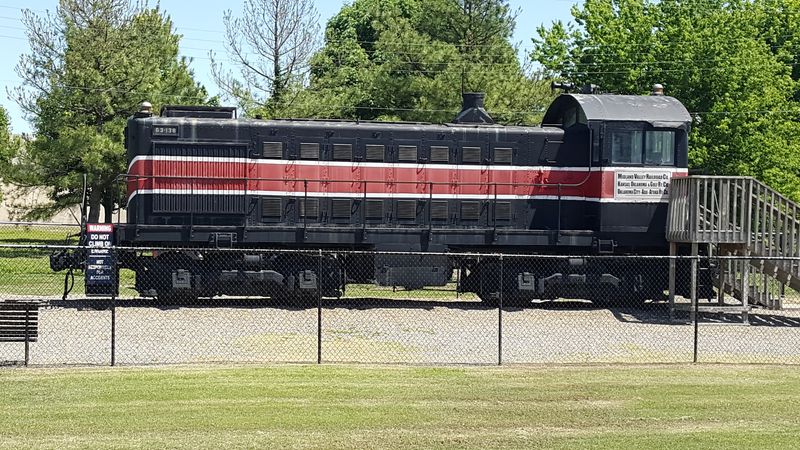
The museum’s railroad heritage runs deep, and the collection reflects that. As a former Midland Valley Railroad depot, the building has an authentic connection to the rail history it documents, and that authenticity comes through in the exhibits.
The highlight for many visitors is the full-size train engine on display, which you can actually enter. That kind of hands-on access is rarer than you might think in a regional museum, and it makes the railroad era feel immediate and real rather than distant and textbook-dry.
The exhibits trace how the railroad transformed Muskogee and the surrounding region, bringing commerce, people, and connectivity to an area that was already positioned for growth thanks to its river geography. The connection between the rivers and the railroad as twin engines of regional development is a theme the museum handles well.
Train enthusiasts will find plenty to appreciate here, and families with kids who have never seen a locomotive up close will find it one of the most memorable stops in the building. The scale of a real engine, standing right in front of you, communicates something that no photograph or model can quite match.
The Tuskegee Airmen and World War Exhibits
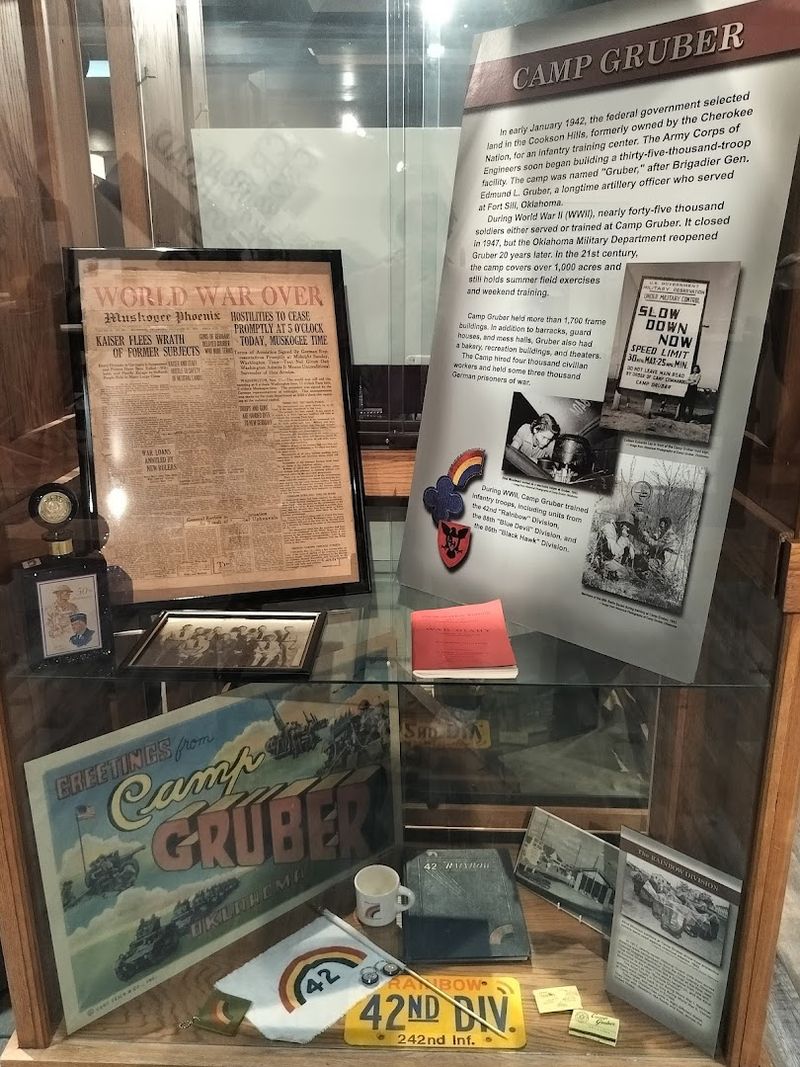
The collection at Three Rivers Museum reaches beyond local trivia and into genuinely significant national history. The exhibits covering the Tuskegee Airmen and both World War I and World War II are among the most substantive in the building.
The Tuskegee Airmen section documents the contributions of African American military pilots during World War II, a story of skill, perseverance, and excellence in the face of systemic barriers. Seeing this exhibit in a museum rooted in eastern Oklahoma gives it a regional anchor that connects the national story to local communities and families.
The WWI and WWII exhibits are diverse in their coverage, drawing on artifacts, photographs, and documents that reflect the broad range of people from this region who served. The museum does not treat the wars as a single monolithic story but instead highlights the variety of experiences and backgrounds represented.
For visitors who come primarily for the quirky local facts, like the Girl Scout cookies or the river geography, these exhibits provide a meaningful counterweight. They remind you that the people of this region were connected to the largest events of the twentieth century, and that their stories are worth knowing.
The One-Room Schoolhouse on the Grounds
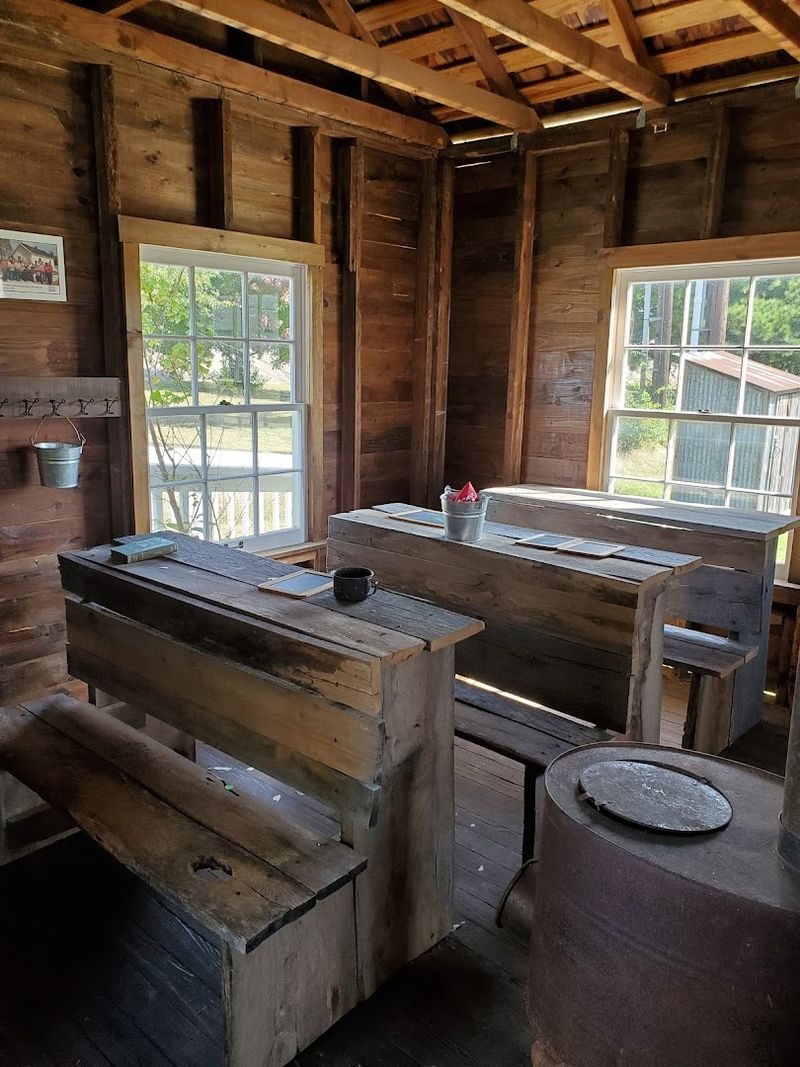
One of the more unexpected features of the Three Rivers Museum is the original one-room schoolhouse located on the property. It is a physical structure, not a replica, and that distinction matters when you are trying to understand what daily life looked like for children in this region generations ago.
The schoolhouse offers a window into the educational realities of early Oklahoma, when a single teacher might manage students of multiple ages and grade levels in a single small room. The rules posted inside the schoolhouse have been known to get a reaction from younger visitors, who find the discipline standards of the era a bit startling by modern standards.
The structure adds a tactile, walk-through quality to the museum experience that breaks up the exhibit-and-display-case format of the main building. Being inside a space where actual children once learned their lessons connects you to the past in a way that reading about it simply does not.
Whether the schoolhouse is open on your visit may depend on staffing and scheduling, so it is worth asking at the front desk when you arrive. The staff are consistently helpful and happy to point you toward everything available on the day you visit.
Oklahoma’s First Governor and Other Local Firsts
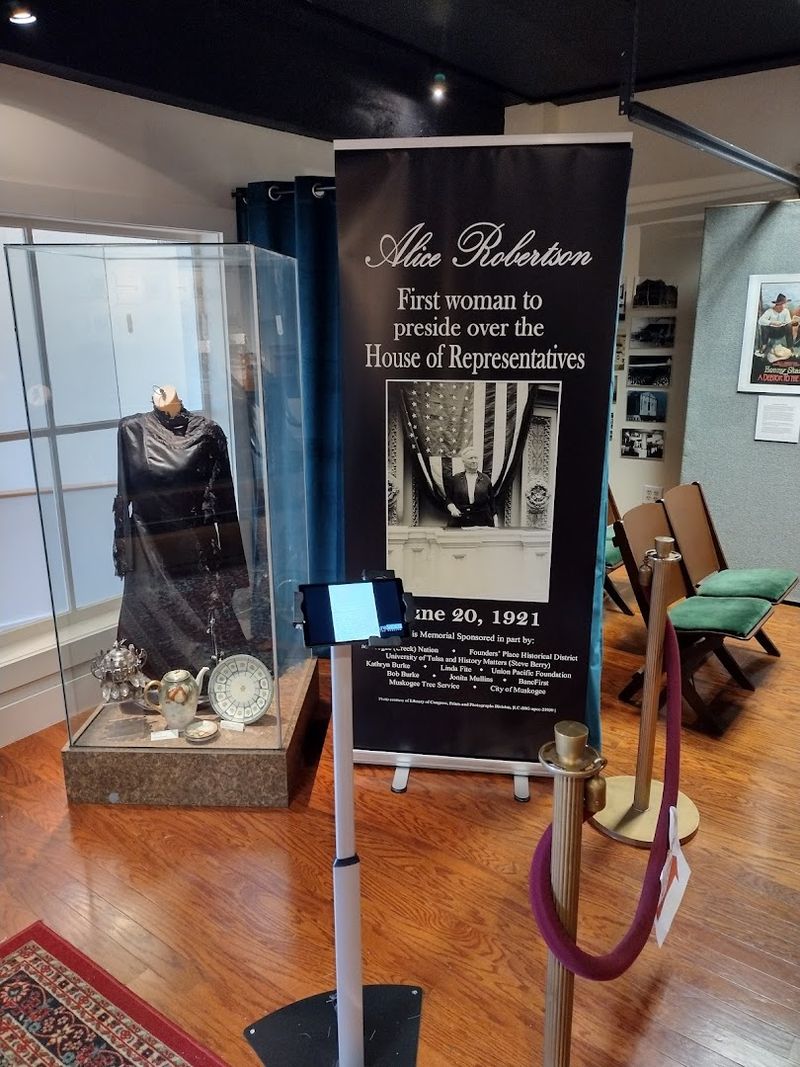
Muskogee has a habit of showing up at the beginning of important Oklahoma stories, and the museum documents several of those firsts with quiet confidence. One of the more surprising is that Oklahoma’s first governor came from Muskogee, a fact that places the city at the very foundation of the state’s political history.
The museum weaves these local firsts into a broader narrative about how Muskogee developed as a center of influence in the region. The city’s position at the confluence of three rivers made it a natural gathering point, and that geographic advantage translated into political and cultural significance as Oklahoma moved toward statehood.
There is also the charming story of how the city’s name changed its spelling. Originally spelled Muscogee, the postmistress grew so tired of receiving misspelled mail that she officially changed the spelling to Muskogee, a small but very human moment of practical problem-solving that says a lot about the spirit of the place.
These kinds of details are what make local history museums worth visiting. The big national stories are told in countless books, but the specific, particular, and sometimes funny facts about a single city are preserved in places exactly like this one.
The Staff, the Tours, and the Thursday Food Trucks
The staff at Three Rivers Museum are a genuine part of what makes the visit work. Knowledgeable, enthusiastic, and genuinely happy to answer questions, they add a layer of engagement that printed exhibit labels alone cannot provide.
Guided tours are available, and if your schedule allows, taking one is strongly recommended. The guides bring personal energy to the stories they tell, and the details they share go well beyond what you would pick up on a self-guided walk-through.
A good guide can turn a forty-five-minute visit into a two-hour conversation that you do not want to end.
The museum is open Wednesday through Saturday from 10 AM to 5 PM and is closed Sunday through Tuesday, so plan accordingly. Every Thursday, the parking lot hosts rotating food trucks, which turns a museum visit into a full outing with lunch included.
That Thursday food truck setup is a clever community touch that makes the museum feel like a living part of Muskogee rather than a preserved-in-amber institution. The combination of local history inside and local food outside captures exactly the kind of community spirit that the museum is built around, and it gives you one more reason to time your visit to a Thursday.
The Gift Shop, the Statues, and What to Know Before You Go
Before you leave, the gift shop is worth a browse. The selection leans toward locally relevant books, souvenirs, and historically themed items that make for meaningful keepsakes.
Vintage Lionel model trains were once available there, though the museum’s own response to that detail confirms they have since sold out, which tells you the shop has attracted some serious collectors over the years.
The statues positioned outside the building are easy to overlook if you are in a hurry, but they reward a few minutes of attention. They add to the overall sense that the museum takes its role as a community landmark seriously, not just as an interior exhibit space but as a public presence in the neighborhood.
A few practical notes: the museum rates 4.7 stars across nearly 150 reviews, which is a strong signal that most visitors leave satisfied. The restrooms are well-maintained, the building is accessible, and the overall atmosphere is welcoming for families, solo travelers, and road-trippers passing through on their way between larger cities.
Three Rivers Museum is the kind of place that rewards curiosity and punishes rushing. Give yourself at least two hours, ask the staff your questions, and let the stories of Muskogee and eastern Oklahoma settle in at their own pace.



