 Unearth The Voyage
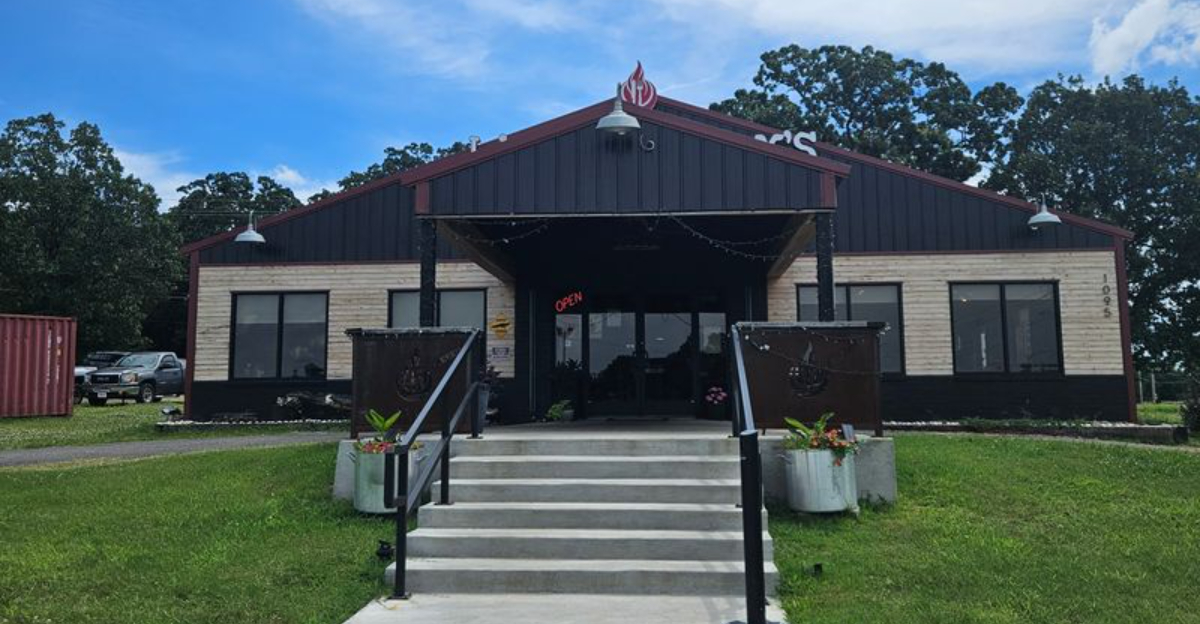
I never expected to find real Cajun cooking in the rolling hills of northeastern Oklahoma, but here I am, telling you about a restaurant that proved me wonderfully wrong. Tahlequah isn’t exactly known as a Southern Louisiana food destination, yet tucked among the Cherokee Nation landmarks and Illinois River tourism spots sits a place that transports your taste buds straight to the bayou.
The aroma of dark roux and perfectly seasoned seafood hits you before you even walk through the door. I’ve eaten my way through New Orleans more times than I can count, and what I discovered here genuinely surprised me in the best possible way.
This isn’t some watered-down version of Cajun cuisine adapted for Midwestern palates. It’s the real deal, served up with Oklahoma hospitality and a side of unexpected authenticity that’ll make you do a double-take when you remember you’re nowhere near Louisiana.
A Louisiana Outpost in Cherokee Country
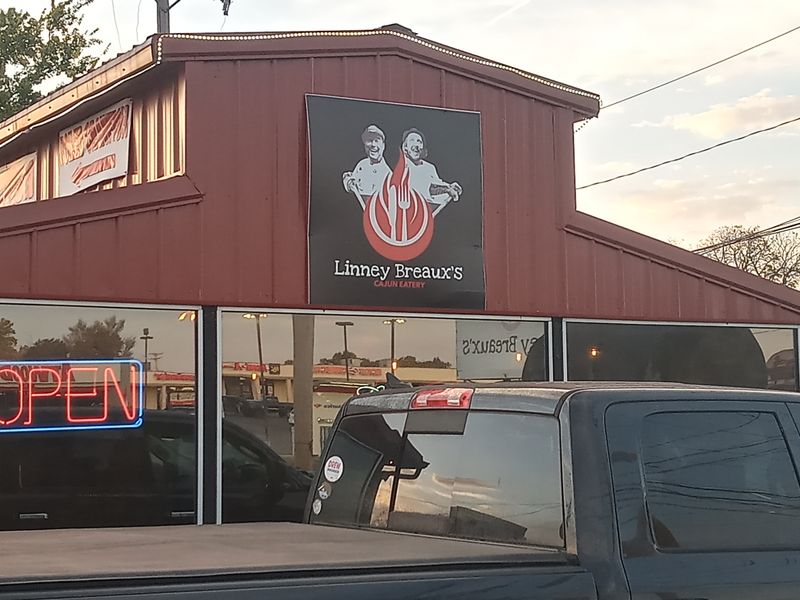
You’ll find this slice of Louisiana at 1095 E 4th St, Tahlequah, Oklahoma 74464, right in the heart of Cherokee Nation territory. The location itself tells an interesting story about how food culture travels and takes root in unexpected places.
Tahlequah sits about two hours east of Tulsa, surrounded by the Ozark foothills and known primarily as a college town and outdoor recreation hub. Most visitors come for the Illinois River float trips or to explore Cherokee heritage sites.
But Linney Breaux’s decided to plant itself here and bring authentic Louisiana flavors to a community that didn’t know it needed them. The restaurant operates Tuesday through Saturday, opening at 11 AM and serving until 9 PM most evenings.
I visited on a Friday night around 8 PM and found plenty of available tables without a wait, which was a pleasant surprise. The building itself doesn’t try to be fancy or overly themed.
It’s straightforward and welcoming, letting the food do the talking.
What strikes me most is how this restaurant has become a destination worth driving for, with customers regularly making the trek from an hour or more away just to eat here.
The Menu That Brought the Bayou North
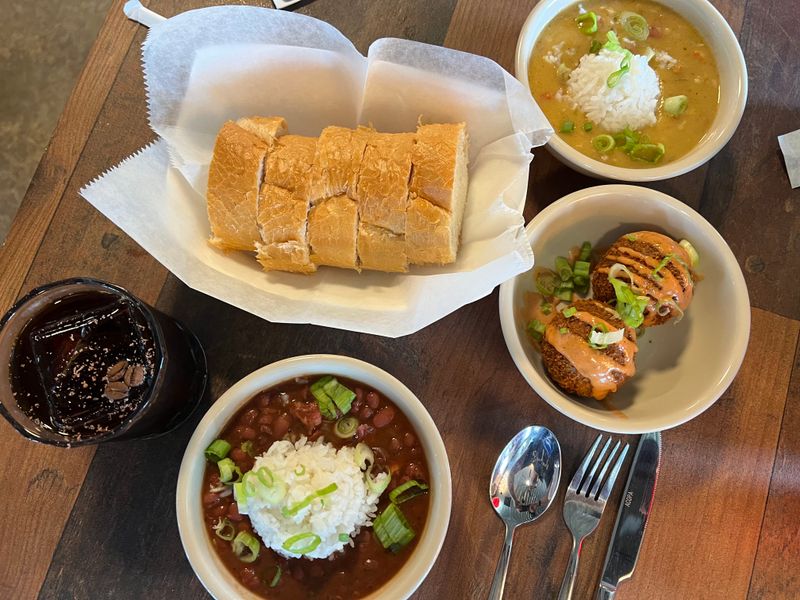
The menu reads like a love letter to South Louisiana, featuring dishes you’d struggle to find anywhere else in Oklahoma. I’m talking about boudin balls, chargrilled oysters, gator bites, and proper gumbo built on a dark roux that takes hours to perfect.
They offer classics like shrimp and grits, Cajun pasta, blackened catfish over dirty rice, and red beans and rice that reviewers consistently call the best they’ve had outside Louisiana. The Dirty Cat stands out as a signature dish, combining flaky blackened catfish with dirty rice and a bacon Gouda sauce that sounds indulgent because it absolutely is.
For those wanting to try something adventurous, the gator offerings provide a taste of Louisiana’s more exotic side. One reviewer described it perfectly: tastes like chicken, but with its own unique character.
The T-boy appetizer gets mentioned repeatedly as a filling, delicious option. Portions run generous across the board, with many dishes easily shareable between two people.
They’ve even nailed the finishing touches, serving strong coffee alongside fresh beignets for dessert. The menu balances approachable comfort food with authentic preparations that don’t compromise on traditional techniques or flavors.
Appetizers That Set the Tone
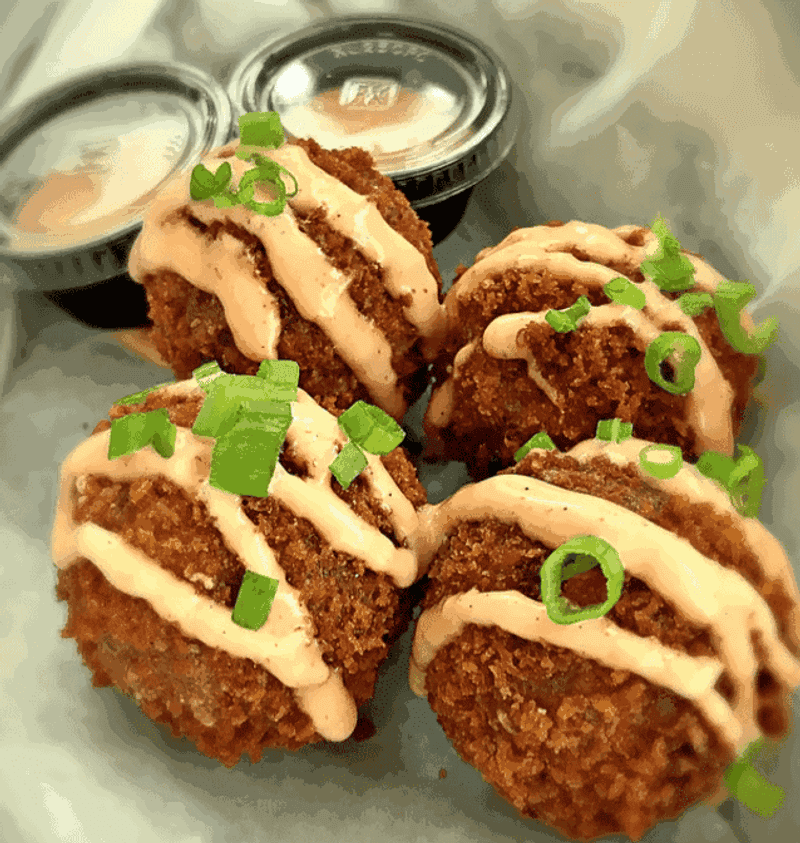
Starting your meal here requires serious decision-making because the appetizer lineup competes for attention. The boudin balls filled with pepper jack arrive crispy on the outside, perfectly seasoned throughout, and make an immediate impression.
These aren’t your typical fried appetizers. Boudin is a Cajun rice and pork sausage that many restaurants outside Louisiana won’t even attempt, and stuffing it with pepper jack adds a nice kick.
The chargrilled oysters bring that classic New Orleans preparation to the table, though one diner noted they ran a bit salty. Still, the cooking method delivers that smoky, buttery richness oyster lovers crave.
Then there’s the gator, served as both tails and bites depending on what you order. For first-timers, it’s a conversation starter and genuinely tasty, with a texture similar to chicken but firmer.
The NZ Ballz also get mentioned in reviews, though details remain a bit mysterious beyond the fact that people enjoyed them. What’s clear is that the kitchen isn’t afraid to put out bold flavors right from the start.
These appetizers do more than fill space before the main course. They establish credibility and show that this kitchen knows Louisiana cooking inside and out.
Gumbo Worth the Drive
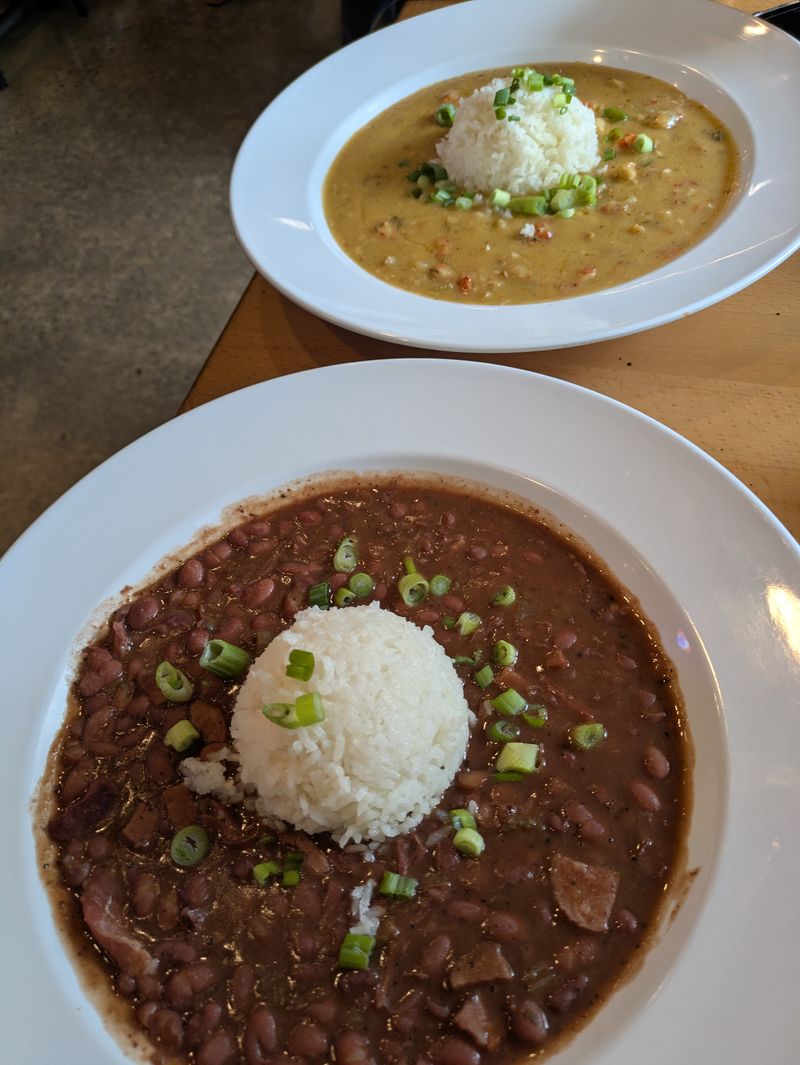
A proper gumbo starts with a dark roux, and getting that roux right separates authentic Louisiana cooking from pretenders. One reviewer specifically praised the dark roux here, saying it made them long to be in New Orleans.
That’s high praise, especially from someone who clearly knows what real gumbo should taste like. The roux determines everything about gumbo: its color, its depth of flavor, its soul.
Making a dark roux requires patience and constant attention. You’re cooking flour and fat together until it reaches a deep chocolate brown, stirring continuously for 30 to 45 minutes.
Rush it or walk away, and you’ll burn it.
This kitchen clearly puts in that time and effort. The gumbo comes loaded with sausage, proper seasoning, and that rich, complex flavor that only a well-made roux can provide.
Some restaurants up north serve what they call gumbo but it’s really just spicy soup. What you get here is the genuine article, the kind that would pass muster in any Louisiana kitchen.
Available as a side dish, the gumbo adds authenticity to any meal. It’s comfort food with depth, the kind of dish that warms you from the inside and makes you understand why people get passionate about regional cooking.
Red Beans and Rice Done Right
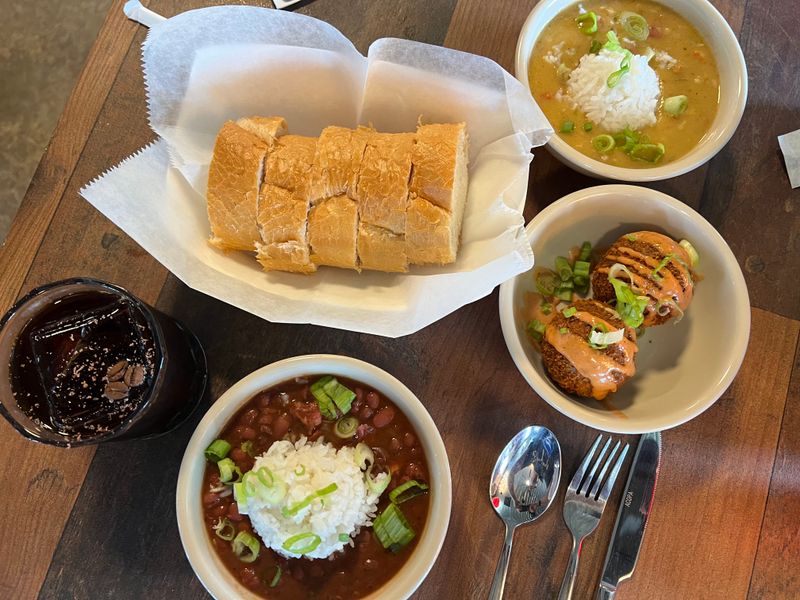
Red beans and rice is Monday tradition in Louisiana, a dish so fundamental to the culture that it deserves respect. One reviewer declared these the best they’d had anywhere, which includes presumably having tried them in Louisiana itself.
Getting red beans right requires time and the right seasonings. The beans need to cook low and slow until they’re creamy, with some breaking down to thicken the pot liquor naturally.
Sausage adds smoky depth, while the holy trinity of onions, celery, and bell peppers builds the flavor foundation. Green onions finish it off with a fresh bite.
Many restaurants outside Louisiana serve red beans that are either too soupy or underseasoned, missing that creamy consistency and layered flavor that makes the dish special. These apparently nail it.
The fact that this dish stands out even among all the other strong menu offerings says something. Red beans might seem humble compared to seafood or specialty dishes, but they’re actually harder to perfect than people think.
They’re also incredibly satisfying, the kind of food that sticks with you and makes you crave it again days later. Available as a side, they’re substantial enough to be worth ordering even if you’re not getting them as your main dish.
Service That Makes You Feel Welcome
Great food matters, but service can make or break a dining experience. Multiple reviewers specifically called out their servers by name, which tells you something about the quality of hospitality here.
Ryan got mentioned as being polite, attentive, and having a great attitude that elevated the entire evening. That level of service doesn’t happen by accident.
It comes from good training and staff who genuinely care about guests having a positive experience.
The hosts greet you warmly when you arrive, seating you promptly even during busier times. Staff seem knowledgeable about the menu and happy to answer questions, which matters when you’re dealing with dishes some customers might not have tried before.
One reviewer noted the service was “impeccable,” another called it “amazing.” These aren’t words people use for merely adequate service. They indicate staff going above and beyond.
In smaller communities like Tahlequah, personal service often comes more naturally than in bigger cities. But it still requires effort and intention to maintain consistently.
The combination of excellent food and genuinely welcoming service creates an experience people want to repeat and tell others about. It’s why customers drive an hour or more to eat here and why they become enthusiastic ambassadors for the restaurant.
The Breaux Sauce Everyone’s Talking About
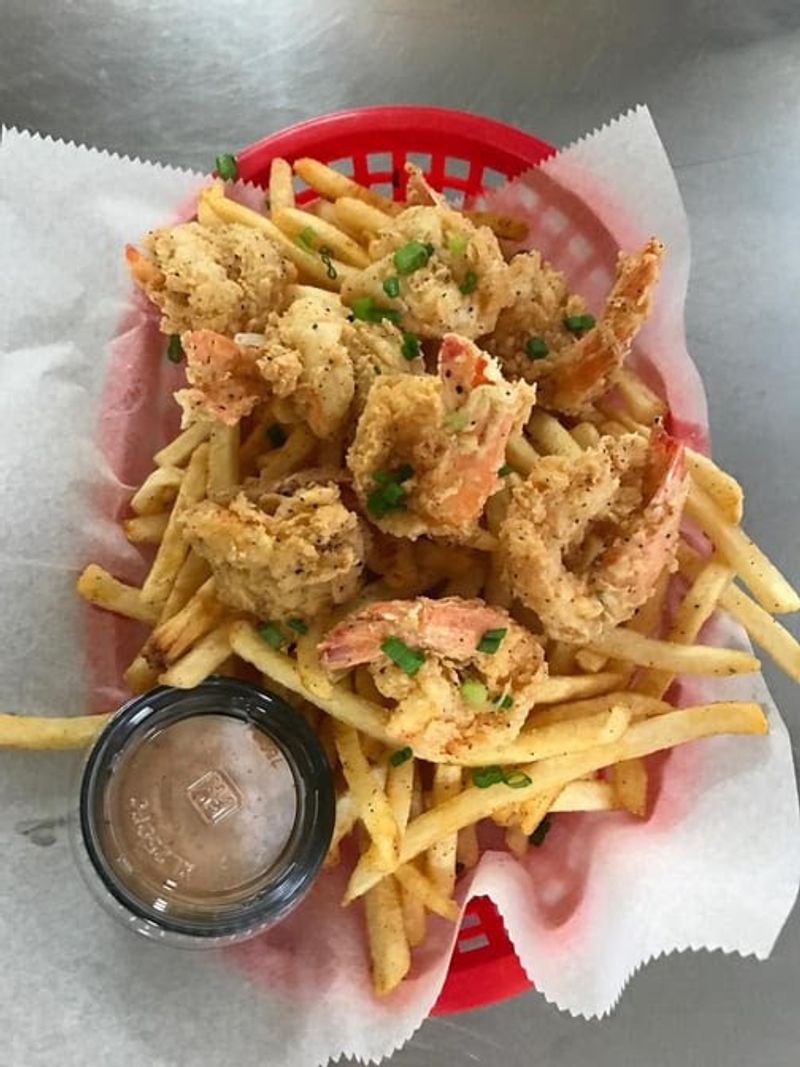
Sometimes a restaurant creates a sauce so good that it becomes legendary among regulars. The Breaux Sauce apparently fits that description, with one reviewer wanting to take gallons of it home.
While the exact recipe remains a secret, the sauce gets mentioned repeatedly in reviews as something special. It accompanies various dishes and adds a signature flavor that keeps people coming back.
Great sauces can elevate good food to memorable food. They add moisture, richness, and an extra layer of flavor that ties a dish together.
The best ones are balanced, not overpowering the main ingredient but enhancing it.
Whatever’s in this particular sauce, it’s clearly working. When customers specifically call out a condiment in their reviews, you know it’s made an impression.
Many Cajun and Creole sauces build on a base of butter, cream, or roux, incorporating spices, herbs, and sometimes unexpected ingredients that create complexity. The bacon Gouda sauce served with the Dirty Cat offers one example of the creative approach here.
These signature touches distinguish a good restaurant from a great one. They show a kitchen that’s not just following recipes but developing its own identity and flavors that customers can’t get anywhere else in the region.
Beignets and Strong Coffee to Finish
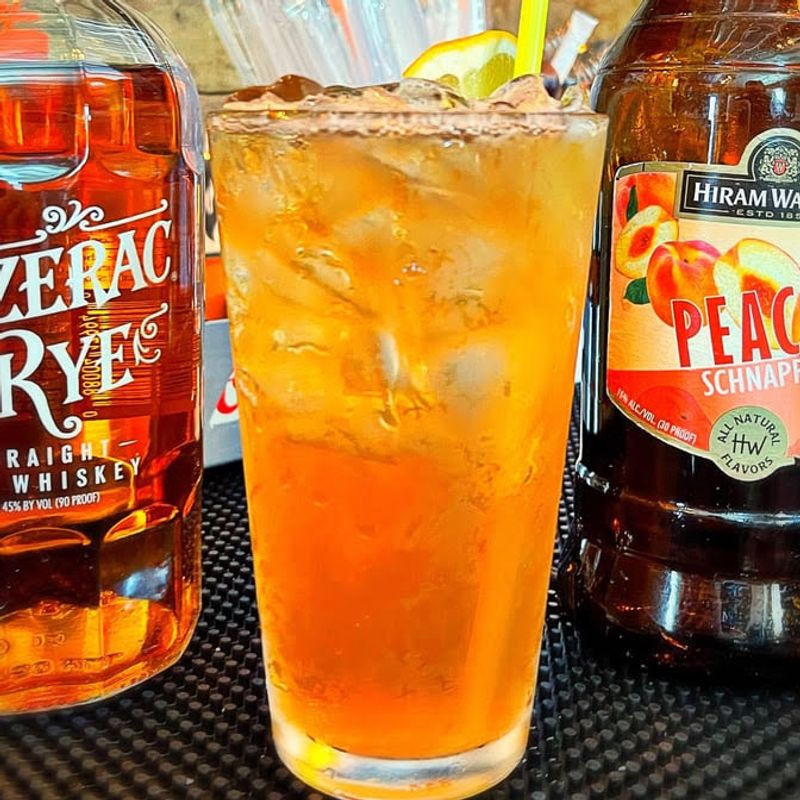
Finishing a Cajun meal with beignets and coffee is as traditional as it gets, bringing a taste of New Orleans cafe culture to Oklahoma. These fried pastries arrive hot, puffy, and generously dusted with powdered sugar.
Proper beignets should be light and airy inside with a slight crisp to the exterior, not heavy or doughy. They’re best eaten fresh and hot, which means they’re made to order rather than sitting around.
The coffee served alongside is described as strong, which is exactly what you want. In Louisiana tradition, cafe au lait typically accompanies beignets, but strong black coffee works beautifully too, cutting through the sweetness.
One couple shared an order of beignets to cap off their meal, and portions are apparently generous enough that sharing makes sense. They’re sweet without being cloying, satisfying without being too heavy after a full meal.
Dessert often gets overlooked or treated as an afterthought at many restaurants. Here, it receives the same attention to authenticity as everything else on the menu.
The fact that they’re making beignets at all shows commitment to the full Louisiana experience. These aren’t easy to execute properly, requiring the right dough, proper frying technique, and good timing to serve them at their best.
Atmosphere That Lets the Food Shine
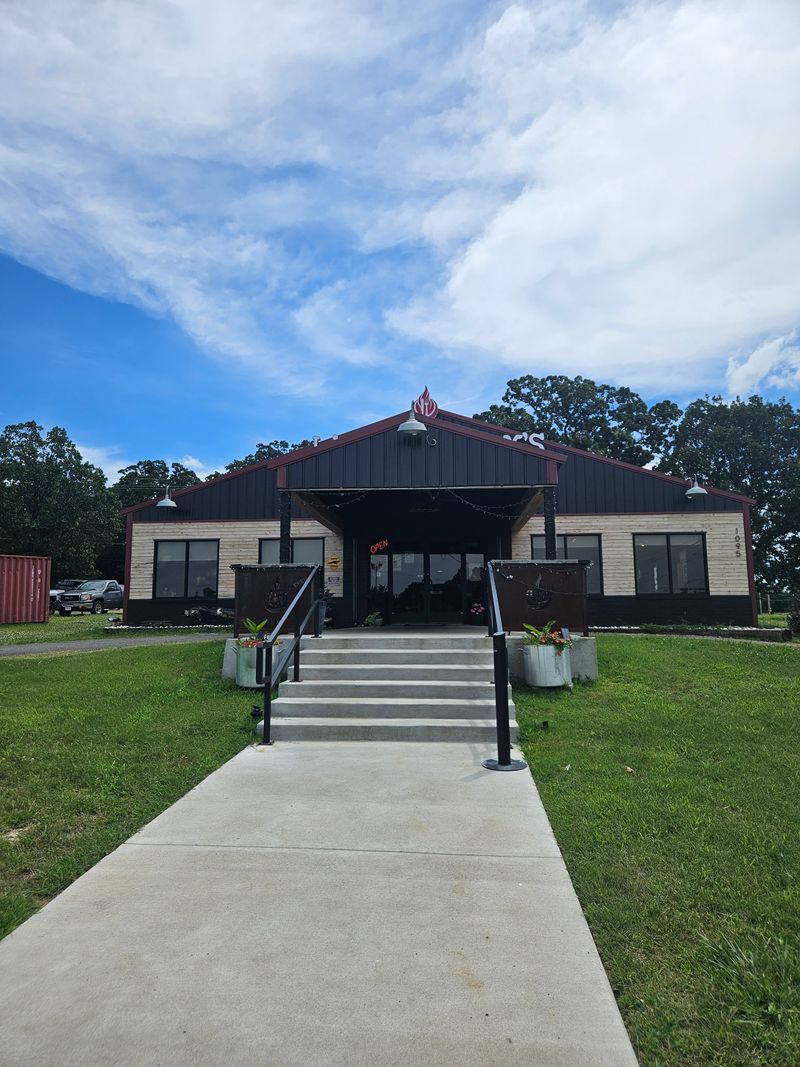
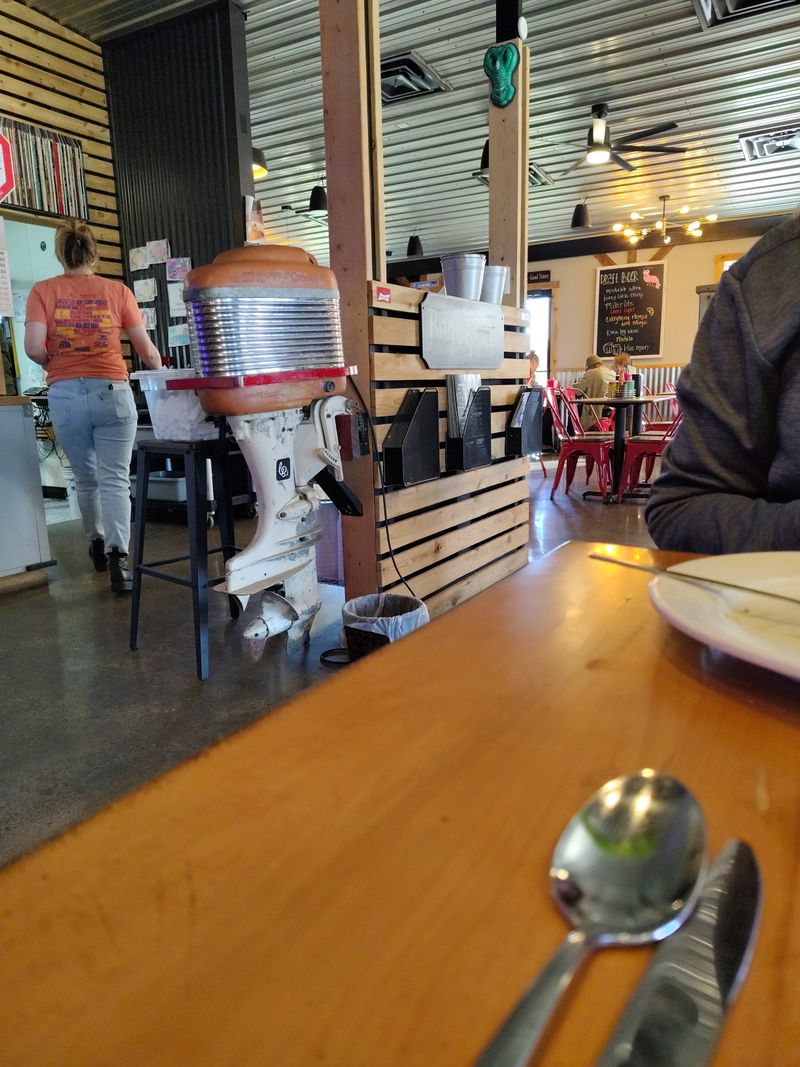
The atmosphere strikes a balance between casual and special, creating a space where you can relax without feeling like you’re in a chain restaurant. Reviewers consistently mention the vibe as “awesome” and welcoming.
This isn’t a place trying to recreate a New Orleans tourist trap with excessive theming and beads hanging from the ceiling. The decor apparently stays understated, letting the authentic food be the main attraction.
Comfortable seating, good lighting, and a layout that doesn’t feel cramped all contribute to an enjoyable dining experience. You can have a conversation without shouting, and the pacing feels relaxed rather than rushed.
The restaurant attracts a mix of locals, college students from nearby Northeastern State University, and visitors who’ve heard about it through word of mouth. That diversity creates an interesting energy without being overwhelming.
On a Friday evening, you might find it pleasantly busy without being packed, allowing for good service and a comfortable meal. Other nights might be quieter, offering a more intimate experience.
What matters is that the space feels genuine and unpretentious. You’re here for excellent Cajun food served in a welcoming environment, not for Instagram-worthy decor or manufactured ambiance.
That authenticity extends from the kitchen to the dining room.
Value That Surprises
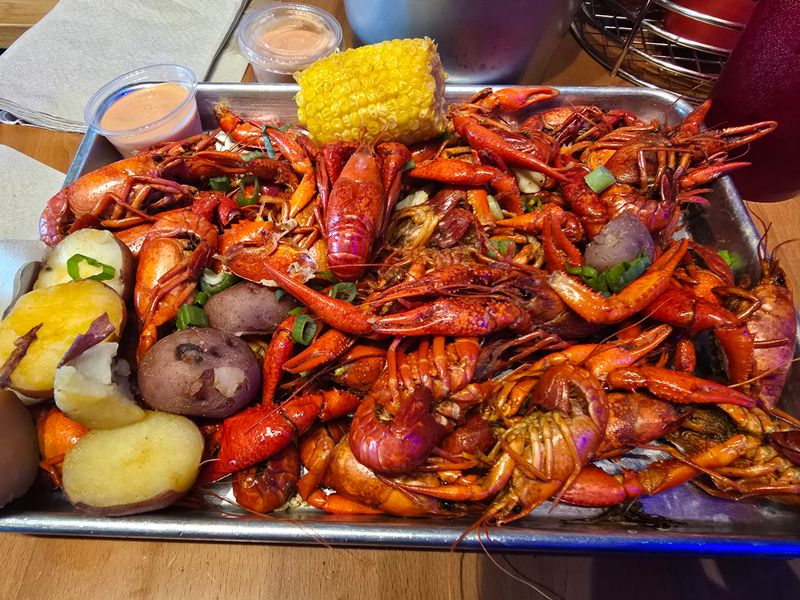
One couple enjoyed appetizers, entrees, sides, dessert, and two glasses of wine, and their total with tip came in under $100. For the quality and quantity of food described, that represents genuine value.
Portions run generous enough that sharing becomes a reasonable option. The Dirty Cat, for instance, was noted as easily shareable, and many dishes come with substantial sides included.
When you’re getting authentic, well-prepared food made from quality ingredients, you expect to pay accordingly. The fact that prices remain reasonable despite the quality makes this place even more appealing.
Compare that to what you’d pay for similar food in New Orleans or other Louisiana restaurants, and the value becomes even clearer. You’re getting the same authenticity without tourist-area pricing.
The generous portions mean you’re likely taking home leftovers or leaving genuinely satisfied rather than still hungry. That matters when evaluating what you’re paying for.
Several reviewers mentioned driving an hour or more to eat here, and they consider it worth the trip. That tells you the combination of quality, experience, and price creates something special enough to justify the effort.
Good value doesn’t mean cheap. It means getting your money’s worth and then some, leaving feeling like you experienced something worthwhile.
A Destination Worth Seeking Out
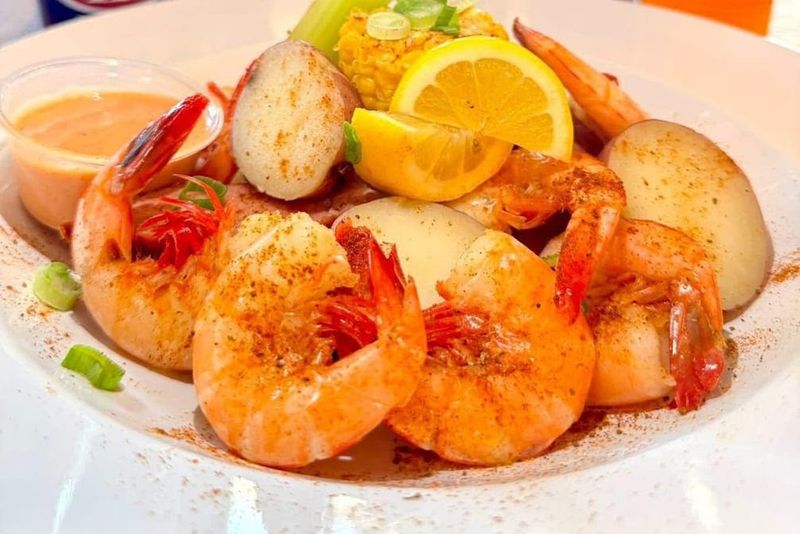
Finding authentic regional cuisine in unexpected places creates a special kind of joy. This restaurant delivers Louisiana cooking with such commitment and skill that it’s become a legitimate destination rather than just a local option.
People drive from Tulsa, from surrounding towns, from an hour and a half away or more, specifically to eat here. That doesn’t happen unless the food and experience justify the trip.
The location in Tahlequah means you can combine your meal with exploring Cherokee Nation cultural sites, floating the Illinois River, or visiting the college campus. But honestly, the food alone makes the journey worthwhile.
Oklahoma might not be the first place you’d think to look for real Cajun cooking, but that’s exactly what makes discovering this place so satisfying. It challenges expectations and rewards curiosity.
The restaurant has built a loyal following through consistent quality, genuine hospitality, and refusing to compromise on authenticity. Those aren’t easy things to maintain, especially in a smaller market.
Whether you’re a Louisiana native craving a taste of home or someone who’s never tried real Cajun food, this place delivers. It’s tucked away in the Oklahoma hills, far from the bayou, proving that great food can take root anywhere when people care enough to do it right.



