 Unearth The Voyage
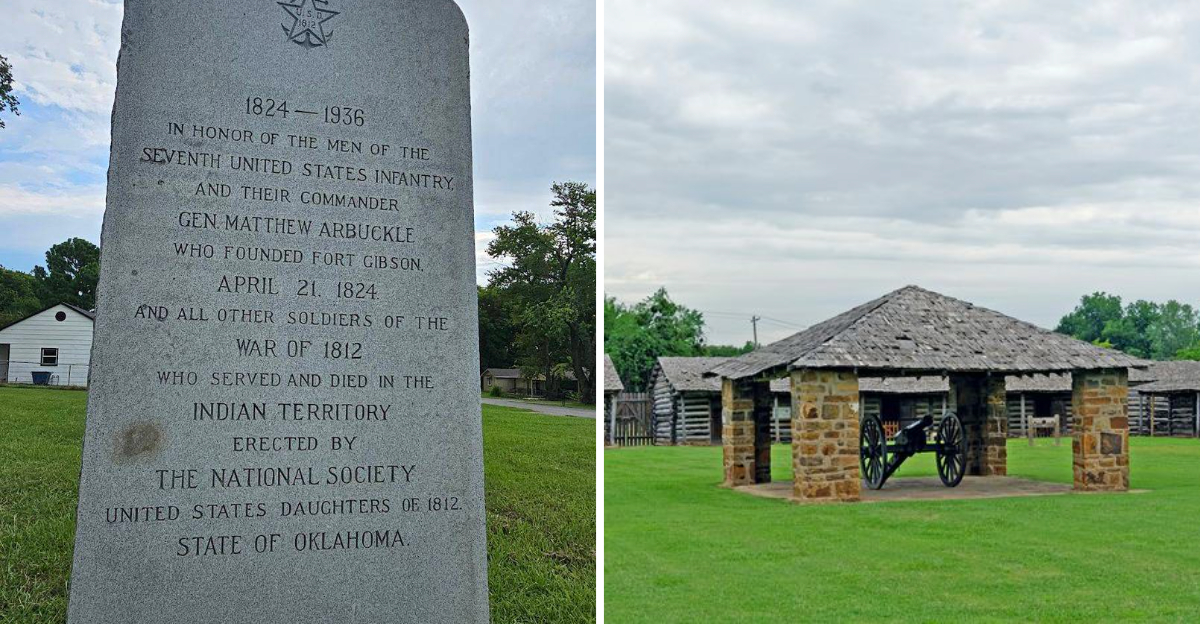
There is a place in eastern Oklahoma where the past does not just sit quietly behind glass cases. It stands upright in the form of log barracks, stone buildings, and a military cemetery that stretches across acres of carefully kept ground.
I had heard about this fort for years before finally making the drive out, and nothing quite prepared me for how real and alive the whole experience would feel. History has a way of hitting differently when you are standing inside the actual walls where soldiers once slept, drilled, and kept watch over a rapidly changing frontier.
Stick with me, because this place has layers worth exploring.
Finding the Fort: Address, Location, and First Impressions
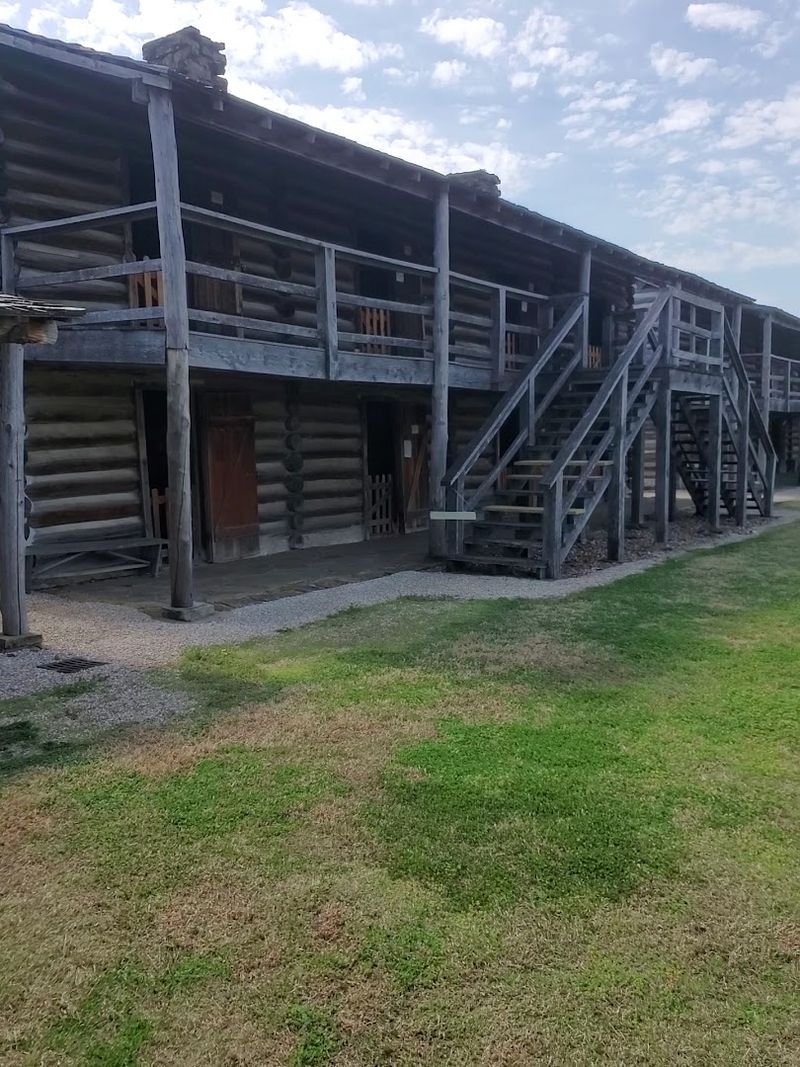
The address is 803 N Garrison Ave, Fort Gibson, OK 74434, tucked into the small town of Fort Gibson in Muskogee County, eastern Oklahoma. The drive in takes you through a quiet, tree-lined town that feels like it has been holding its breath since the 1800s.
The moment you pull up, the reconstructed wooden fort rises ahead of you with a kind of quiet authority. The log walls are tall and tightly fitted, and the whole structure looks like it means business.
There is a parking area nearby, and the grounds are clean and clearly well cared for.
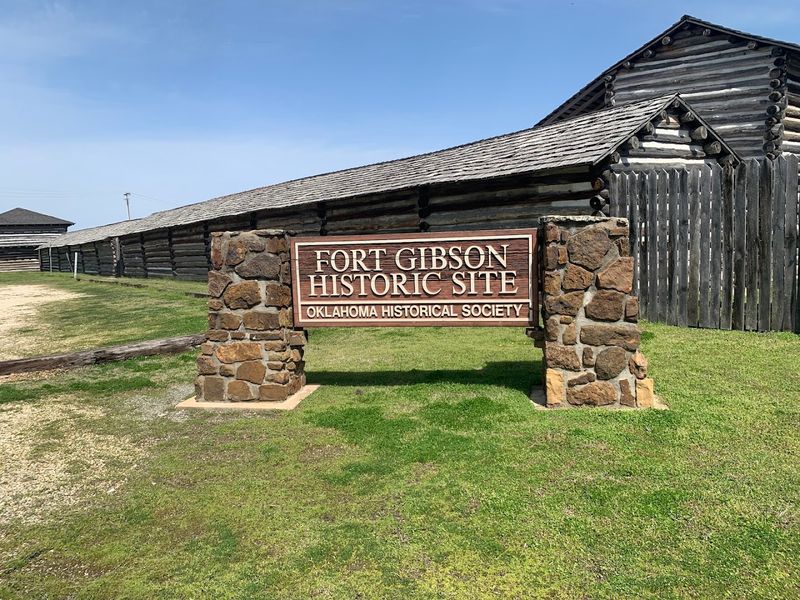
The site is managed by the Oklahoma Historical Society, and that investment in upkeep shows in every detail. Admission is reasonably priced, making it an accessible stop for families, solo travelers, and history enthusiasts alike.
Hours run Tuesday through Saturday, 10 AM to 4:30 PM, and the site is closed Sunday and Monday, so plan accordingly before making the trip.
A Brief History That Goes Deeper Than You Expect
Fort Gibson was established in 1824, making it one of the oldest military posts in what is now Oklahoma. It was built to maintain order on the frontier and to oversee the forced relocation of Native American tribes from the eastern United States, a chapter of history that carries real weight.
The fort sits at the confluence of the Grand, Verdigris, and Arkansas Rivers, a location chosen deliberately for both strategic access and supply routes. Soldiers stationed here faced not just military duties but also disease, harsh weather, and the psychological strain of frontier isolation.
The site holds significance for multiple communities. For Cherokee families and members of other tribes, this fort represents a deeply complicated legacy tied to the Trail of Tears era.
For military historians, it is a rare surviving example of early American frontier infrastructure. The staff here handle all of it with thoughtfulness and care, presenting multiple perspectives rather than a single polished narrative.
That honesty is part of what makes the visit so memorable and worthwhile.
The Lower Fort: Log Walls and Living History
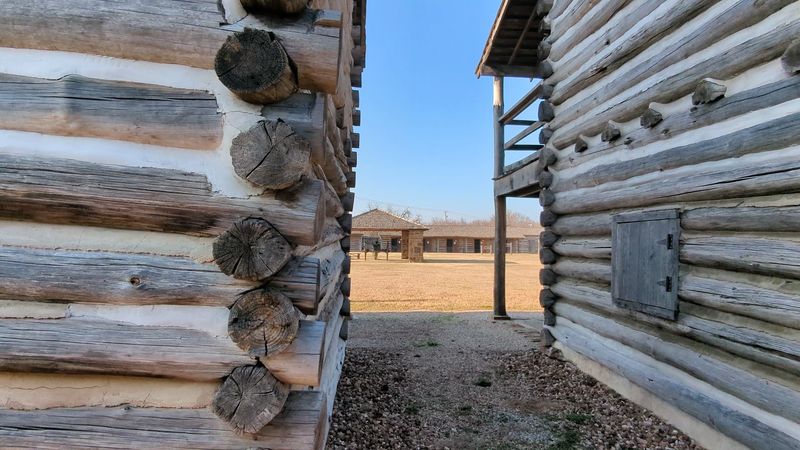
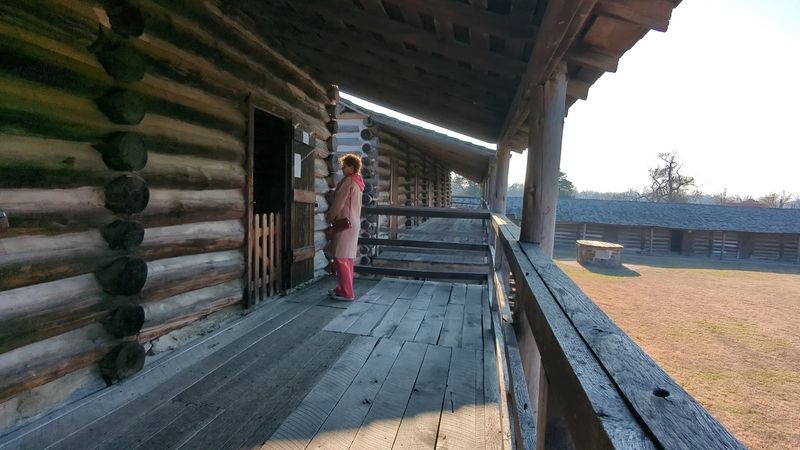
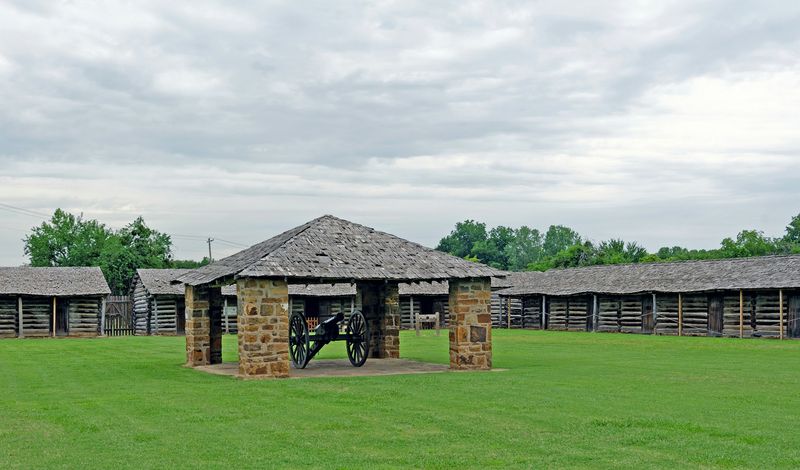
The lower section of the fort is where the frontier really comes to life. This area represents the 1830s to 1850s time period, featuring a reconstructed wooden quadrangle complete with barracks, a commander’s quarters, a brig, and other structures arranged around a central parade ground.
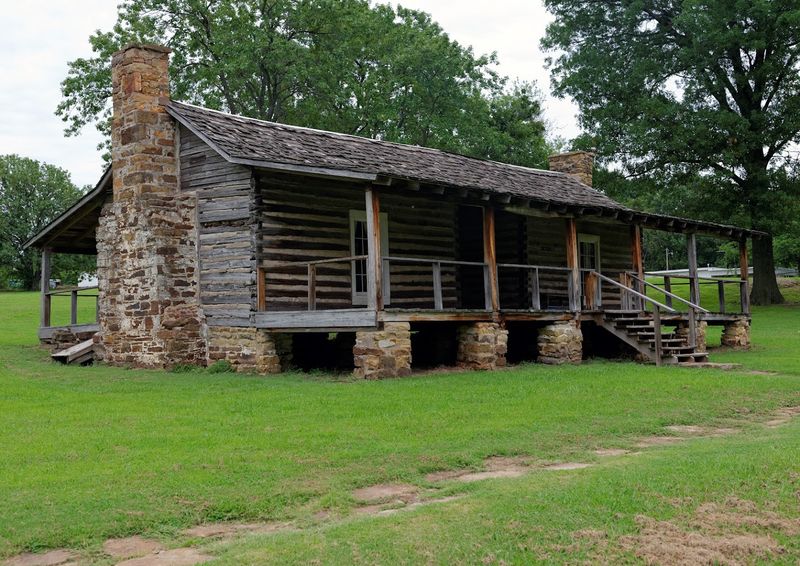
Everything here is built to reflect how the original post actually looked and functioned. The log construction is sturdy and authentic in feel, and walking through the barracks gives you a genuine sense of how cramped and demanding daily life must have been for soldiers stationed here.
The bunks are simple, the ceilings are low, and the light inside is dim even on a bright afternoon.
Self-guided tours let you move at your own pace, which is exactly the right way to experience a place like this. Spend ten minutes in one room or thirty, it is entirely up to you.
On certain days, staff members in period clothing bring the space to life with demonstrations and stories that turn a building tour into something closer to a conversation across centuries.
The Upper Fort: Stone Buildings With Stories to Tell
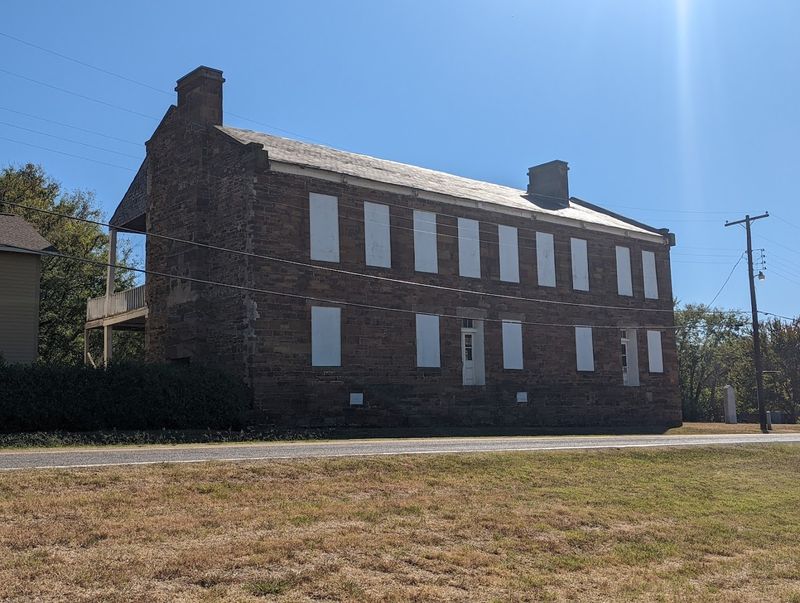
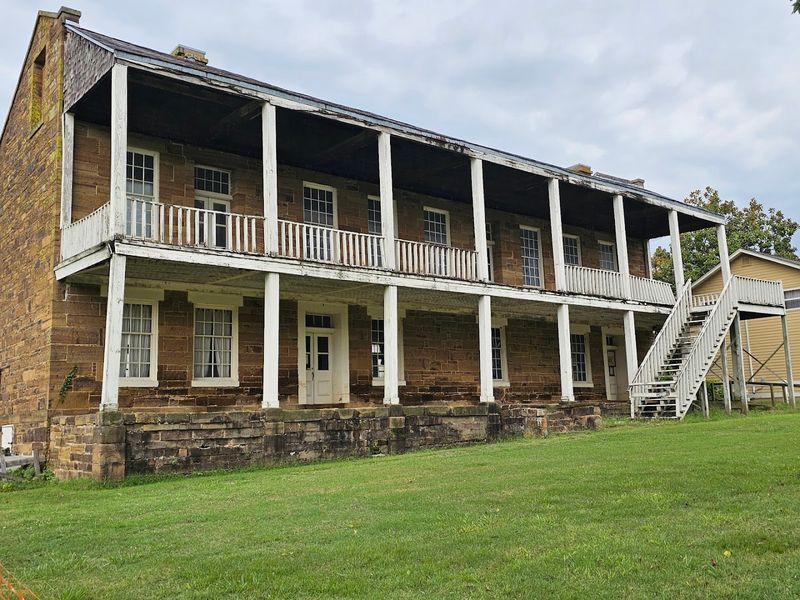
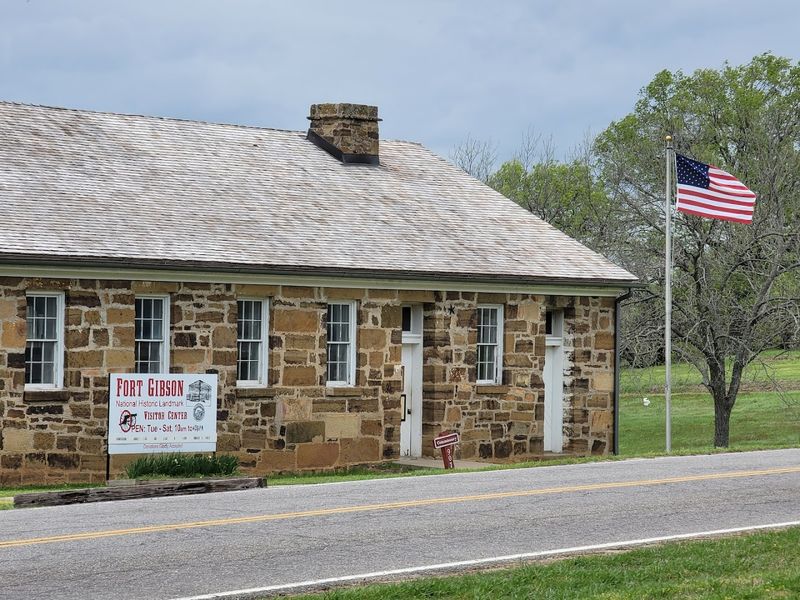
About a mile up the road from the lower fort, the upper section tells a different chapter of the same story. This area represents the 1860s through the 1890s, and it features several original stone buildings that have survived more than a century and a half of Oklahoma weather and history.
Unlike the reconstructed lower fort, these structures are the real thing. The stone is thick, the walls are solid, and the craftsmanship reflects the ambition of a post that was meant to last.
Several of the buildings contain exhibits and displays that cover military life, frontier society, and the broader political landscape of the era.
One of the more quietly remarkable buildings in this section is the first school for the blind in Oklahoma, a detail that adds unexpected dimension to the site’s history. The upper fort area also includes a building in ruins, which has its own haunting appeal.
Seeing what time and weather do to even the most solid construction is a reminder that preservation takes constant effort and genuine commitment from the people who care for these places.
The Bakery: Fresh Bread and a Working Historic Oven
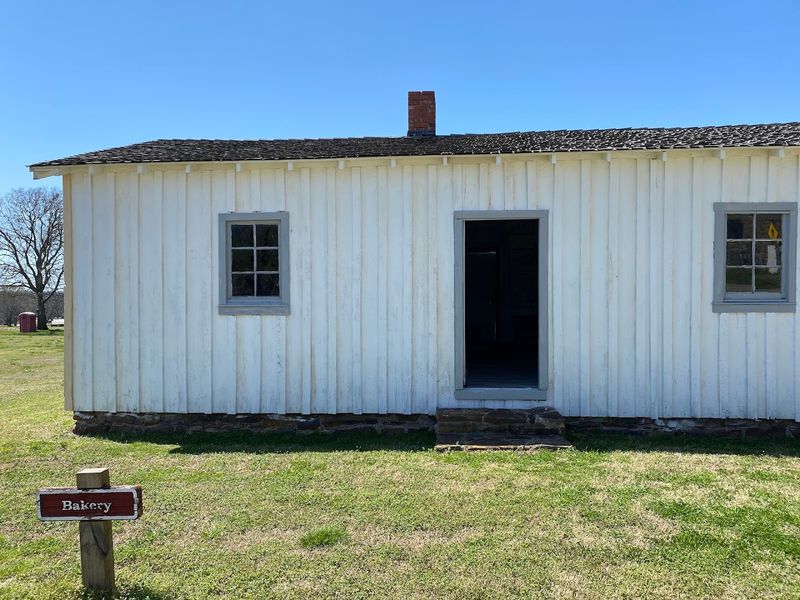
Few things at Fort Gibson catch visitors off guard quite like the bakery. On select days, staff use the original stone oven to bake bread and gingerbread cookies, filling the surrounding area with a warm, familiar smell that feels completely out of place and absolutely wonderful at the same time.
The gingerbread cookie baking sessions in particular have developed a loyal following. People drive hours specifically for this experience, and the batches sell out quickly.
The advice passed along by regular visitors is clear: arrive early, because by mid-morning the line is already forming and the cookies do not last long.
Beyond the treats themselves, watching the baking process in a functioning historic oven is genuinely educational. The oven’s design, the way heat is managed, and the techniques used all reflect actual 19th-century military bakery practices.
It is one of those hands-on, sensory details that no exhibit panel can fully replicate. The combination of history, craft, and something warm to eat makes the bakery one of the most talked-about features of the entire site.
The Museum: Exhibits That Connect the Dots
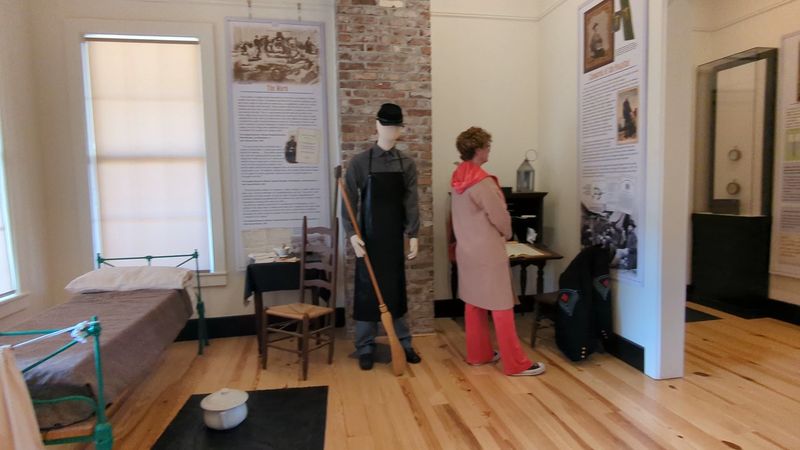
The museum building anchors the upper fort area and serves as the interpretive heart of the whole site. Inside, you will find well-organized displays covering the fort’s founding, its role in Native American removal policies, military life on the frontier, and the broader history of the region through multiple eras.
The exhibits are detailed without being overwhelming. There are artifacts, maps, period photographs, and written panels that give context to what you are seeing across the rest of the grounds.
For visitors who like to understand the full picture before exploring, starting here makes a lot of sense.
The staff inside the museum are consistently noted for their knowledge and enthusiasm. They answer questions thoroughly and seem genuinely happy to share what they know, whether you are an eleven-year-old on a family trip or a retired history teacher with very specific questions about 1840s military supply chains.
That kind of engaged, human connection is something no digital exhibit can replace. The museum also houses a gift shop where you can pick up books, postcards, and other items related to Oklahoma and frontier history.
The Fort Gibson National Cemetery: A Place of Quiet Respect
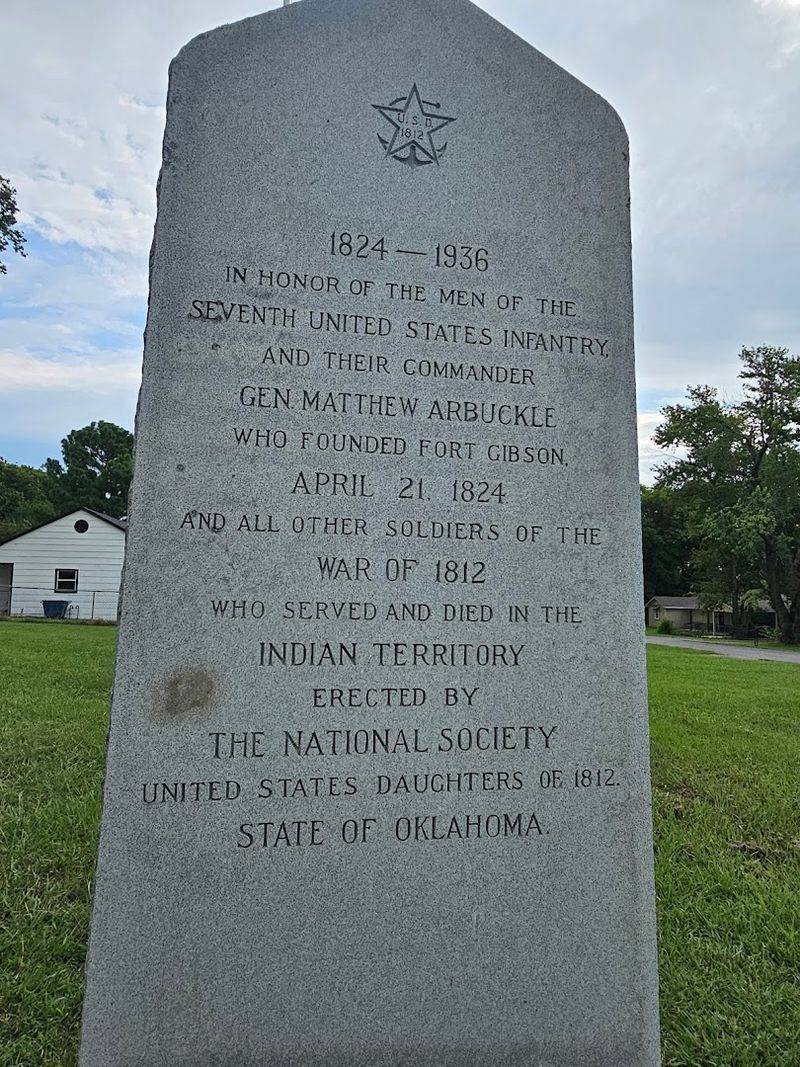
A short distance from the main fort grounds, the Fort Gibson National Cemetery stands as one of the most moving parts of the entire visit. Established in 1868, it is one of the original twelve national cemeteries created by the U.S. government, and it holds the remains of soldiers from multiple conflicts spanning nearly two centuries.
The grounds are immaculate. Rows of white headstones stretch across neatly trimmed grass, and the overall atmosphere is one of quiet dignity.
Families visit here for personal reasons, and the cemetery also draws people who simply want to pay their respects to those who served.
The emotional weight of this place is real and immediate. Knowing the history of the fort and then walking among these markers adds a human dimension to everything you learned earlier in the day.
The cemetery is managed separately from the historic site itself, so it maintains its own hours and access, but the two locations are close enough to visit on the same trip without much extra planning. Together, they form a complete and deeply meaningful picture of what this corner of Oklahoma has witnessed over time.
Special Events That Make History Feel Personal
Fort Gibson Historic Site runs a calendar of special events throughout the year that transform an already engaging site into something genuinely memorable. The Christmas Candlelight Tour is probably the most celebrated of these, drawing visitors from across the region for an evening walk through the fort lit by candles and lanterns.
The atmosphere during the candlelight tour is unlike anything you get during a standard daytime visit. The soft light, the period costumes, and the quieter pace of an evening event create a completely different kind of connection to the history of the place.
It books up fast, so checking the website ahead of time is strongly recommended.
Other events include reenactments, living history demonstrations, and seasonal programs designed for school groups and families. The site’s website at okhistory.org/sites/fortgibson keeps the event calendar updated, and it is worth checking before any visit to see what might be happening during your trip.
Timing a visit around one of these programs can turn a good day out into the kind of experience people talk about for years afterward.
Native American History and the Complex Legacy of the Frontier
Fort Gibson cannot be fully understood without acknowledging its deep connection to Native American history, particularly the forced relocations of the 1830s. The fort played a direct role in overseeing the resettlement of the Cherokee, Creek, Choctaw, Chickasaw, and Seminole nations into what was then called Indian Territory.
The site handles this history with honesty and care. Exhibits acknowledge the suffering caused by removal policies without glossing over uncomfortable truths.
For visitors with Cherokee or other tribal heritage, this place carries personal significance that goes well beyond a standard history lesson.
Several visitors with Native American ancestry have noted that they find value in coming here precisely because the full story is told, not just the military side. Understanding the fort’s role as a border post between the United States and sovereign Native nations adds layers of meaning to every building, every artifact, and every acre of the grounds.
Oklahoma’s identity today is inseparable from this history, and Fort Gibson Historic Site is one of the most honest and accessible places in the state to engage with it directly and thoughtfully.
Tips for Planning Your Visit
A few practical details can make a real difference in how much you get out of a trip to this site. The fort is open Tuesday through Saturday, from 10 AM to 4:30 PM, and is closed Sunday and Monday.
Arriving early in the day gives you the most time and, on busy event days, the best chance at baked goods from the historic oven.
The site spans more than 80 acres, with the lower fort and upper fort located about a mile apart. Having a car makes moving between the two sections much easier, though the grounds themselves are very walkable once you are parked.
Comfortable shoes are a good idea, especially if you plan to explore the full property.
Families with kids of all ages tend to have a great time here. The self-guided format means no one feels rushed, and the mix of hands-on spaces, open grounds, and museum exhibits keeps different types of visitors engaged.
The staff are approachable and knowledgeable, so do not hesitate to ask questions. You can also call ahead at +1 918-478-4088 to confirm event schedules or ask about group visit options.
The Surrounding Area: More to See in Fort Gibson
The town of Fort Gibson itself is worth a slow drive through after your visit to the historic site. The old downtown area has a relaxed, unhurried character, and the streets carry a sense of history that feels continuous with everything you just experienced inside the fort walls.
Near the wooden fort, you can find a former road bridge sitting alongside a train trestle, a combination that makes for a surprisingly photogenic stop. The Grand River and its surrounding landscape add natural beauty to the historical richness of the area, and the nearby Tenkiller Ferry Lake is a popular destination for outdoor activities just a short drive away.
The Fort Gibson Dam is also within a few miles of the historic site and adds another dimension to a day trip in this part of Oklahoma. Whether you are spending a half day at the fort or building a longer weekend itinerary around the region, the area rewards exploration.
The combination of military history, natural scenery, and small-town atmosphere makes Fort Gibson one of those destinations that quietly exceeds expectations every single time.
Why This Fort Stays With You Long After You Leave
Most historic sites leave you with a few facts and maybe a magnet from the gift shop. Fort Gibson Historic Site leaves you with something harder to shake, a sense of genuine connection to the people and events that shaped this region and, in many ways, the entire country.
The combination of authentic architecture, honest storytelling, dedicated staff, and sensory details like the smell of fresh bread from the historic oven creates an experience that works on multiple levels at once. It is educational without being dry, and it is moving without being manipulative.
The 4.6-star rating from nearly 500 visitors reflects something real: this is a place that consistently delivers on its promise. Oklahoma has no shortage of meaningful historical sites, but Fort Gibson holds a particular place among them because of how completely and thoughtfully it brings its story to life.
Long after the drive home, the image of those log walls, those white headstones, and that wide-open parade ground has a way of staying right behind your eyes, reminding you that history is never really finished with us.



