 Unearth The Voyage
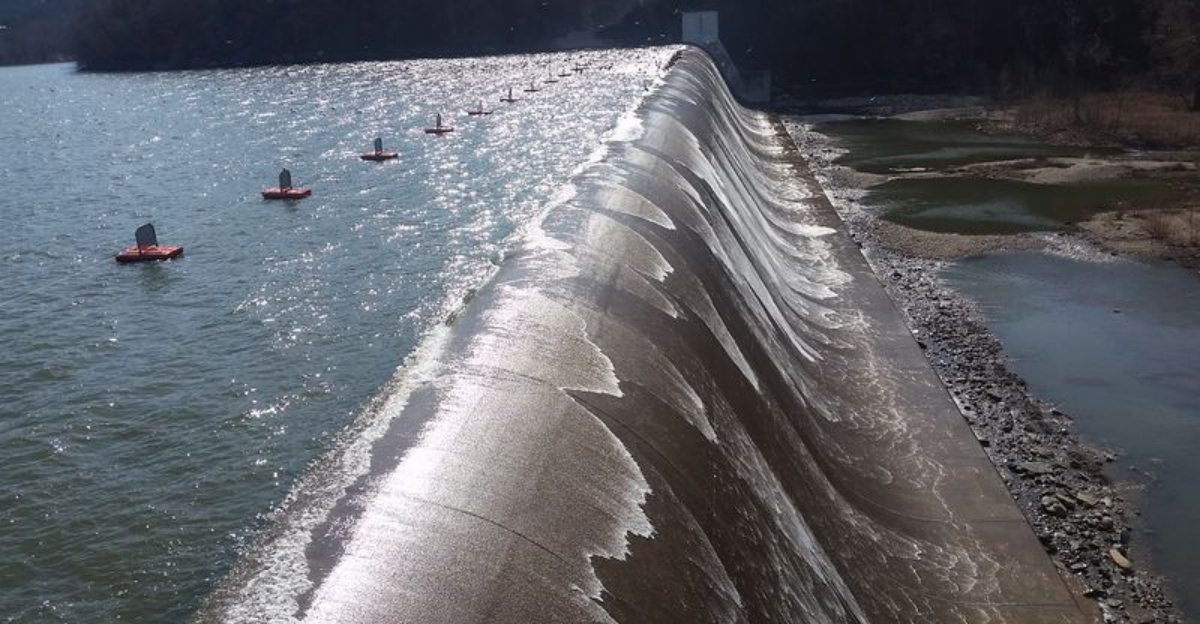
There are places you stumble onto that feel like they belong to you alone. Not because you discovered them first, but because they have that rare, quiet quality that makes you want to keep them close.
A small lake tucked into the rolling hills of northeastern Oklahoma, a dam that looks like it was carved straight out of a storybook, and a stillness that most people drive right past without a second glance. This is one of those spots where the water does all the talking, and honestly, it says a lot.
Keep reading, because this one is worth every word.
Where Exactly This Hidden Spot Lives
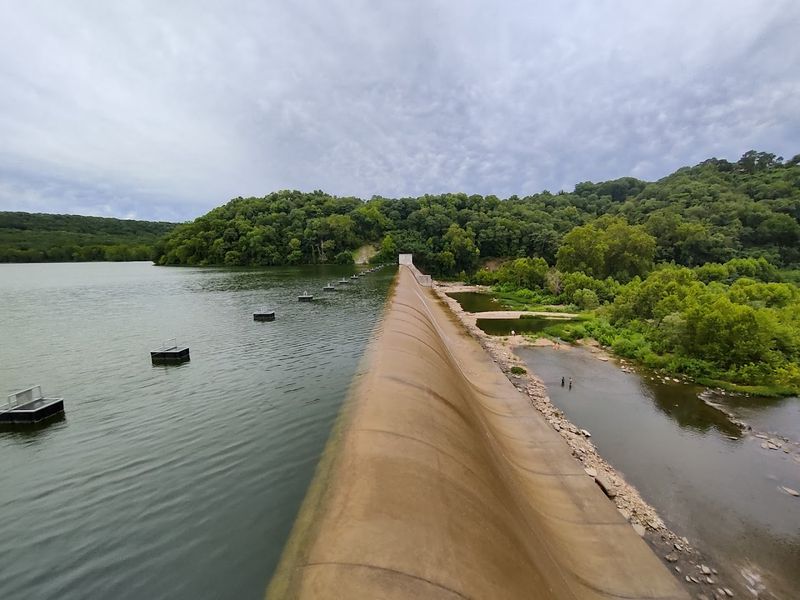
The Spavinaw Water Project sits quietly in northeastern Oklahoma, along Oklahoma Highway 20, near the small town of Spavinaw in Mayes County, with a mailing address tied to Oklahoma 74366.
Most people pass through this part of the state without a second thought, but those who stop find something genuinely worth their time.
The project was originally built to supply water to the city of Tulsa, and that practical origin story makes the beauty here feel almost accidental, like the engineers built something functional and nature decided to make it spectacular.
The lake sits at coordinates 36.3818 latitude and -95.0477 longitude, which puts it in a green, hilly stretch of Oklahoma that feels worlds away from city noise.
The drive in is half the experience, with winding roads and tree lines that slowly reveal the water as you get closer.
First-time visitors often do a double take when the dam comes into view, not expecting something so grand in such a quiet corner of the state.
The Story Behind the Dam
Long before most people had ever heard of Spavinaw, city planners in Tulsa were looking for a reliable water source, and they found their answer in this quiet northeastern Oklahoma valley.
Construction on the Spavinaw Water Project began in the early 1920s, making this dam nearly a century old, which adds a certain weight to every visit.
The project created Spavinaw Lake, which served as a primary water supply for Tulsa for decades before additional sources were developed.
What makes the history here so interesting is that the dam was not just a piece of infrastructure, it was a massive engineering effort for its time, requiring significant labor and resources in a region that was still very much developing.
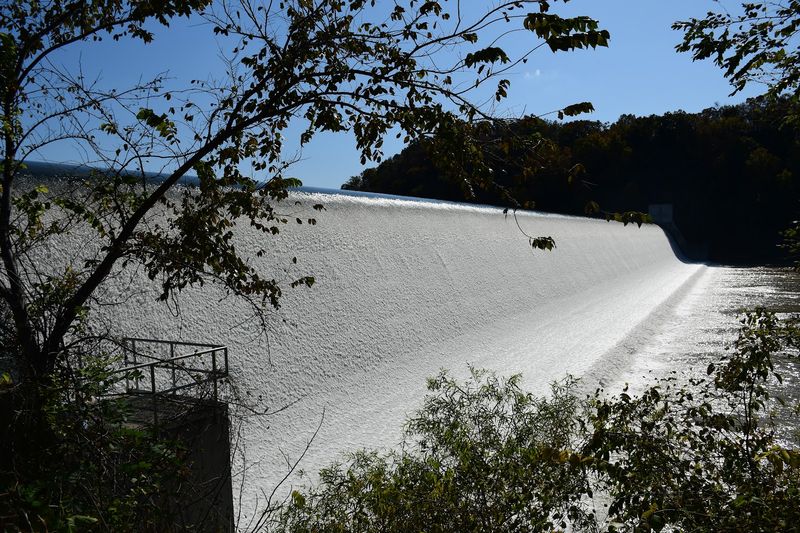
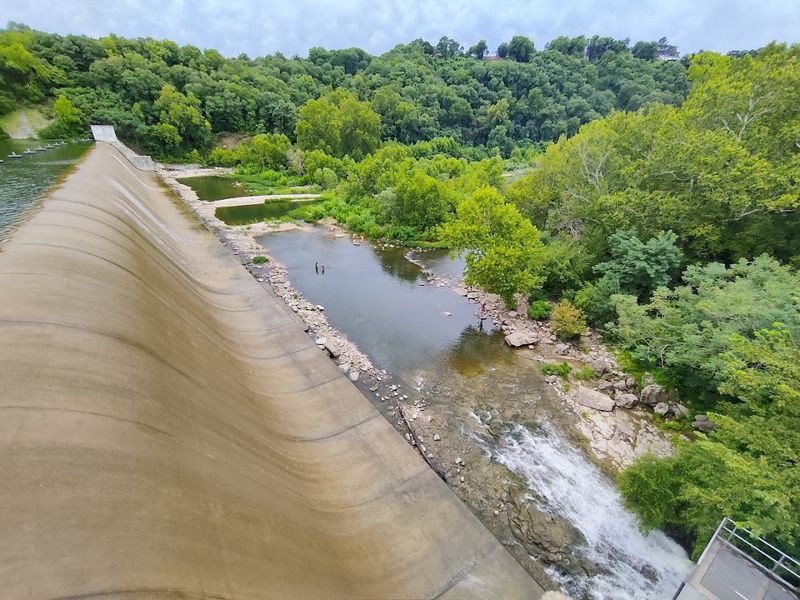
The dam itself is a gravity-type concrete structure, and standing near it, you get a real sense of how much work went into building something this solid by hand.
That century of history has given the site a quiet dignity, like a building that has earned its place in the landscape and is not going anywhere anytime soon.
What the View From the Top of the Dam Feels Like
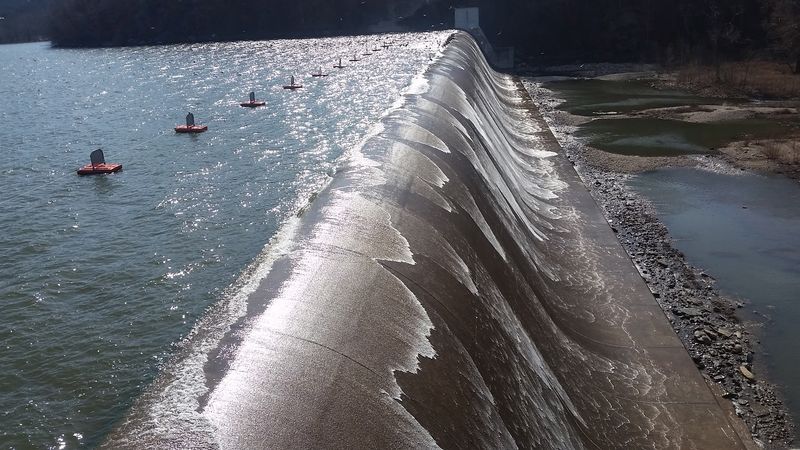
The top of the dam is where this spot earns its reputation, and the view from up there is genuinely hard to put into words without sounding like you are overselling it.
At night, the lake stretches out in all directions like a dark mirror, and the only sounds are the wind and the occasional ripple of water below.
During the day, the light hits the water in ways that shift by the hour, from a pale silver in the morning to a deep blue-green by afternoon.
After a heavy rain, the overflow spillway runs full and fast, and the sound alone is worth the trip, a low, constant roar that you feel as much as hear.
The elevated vantage point also gives you a clear view of the surrounding hills and tree lines, which turn into a patchwork of red, orange, and gold in October.
There is something about standing that high above still water that makes the world feel quieter and slower, and that feeling tends to stick with you long after you leave.
The Lake Itself and Its Calm Character
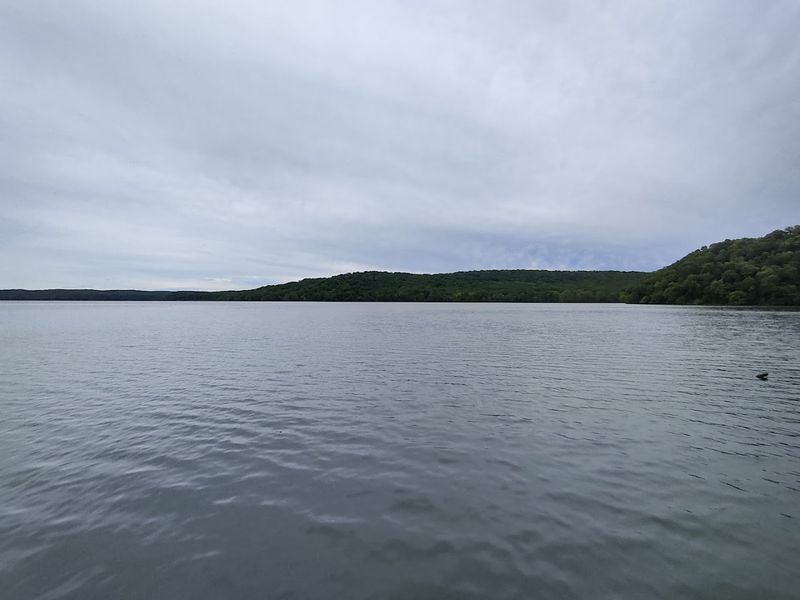
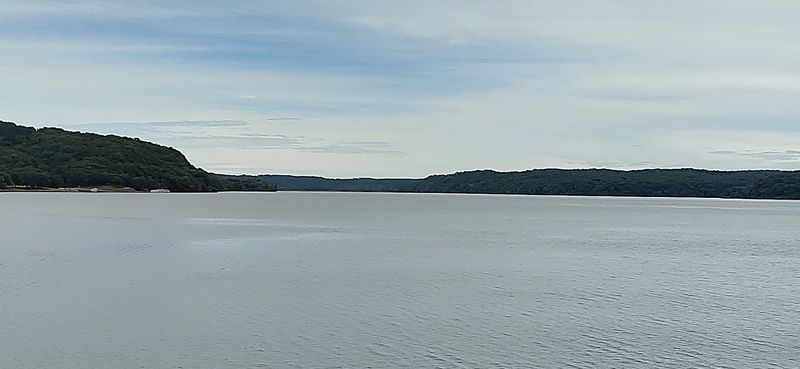
Spavinaw Lake has a personality that is entirely its own, unhurried, wide, and calm in a way that feels less like a tourist destination and more like a place that exists on its own schedule.
The water is clear enough in many spots to see the bottom near the shallower edges, and on a still October day, the surface looks almost polished.
One visitor described spending just a short time at the lake and wishing they could have stayed for hours, and that reaction is completely understandable once you are actually there.
The nearby creek adds another layer to the experience, with a softer, more intimate feel compared to the open expanse of the main lake body.
Fishing is one of the most popular activities here, and the lake holds bass, catfish, and crappie, giving anglers a solid reason to come back more than once.
The overall atmosphere is relaxed without being boring, the kind of place that rewards people who are comfortable just sitting and watching the water move.
Fall Colors and Seasonal Timing
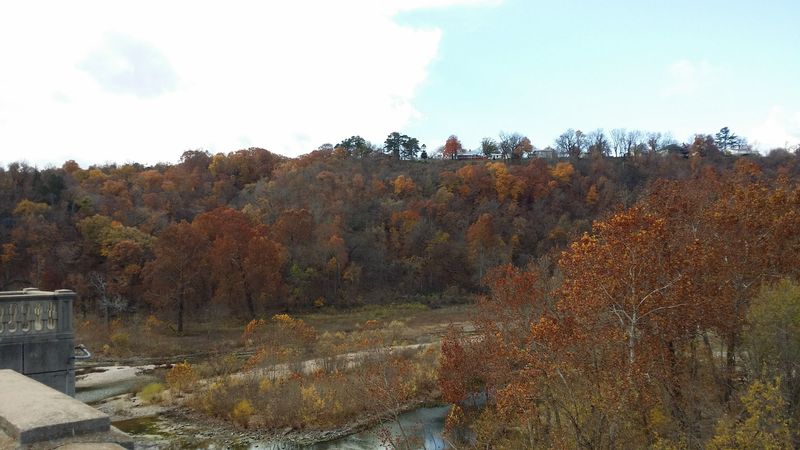
October at the Spavinaw Water Project is a completely different experience from any other time of year, and the fall foliage is one of the main reasons locals keep coming back.
The hills surrounding the lake are covered in hardwood trees, which means the color change is dramatic and fast, going from green to full autumn fire in a matter of weeks.
A mid-October visit on a calm, clear day delivers the kind of scenery that feels almost too perfect, with warm temperatures, still water, and a sky that seems bluer against all that orange and red.
Spring visits have their own appeal, especially after wet weather when the dam overflow runs strong and the whole area looks freshly washed and green.
Summer brings more activity and warmer water, making it a good time for those who want to spend time on or near the lake rather than just looking at it.
Winter is the quietest season here, and the bare trees actually open up views of the water that you cannot get any other time of year.
Getting Out on the Water
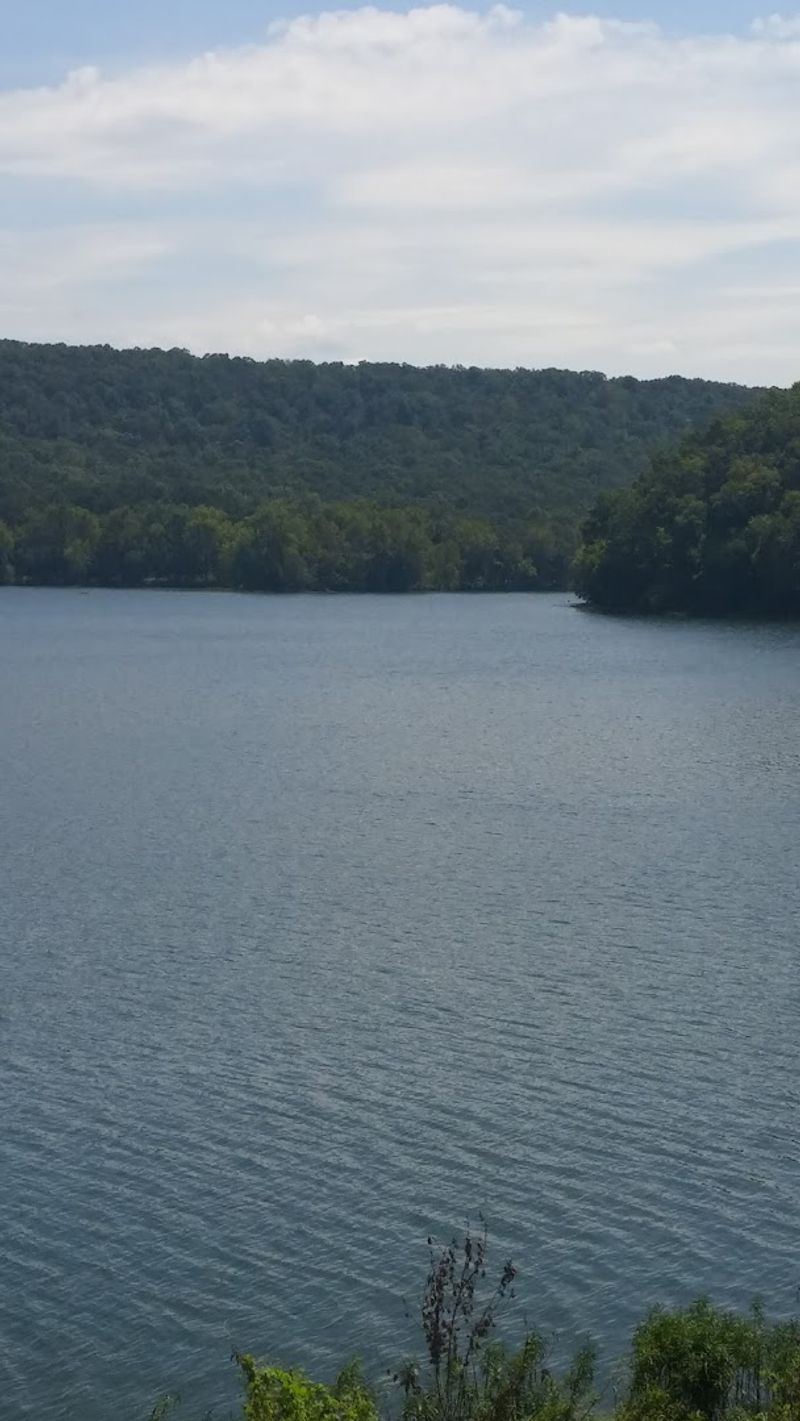
The water at the Spavinaw project is not just something to look at, it is something to get out on, and the lake offers enough space and calm for a genuinely good day on the water.
Kayaking and canoeing are both well-suited to this lake, given its generally calm surface and the scenic shoreline that rewards a slow paddle around the edges.
Fishing from a boat gives you access to deeper sections of the lake where bass tend to hold in the warmer months, especially around submerged structure near the old creek channels.
The lack of heavy boat traffic on most days means the water stays smooth longer into the morning, which is ideal for anyone who wants a quiet, uninterrupted experience.
Bank fishing is also a legitimate option here, with several accessible spots along the shoreline where you can cast without needing a boat at all.
The overall setup rewards people who plan ahead and bring the right gear, because the lake has plenty to offer once you are actually on it.
Camping and Staying Overnight
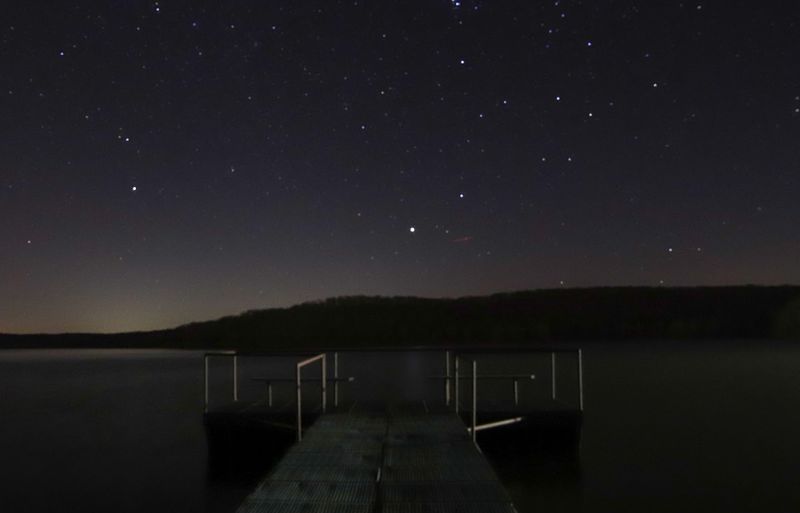
Spending the night near the Spavinaw Water Project takes the experience from a day trip to something that feels more like a real escape, and the overnight atmosphere is genuinely different from what you get during daylight hours.
Camping is available in the area, and the sound of the water at night, especially when the overflow is running, creates a natural background that is hard to replicate anywhere else.
A few things are worth knowing before you book a site, and the most important is to confirm all fees and policies in advance, including any per-tent charges that may apply in addition to a lot rental fee.
Bringing your own supplies, including toilet paper and basic hygiene items, is a smart move given the remote nature of the facility and the limited on-site services.
The mornings here are especially good, with mist rising off the water and a stillness that makes even a simple cup of coffee feel like a luxury.
Planning ahead makes the difference between a frustrating stay and one you end up talking about for months.
The Overflow Spillway Up Close
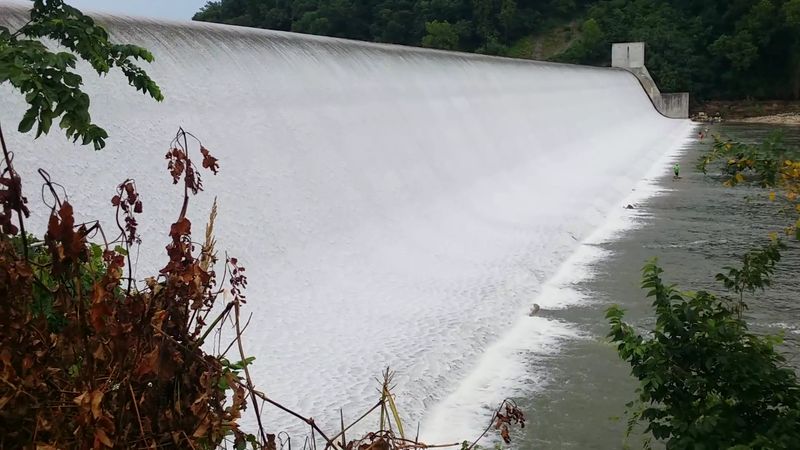
The overflow spillway at the Spavinaw dam is one of those features that stops people mid-step, and seeing it in full flow after a heavy rain is a completely different experience from seeing it dry.
When the water level is high enough to spill over, the sound carries a long way, and the visual of water sheeting over that wide concrete edge is genuinely impressive from any angle.
The spillway design is a classic glory hole or morning glory style, which means the water funnels down through a vertical shaft rather than over a traditional side channel, giving it a dramatic appearance that photographers love.
Up close, the scale of the structure becomes much clearer, and the engineering involved in building something like this in the 1920s is easier to appreciate when you are standing right next to it.
After a particularly wet spring, the spillway can run for days at a time, and timing a visit around a wet weather period is a strategy that pays off visually.
The area around the spillway is one of the most photographed spots in this part of Oklahoma, and for good reason.
Wildlife and Natural Surroundings
The land around the Spavinaw Water Project is not just scenic, it is genuinely alive with wildlife, and a quiet visit at the right time of day can turn into something unexpected.
White-tailed deer are common in this part of northeastern Oklahoma, and the wooded areas around the lake provide exactly the kind of cover they prefer.
Birdwatchers will find the lake and its surrounding trees productive, with herons, egrets, and various waterfowl making regular appearances along the shoreline throughout the year.
The creek that feeds into the lake area adds habitat variety, and the mix of open water, shallow edges, and wooded banks creates conditions that support a wide range of species.
Turtles are frequently spotted sunning on logs near the water’s edge, and in warmer months, the shoreline buzzes with insect activity that draws swallows and other aerial feeders in impressive numbers.
The natural setting here is not manicured or managed for appearance, which is exactly what makes it feel so honest and worth protecting from too much foot traffic.
Tips for Making the Most of Your Visit
A few practical notes can make the difference between a visit that clicks and one that falls flat, and the Spavinaw Water Project rewards people who show up prepared.
The best light for photography is in the early morning or late afternoon, when the sun is low and the water picks up color from the sky in a way that flat midday light simply cannot match.
Wearing comfortable shoes with good grip matters here, especially if you plan to walk near the dam or along any of the rocky shoreline sections.
Cell service in this part of Oklahoma can be inconsistent, so downloading offline maps before you leave home is a smart habit that will save you frustration on the road.
The site is generally free to visit for sightseeing purposes, though camping fees apply if you plan to stay overnight, and confirming current rates before arrival is always a good idea.
The most important tip is simply to give yourself more time than you think you need, because this is the kind of place that earns every extra hour you are willing to give it.



